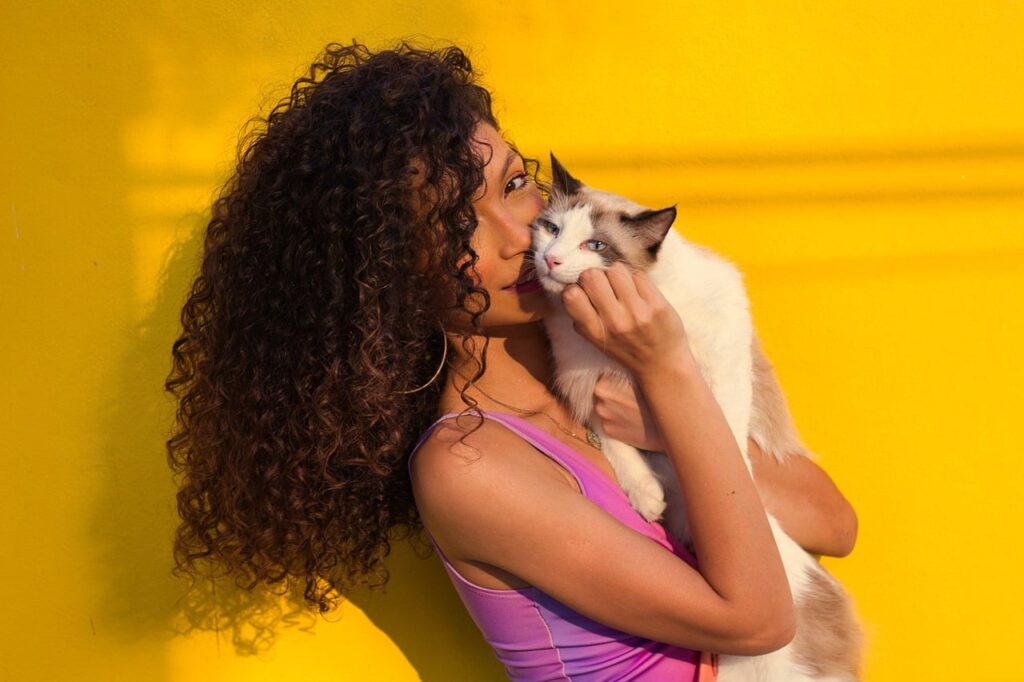
You probably know that tiny thump on your leg or face: your cat marches up, squints slowly, and presses its head into you like a furry little battering ram. You melt, of course. Somewhere in your brain, a switch flips and it feels like a pure declaration of love. But in your cat’s world, that headbutt is not exactly the same kind of love note you think it is. It is doing something more practical, more instinctive, and a lot more “cat” than “romantic movie ending.” What makes this moment fascinating is not just what your cat is doing, but also what your own brain is doing with it. You are not just receiving a signal; you are actively translating it, layering past experiences, needs, and emotions on top of a simple behavior. In other words, the headbutt is a cat thing, but the feeling of being loved is very much a you thing. When you look closer, that innocent bump becomes a tiny psychological mirror, showing you as much about your attachment style, expectations, and history as it does about your pet’s instincts.
What Your Cat Is Actually Doing When It Headbutts You
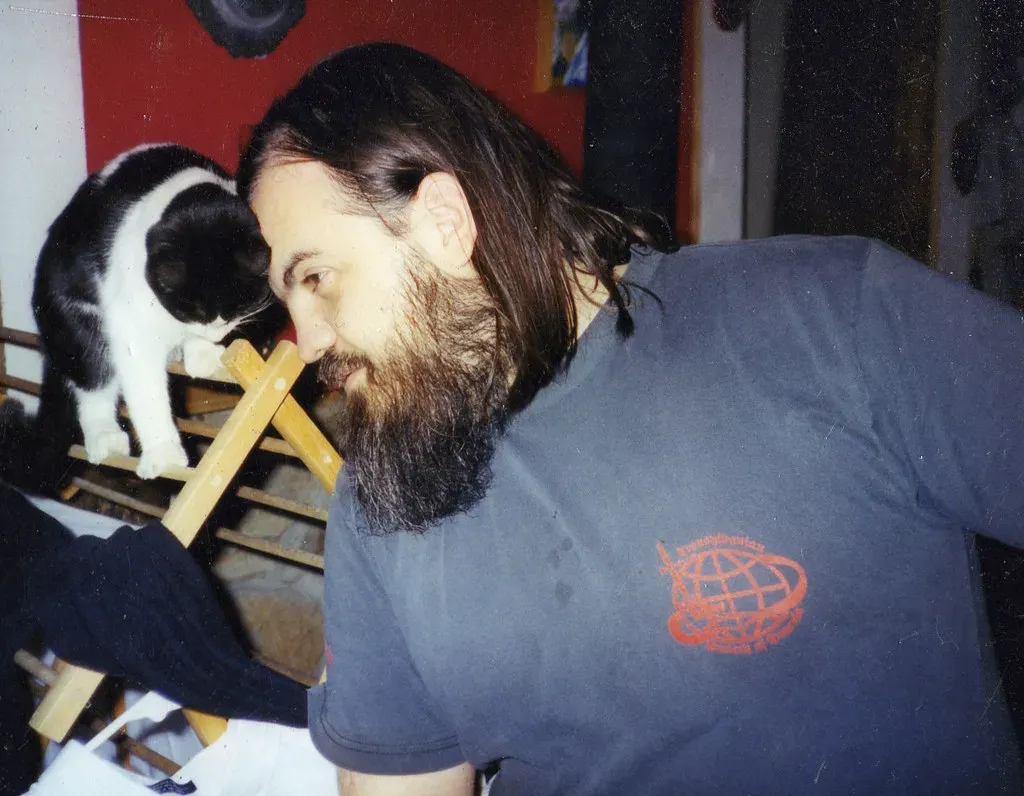
When your cat headbutts you, it is doing something called bunting. You will usually see it press its forehead or cheeks against you, furniture, or other animals. Under the fur around its face are scent glands, and when your cat rubs against you, it is leaving behind its scent, like a living, purring highlighter. In the cat’s world, this is about territory, familiarity, and safety more than it is about emotional poetry. To your cat, you are not just a person; you are part of its environment that needs to smell right. By marking you with its scent, your cat is essentially filing you under “mine” and “safe.” That feels like love to you, and in a way, it is a form of social bonding, but it is rooted in instinctive behavior that has more to do with security and control than your human version of romance or affection. Your cat is not thinking in words; it is acting from a deep, wired-in pattern.
How Your Brain Turns a Headbutt Into “I Love You”
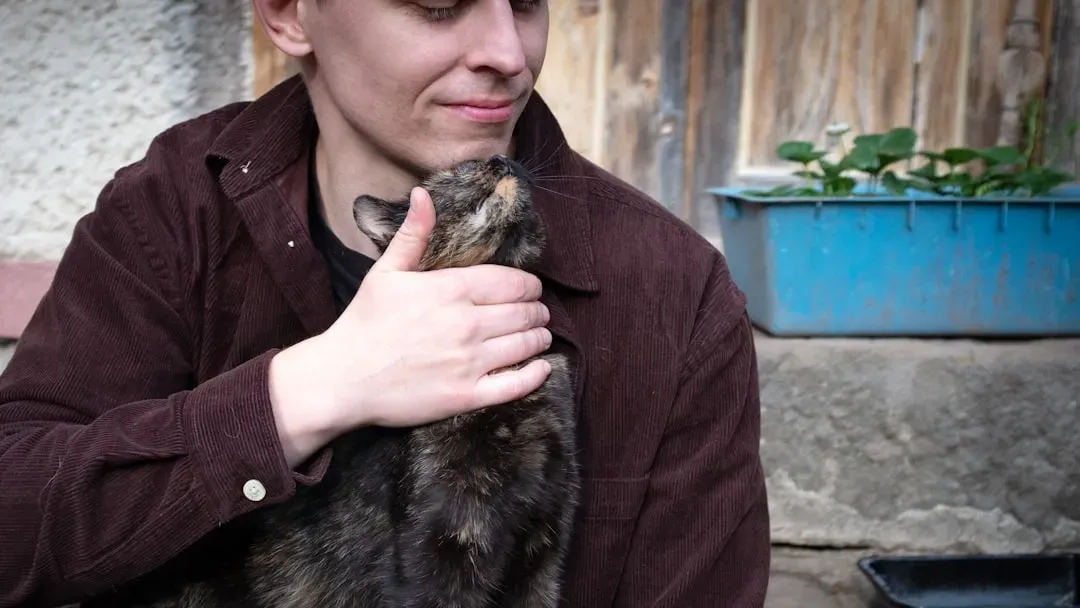
Even though your cat’s bunting has practical and territorial roots, your brain does something different with it. You are wired to interpret signals in emotional terms, especially from beings you care about. When that furry forehead presses into you, your brain grabs the moment, compares it to other experiences of closeness, and tags it as affection. You are running it through a human filter of hugs, kisses, and gentle touches. Your brain also loves stories. You do not just see a headbutt; you build a small narrative around it. Maybe you think, your cat missed you, or your cat chose you out of everyone in the room. Those stories are not necessarily wrong, but they are human-shaped versions of a cat-shaped behavior. You give the moment meaning, and once your brain does that a few times, it sticks, and now every headbutt feels like a tiny emotional confirmation: you are loved, you are chosen, you are special.
What Your Interpretation Reveals About Your Attachment Style
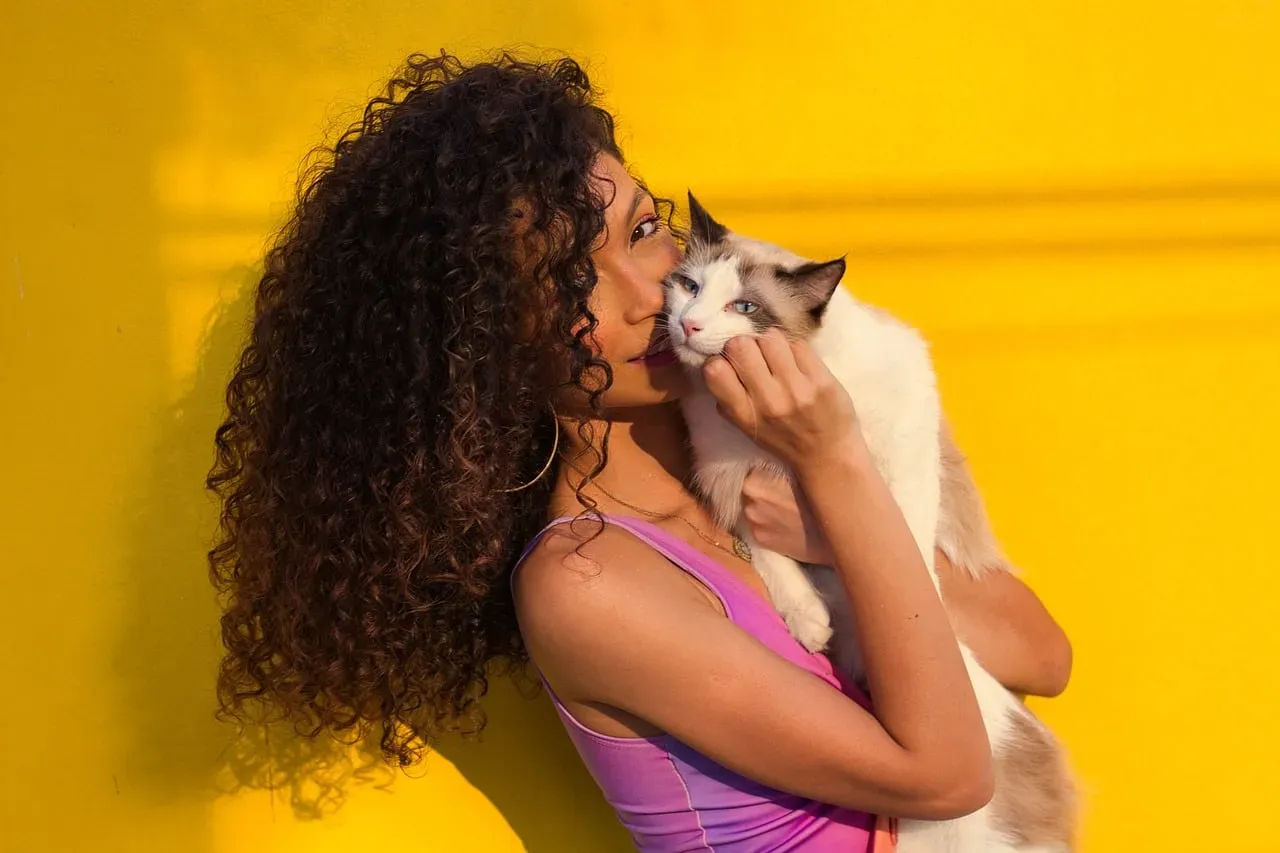
The way you feel when your cat headbutts you quietly reflects how you relate to closeness in general. If you tend to have a secure attachment style, you might simply enjoy it, smile, and move on, feeling calmly connected. You see the headbutt as one more small sign that you and your cat have a good relationship, but your sense of worth does not rise or fall on whether it happens today or not. Your brain holds the moment lightly but warmly. If you lean more anxious in relationships, that headbutt can feel like oxygen. You might replay it mentally, crave it, or feel uneasy if your cat does not do it for a while. You can even find yourself wondering whether the cat still likes you as much as before. On the other hand, if you tend to be more avoidant, you may enjoy the moment but move away quickly, or feel slightly uncomfortable with too much closeness, even from a pet. The same tiny behavior from the cat pulls very different emotional strings in you, depending on how you are built and what you have lived through.
Why You Read Animal Behavior Through a Human Lens
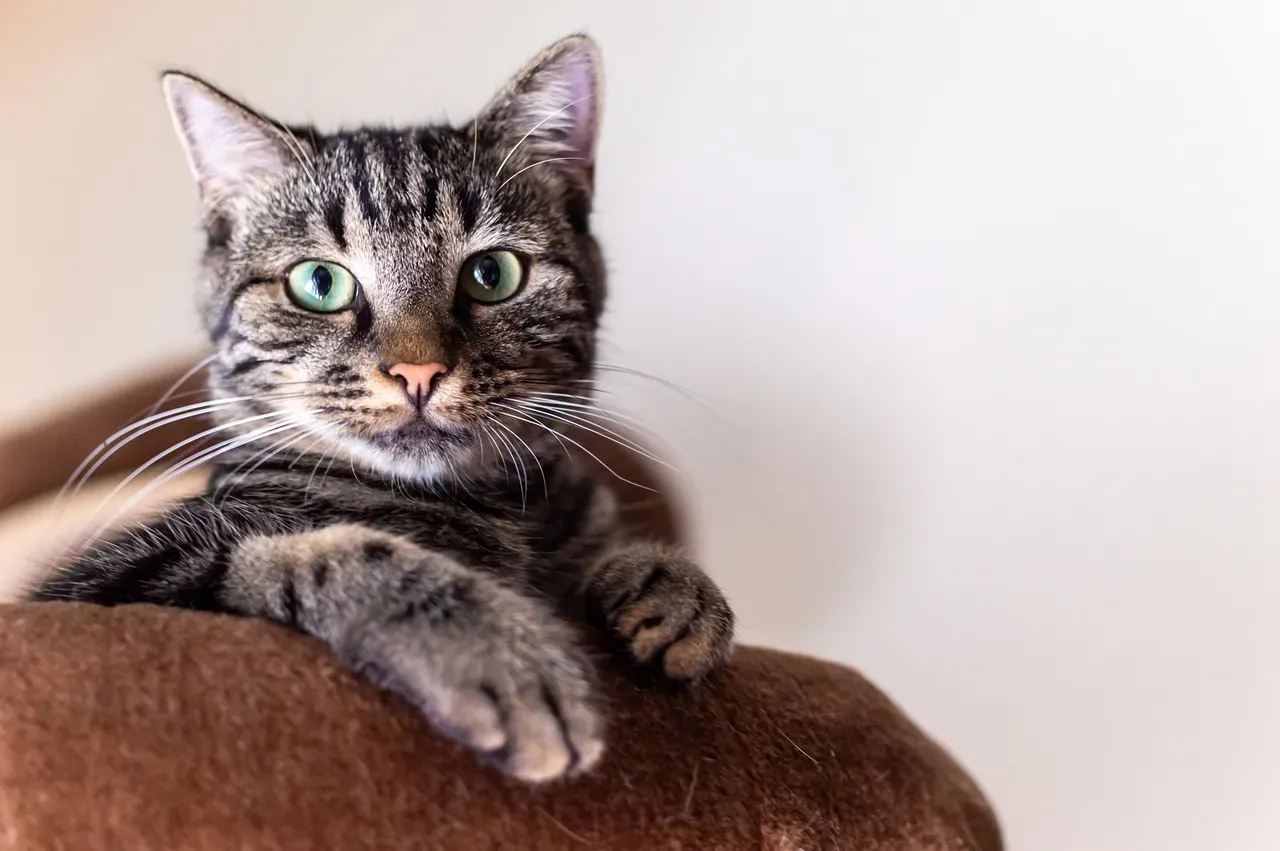
Your brain is constantly trying to make sense of the world, and it uses the tools it knows best: your own feelings, memories, and social rules. This is why you often read animal behavior as if it came from a small, furry person with similar motives and logic. When your cat headbutts you, you may interpret it like a gentle nudge from a friend or a partner, because that is how your social life usually works. You are instinctively translating from “cat” to “human,” even though the languages are not the same. This habit of turning animal actions into human meanings is called anthropomorphism. You do it because your brain prefers to see intention, emotion, and personality instead of random motion. It is the same reason you might feel like your cat is “judging” you or “being spiteful” when you know, rationally, that it is reacting to habit, stress, or environment. In that sense, the headbutt is not just a message from the cat; it is a canvas for your own mind to paint on.
How Your Past Experiences Shape What the Headbutt Means
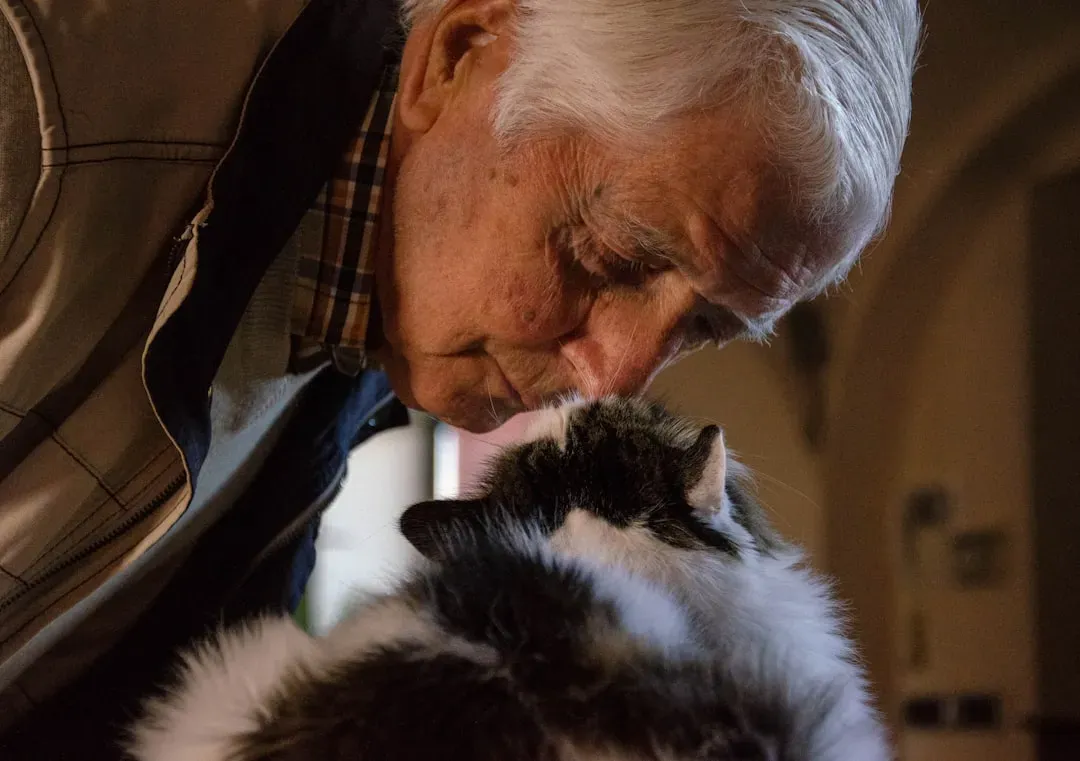
Your history with affection plays a huge role in how you feel when your cat bunts you. If you grew up in a home where love was shown through small, quiet gestures rather than big declarations, that little bump might feel deeply familiar, like an echo of a parent’s hand on your shoulder or a sibling leaning against you on the couch. Your body recognizes the pattern even before your thoughts catch up, and you feel safe in a way that is hard to explain. If, instead, affection has been inconsistent or confusing in your life, you might latch onto your cat’s headbutts as clearer, safer proof of love than what you have known from people. A pet’s signals seem less complicated, less loaded with mixed messages or hidden agendas. In that case, the headbutt becomes more than bunting; it becomes a kind of emotional anchor. You are not wrong to value it, but it helps to remember that your response says something about old emotional wounds and unmet needs as much as it says anything about what your cat intended.
When Your Need for Love Colors What You See
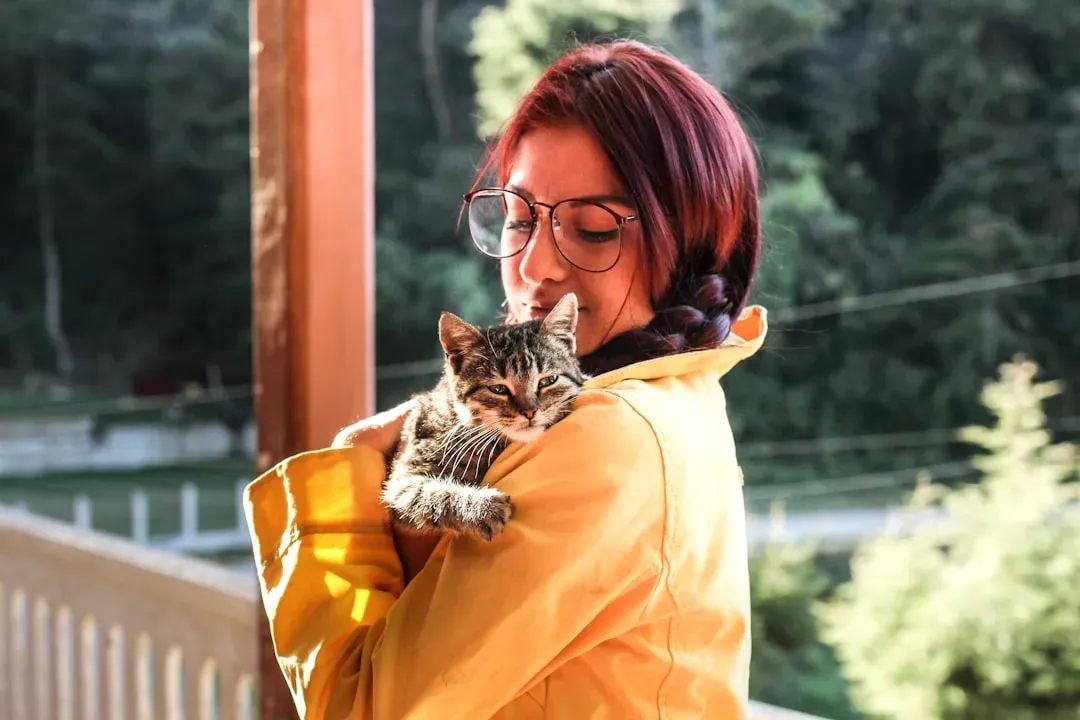
There is a subtle line between enjoying your cat’s affection and depending on it as your main source of feeling loved. When life feels lonely or relationships feel shaky, you might lean harder into your bond with your pet, and behaviors like headbutting can start to carry a lot of weight. Each nudge feels like proof that you are not invisible, not unlovable, not alone. You are allowed to feel that, but it is useful to notice when a small behavior starts carrying a heavy emotional load. You might catch yourself explaining away everything your cat does as a sign of love, even when it is really hunger, habit, or curiosity. That does not mean your bond is not real, but it does mean your heart is reading more into the moment than the cat technically put there. Recognizing this is not about ruining the magic. It is about understanding that part of the tenderness you feel is coming from inside you, from a deep wish to be cared for and chosen. The headbutt is the spark, but your mind is the one building the fire around it.
How to Appreciate the Headbutt for What It Is (Without Losing the Magic)
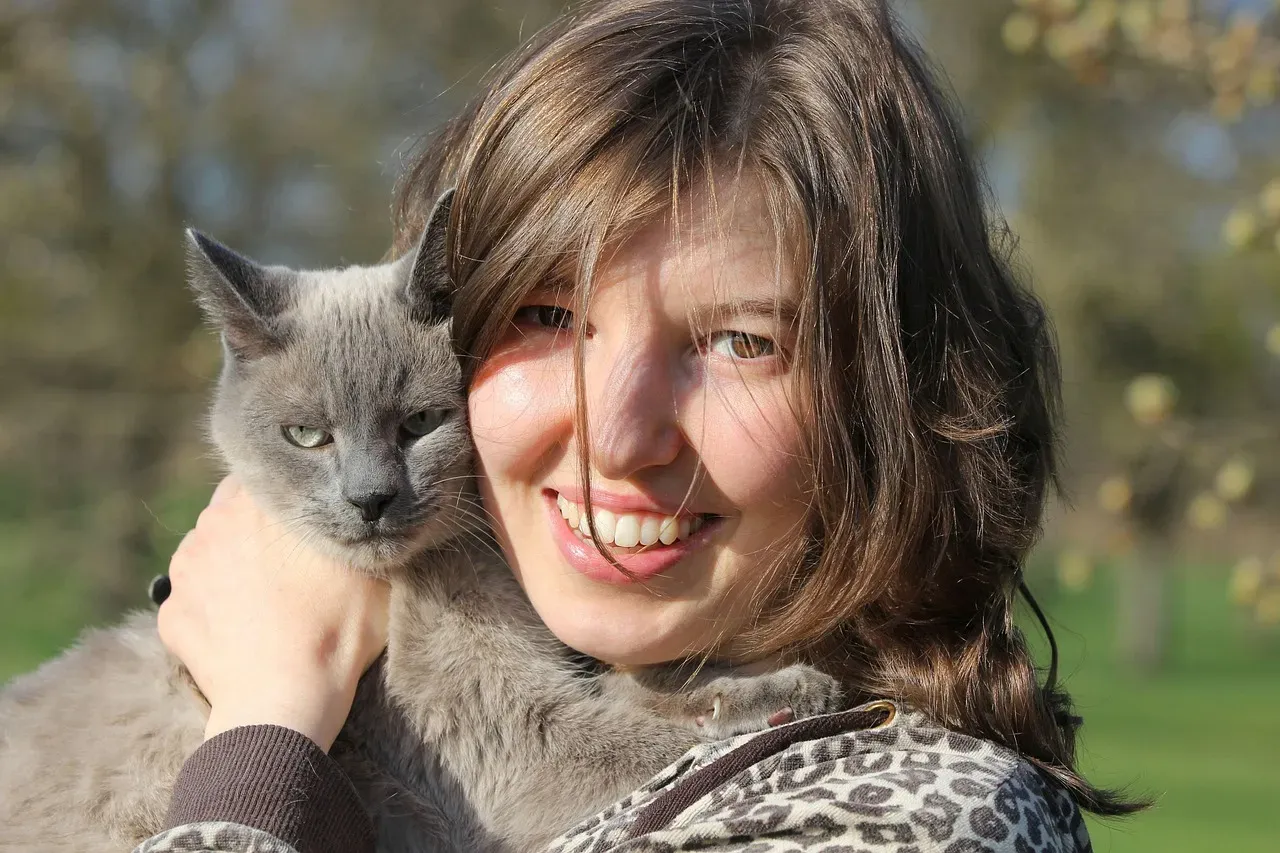
You do not have to strip away the warmth you feel when your cat headbutts you just because the cat’s motive is more about scent and territory than your idea of love. The sweet spot is learning to hold both truths at once. You can say to yourself: my cat is marking me as safe and familiar, and that is its version of bonding. At the same time, you can allow yourself to feel loved and chosen, knowing that part of that feeling is your own, shaped by your history and your emotional needs. If you want to deepen the connection, you can respond in ways your cat is more likely to appreciate: slow blinks, gentle head or cheek rubs, calm voice, predictable routines, and respect for its boundaries. By meeting your cat halfway, you are not just projecting human feelings onto it; you are also learning to communicate in a language that makes sense to both of you. That way, the bunting stays practical for the cat and emotionally meaningful for you, without either side needing to be wrong.
What This Tiny Ritual Ultimately Says About You
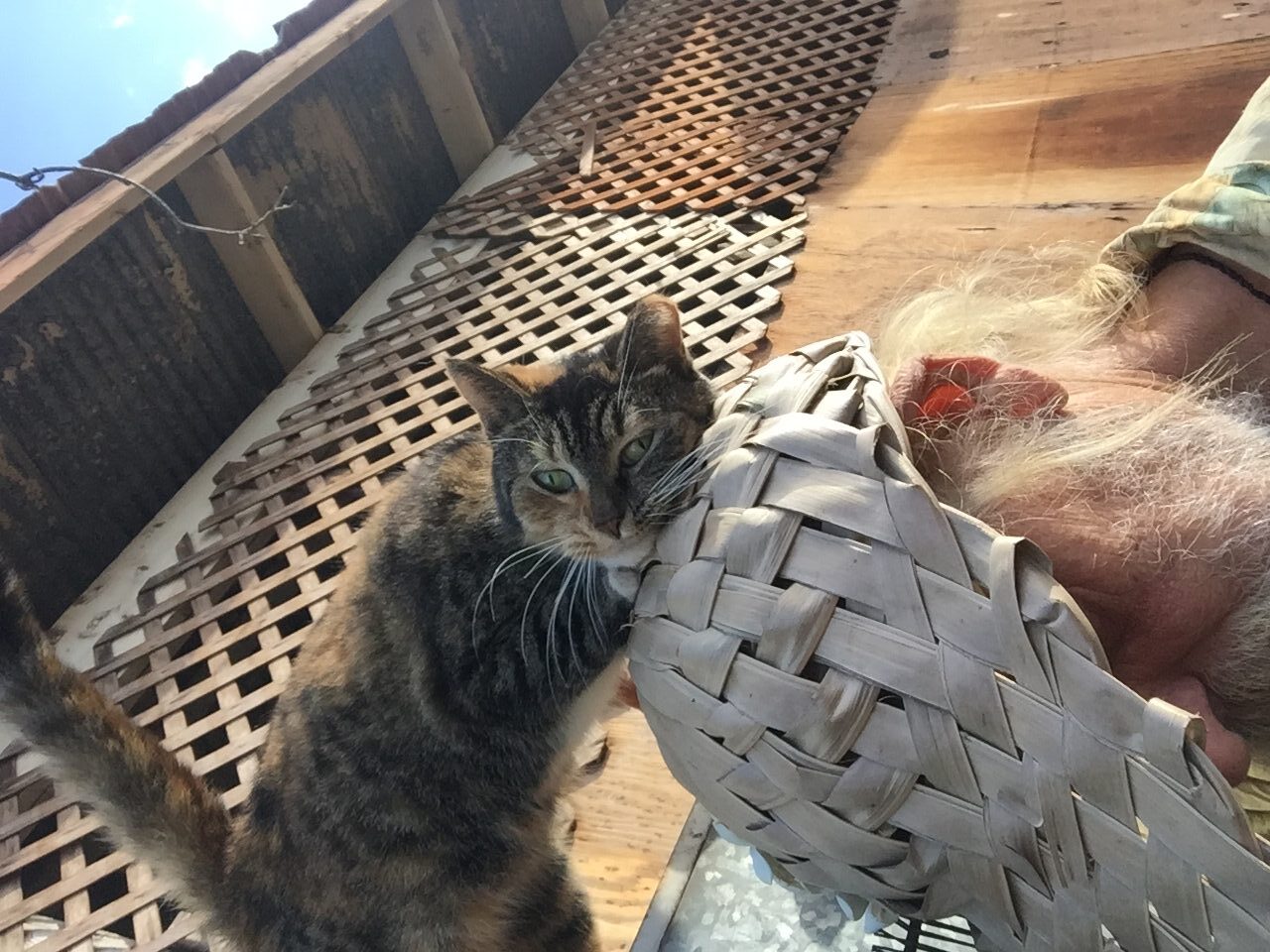
In the end, that forehead bump is a small everyday ritual that quietly exposes how your brain works around love, safety, and connection. It shows how quickly you turn neutral or instinctive behaviors into emotional messages, and how ready you are to see yourself as loved. If you are moved by that little shove of fur, it means you are wired to find meaning in closeness, even when it is messy, nonverbal, and a bit one-sided in its logic. You do not need to fix this or feel guilty for it. Instead, you can use it as a gentle reminder: you are an active translator in every relationship, not just with your cat. You are always adding meaning, stories, and feelings to what others do. The next time your cat headbutts you, you can smile and think: the cat is saying you are safe and part of its world, and your brain is answering back with something even bigger. Knowing that, what do you think that little moment is really telling you about the way you love and want to be loved?