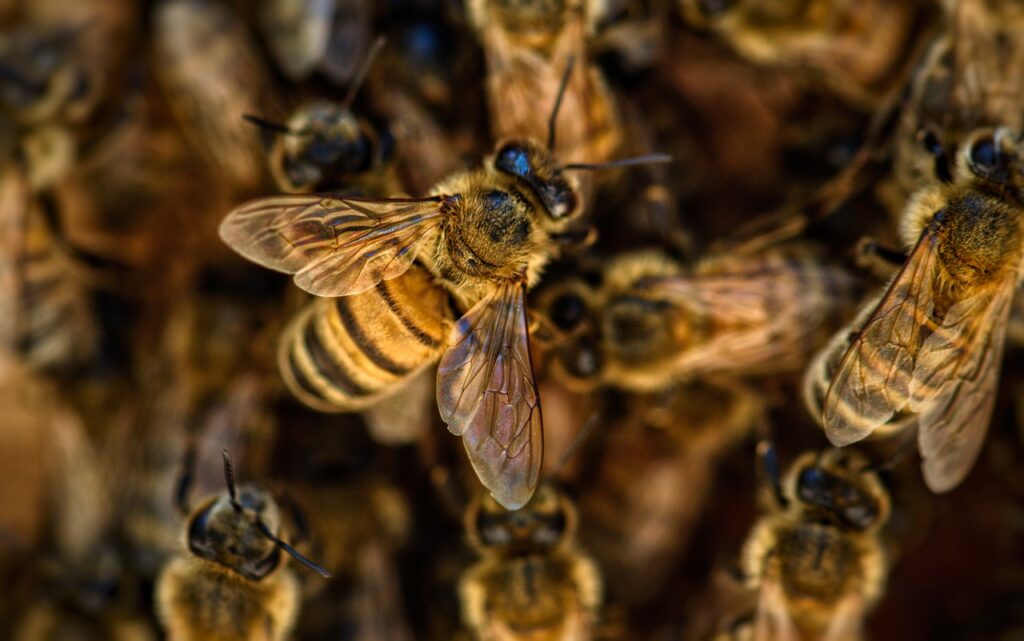
You probably picture a beehive as perfectly organized, like a tiny humming factory that never misses a beat. So it can be genuinely shocking to learn what happens when the one bee holding that whole system together suddenly dies. The moment the queen’s presence disappears, the hive doesn’t just quietly adjust; it ripples with confusion, stress, and a strange kind of desperate order that scientists are only now really seeing clearly thanks to new, high‑resolution footage taken inside hives. When researchers started filming colonies around the clock with glass-walled observation hives and tiny cameras, they expected to document a slow, methodical transition from one queen to the next. Instead, you see something far more dramatic: an almost instant behavioral shift, a change in sound, movement, and purpose that looks a lot like panic and triage happening at the same time. When you watch it, you realize the hive isn’t a machine; it’s more like a nervous system that just lost its brain and is trying to rewire itself before it dies.
The Invisible Switch: When Queen Scent Suddenly Vanishes
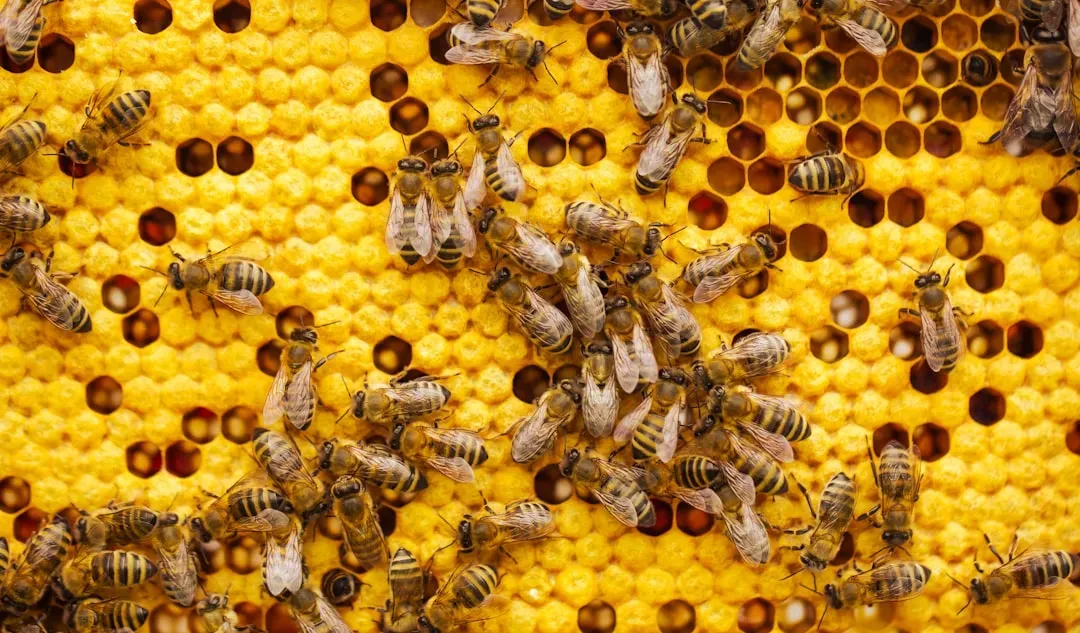
Inside a healthy hive, you’re living in a cloud of invisible chemical signals coming from the queen. Her pheromones drift through every corridor and comb, telling you and every other bee that there is a fertile, functioning queen in charge, and that all is well. The moment she dies or is removed, that signal doesn’t vanish instantly, but it starts thinning out quickly, and you feel the change long before any obvious visual cue appears. Scientists who monitored hives continuously found that once the queen’s scent drops below a certain level, the workers’ behavior shifts sharply: walking speeds increase, bees bump into each other more often, and the whole colony’s “mood” becomes restless. You would notice more bees running, fewer calmly tending brood, and more time spent searching, fanning their wings, and inspecting cells, as if the hive is simultaneously looking for the lost queen and trying to understand what just happened. It looks chaotic, but underneath that chaos your colony is already starting to calculate how to save itself.
Restlessness, Roaring, and “Panic” You Can Almost Hear
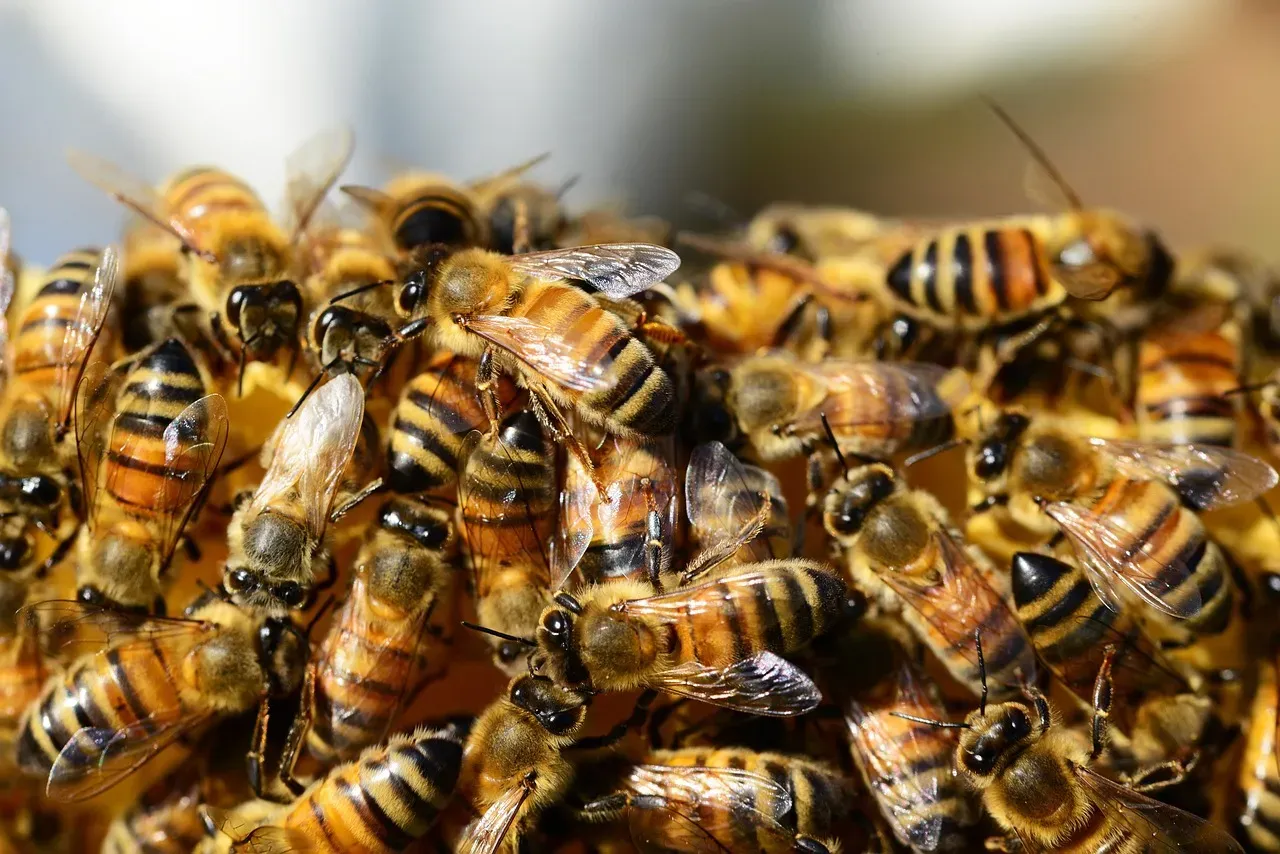
If you could stand quietly next to the hive right after the queen is lost, you’d hear a difference before you saw one. The sound changes from a low, steady working hum to a louder, rougher buzz, almost like the hive has gone from a quiet office to a crowded train station at rush hour. Researchers who record internal hive sounds after queen loss have measured distinct shifts in the frequency and rhythm of the colony’s noise, matching what beekeepers describe simply as the colony “roaring.” From your perspective as a worker, you’re suddenly more agitated and less focused. You might abandon tasks you were doing moments earlier, leave nectar half‑processed, or stop grooming your sisters to join a cluster of bees rushing over the comb. Roughly about one third of the usual calm, organized work seems to pause, replaced by more aimless movement and intense antennal contact as bees touch and sample one another, trying to detect the queen’s scent on someone – anyone. It is the insect version of everyone talking at once in a room when the leader disappears without warning.
Emergency Mode: How Workers Race to Raise a New Queen
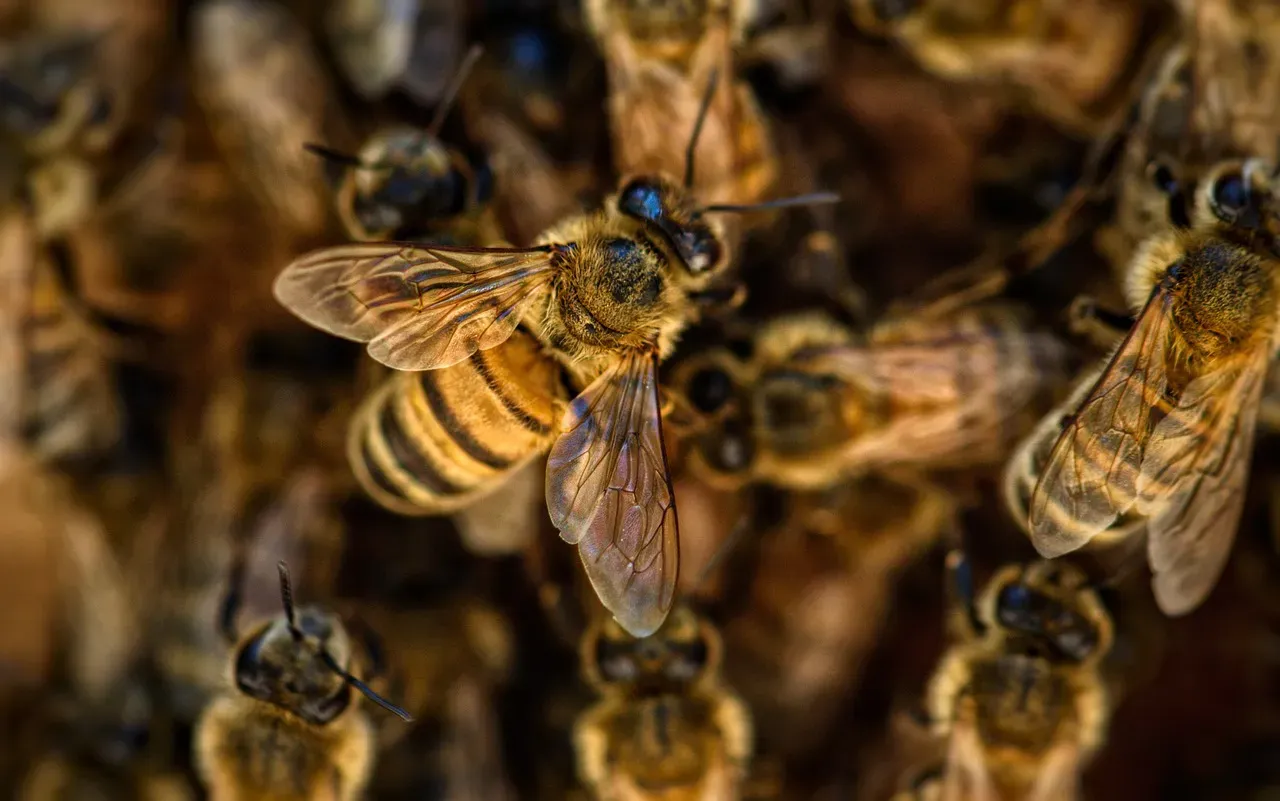
Once it becomes clear that the queen is truly gone and no one is bringing her scent back into circulation, you and your sisters switch from panic to emergency engineering. The hive’s only real hope is to turn very young female larvae into new queens, and you have a brutally short window to do it. That means you rush to find eggs and one‑day‑old larvae, those tiny white C‑shaped grubs barely visible at the bottom of the cells, and start building special queen cells around them. In the footage scientists captured inside observation hives, you can watch workers enlarging ordinary cells, extending them downward like little peanut‑shaped chambers, then flooding those chosen larvae with royal jelly. You would see nurse bees making repeated, focused visits to those cells far more often than to ordinary brood, almost like intensive care nurses doing round‑the‑clock monitoring. Within just hours to a day, the hive starts to pivot from aimless alarm to a clear, high‑stakes project: grow a replacement monarch before the workforce ages out and the colony collapses.
Power Struggles in Wax: Multiple Queens and Deadly Outcomes
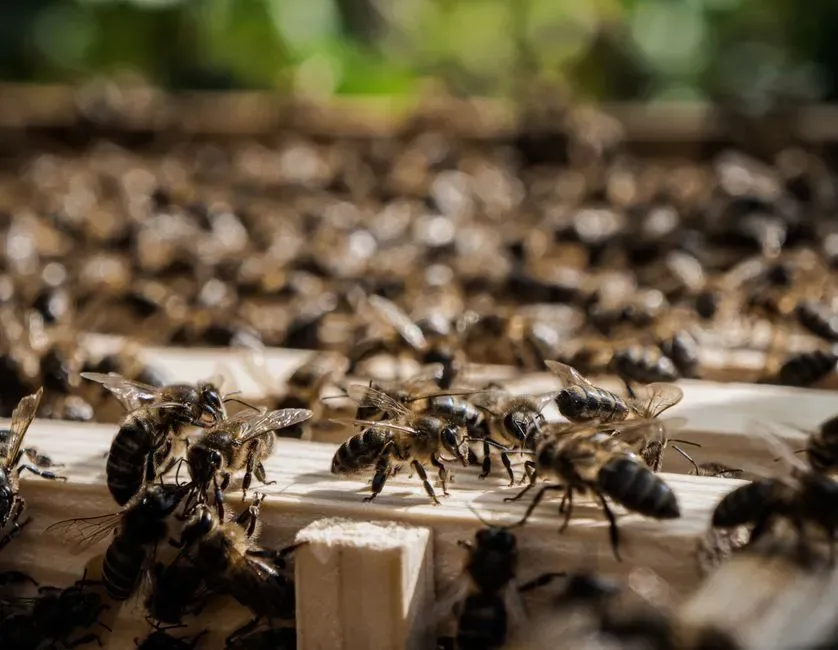
Here’s where the hive’s crisis becomes strangely ruthless. You and your colony do not gamble on just one potential queen; you build several, sometimes many, emergency queen cells at once. On camera, it looks like a forest of hanging pods appearing along the comb edges and across the brood nest, each one holding a larva being fed like royalty. On the surface it seems generous and thorough, but really, you are setting up a contest where almost all of these future queens will never survive. Once the first virgin queen emerges, footage and long-term observations show her actively seeking out the competing queen cells. If you were following her, you’d see her pace quickly over the comb, find a rival cell, and work to tear it open, stinging the un-emerged queen inside. If two queens hatch too close together, they often fight directly, grappling and stinging until only one lives. From your vantage point as a worker bee, you mostly stand back and let this happen – your job is to create options, not to protect individual queens. The hive’s stability matters more than any single royal life.
Behavioral Drift: When Workers Edge Toward Laying Eggs Themselves
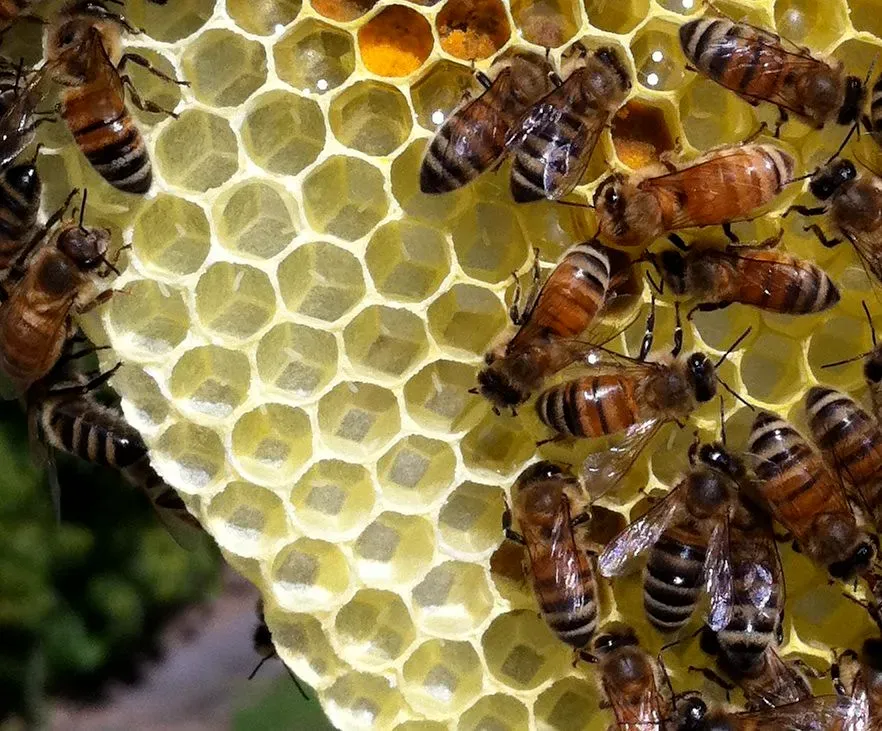
If your colony fails to raise or accept a new queen quickly enough, something even stranger starts to unfold. Without the queen’s pheromones and without fresh brood pheromones from her eggs, some workers begin to shift physiologically and behaviorally. Their ovaries, which are usually suppressed, can start to activate, and a subset of workers inch toward laying unfertilized eggs that will develop only into drones. Researchers observing queenless hives over time have seen workers redirect comb building toward drone‑sized cells and increase attention to areas where eggs might be laid, effectively preparing for a last‑ditch reproductive strategy. If you were part of that colony, you’d see more wandering, less brood care, and a slow breakdown of the tight division of labor that normally defines hive life. Instead of everyone working for a shared, growing future, the colony drifts into a kind of endgame where survival long term is impossible, but some genes still get a final chance to pass on.
Inside the Comb: Surprising Behaviors the Cameras Finally Revealed
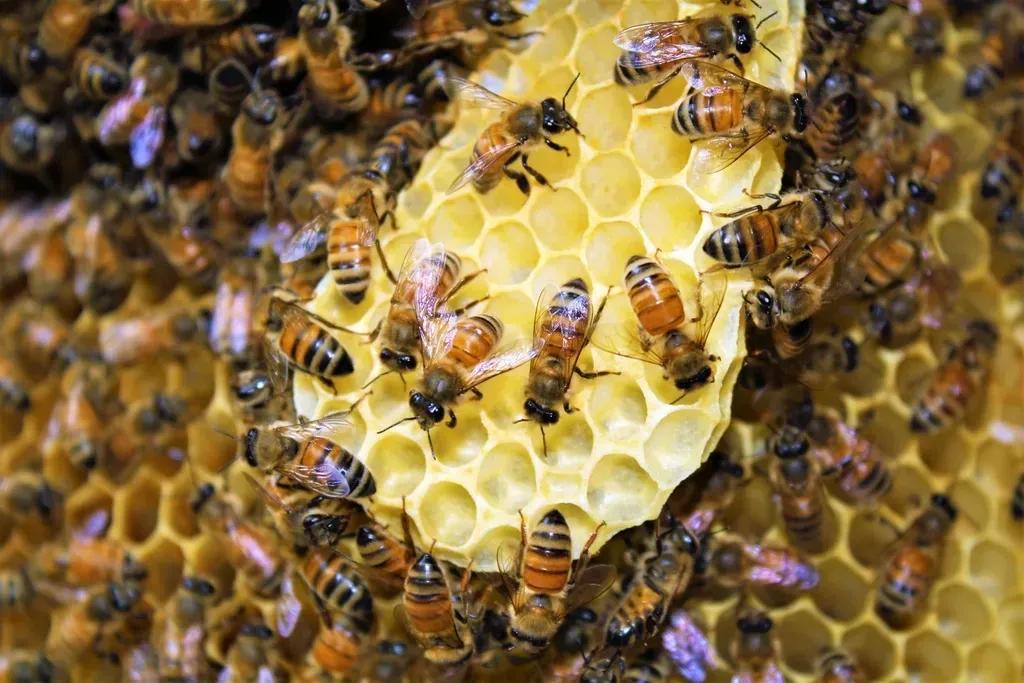
With high‑resolution cameras focused on transparent combs, scientists have documented hidden behaviors you would never guess are happening in those dark wax tunnels. You see workers feeding larvae mouth to mouth, carefully regulating food, and sometimes removing and eating dead or failing brood to recycle nutrients and stop disease. During queen loss, this internal maintenance ramps up or shifts as the colony triages resources, sometimes cutting back on investment in ordinary workers to pour attention into queen cells. You also see how much of your world is about temperature, smell, and micro‑movements instead of sight. Workers form clusters around developing brood and queen cells, shivering their wing muscles to warm them or fanning to cool them, keeping the next generation within a very narrow temperature band. When the queen dies, that delicate regulation can falter briefly, then re‑focus around the emergency queen cells, as if your entire colony is literally wrapping itself around its last hopes.
How the Whole Hive’s “Mind” Reorganizes Itself
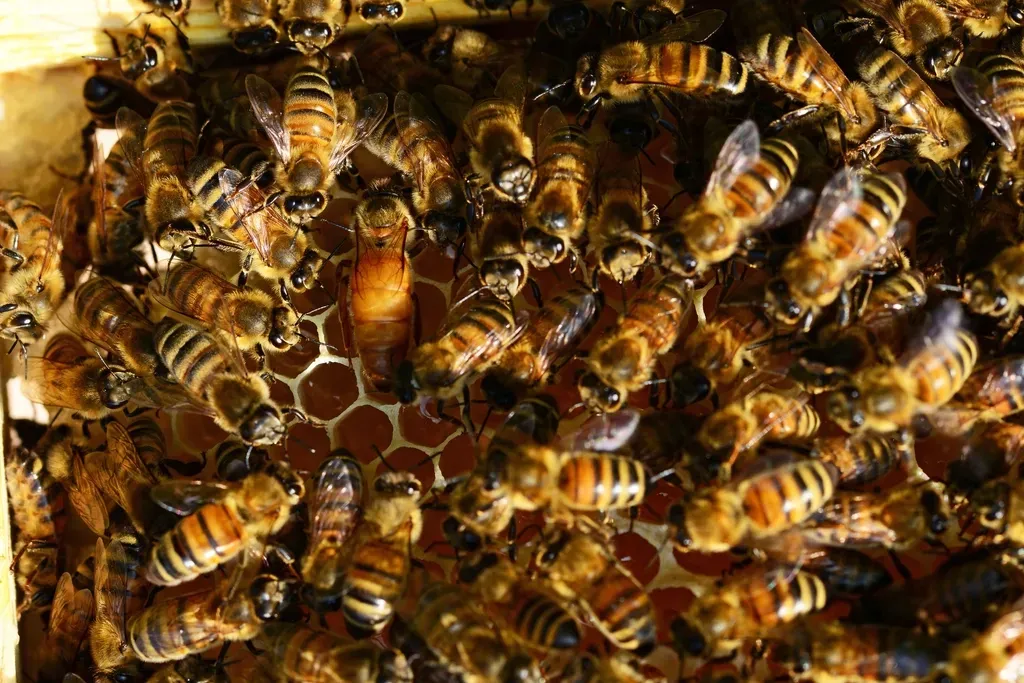
If you zoom out from individual bees in the footage and watch the hive as a whole, what you’re really seeing is a collective brain reprogramming itself. Before the queen’s death, you and tens of thousands of sisters operate with a clear structure: foragers, nurses, guards, undertakers, builders, all synced by queen and brood pheromones. Once that chemical guidance system disappears, your response isn’t random; it is a set of flexible rules that redirect energy into survival priorities. In queenless state, more bees spend time in the brood area, communication dances become less focused on foraging and more on internal tasks, and some workers start making more frequent inspection trips near newly constructed queen cells. You can think of it like a city that suddenly loses its mayor and central power grid: traffic lights fail, people rush into the streets, and then, slowly, pockets of order reappear as everyone improvises. Inside the hive, that improvisation is encoded in evolution – your species has been rehearsing this emergency script for millions of years, and the cameras are finally letting humans witness it play out in real time.
What This Means for You if You Keep Bees (Or Just Care About Them)
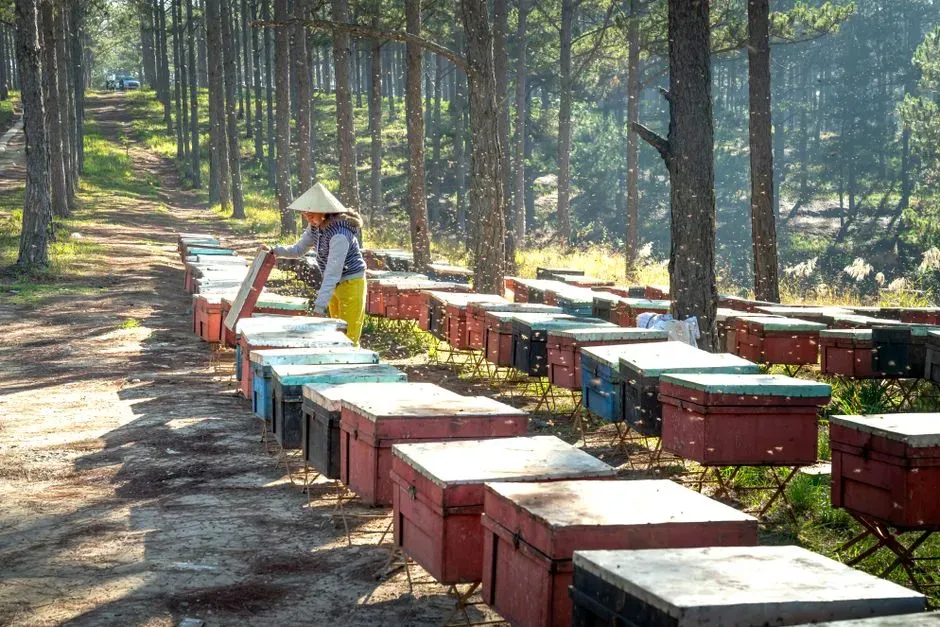
If you’re a beekeeper, understanding what really happens inside the hive the moment your queen dies changes how you manage your colonies. Instead of seeing a queenless hive as simply “weak,” you can recognize clear behavioral signs: the louder roar, the scattered workers, the sudden construction of emergency queen cells. That helps you act faster, whether that means providing a new mated queen, giving the colony frames of very young brood to raise their own, or combining them with a stronger hive before they spiral into hopeless queenlessness. Even if you never wear a bee suit, this behind‑the‑scenes view can change how you see those little insects in your garden. You’re not just looking at some vague buzzing mass; you’re watching a society that can reorganize itself in hours after losing its single most important individual. There is something humbling in realizing that a creature smaller than your fingernail can help rebuild order in the dark, by touch and scent alone, in a crisis that would wipe out many other social systems.
The Unexpected Truth: Chaos and Resilience Sharing the Same Space
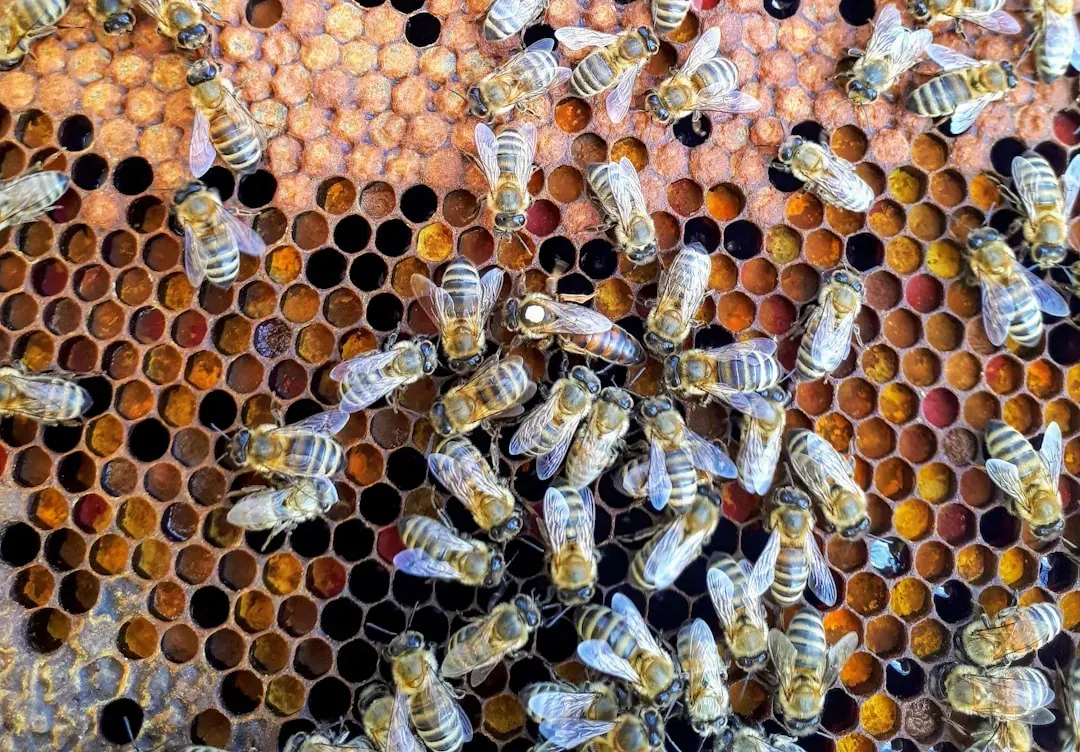
The biggest surprise from the new footage is not that bees struggle when the queen dies – you might have guessed that. It is that chaos and resilience exist side by side in those first hours and days. You see panic in the restless movements, hear it in the roaring sound, and feel it in the way normal work grinds to a halt. At the same time, you see clear, practiced strategies snapping into place: emergency queen rearing, resource triage, and, if all else fails, a late shift toward worker reproduction. For you as an observer, it overturns the myth that a hive is either perfectly orderly or doomed. In reality, a beehive behaves more like a living city that can wobble, crack, and then try its hardest to rebuild from the inside out. The next time you hear that steady summer hum from a hive, you’ll know that beneath that calm surface lies a society that has already rehearsed catastrophe and, more often than not, found a way back from the edge.
In the end, what happens inside a beehive the moment the queen dies is not just a story about insects; it is a story about how a community responds when its center suddenly disappears. You see fear without a face, but you also see determination without a name, tens of thousands of tiny bodies acting out an ancient survival plan in the dark. Maybe the real unexpected thing the footage shows is not what the bees do, but how much of yourself you recognize in their scramble to adapt. If your own world suddenly lost its queen, how quickly would you start building a new future from whatever you had left?