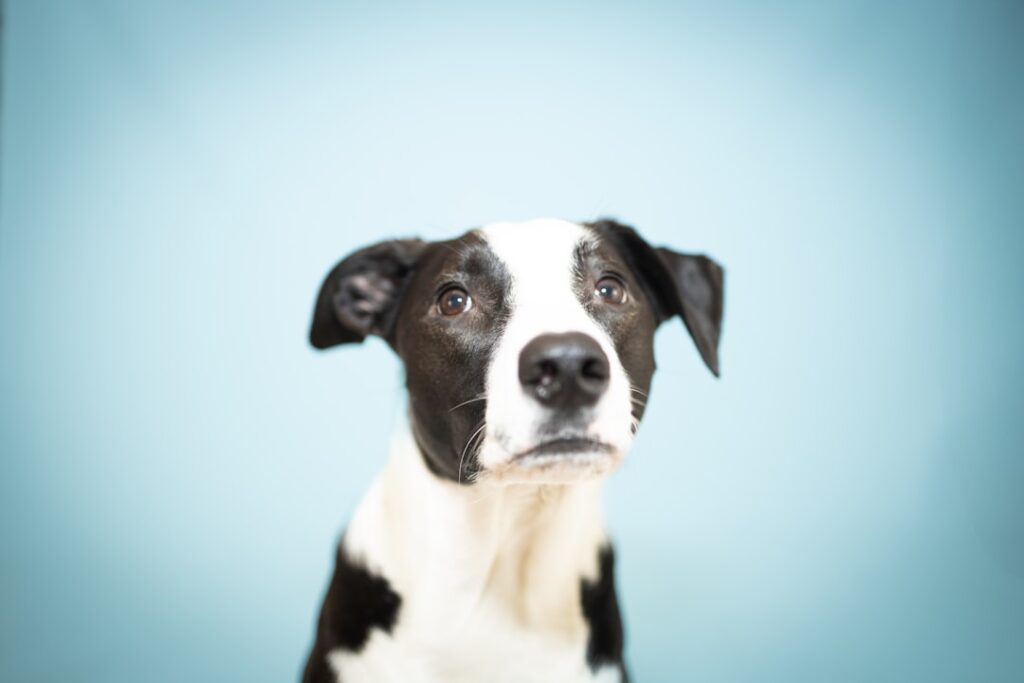
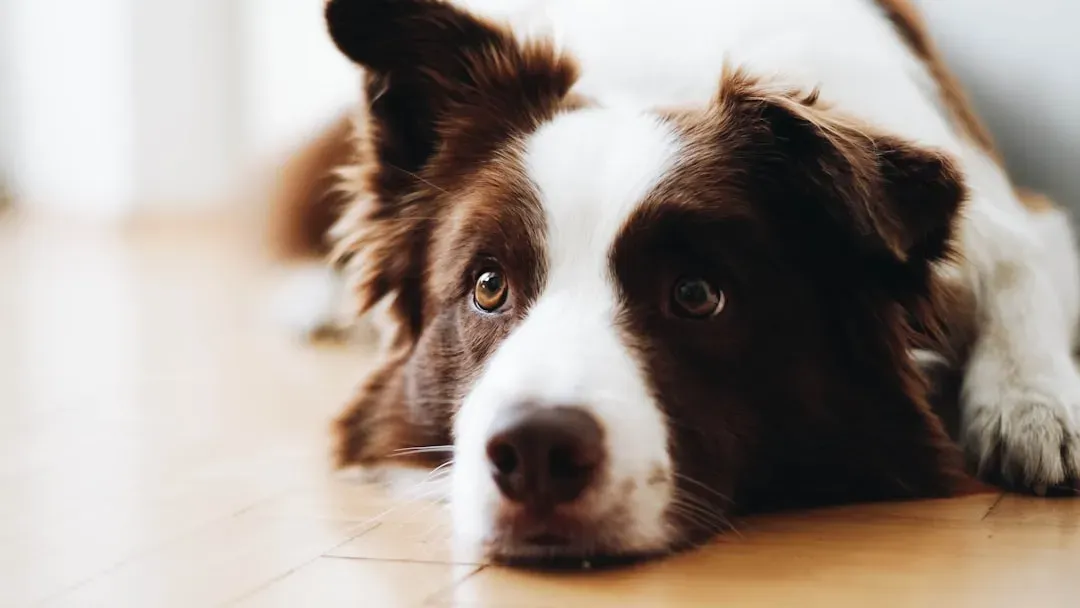
You know that look your dog gives you when you walk into the room and see the trash scattered everywhere? The lowered head, the whale eyes, the tucked tail, the slow, hesitant walk toward you. It feels so obvious: that has to be guilt. It is easy to tell yourself your dog knows it did something wrong and is now wrestling with its conscience the way you might after snapping at a friend.
But what psychology and animal behavior research keeps finding is much stranger, and honestly, a bit uncomfortable. Your dog is not feeling guilt the way you understand it. What you are really seeing is fear, appeasement, and confusion wrapped up in one expressive face. Once you understand that, the way you respond to those “guilty” looks can completely change your relationship with your dog.
That Famous “Guilty Look” Is Mostly About Your Mood, Not the Mess
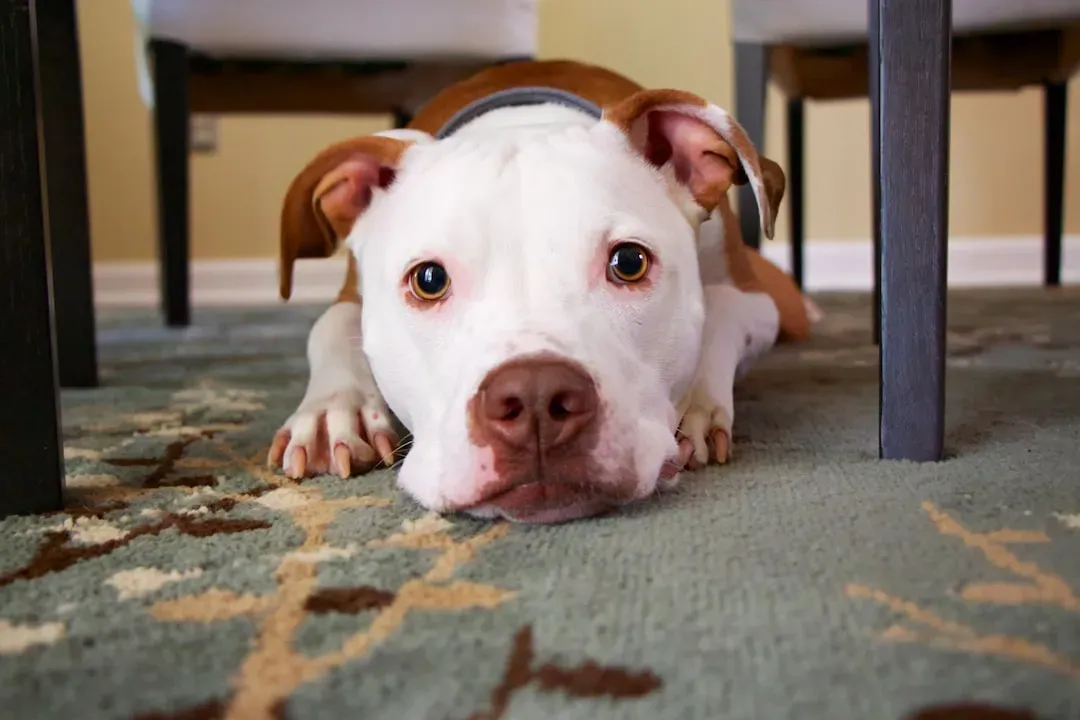
When you walk in and your dog instantly looks small and worried, it is reacting to you, not to a moral rule it broke an hour ago. Dogs are experts at reading tiny changes in your body language, breathing, and voice, sometimes before you even realize you are angry. Your dog has learned, from repetition, that a certain combination of your footsteps, your silence, or your sharp exhale often means trouble.
So that “guilty look” usually appears as a preemptive “please don’t be mad” rather than “I know what I did was wrong.” You are reading guilt into those signals because that is how your own brain would feel in that moment. Your dog, on the other hand, is just trying to keep the peace with a creature that controls its whole world: you.
Your Dog Is Not Sitting There Replaying the Crime in Its Head

When you find a chewed shoe and call your dog over, you imagine it putting two and two together: “I chewed that shoe; my human is mad; I sinned.” But your dog does not have that kind of time-traveling, self-judging inner monologue. Dogs live much more in the present, and their emotional reactions are tightly tied to what is happening right now, not an event long in the past.
If hours have gone by since your dog made the mess, there is a strong chance it has already moved on emotionally. When you suddenly get upset, your dog does not think, “Ah yes, the trash from earlier, that was my bad.” It just feels the wave of tension and responds with appeasement signals designed to calm you down and protect itself, not to confess to some remembered wrongdoing.
What You Read as Guilt Is Usually Fear and Appeasement
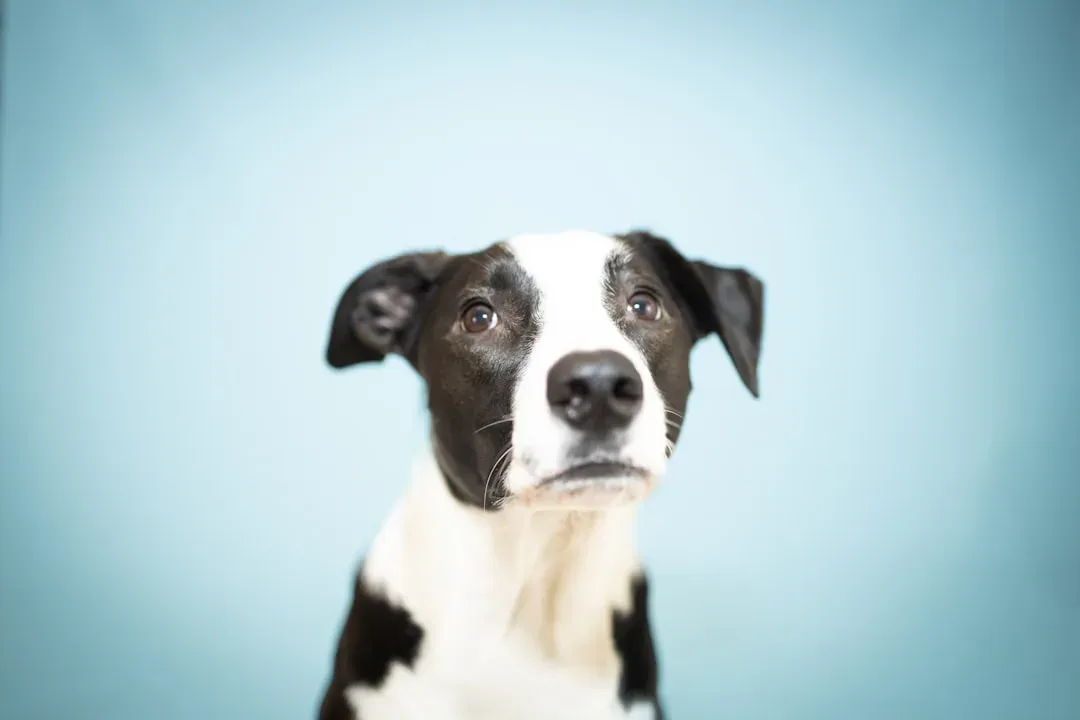
When your dog lowers its body, flattens its ears, licks its lips, or rolls onto its side, you often label that as shame. But in dog language, those are classic appeasement behaviors. Your dog is saying, “I am small, I am harmless, please do not escalate.” This is the same kind of body language a puppy might show a bigger, grumpier dog to avoid getting snapped at.
Once you see it that way, the expression on your dog’s face stops looking morally guilty and starts looking anxious. It is like a coworker who smiles nervously and apologizes too much when the boss is clearly furious, even if they are not actually at fault. You are not watching a conscience at work; you are watching a survival strategy your dog has been refining since puppyhood.
Why You Feel So Sure Your Dog “Knows Better”

You are not silly or soft-hearted for believing your dog feels guilt. Your brain is wired to read human-like emotions into faces and gestures, especially when you deeply love the other being. When your dog looks up at you with wide eyes and a drooping mouth right after you shout, it fits perfectly into your mental picture of what human guilt looks like.
On top of that, you have your memories of all the times you told your dog not to get into the trash or onto the couch. That repetition makes you feel certain your dog understands the rule. So when your dog breaks it again, you naturally assume it knowingly disobeyed. In reality, your dog often just understands patterns of consequences, not moral rules about right and wrong.
Guilt Requires a Conscience… and That’s a Big Ask for a Dog
To feel guilt the way you do, you need a conscience that can judge your own actions against an internal standard. That involves complex thinking: you have to remember what you did, imagine how it affected others, compare it to your values, and then feel bad because you violated those values. That is a huge cognitive load, built on layers of self-awareness and language that your dog simply does not have.
Your dog absolutely can learn that certain actions lead to outcomes it does not like, such as you yelling or a favorite toy being taken away. But that is not the same as thinking, “I hurt my human’s feelings and that was morally wrong.” When you expect a dog to act from conscience, you are quietly asking it to be a small, furry human, instead of the intelligent, emotional, but very different animal it really is.
How Punishing the “Guilty Look” Actually Confuses Your Dog

When you scold your dog once you discover a mess, you feel like you are teaching a lesson about past behavior. From your dog’s point of view, though, the only clear message is that your sudden anger is dangerous. The mess or the chewed item becomes background noise compared to your intense emotional reaction in that moment.
Over time, your dog learns that when you come home and the environment looks “wrong” to you, you often turn scary. So your dog preemptively shows appeasement signals in an attempt to avoid or soften that reaction. Ironically, the more your dog looks “guilty,” the more you may believe the punishment is working, when in fact you are mostly training your dog to fear your mood swings, not to understand the original rule.
What Actually Works: Timing, Management, and Clear Associations
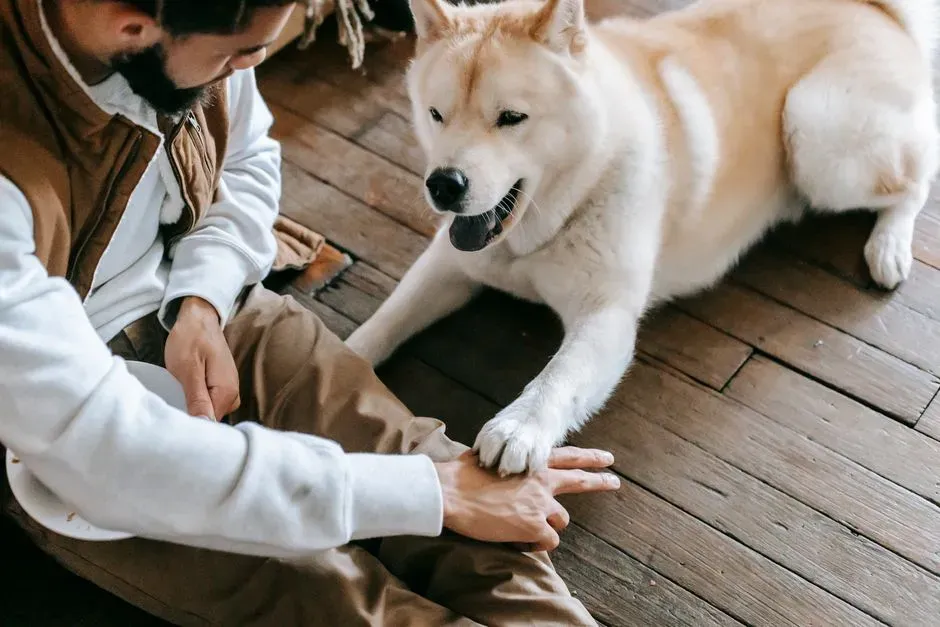
If you want your dog’s behavior to change, the most powerful tool you have is good timing. Your dog needs the feedback to come right as the behavior is happening, or within a very short window, for it to make sense. Correcting a dog fifteen minutes after the trash disaster might feel satisfying to you, but your dog is unlikely to genuinely connect that scolding with the earlier behavior.
Instead, you set your dog up for success by managing the environment and reinforcing what you do want. That can mean using baby gates, securing trash cans, giving your dog appropriate chew toys, and calmly rewarding calm, rule-following behavior in the moment. You are not relying on conscience; you are building clear, consistent associations that your dog’s brain is actually designed to understand.
Seeing Your Dog’s Face Differently Changes How You Treat It

Once you accept that your dog’s “guilty” face is really a worried, appeasing face, it is hard to unsee it. That same scene that used to make you say, “You know what you did!” starts to feel more like, “You are scared of my reaction, and I caused that.” That realization can be a punch to the gut, but it also opens the door to a kinder, more effective way of living with your dog.
Instead of demanding a human-style conscience, you can focus on what your dog is actually incredible at: reading your signals, learning patterns, and responding to consistent, fair guidance. You shift from moral judgment to problem solving. The mess on the floor stops being a sign of defiance and becomes information: maybe your dog was bored, anxious, under-exercised, or simply had access to something too tempting to resist.
Conclusion: Your Dog Is Not a Tiny Human, and That Is a Gift

It can feel unsettling to admit that what you read as guilt on your dog’s face is mostly fear and appeasement, not conscience. But if you let that sink in, it actually makes you a better guardian. You stop expecting your dog to carry the weight of human-style morality and start meeting it where it really lives: in the present moment, in clear cause and effect, and in a deep need to feel safe with you.
When you walk into a mess and see those worried eyes next time, you have a choice. You can cling to the comforting fiction that your dog is confessing, or you can recognize the truth: your dog is asking you, in the only language it has, to stay predictable, fair, and kind. Which version of that look are you going to respond to from now on?