If you think a winter storm or a walk-in freezer is cold, the universe has a very rude awakening waiting for you. Out there in deep space, temperatures plummet so low that our everyday idea of “cold” barely even qualifies. We are talking about environments where atoms slow to a crawl, light takes years to cross an empty room, and whole galaxies float in a bath just a smidge above absolute nothingness.
What makes these places so fascinating is that they are not just colder versions of familiar things. At extreme cold, matter behaves in ways that feel almost magical: particles act like waves, quantum effects dominate, and even time can feel different to an observer. In this article, we’ll wander through ten of the coldest environments known to science, from eerie cosmic voids to ultra-chilled labs on Earth that actually beat the natural universe at its own game. Some of what you are about to read sounds like science fiction, but it is very real, very measured, and still only partly understood.
1. Absolute Zero: The Unreachable Bottom of the Thermometer
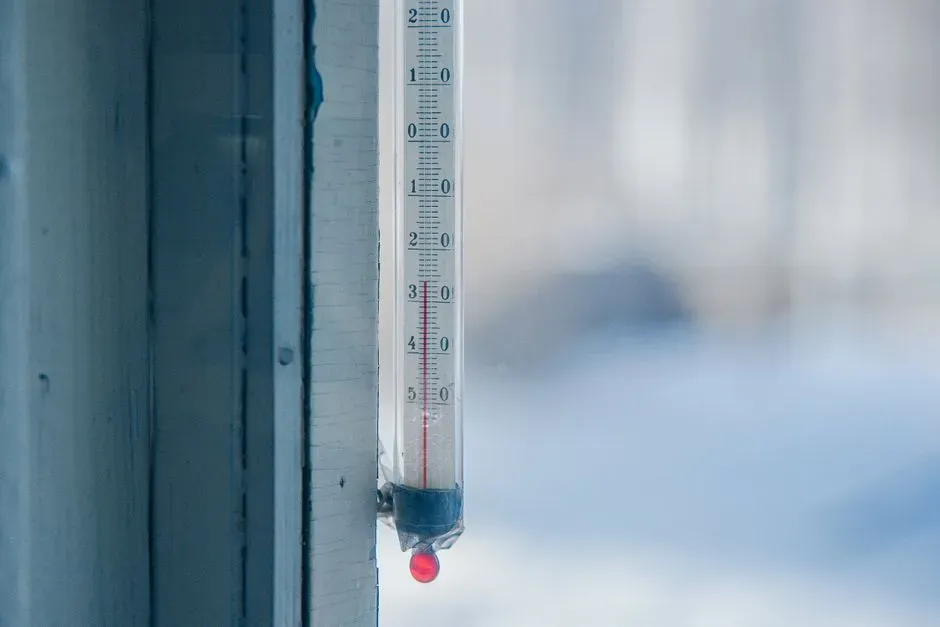
Let’s start with the weirdest fact of all: the coldest possible temperature, known as absolute zero, can never actually be reached. Absolute zero is defined as the point where particles have their lowest possible energy, about minus two hundred seventy three point one five degrees Celsius, or minus four hundred fifty nine point six seven degrees Fahrenheit. At that limit, atoms would be as still as the laws of quantum physics will allow, yet quantum mechanics stubbornly prevents them from ever being completely motionless.
In simple terms, nature has built in a kind of cosmic speed bump that stops you from fully draining out the last drop of thermal energy. As you cool a gas or a solid closer to absolute zero, every extra fraction of a degree you remove gets harder and harder to squeeze out, like trying to wring the final drop of water from a soaked towel. Scientists have pushed temperatures to unimaginably tiny slivers of a degree above this limit, but that final step remains blocked. That impossibility is not an engineering failure; it is a fundamental rule of the universe, and personally, I find that strangely comforting – there is a line reality will not let us cross.
2. The Universe’s Background Glow Is Only Just Above Nothing
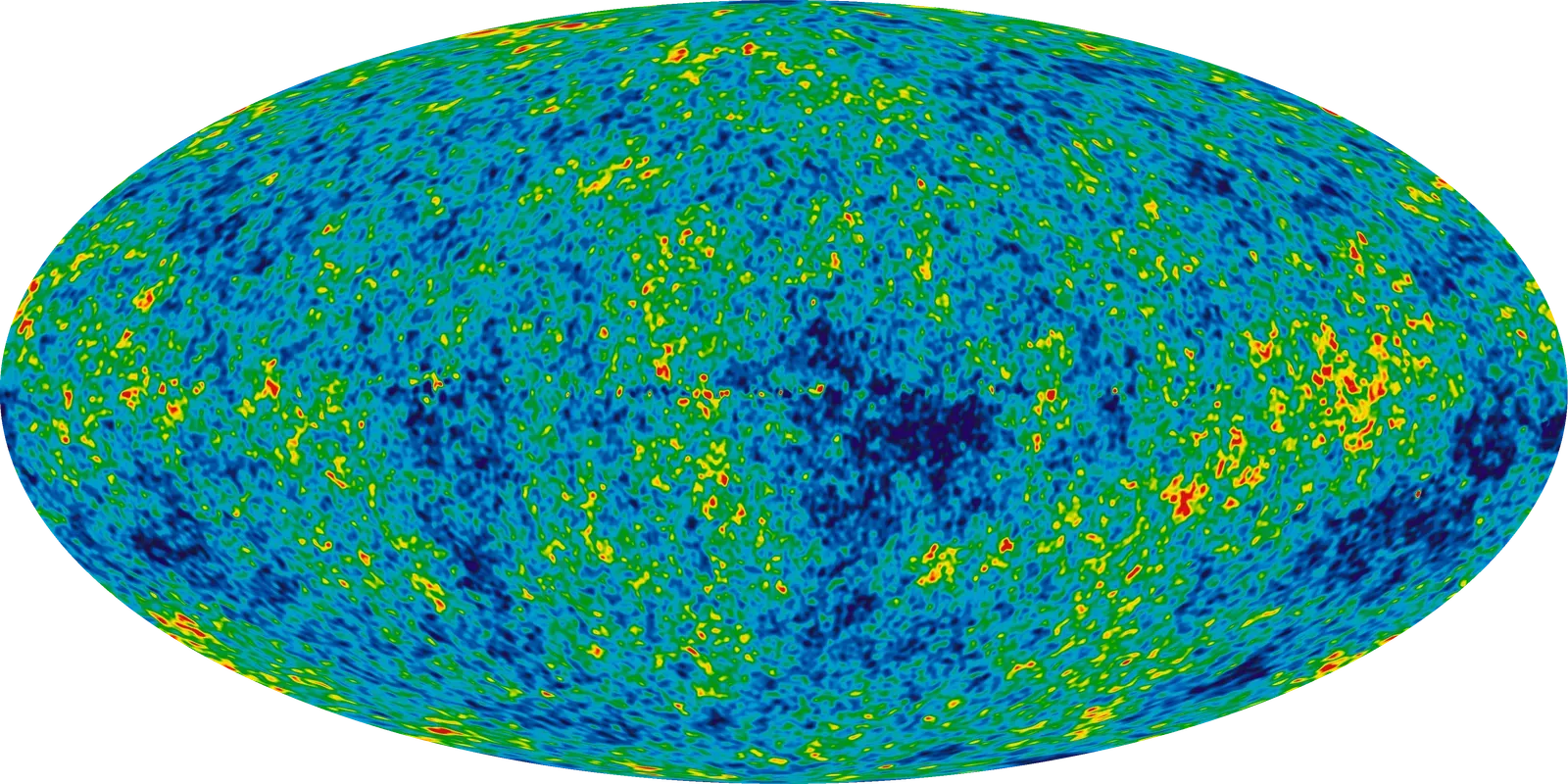
Here is a mind-bender: the entire observable universe is soaked in a faint microwave glow that is only a few degrees above absolute zero. This glow, called the cosmic microwave background, is a leftover from the early, hot universe that has been stretched and cooled as the universe expanded. Today, it sits at roughly two point seven degrees above absolute zero, making it one of the coldest, most uniform “environments” you could ever imagine.
What makes this so strange is that this frigid bath touches everything, everywhere, all the time. No matter where you fly a spaceship – between galaxies, above galactic poles, into lonely intergalactic space – you are always immersed in this almost unimaginably cold radiation. It acts like a universal thermostat floor: leave matter floating alone in space for long enough and it will radiate away its heat until it nearly matches this background temperature. It is as if the universe itself has decided on a default chill setting, and we are all living inside its very, very cold room.
3. Boomerang Nebula: Naturally Colder Than Deep Space Itself
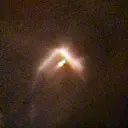
One of the strangest showoffs in the cold competition is the Boomerang Nebula, a dying star’s envelope of gas that is, incredibly, colder than the cosmic background around it. This nebula has been measured at just about one degree above absolute zero, which means a patch of space managed to get colder than the rest of the universe’s already frigid microwave bath. That sounds like a violation of common sense, but the physics is surprisingly similar to the way a spray can chills when you release gas.
The central star is blasting its gas outward at very high speed, causing that gas to expand rapidly. When a gas expands like that without gaining extra heat, its temperature plummets, just as the liquid in an aerosol can cools when you hold the spray button too long. On a cosmic scale, that same principle creates a gigantic, ultra-cold bubble of material around this dying star. It is a rare reminder that space is not just an empty freezer set to one uniform temperature – there are places where motion and expansion can push temperatures lower than the overall cosmic backdrop, almost as if the universe found a way to cheat at its own game.
4. Dark, Empty Cosmic Voids Are Colder Than Most Galaxies
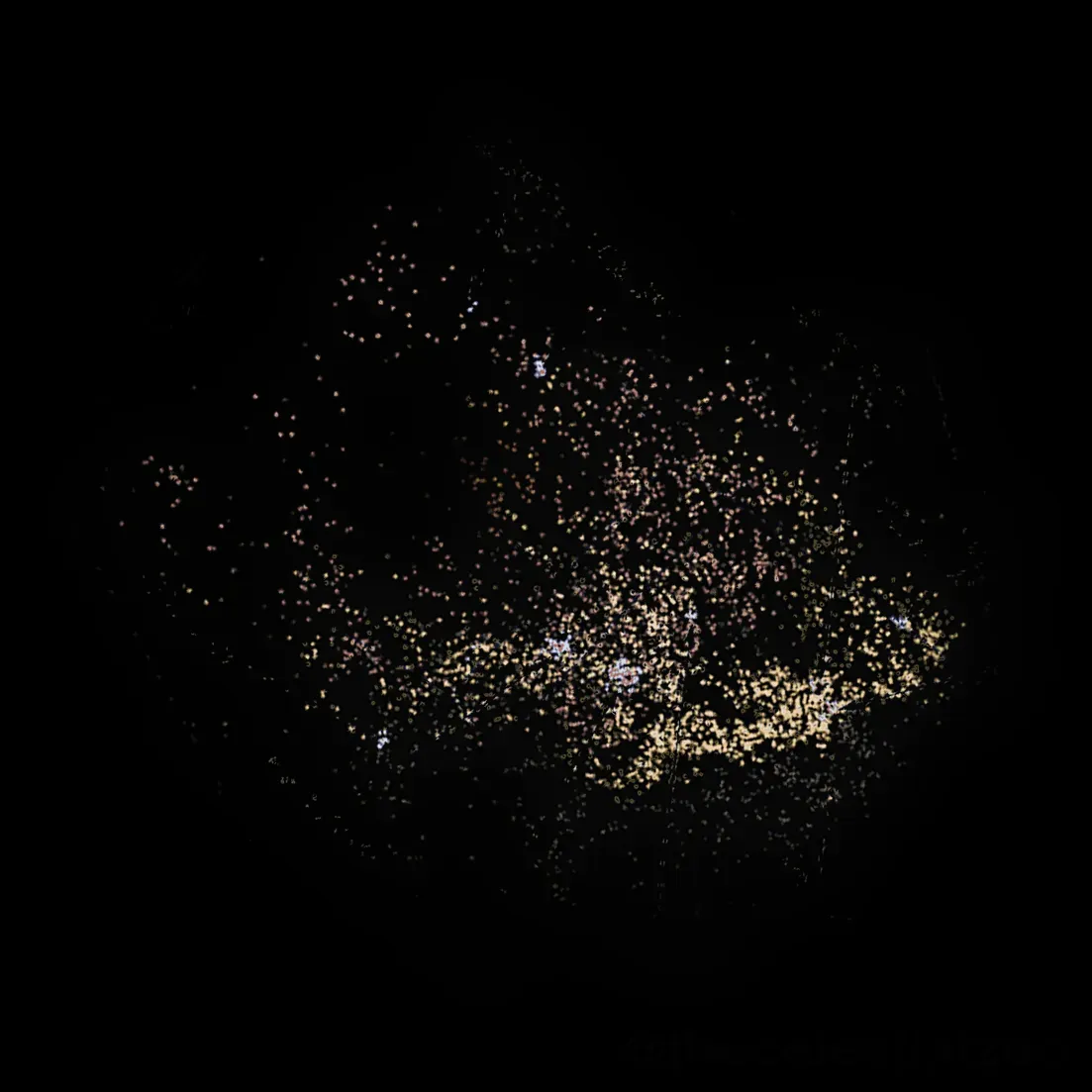
When people picture the universe, they often imagine galaxies everywhere, dense and lively. The weird truth is that vast regions of space – called cosmic voids – are almost completely empty, and they tend to be extremely cold. These voids can stretch across hundreds of millions of light-years, containing just a thin smattering of gas and the occasional lonely galaxy. With so little matter around to collide, heat up, or radiate, these enormous cosmic deserts cool down and hover only a bit above the universal background temperature.
It is oddly humbling to realize that the default state of most of the universe seems to be dark, sparse, and freezing. Galaxies like ours are more like warm, brightly lit cities compared to the sprawling, unlit countryside of the cosmic web. In those underpopulated regions, there are no bustling star-forming clouds or hot supernova remnants to raise the temperature. The result is a kind of deep, silent cold that stretches for distances our minds can barely picture, the ultimate opposite of a crowded, vibrant metropolis.
5. Neutron Star Crusts Hide Superfluid, Ultra-Cold Physics
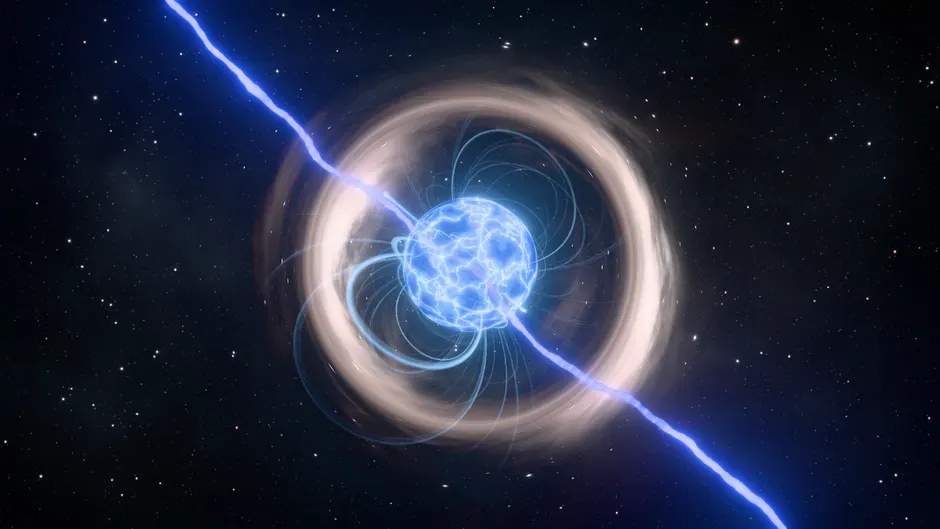
Neutron stars, the collapsed cores of massive stars, are famous for being absurdly dense and initially blazing hot. Yet, hidden beneath their outer layers, some regions can settle into bizarre, super-cooled states. Inside their crusts and just below, matter is packed so tightly that neutrons can form a quantum superfluid: a state where they flow without friction, behaving more like a single coordinated wave than individual particles. While the surface can be millions of degrees, parts of the interior cool over time to allow this strange, cold quantum phase to emerge.
This creates a wild contrast: at human scales, everything about a neutron star screams heat and violence, but zoom into the right layer and it becomes a playground for ultra-cold quantum behavior. It is like finding a serene, glass-smooth lake beneath a raging volcano. Observations of tiny glitches in neutron star rotation hint that this superfluid core can suddenly reshape how the star spins, releasing built-up stress in jerky jumps. For me, the weirdest part is that some of the coldest, most delicately ordered matter we know sits buried inside some of the harshest objects in the universe.
6. Interstellar Clouds: Fridge-Temperature Nurseries of New Stars
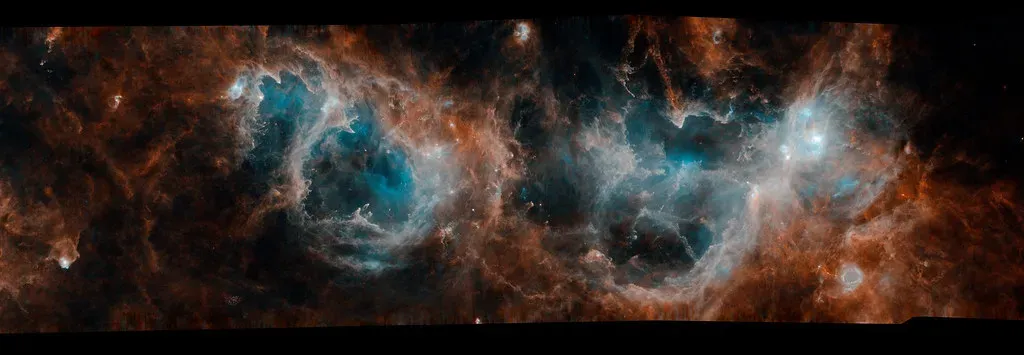
Between the stars in our galaxy, huge clouds of gas and dust linger at temperatures that make an Antarctic winter look mild. Dense molecular clouds, where new stars are born, often chill to around ten degrees above absolute zero. Shielded from starlight by thick dust and cooled by molecules that radiate away energy, these clouds can maintain temperatures that would instantly freeze almost anything familiar from daily life. Yet, paradoxically, they are the cradles of new solar systems.
Because the gas is so cold, the atoms and molecules inside these clouds move sluggishly, which sounds dull but actually makes gravity’s job easier. With less thermal motion pushing outward, gravity can slowly pull regions of the cloud together, forming dense clumps that eventually collapse into protostars. It is a bit like needing the air in a balloon to be calm and still before you can press it into a new shape. The strange fact here is that extreme cold is not just an end state of dead things in the universe – it is also the quiet, dark background where new suns and planets quietly begin their lives.
7. Earth’s Coldest Labs Beat the Universe at Its Own Game

Here is a slightly shocking twist: some of the coldest places in existence are not in deep space at all, but in high-tech labs on Earth. Using clever tricks like laser cooling and evaporative cooling, physicists routinely chill small clouds of atoms to billionths or even trillionths of a degree above absolute zero. That is far colder than the cosmic microwave background, colder than the Boomerang Nebula, colder than anything naturally occurring that we know about. In tiny glass chambers, we have built pockets of temperature that the universe itself almost never reaches.
At those temperatures, atoms can merge into exotic states such as Bose–Einstein condensates, where thousands or millions of atoms behave like one giant quantum object. They lose their individual identities and act more like a single coordinated wave, spreading out in ways that feel deeply counterintuitive. I still find it wild that while the night sky glows with near-absolute-zero radiation, a carefully tuned experiment in a basement lab can undercut that temperature by an enormous margin. It is one of the rare arenas where humanity can honestly claim to outperform the cosmos at something fundamental: getting really, really, really cold.
8. Cold Atoms Move So Slowly You Could Almost “See” Time Stretch
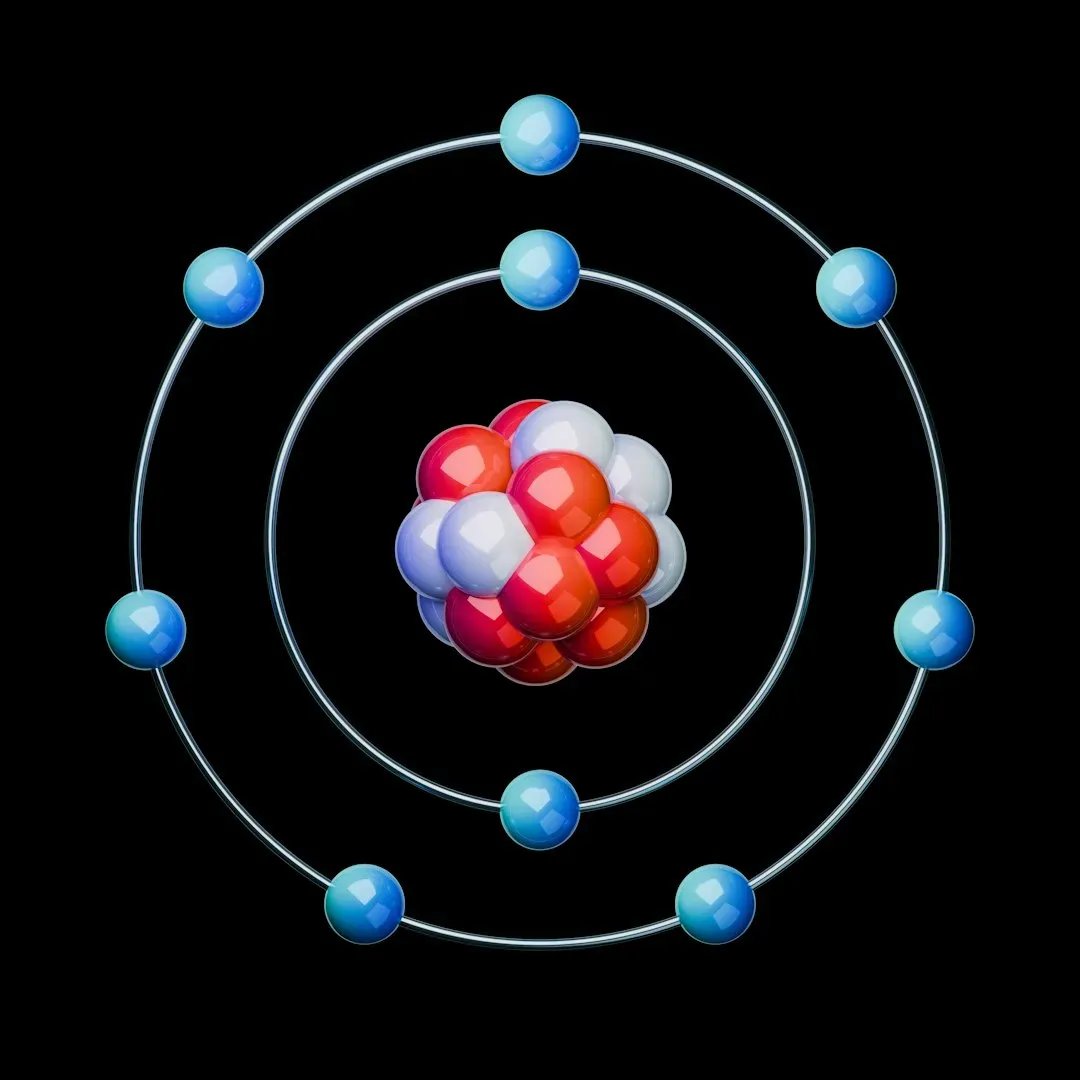
When scientists say an atom cloud is extremely cold, what they really mean is that the atoms are barely moving. Temperature is tied to the jiggling motion of particles; cool them enough, and that jiggling almost stops. In the coldest atomic experiments, individual atoms drift so slowly that, compared with everyday gas molecules, they might as well be statues. If you could shrink yourself down and watch them, their lazy motion would look like time has been put into slow motion specifically for them.
This crawling speed is not just a curiosity; it lets researchers measure tiny effects, like the influence of gravity or magnetic fields, with astonishing precision. Ultra-slow atoms can be trapped, guided, and interfered with in ways that reveal the subtle rules of quantum mechanics. One way to picture it is like slowing a hummingbird’s wings until they flap once every few seconds – you suddenly notice every detail of the motion. The chilling truth is that when you take temperature low enough, the frantic chaos of normal matter calms into something so gentle and deliberate that entirely new physics becomes visible.
9. Spacecraft Hardware Can Freeze in the Shadow of Planets
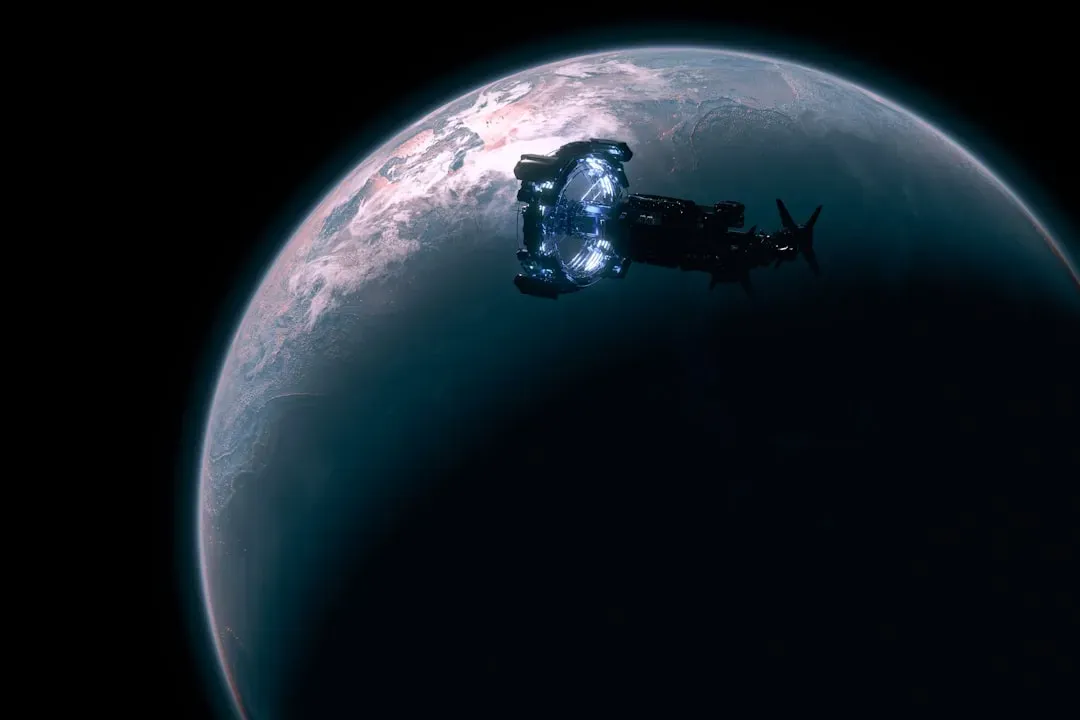
Even within our own solar system, there are pockets of brutal cold that can surprise spacecraft designers. In the deep shadow of planets, moons, or large spacecraft structures, temperatures can drop to levels that threaten electronics, fuel lines, and moving parts. Far from the Sun, in regions beyond Jupiter or Saturn, the lack of sunlight combined with persistent shadow can cause sections of a probe to dip close to the background temperature of space. Without careful heaters and insulation, instruments could literally freeze and fail.
It is counterintuitive, because we tend to think of space missions as battles against radiation and heat from the Sun. In reality, engineers also wage a quiet, constant fight against deep cold, planning where solar panels point, how blankets wrap instruments, and when heaters must kick on. There is something haunting about the idea of a probe gliding in silence, half of it basking in sunlight while the other half lurks in a cryogenic darkness that could lock its joints solid. The cold in these shadows is not just an abstract number; it can be the difference between a brilliant mission and a silent block of dead metal drifting forever.
10. The Cold Future: Heat Death and the Ultimate Cosmic Winter
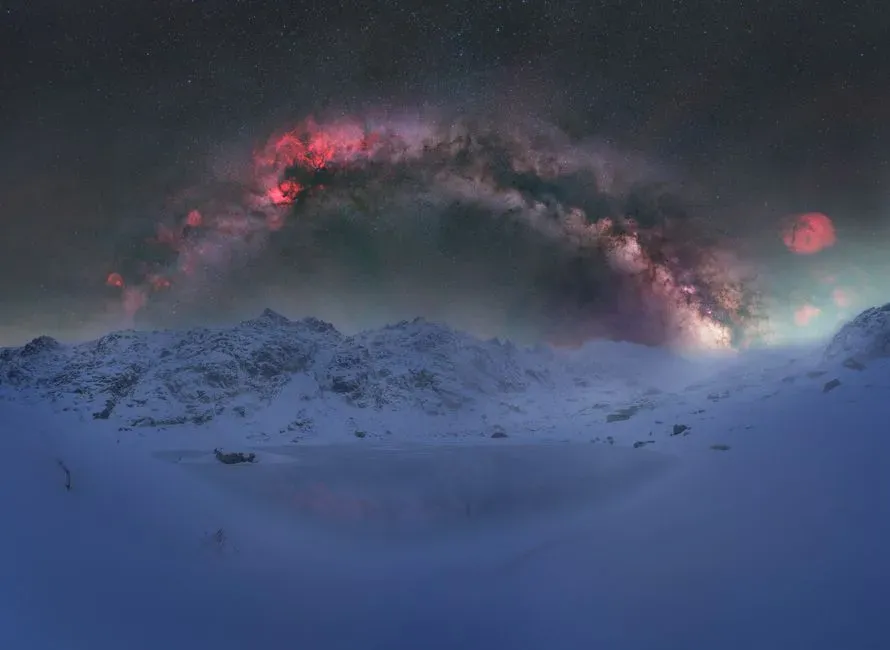
One of the most unsettling ideas in modern cosmology is that the universe may be heading toward a vast, cold, and mostly empty future. As stars burn through their fuel and galaxies drift farther apart, the average temperature of the universe is expected to keep falling. Over mind-melting spans of time, new star formation will slow, existing stars will die, and only faint embers – white dwarfs, neutron stars, black holes – will remain. The background radiation will cool further, creeping closer and closer to absolute zero without ever quite reaching it.
This hypothetical end state, often called heat death, is not a dramatic fireball but a kind of endless, cosmic deep freeze where useful energy is too spread out to power complex, dynamic structures like galaxies, planets, or life. Personally, I think this picture is both chilling and strangely poetic: a universe that began in searing heat, expanding and cooling until it becomes a quiet, thin mist of almost nothing. Whether that is the ultimate fate or some unknown physics changes the story, it is a reminder that cold is not just a local weather pattern – it might be the far-off destiny of everything we know.
Conclusion: Why the Universe’s Coldest Places Matter More Than You Think
When you step back and look at all these extremes, a pattern jumps out: cold is not just an absence of heat, it is a creative force that reshapes how matter behaves. From star-forming clouds to superfluid neutron star interiors, from cosmic voids to ultra-chilled lab experiments, the coldest environments are where the universe reveals its strangest tricks. I think we often romanticize fiery explosions and blazing stars, but the quiet, almost empty corners of reality may be just as important for understanding how everything works. If anything, the cold cosmos is telling us that the most dramatic stories are not always the loudest ones.
There is also something grounding about knowing that, on cosmic scales, warmth and life like ours are the exception, not the rule. Most of the universe is dark, thin, and just a hair above absolute zero, and yet here we are, worrying about the weather and arguing over thermostat settings. To me, that contrast makes our tiny warm bubble feel even more precious and strangely rebellious, like a campfire flickering in a vast frozen desert. Next time you shiver on a cold night, it might be worth asking yourself: compared to the real cold out there, are you even sure you have ever truly felt what “cold” means?