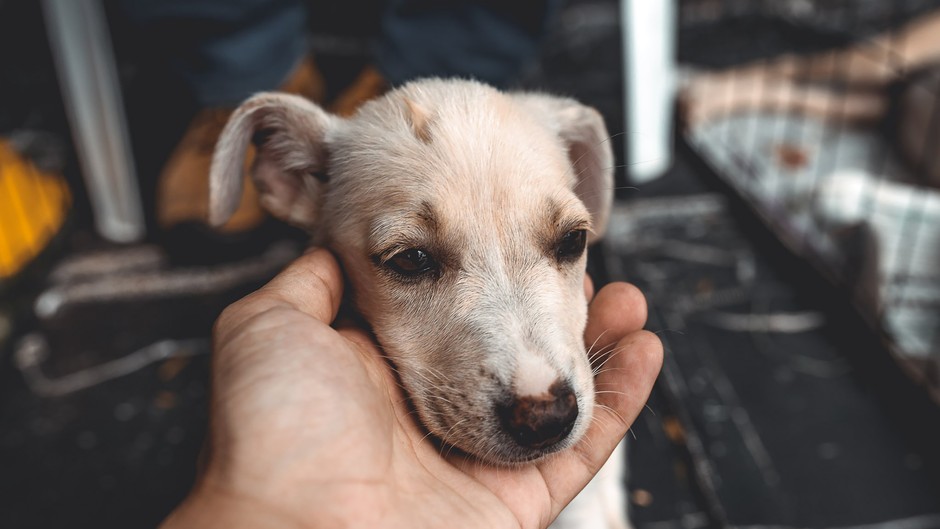
Bringing home a rescued pet feels a bit like switching on a light in a room you did not know was dark. At first, everything is awkward and uncertain: new smells, new routines, new rules. But slowly, something incredible starts to happen. You notice tiny changes in the way your pet looks at you, rests near you, or follows you around, and you realize this is not just basic survival. This is trust being built from scratch.
I still remember sitting on the floor with a terrified shelter dog who refused to come out from under the table for days. One evening, she finally crawled into my lap, sighed, and fell asleep with her head on my knee. Nothing in my life had prepared me for how emotional that moment would feel. That is why understanding the signs of genuine gratitude in a rescued pet matters so much. It reminds you that all the mess, cost, and effort are turning into something quietly life-changing for both of you.
1. The Slow-Blink, Soft-Eye Look That Says “I Trust You”
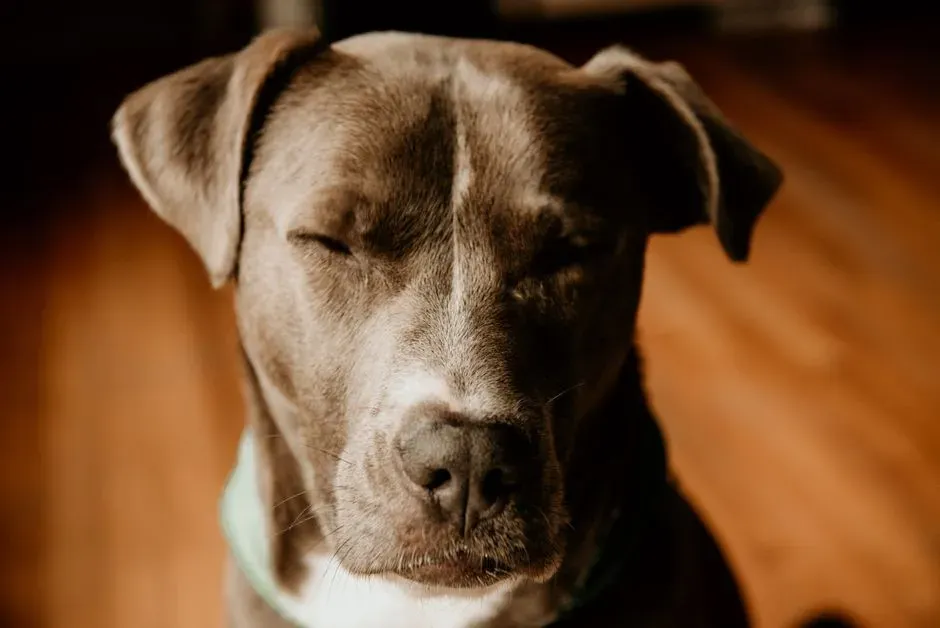
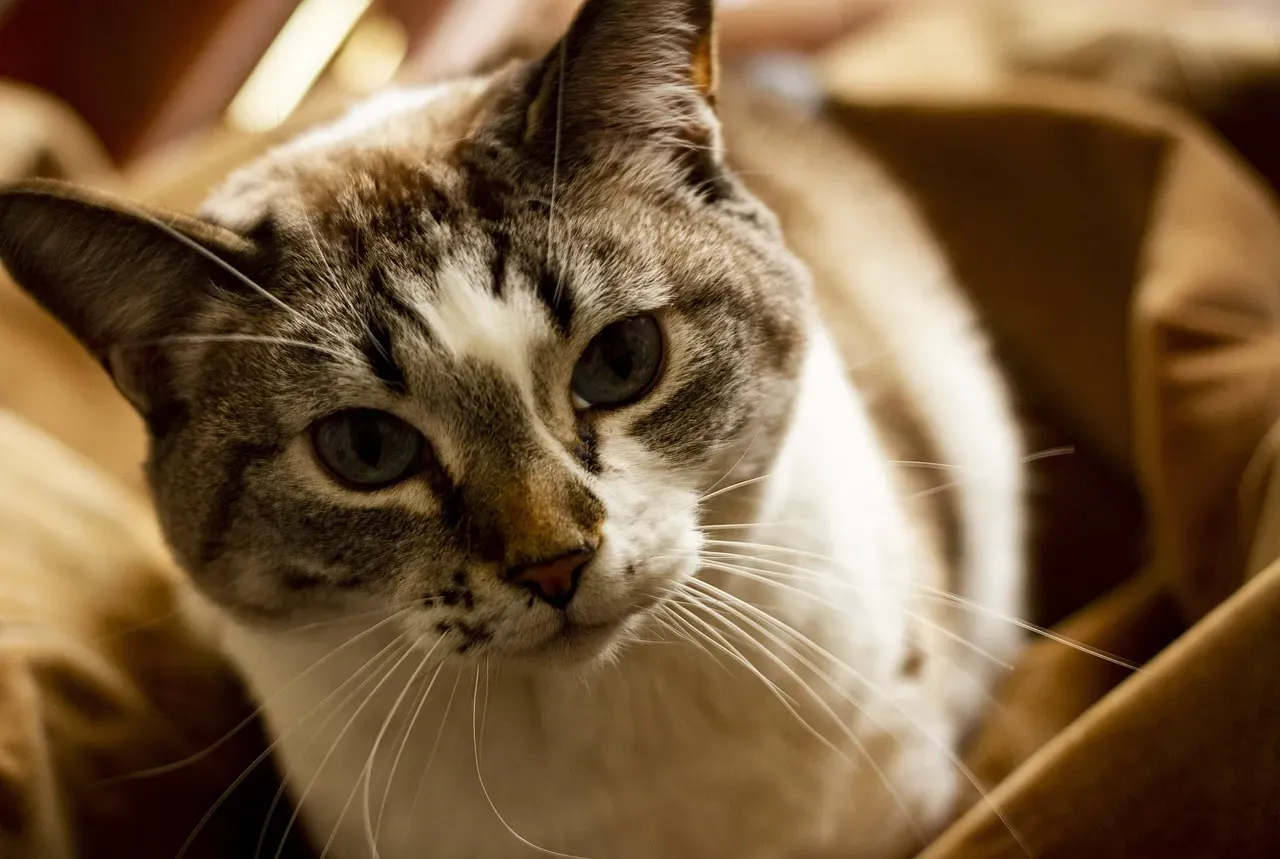
One of the most powerful signs that a rescued pet is grateful is hidden in their eyes. Many animals coming out of shelters or harsh environments show wide, tense eyes at first, with pupils that are a little too big and a gaze that seems to scan for danger. Over time, as they begin to feel safe, their eyes soften. You start seeing slow blinks from cats, gentle squints from dogs, and that lingering, relaxed eye contact that feels almost like a quiet thank‑you.
There is actually some science behind this. In cats, slow blinking is associated with reduced stress and a sense of safety, and many behavior experts now suggest that slow-blink exchanges between cats and humans can strengthen bonding. Dogs, too, tend to avert their eyes or look away when anxious, but will hold a calm, gentle gaze when they feel secure. When your rescued pet chooses to look at you with that soft, unguarded expression, it is not just cute. It is their nervous system saying, in its own language, that you have become a safe place in a world that did not always treat them kindly.
2. Choosing To Be Near You (Without Being Asked)
Gratitude in animals often shows up as a quiet, steady preference for your company. Many rescued pets start off hiding under beds, inside crates, or in corners, creating their own “safe zones” far from people. As they begin to feel grateful for the safety and predictability you provide, they often shift their safe zone to wherever you are. Suddenly, you realize they are lying just outside the bathroom door, following you from room to room, or curling up on the couch where they can feel your presence.
This behavior lines up with what we know about social bonding in domesticated animals. Both dogs and cats are capable of forming attachment patterns similar to those seen in human infants, seeking proximity to their attachment figure when unsure or stressed. A rescued pet that chooses to sleep near your bed, rest at your feet while you work, or quietly sit in the same room instead of hiding is not just being clingy. They are literally reorganizing their internal map of safety around you, and that is one of the clearest signals that your care has deeply changed their emotional world.
3. The First Time They Relax Enough To Truly Sleep Around You

This is the one that catches almost everyone off guard. The first time a rescued pet truly lets themselves go limp and sleep deeply near you can be an unexpectedly emotional punch to the chest. At the beginning, many rescued animals will doze lightly, startle at every sound, or insist on sleeping in a spot where they can bolt if needed. Then one day, you notice their body is completely loose, paws in the air, eyes rolled back in that ridiculous, blissful way, or their chin is resting heavily on your leg, breathing slow and deep. That is the moment a lot of people quietly tear up.
From a biological standpoint, deep sleep is one of the most vulnerable states any animal can be in. In nature, sleeping soundly in the wrong place can be deadly, so nervous systems are wired to stay alert when the environment feels unsafe. When a rescued pet drifts into real, unguarded sleep beside you, their body is basically announcing that it no longer expects harm in your presence. It is not just gratitude; it is a profound surrender of fear. You did not just give them a home; you gave them the ability to rest in a way they may not have experienced for a very long time, if ever.
4. Small Acts of Reciprocity: Gifts, Grooming, and Gentle Check‑Ins

Another subtle sign of gratitude is when your rescued pet starts doing little things to take care of you in return, in their own animal way. Dogs might bring you their favorite toy and place it by your feet, or check on you when you cough or cry. Cats may bring “gifts” like toys (or, yes, sometimes a very unfortunate bug) and drop them where you will notice, or gently groom your hair or hands. These behaviors might look simple on the surface, but they often signal that your pet has moved past survival mode and into a relationship mode.
Research into animal social behavior shows that many social species engage in forms of reciprocity and care-giving within trusted relationships, like grooming, sharing resources, or checking on distressed group members. When your rescued pet moves from just receiving your care to trying to give something back, it suggests they see you as part of their social group, not just a food machine. Those tiny gestures are their version of saying they value you. They might not understand the word gratitude, but their behavior shows a kind of emotional echo of it.
5. Resilience and Confidence That Bloom Under Your Care
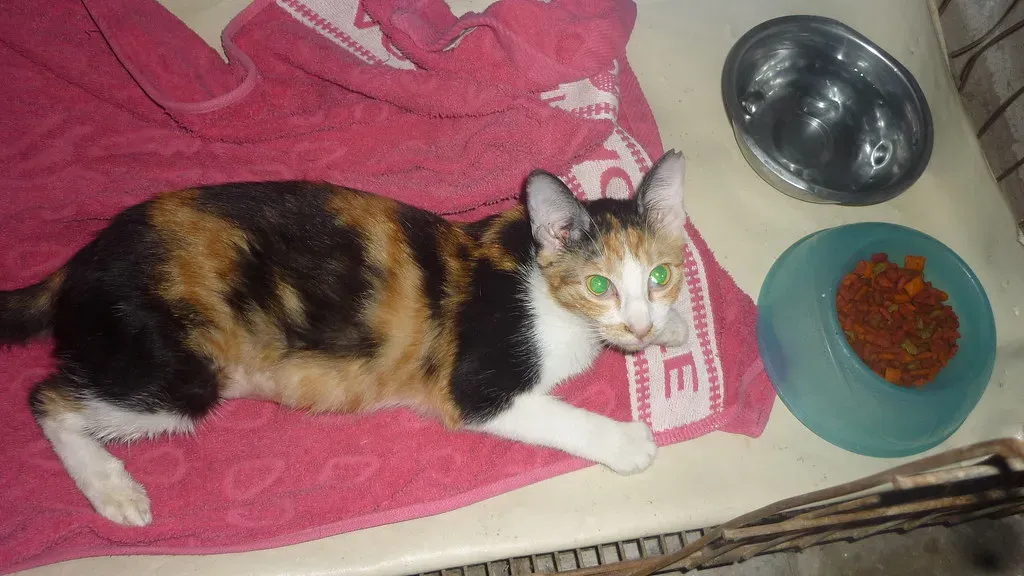
Maybe the most powerful sign of all is not a single behavior but a transformation in how your rescued pet moves through the world. Animals that came in trembling, hiding, or shutting down might slowly start exploring new spaces, greeting visitors cautiously, or even playing like goofy puppies and kittens again. You notice their tail carries higher, their body language loosens, and they bounce back faster from changes or small stresses. That growing resilience is a living, breathing reflection of what your care has done for them.
From a psychological and neurological perspective, consistent safety, predictability, and gentle interaction can literally reshape stress responses over time. Stress hormones tend to settle, and the brain becomes less quick to flip into alarm mode. When a rescued pet who once flinched at every sound now trots confidently down the hallway or learns a new game with visible joy, they are showing the long-term impact of being loved and protected. In a way, their newfound confidence is the loudest thank‑you imaginable, spoken not in words but in every relaxed step they take through the home you gave them.
Conclusion: Gratitude You Can Feel, Even If They Never Say a Word
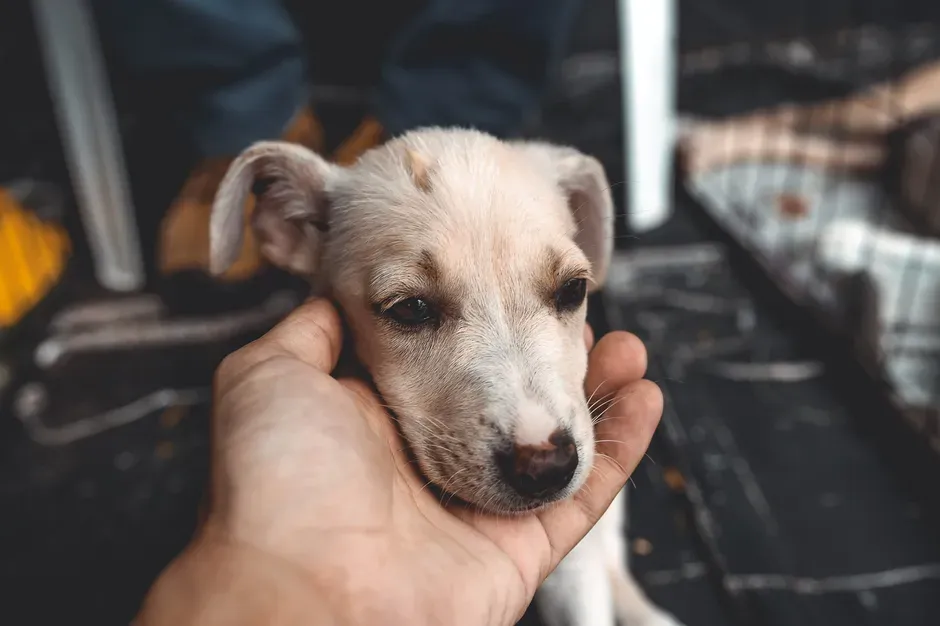
Living with a rescued pet has a way of quietly rearranging your priorities. You start out thinking you are doing a good deed, and then you look up months later and realize this animal has changed how you think about trust, patience, and what it means to show up for someone every single day. Those soft eyes, sleepy sighs, silly zoomies, and quiet moments of closeness are not random. They are the daily proof that your decision to bring them home was not just kind; it was life-altering for both of you.
In my opinion, the most underrated part of rescue is how healing it can be for the human on the other side of the leash or litter box. When a creature that once had every reason to fear you instead chooses to curl up against you and sleep, you cannot help but feel like you are witnessing something sacred. Gratitude from a rescued pet is not loud or flashy, but it is real, steady, and earned. And honestly, is there any better feeling than knowing that in a world full of chaos, you became the safest place on earth for one small, brave soul?