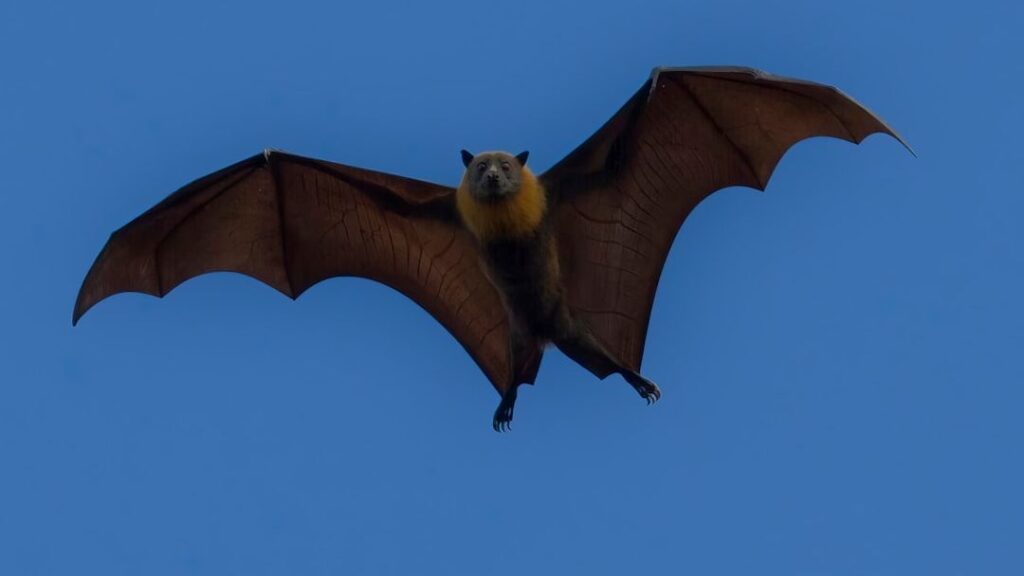
You step outside after dinner and notice small, fast shadows looping through the sky over your yard. At first, you might think they’re birds, but they move too quickly, turning on a dime, silently swooping and darting. Then it hits you: they’re bats, and they seem to love circling your home right after sunset. It can feel a little eerie, a little thrilling, and a little worrying all at the same time.
When bats begin gathering around your home, it is not random and it is not a bad omen. It almost always has a practical explanation tied to food, shelter, light, and the layout of your property. Once you understand what is drawing them in, you can decide whether you want to simply appreciate them from a distance or take steps to gently redirect their nightly flights.
The First Thing It Usually Means: You Live In Great Bat Habitat
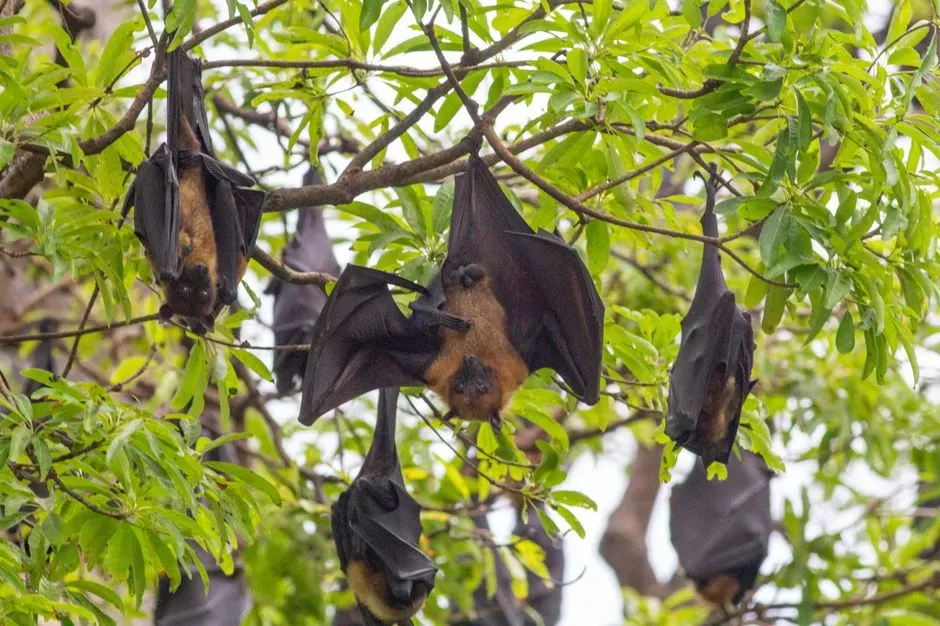
If bats are consistently showing up at your place after sunset, it often means your property sits in a really good spot from a bat’s perspective. You may be close to trees, water, fields, or a mix of open and sheltered spaces, which is exactly what many bat species like for night hunting. You might not notice it in the daytime, but your yard can be part of a natural corridor they follow every night.
Look at your surroundings: do you have a creek, pond, or swimming pool nearby, or maybe a line of trees that lead from a park or woodland toward your house? Those features act like aerial highways for bats. When you see them looping and swooping at dusk, you are basically witnessing one stop on their regular commute, and your place happens to be on the route.
Swarming At Dusk Usually Means: Insects Are Everywhere
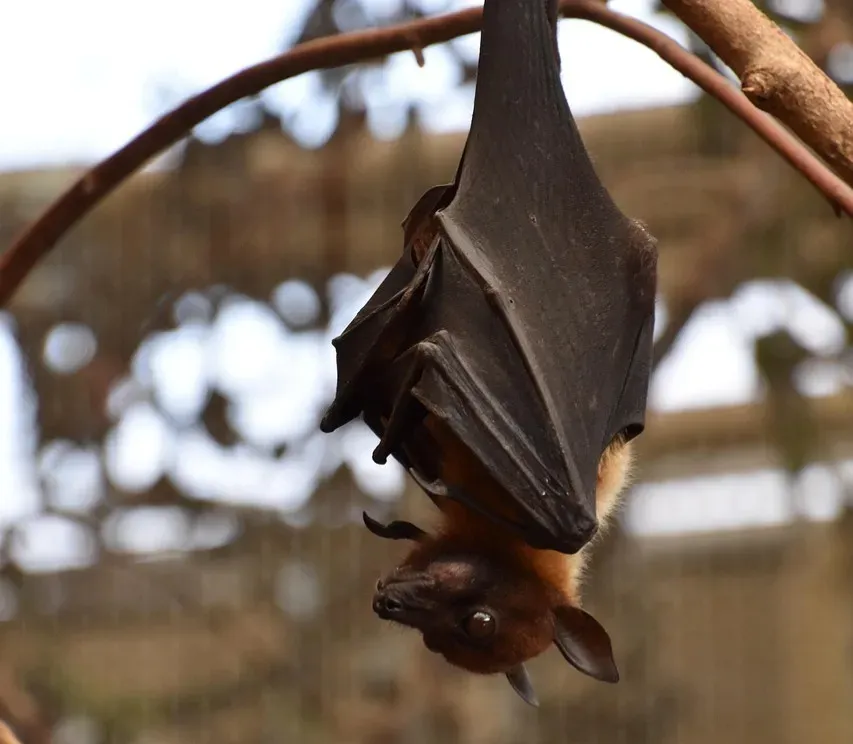
When bats circle around your house at sunset, one of the biggest reasons is incredibly simple: you have a lot of bugs. Porch lights, landscape lighting, and even nearby street lamps attract clouds of moths, beetles, midges, and other insects. To a bat, that glow around your home is like a neon sign for an all-you-can-eat buffet.
You can often test this yourself by standing under your porch light and looking closely at the air just beyond the glow. If you see tiny insects drifting and bumping around the light, bats will notice them too. Their fast dives and sharp turns are often them snapping up mosquitoes and moths that you can barely see, which means that those mysterious silhouettes are quietly doing pest-control work for you every single night.
Gathering Near The Roofline Can Signal A Possible Roost
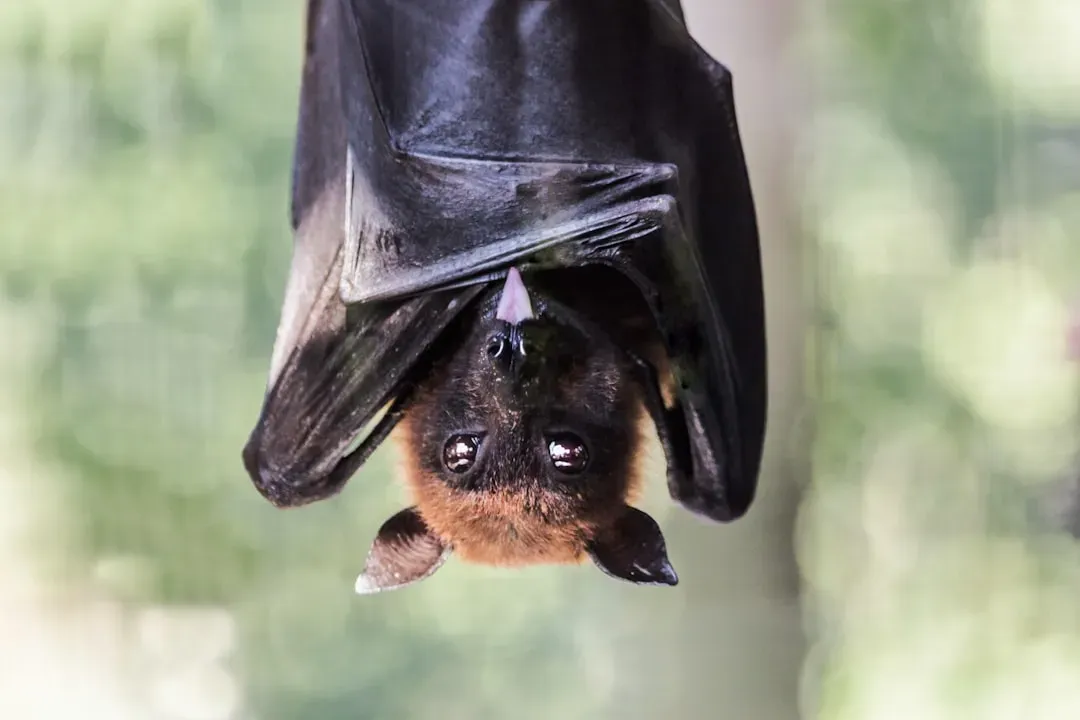
If you see bats not just flying over your yard but consistently circling the same part of your roof, chimney, soffits, or attic vents, that can mean they are roosting somewhere in or on your home. You may notice them disappearing into a tiny gap near the eaves or slipping behind loose siding right at dusk or just before dawn. To them, those gaps look like safe, sheltered cracks where they can tuck themselves away during the day.
You do not need a large opening for bats to get inside; many species can squeeze through a space no wider than the width of your thumb. If they are using your home as a roost, you might also see small dark droppings (guano) on the ground or walls below their entry point. At that stage, it is worth considering a professional inspection, not because bats are out to get you, but because sharing your attic with wildlife can create mess and health concerns you do not want to ignore.
Bats Around Your House Are A Strong Clue About Your Local Ecosystem
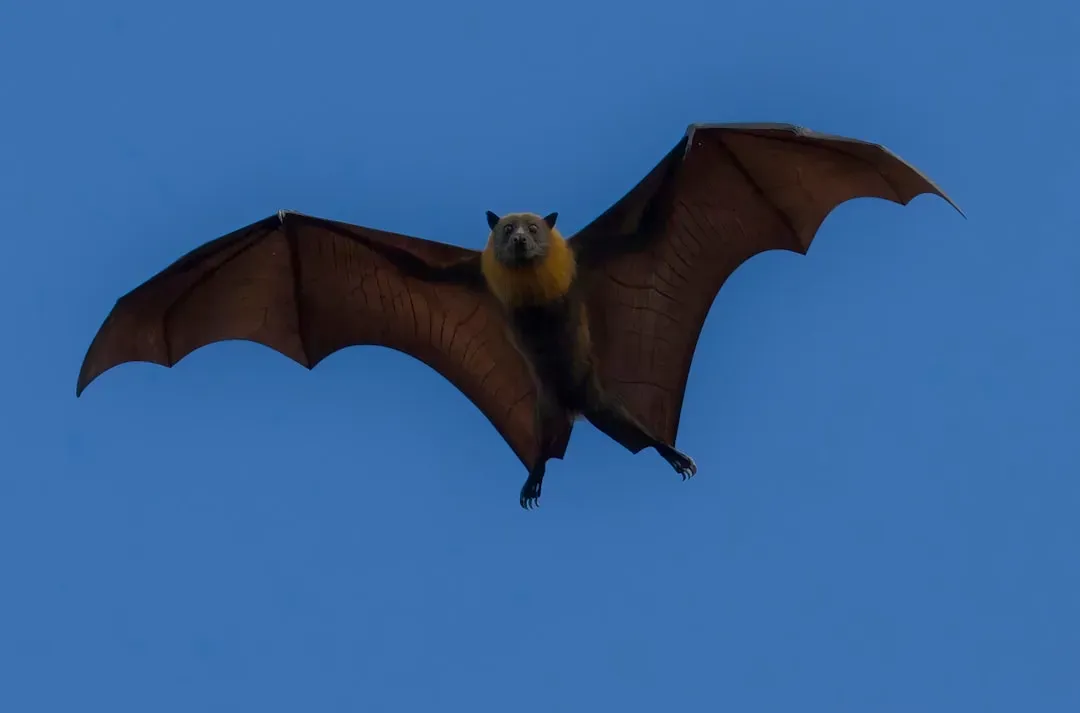
When bats favor your property, it usually means your surrounding environment is still healthy enough to support them. Bats are sensitive to habitat loss, pesticides, and disturbances, so if they keep returning, your area likely still supports plenty of native insects, trees, and water sources. In a way, their presence is like a subtle compliment to your local ecosystem.
You might also be seeing more bats now than you did a few years ago simply because you are paying more attention, or because small changes near you made your property more attractive. Maybe a neighbor put in a pond, a nearby field was left unmowed, or you planted native flowers that support night-flying insects. All of those changes ripple outward, and bats are often among the first nighttime visitors to take advantage.
Why You Should Care: The Hidden Benefits Bats Bring You
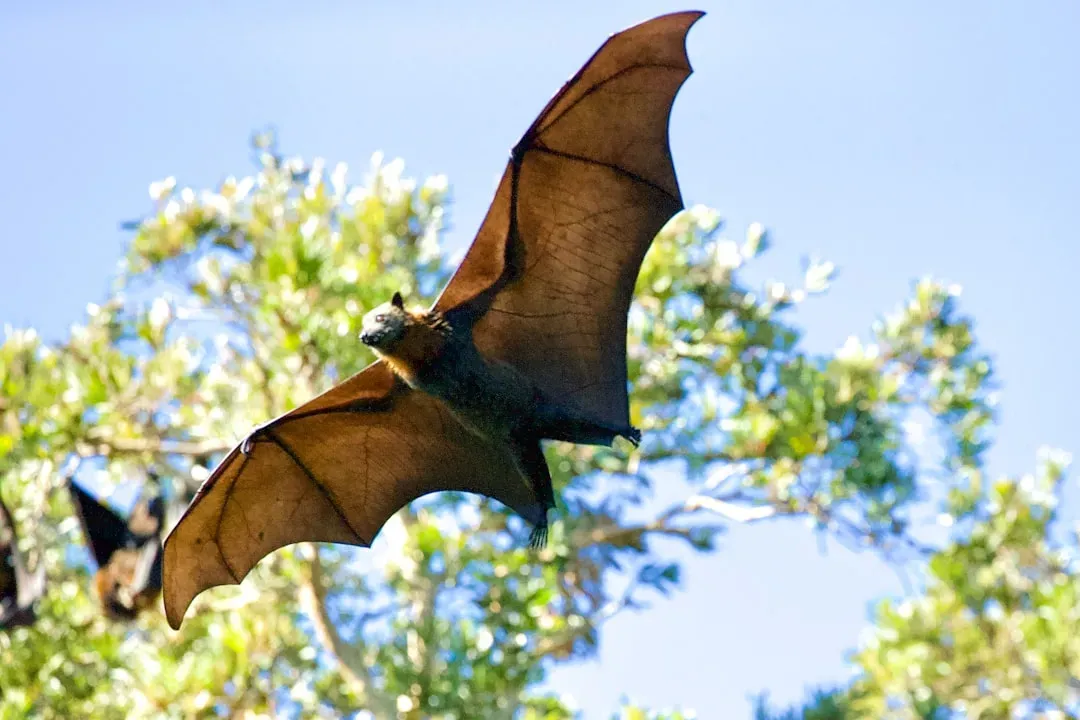
It is easy to focus on the slightly spooky side of bats, but if they are gathering around your home, they are probably doing you some serious favors. Many bat species eat large numbers of insects such as mosquitoes, moths, and beetles that chew up gardens and crops. Over the course of a summer, the bats overhead can quietly remove thousands upon thousands of insects you would otherwise be swatting at or spraying.
In some regions, certain bats also help pollinate plants and spread seeds, though those roles are more common in tropical and desert areas than in typical suburban neighborhoods. Even if your local bats are mainly insect-eaters, they contribute to a more balanced ecosystem and can reduce the need for chemical pesticides. When you watch them sweeping the sky just after sunset, you are really watching a free natural pest-control service at work above your yard.
When To Relax And When To Be Concerned
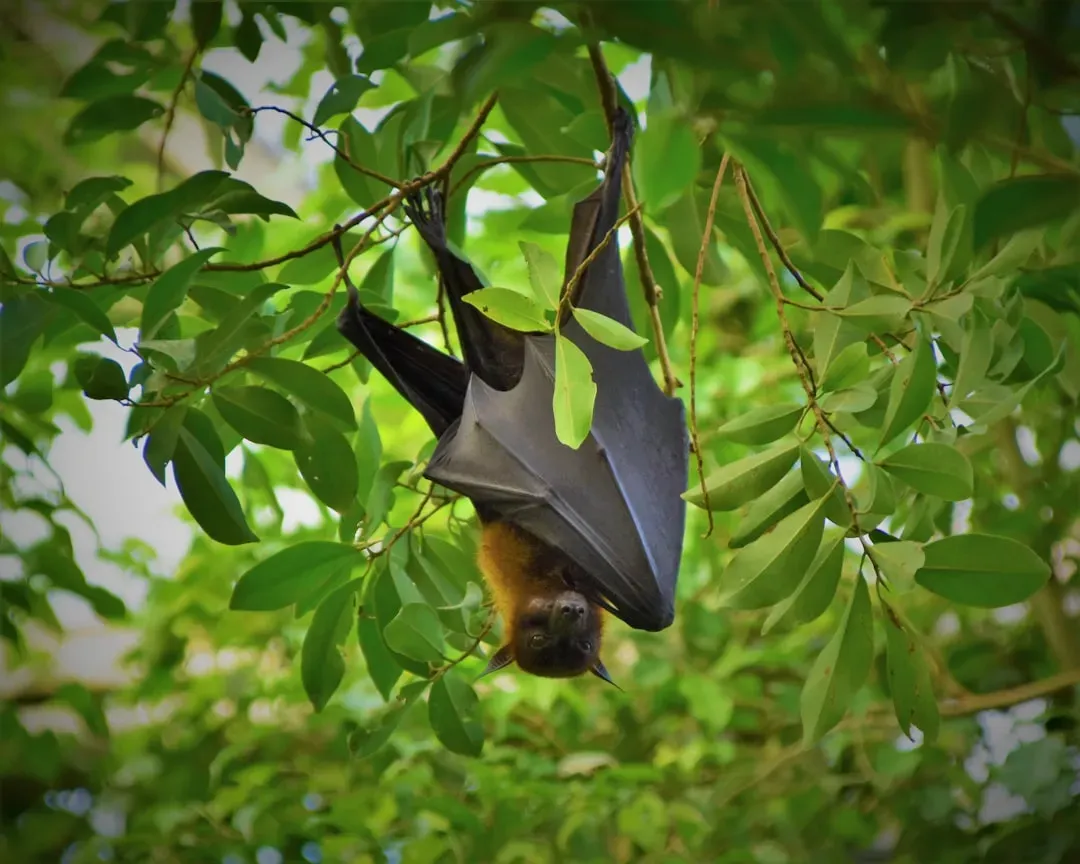
Most of the time, bats flying around your home are not a problem as long as they stay outside. You do not need to panic, chase them, or try to knock them down with objects. As long as they are not roosting inside your living space or getting tangled in your house, they are simply passing through and feeding, and you can safely admire them from a distance.
You should pay closer attention if you see a bat on the ground, behaving strangely, or flying inside your home. Bats can carry diseases, including rabies, even though the vast majority never come into contact with people. If anyone in your household has physical contact with a bat or wakes up to find a bat in a bedroom, you should contact local health authorities or a medical professional right away for guidance, and avoid handling the animal yourself.
How To Gently Discourage Bats From Roosting In Your House
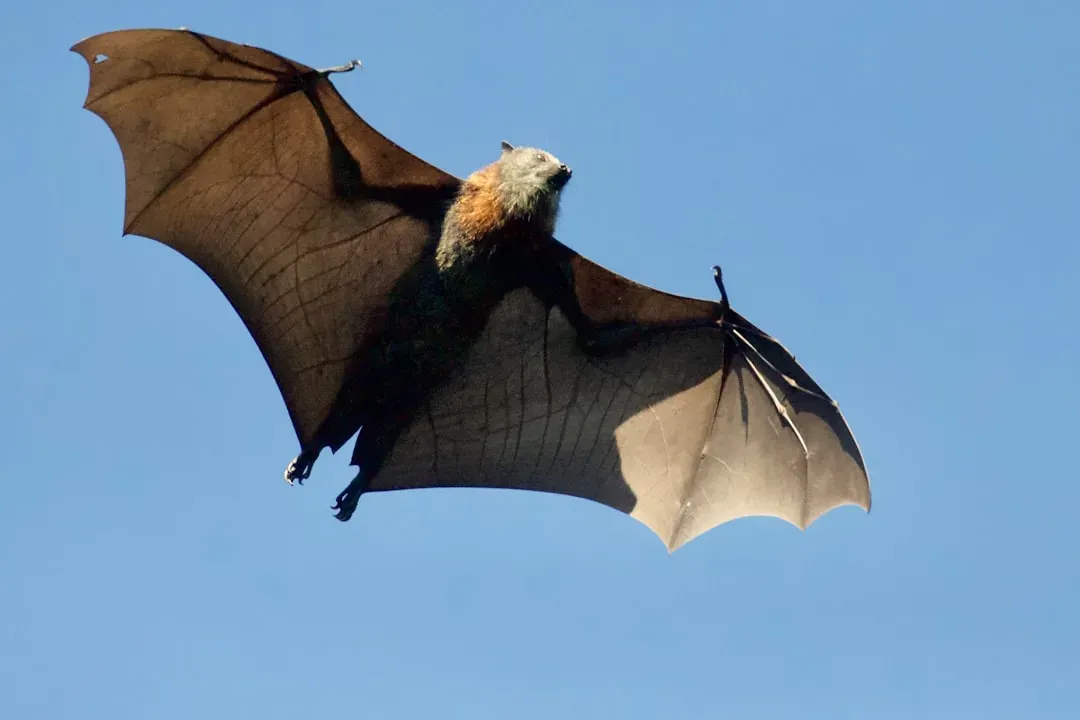
If you suspect bats are slipping into your attic or walls, you do not want to seal holes immediately, because you could trap live animals inside. Instead, you first watch from a distance at dusk to see where they are exiting. Once you know their routes, you can speak with a wildlife control professional about installing one-way exclusion devices that let bats leave but not re-enter, and then sealing up the gaps after they have safely gone.
On your own, you can also trim back tree limbs that directly overhang your roof and repair loose shingles, damaged soffits, and torn screens. Reducing bright lights that attract insects right up against your house can also make your walls a bit less appealing for bats to hunt around. The idea is not to harm them, but to make your living spaces secure while they find more suitable roosting spots in trees, bat houses, or natural rock crevices nearby.
How To Coexist Safely And Even Enjoy Their Nightly Visits
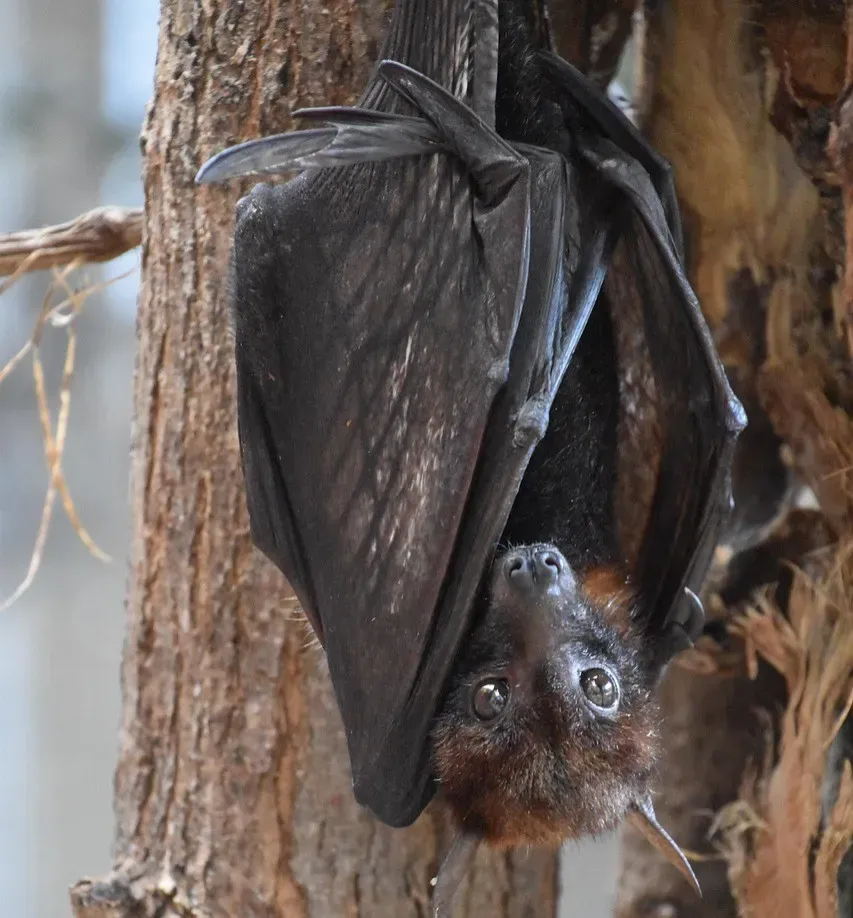
If the bats around your home are just feeding in the air and not nesting inside, you can absolutely choose to coexist with them. You can watch their evening flights from a chair or deck, staying a comfortable distance away, enjoying the quick, acrobatic shapes showing up against the fading light. Some people even time their evening tea or a short walk to coincide with this dusk performance.
You can also lean into that coexistence by keeping pets up to date on vaccinations, teaching children not to touch wildlife, and learning which bat species live in your area. If you ever decide you want to go further, you might install a bat house on a pole or building away from your main living quarters to give them an attractive alternative roost. With a bit of understanding, the nightly swirl of wings around your home can change from something unsettling into one of the most fascinating parts of your after-dark routine.
Conclusion: When Bats Choose Your Home’s Evening Sky
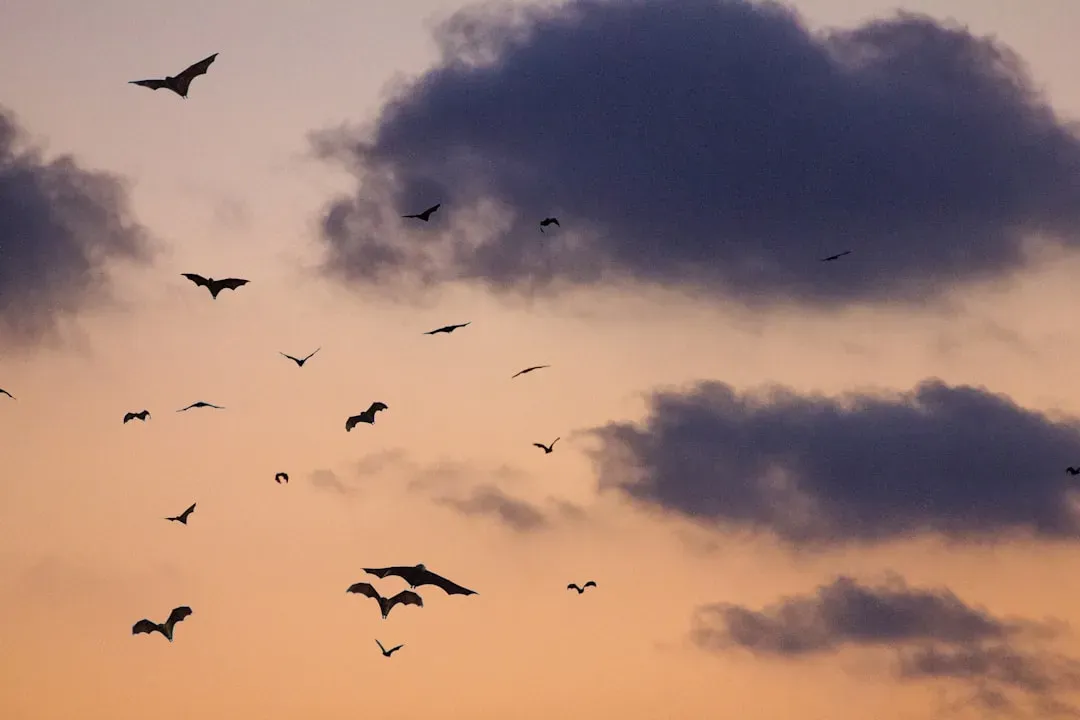
When bats start gathering around your home after sunset, it is usually not a warning sign but a quiet message about your surroundings: you live in a place that still has enough life, water, and shelter to support these secretive night flyers. They are likely hunting the insects concentrated around your lights, commuting along natural corridors near your property, or in some cases, exploring your roofline for safe roosts. By noticing their patterns and learning what draws them in, you can tell the difference between harmless nightly visitors and a situation that calls for action.
In the end, you do not have to love bats to respect the role they play over your yard, but once you understand them a bit better, it is hard not to feel at least a little protective of those fast, silent shadows. With simple precautions and, when needed, professional help, you can keep your home secure while letting bats continue their work in the night sky above you. So the next time you step outside at dusk and see them circling, will you feel spooked by the silhouettes, or impressed by the quiet, unseen work they are doing for you?