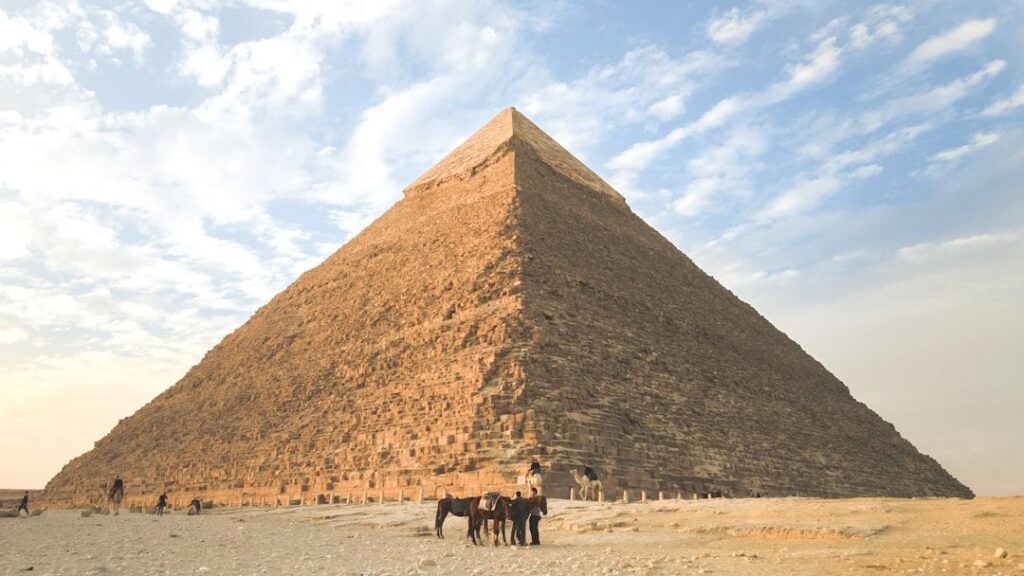

You probably grew up hearing that modern technology is the peak of human achievement. Lasers, CAD software, billion-dollar construction equipment – surely nothing from the ancient world can really compare, right? Then you look closely at certain ruins and realize the story is not that simple. At a handful of sites, the way stones lock together, the scale of individual blocks, and the sheer accuracy of alignments seem to sit just outside anything you see in day‑to‑day modern construction. Not because we could not copy them in theory, but because nobody actually builds this way anymore – the cost, the time and the mindset simply do not exist. When you walk through these places, you are not just looking at old rocks. You are standing inside full‑blown engineering systems whose precision is still not routinely reproduced with contemporary building methods. That does not mean lasers in prehistory or secret alien toolkits; it means ancient cultures pushed hand tools, geometry and organization to extremes you almost never see today. As you explore these nine sites, try to imagine what it would feel like to lay out a perfect joint by eye, or to move a single stone heavier than an airliner, using nothing but brains, manpower and patience you and I can barely imagine.
Puma Punku, Bolivia: Stone Blocks That Fit Like Industrial Parts
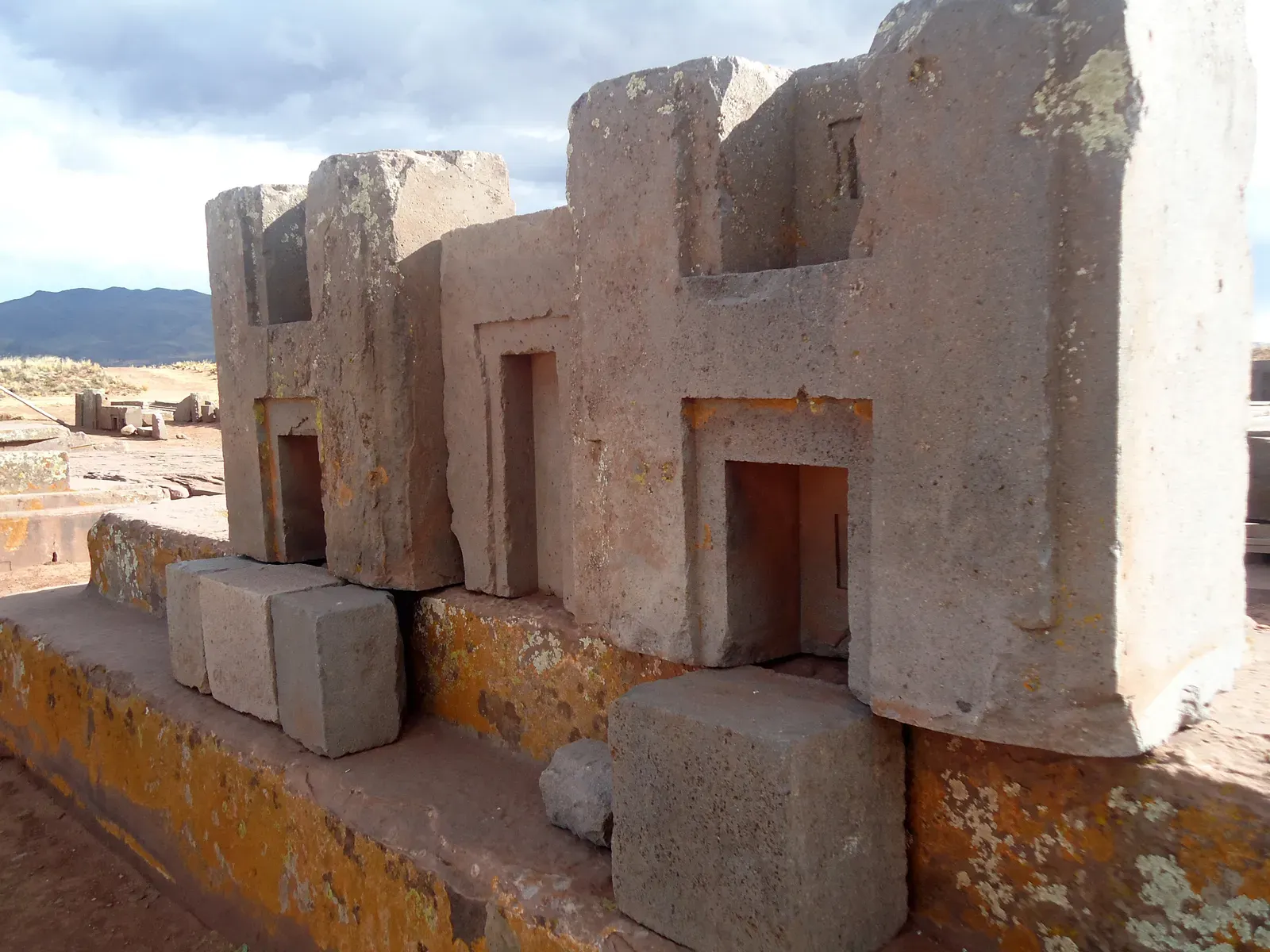
If there is one place that really makes you question what “primitive” means, it is Puma Punku on the Bolivian Altiplano. Here you are looking at andesite and sandstone blocks shaped into crisp H‑profiles, right angles and recessed grooves that feel more like machine parts than masonry. Many of the H‑blocks share the same dimensions and details, so you can treat them almost like interchangeable components – imagine picking up giant stone Lego pieces and snapping them into a master plan. When you run your fingers along the edges, the surfaces feel astonishingly flat, with corners hitting nearly perfect right angles and opposite faces running almost dead‑parallel over long spans. Researchers have actually measured some of this stonework and found tolerances down to a couple of millimeters over blocks that are several meters long. That level of regularity is something you normally associate with controlled workshop processes, not people standing outdoors at high altitude with stone tools. Experimental archaeologists have shown you can technically reach similar precision with careful pecking, polishing and abrasive sand, but they also admit the time and training required would be extreme. Modern contractors almost never attempt massive freestanding stone elements cut this cleanly and standardized across a whole complex, because steel, concrete and factory‑made components are simply cheaper and easier. So while the physics are understood, the exact blend of tools, workflow and quality control you see at Puma Punku is still not a living tradition you can point to today.
Sacsayhuamán, Peru: Polygonal Walls That Laugh at Earthquakes
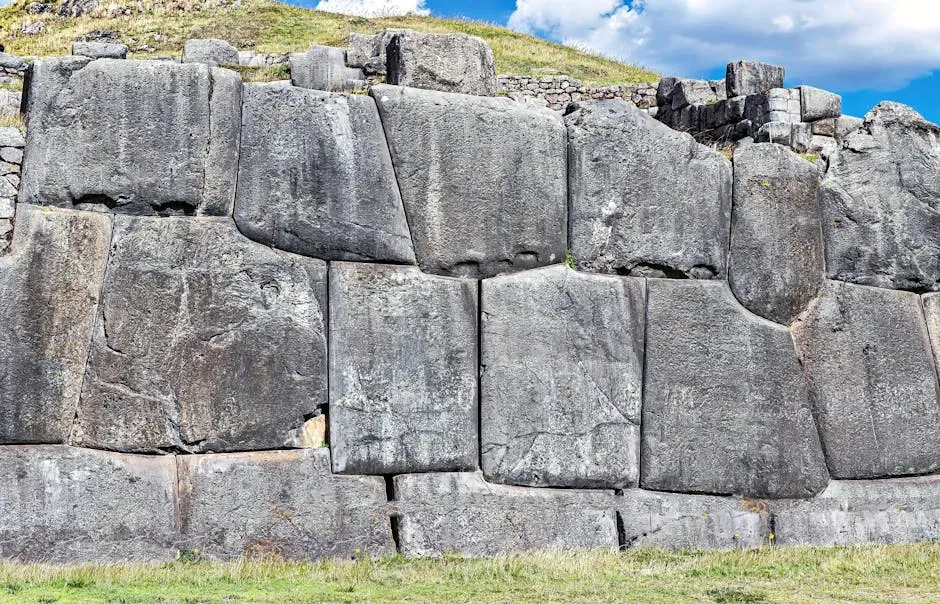
When you first see the outer walls of Sacsayhuamán above Cusco, your brain quietly insists there must be mortar hiding in the joints. Then you get close and realize there is nothing holding those stones together except contact. Each block is a weird polygon, some of them as tall as a house, and every edge kisses the next with such intimacy that people joke you cannot slide a razor blade in between. You are not looking at neat courses of bricks; you are looking at a stone jigsaw puzzle where every piece is unique and yet somehow everything locks together into a flexible, earthquake‑resistant shell. From an engineering point of view, you could reproduce this today with 3D scanners, CNC machines and a brutal budget, but no one actually does. Modern seismic design solves the same problem with rebar, dampers and reinforced concrete, not with hand‑shaped blocks weighing dozens of tons. What you see at Sacsayhuamán is a construction philosophy you almost never encounter now: throw unbelievable craft and time at every single joint so the entire wall behaves like a single interlocked organism. You can argue over the exact tools the Inca used, but you cannot escape the fact that your own era – with all its machinery – almost never builds monolithic stone fortifications to this standard of fit across such massive surfaces.
Baalbek, Lebanon: Megaliths Beyond the Reach of Modern Cranes
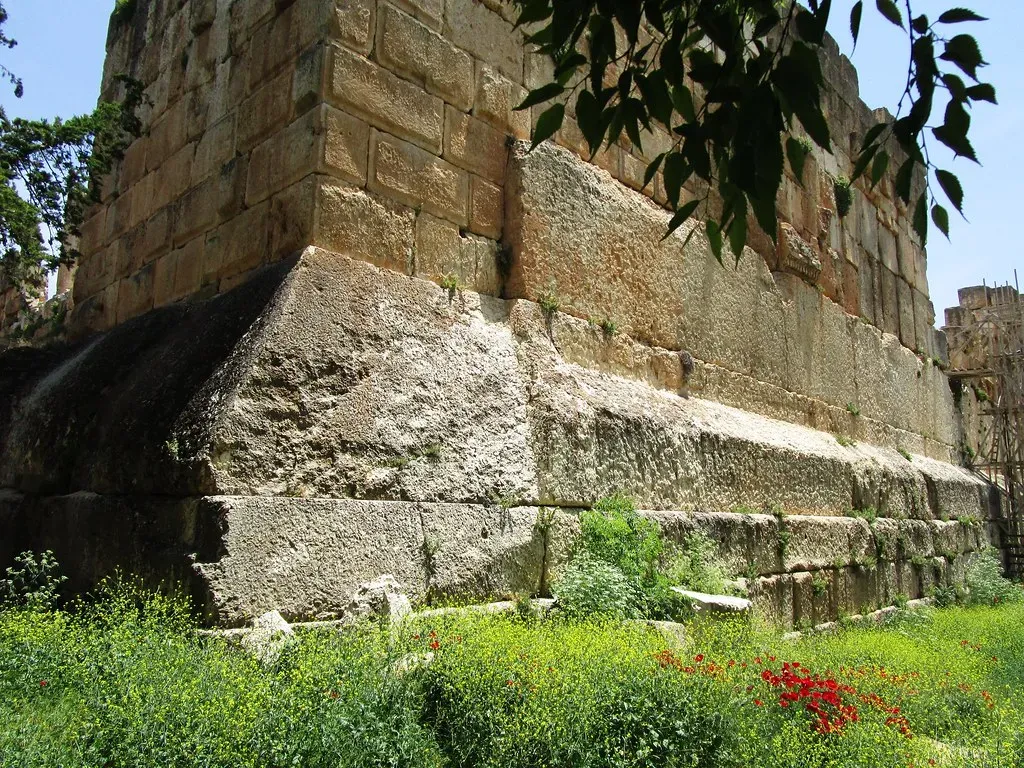
At Baalbek, your sense of scale breaks before your sense of mystery does. Everyone talks about the “Trilithon” – three huge blocks at the base of a retaining wall – but you really feel it when you visit the quarry uphill and stare at the unfinished stones still half attached to the bedrock. One of them is estimated at more than one thousand tons, another even larger again, making them some of the biggest worked stones ever attempted anywhere. You are used to imagining pyramids made of many modest blocks; here you are dealing with single elements so huge that modern mobile cranes would struggle to lift them, never mind move them over uneven terrain. Engineers can sketch out theoretical ways to deal with that kind of mass – speciality trailers, synchronized jacks, custom rails – but those are bespoke, one‑off solutions used in extreme industrial projects, not standard construction practice. The ancient builders seem to have been comfortable designing whole platforms around such blocks, integrating them as if extreme tonnage was simply another variable to manage. You live in a world where precast concrete panels of a few tens of tons already require elaborate logistics and safety plans. At Baalbek, someone not only conceived stones an order of magnitude larger, but shaped, positioned and locked them into a structural system. That willingness to push stone size into a realm even modern construction rarely touches is a kind of precision in itself: a precise command of mass, friction and geometry operating right at the edge of what is physically possible.
Great Pyramid Casing and Internal Joints, Egypt
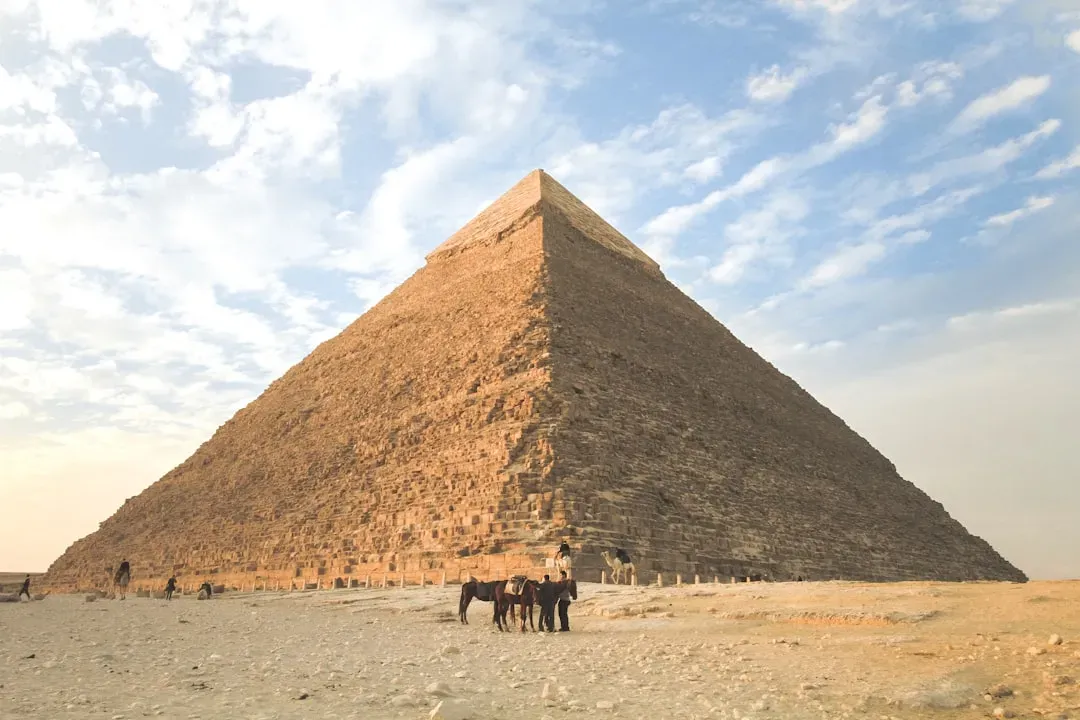
When people talk about the Great Pyramid of Giza, they usually go straight for the big picture: the height, the base, the astronomical alignments. But if you want to see where its builders really flexed their precision, you have to focus on the details – the original limestone casing blocks and the way the internal stones meet. Surviving casing pieces show faces polished to a near mirror finish and joints where neighboring blocks were fitted so snugly that the hairline between them is barely visible. Inside, the granite blocks of the King’s Chamber and the relieving chambers above are set with astonishing consistency in both level and orientation. As a modern observer, you know surveyors can match and surpass this angular precision with electronic instruments and lasers, yet you rarely see the same marriage of mass and accuracy in contemporary building. Today, a skyscraper will be plumb to very tight tolerances, but it will also hide its soul inside drywall and cladding, not in perfectly dressed stone surfaces exposed for thousands of years. The pyramid’s builders accepted tiny tolerances over millions of blocks using manual layout, cords and sighting tools, absorbing the accumulated error across a monument that still holds its shape after more than four millennia. You can duplicate the numbers in a lab or in a factory, but the holistic precision – from foundation to tip, block to block – is not something modern construction culture routinely chooses to replicate in stone.
Osireion at Abydos, Egypt: Monolithic Precision in an Underground World
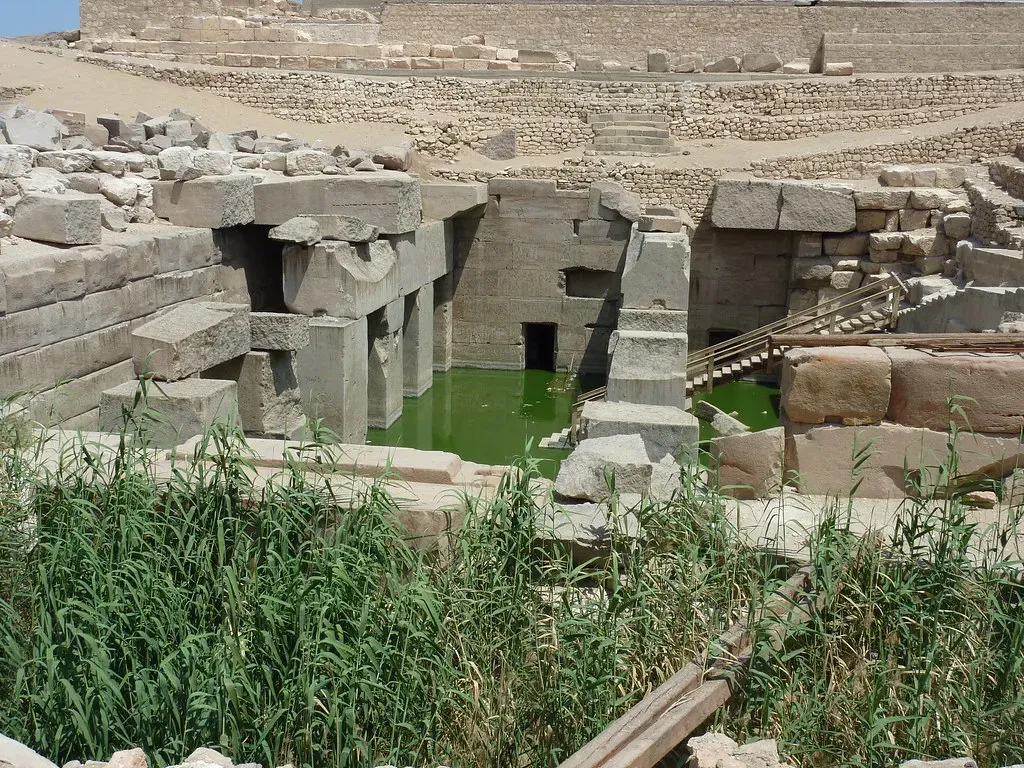
The Osireion at Abydos feels like stepping into a basement designed by giants. You walk down into a sunken hall where enormous granite pillars and lintels are fitted in a way that looks brutally simple at first glance, then strangely sophisticated when you pay attention. The stones are not decorated on their main faces; instead, the precision shows up in the way verticals align, horizontals run true and water channels through the structure without undermining it. Many blocks are so large that you instinctively wonder how they were maneuvered into such a confined space, especially when your own time avoids such risky operations unless absolutely necessary. Modern engineers excel at underground construction, but they lean on concrete, segmental linings and modular elements you can mass‑produce. At the Osireion, you are looking at custom monoliths slid and stacked in tight quarters, with no expansion joints, bolts or steel reinforcement to bail out any miscalculation. There is a quiet confidence baked into that design: the assumption that you can cut, transport and place each stone accurately enough that the whole thing will lock itself into stability. You could absolutely rebuild something similar with today’s gear if money and safety regulations allowed, yet there is no real incentive to do so. As a result, that combination of underground setting, megalithic scale and tight dimensional control remains more of a museum piece than a living engineering option.
Temple Platforms of Tiwanaku, Bolivia (Beyond Puma Punku)
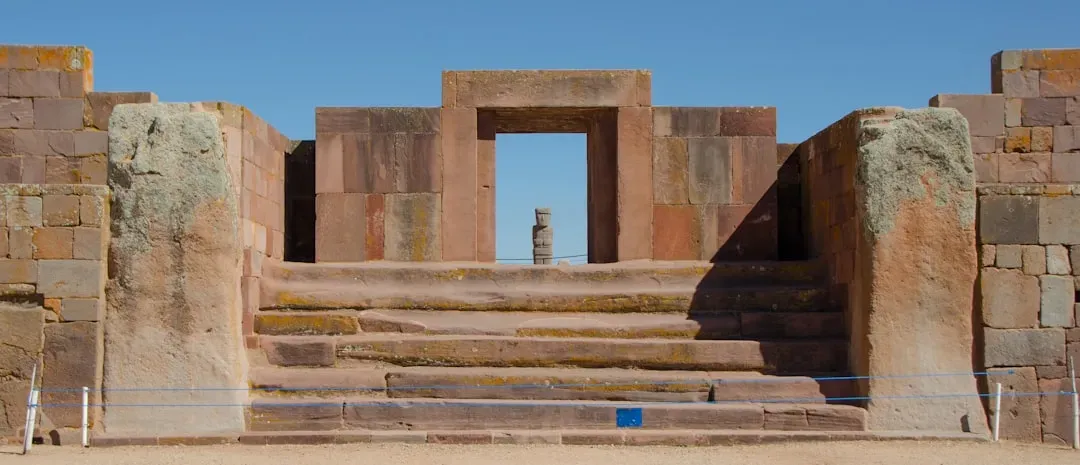
You often hear Puma Punku singled out, but the broader Tiwanaku complex around it also pushes precision in ways you might overlook at first. The Akapana pyramid and Kalasasaya platform, for example, combine carefully leveled terraces, drainage channels and carved stone elements into a hydrologically tuned landscape. Rainwater is guided and slowed, terraces are kept usable, and carved conduits sneak through retaining walls in patterns that feel more like engineered infrastructure than simple decoration. You can see that someone thought hard about how water, frost and time would attack the structure and then responded with deliberate, repeatable design choices. In modern construction, you of course design for drainage and weathering, but you generally let concrete pipes and hidden geotextiles do that work out of sight. At Tiwanaku, the engineering is cut into the very bones of the platforms, always visible if you know what to look for. That visibility forces a level of care that feels different from today’s replaceable utility mindset: you design channels and spouts in stone because you expect them to last for centuries, not just through a warranty period. The precision here is not micrometers on a single block; it is the system‑level accuracy of slopes, alignments and volumes, executed in stone with a long‑term confidence that most modern developers simply do not share.
Ramesseum and Valley Temple Stonework, Egypt
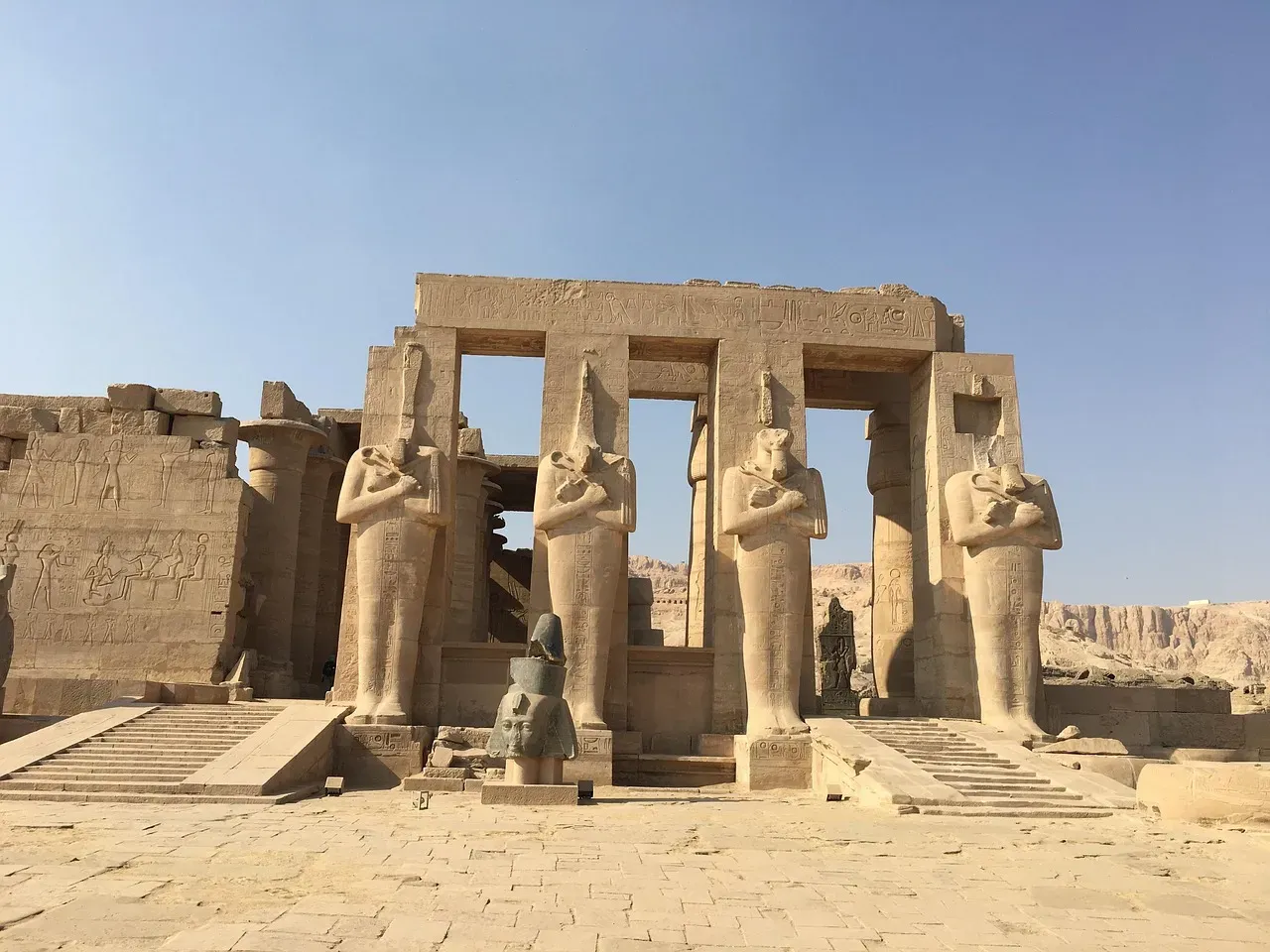
If you walk around the Ramesseum, the mortuary temple of Ramesses II, or the nearby valley temples on the Giza plateau, your eye keeps getting pulled to one specific thing: the way hard stone is shaped into crisp, repeating geometries that still feel sharp after thousands of years. In some corridors, granite and basalt blocks line up to create continuous, glass‑smooth planes with internal corners that could pass for machine‑cut. Door frames, column bases and pavement stones repeat the same profiles with tiny variation, as if you were wandering through an enormous showroom of precision parts snapped together by hand. From where you stand in the twenty‑first century, shaping granite like that usually means diamond saws, computer‑guided lathes and industrial polishing lines, and even then you would likely limit such effort to a few high‑end surfaces. The builders of these temples, by contrast, poured that level of attention into large portions of their complexes. They were not just chasing beauty; tight joints and consistent geometry help distribute loads and resist movement when foundations settle or the Nile’s moisture creeps into the stone. Today’s builders rarely combine such durability with exposed stone on this scale, because other materials are more forgiving and cheaper. That is why the particular blend of artistry and structural precision you see there has effectively gone extinct as a mainstream building habit.
Hypogeum and Megalithic Temples of Malta
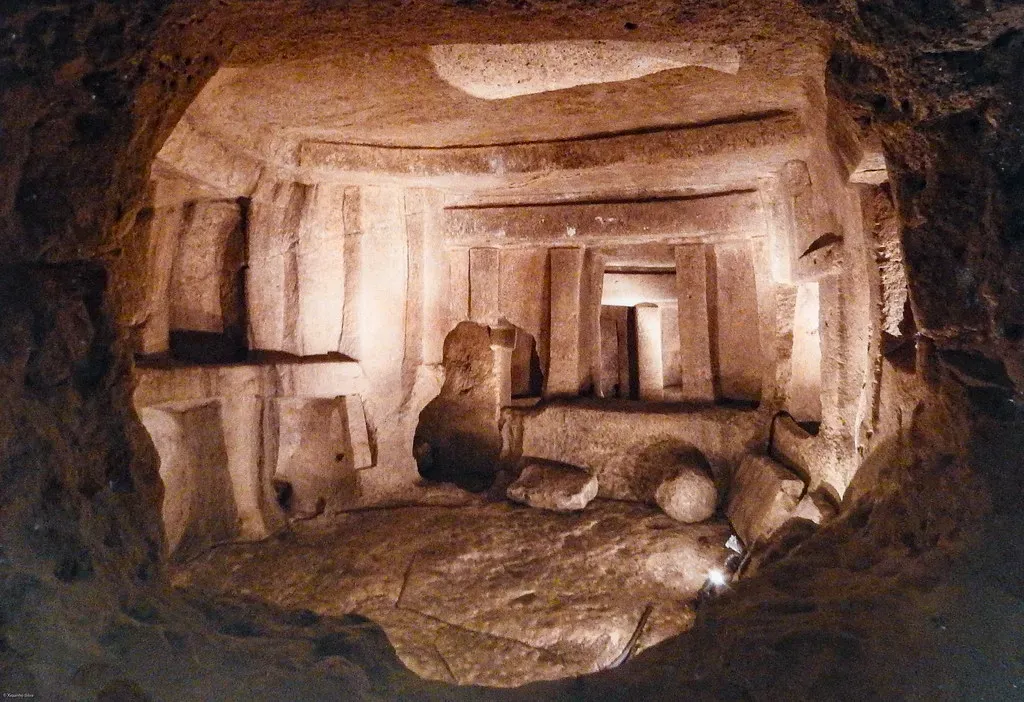
On Malta, you step into a very different tradition of precision: softer limestone worked into shapes that feel almost organic, yet laid out with a geometric discipline that keeps surprising you. The island’s above‑ground temples use trilithon doorways, curves and niches that line up in consistent ways from site to site, implying a shared design template and careful measurement system. Inside the Ħal Saflieni Hypogeum, carved chambers echo those above‑ground forms underground, with walls and ceilings smoothed and squared as if the rock itself had been re‑poured around an invisible mold. Modern tunnel construction can carve cleaner lines with mechanized cutters and shotcrete, but it does not usually aim for this kind of integrated sculptural precision across both surface and subsurface spaces. Instead, you see structural shells overlain with interchangeable finishes, a stack of layers where each trade solves its own problem. In Malta’s prehistoric complexes, the stone itself is structure, finish and form all at once. That forces an accuracy of planning and execution that feels almost alien in an age addicted to modular panels and screw‑on corrections. You could replicate that philosophy today, yet you almost never do, which is exactly why the Maltese sites still feel so singular when you walk through them.
Yonaguni Underwater Structures, Japan (If They Are Human‑Made at All)
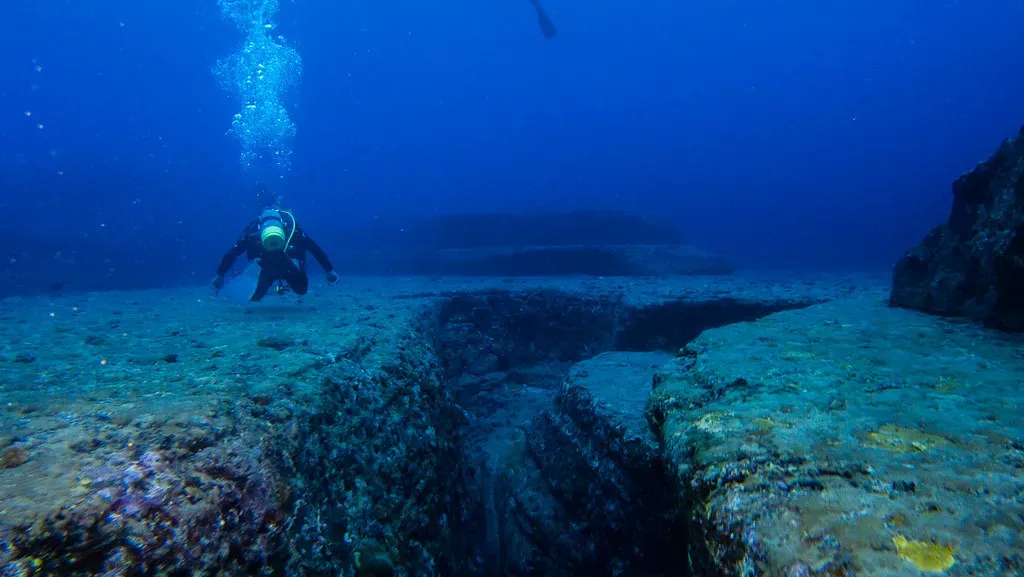
The underwater terraces and stepped forms off Yonaguni Island in Japan sit in a gray zone between geology and archaeology, and that is exactly why they belong on your mental list. When you look at the footage, you see sharp corners, flat planes and what seem like neatly stacked platforms rising out of the seabed. Some researchers argue these shapes could be entirely natural, born from the way local sandstone fractures and erodes. Others point to patterns that look suspiciously intentional: right‑angled edges repeated over large areas, possible stairways and what might be column bases placed in regular arrays. Here is where you have to think carefully about what “precision” even means. If the site is purely geological, then nature has accidentally generated a level of geometric order that your eyes automatically interpret as design – a useful warning about reading too much into straight lines. If human hands did enhance or reorganize these formations, then you are dealing with an ancient culture applying extremely accurate cuts underwater today but built on dry land when sea levels were lower. Either way, the combination of scale, alignment and location is not something modern builders have chosen to echo under the sea in bare stone. You have submerged tunnels, pipelines and platforms now, but they hide behind steel and concrete, not monumental masonry. So even in uncertainty, Yonaguni confronts you with a kind of precision – natural or human – that your current methods simply do not reproduce in that environment.
Conclusion: Precision You Can Explain, But Rarely Match in Spirit

When you line these sites up side by side, a pattern jumps out at you. In almost every case, engineers can show plausible ways the work could have been done with tools and methods available at the time. The mystery is not that the physics are impossible; it is that the mindset is so unfamiliar. You live in an era that optimizes cost, speed and flexibility, not millimeter‑tight joints in stones heavier than locomotives. So while modern industry can hit far finer tolerances in metal and composite materials, it almost never invests that same obsession into massive masonry built to face the open air for thousands of years. If you take anything away from these nine places, let it be this: your ancestors were capable of levels of organization, patience and geometric control that deserve your respect, not your condescension. You do not need to imagine lost laser drills or visiting spacecraft to feel humbled standing in front of a wall where every block has been coaxed into perfect partnership with the next. The real challenge is more uncomfortable and more inspiring: if they could do that with what they had, what might you be underestimating about what you can do with what you have now?