
You know that moment: your dog is chilling, the room is calm, and suddenly they jump up, stare at a blank wall, and start barking like something invisible just moved. Your heart skips a beat, you double-check the window, and for a split second you wonder if your house is haunted. Then you realize… it is just your dog, again. It feels bizarre, and a little unsettling, but there are actually some surprisingly logical reasons behind this weird behavior.
Once you understand what might really be going on, those “creepy wall” episodes start to look a lot less supernatural and a lot more like your dog simply being a dog. You are living with a creature whose senses are sharper, instincts are older, and communication style is way more dramatic than yours. So instead of brushing it off or getting spooked, you can start decoding it. And the more you read, the more you might realize: your dog is not seeing ghosts at all – they are just trying very hard to tell you something.
Your Dog Hears Things You Do Not

When your dog barks at a wall, one of the most common explanations is painfully simple: they are hearing something you cannot. A dog’s hearing range is far wider than yours, especially at higher frequencies, so tiny sounds in the walls – like water moving through pipes, a neighbor closing a cabinet, or an appliance humming – can suddenly become a big deal to them. What sounds like silence to you can feel like a whole soundtrack to your dog.
You might notice this most at night, when the house is quiet and those subtle noises stand out more. Your dog may freeze, tilt their head, and then stare at one point on the wall as if they are laser-focused. From their perspective, that is exactly where the sound is coming from, so barking is their way of reacting, warning, or simply expressing surprise. If you pay attention to patterns – time of day, nearby appliances turning on – you may start to see that your “mystery wall” is right next to a source of small but constant noise.
Your Dog Smells What You Cannot See

Your dog’s nose is a whole other universe compared to yours, and sometimes the wall is just the front door to an invisible scent story. Smells from outside, from another room, or even from within the wall itself can seep through tiny gaps and trigger a reaction. Rodents in the walls, insects, or even old food crumbs that fell behind a baseboard can all be enough to pull your dog’s attention like a magnet.
When your dog suddenly rushes up to a wall, sniffs intensely, and then starts barking, they might be tracking a smell you did not even know existed. It can feel absurd to you – there is nothing there – but your dog is basically standing at the crime scene yelling that something interesting is happening. Sometimes, if you listen to them, you will actually find a clue later, like mouse droppings in a cabinet or a drafty gap along the floor where outdoor smells drift in.
Your Dog Picks Up Tiny Vibrations and Movements

Your dog is not just a professional sniffer and listener; they are also surprisingly good at picking up subtle vibrations. Footsteps from an upstairs neighbor, the rumble of a passing truck, or a washing machine spinning in another room can all travel through walls and floors. While you might only notice a faint background noise, your dog might feel the vibration as well, especially through their paws and sensitive body.
That strange bark at an empty wall may actually be directed at something moving or vibrating behind it, not the wall itself. Think of it like your dog reacting to the “heartbeat” of the house. If you pay attention, you may find that the barking lines up with the dryer running, the garage door opening, or someone walking by outside. To your dog, those movements are part of their territory, and barking is their way of saying, “I heard that. I am on it.”
Your Dog Is Reacting to Light, Shadows, or Reflections

Sometimes the bizarre reason is not sound or smell at all – it is light. Your dog might suddenly notice a small reflection from your phone screen, a glint from your watch, or the way sunlight is bouncing off a picture frame. That little flicker on the wall can look like a moving object to them, especially if they are already alert or a bit bored. To you it is barely noticeable; to your dog it is a tiny intruder worth shouting at.
Shadows can have the same effect. A ceiling fan casting moving shadows, headlights passing outside, or even your own movement shifting the light in the room can all make the wall “come alive” from your dog’s perspective. If you want to test this, try turning off a nearby light source or closing a curtain the next time your dog locks onto a wall. Sometimes, changing the lighting quietly makes the “haunted” spot suddenly lose all its magic.
Your Dog Is Bored and Looking for Something – Anything – to Do
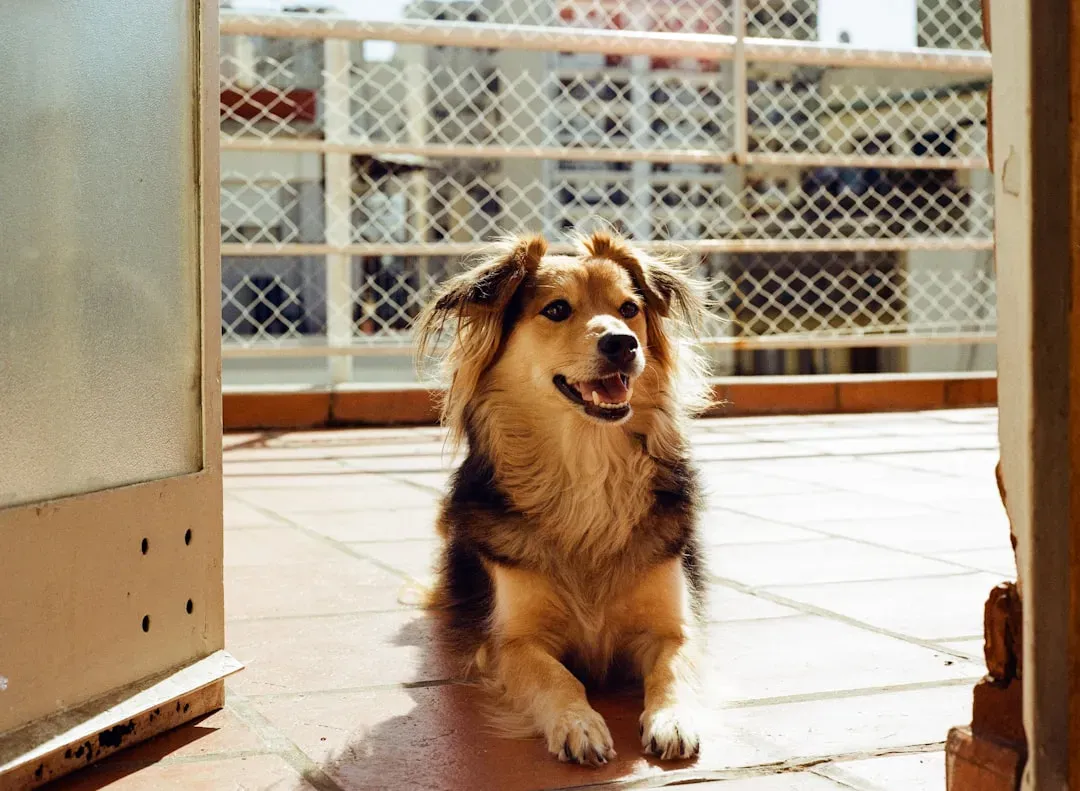
There is another possibility that is less mysterious and more about your dog’s emotional life: sometimes, they are just bored. When your dog does not get enough physical exercise or mental stimulation, they start looking for ways to entertain themselves or release pent-up energy. Barking at a wall can turn into a weird little self-invented game, especially if you react strongly to it.
If your dog has learned that barking at that spot gets your attention – whether you laugh, scold, or fuss over them – they might repeat it because it works. Dogs are clever pattern learners, and if life feels a bit empty that day, a wall-barking session might be their version of channel surfing. If you notice this happening on days with less activity or fewer walks, it might be your cue to add more play, training, or puzzle toys into their routine.
Your Dog Is Anxious or On High Alert

Anxiety can also turn a plain wall into an imagined threat. If your dog is naturally nervous, going through a recent change, or startled by a noise they cannot fully identify, they may fixate on one area and bark as a way to cope. It is as if their brain says, “Something is wrong,” and their body decides that staring and barking at that one spot will keep danger away. To you it looks random; to them it feels like staying in control.
You might notice other signs of anxiety alongside the wall barking: pacing, panting, pinned-back ears, or clinginess. Loud storms, fireworks, new people in the house, or even changes in your routine can deepen that anxious state. If you see a pattern – like your dog barking at the wall mostly when they are already stressed – it is a sign you should focus on calming and comforting them, not just stopping the noise.
Your Dog May Be Experiencing Vision or Cognitive Changes

As dogs age, their brains and senses change, and that can absolutely show up as strange staring or barking at “nothing.” Vision changes, such as cloudiness or reduced depth perception, can make shadows, reflections, or even textured walls look confusing or suspicious. Your dog may misinterpret what they see and respond with barking or intense staring because it does not match what they expect.
There is also a condition in older dogs often compared to dementia in humans, where they can become disoriented, stare at walls, or react oddly to familiar spaces. If your dog is getting older and you notice increased confusion, changes in sleep patterns, or getting stuck in corners, those wall moments might be part of a bigger picture. In that case, you are not dealing with “weird” behavior so much as a health flag that deserves a talk with your vet.
Your Dog Is Responding to Critters in the Walls

Sometimes the bizarre reason is actually very practical: there really is something behind the wall. Mice, rats, squirrels, and even insects can live or move inside walls, especially in older houses or in certain seasons. Your dog’s supercharged sense of hearing and smell can pick up scratching, scurrying, or scent marks long before you notice any sign of a problem.
If your dog always barks at the same section of wall, especially at night or in silence, it is worth investigating. You might not hear anything, but you can look for small clues like droppings, gnaw marks, or entry points around baseboards and cabinets. In this scenario, your dog is not being dramatic – they are basically your tiny pest inspector, sounding the alarm on roommates you definitely did not invite.
Your Own Reactions May Be Accidentally Reinforcing It

One bizarre twist in this whole puzzle is that your dog’s wall barking might partially exist because of you. When your dog suddenly explodes at a blank wall, it is natural for you to rush over, talk to them, touch them, or try to figure out what is going on. To your dog, that can feel like a reward: they bark, you engage. Over time, they may start repeating the behavior not only in response to a sound or smell, but because it reliably brings your attention.
If you notice that the more you react, the more they do it, you may need to gently flip the script. Staying calm, not making a big scene, and redirecting them into another activity – like a cue they know well, a toy, or a short training exercise – can slowly teach them that barking at the wall is not the shortcut to your focus. It is a subtle shift, but it can make a huge difference in how often these episodes pop up.
When You Should Be Concerned and Call Your Vet

Most of the time, wall barking is harmless, even if it makes you feel like you are living in a low-budget horror movie. But there are moments when it deserves a closer look. If your dog suddenly starts doing it a lot more often, seems disoriented, has trouble finding doors or food bowls, or shows signs of pain or restlessness, it is wise to get a professional opinion. Sudden behavior changes can sometimes be linked to ear issues, neurological problems, or other medical conditions.
You also want to pay attention if the barking comes with other red flags, like head tilting, bumping into furniture, circling, or staring at corners for long periods without snapping out of it. Trust your gut: you know your dog’s normal better than anyone. If something feels off or “not like them,” asking your vet to check things out is not overreacting; it is simply good, proactive care.
How You Can Gently Redirect and Help Your Dog

Once you understand the possible reasons behind the wall barking, you can start responding in a calmer, more strategic way. Instead of yelling or panicking, you can treat it as information: your dog is telling you they heard, saw, smelled, or felt something worth reacting to. A simple approach is to calmly get their attention with a familiar cue, move them away from the wall, and give them something else to do – like a sniffy toy, a chew, or a short bit of training.
Over time, building a richer daily routine for your dog makes these episodes less intense and less frequent. More walks, nose work games, puzzle feeders, and short training sessions can all help drain that extra energy and give their brain a healthier outlet. You are not trying to turn your dog into a robot who ignores everything; you are just teaching them that not every mysterious wall noise needs a full-scale alarm response.
Conclusion: Your Dog Is Not Crazy – They Are Just More Tuned In Than You
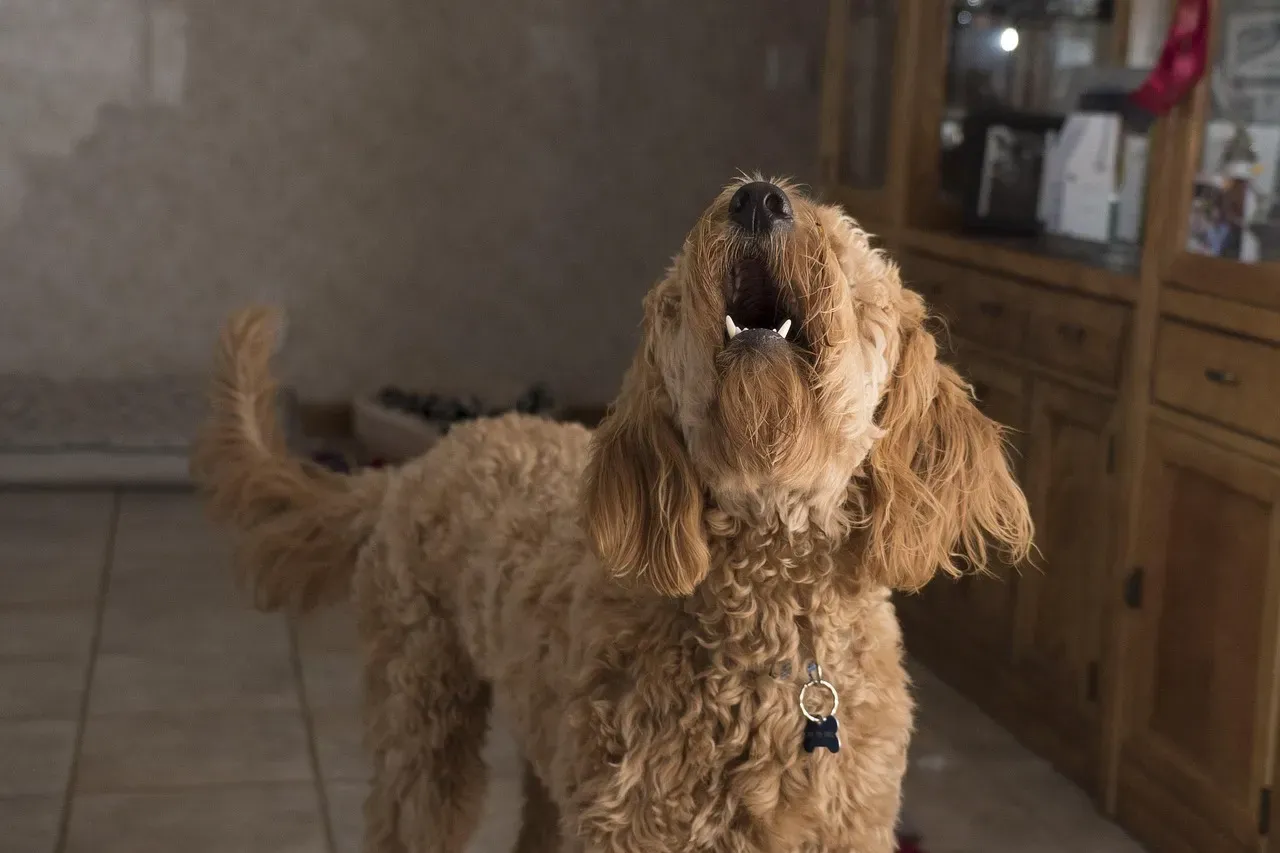
The next time your dog randomly barks at an empty wall, you will know there is usually nothing supernatural going on. Between their powerful hearing, supercharged sense of smell, sensitivity to vibrations, and emotional state, your dog is living in a richer, louder, more intense version of your home than you are. What feels bizarre to you is often totally reasonable from their point of view, even if it is a little over-the-top in practice.
Instead of brushing it off or spiraling into ghost theories, you can start asking better questions: Is there a sound? A smell? A critter? Is my dog bored, anxious, or aging? When you look at it that way, the empty wall becomes less of a mystery and more of a message. And that leads to the real question: now that you know what might be behind the barking, how will you respond the next time your dog stares down the wall like it just talked back?