
You probably take planes, helicopters, and even space rockets for granted as part of modern life. But if you look back into the oldest stories humans ever told, you keep bumping into a strange pattern: people in the distant past were obsessed with the idea of taking to the skies. Long before engines, fuel, or metal wings, your ancestors were already dreaming about flying machines, sky chariots, and humans soaring like birds.
When you dig into those myths, carvings, and legends, it’s tempting to ask whether ancient civilizations somehow knew more than you think. Were they just telling symbolic stories, or did some of them actually try to build devices that left the ground? As you walk through the most famous cases – from India to Greece, Egypt to Mesoamerica – you start to see which ideas are poetic imagination, which are misunderstood, and which might hint at genuine early experiments with flight.
Why The Dream Of Flight Appears In So Many Ancient Myths

If you pay attention to ancient stories from different parts of the world, you notice something almost eerie: people who never met, speaking languages that had nothing in common, imagined very similar things about the sky. You see gods and heroes riding chariots through the clouds, birds that carry humans, and mysterious vehicles that glow, roar, and move in ways that sound surprisingly modern. You are looking at a human pattern here – people staring up, watching birds and storms, and wondering what it would feel like to break free from the ground.
For you, it helps to remember that flight is not just about technology; it’s about power and freedom. When someone in the ancient world imagined flying, they were often really talking about breaking limits, reaching the realm of the gods, or escaping danger down below. So even when those old stories mention sky cars or wings of metal, you have to ask yourself: are they describing real hardware, or are they wrapping big spiritual ideas in the language of movement and speed? That question sits at the center of almost every ancient flight legend you’re about to meet.
The Vimana Stories Of Ancient India: Flying Palaces Or Pure Metaphor?
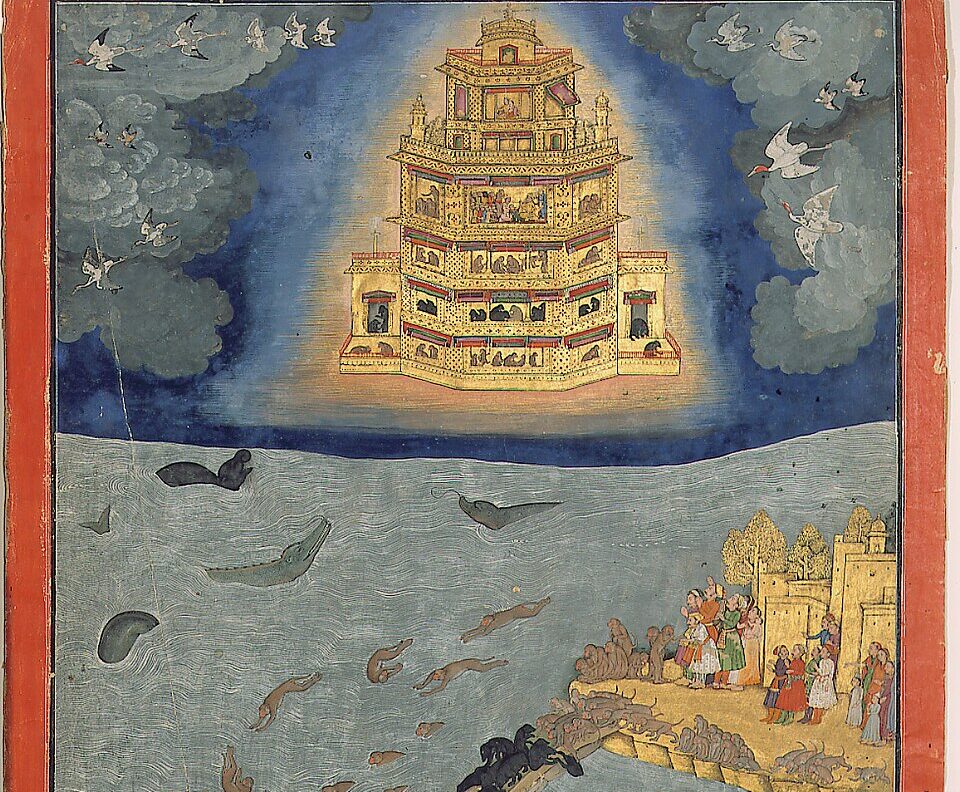
When you dive into ancient Indian texts, you keep running into a word that fascinates modern readers: vimana. In some epics, a vimana is described as a dazzling flying palace or chariot that can move in any direction, sometimes even between worlds. To you, that might sound suspiciously like an aircraft or even a spacecraft, and that’s exactly why these stories keep getting dragged into debates about ancient advanced technology.
But when you look more closely at the oldest, most reliable versions of these texts, you see that vimanas are treated more like divine vehicles than engineering blueprints. You are reading religious and poetic works, full of exaggeration and symbolism, not manuals written by pilots or mechanics. Later writings that describe detailed “technology” for flying machines appear much more recent and far less trustworthy than many people online claim. So if you’re hunting for actual ancient aircraft, vimanas give you rich imagination and powerful imagery – but not solid evidence that anyone in that era really built a machine that could fly.
Greek Tales Of Icarus And Daedalus: Early Warnings About Human Flight

You probably know the story of Icarus, the young man who flew too close to the sun. His father, Daedalus, a master craftsman, supposedly built wings from feathers and wax so they could escape imprisonment by flying over the sea. On the surface, it feels like one of the oldest personal flight stories you have, almost like a mythological test pilot disaster from the ancient world.
When you look at it from your modern perspective, though, the tale is less about mechanics and more about human nature. You are meant to see a warning about hubris – pushing beyond your limits without respecting the consequences. The wings here are a clever idea inspired by birds, but you are not reading any proof that the Greeks successfully built or tested working strapped-on wings. At the same time, the myth shows you something important: people were already thinking technically about how to copy nature, even if they wrapped those thoughts in tragedy and moral lessons instead of test data and engineering reports.
Ancient Egypt And The Mystery Of The Saqqara Bird
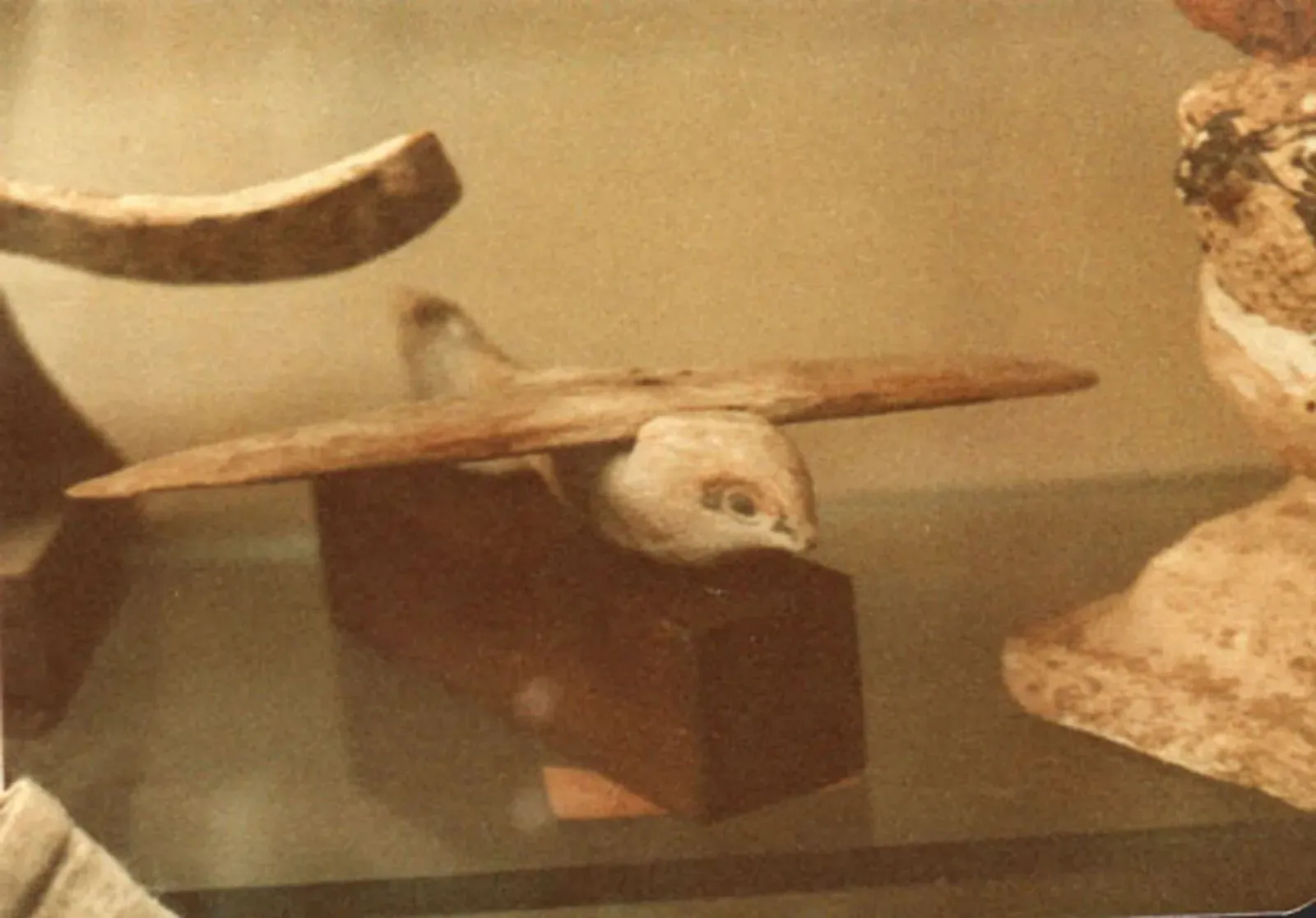
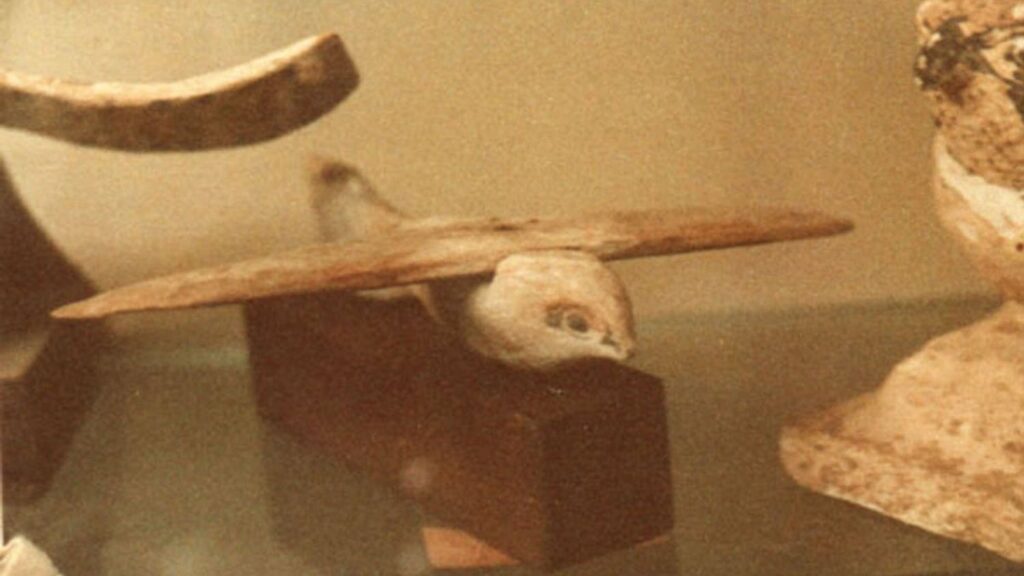
If you visit a museum and see the Saqqara Bird – a small wooden object from ancient Egypt shaped a bit like a bird with a tail that looks oddly like a vertical stabilizer – you might feel a jolt of curiosity. Some enthusiasts claim that you are not looking at a toy or religious object at all, but a model of an ancient glider or aircraft. The shape really does invite modern eyes to project aviation knowledge back onto it, especially if you’re already primed to look for ancient flight.
However, when you step back, you remember that ancient Egypt is full of stylized animal figurines, ritual objects, and symbolic designs. To this day, there is no solid evidence that the Egyptians developed the math, materials, and engineering needed to design and test real gliders or powered aircraft. You can certainly imagine that children or artisans experimented with thrown wooden shapes that glide a bit, the way kids today toss paper planes. But if you’re honest with the evidence, the Saqqara Bird tells you much more about artistic creativity and symbolic meaning than about a hidden aviation program along the Nile.
Pre-Columbian Gold “Airplanes” In The Americas: Evidence Or Illusion?
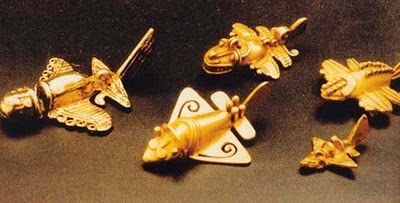
In parts of Colombia and neighboring regions, you find small pre-Columbian gold figurines that some people today eagerly label as airplanes. When you look closely, you notice wings, vertical fins, and shapes that almost remind you of modern jets or fighter planes. If you approach them already convinced that ancient people must have known powered flight, your brain happily fills in the gaps and turns them into miniature aircraft models.
But if you set your expectations aside, you notice something different: these objects fit right in with a wider tradition of stylized animal ornaments, especially fish, birds, and flying creatures from local myth. You are dealing with art that smoothly blends exaggerated shapes instead of precise technical designs. No ancient runways, no hangars, no mechanical parts, and no written descriptions of air travel have ever been reliably linked to these cultures. So while your imagination might have fun turning them into lost jets, the safest conclusion is that you are looking at creative jewelry, not prototypes for an ancient air force.
Early Chinese Kites And Parachutes: The First Real Steps Off The Ground

If you want to see genuine, historically documented attempts to get off the ground, ancient China is one of the most promising places to look. You find early accounts of kites used for military signaling, measurement of distances, and even, in some stories, to lift people briefly into the air. You also read descriptions of people experimenting with parachute-like devices, such as holding large umbrellas or framed cloth to slow a fall. Here, you finally meet humans not just imagining the sky, but trying to interact with it physically and systematically.
From your perspective, these are small but very real steps along the path toward aircraft. You are dealing with lifting surfaces, control lines, and the basic idea that wind and fabric can work together to keep something suspended. Even if these werent true “aircraft” in the modern sense, they prove that people were already probing the rules of aerodynamics in a rough, practical way. The dream of flight in this case is not just painted in myths or carved in stone; it is being tested in the field, day by day, long before anyone talks about engines or metal wings.
Legend, Symbolism, And The Temptation To See UFOs Everywhere

Once you start reading about vimanas, flying palaces, sky chariots, and gold “airplanes,” it becomes very easy to slide into theories about aliens, lost super-civilizations, or secret technologies suppressed by history. You might feel drawn to those ideas because they are dramatic and make the past look more like science fiction. The problem for you is that they usually hinge on taking poetic language literally while ignoring the context, symbolism, and gaps in the evidence.
If you look at these stories with a cooler head, you notice a more believable pattern. Ancient people use the language they have – chariots, palaces, animals, glowing lights – to describe experiences that feel powerful, sacred, or frightening. You do something similar today when you talk about “data clouds,” “viral content,” or “rockets” in contexts that are not literal. The safest approach for you is to treat most of these flying myths as powerful metaphors and cultural expressions, not proof that someone was building stealth aircraft while everyone else was still inventing the wheel.
What The Evidence Really Suggests About Ancient Flight
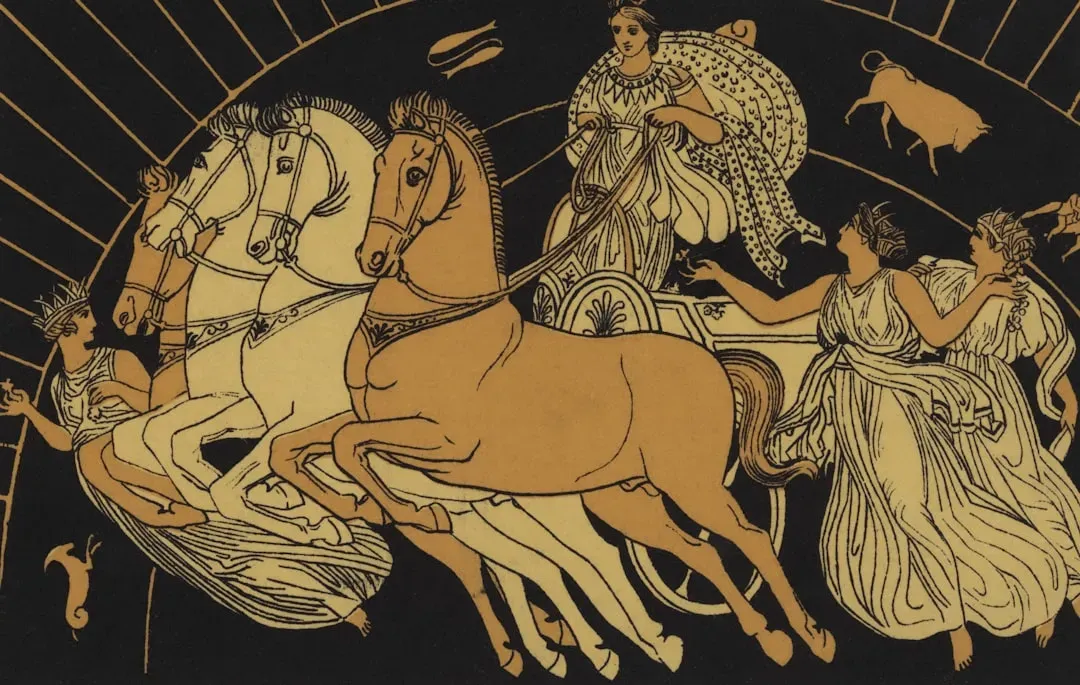
When you pull everything together, you see that ancient civilizations absolutely did imagine flight, again and again, in vivid detail. You find stories of gods soaring across the sky, heroes with mechanical wings, and strange vehicles that can hover, rise, and vanish. You also find some physical objects that look a little like modern aircraft if you choose to see them that way. Your ancestors were clearly fascinated by the idea of leaving the ground and touching the realm of the birds and the stars.
At the same time, when you demand hard evidence – the kind of proof you would expect for real aircraft programs – the trail goes cold. You do not see reliable records of powered engines, metal airframes, aerodynamic testing, or large-scale use of flying machines in war or travel. What you do see is a slow, scattered progression: kites, parachute experiments, maybe crude gliders, all laying the groundwork for the scientific breakthroughs that would come much later. So if you answer the headline question honestly, you can say that yes, ancient civilizations absolutely imagined flight thousands of years before aircraft, but they did not build anything close to the machines you know today.
In the end, those early dreams still matter to you. They show you that the urge to fly is not just a product of modern technology, but something deep in the human mind. The next time you watch a plane climb into the clouds, you are witnessing the fulfillment of a wish your ancestors carried for millennia, drawn in myths and carved in stone long before wings of metal ever touched the air.