Every culture seems to have its own stories of giants – towering beings who stride across the landscape like moving mountains. Are they pure fantasy, or distant echoes of something our ancestors thought they really saw? When you realize that ancient people separated by oceans, languages, and centuries all talked about gigantic humans, it starts to feel less like a coincidence and more like a pattern begging to be explored.
In this article, we’ll walk through eight of the most fascinating books, movies, or conspiracy forums ever existed. Some of these references are religious, others are mythological, and a few sit somewhere in between. You do not have to believe that literal giants once roamed the earth to find these sources riveting; just treating them as windows into how humans have always wrestled with the idea of “something bigger than us” is more than enough to make you pause and think.
1. The Hebrew Bible (Old Testament) and the Mysterious Nephilim
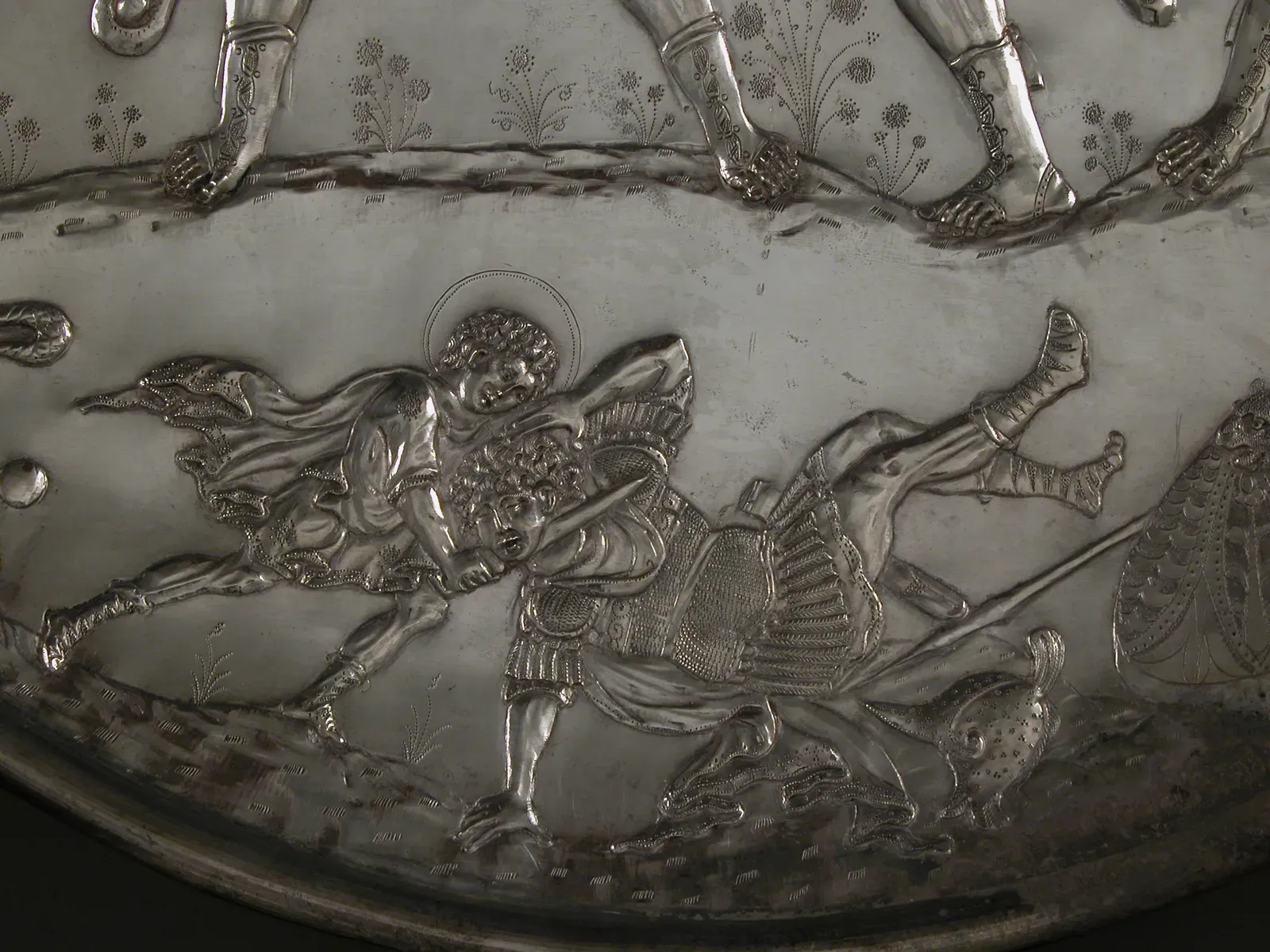
One of the most famous references to giants appears in the Hebrew Bible, where a shadowy group called the Nephilim briefly stride onto the stage and then vanish just as quickly. They are associated with a time of great wickedness before the Flood and are later linked, in some passages, to unusually large and fearsome warriors living in Canaan. The text does not give a neat, modern-style explanation of who or what they were, which is probably why they’ve fueled so many theories, from fallen angels to hybrid superhumans.
Beyond the Nephilim, the Old Testament repeatedly mentions people described as giants or as having extraordinary size, including the famous figure of Goliath. Various passages also reference groups like the Rephaim and the Anakim, depicted as intimidating and unusually tall foes. Whether these were genuinely gigantic people, tribes known for being bigger than average, or simply a literary way of describing terrifying enemies is still debated. Personally, I think the mixture of the mundane (named tribes and battle scenes) with the almost otherworldly (Nephilim and “men of renown”) is exactly what makes the biblical material so compelling.
2. The Book of Enoch and Its Detailed Giant Mythology
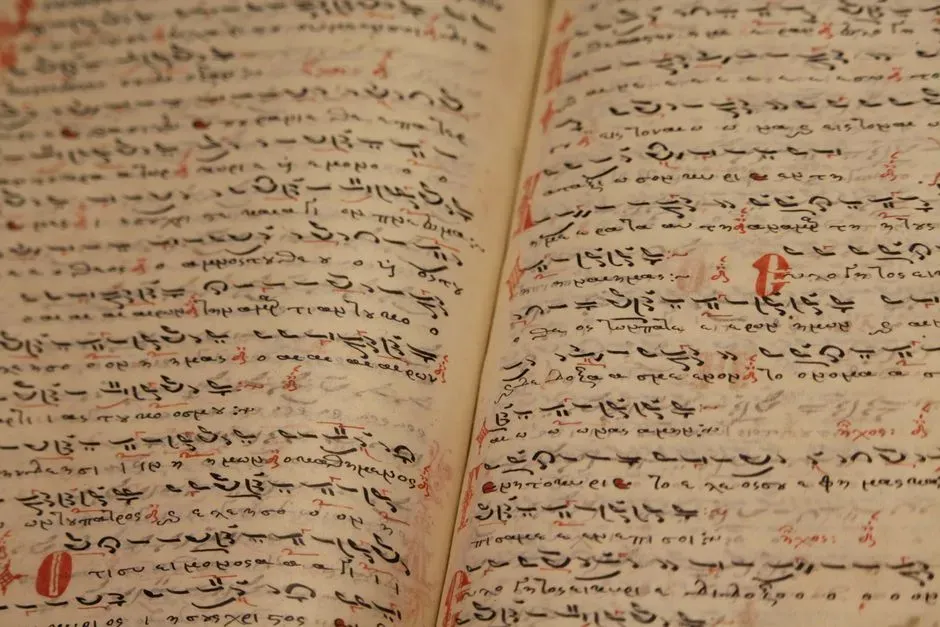
If the Hebrew Bible gives us a brief, cryptic glimpse of giants, the ancient Jewish text known as the Book of Enoch plunges us straight into a full-blown narrative about them. Composed centuries before the Common Era and preserved mainly in the Ethiopian Christian tradition, Enoch expands on the idea of heavenly beings coming down, breaking divine boundaries, and producing gigantic offspring. These giant beings are portrayed as violent, ravenous, and ultimately doomed, a kind of moral warning about what happens when cosmic order is broken.
What makes the Book of Enoch especially fascinating is how structured its giant story is. The text lists the names of celestial beings, describes how their children grew to enormous size, and even narrates how their existence led to such chaos that a global judgment became necessary. You can read it as religious myth, apocalyptic symbolism, or even early speculative fiction, but however you frame it, it is unmistakably an ancient, pre-modern attempt to explain why stories of giants were woven into human memory. To me, it feels like an ancient writer looking at a scattered puzzle of frightening tales and saying, “Let me try to put this together for you.”
3. The Epic of Gilgamesh and the Larger-Than-Life King
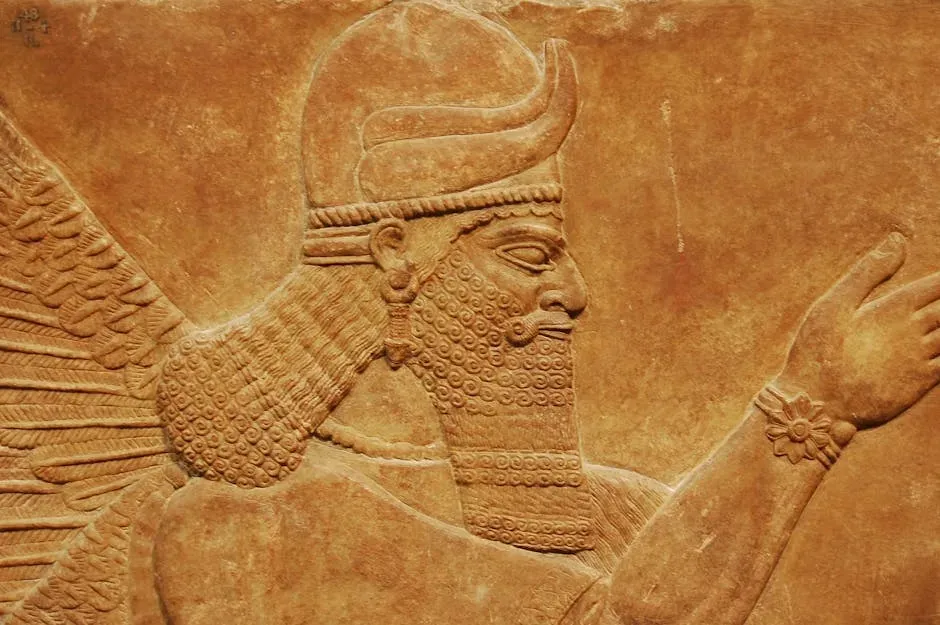
Long before Homer, there was the Epic of Gilgamesh, one of the oldest known literary works on the planet, originating in ancient Mesopotamia. Gilgamesh himself is often portrayed as both king and something more than human, described in proportions that nudge into the territory of a giant. Tablets and later traditions depict him as towering in strength and stature, strong enough to battle monsters, tear down forests, and stride across vast distances as if the world were his playground.
The text does not read like a dry historical chronicle; it is a rich, poetic tale where giant size becomes a symbol of power, arrogance, and the longing for immortality. Gilgamesh and his wild companion Enkidu go after monstrous beings like Humbaba, suggesting a world where huge, semi-divine figures clash on a scale far beyond ordinary humans. Whether Gilgamesh was based on an actual king later mythologized or fully legendary, his almost colossal depiction shows how ancient Mesopotamians used physical greatness to explore huge questions about mortality, legacy, and what it means to be more than just another person in the crowd.
4. Greek Mythology and the Gigantomachy: Gods Versus Giants
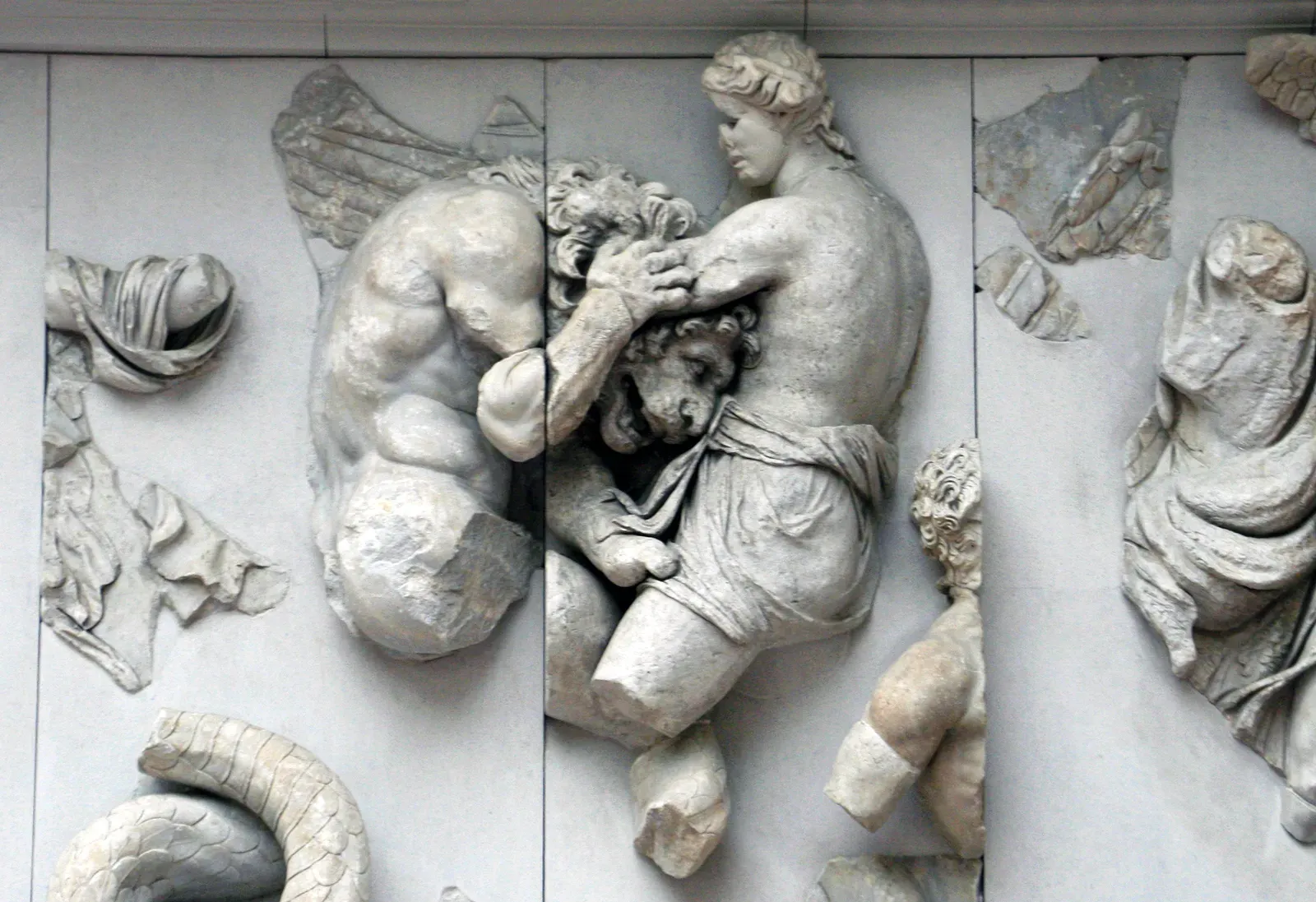
If you have ever heard of the Olympian gods battling giants, you have brushed against one of the most visually dramatic themes in Greek mythology: the Gigantomachy. Ancient Greek texts and art describe a primeval war between the gods and a race of giants who rise up in a furious attempt to overthrow divine rule. These giants are not simply tall guys with big shoes; they are portrayed as massive, sometimes snake-legged beings whose size and fury threaten the very structure of the cosmos.
Older sources like Hesiod, along with later authors and temple friezes, show just how central this giant theme was to Greek cultural imagination. The story of gods versus giants was not just about spectacle; it doubled as a way of talking about order versus chaos, civilization versus brute force. From a modern angle, it is easy to say, “Well, that is just myth,” but that kind of misses the point. The Greeks did not separate spiritual reality and story in the same rigid way we often do, so their giants are part cosmic symbol, part terrifying presence – a blend of theology, art, and raw human fear of being crushed by forces we cannot control.
5. Norse Sagas and the Jötnar, the “Giants” of the North
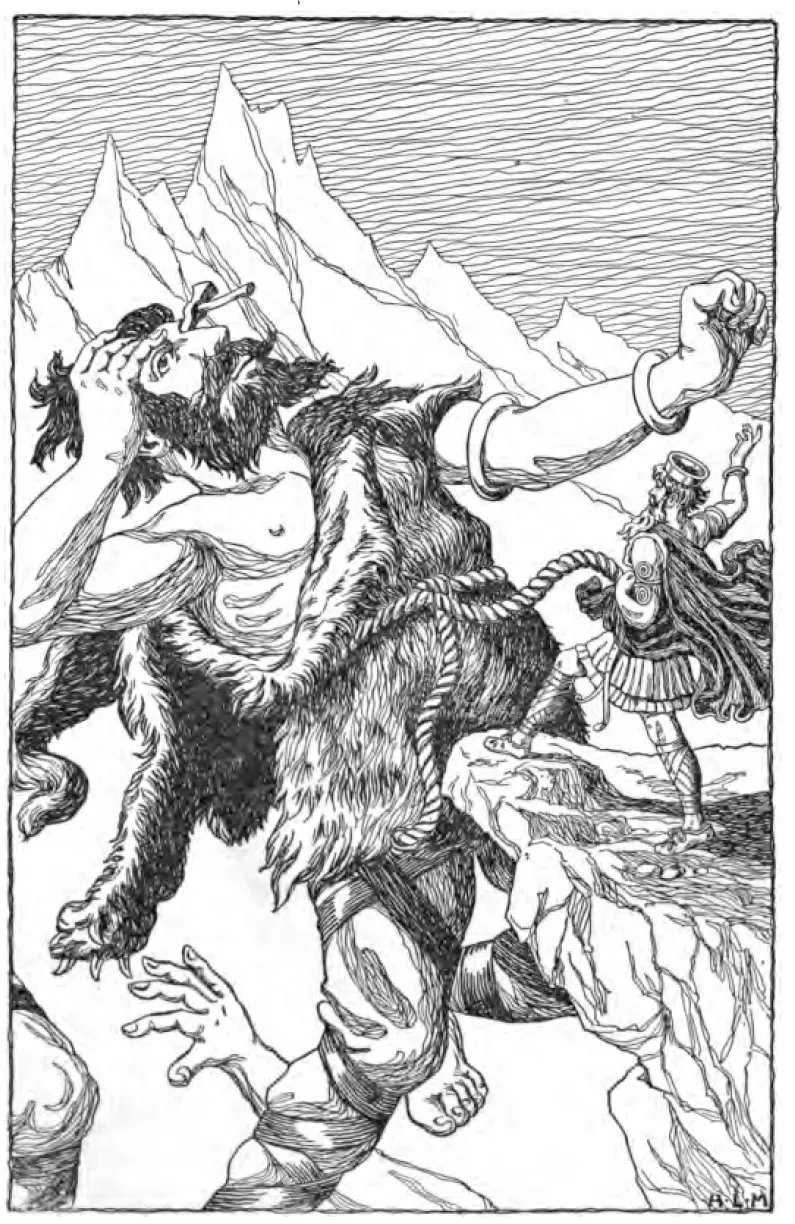
In the cold, dramatic world of Norse mythology, giants – known as jötnar – are everywhere. They appear in the Prose Edda and Poetic Edda as ancient beings who exist before and alongside the gods, sometimes marrying into the divine family, sometimes fighting against it. Translating jötnar simply as “giants” is a bit misleading, because they are more like primal forces of nature given a rough, often enormous humanoid form, but many of them are described with imposing size and strength that place them clearly in the giant category.
Stories of frost giants from the icy realms and fire giants from blazing worlds paint a picture of reality where vast, elemental beings constantly press up against the fragile order the gods are trying to maintain. Some of the major Norse deities, including Odin and Thor, interact, clash, and even share bloodlines with these giants, blurring the line between enemy and kin. Reading these sagas today, it feels like an ancient northern way of saying that the world is always precarious, balanced between human-scaled order and something vast and untamable. The jötnar are that “too big to control” feeling turned into characters.
6. Hindu Epics: Rakshasas and Gigantic Warriors in the Ramayana and Mahabharata
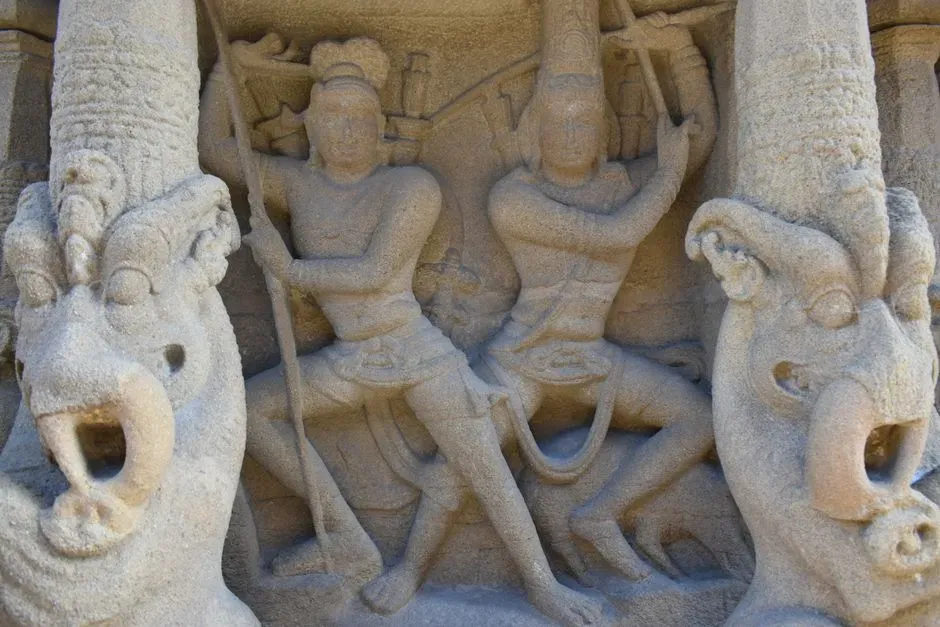
In the great Sanskrit epics of India, the Ramayana and the Mahabharata, you repeatedly encounter beings whose size, strength, and appetite go far beyond the human norm. Rakshasas, often translated as demons, are frequently portrayed with enormous bodies, terrifying faces, and the power to reshape themselves. Some key antagonists in these stories are described as so massive and formidable that they tower over normal humans on the battlefield and can even change their size at will.
The image of giant, shape-shifting foes in these epics does more than just provide thrilling battles; it reflects deep ideas about inner and outer violence, temptation, and chaos. Enormous warriors and demon-kings become physical stand-ins for overwhelming forces like greed, aggression, and injustice. When heroes confront these gigantic beings, it is not just a fantasy action scene; it is a way for the tradition to say that humans must face problems that feel “bigger than us” with courage, discipline, and a sense of duty. From my perspective, the fact that so many cultures independently link moral struggle with literal giants says something about how universal that feeling really is.
7. The Irish Mythological Cycle and the Formorians
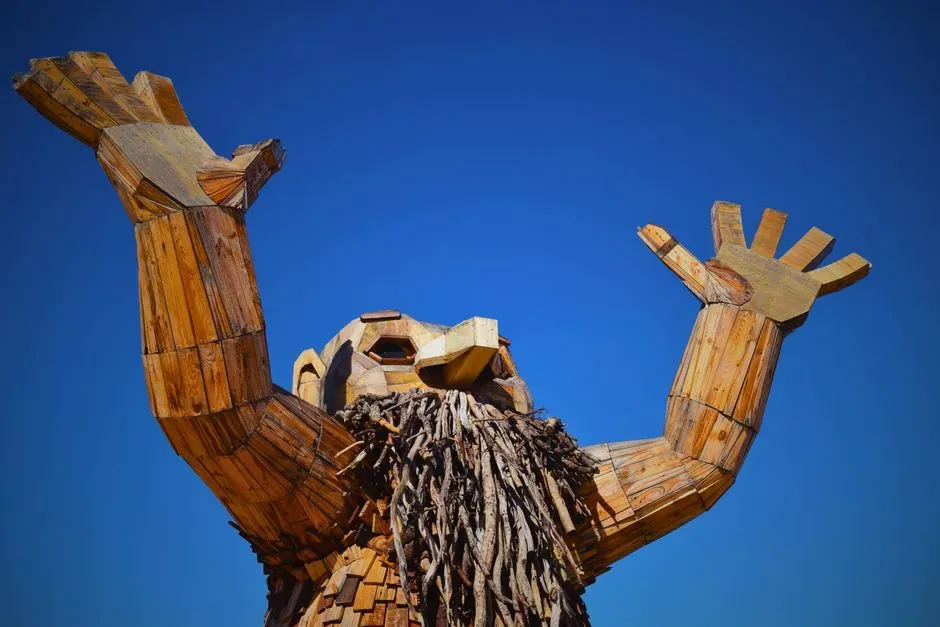
Ancient Irish tradition, preserved in texts that draw on pre-Christian myths, tells of strange and powerful beings called the Formorians. They are often depicted as monstrous, larger-than-life figures who come from the sea or distant, shadowy regions. While the descriptions vary, many sources portray them as towering, deformed, or superhuman in size and strength, locked in conflict with more “civilized” divine or heroic races like the Tuatha Dé Danann.
The battles between the Formorians and their rivals mirror that recurring theme of chaos versus order, wildness versus culture, that we see in many other ancient stories about giants. Sometimes the Formorians are cruel oppressors demanding harsh tributes; other times, individual Formorian figures become strangely sympathetic or complex. That mix of monstrous scale and human-like motives makes them feel less like cartoon villains and more like a mythic way of capturing the forces that threaten small, vulnerable communities on a windswept island at the edge of the known world. Giants, in this case, look a lot like the fears and storms of the Atlantic given a face and a name.
8. Native American Traditions and Stories of Ancient Giant Peoples
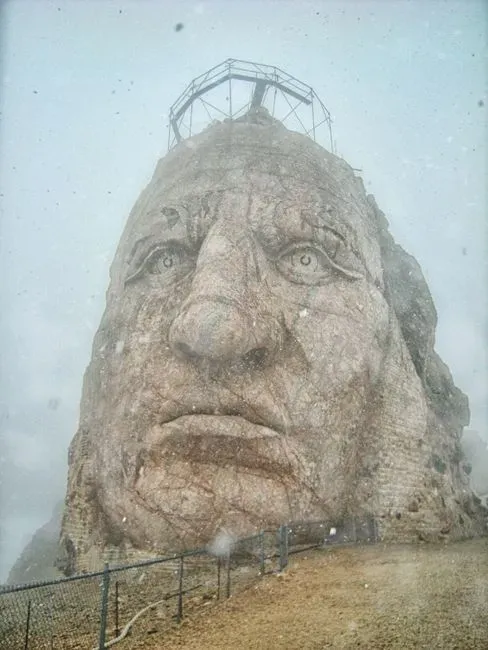
Across different Native American nations, there are traditional stories that speak of very large or giant-like people, sometimes as enemies and sometimes as mysterious earlier inhabitants of the land. These accounts vary widely because Indigenous cultures are diverse and distinct, but recurring themes include gigantic cannibal beings, huge warrior tribes, or previous races of tall people encountered by ancestral heroes. Some stories were later recorded by European and American writers, usually through an outside lens that mixes genuine tradition with misunderstanding, so it is important to treat the details with care.
Even with that caution, the idea that pre-modern Native traditions included tales of giants is not something invented on the internet; it genuinely shows up in older ethnographic accounts and oral histories. Interpreting these stories is tricky. They might be symbolic, describing neighboring tribes, natural dangers, or spiritual forces in the language of exaggerated size. Or they may preserve distant memories of particularly tall or powerful groups seen as “other.” Either way, they remind us that the theme of giant beings was alive not only in the great literate civilizations but also in the rich oral cultures of the Americas long before modern media started remixing these ideas into sensational legends.
Conclusion: What Do All These Ancient Giants Really Tell Us?
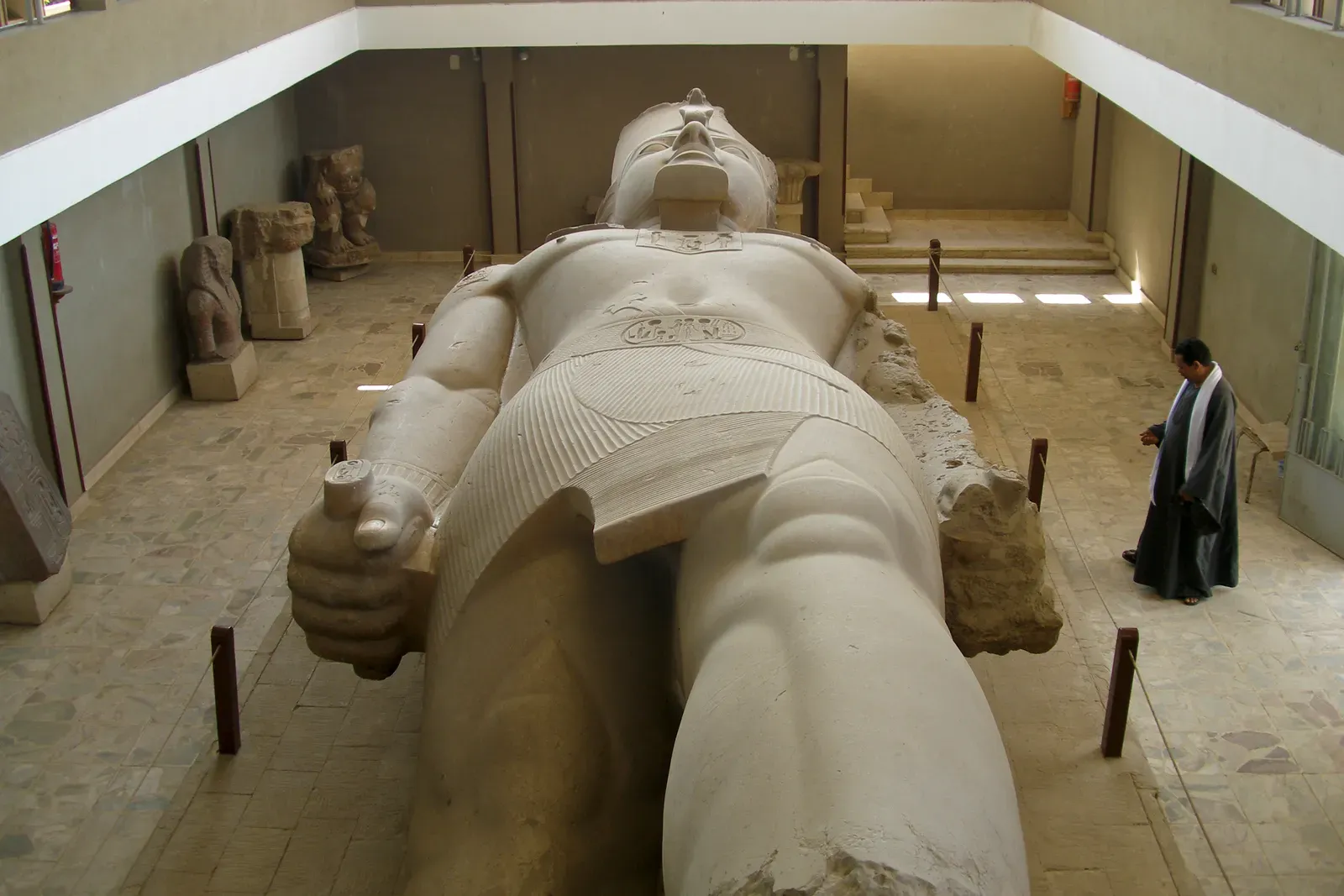
When you line up these eight ancient sources side by side, it is tempting to jump straight to a sensational answer: that there must have been literal, towering giants walking the earth in the distant past. Personally, I think the honest conclusion is more nuanced and, in some ways, even more intriguing. The sheer spread of giant stories – from the Near East to Greece, from India to the far north, from Ireland to Native North America – suggests that humans everywhere reach for the same image when they want to describe power, fear, chaos, or awe that feels too big to fit inside an ordinary person.
That does not mean there were never unusually tall people or tribes; of course there were, and those real examples may well have fed the imagination. But the giants in these texts are doing a different kind of work: they are carrying human anxieties and hopes on their oversized shoulders. They stand in for invasive enemies, unstoppable storms, spiritual rebellion, or even the haunting sense that the past itself was somehow bigger than the present. In a world where we now build skyscrapers and rockets instead of myths, it is easy to mock these stories, yet part of me thinks we are still telling giant tales – we just call them superheroes, kaiju, or planetary threats. Maybe the better question is not whether the giants were real, but what our shared need to invent them says about us. And honestly, did you expect so many different ancient voices to be whispering the same enormous idea?