If you have ever fallen down a late-night rabbit hole of UFO stories and lost civilizations, you have almost certainly stumbled across one word that sounds like sci-fi and scripture at the same time: vimanas. These legendary flying chariots of the gods, scattered across ancient Sanskrit texts, sit at a weird crossroads between mythology, religion, fringe science, and modern conspiracy theories. Some people see them as poetic metaphors, others as misunderstood descriptions of real high technology, and a smaller but very vocal crowd insists they are proof that ancient India once had flying machines that could rival our planes and maybe even our UFOs.
The truth is more nuanced, more human, and honestly more interesting than either extreme. When you really look at the original texts, the translations, and the way these stories have been reused in modern culture, you start to notice a pattern: vimanas are not just about whether ancient people could fly. They are about how we project our own hopes, fears, and obsessions onto the past. Once you see that, the whole debate over “ancient flying saucers” stops being just a yes-or-no question and turns into a fascinating mirror of what we want to believe about ourselves.
What Are Vimanas, Really? From Divine Chariots to Alleged Craft
At the most basic level, a vimana is a kind of vehicle described in Sanskrit literature, especially in epics like the Mahabharata and the Ramayana. In many passages, vimanas are presented as aerial chariots used by gods, heroes, or powerful kings, often associated with divine favor or cosmic power. These vehicles move through the sky, sometimes described as brilliant, sometimes as multi-storied palaces in the air, and often surrounded by the usual epic drama of war, love, and revenge.
That said, the stories were never written as engineering manuals. They lived in a world where poetry, myth, and theology blended seamlessly; a flying palace in that context sits comfortably alongside magic weapons and shape-shifting beings. When we read them today with a sci-fi mindset, it is incredibly tempting to map modern ideas like spacecraft or fighter jets onto these stories. But that move is ours, not necessarily the original authors’, and recognizing that difference is key if we want to keep one foot in reality while still exploring the mystery.
Key Sanskrit Sources: What the Texts Actually Say (And Don’t Say)
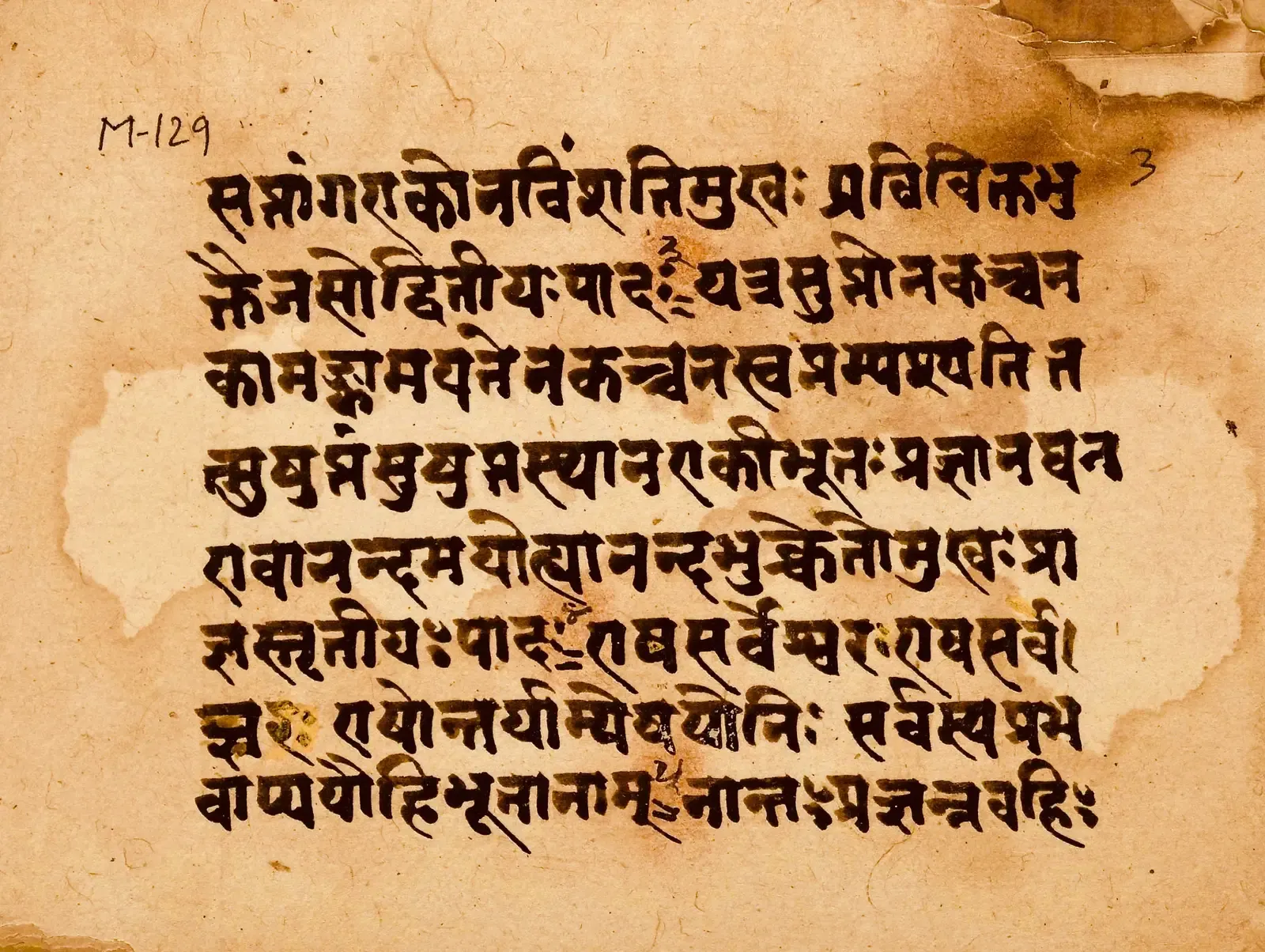
Most of the solid discussion about vimanas has to start with the big-name texts: the Ramayana, the Mahabharata, and later Puranic literature. In the Ramayana, for example, the pushpaka vimana is depicted as a magnificent aerial chariot that can move at the will of its driver, carrying many people through the sky. In the Mahabharata, there are references to vehicles that travel above the earth or in the firmament, but they usually appear in mythic or devotional scenes, not as step-by-step instructions for building aircraft. The language tends to be symbolic and grand, full of hyperbole and religious meaning.
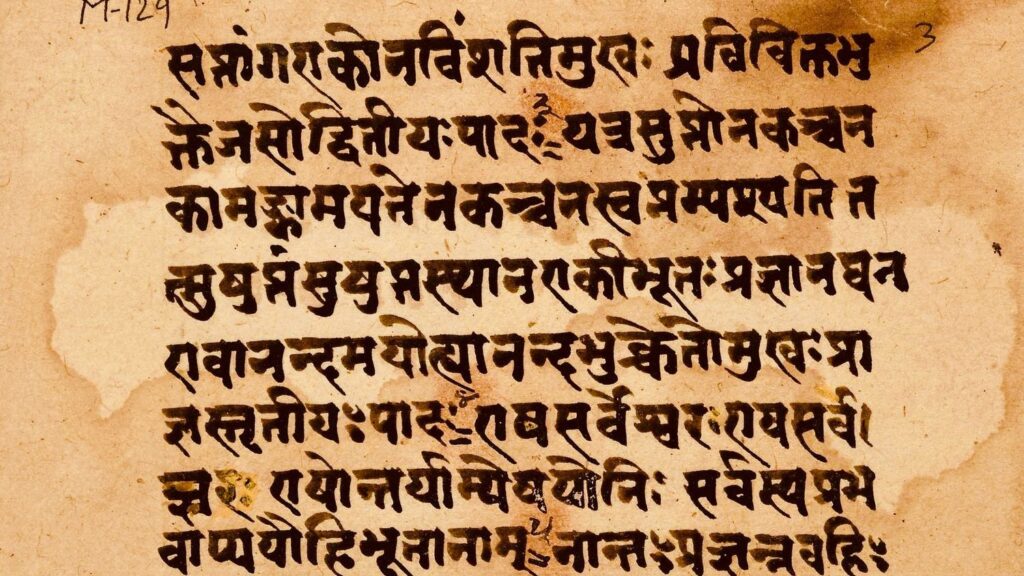
Things get messier when you move to later or secondary texts that are often cited in UFO circles, like the so-called Vaimanika Shastra. This work is frequently described in popular books and videos as a lost ancient manual on aircraft design preserved in Sanskrit. But when scholars actually examined it, they concluded it was composed in the early twentieth century, drawing on modern ideas and retrofitting them into Sanskrit-style verses. That does not mean vimanas are invented out of thin air, but it does mean many alleged “technical blueprints” passed around in fringe literature are not ancient at all, which undercuts a lot of grand claims about reverse-engineering Vedic flying machines.
Why Vimanas Sound So Much Like Flying Saucers to Modern Ears
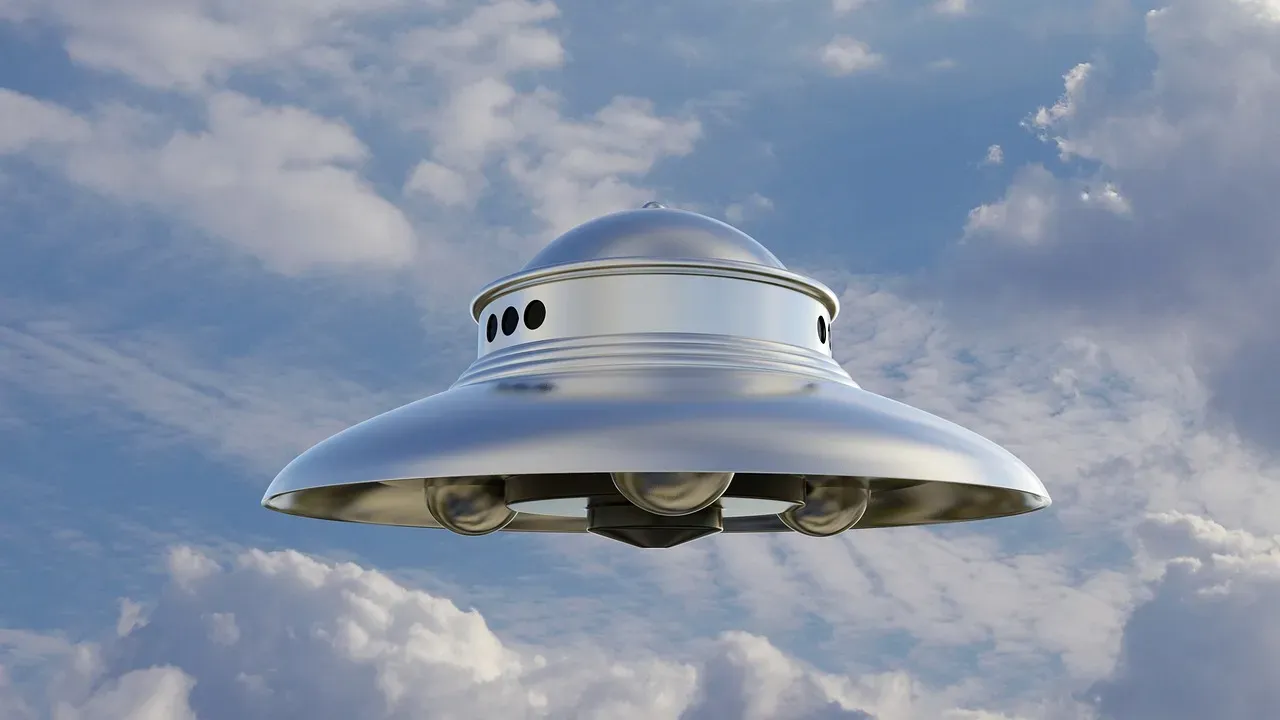
So why do vimanas keep reappearing in documentaries, YouTube rabbit holes, and endless social media threads about UFOs? Part of the answer is psychological: when you live in an era obsessed with flight, space travel, and unidentified aerial phenomena, you start to reinterpret old stories through that lens. A shining palace moving through the sky suddenly feels like a spaceship, just as a “fiery chariot” in another tradition might get cast as a rocket or UFO. Ancient imagery becomes an open canvas where people paint modern anxieties and fantasies about technology and contact with something greater than ourselves.
There is also a cultural appeal at work. For many, the idea of ancient India possessing advanced aerial technology counters a long history of colonial-era stereotypes that portrayed non-Western societies as passive or primitive. Claiming that Sanskrit texts hide superior aviation knowledge becomes a way of asserting pride and reclaiming historical agency. The problem is that this understandable emotional impulse can sometimes run ahead of the evidence, turning poetic verses into supposed engineering diagrams and mythic battles into technical war reports that they simply were never meant to be.
The Vaimanika Shastra and the Myth of Ancient Technical Manuals
The Vaimanika Shastra deserves its own spotlight because it is the document most often waved around as proof that ancient Sanskrit literature contains literal, mechanical specifications for flying craft. It describes various types of vimanas, lists metals, fuels, and devices, and reads like a kind of mystical engineering handbook. On the surface, it looks like exactly what UFO enthusiasts and “ancient astronaut” theorists want: a bridge between sacred text and hard technology. But when aviation experts analyzed the described designs, they concluded that the proposed craft would be aerodynamically unsound and essentially unflyable.
On top of that, textual scholars traced the Shastra to a twentieth-century context with a known author, rather than an ancient lineage. The Sanskrit language and style reflect a modern composition rather than a genuine Vedic or epic-era work. That does not make the text worthless – it is an interesting window into early modern Indian attempts to fuse spirituality and technology – but it undercuts the narrative that we are dealing with a multi-thousand-year-old aerospace manual. In a way, the Vaimanika Shastra is less about lost science from the distant past and more about modern people dreaming themselves into a glorious ancient future that never quite existed.
Ancient High Technology or Mythic Imagination? Weighing the Evidence
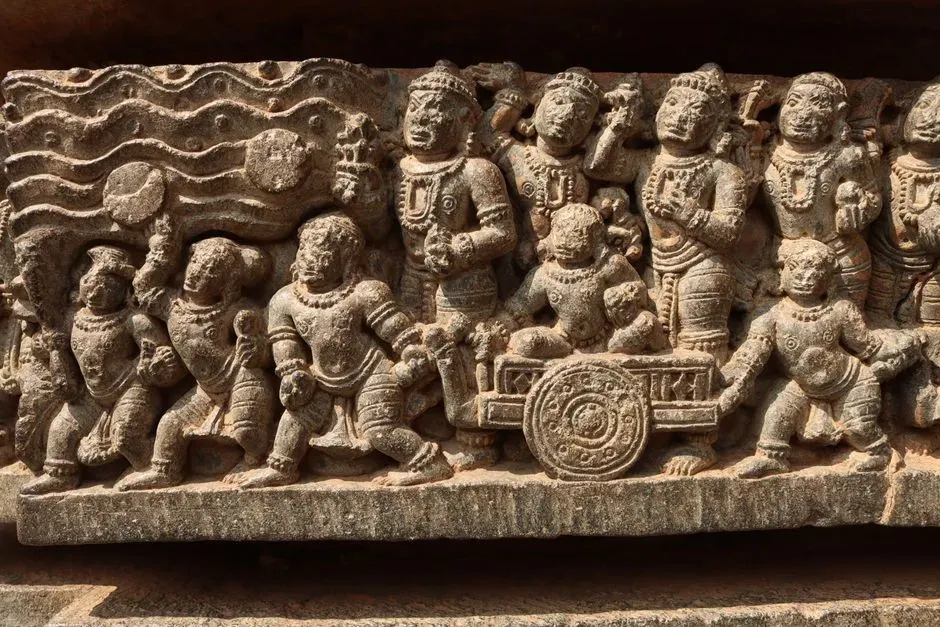
Once you strip away the hype and wishful thinking, the core question remains: do vimanas provide reliable evidence of ancient flying technology, or are they purely products of storytelling and religious imagination? From a scientific and historical standpoint, there is no solid archaeological or material evidence of aircraft in ancient India that could rival even early modern aviation. We do not find engine parts, metal alloys required for high-speed flight, or hangars carved into mountains that could plausibly be interpreted as airports. What we do have are texts, myths, and art that fit comfortably within broader patterns of ancient cultures imagining gods and heroes soaring through the skies.
That said, dismissing everything as “just stories” can be too simplistic. Myth often preserves cultural memories in symbolic form: unusual celestial events, rare natural phenomena, or even rudimentary experiments with gliding or kites could have been woven into grand epic narratives. However, these possibilities are a far cry from the notion of fully functional, powered aircraft cruising at high altitude or crossing continents at will. The responsible position is to acknowledge that the vimana stories reflect a vivid and sophisticated imagination, and maybe scattered memories of more modest feats, while accepting that they do not add up to proof of advanced aerospace engineering thousands of years ago.
How Pop Culture, Pseudoscience, and Identity Politics Keep Vimanas Alive

Even with shaky evidence, vimanas refuse to fade into academic footnotes because they sit at the center of several powerful cultural currents. Television shows, speculative documentaries, and viral videos constantly recycle the most dramatic claims, often stripping away scholarly nuance in favor of dramatic visuals and bold narration. The more sensational the interpretation, the better it performs online, which creates a feedback loop where nuanced research is drowned out by confident, oversimplified stories. People who first encounter vimanas through this filter understandably come away with the impression that ancient India was basically a science-fiction civilization.
At the same time, debates around vimanas have become entangled with questions of national pride, religious identity, and historical justice. Some people embrace ancient high-technology narratives as a way to challenge old colonial narratives and assert that their ancestors were not just wise but scientifically superior. Others push back, arguing that inflating myth into science actually harms genuine achievements in mathematics, astronomy, medicine, and philosophy recorded in Sanskrit traditions. In this tug-of-war, vimanas turn into more than just legendary vehicles; they become symbols in a modern struggle over who gets to define the past.
So What Are We Really Looking For in the Sky? An Opinionated Conclusion
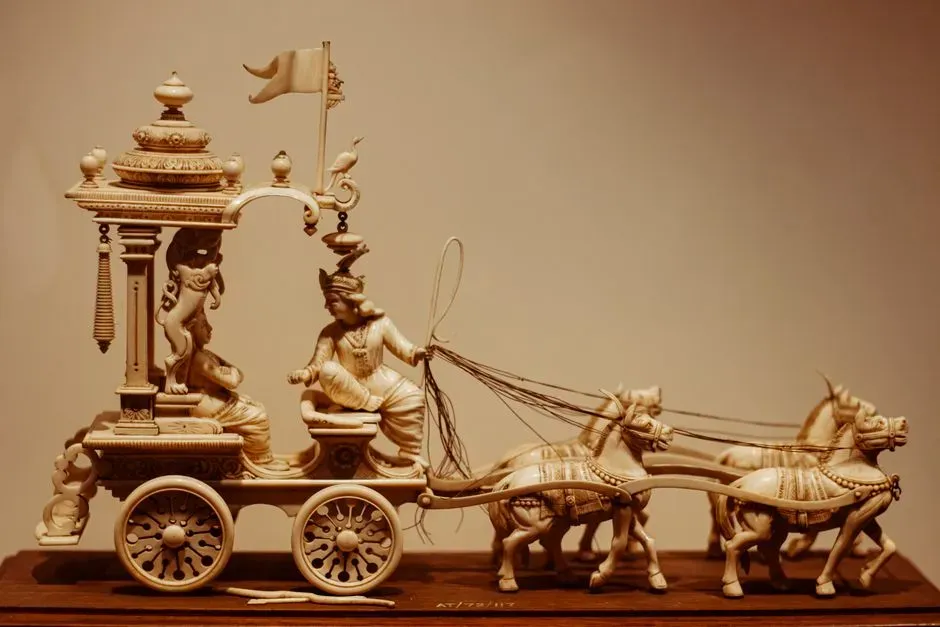
If you press me for a clear stance, here it is: vimanas, as described in ancient Sanskrit manuscripts, are far more mythic than mechanical. The leap from glowing divine chariot to literal, turbo-powered flying saucer says more about us than about the people who first told these stories. We live in an age where flight and space travel feel like the ultimate markers of advancement, so we retroactively project them onto ancient texts as if we are embarrassed by a past that only had poetry, philosophy, and spiritual vision. In doing so, we sometimes miss how extraordinary those non-technological achievements really were.
Still, I get the fascination, and in a strange way I share it. The idea of gods and heroes coursing through the sky in shimmering craft taps into the same restlessness that makes us stare up at the night and wonder if anyone is out there. Maybe the real power of the vimana stories is not that they secretly hide aerospace blueprints, but that they show how long humanity has been dreaming of leaving the ground. Instead of forcing these texts to prove an ancient engineering race we cannot find, maybe we should let them remind us that imagination itself is a kind of flight technology – one that every generation upgrades in its own way. When you look at it that way, which seems more mysterious: a lost aircraft, or a story so compelling that it still makes us look up and ask what might be flying above us?