
Most of us secretly wonder the same thing: in the instant between life and death, what is actually happening inside the brain? Does everything simply fade to black, or is there a last burst of awareness, a final inner fireworks show, a compressed replay of a lifetime in a heartbeat? For a long time, this space between the last breath and the final silence was treated almost like a mystical void. Today, better scanners, bolder research, and rare real-time recordings from people as they die have started to reveal something far stranger and more complicated than a simple on–off switch.
The truth is both sobering and oddly comforting: the brain does not just “turn off.” Instead, it goes through a series of desperate, highly organized, and sometimes surprisingly intense final maneuvers as it runs out of fuel. Some of these processes look like last-ditch survival tactics; others may help explain near-death experiences and reports of vivid clarity right before the end. When you look at the science closely, you start to see that the final moments of brain activity are not just about death at all. They are also a mirror of how deeply the brain is wired to preserve meaning, identity, and connection until the very last possible second.
The Brain’s Last Energy Crisis: When the Lights Start to Flicker
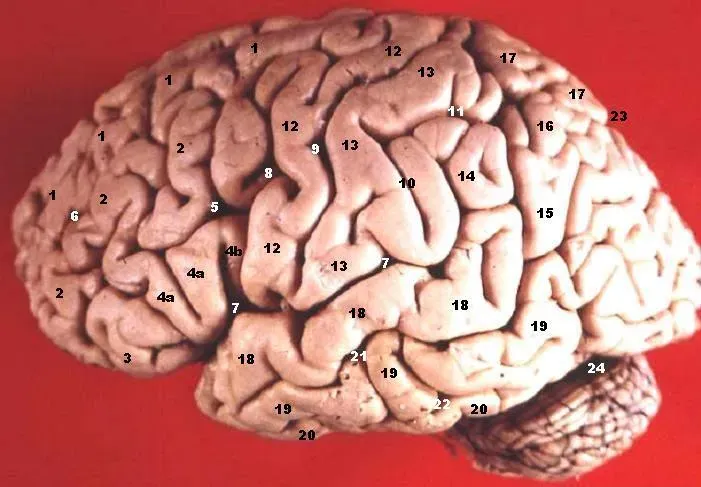
Here’s the first shocking part: in many cases, the brain keeps working for a short while even after the heart has stopped. That might sound like a horror movie detail, but it is really just basic physiology. The brain is an energy addict, hungry for oxygen and glucose, and it has a tiny “buffer zone” of reserves that keeps it going for moments after circulation fails. During those first seconds to minutes, neurons are still firing, electrical patterns are still pulsing, and brain regions are still talking to each other, even though the body may already look lifeless on the outside.
As blood flow collapses and oxygen drops, the brain enters what you could call its final energy crisis. Ion pumps in neurons start to fail because they no longer have the fuel to keep electrical charges where they belong. This triggers waves of chaos that ripple across networks that once synchronized thoughts, feelings, and memories. It is not like a light bulb that pops and goes dead; it is more like a city’s power grid failing in stages, with some neighborhoods flickering, others going dark, and a few stubborn blocks still lit while the rest shut down. In those moments, the brain is both failing and fighting, trying to hold its patterns together against physics itself.
The Mysterious Final Surge: Last Burst or System Overload?
One of the most talked-about findings in recent years is that some dying brains show a surprising spike of organized activity right before they go flat. In a few rare cases where patients were being monitored with brainwave recordings when they died, researchers found bursts of high-frequency activity in regions linked to consciousness and complex thinking. On a graph, it looks almost like the brain pulling one last dramatic trick out of nowhere, a final flare of lightning before the storm passes. That has fueled theories that the last moments of life might actually feel unusually vivid, not dull.
Scientists are cautious about over-interpreting this, and they should be. That final surge could be a kind of system overload, the nervous system firing wildly as it loses control, rather than a deep, meaningful moment of awareness. Still, it is hard not to notice that the regions involved are the same ones we associate with perception, integration of information, and subjective experience. Personally, I lean toward a middle view: the brain’s last surge may not be a mystical doorway, but it probably is not just random noise either. It may be the brain’s last attempt to stabilize itself, briefly stitching together signals into something that still feels like “you,” even as everything else is falling apart.
Consciousness on the Edge: Fading, Fragmenting, or Intensifying?
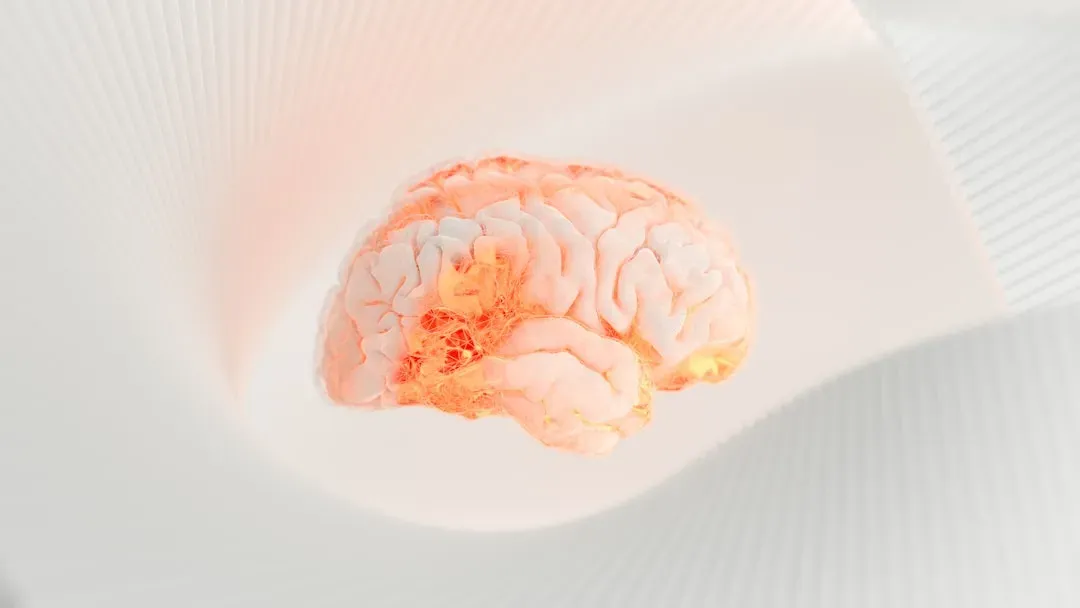
So what does consciousness feel like when the brain is losing power? We obviously cannot ask the dead, but we can listen to people who have come terrifyingly close. Many survivors of cardiac arrest describe a phase of tunnel vision, detached calm, or a sense that their thoughts were speeding up even as their body shut down. From a scientific point of view, this fits with the idea that as sensory input from the outside world collapses, the brain turns inward, relying more on its own internal models and memories. Instead of taking in new data, it is weaving with whatever threads it already has.
As the brain’s networks destabilize, consciousness likely becomes fragmented and unstable. Some regions drop offline while others are hyperactive, a bit like a computer trying to run too many heavy programs on almost no battery. That might translate into brief flashes of intense clarity mixed with confusion, or moments of profound calm surrounded by fog. I sometimes think of it like being on the edge of sleep and dreaming, but with the stakes infinitely higher. You may not “know” you are dying in a rational sense, but your brain is responding to the deepest crisis it has ever faced, and the shape of that response is probably a mix of biology, experience, and personal meaning.
Memories in the Final Moments: Does Life Really Flash Before Your Eyes?

The idea that your life flashes before your eyes has been told so many times it sounds like pure myth, yet there is a kernel of science that could support some version of it. When the brain is under extreme stress, structures involved in memory, like the hippocampus and surrounding areas, are among those that can become highly active or destabilized. That might promote the rapid activation of memory networks, pulling up emotionally important scenes, relationships, or images that are strongly wired in. It is less like a neat chronological movie, more like a chaotic highlight reel assembled at incredible speed by an overloaded editor.
People who survive close brushes with death often talk about an unusual clarity or a rush of meaningful memories, sometimes centered on loved ones, critical moments, or unresolved issues. From a skeptical perspective, that might be the mind’s way of making sense of a fragmented internal storm after the fact, stitching scattered fragments into a story. From a more generous angle, it could be that when the brain is forced to strip away everything nonessential, it defaults to what mattered most in a lifetime. I personally find that idea moving, even if the mechanism behind it is brutally mechanical: when everything is failing, the circuits that represent our most powerful experiences may be among the last to let go.
Near-Death Experiences: Brain Phenomenon or Glimpse Beyond?

Near-death experiences, or NDEs, are some of the most debated clues to what the dying brain might be doing. People across cultures report similar elements: a tunnel or bright light, a sense of leaving the body, encounters with figures or presences, overwhelming peace, or a feeling of being pulled back from a boundary. Many aspects of this can be tied to known brain phenomena. For example, tunnel vision and bright central lights can emerge when blood flow to the visual system drops, and out-of-body sensations can be triggered by disruption in areas that map the body in space.
That does not mean NDEs are trivial or “just hallucinations.” The emotional weight people give to these experiences is massive; lives are reoriented, fears of death are reduced, and personal values often shift dramatically afterward. From a scientific standpoint, the safest answer is that NDEs reflect an extraordinary brain state under extreme conditions, colored by culture, expectations, and previous beliefs. Whether they are also something more is a philosophical or spiritual question science cannot finally settle. My own view is that even if NDEs are entirely brain-based, they clearly reveal how the mind, in its last stand, can generate experiences that are deeply coherent, comforting, and meaningful rather than purely chaotic.
The Body–Brain Disconnect: When the Brain Lets Go of the Outside World
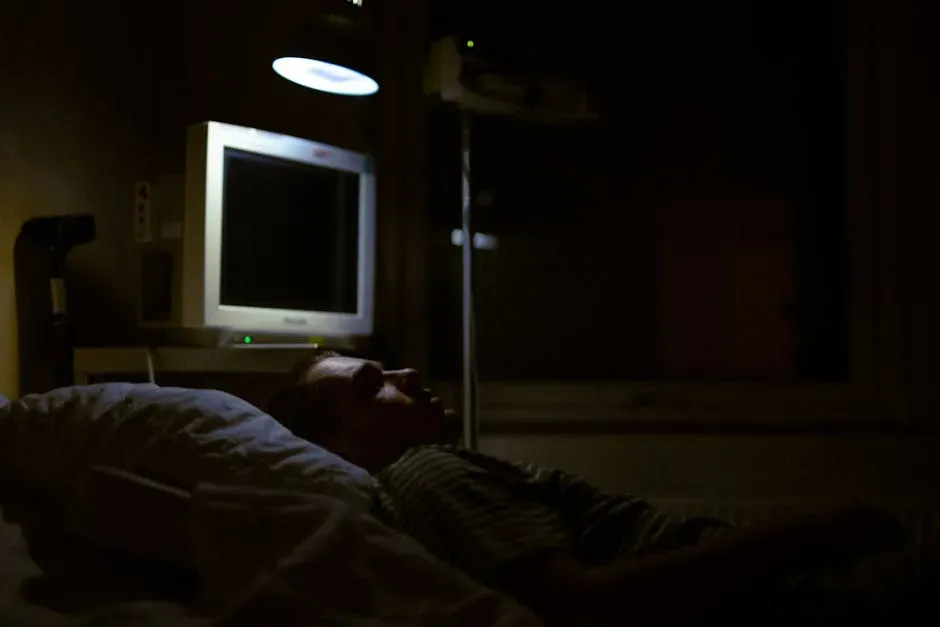
As the brain’s final moments unfold, one of the earliest and clearest changes is its loosening grip on the body and the environment. Sensory signals from the eyes, ears, skin, and internal organs depend on functioning circulation and intact pathways; when those fail, the brain is cut off from new input. This can explain why some dying people appear unresponsive even if some internal brain activity is still happening. The outside world is still there, but the bridge that used to connect it to the inner world of the mind is collapsing plank by plank.
At the same time, motor commands from the brain to the body lose their power. Muscles may go slack, reflexes fade, and even automatic functions like breathing can cease as brainstem regions fail. In those moments, whatever experience is still possible becomes almost entirely internal, like being locked in a soundproof, darkened room as the power dies. That disconnect can sound terrifying, but there is another side to it: as the anchoring to the body loosens, the sense of self may become more fluid, less tied to pain or physical struggle. Many people at the end of life describe entering a kind of floating detachment before losing awareness completely, suggesting that letting go of the body may sometimes soften the transition rather than sharpen it.
From Activity to Silence: When the Brain Truly Dies
For all the complexity and mystery of the dying process, there is a hard line that science takes seriously: the point at which brain activity irreversibly ceases. This is not just about a flat line on a single monitor; it involves a global collapse of coordinated function, including in the deep structures that keep basic life functions going. After oxygen deprivation reaches a certain duration, neurons are damaged beyond repair, networks disintegrate, and no realistic intervention can bring back a person as a conscious, thinking being. That is when doctors speak of brain death, and from a neurological standpoint, the person we knew is gone, even if machines can still keep a heart beating for a while.
In the final transition from activity to silence, the brain passes through a storm: waves of electrical failure, chemical imbalance, and structural damage that gradually erase the patterns that once encoded memories, preferences, and personality. There is something almost brutally honest about this: the self, which once felt so solid, depends on delicate patterns of energy and matter that can disappear. And yet, knowing this does not cheapen a life – it underlines how astonishing it is that such fragile circuits ever produced love, creativity, and meaning in the first place. Maybe the real story is not the moment the brain stops, but the decades of improbable, shimmering activity that came before.
What These Final Moments Really Tell Us About Living (Opinion)

To me, the science of the brain’s final moments does not make death colder; it makes life sharper. Knowing that the brain fights so hard to preserve order, meaning, and even a sense of self until its last usable drop of energy makes our everyday consciousness feel less casual and more precious. If the brain’s last surge of activity is a kind of final stand, then every ordinary day of clear thinking and feeling is a small miracle of stability that we mostly take for granted. I think we underestimate how heroic our biology is, quietly holding our mind together through stress, illness, heartbreak, and fear long before the final crisis ever arrives.
At the same time, I am convinced we should resist the urge to romanticize the last seconds into something they may not be. There is uncertainty, messiness, and a lot we still do not know, and pretending otherwise does not honor the reality of death. But there is one opinion I am comfortable standing on: the best way to respect those mysterious final moments of brain activity is to live in a way that makes the earlier ones matter. If the circuits that encode our deepest memories and loves may be among the last to fire, then filling them well is our job while we still can. When your brain finally runs out of energy, would you rather its last echoes be of unresolved pettiness, or of connections and choices you are proud of?