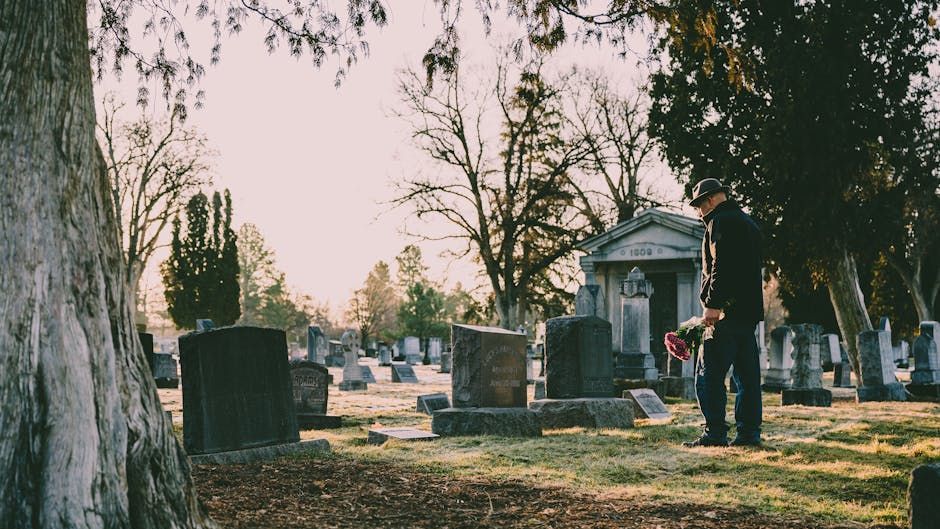
You probably know, in a vague way, that you will die someday. You can say the words, you can understand the biology, you may even have watched people you love take their final breaths. But there is a huge gap between knowing this in theory and letting it all the way in. That gap is where most of your daily life actually happens. You plan, you hope, you save, you get annoyed at traffic, as if time is endlessly renewable. It is not.
This raises a haunting question: can you ever truly, fully accept your own mortality? Or is your mind wired to keep death just far enough away that you can function? When you start looking at how your brain works, how culture shapes you, and how people in different situations respond to death, you discover something both unsettling and strangely comforting: you are built to both remember and forget your mortality at the same time.
The Shock Of Really Realizing You Will Die
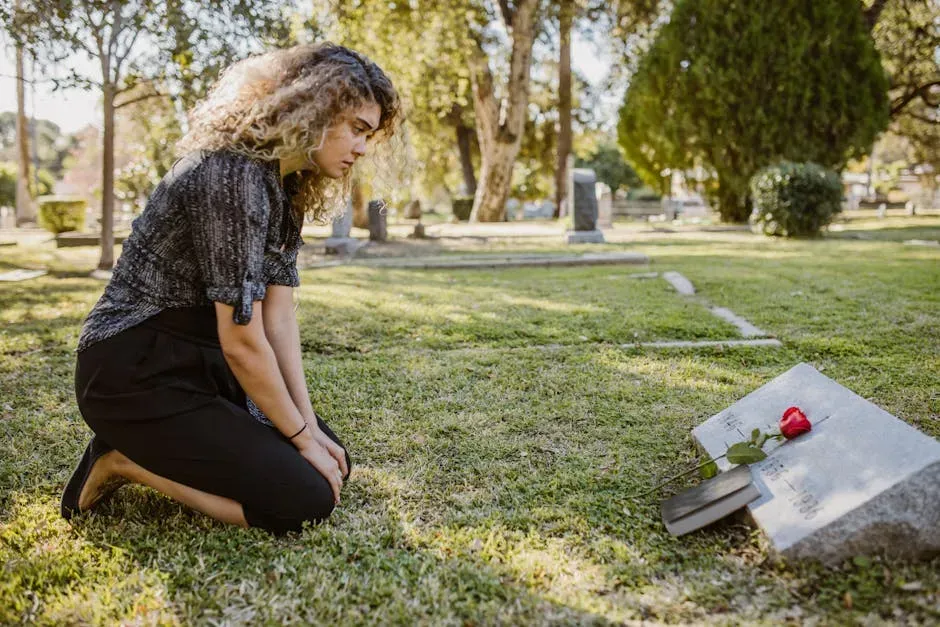
Think back to the first time it actually hit you that you will die. Not just the moment you learned what death is, but the moment you felt it. Maybe it was lying awake at night as a kid, suddenly imagining a time when you would no longer exist, and feeling your stomach drop. Or maybe it came later, after an illness, an accident, or a funeral where the person in the casket was your age. That flash of awareness can feel almost electric, like your brain has tripped over a wire it was not meant to pull too hard.
Your mind is not used to staying in that state for long. When the reality of death lands too directly, you often feel panic, dizziness, or a rush to distract yourself with your phone, a show, or a conversation. Psychologists sometimes describe this as a kind of built‑in psychological safety switch: you can glance at your mortality, but if you stare too long, your mind yanks you back. It is as if your brain is saying, you need enough awareness to live wisely, but not so much that you stop living at all.
Why Your Brain Resists Full Acceptance
Your brain evolved to help you survive from one day to the next, not to contemplate cosmic truths all afternoon. To get food, stay safe, and raise children, you need a certain amount of confidence that your actions matter and that you will be around long enough for them to pay off. If you felt, every hour, the full weight of the fact that you could die at any moment and will definitely die at some point, basic tasks would start to feel pointless. Your brain fights that paralysis by softening or pushing away the awareness of death.
You also rely on a number of mental habits that keep death at a distance without you noticing. You assume the bad thing will happen to someone else, or at some vague future time. You tell yourself you are being careful, eating well, or staying fit, and that this somehow buys you extra guarantees. On one level, you know that no one wins that bargain, but on another level, that illusion allows you to move through your day with enough calm to function. In that sense, your mind resists complete acceptance because a little denial is one of its oldest survival tools.
The Stories You Tell Yourself To Soften Death

When raw facts are too harsh, you reach for stories. Across cultures and eras, people have used beliefs in an afterlife, reincarnation, spiritual continuity, or lasting legacy to soften the edges of death. Even if you are not religious, you might still find yourself drawn to the idea that you live on in memories, genes, creative work, or the impact you have on others. These stories do not erase mortality, but they do change its emotional temperature. Death feels less like a hard ending and more like a transition or transformation.
On a more everyday level, you tell smaller stories that push death out of the spotlight. You focus on your career path, your next trip, or the milestones you want to hit, as if life is a long TV series with many guaranteed seasons. You talk about what you will do “someday” without really checking whether that someday is likely. These narratives are not just fantasies; they are a kind of emotional scaffolding that helps you climb through life without constantly looking down. Through them, you partially accept mortality while mentally living as if the end is not anytime soon.
How Culture Helps You Forget (And Remember)
The culture you live in trains you, often quietly, in how much to think about death. In many modern, wealthy societies, people die in hospitals or care facilities, and the process is often hidden from daily life. You might go years without seeing a dead body, even though people are dying around you every day. Advertising, entertainment, and social media constantly nudge you toward youth, productivity, and consumption, not toward sitting calmly with the idea that everything and everyone, including you, is temporary.
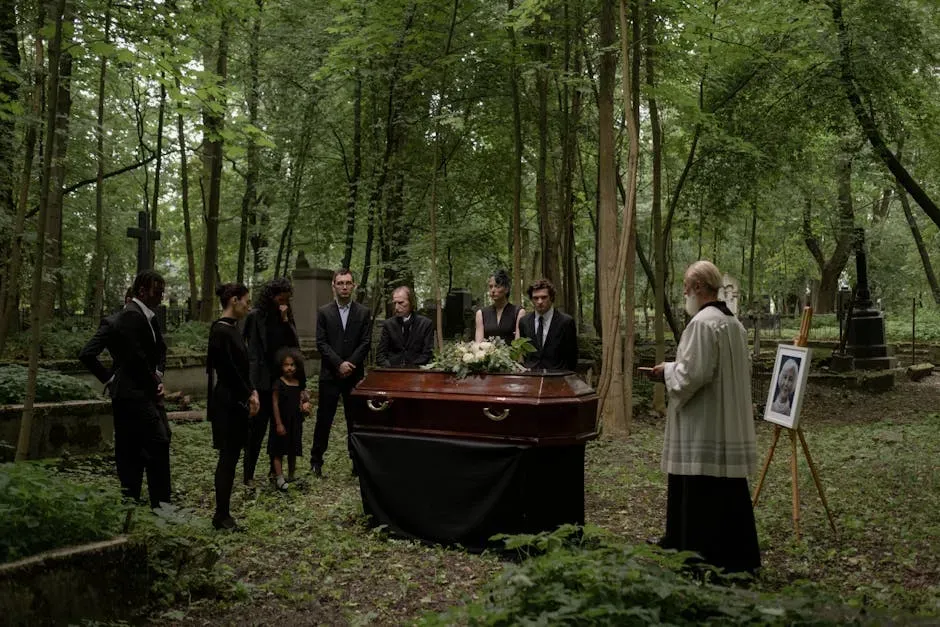
At the same time, culture also gives you rituals that bring mortality back into view in a manageable way. Funerals, memorials, religious holidays, and days of remembrance invite you to face death together, not alone in your head at two in the morning. When you stand with others, light a candle, or share stories, you are reminded that you are not the only one who will die, and not the only one who is afraid. Culture, in that sense, helps you hold a middle position: you do not fully accept your mortality once and for all, but you learn to turn toward it in certain moments without being swallowed by it.
What Near-Death And Serious Illness Can Change

If you have ever brushed close to death – a car crash that almost happened, a medical emergency, a serious diagnosis – you know how violently it can rearrange your priorities. Suddenly small annoyances seem trivial, and simple things like breathing fresh air or hearing a friend’s voice feel almost sacred. Many people in those situations report a sharper sense of what matters and a reduced tolerance for nonsense. It is as if the volume on mortality has been turned up so loud that you cannot help but listen, at least for a while.
Yet even in those intense experiences, your mind rarely stays in a state of perfect acceptance. Over time, routines creep back in, and the vivid awareness of mortality fades into the background again. That does not mean the experience was meaningless; it often leaves a lasting imprint in your values, your gratitude, or your willingness to take certain risks. But your mind still tends to protect you from constantly living on the edge of that realization. You may gain a deeper, more honest relationship with death, while still falling short of a permanent, total acceptance.
Can Spiritual Or Philosophical Practice Take You Further?
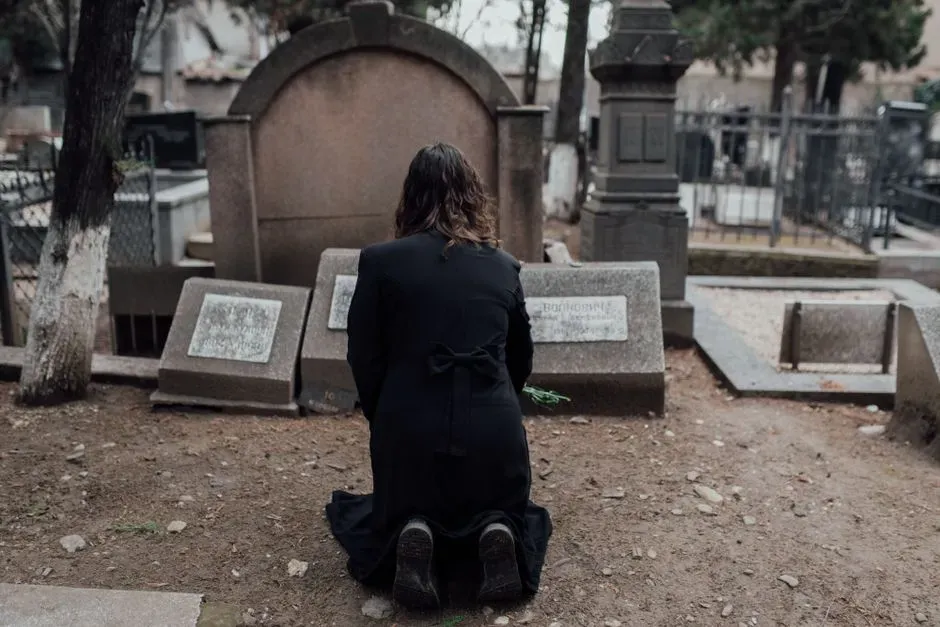
Many spiritual and philosophical traditions claim that you can, with practice, come to terms with death in a much deeper way. Meditation traditions sometimes encourage you to contemplate your own death, visualize your body aging and dissolving, or reflect daily on impermanence. Philosophers have written about rehearsing death as a way to make it less frightening, or focusing on living so fully in the present that the fear of the end loses some of its grip. If you have ever tried anything like this, you may have noticed that these exercises can bring a strange peace, alongside discomfort.
Even so, you are still working within a human nervous system that reacts when its survival is threatened. No matter how much wisdom you cultivate, your body is wired to pull away from danger, and death looks like the ultimate danger. What these practices often give you is not a final victory over the fear of death, but a different relationship to it. Instead of being dragged around by it unconsciously, you can meet it more directly, notice the stories your mind spins, and choose how much space those stories get. You may never reach perfect acceptance, but you can become less ruled by avoidance.
Living Well When You Know You Will Die

Once you really let in that your life is finite, even in small doses, the question shifts from how to avoid death to how to use the time you have. You can look at your calendar and ask whether it reflects what truly matters to you, not just what is urgent or expected. You can notice which relationships nourish you and which ones drain you, and make choices accordingly. You can allow yourself to savor simple pleasures, not because they distract you from mortality, but because they are only available for a limited run.
Living with mortality in mind does not have to be gloomy. It can sharpen your joy, your humor, and your willingness to show up fully. Knowing that everything ends can make you kinder, because you understand that everyone else is walking around with the same invisible countdown clock. It can also make you braver, because the fear of looking foolish or failing starts to feel tiny next to the reality that you are here only once, and for not very long. If you let it, awareness of death can be less a dark cloud and more a backlight that makes everything stand out more vividly.
Conclusion: A Truth You Hold And Release, Over And Over
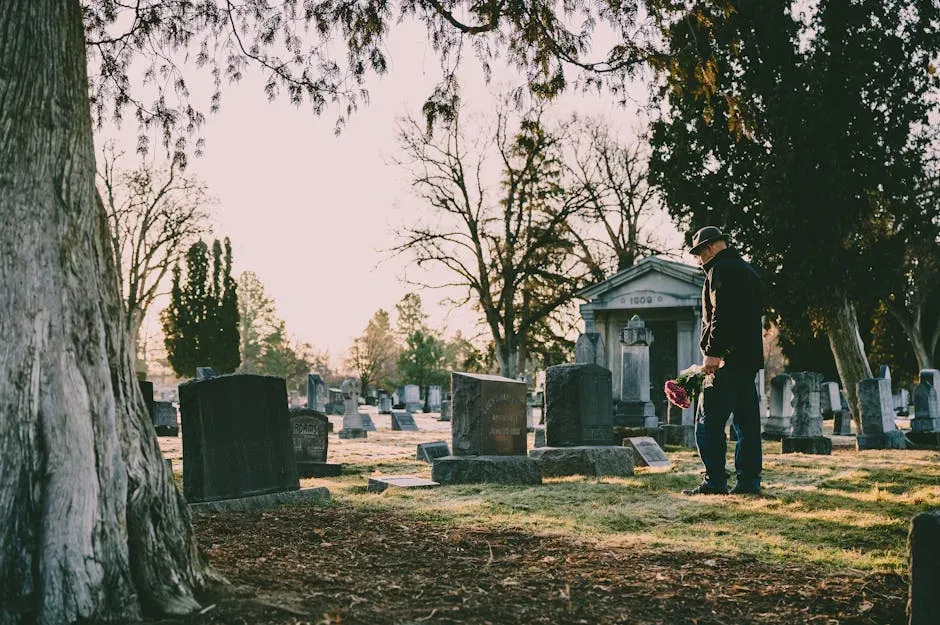
So, can your In a strict, permanent sense, probably not. Your brain is too committed to keeping you alive, too wired to recoil from threats, to sit calmly with the full reality of your own ending at every moment. But that might actually be good news. You need some distance from death to get out of bed, brush your teeth, fall in love, argue about nothing, and enjoy a lazy Sunday. Total, constant acceptance would be unbearable; total denial would be disastrous. You are built to move somewhere in between.
What you can do is learn to approach your mortality more honestly, more often, and with less panic. You can let the truth of your finite life shape how you spend your days, without demanding that you feel peaceful about it all the time. You can hold the awareness when it arises, then gently set it down and get on with the business of living. In the end, maybe the real question is not whether you can accept death perfectly, but whether you can let the reality of death help you live more deliberately while you are still here. If you knew, really knew, that the clock is ticking, what would you do differently today?