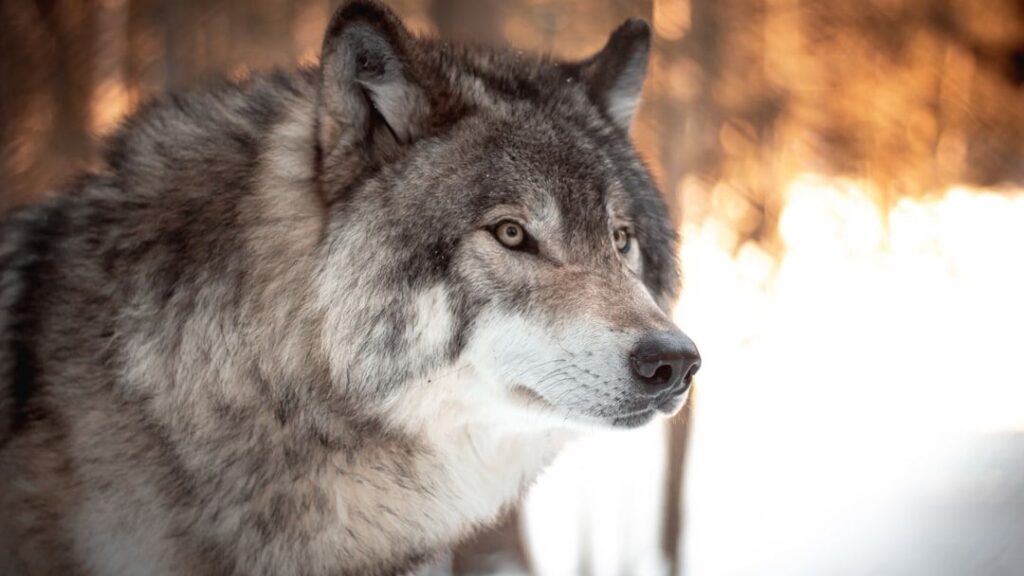
You probably grew up with the idea that wolves are dangerous, mysterious predators lurking at the edge of the forest. What you likely did not hear is that they are also incredibly sensitive observers, constantly reading the world around them, including you, with a kind of emotional radar. When biologists, ethologists, and wildlife observers talk about wolves, the discussion is not just about teeth and territory; it is about subtle glances, tiny shifts in posture, and changes in scent that tell a whole emotional story.
Science cannot honestly say that wolves read your feelings like an open book the way a close friend might, but research and long-term field observations do show that they are remarkably tuned in to human mood and behavior. When you strip away the myths and monster stories, what you are left with is an animal that lives and dies by its ability to sense intention, tension, fear, and calm – often from several meters away, and sometimes before you even realize what you are feeling. As you read on, you will see that their apparent “mind-reading” is really an expert combination of nose, eyes, ears, memory, and social intelligence working together.
1. Wolves Track Tiny Changes in Your Posture and Body Tension
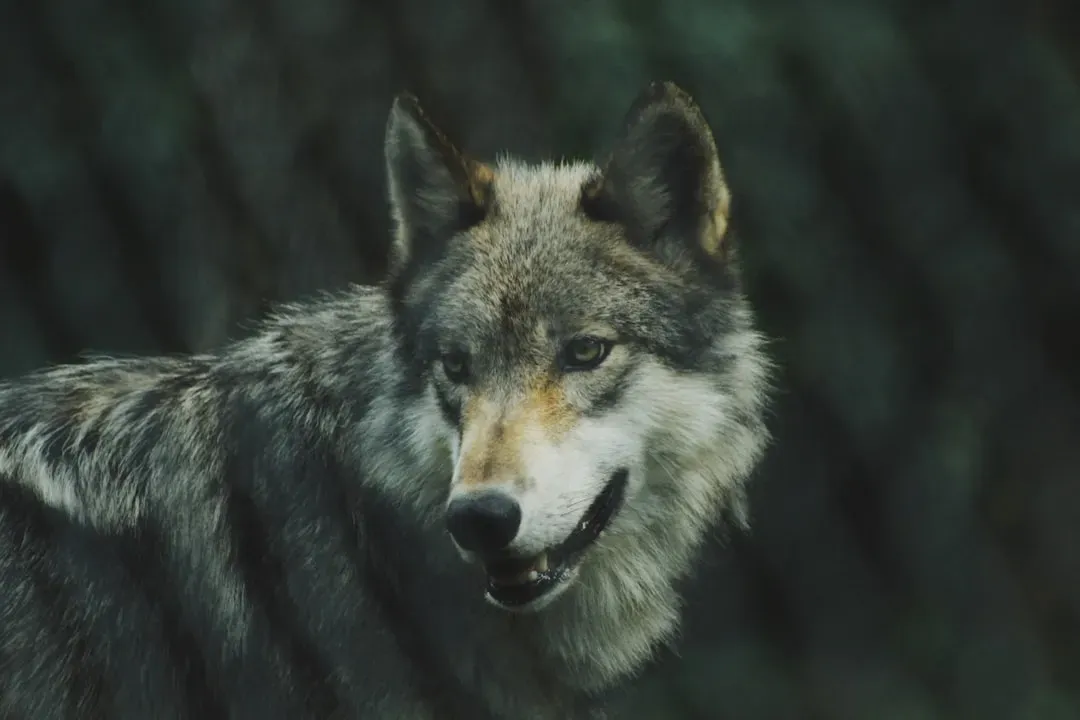
If you have ever walked into a room and felt someone was angry before they said a word, you already understand the skill wolves rely on constantly. You carry your emotional state in your shoulders, your spine, the way you hold your hands, and the way your weight settles into the ground. Wolves are masters at scanning those tiny physical cues, because in their own world, body language is the primary language. A slightly stiff tail, a lifted lip, or a lowered head can be the difference between play and a serious challenge in a wolf pack.
Now imagine how that translates when a wolf sees you from a distance. If you tense up, square your shoulders, or freeze in fear, you are sending clear information whether you mean to or not. Field researchers who work around wild and semi-habituated wolves notice a clear pattern: when humans move smoothly, avoid sudden staring, and keep their bodies relaxed, wolves are more likely to remain calm or simply watch. When your movements turn erratic or rigid, wolves often increase their distance or switch from casual observation to alert monitoring. You might feel as if they “know” you are afraid, but what they are really doing is reading your posture like a live, moving signal.
2. Your Scent Changes With Stress, and Wolves Notice Instantly
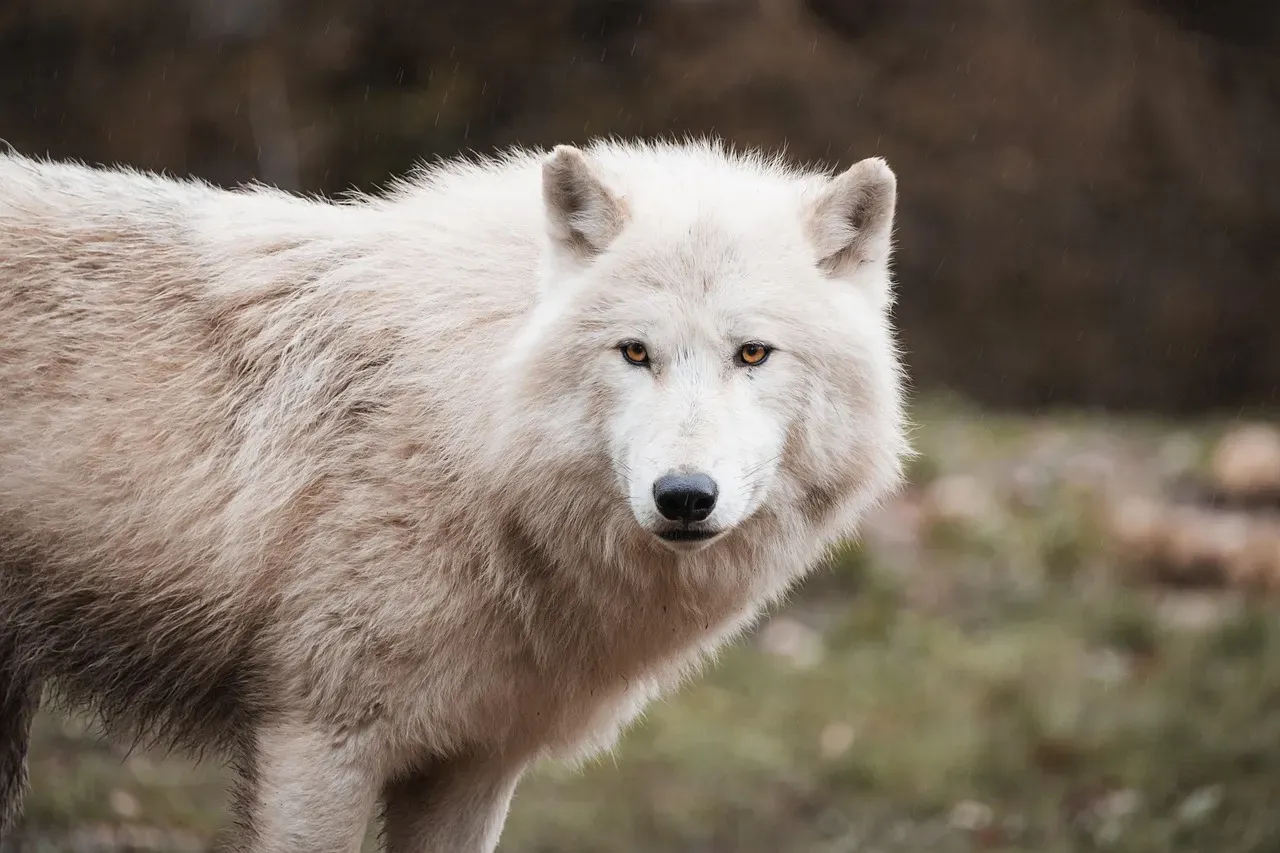
You may think of smell as a minor sense in your own life, but for wolves it is the main channel for information about the world – including you. Your body gives off different chemical signatures depending on whether you are calm, stressed, afraid, or excited. Researchers have found in humans and other animals that stress hormones and related compounds can alter body odor in ways other mammals can detect, even when you have no idea you smell any different. Wolves live in a world where scent marks territory, tracks family members, and warns of danger, so they are primed to notice those changes.
When a wolf encounters your scent – on your clothes, skin, or even the trail you left behind – it is not just smelling “a person.” It is likely sampling a complex blend of sweat, hormones, and environmental traces that hint at how rushed, relaxed, or unsettled you were when you passed by. In captive settings where wolves are accustomed to caretakers, handlers often report that wolves react differently when a person arrives anxious or upset: more cautious approaches, more sniffing, or occasionally keeping extra distance. You are broadcasting your internal state into the air, and a wolf’s nose is sharp enough to pick up the emotional static in that signal.
3. Eye Contact From You Feels Very Different Depending on Your Mood
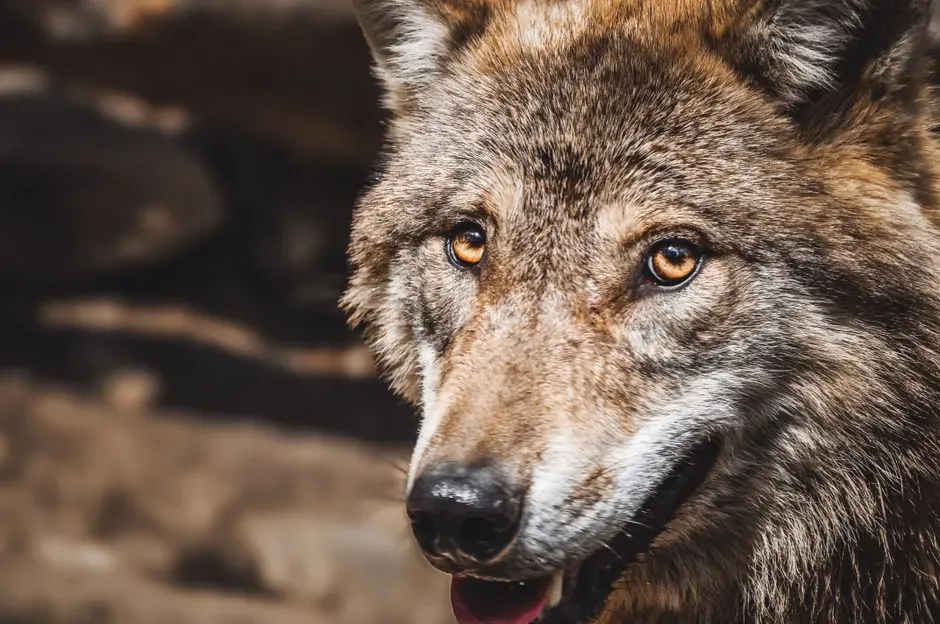
You already know that a hard, unblinking stare can feel aggressive between humans, and wolves interpret eyes in a similarly nuanced way. In wolf-to-wolf communication, a direct stare can be a challenge, a test of rank, or a warning. A softer, fleeting glance is more neutral or friendly. When you look at a wolf across a distance, your emotional state affects how your gaze lands: if you are afraid or on edge, your stare often becomes more rigid and intense, even if you are trying to stay calm.
Field observers have noticed that wolves tend to avoid a prolonged, sharp stare from humans, especially if the rest of the body is tense. If your shoulders are high, your jaw is clenched, and your eyes lock on like a spotlight, a wolf is more likely to pull back, circle, or break contact. In contrast, when your gaze is softer – brief, relaxed, and combined with a side-on body angle – wolves often stay more relaxed, sometimes watching curiously or going back to whatever they were doing. To you, it feels like they sense your fear or your ease; to them, they are simply responding to what your eyes, face, and posture are telling them about your internal state.
4. Wolves Use Their Own Social Skills to Decode Your Group’s Mood
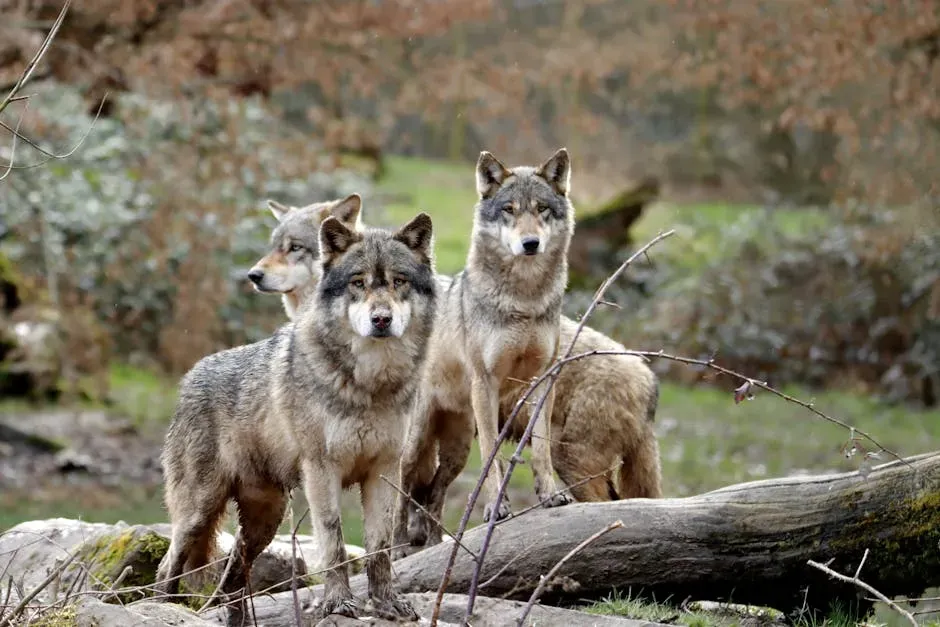
If you watch a wolf pack, you see constant reading and re-reading of emotional cues between individuals. Subtle nudges, play bows, tail positions, and ear angles all serve to keep the group cohesive and to defuse or escalate tension. This constant social surveillance is not something they turn off when humans enter the picture. When you and others appear, you essentially become another small, odd-looking “group” for them to assess from afar. They compare your body language, your spacing, and your movement to patterns they already know from their pack life.
When your group is loud, chaotic, or visibly anxious, wolves often respond as they would to an unstable or agitated pack: they stay on the edge, move away sooner, or shift into a more defensive posture. If you and your companions are calm, coordinated, and speaking quietly, wolves are more likely to treat you as a less immediate concern, sometimes watching and then resuming their activities. Your emotional atmosphere as a group radiates outward through tone of voice, speed of movement, and even how tightly you cluster, and wolves, with their finely tuned social radar, interpret those signals using the same inner toolkit they use on each other.
5. They Link Your Emotional State With Past Experiences Shockingly Well
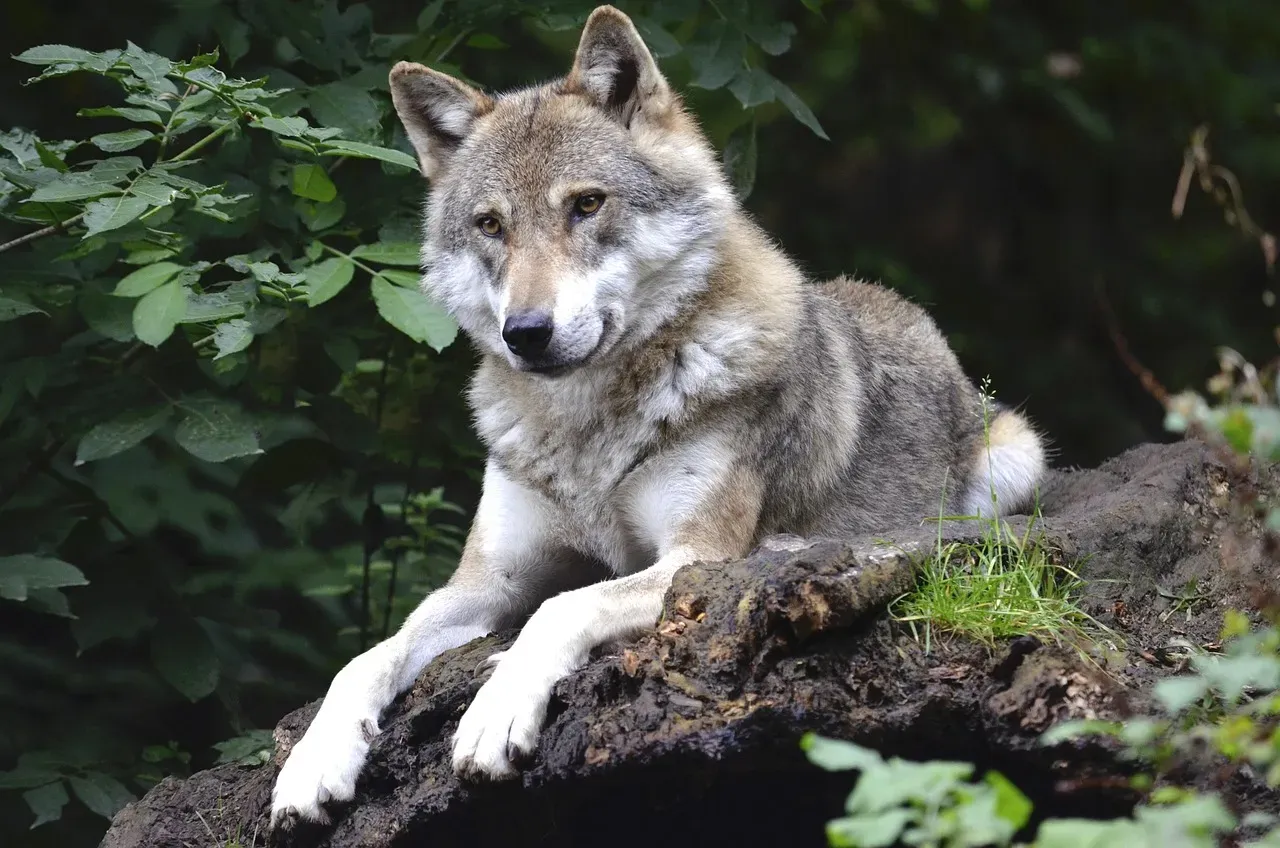
A wolf’s apparent ability to “know” your mood is not just about the moment; it is also about memory. Wolves are excellent associative learners. Over time, they learn that certain human emotional states usually predict certain outcomes. If stressed, hurried people often shout, throw things, or move directly toward them, those emotional flavors get tagged in a wolf’s mental map as risky. If calm, slow-moving people usually pass by without incident, that calmer presence becomes associated with lower threat. You might not notice you are teaching them these lessons, but they are always recording.
In areas where wolves and people encounter each other repeatedly, animals often show very different reactions depending on past interactions with local humans. When people have been tolerant and non-aggressive, wolves sometimes allow closer observation, lingering in view even when they know they are seen. In contrast, where wolves have been chased, shot at, or harassed, they tend to react strongly to even a hint of human tension, fleeing at the first sign of fast movement or loud voices. Your emotional state in the present moment is being filtered through their history with your kind, and that history can make them extra quick to interpret nervous, jerky behavior as a signal to get away fast.
6. Your Voice Tone and Rhythm Give Away What You Feel
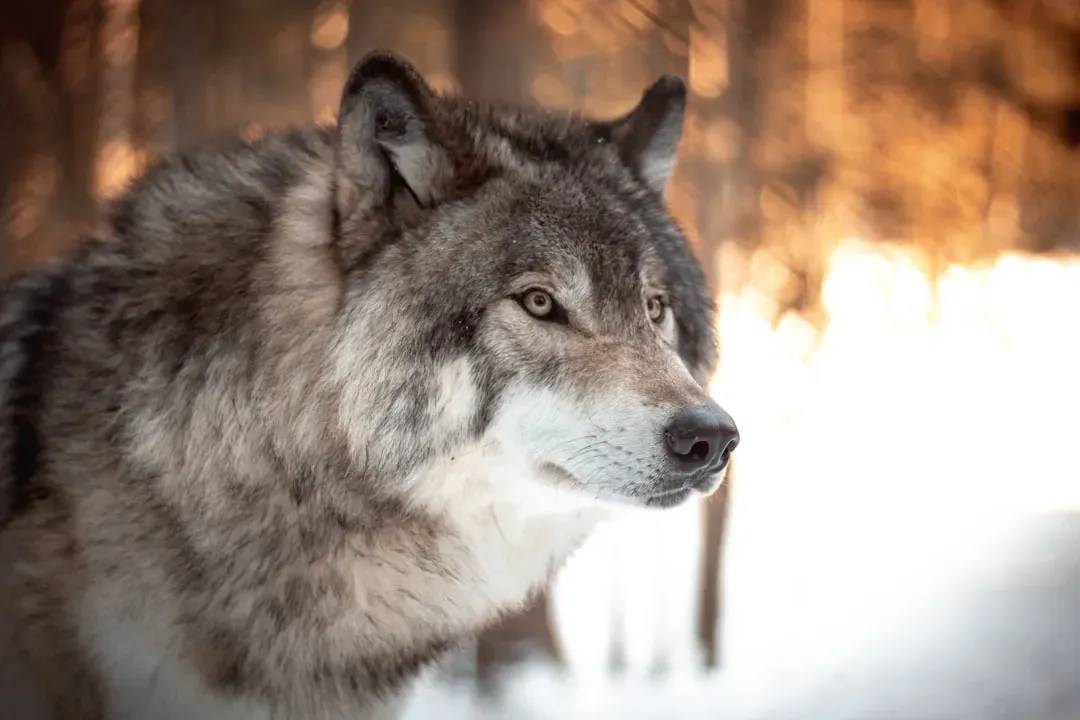
You might assume that if a wolf does not know your language, your words are meaningless. But from a wolf’s point of view, it is not the words that matter, it is the tone, pitch, rhythm, and volume. You already react differently when someone speaks to you in a soft, steady voice compared to a high, sharp, or shaky one. Wolves do something similar. When your emotional state changes, your voice almost always shifts with it, even when you try to hide your feelings. Excitement raises your pitch, anger sharpens your consonants, and fear can add a quiver or strained quality.
Studies on dogs, which share a close evolutionary relationship with wolves, show that they are remarkably sensitive to emotional tones in human speech, and wolves have been found to distinguish some of these patterns as well. In practical terms, this means that if you shout, rant, or speak in a tight, high voice, wolves may interpret that pattern as agitation or threat, especially when it comes with abrupt gestures. If your voice is low, measured, and not rising sharply, they are more likely to see you as relatively non-threatening. Even from a distance, long before they can see the details of your face, your emotional temperature is traveling through the air in sound waves that their ears and brains can decode with ease.
7. Wolves Constantly Monitor Distance and Approach Speed as Emotional Clues
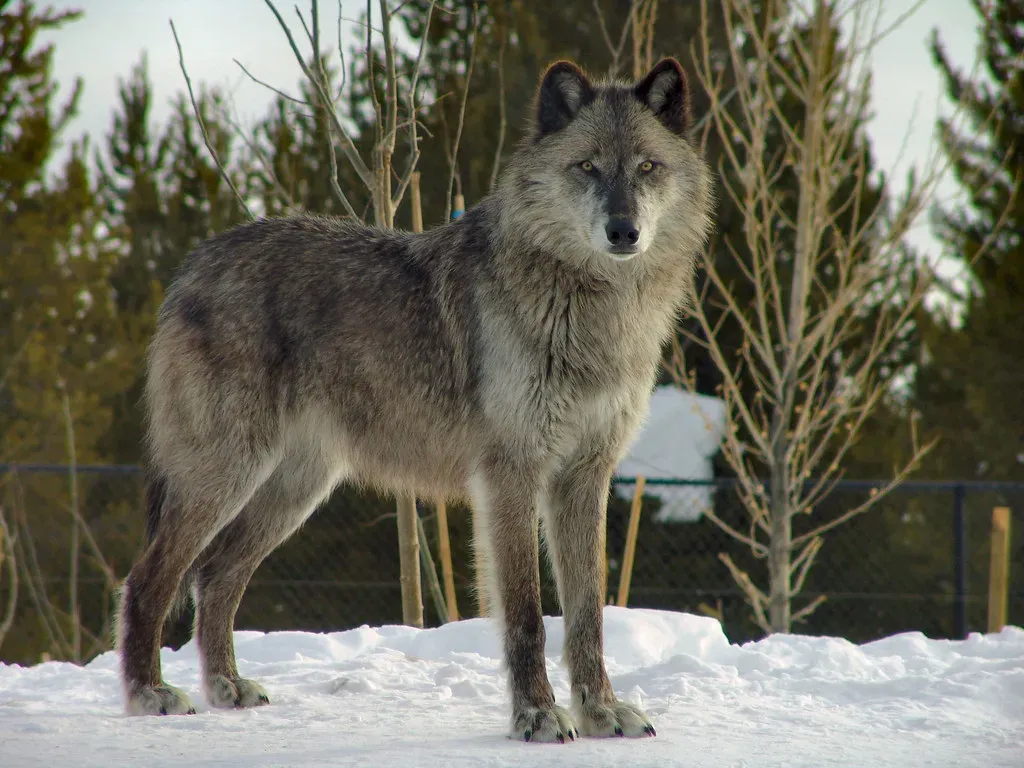
Emotion does not just live in your body; it shows up in how you use space. When you are angry or overly confident, you are more likely to move quickly toward something. When you are afraid, you might either freeze or back away in a hurry. For a wolf watching you from across a field or forest edge, those patterns communicate different emotional states and intentions. A fast, straight-line approach from a human often reads as direct pressure or aggression, while a slow, curved path or a pause at a respectful distance suggests uncertainty or neutrality.
Researchers and experienced observers often adjust their own movement patterns specifically because they know wolves are reading them. If you approach slowly, stop frequently, and avoid marching straight toward a wolf, it reads more like cautious curiosity than a direct challenge. When you bolt, wave your arms, or close the distance quickly, a wolf is more likely to interpret your emotional state as intense and possibly dangerous. The wolf does not need to be close to sense this; it only needs to see the shape and tempo of your movement against the landscape, and that alone can reveal whether you are calm, nervous, or confrontational.
8. They Pick Up on Whether You Are Focused on Them or Mentally Elsewhere
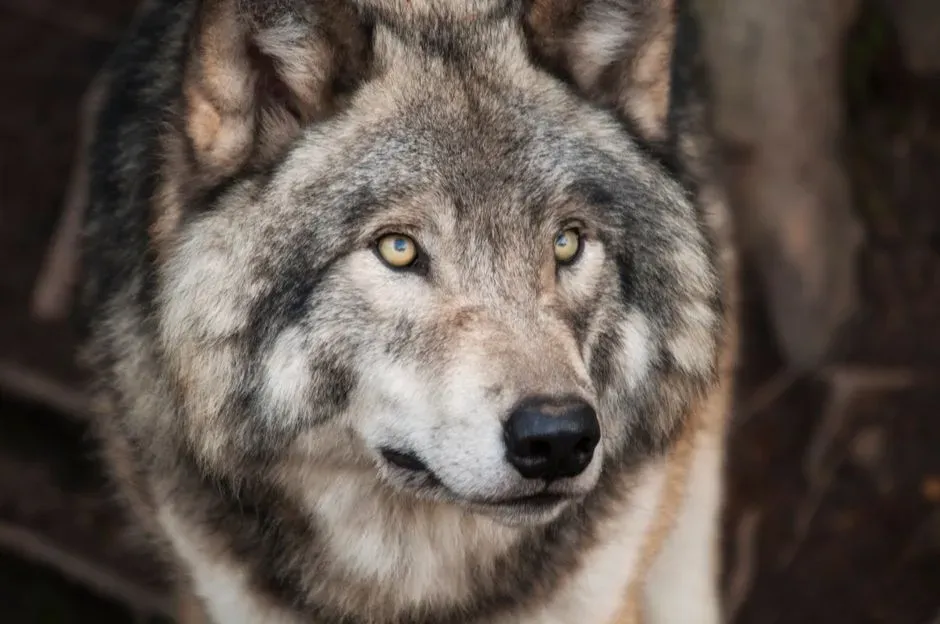
Wolves are used to being the focus of attention – of prey, rivals, and family members – so they are quick to notice when your attention locks onto them. Your emotional state affects how you direct that attention. When you are fearful, your focus can become narrow and intense, almost like a spotlight, and your whole body often orients toward the source of your fear. When you are calm or preoccupied with something else, your gaze and your posture wander more, and you do not track a wolf’s every move as if waiting for a jump scare. From the wolf’s perspective, that difference is obvious.
People who observe wolves quietly for long periods often notice that when they watch with soft, shifting attention, wolves sometimes go back to normal activities more quickly, as if deciding that the humans are not in an emotionally charged state. In contrast, when humans stand rigid, binoculars glued to their eyes, whisper nervously, or keep cameras fixed like weapons, wolves often stay on higher alert, reading that sustained focus as possible pressure or risk. Even across a clearing or a valley, the shape of your attention, shaped by your feelings, is visible in your silhouette and your micro-movements, and wolves appear to use that as another piece of emotional information.
9. Wolves Respond Differently to Fearful Versus Calm Human Encounters Over Time
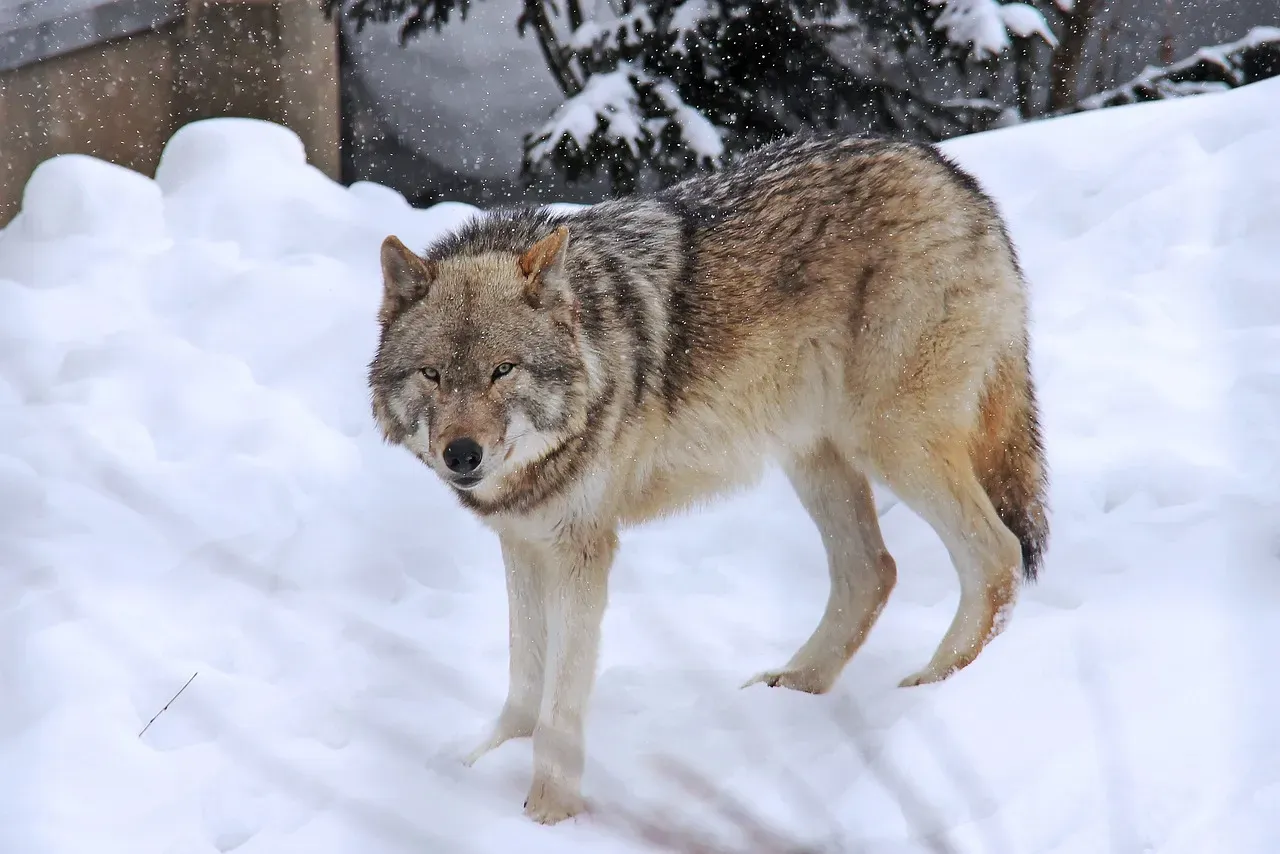
Over months and years, the way you and others emotionally meet wolves can actually shape how these animals behave in your region. In places where humans frequently react with panic – shouting, chasing, or trying to scare wolves off – animals often become more wary, more nocturnal, and more inclined to leave at the slightest hint of human presence. Your fear is not just a private feeling; it is a repeated message that wolves learn to associate with conflict or danger. They may come to interpret the posture and voice of a frightened person as a prelude to aggressive behavior because that is how it has played out so many times.
In contrast, in areas where people stay calm, keep their distance, and do not try to interact closely, wolves sometimes maintain more natural, predictable patterns, occasionally visible at a distance without immediately fleeing. That does not mean they are tame or safe; it simply reflects a long pattern of encounters where human emotional states stayed relatively low-key, and nothing terrible followed. You and your community, without realizing it, end up training wolves to interpret certain emotional tones, body patterns, and approaches as either serious threats or background noise. Across time, their sensitivity to your distant emotional state becomes part of how they decide when, where, and how to move.
10. Their “Mind-Reading” Is Really an Elite Survival Skill, Not Magic
When you put all of this together – scent, posture, gaze, sound, distance, and memory – it can feel uncanny, as if wolves are reading your thoughts from far away. The reality is more grounded but just as impressive. Wolves live in a world where misreading another being’s emotional state can mean getting injured, losing a meal, or missing a breeding opportunity. Evolution strongly favors individuals who can interpret tension, fear, confidence, and calm in others with high accuracy, even when the clues are faint and far away. You are not special in that sense; you are one more large mammal in their environment whose emotional state might predict danger or safety.
When you feel that a wolf has “sensed” your fear or calmness, what you are really witnessing is a highly practiced survival system doing exactly what it evolved to do. It is cross-checking your smell, your movement, your voice, your gaze, and your past behavior against its mental library of patterns. The more honest and consistent your body language and behavior are, the easier you make that job. Instead of imagining supernatural empathy, you can appreciate the wolf as a kind of living instrument, tuned over thousands of years to pick up the faint emotional vibrations carried in your scent, your stance, and your sound.
Conclusion: What Wolves Quietly Teach You About Your Own Signals
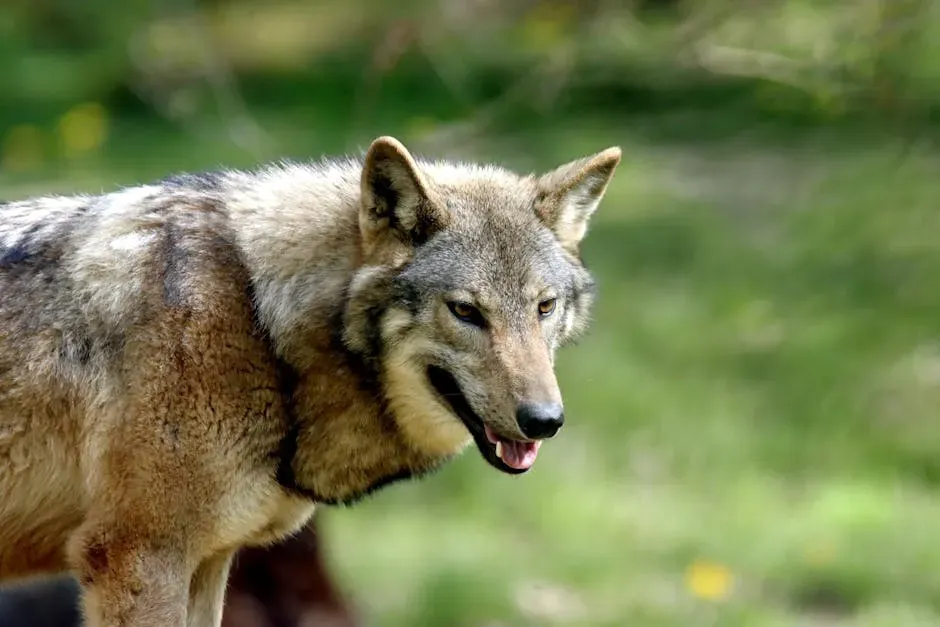
When you look at wolves through this lens, you start to realize that they are not just wild animals out there in the distance; they are also mirrors reflecting back the signals you constantly send out without noticing. Your emotions leak into your walk, your smell, your voice, the way you hold your head, and whether you charge forward or hang back. Wolves, driven by survival and social living, have become expert readers of those leaks. They do not need to be close enough to touch you to know whether you are keyed up, relaxed, scattered, or laser-focused, because to them, those differences are as obvious as different colors on a flag.
If there is a quiet lesson for you in all this, it is that your emotional state is never really private in the natural world. Other beings, especially highly social predators like wolves, are constantly sampling and decoding it from a distance. Next time you imagine a wolf at the forest’s edge watching you, remember that it is not looking for some mystical bond; it is calmly running a lifetime’s worth of pattern recognition on your every step and breath. That thought might feel a little unsettling, but it can also be strangely humbling – if a wolf can read you that well from afar, what might you start noticing about yourself up close?