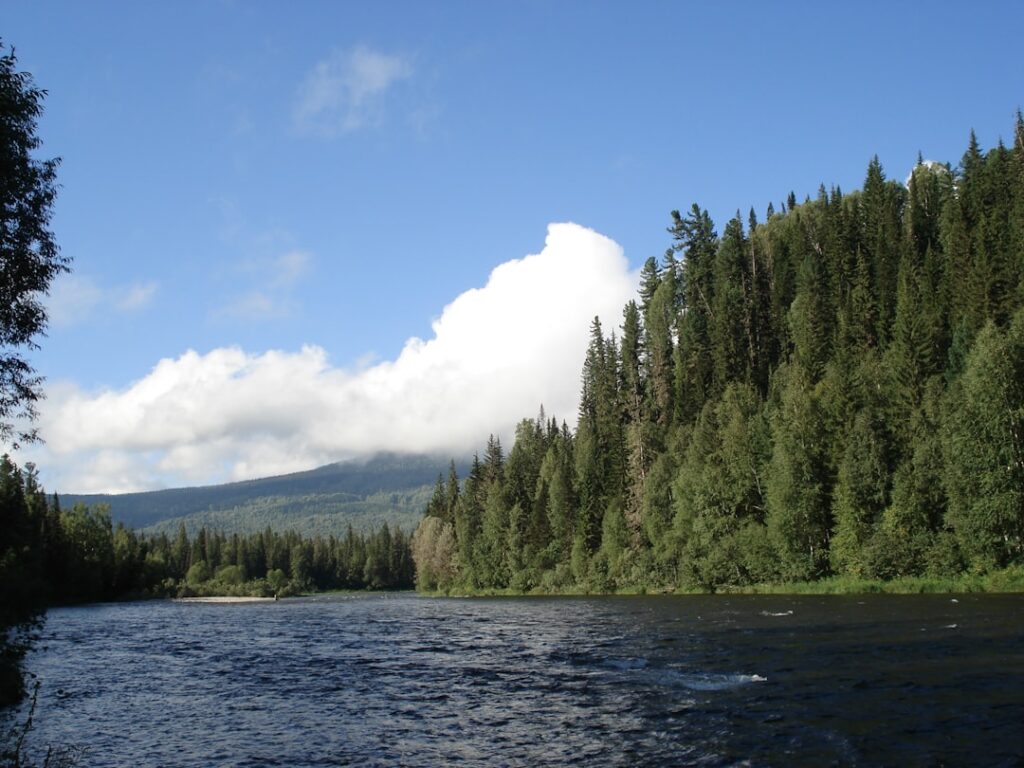
You have probably seen photos of strange rivers before: blood‑red waterways in mining towns, neon‑green lakes near volcanic vents, or rusty orange streams snaking through the Arctic tundra. But imagine standing on the bank of a Siberian river and realizing you are looking at a shade no one can convincingly name, a colour that does not quite match rust, algae, glacial milk, or any known mineral stain. That is where this story starts: with geologists openly admitting they have no solid historical analogue for what you are seeing.
In a world where satellites have mapped almost every valley and glacier, that kind of uncertainty is rare and a little unsettling. You are not just watching water change colour; you are watching the rules you thought you understood about rivers, rocks, and climate shift under your feet. And as you dig into what could be driving such an unfamiliar hue, you find something even stranger than the colour itself: a combination of deep permafrost, hidden chemistry, and a warming Arctic that is quietly rewriting the behaviour of northern rivers.
The moment you realize a river can genuinely shock you
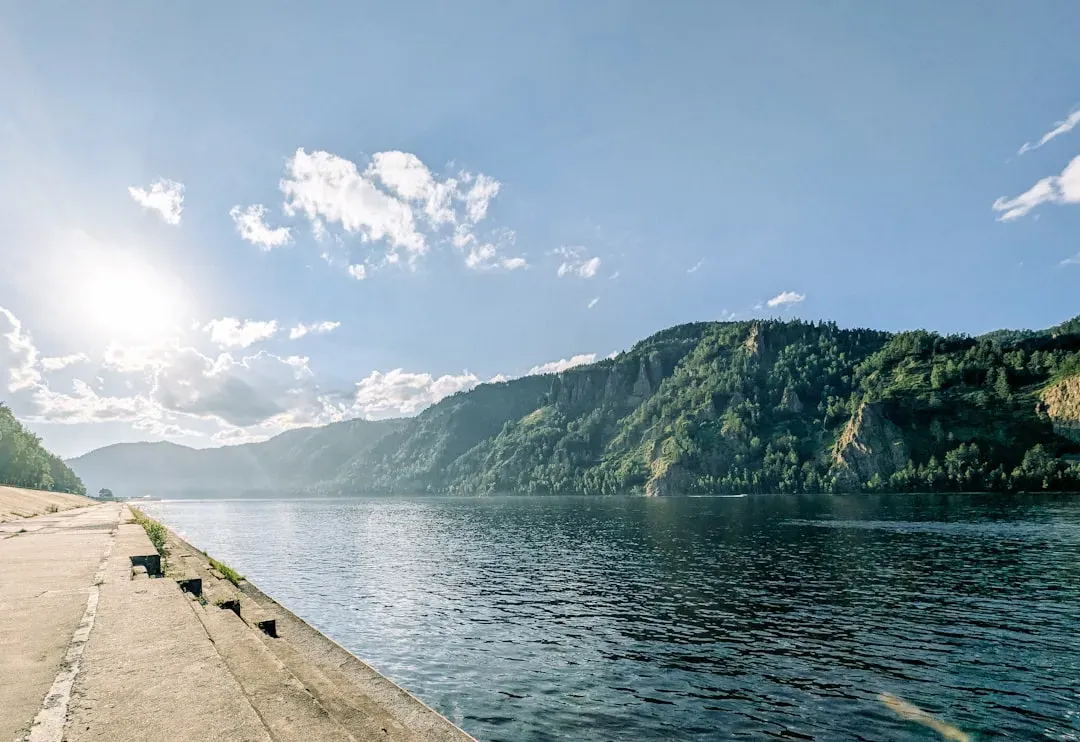
When you first hear that a Siberian river has turned an “unknown” colour, your instinct is probably to assume exaggeration. After all, you know rivers can be blue, green, brown, milky white, even brick red depending on sediment and minerals. What makes this case different is that geologists are comparing satellite archives, old expedition notes, and modern field photos and still struggling to slot the colour into any known pattern from this region. It is not the familiar iron‑orange seen in parts of Alaska, nor the classic red staining associated with heavy industrial spills along certain Arctic rivers.
Put yourself on that riverbank: the air is cold, the valley looks ordinary, and yet the water running past you looks wrong, almost as if someone has quietly swapped the river for a concept art rendering. You expect to feel awe when you see a glacier or an erupting volcano; you do not expect a river’s colour to trigger that same unsettled curiosity. That emotional jolt matters, because it is exactly the kind of thing that makes you stop scrolling, lean closer to the story, and ask what on Earth had to change for a river in remote Siberia to look like something your eyes cannot quickly categorize.
Why rivers change colour in the first place (and why this is different)
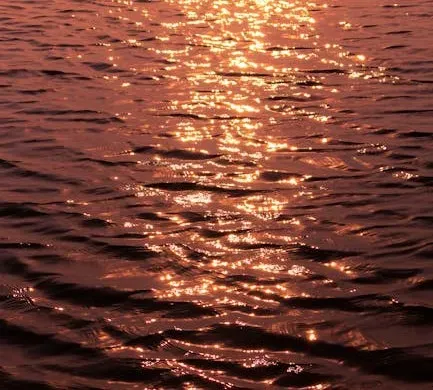
To make sense of an unprecedented colour, you start with what you already know. Most rivers get their hues from a short list of usual suspects: sediment, algae or other microorganisms, dissolved organic matter, and minerals leached from rock. You might have seen a river turn chocolate‑brown after a storm because it is loaded with silt, or a turquoise mountain stream fed by glaciers grinding rock into fine “glacial flour.” Minerals can add drama too: iron makes water orange or red, copper can add a greenish tone, while calcium and limestone can help keep rivers clear and blue.
When you look at Arctic and sub‑Arctic systems, recent research has focused heavily on iron‑driven colour changes. In places like northern Alaska, thawing permafrost is flushing iron and other metals into rivers; once those iron‑rich waters meet oxygen, they form rust‑like particles and stain entire watersheds a lurid orange. That story is already strange enough, but it still fits within a known palette. The Siberian case you are imagining is more puzzling because the shade does not neatly align with the usual iron, clay, or algae signatures scientists are used to diagnosing, even when they account for seasonal floods, glacial melt, and natural rock chemistry.
The hidden chemistry waking up beneath Siberia’s permafrost
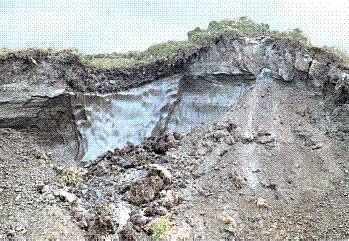
To really grasp why the cause may be stranger than the colour, you have to look below the surface – literally. Much of Siberia sits on thick permafrost, ground that has stayed frozen for thousands of years. Inside that frozen matrix you have ancient soils, buried plant material, trapped groundwater, and layers of mineral‑rich rock that have barely interacted with the modern climate. As you live through the 2020s, that permafrost is thawing unevenly, opening new pathways for water to snake through old, chemically reactive layers that were effectively sealed off from rivers until now.
When that newly mobile water starts moving, it can pick up a cocktail of metals and dissolved organic carbon that has not previously entered the river network at scale. You are no longer just dealing with rain washing over surface rocks; you are watching ground that predates your entire written history suddenly join the hydrologic system. The result can be chemical reactions that alter the water’s acidity, oxygen content, and mineral load in odd ways, sometimes generating colours that sit between familiar categories. That is where things get truly disorienting: you are not just seeing a weird paint swatch, you are seeing deep time being flushed into the present.
Climate change as an uninvited river engineer
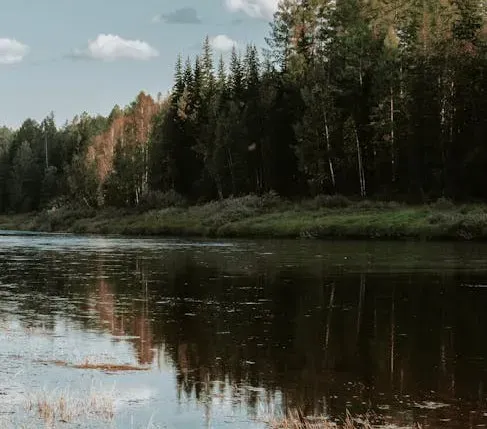
It is tempting to think of climate change only in terms of air temperature, heatwaves, or shrinking sea ice, but in Siberia it also acts as a massive, invisible engineer of rivers. Warmer air melts snow earlier, shifts the timing and intensity of spring floods, and thaws permafrost from above and below. As ground ice disappears, slopes destabilize and fresh rock faces are exposed to weathering, which in turn feeds new sediments and minerals into nearby streams. You might picture climate change as simply adding water to the system, but it is really re‑wiring the plumbing and reshaping the pipes at the same time.
Because these changes do not happen evenly, you can end up with odd hotspots: one valley may look normal while the next looks like something out of a surreal painting. Researchers studying orange Arctic rivers have already seen how a combination of thawing permafrost, altered groundwater routes, and oxidizing metals can transform clear streams into turbid, acidic flows with very different colours and chemistry. In Siberia, where the frozen ground is deeper and the geology more varied, the same kind of climate‑driven disruptions can plausibly remix water in ways that produce a hue geologists struggle to match with older observations. In that sense, the river’s strange colour becomes a visible symptom of a climate system that is quietly rewriting local geology in real time.
What a colour like this does to the living world around you
Once you get past the shock of how the river looks, the obvious next question is what this does to everything that depends on that water. A dramatic colour shift usually signals deeper changes in water quality: acidity creeping up, oxygen levels dropping, and metal concentrations rising beyond what fish, insects, and plants are used to. Studies from other Arctic rivers show that when streams suddenly turn orange and more acidic, sensitive fish species can vanish within a year, and algae and insect communities can be smothered by fine mineral particles. You know right away that a colour change is not just cosmetic; it is an ecological plot twist.
If you live downstream, you feel those changes not just as an abstract concern but as questions about your drinking water, your fishing spots, and your sense of stability. Even if the Siberian river’s new hue is not yet linked to clear toxicity, it forces you and local communities to consider what might be happening to wells, wetlands, and migratory species that rely on that system. Think of the colour as a warning flare: eye‑catching enough to make you pay attention, but also rooted in chemical shifts that can quietly push ecosystems past thresholds they cannot easily bounce back from once metals and acidity reshape the riverbed and its food web.
How scientists (and you) might start solving a colour nobody recognizes
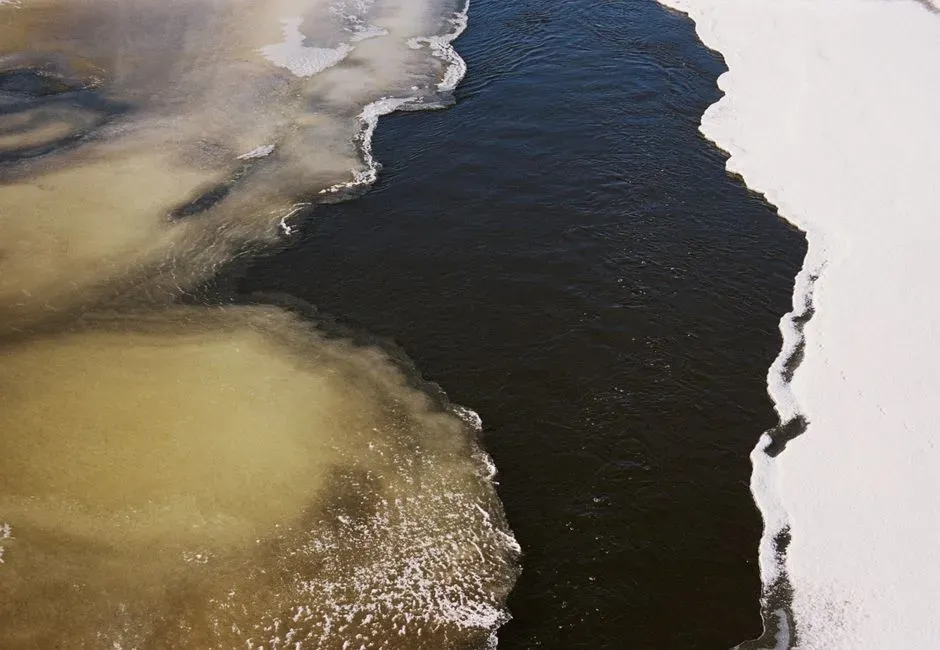
Facing a colour with no neat historical reference, geologists and hydrologists have to treat the river like a crime scene, and you can picture the steps they would take. They would sample water along the river’s length, measure pH, temperature, dissolved oxygen, and concentrations of metals like iron, manganese, and copper. They would compare that to past measurements, even if sparse, and cross‑check satellite images to see when and where the colour first appeared. The goal is to separate one‑off events – like a landslide or a small industrial leak – from deeper, systemic drivers such as shifting groundwater or thawing permafrost layers feeding the channel.
From your perspective, the detective work also involves a bit of humility. You are living in a time when environmental shifts can outrun your historical records, which means you cannot assume every strange river is just another version of something already studied elsewhere. Instead, you start looking at these events as early case studies from a rapidly changing Arctic: clues that help you predict where similar changes might appear next across Siberia, Alaska, or northern Canada. By paying attention to local observations, satellite data, and field measurements together, you turn what looks like an isolated oddity into a piece of a much larger puzzle about how the planet’s cold regions are responding to warming.
What this mystery river ultimately says about your future
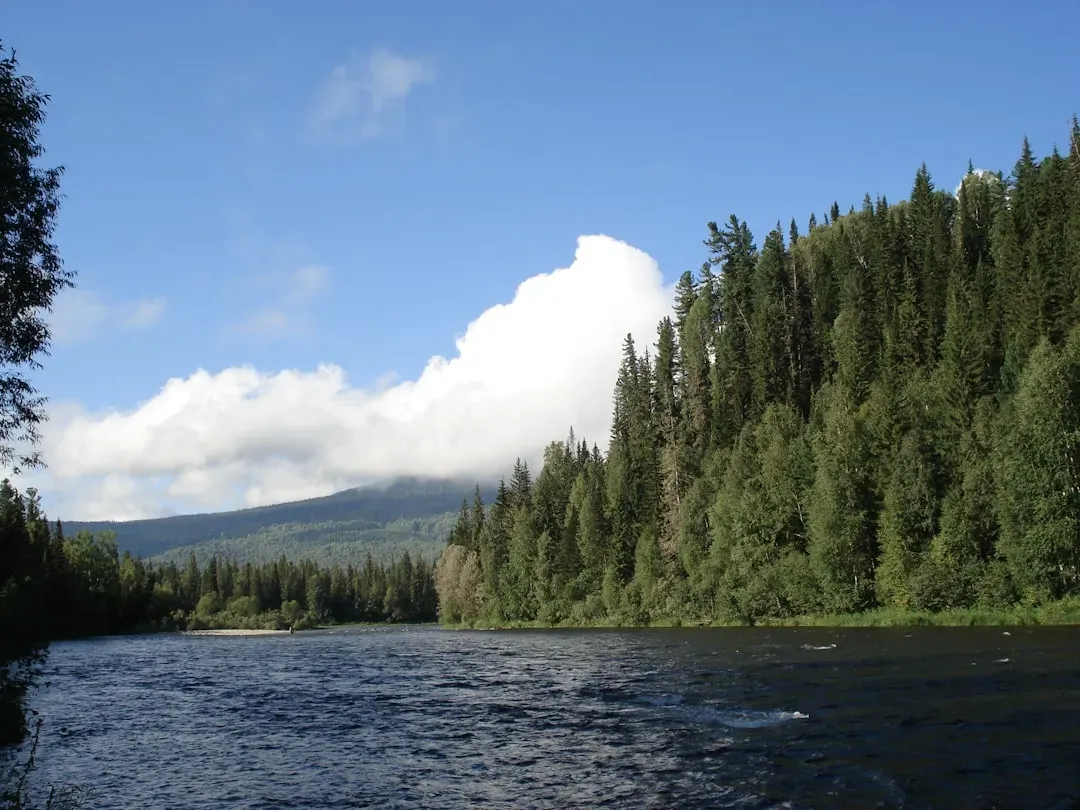
Maybe the most unsettling part of this story is not that a Siberian river has taken on a colour that baffles geologists, but that it fits a broader pattern you are only beginning to see clearly. Around the Arctic, more rivers are turning strange shades, from rusty orange to milky blue, for reasons linked to thawing ground, changing snowmelt, and long‑buried minerals finally meeting oxygenated water. The Siberian river’s unfamiliar hue just drives home the point that you are heading into territory where your old mental maps of “normal” river behaviour are no longer reliable guides.
At the same time, there is something quietly empowering about recognizing this early. When you treat that odd colour as a signal rather than a curiosity, you open the door to better monitoring, smarter land‑use decisions, and more honest conversations about how fast the northern landscapes around you are changing. You are not helplessly watching a freak event; you are witnessing a visible, almost theatrical reminder that climate, geology, and water are now interacting in ways your textbooks did not fully anticipate. The real question is whether you treat that colour as a one‑off spectacle, or as a prompt to rethink how closely you watch the world’s coldest rivers as they rewrite the script in front of you.
In the end, a river in Siberia taking on a colour with no clear historical reference is more than a striking photograph – it is a mirror held up to the age you are living in. The fact that the cause may be stranger than the colour itself tells you that some of the most important changes on this planet are happening in places few people ever visit, in shades your grandparents never had to name. The next time you see an image of water that looks a little too unreal to be natural, will you scroll past it, or will you wonder what story the colour is trying to tell you?