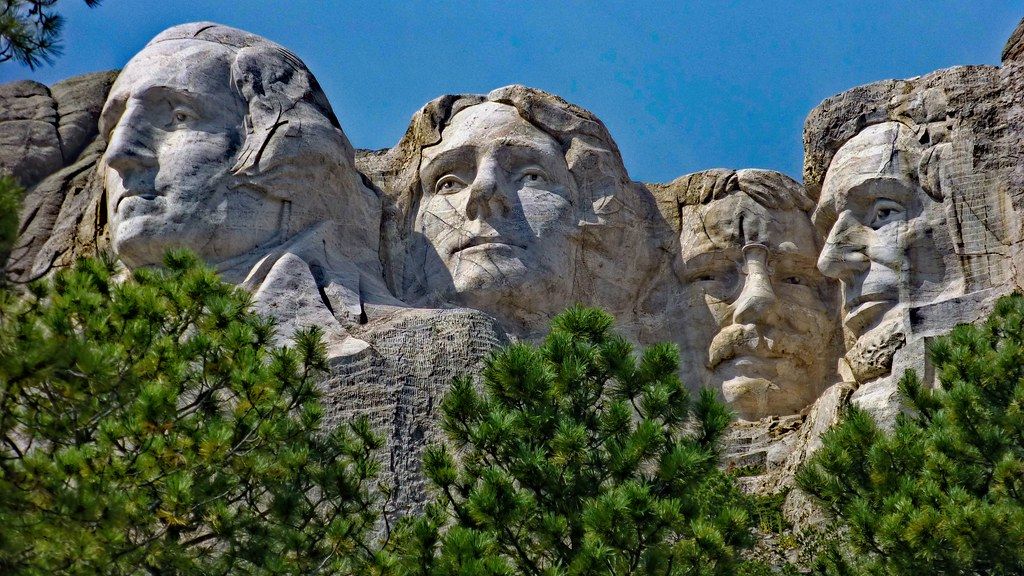
If you have ever stood beneath Mount Rushmore, you know the feeling: those giant faces make you feel tiny, almost like you have walked into a myth carved in stone. You assume something that big, that solid, is practically immortal. Granite is supposed to be forever, right? But behind the postcard-perfect view and the patriotic symbolism, the mountain is doing something deeply unsettling: it is slowly splitting, weathering and cracking from the inside out.
Engineers and geologists have been watching those cracks for decades, and the story they tell is not a comforting one. You are not looking at a fragile structure that can be patched like a pothole; you are looking at a living, shifting chunk of mountain that responds to water, ice, heat, and time. The uncomfortable truth is this: the forces that are carving those cracks are the same forces that carved the Black Hills themselves, and you cannot turn those forces off. You can delay and manage, but you cannot truly stop them.
The Shocking Idea: A Monument That Will Not Last Forever
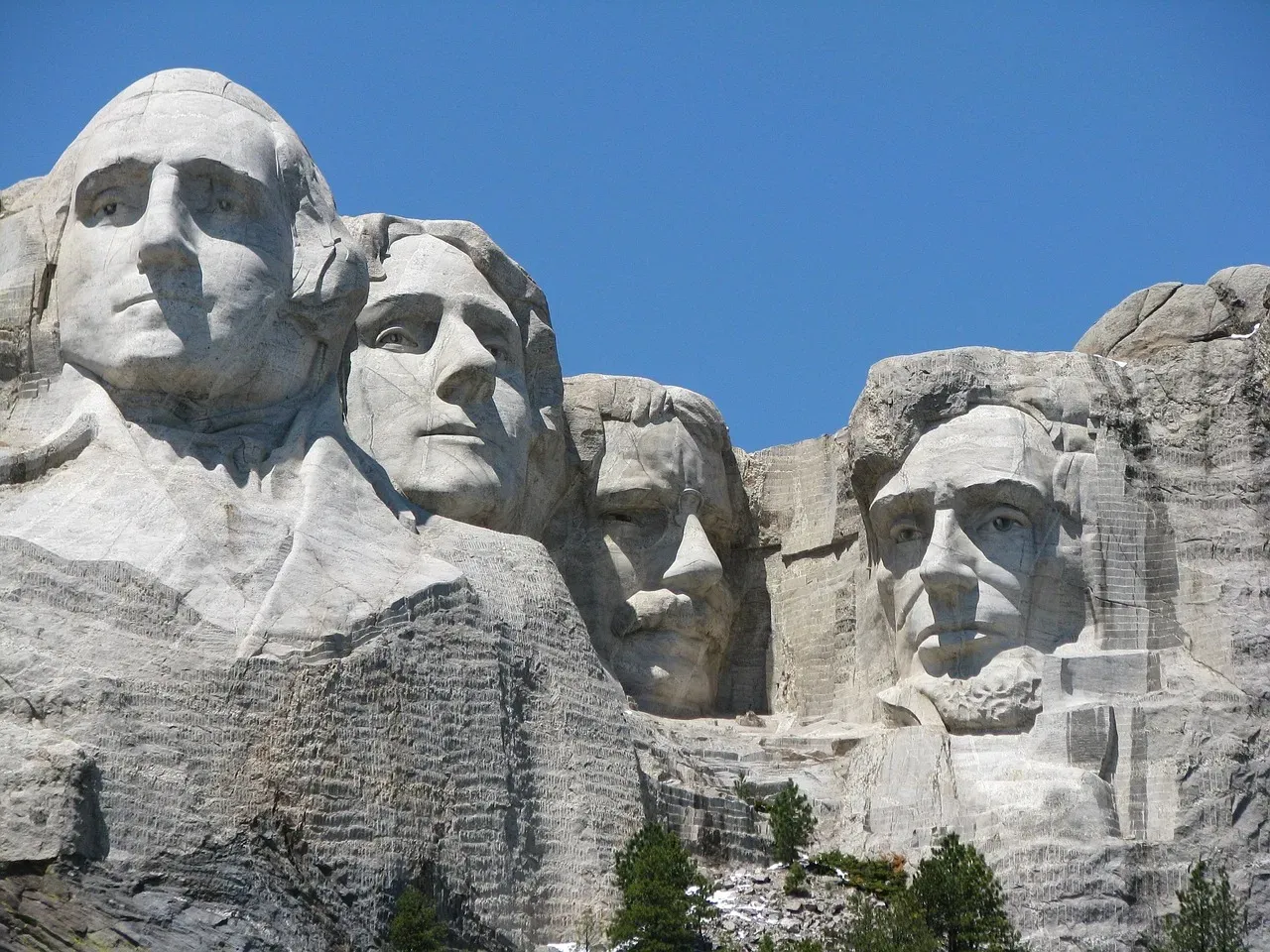
You grow up thinking of monuments like Mount Rushmore as permanent fixtures, almost like they exist outside time. When you see photos from the 1940s and compare them to now, it is tempting to believe nothing has changed. But if you could walk inside those granite faces, you would find fractures, seams, and tiny voids that tell a completely different story. The mountain is quietly, relentlessly changing, even if your eyes cannot easily see it from the viewing platform.
What really rattles you is that the people who know the rock best do not talk in terms of if it will deteriorate; they talk in terms of how fast and how much. Engineers use words like “inevitable” when they describe long‑term weathering, because no rock is perfectly solid and no surface is shielded from the elements forever. When you hear that, you stop seeing Mount Rushmore as a stone photograph frozen in time and start seeing it more like an aging building whose foundation is slowly, but certainly, settling and cracking.
Why Granite Cracks From the Inside Out
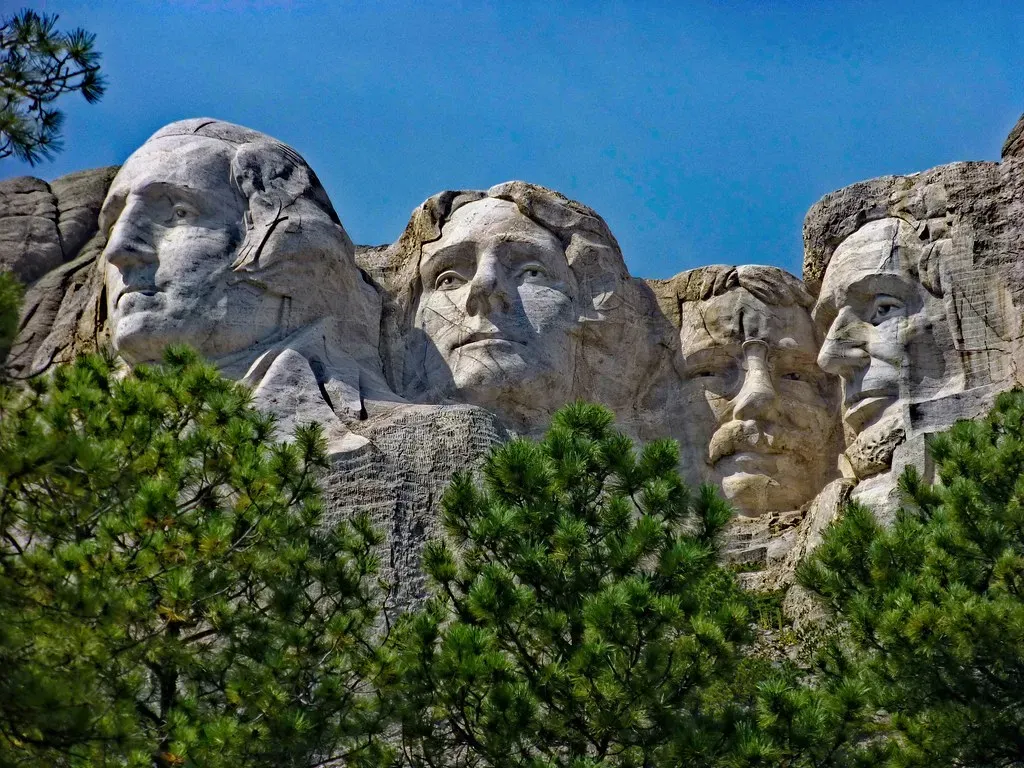
You might think granite is basically invincible because it is so hard, but that hardness is only part of the story. Granite is made of interlocking crystals of minerals like quartz and feldspar, mixed with natural planes of weakness and old fractures. When the sculptors blasted and carved the mountain, they had to work around pre‑existing cracks; those same cracks are still there, waiting for water to sneak in. Once water enters the rock, it sets off a slow chain reaction you cannot easily reverse.
In a climate with hot summers and freezing winters, the water that seeps into tiny fractures does a kind of quiet violence. It freezes and expands, then thaws and contracts, like a microscopic jackhammer pushing those cracks wider year after year. At the same time, temperature swings make the rock itself expand and contract, stressing those weak spots from the inside. You do not see big chunks immediately dropping away, but over decades and centuries, this invisible tug‑of‑war gradually pries the granite apart from within.
Water, Ice, and Temperature Swings: The Real Sculptors
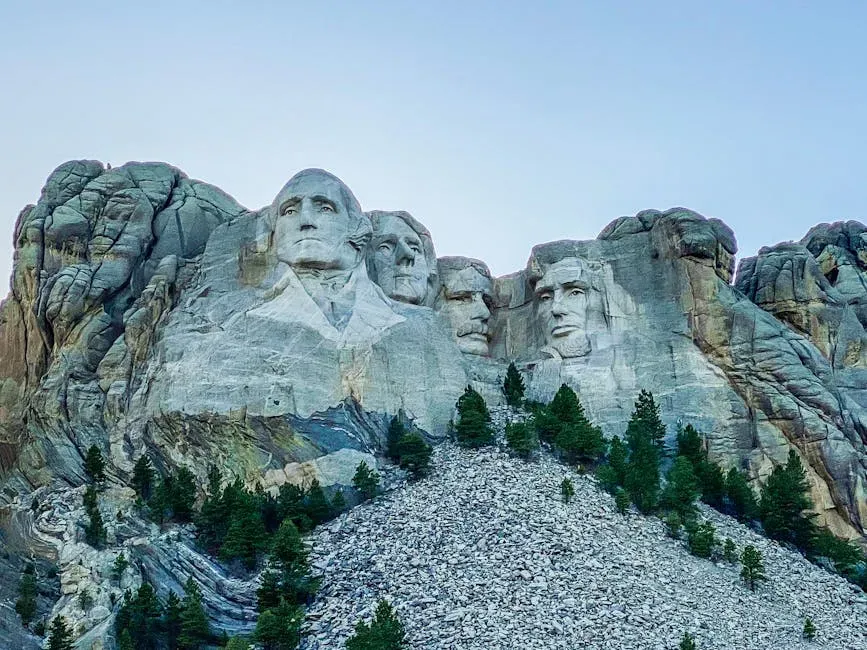
When you picture Mount Rushmore changing, you probably imagine dramatic rockfalls or a lightning strike, but the real sculptors are boring: rain, snow, ice, and sunlight. Every time it rains, water flows over and into the rock, hunting for hairline cracks. In winter, that water freezes repeatedly, acting like a slow‑motion wedge. You can compare it to leaving a tiny splinter in a piece of wood: it does almost nothing at first, but over time, it splits the board.
Then you add temperature swings. On a hot, sunny day, the exposed surfaces of the faces can heat up much more than the shaded or interior parts of the rock. That creates internal stress, as different parts of the monument expand by slightly different amounts. If you have ever heard a house creak on a cold night or felt a sidewalk crack after a brutal winter, you already know this process. Now scale that up to a cliff‑side sculpture the height of a multi‑story building, and you can see why engineers are worried about stresses you will never see from the parking lot.
The Hidden Network of Seams and Old Fractures
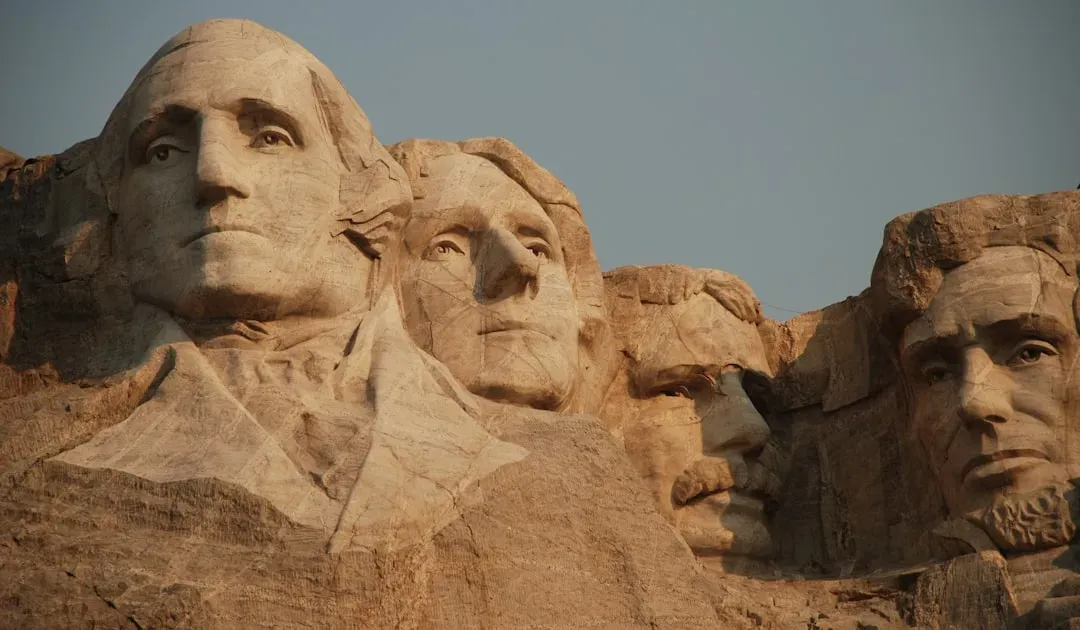
If you could peel back the carved faces like a mask, you would not find a perfect, uniform block of granite. You would see a patchwork of natural joints, seams, and fractures, some running deep into the mountain. The original sculptors had to map and work around these weaknesses, and in some places, they used anchors or concrete to stabilize problematic areas. That means the monument is not pure native rock; it is an interaction between mountain, metal, and man‑made materials, each aging in its own way.
For you, that matters because these old fractures and joint patterns act like hidden highways for water and air. Some cracks might be harmless, while others line up in ways that could eventually allow pieces of rock to loosen. Engineers can seal and monitor certain spots, but they cannot chase down every hidden seam that might matter in fifty or a hundred years. It is like trying to predict which hairline crack in your windshield will finally make the glass spiderweb; you can see some risk, but you can never map all of it perfectly.
What Engineers Are Doing – And Why It Is Not Enough
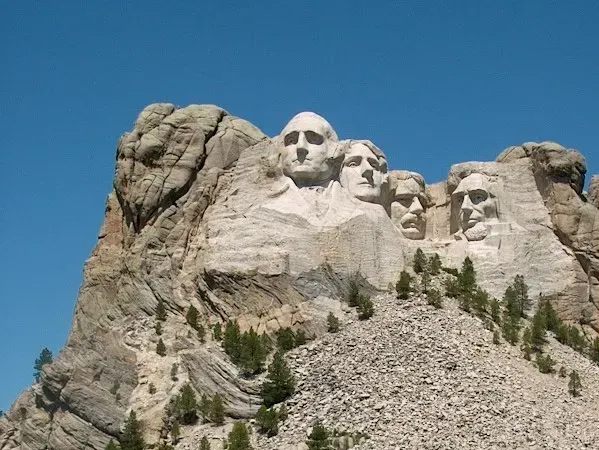
When you hear that Mount Rushmore is cracking, you might assume nobody is doing anything, but that is not true at all. Engineers regularly inspect the faces, check known trouble spots, and use things like sealants and grout to keep water out of dangerous fractures. They may apply protective materials in joints or drill drainage paths so water does not pool behind delicate sections of rock. In a way, the monument gets its own version of routine medical checkups and minor surgeries.
The catch is that every one of those measures is a Band‑Aid, not a cure. You can slow the rate of deterioration, redirect some water, or strengthen a particular weak area, but you cannot rebuild the entire mountain or change its geology. Every repair also alters how the rock and added materials age together, sometimes creating new questions for the future. You are not solving the problem of time and weather; you are negotiating with it, trying to buy more years before the next serious issue appears.
Why You Cannot Just “Rebuild” a Granite Mountain
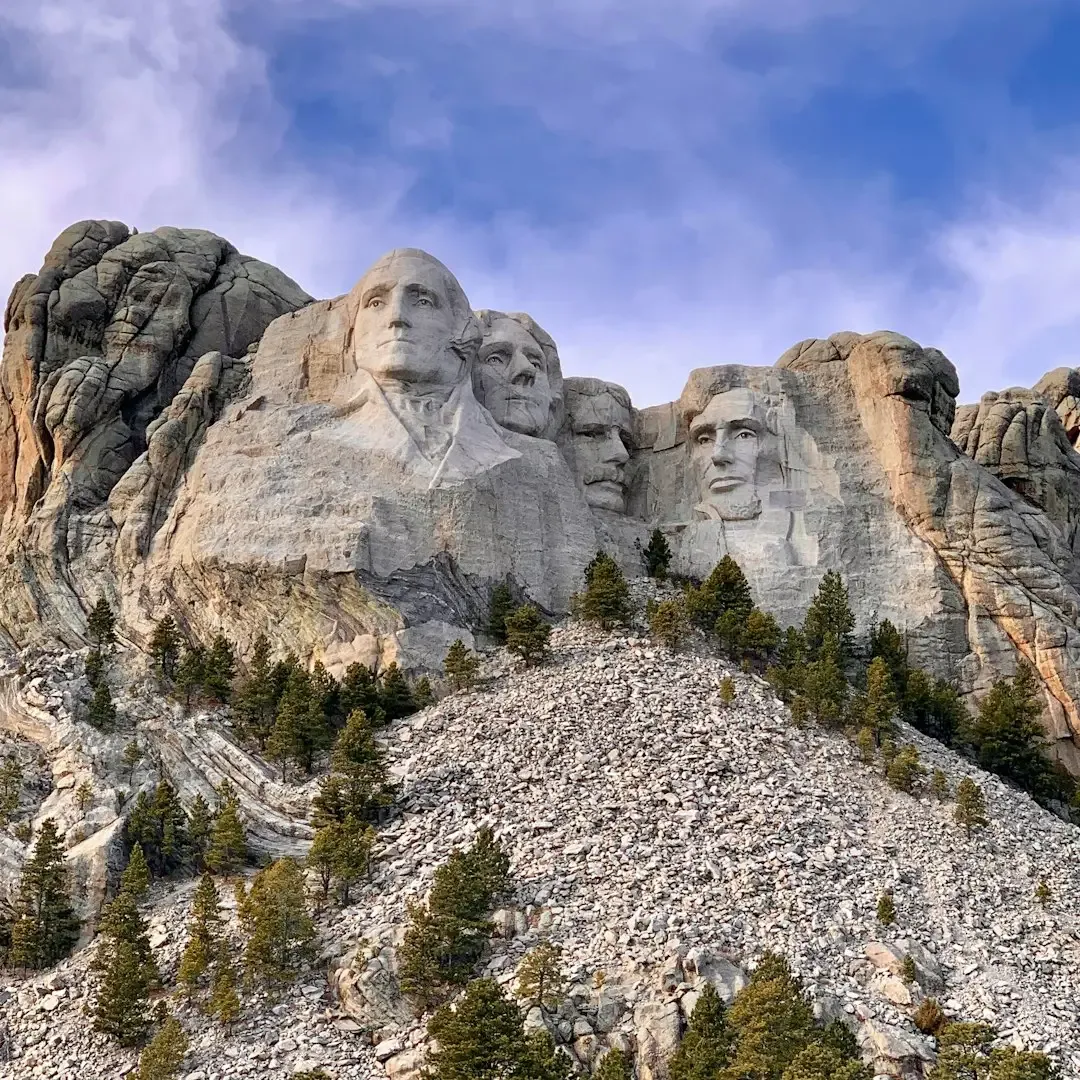
It is tempting to think that, in a worst‑case scenario, you could just patch or even rebuild parts of Mount Rushmore like you would a cathedral or a bridge. But the scale and nature of the rock make that idea more fantasy than plan. These faces are carved directly into a mountain, not bolted onto a frame you can simply replace. If large sections began to fail, you would be dealing with massive, irregular blocks of stone in a remote, rugged area, under all the pressure of public expectation and safety.
Even if you poured modern concrete or tried to attach replacement pieces of rock, you would run into a brutal set of problems: how to make them bond to old granite, how to make them age similarly, and how to keep them from just creating new fracture points. On top of that, any aggressive reconstruction would change the historic fabric of the monument and risk damaging what remains. For you, this means there is no button to press that says “restore to original condition.” At some point, scale and geology overrule good intentions and engineering creativity.
The Long View: Erosion, Time, and Accepting the Inevitable
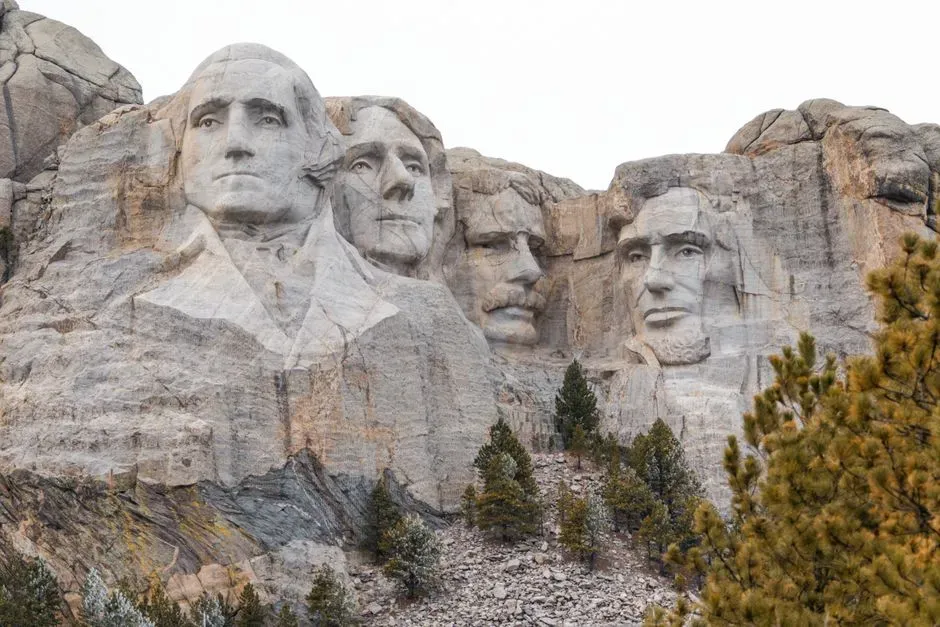
When you zoom out far enough in time, every mountain, every building, and every coastline is temporary. Granite cliffs crumble, rivers cut canyons, and even the highest peaks wear down. Mount Rushmore is not exempt from this basic reality; it is just a very visible, emotionally loaded example. You are watching a human carving locked in a contest with natural erosion, and nature has the luxury of patience that stretches for millennia.
Engineers acknowledge that over very long time scales, the monument will change shape and eventually lose definition, even if they cannot say exactly how many centuries that will take. The goal is not to create eternal perfection, but to extend the life and clarity of the sculpture for as long as is reasonably possible. When you accept that everything in the landscape is in motion, you see Mount Rushmore less as a permanent symbol and more as a chapter in a much longer geological story that started long before you were born and will continue long after you are gone.
What This Means for You as a Visitor and a Citizen
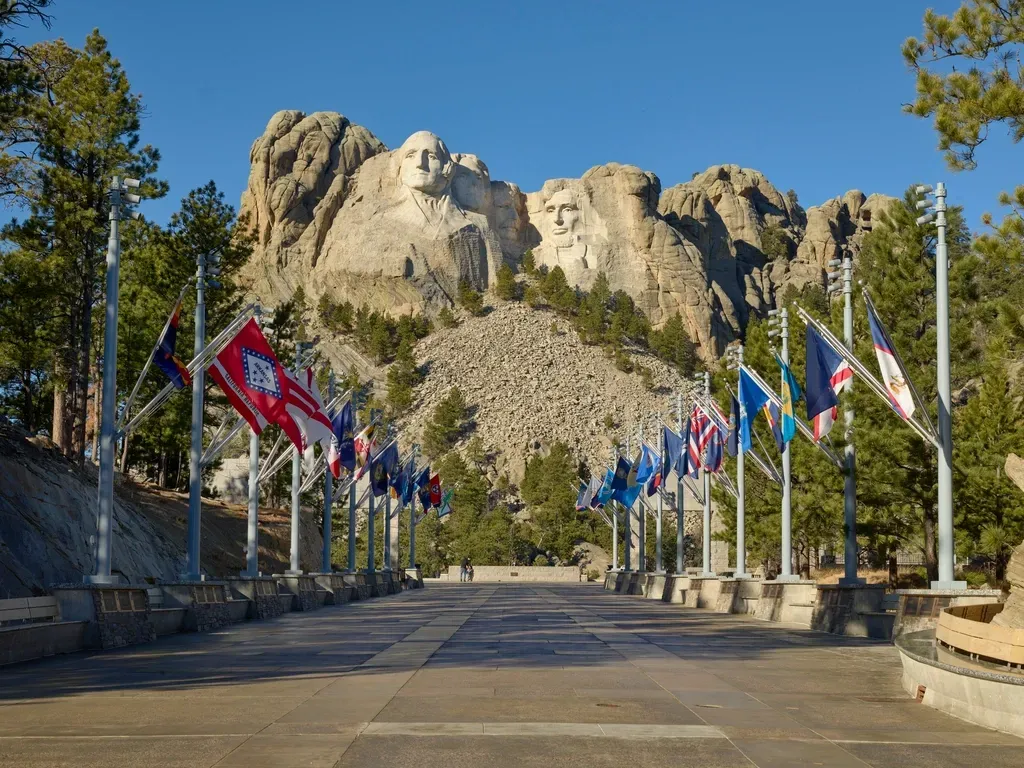
Knowing that the monument is slowly cracking changes the way you stand in front of it. Instead of seeing an unshakable icon, you see a fragile collaboration between art and geology. You realize that every visit is, in some small way, unique, because the rock is never exactly the same from one year to the next. You are seeing a moment in a slow‑moving transformation, not a frozen image that will look identical for all future generations.
This awareness also pulls you into the conversation about what it means to care for places that cannot last forever. You may feel more protective of the site, more willing to support monitoring and preservation efforts, or more curious about how other natural and cultural landmarks are aging. It can even make you rethink the whole idea of permanence in national symbols. When you accept that this monument is mortal, you start asking deeper questions about what, exactly, you expect to last: the stone itself, or the stories and values you attach to it.
Conclusion: A Monument Caught Between Rock and Time
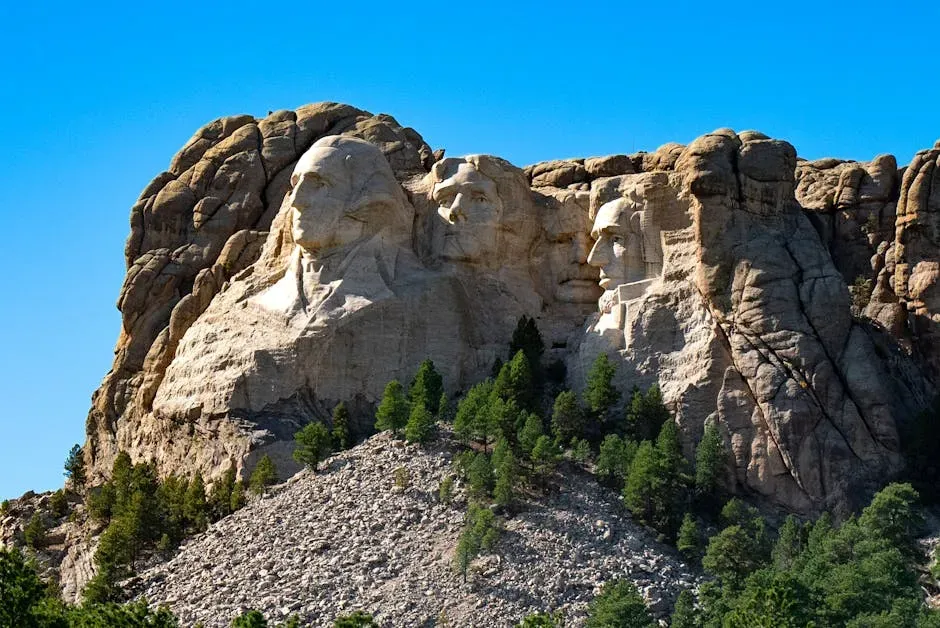
When you step back and take it all in, Mount Rushmore becomes something more complicated and more human than an indestructible carving in granite. You are looking at a monument that was always destined to crack, weather, and slowly change, because it is part of a living landscape governed by physics, chemistry, and time. Engineers can slow the damage and keep watch, but they cannot turn a mountain into a timeless statue, no matter how skilled or well‑funded they are.
In a strange way, that vulnerability can make you appreciate the monument even more. Instead of assuming it will be there unchanged forever, you experience it as a rare, temporary alignment of art, history, and geology. You know that the same forces that created the Black Hills are now quietly editing the faces on the cliff, one freeze‑thaw cycle at a time. So the next time you look up at those familiar profiles, you might find yourself wondering: are you seeing a monument carved into a mountain, or a mountain slowly reclaiming a monument – and which did you expect it to be?