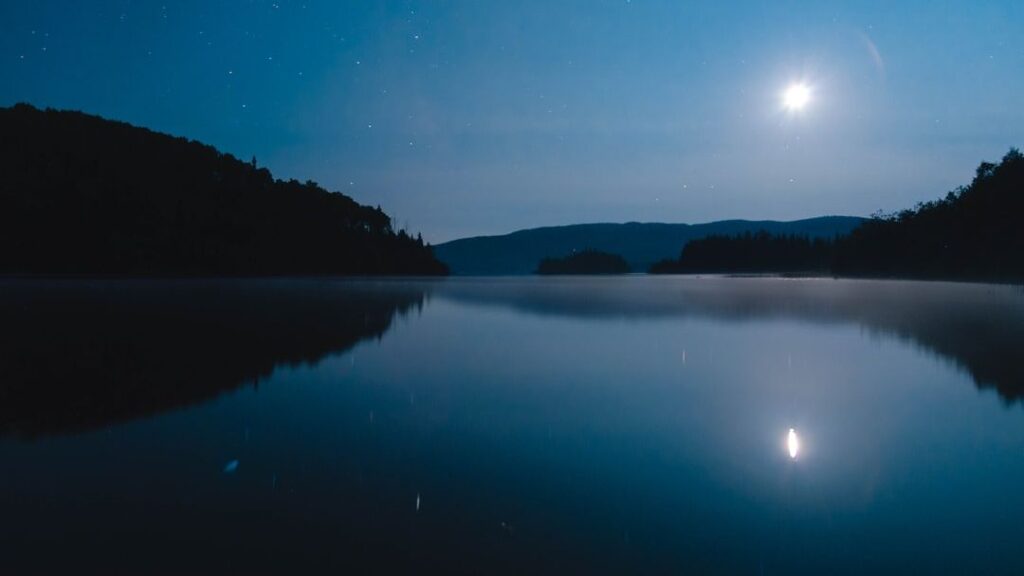
You do not look at Lake Superior the way you look at other lakes. You feel it. The air cools a little when you get close, the horizon goes strangely empty, and there’s this quiet sense that you’re standing at the edge of something that could swallow whole cities and barely notice. Locals will tell you they respect it, but if you listen carefully, you’ll hear a different word slip out more often than not: fear. When warnings start circling that people should stay indoors after dark, especially around a lake that already has a reputation for never giving up its dead, your imagination runs wild. Is it just another storm, or is something old and unseen finally pushing up from those black depths? As you look closer at what Lake Superior is “releasing,” you find a mix of cold science, tragic reality, and deep-rooted folklore that all agree on one thing: you are not in charge here, and after sunset, the lake makes its own rules.
The “Zombie Fish” Rising From the Deep
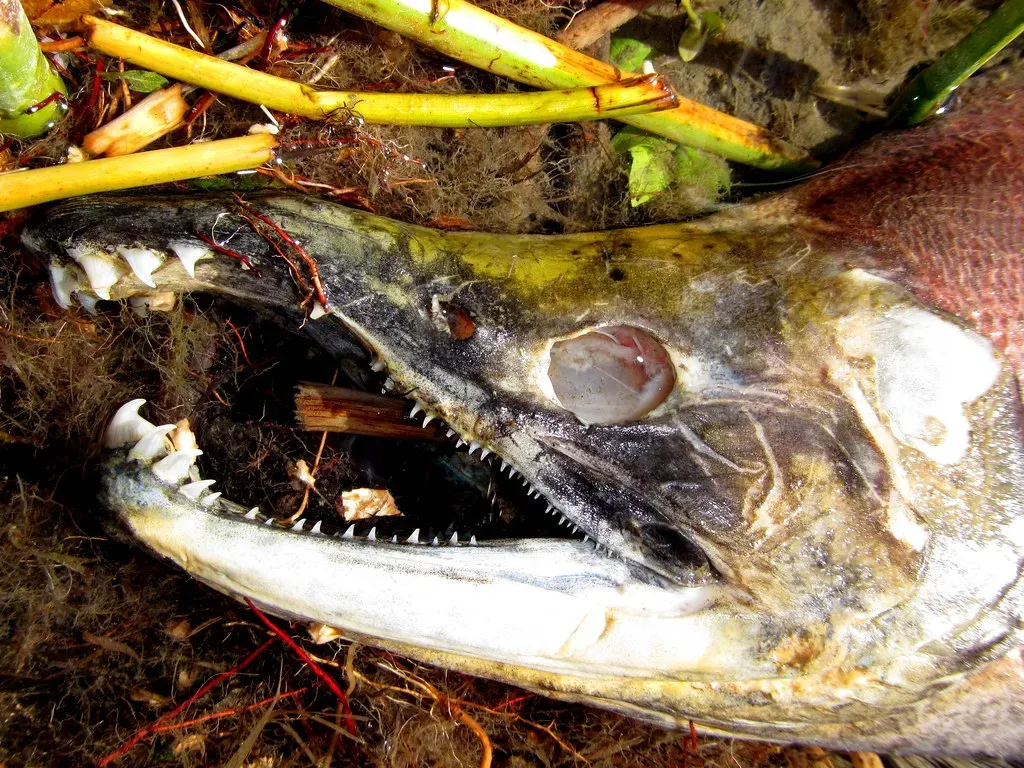
You would not expect the first “thing” surfacing from Lake Superior’s depths to look like something out of a low-budget horror movie, but that’s exactly how people describe the so‑called zombie fish. Researchers pulling nets from the deepest parts of the lake have been hauling up emaciated lake trout that look half‑starved, hollow‑eyed, and disturbingly skeletal, even though they are still alive. These trout, especially the deep‑water, fatty subspecies called siscowet, are turning up with bodies so thin they weigh roughly about half what a healthy fish should, their flesh shrunken over bone like something dragged up from a famine. ([outdoorlife.com](https://www.outdoorlife.com/conservation/zombie-lake-trout/?utm_source=openai))
For you, that means Lake Superior really is releasing something from its depths, but not in the way campfire stories would have you picture it. Scientists do not yet know why this is happening, and that uncertainty alone is unnerving. They wonder if the fish are starving in the deepest basins, if the food web is shifting, or if something has changed in the lake’s balance that you cannot see from shore. ([glc.org](https://www.glc.org/dailynews/20260424-superior-zombie-fish/?utm_source=openai)) You stand on the beach at dusk and realize that thousands of feet below your feet, entire populations of fish are silently wasting away, hinting at a deeper disturbance that has not yet fully reached the surface – or the people who depend on the lake.
Why Warnings After Dark Feel So Different Here
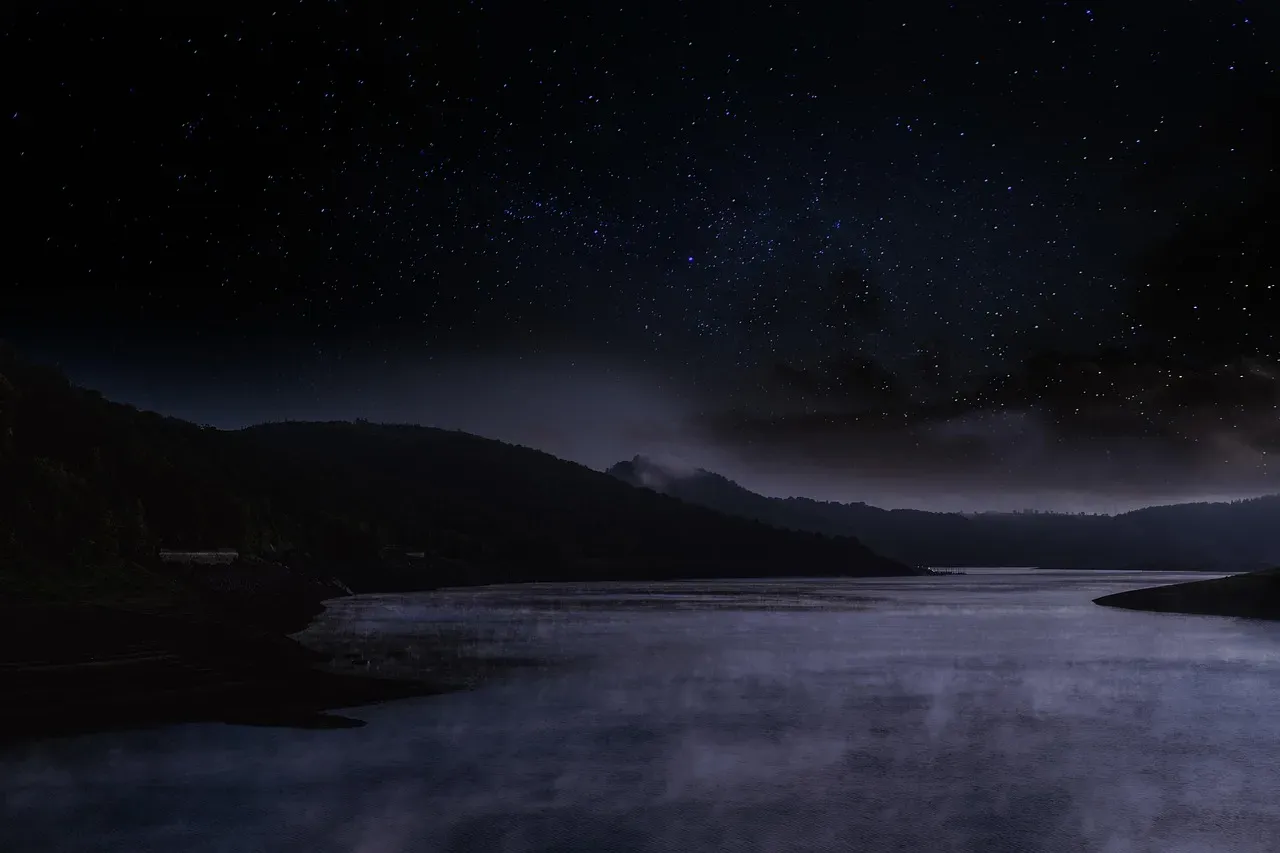
When someone tells you to stay indoors after dark in a city, you probably think about crime or maybe a storm rolling in. Around Lake Superior, the same warning sounds heavier, almost ancestral. The lake’s sheer size and depth create conditions that can flip from calm to deadly faster than you can adjust your eyes to the dark. Rogue waves, sudden squalls, and powerful rip currents can sweep you off a rock or pier before you even register the danger, especially when visibility drops. Local signs and advisories, sometimes put up after fatal incidents, are not dramatic decorations; they are blunt reminders that the lake does not negotiate. ([cbsnews.com](https://www.cbsnews.com/detroit/news/upper-peninsula-man-drowns-lake-superior/?intcid=CNR-01-0623&utm_source=openai))
At night, your risk multiplies quietly. You cannot see changing wave patterns, you lose track of where the drops and ledges are, and if you fall into Superior’s frigid water, shock sets in fast. The lake’s water is so cold at depth that it slows decay and gas buildup in drowning victims, which is why people say the lake never gives up her dead. ([reddit.com](https://www.reddit.com/r/GreatLakesShipping/comments/1djc39r?utm_source=openai)) Warnings to stay inside after dark are not about monsters slithering out of the abyss; they are about knowing that once the light goes, your chances of surviving a mistake out there shrink to almost nothing, no matter how strong or experienced you think you are.
The Depths That Almost No One Has Seen
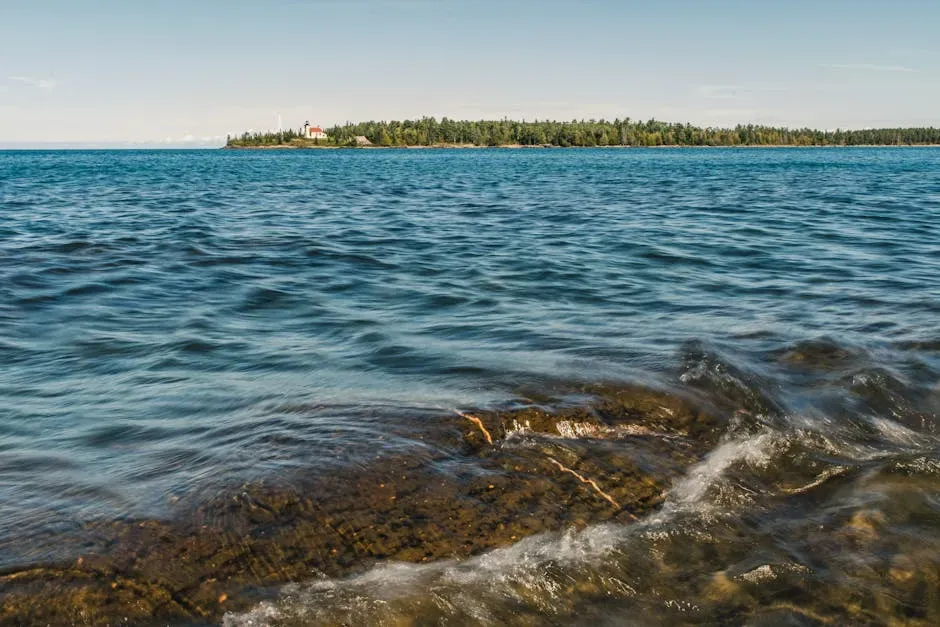
When you picture a lake, you probably imagine something you could swim across if you were really determined. Lake Superior laughs at that idea. Its deepest point plunges well over a thousand feet down, a pressure‑crushed, sunless zone where only specialized life survives and where human eyes almost never go except through robotic cameras and occasional deep technical dives. New exploration projects continue to target these abyssal areas because so much of what lies on the bottom is still uncharted or poorly understood, from unique ecosystems to untouched wrecks. ([reddit.com](https://www.reddit.com/r/Lake_Superior/comments/1twvc3v/superior_maximus_lake_superiors_deepest_point/?utm_source=openai))
For you, that means most of what Lake Superior is “releasing” into headlines – mysterious fish conditions, strange currents, odd sonar returns – originates in a world that might as well be another planet. Those depths stay near freezing year‑round, with almost no light and extreme pressure, preserving metals, wood, and even bodies in an eerie state you do not typically see in shallower lakes. Divers and researchers describe it as stepping into a graveyard where time has mostly stopped. When night falls on the surface, you are simply sharing the darkness that reigns all the time below, and that thought can make the shoreline feel suddenly thinner and more fragile than you want to admit.
Shipwrecks, Ghost Stories, and a Lake That Eats Steel
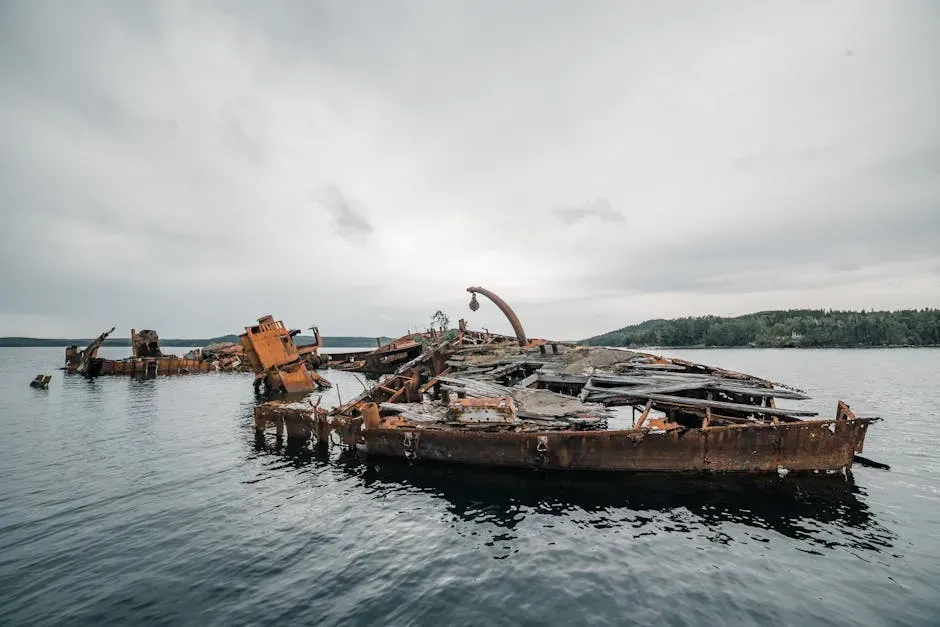
You cannot separate Lake Superior from its shipwrecks; they are part of the lake’s identity as surely as its icy waves. Hundreds of ships have gone down in these waters over the centuries, some during legendary storms that still echo in songs and memorials. When modern expeditions send cameras down to document wrecks, you see freighters and steamers sitting eerily upright on the bottom, cargo still loaded, railings intact, cabins frozen in time as if the crew might walk back in at any second. ([cbsnews.com](https://www.cbsnews.com/news/video-ship-arlington-sank-with-captain-lake-superior-1940/?utm_source=openai))
For you standing on shore at night, those wrecks are part of what your mind drags up when the wind howls and the waves boom against the rocks. History is literally stacked on the lakebed: lost crews, unanswered questions about captains’ decisions, ships that vanished without distress calls. Locals spin ghost‑ship stories because, in a place where intact hulls can sit almost perfectly preserved for generations, it is not hard to imagine their silhouettes rising with the fog. Even if you do not believe in haunted freighters, you feel the weight of all those steel skeletons under your feet, and you understand why people talk about the lake like it’s alive and still hungry. ([irp-cdn.multiscreensite.com](https://irp-cdn.multiscreensite.com/b503dd33/files/uploaded/19896751.pdf?utm_source=openai))
Indigenous Legends and the Spirits of the Water
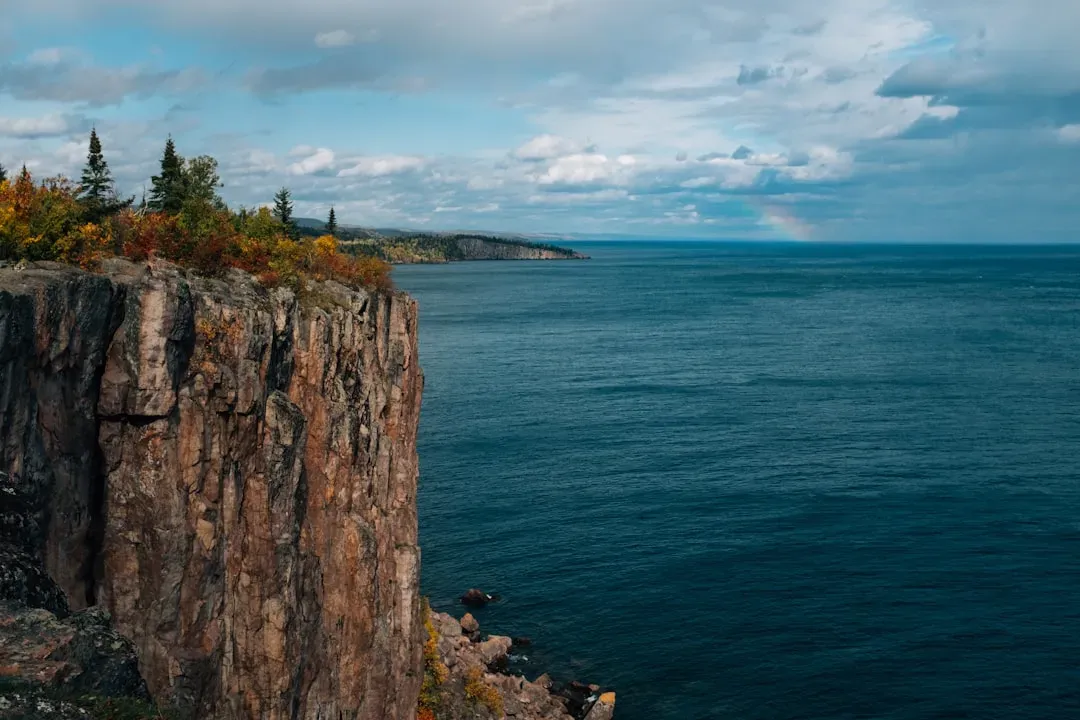
Long before shipping lanes, sonar, or scientific surveys, Indigenous peoples around Superior were already warning each other about what lived beneath those waves. You hear stories of powerful water spirits, stone figures that were once living guardians, and deep forces that punish greed or disrespect. These legends are not cute tourist tales; they are moral maps, teaching you how to behave around a body of water that can turn deadly in minutes. When you hear that locals quietly advise visitors not to wander the shore alone at night, especially during storms, you are hearing today’s version of those older warnings. ([lakesuperiorcircletour.info](https://lakesuperiorcircletour.info/myths-and-mysteries-of-lake-superior/?utm_source=openai))
If you let yourself, you can feel how those stories layer over the modern lake. The zombie fish, the preserved shipwrecks, the sudden drownings – they all slide neatly into a narrative where something in the water keeps score. You do not have to literally believe in giant spirits or cursed rocks to understand the emotional truth in the legends: this is not a place that forgives carelessness. When you stand under a moonless sky, the black line of the lake blending into the black of the horizon, it is easy to understand why earlier cultures framed Superior as a being with moods, grudges, and a very long memory.
The Very Real Dangers Lurking After Sunset
When you peel away the myths and the spooky campfire stories, you are still left with a list of concrete reasons to treat Superior’s shoreline after dark like a dangerous workplace, not a playground. Cold shock, for one, can hit you in seconds if you fall in, triggering gasping, panic, and rapid loss of muscle control long before hypothermia technically sets in. Combine that with rip currents, high waves, and hidden drop‑offs, and you get a perfect trap where even strong swimmers can vanish quickly. Local death reports – from students who went through weak ice to adults swept off shorelines – tell the same blunt story: once you are in that water unexpectedly, your odds drop fast. ([cbsnews.com](https://www.cbsnews.com/detroit/news/upper-peninsula-man-drowns-lake-superior/?intcid=CNR-01-0623&utm_source=openai))
Darkness magnifies every one of those risks. You cannot see where the ice thins, where the rocks turn slick, or when a wave is larger than the rest until it is already on top of you. Rescue becomes harder too; searchers cannot easily spot a head in churning black water, and the cold buys them very little time. When public safety officials or seasoned locals say you should stay indoors or well back from the shore at night during storms, surges, or strange conditions, they are not fearmongering – they are passing on hard lessons paid for in lives. If you take those warnings personally, as if the lake is somehow daring you, you are exactly the kind of person Superior is most likely to claim.
Science, Mystery, and What We Still Do Not Know
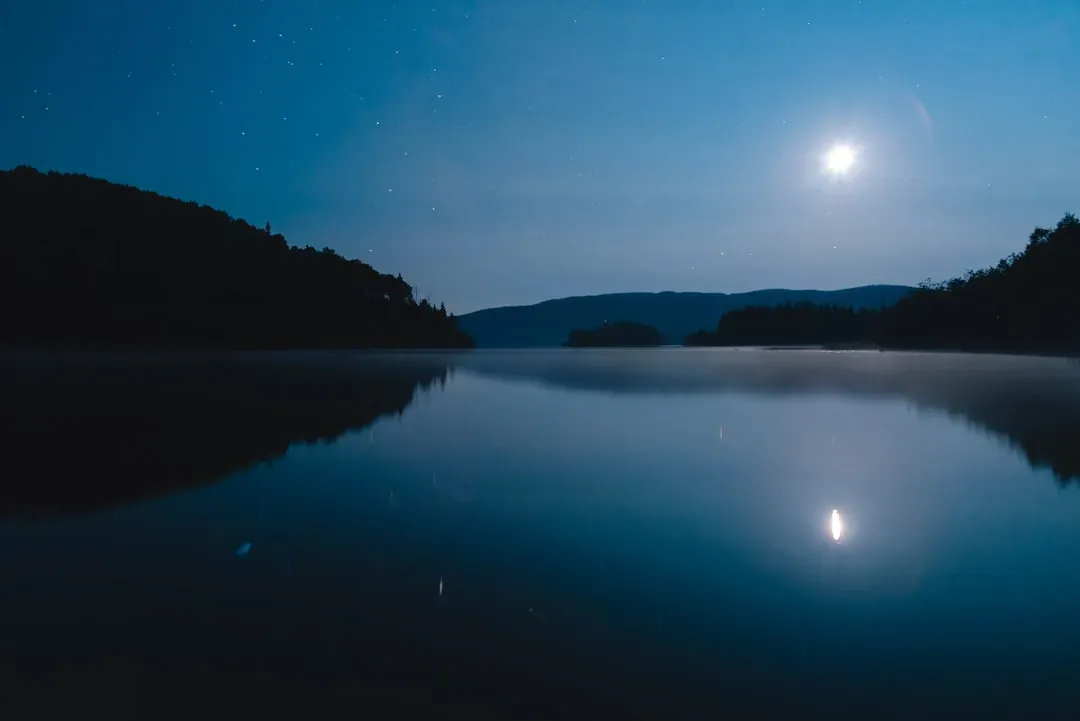
Even in 2026, you live in a world where satellites map the planet, submarines reach the deepest ocean trenches, and yet a huge freshwater lake in North America still holds big secrets. Scientists are only beginning to understand the complex circulation patterns, nutrient flows, and deep‑water ecosystems that keep Superior running. The zombie trout puzzle is just one example: is it a short‑term food crash, a symptom of climate‑driven change, or a sign of something else entirely happening far below where the sun reaches? For now, they do not have a clear answer, and that honest uncertainty is more unsettling than any made‑up monster. ([outdoorlife.com](https://www.outdoorlife.com/conservation/zombie-lake-trout/?utm_source=openai))
On top of the biological mysteries, you have strange lights, odd radar returns, and decades‑old stories of unexplained phenomena on and around the lake that still fascinate researchers and storytellers. ([poddtoppen.se](https://poddtoppen.se/podcast/1758217965/unexplained-phenomena-daily/mysterious-lake-superior-light-continues-to-baffle-researchers-decades-later?utm_source=openai)) As technology improves, more projects are launching live dives, high‑resolution scans, and interdisciplinary studies to pry open Superior’s secrets. But every new answer seems to raise a fresh question, and that is the part you should pay attention to. When a place remains this hard to fully explain, especially one that already kills quickly and preserves what it takes, you are wise to move through its orbit with caution – day and especially night.
How You Can Respect the Lake Without Fearing It
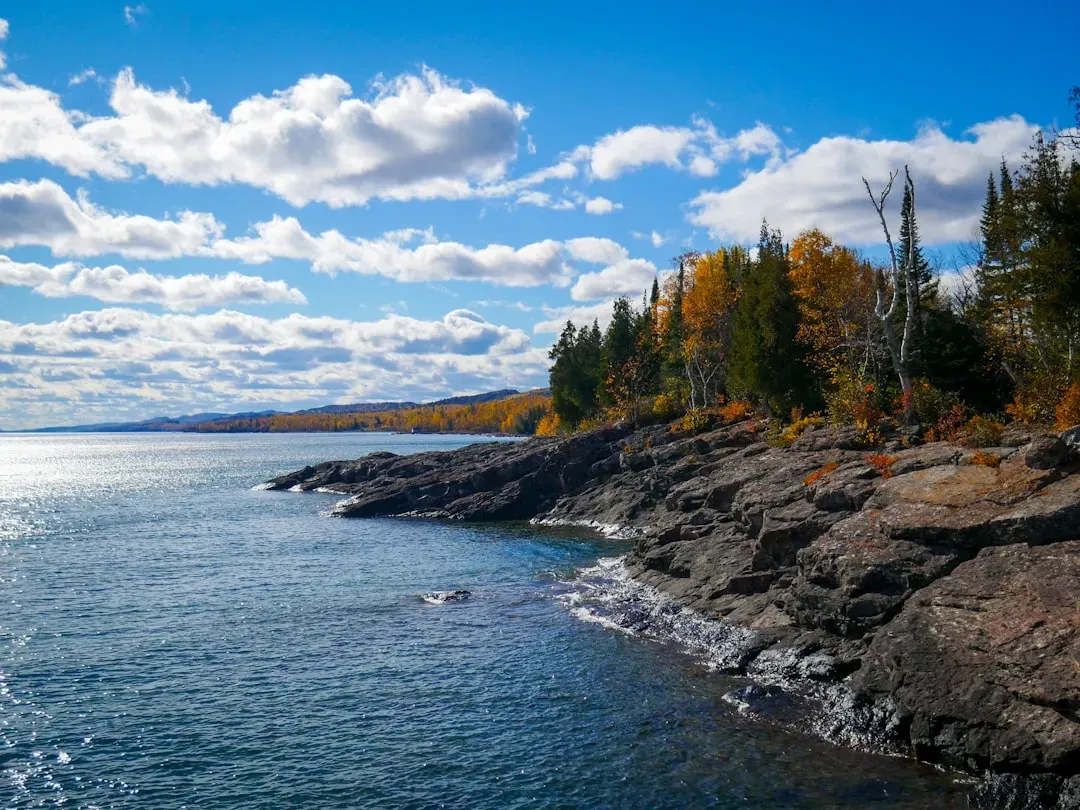
All of this might make you want to avoid Lake Superior completely, but you do not have to run from it to stay safe; you just have to treat it like the powerful, unpredictable system it is. That starts with listening to local advice, reading posted warnings, and not assuming that your experience on smaller lakes or oceans automatically carries over. Check wave conditions, wind forecasts, and cold‑water safety tips before you go out, and set firm personal rules about not walking breakwalls, isolated beaches, or icy shorelines after dark, no matter how tempting a late‑night photo or quiet moment might feel. ([mprnews.org](https://www.mprnews.org/story/2024/06/08/taconite-ship-in-lake-superior-is-correcting-after-taking-on-water?utm_source=openai))
On a more personal level, you can let the lake change how you think about nature and your place in it. Standing at the edge of Superior, knowing there are zombie fish rising from depths you will never see and shipwrecks resting silently below, you are forced to admit that you do not have everything figured out. There is humility in that, and a kind of peace too. You learn to enjoy the beauty without trying to own it, to share the shoreline without pushing your luck, and to accept that some forces are meant to be observed from a safe distance – especially after the sun goes down.
Conclusion: What the Lake Is Really Releasing
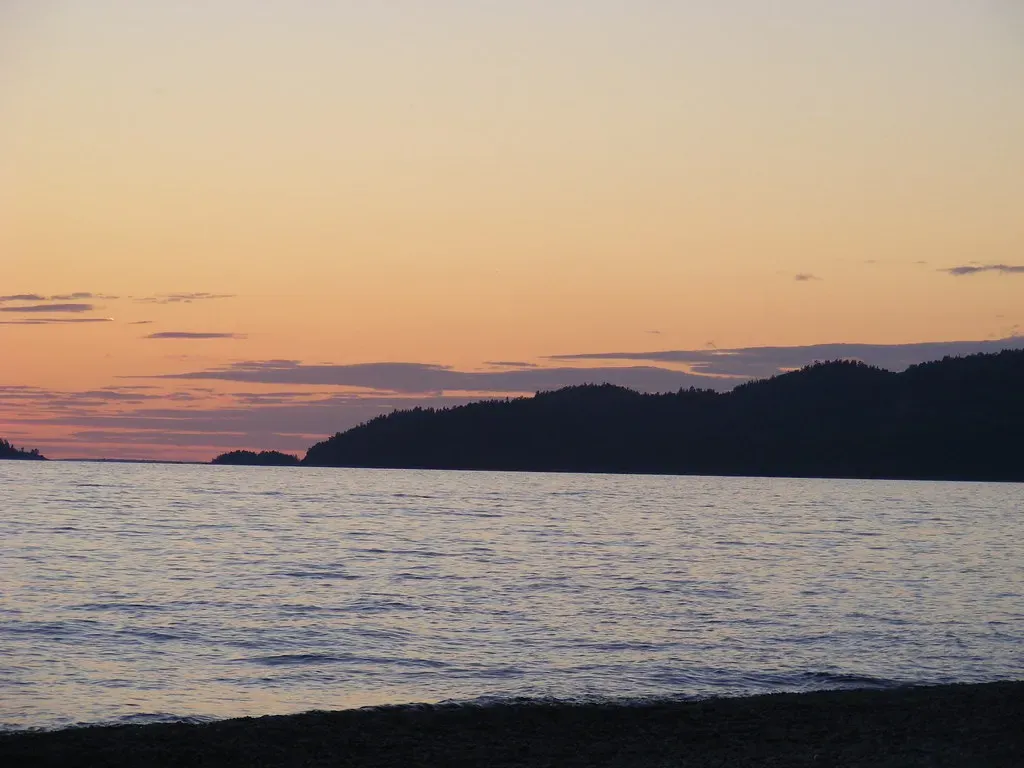
When you hear that Lake Superior is releasing something from its depths and that locals are being warned to stay indoors after dark, your mind may jump to creatures, curses, or cinematic nightmares. What you actually find is stranger in its own low‑key way: a vast, cold engine of water quietly reshaping its own life, from starving fish to shifting currents, while cradling shipwrecks, legends, and human tragedies in the dark. The things coming up now – the zombie trout, the new wreck footage, the fresh data from deep dives – are reminders that the lake is alive in ways you cannot always see and cannot fully predict. ([outdoorlife.com](https://www.outdoorlife.com/conservation/zombie-lake-trout/?utm_source=openai))
For you, the real warning is not about monsters crawling onto the shore at night; it is about respecting a place that does not care whether you understand it before it takes you. If you listen to the old stories, the new science, and the quiet, practical wisdom of people who live along these shores, you can still stand in awe of Superior without becoming part of its long memory. The question that lingers is simple and uncomfortably personal: the next time the sky goes dark and the waves start to roar, will you see those warnings as superstition – or as your last chance to step back?