If you have ever stood on a boardwalk at Yellowstone and watched a geyser erupt, you have literally been standing on one of the most closely watched volcanoes on Earth. Now imagine learning that the ground under your feet has shifted about four inches in a matter of months. It sounds dramatic, and in some ways it is – but what it actually means for you is more complicated, more fascinating, and a lot less Hollywood disaster movie than your imagination might suggest.
You are living in a time when scientists can track millimeter-level changes in the crust above Yellowstone’s magma systems using GPS, satellites, and ultra-sensitive instruments. So when you hear that the ground has moved several inches and that officials are quietly reviewing evacuation routes, it is natural to picture panic behind the scenes. The reality is that this kind of movement is exactly why experts are there: not to sound alarms at every twitch, but to separate normal volcanic breathing from genuine warning signs – and to make sure that, if something ever did change fast, you would not be hearing about evacuation plans for the first time on the day you need them.
Why Yellowstone Moves – And Why A Few Inches Matter To You
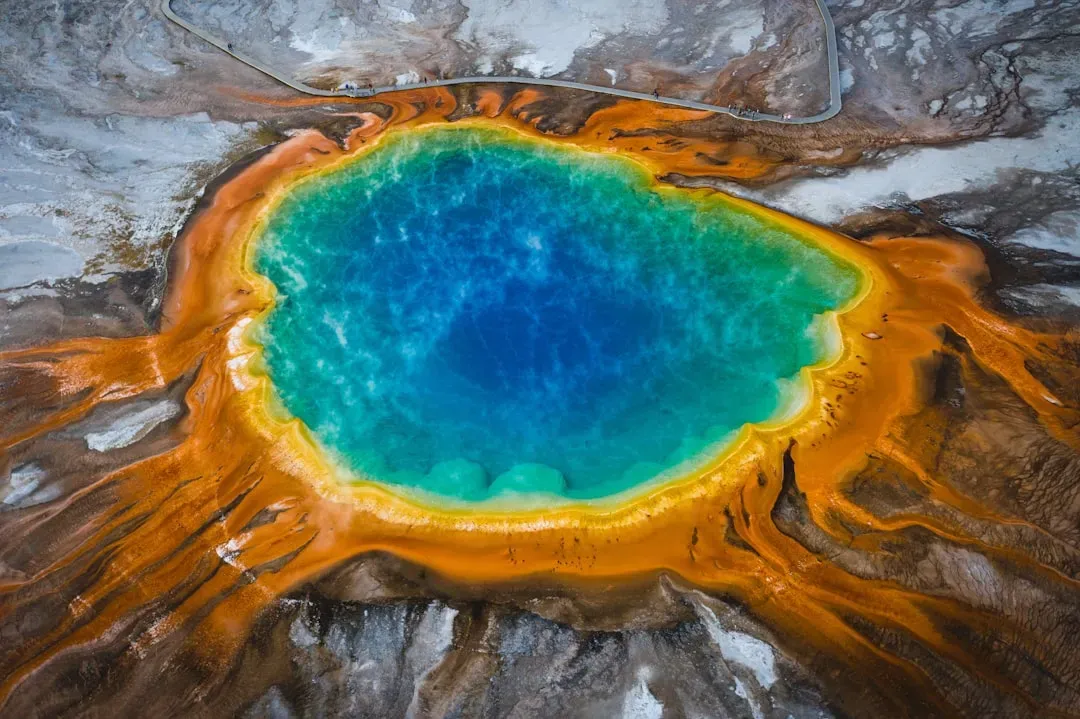
You might think of solid ground as, well, solid, but above a massive volcanic system like Yellowstone, the Earth’s surface is more like a slow-moving, breathing mattress. Heat and fluids from deep below expand and contract rock, hot water circulates through fractures, and pockets of magma or gas press upward and then relax. Over time, that energy makes the ground rise and fall by inches, sometimes more than a foot over several years, then sink back down again. When you hear that an area has shifted four inches, you are really hearing that the system is continuing its long, restless pattern.
For you, the important question is not whether the ground has moved at all, but how it moves and what it moves with. A measured, gradual uplift over months, without sharp spikes in earthquakes or changes in gas emissions, usually points to natural pressurization and depressurization of fluids, not an imminent eruption. Think of it like a sleeping giant rolling over in bed: noticeable, impressive, even unnerving when you see the numbers on a graph, but not the same as the giant jumping to its feet. Those four inches matter as data points in a long record, not as a doomsday countdown.
How Scientists Know The Ground Shifted Four Inches
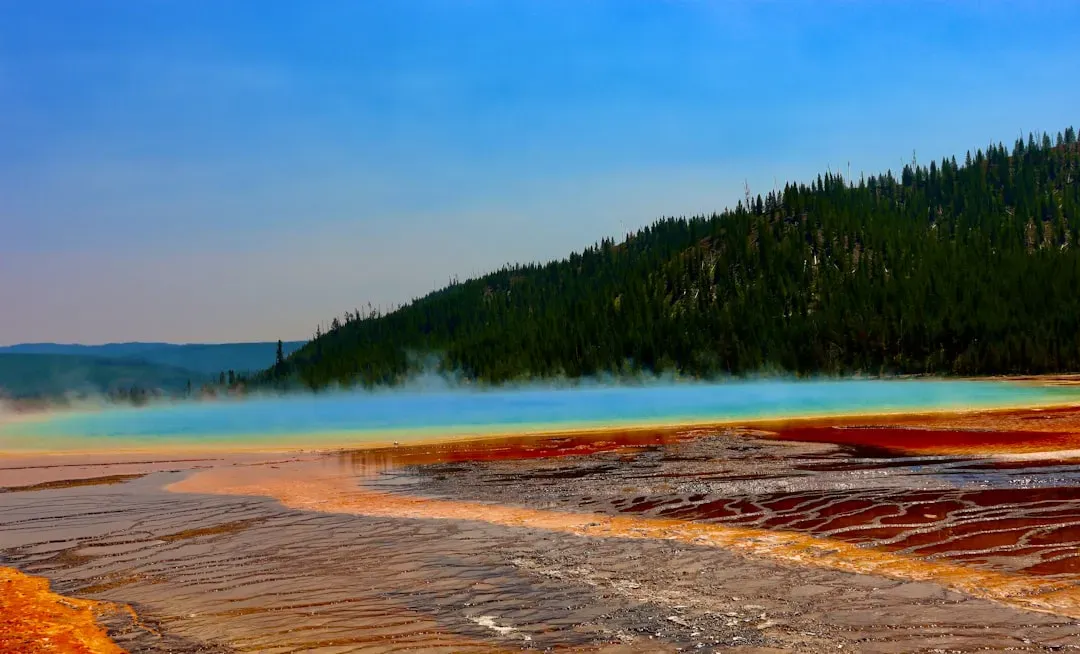
You may not realize it when you drive into Yellowstone, but you are entering one of the most intensely instrumented landscapes in the world. There are permanent GPS stations anchored into bedrock that constantly beam back their exact positions, down to tiny fractions of an inch. Over time, scientists watch those dots creep up, down, and sideways on their screens. When they say the ground has shifted four inches, they are not guessing; they are comparing precise measurements over days, weeks, and years and seeing a clear trend in the data.
On top of that, satellites from space bounce radar signals off the ground and track subtle changes in elevation using a technique you never see but constantly benefit from. When you combine ground-based instruments with satellite views, you get a kind of time-lapse movie of Yellowstone’s slow motion breathing. For you, that means the number – four inches – is not a rumor or a one-off reading. It is the kind of shift that has shown up in multiple independent systems, checked and rechecked by people whose job is to be suspicious of their own instruments before they ever speak publicly.
What “Supervolcano” Really Means For Your Risk
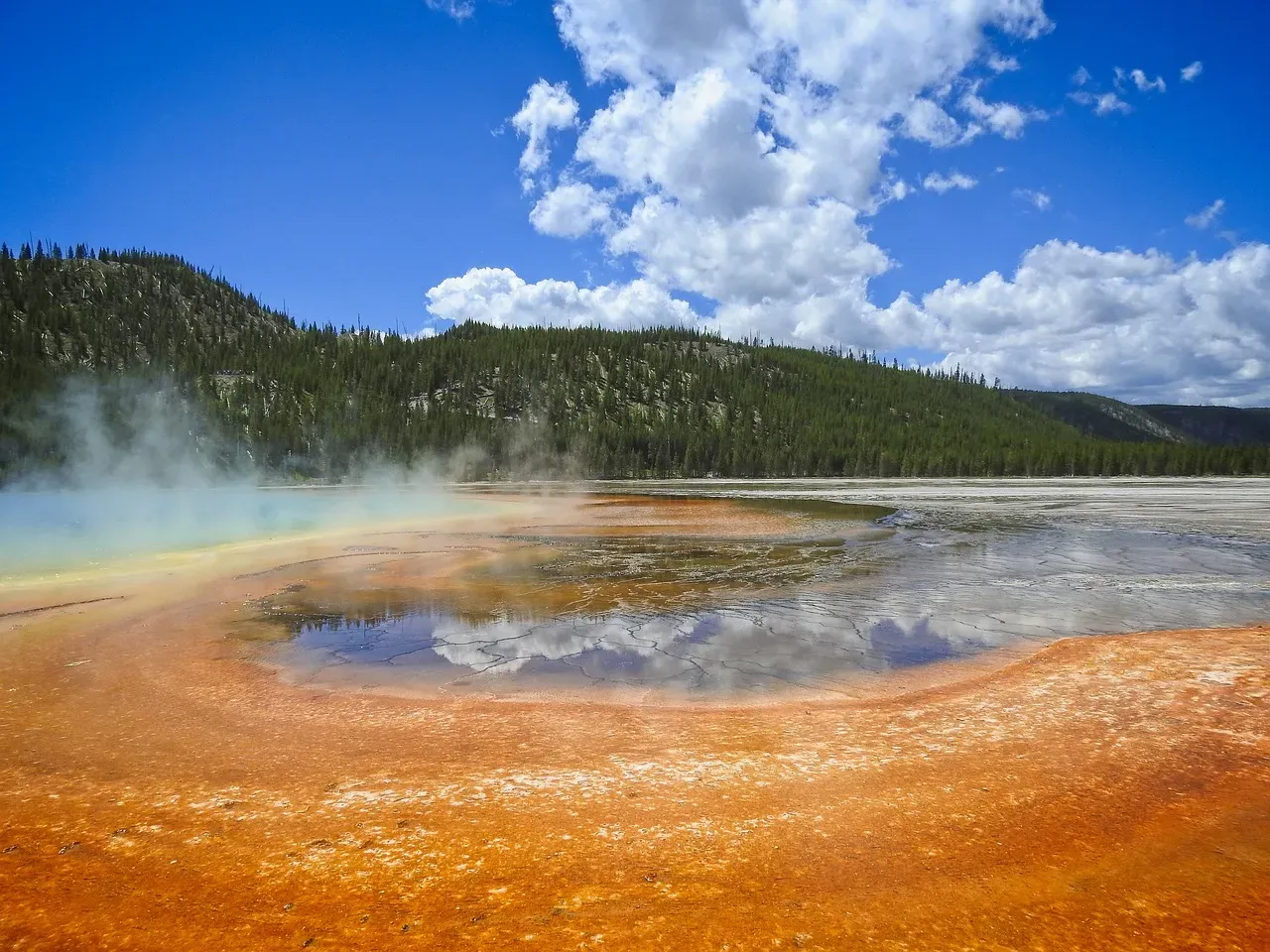
When you hear the word “supervolcano,” your brain probably jumps straight to world-ending explosions and ash-darkened skies. Yellowstone is indeed capable, in geologic terms, of eruptions far larger than anything in recorded human history. But your personal risk today is shaped far more by what Yellowstone usually does than by what it could theoretically do in a worst-case scenario. For the vast majority of its recent life, the system has produced smaller lava flows and hydrothermal explosions rather than catastrophic caldera-forming blasts.
If you visit the park, the realistic concerns you face are overwhelmingly ordinary: road conditions, wildlife encounters, or getting too close to boiling hot springs, not an apocalyptic eruption. The term “supervolcano” describes the scale of its biggest past events, not a label that means it is constantly on the verge of blowing. For you, the smart way to think about Yellowstone is like you would think about flying in a jet: powerful potential energy, rigorously monitored systems, and a remote chance of a rare, very serious event that experts are actively working to detect long before it becomes a real threat.
How Park Officials Quietly Plan Evacuation Routes
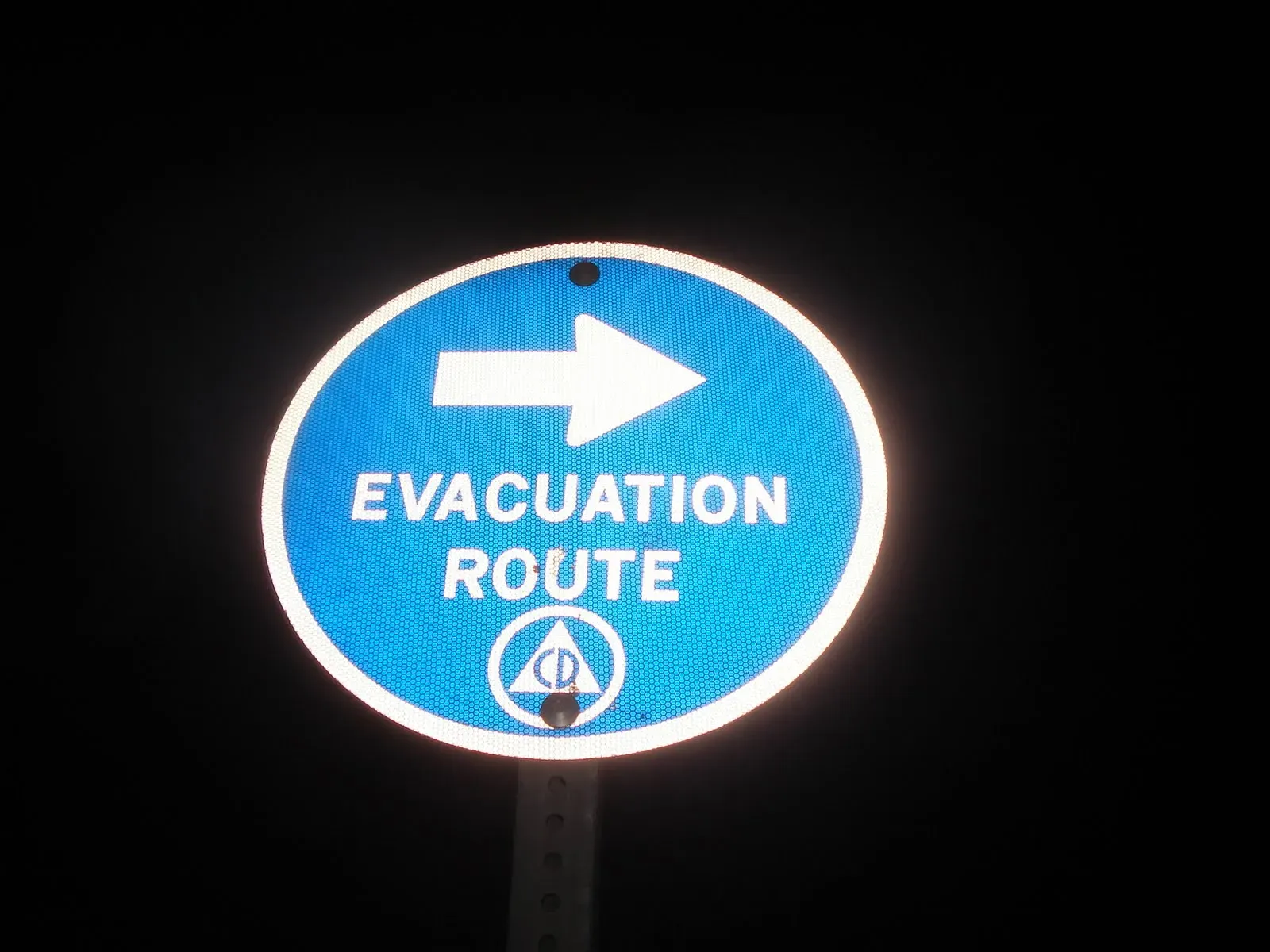
When you see a headline about officials quietly preparing evacuation routes, it can sound like something secretive or alarming. In reality, you are looking at the normal, responsible behavior of people whose job is to protect millions of visitors each year in a wild, geologically active place. Emergency planners regularly review maps, traffic patterns, and seasonal visitation numbers to ask a simple question: if we needed to move people out of here in a hurry, could we do it? Those conversations are happening even on calm days when geysers behave normally and the ground is not doing anything unusual.
For you, that planning translates into practical details you may barely notice: well-marked roads, clear signage, established gathering points, and coordination with nearby communities. Evacuation plans are not written once and put on a shelf; they are updated as roads are improved, new data comes in, and visitor numbers change. When ground shifts by several inches, it naturally prompts fresh reviews of those plans, not because an eruption is expected next week, but because professionals treat every significant change as an opportunity to sharpen the playbook before they ever need to use it.
What A Real Yellowstone Warning Would Look Like To You
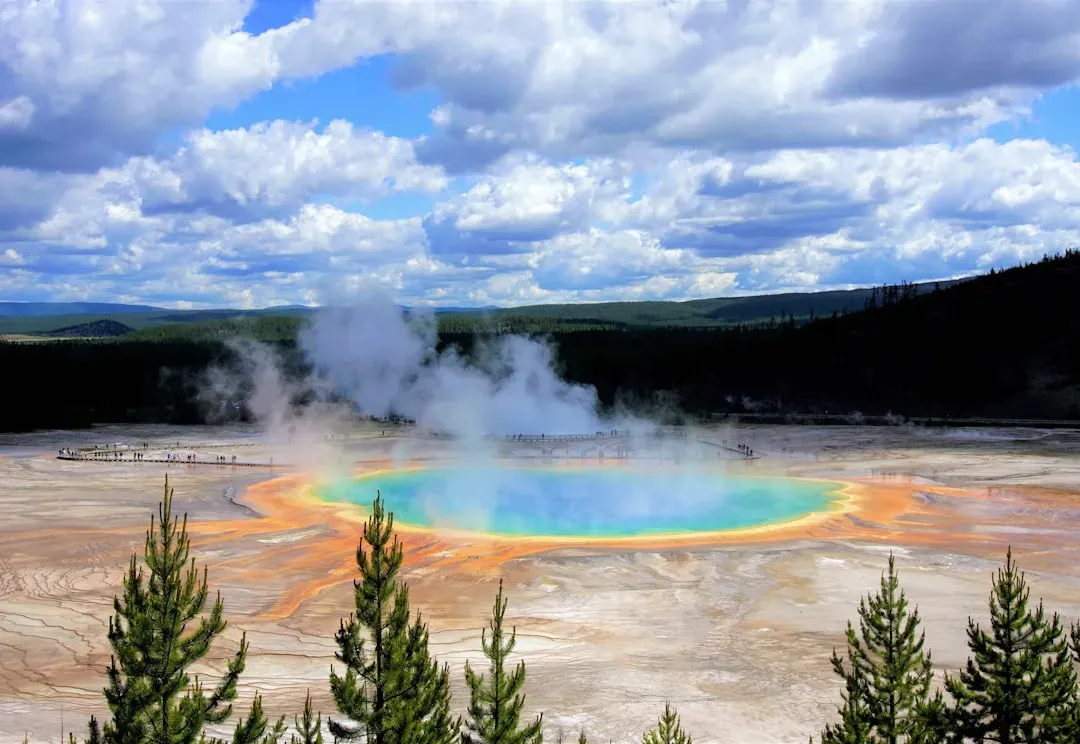
You might worry that a few inches of movement means you would wake up one morning with no warning and find Yellowstone erupting on every news channel. In reality, a large eruption would almost certainly be preceded by a cascade of obvious signals that scientists are trained to recognize. You would see dramatic increases in earthquake activity, with swarms of quakes growing stronger and more frequent over days to months. Instruments would pick up sudden, rapid changes in ground deformation, and gas measurements would show shifts in the balance of volcanic gases leaking out of the system.
For you, the first signs would not be a mysterious silence but the opposite: official updates, news coverage, and park statements that move from routine language to more urgent advisories. Agencies already have communication pipelines to push out information quickly if patterns ever change in a worrying way. You would not be expected to read technical graphs or decode scientific jargon on your own. The whole point of constant monitoring is to make sure that by the time you see a strong public warning, it is backed by layers of evidence, not just a single measurement like a four-inch ground shift.
How You Should Interpret Sensational Headlines
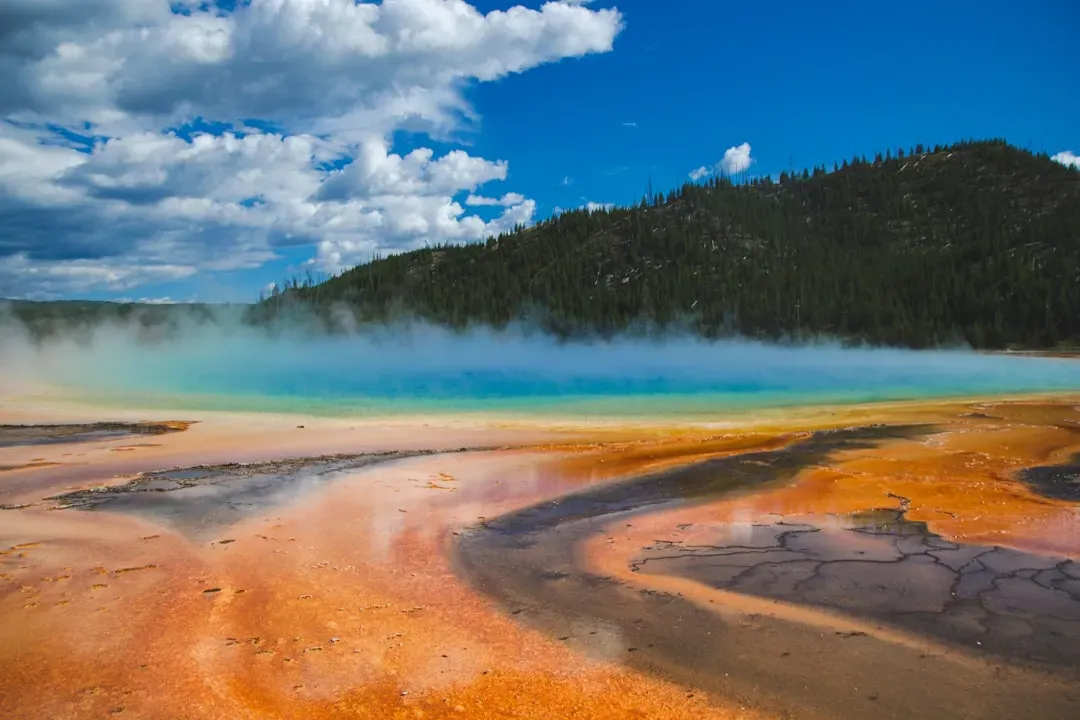
When you read a dramatic headline about Yellowstone shifting and officials preparing routes, your first reaction might be a knot in your stomach. That is understandable, because your brain is wired to overreact to big, scary words and numbers, especially when they involve forces you cannot control. But you can train yourself to pause for a moment and ask a few simple questions: Is this movement part of a long-term pattern? Are scientists reporting unusual earthquake swarms, strange gas changes, or rapid, ongoing uplift? Or is the story zooming in on one data point and framing it in the most dramatic possible way?
For you, a grounded approach means treating those headlines as invitations to learn, not instructions to panic. You can look for official updates from monitoring agencies, check what experts actually say instead of how their comments are summarized, and compare current behavior to past episodes of uplift and subsidence. Often, you will find that similar or even larger changes have happened before without leading to eruptions. That does not mean you should ignore new information; it means you should give it context, the same way you would judge your own health by looking at trends and checkups instead of a single out-of-context blood pressure reading.
If You Visit Yellowstone Now, What Should You Actually Do?
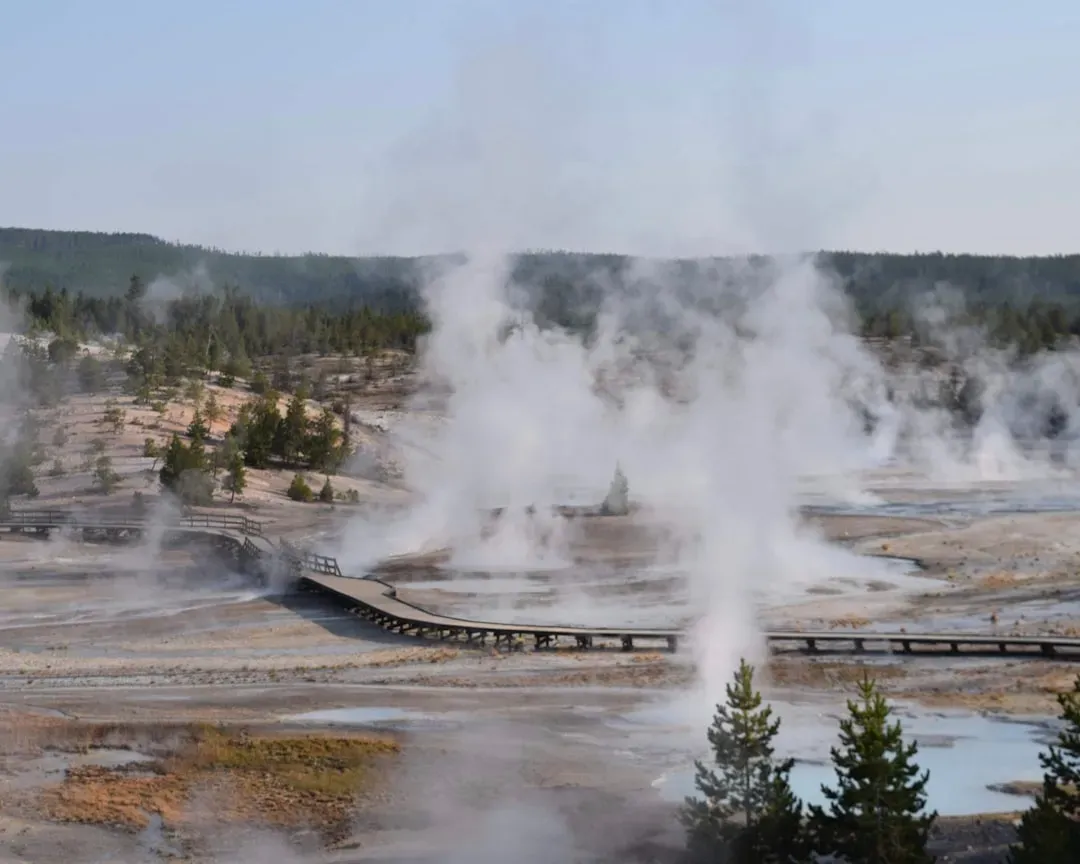
If you decide to visit Yellowstone after hearing about ground movement, you do not need to pack a disaster bunker in your trunk. What you actually need is the same common sense you would bring to any national park, plus a little extra curiosity about the ground beneath your feet. You can stay informed by checking recent updates from park authorities before you go, and during your visit, pay attention to any posted notices or temporary closures. Those signs are there because people who know the area are constantly reassessing conditions, from hydrothermal hazards to road damage.
On a personal level, your best move is to treat Yellowstone like a powerful piece of machinery you are allowed to walk around in. You would not touch exposed wires in a power plant, and you should not step off boardwalks or approach hot springs or geysers just for a better photo. You are walking over thin crust in many areas, and the danger from that is far more immediate than any far-off eruption scenario. By following rules and staying alert, you turn your trip from a background anxiety about supervolcanoes into a front-row experience of Earth’s energy that most people only ever see in documentaries.
Why Constant Preparedness Is A Good Thing For You
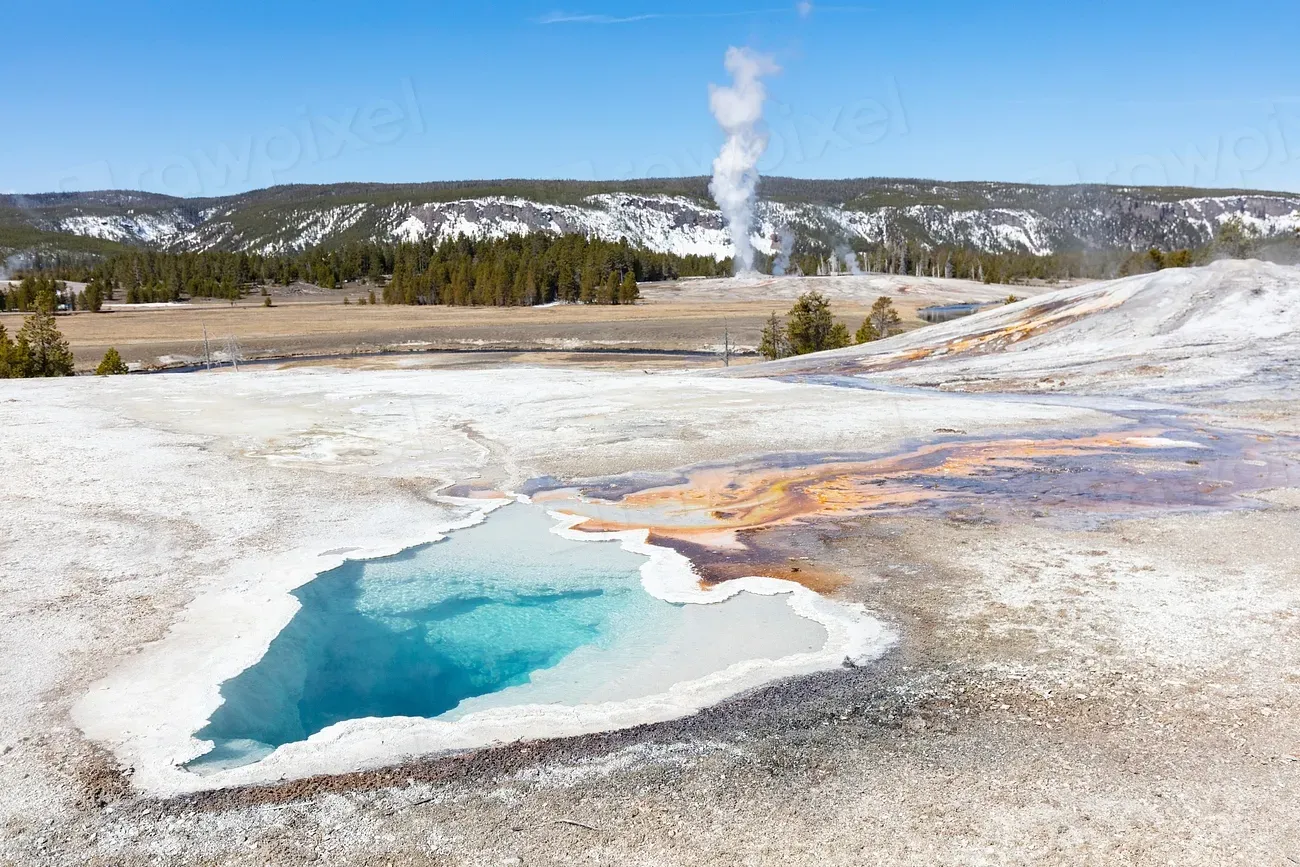
Hearing that officials are quietly preparing or updating evacuation routes might sound ominous at first, as if they know something you do not. In truth, it is exactly what you should want in any high-risk environment, whether it is a coastal city facing hurricanes or a region above an active volcanic system. Preparedness means that people are running drills, checking communication systems, and thinking through worst-case scenarios so that you do not have to improvise your own plan in the middle of a crisis. It is less a sign of looming danger and more a sign of mature risk management.
For you, this mindset is worth adopting in your own life. Just as Yellowstone planners think through what might happen if a road is blocked or a valley fills with ash, you can think about your own local risks: wildfires, floods, storms, or even extended power outages. Having your own simple plan and supplies does not mean you expect disaster; it means you are taking the same calm, professional approach that is being applied at Yellowstone. In that sense, the park’s ongoing preparation is not just about one supervolcano; it is a quiet reminder that resilient systems – and resilient people – are built long before anything goes wrong.
Conclusion: Living With A Giant Under Your Feet
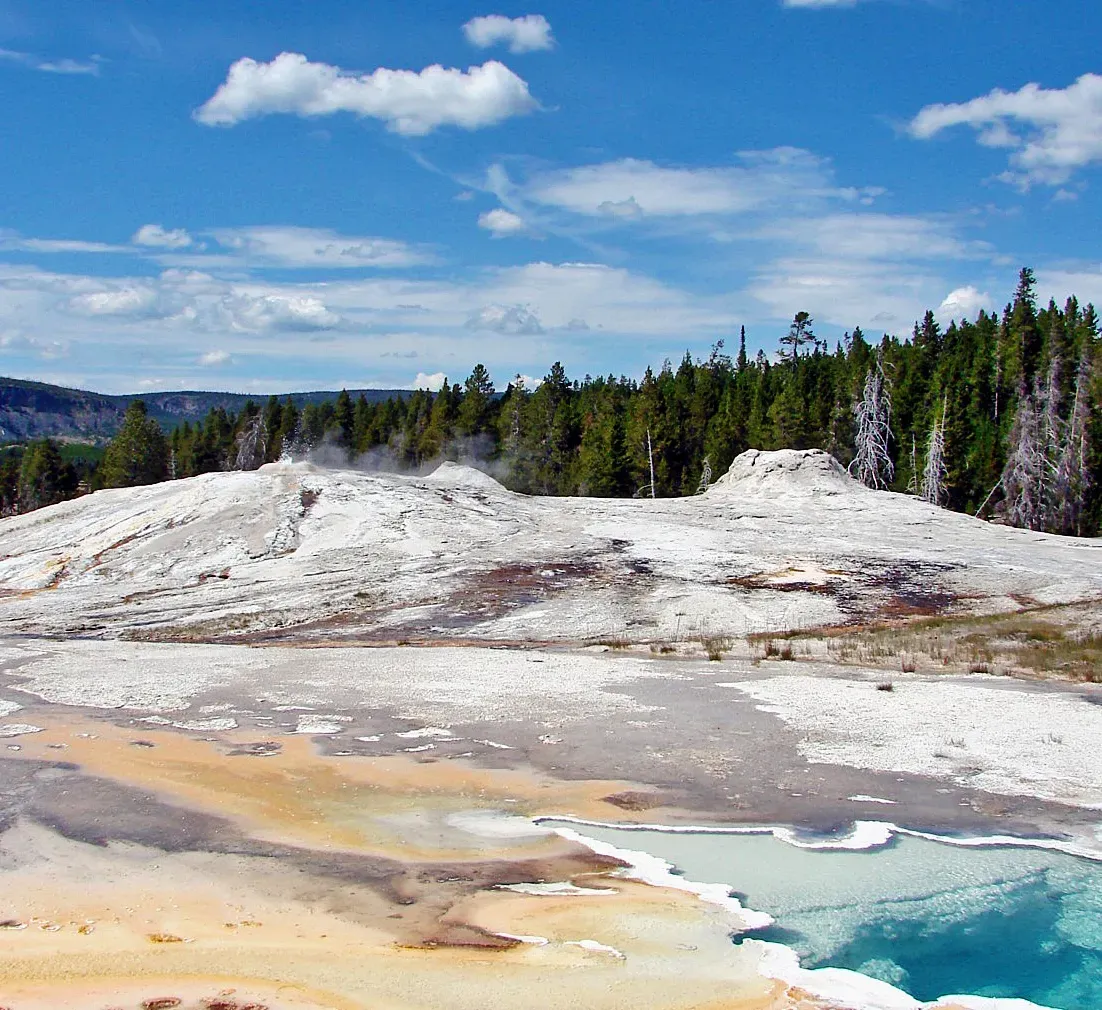
When you step back from the scary words and the striking number of a four-inch shift, you see a more nuanced picture: you are sharing a continent with a vast, slowly changing volcanic system that scientists watch more closely than almost any other. The ground moving a few inches is a reminder that Earth is not a static backdrop but an active planet, constantly reshaping itself on timescales much longer than your daily worries. Instead of treating that as a reason to live in fear, you can treat it as an invitation to understand where you stand in the bigger story of this planet.
For you, the real takeaway is that vigilance and calm can coexist. Yellowstone’s monitoring networks, preparedness plans, and evacuation routes are not signs that disaster is around the corner; they are signs that if nature ever does change the script, people are working to make sure you are not caught off guard. You can stay curious, stay informed, and still plan that road trip or future visit with a clear head. Maybe the better question for you is not whether Yellowstone might erupt someday, but how you want to live knowing that the ground beneath all of us is never truly still – did you expect that?