You are living at a moment when one of Earth’s most iconic ecosystems is effectively crying out through chemistry. Researchers studying the Great Barrier Reef have begun reporting patterns in water chemistry, coral stress compounds, and dissolved substances that look unlike anything they have seen in past records. The phrase “no natural precedent” is not a dramatic headline; it reflects how far conditions now are from what long-term monitoring used to call normal.
That does not mean the reef suddenly flipped a single magic switch or released one mysterious new chemical overnight. Instead, you are seeing a collision of familiar molecules, extreme conditions, and human-made pressures combine in ways that have not shown up together before in the scientific record. To make sense of what that really means, you need to unpack both what is known and what is still uncertain, and how your choices far from the reef are helping to write its chemical story.
The Reef’s “Voice”: How Corals Use Chemistry To Communicate Stress
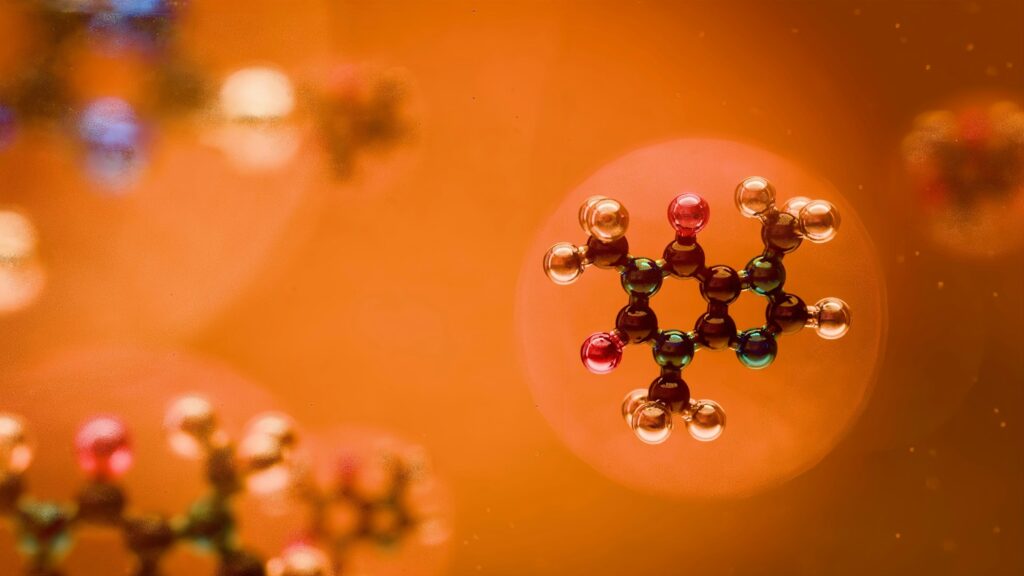
When you think of communication, you probably imagine sound or light, but on a coral reef, chemistry is the main language. Corals, algae, and microbes constantly release tiny compounds into the water that act like whispers about growth, stress, or danger. You can think of these molecules as text messages drifting through the water column, picked up by nearby organisms that change their behavior in response.
Under healthy conditions, this chemical chatter is surprisingly stable over time, with fairly predictable signatures linked to seasons, water temperature, and biological activity. The concern now is that you are seeing unusual spikes and combinations of stress-related compounds, especially during marine heatwaves and mass bleaching events, that break from those long-term patterns. It is as if the usual calm back-and-forth has turned into a flood of distress signals, and that shift is what many researchers are focusing on when they talk about something without natural precedent in the recent record.
What “No Natural Precedent” Actually Means (And What It Doesn’t)
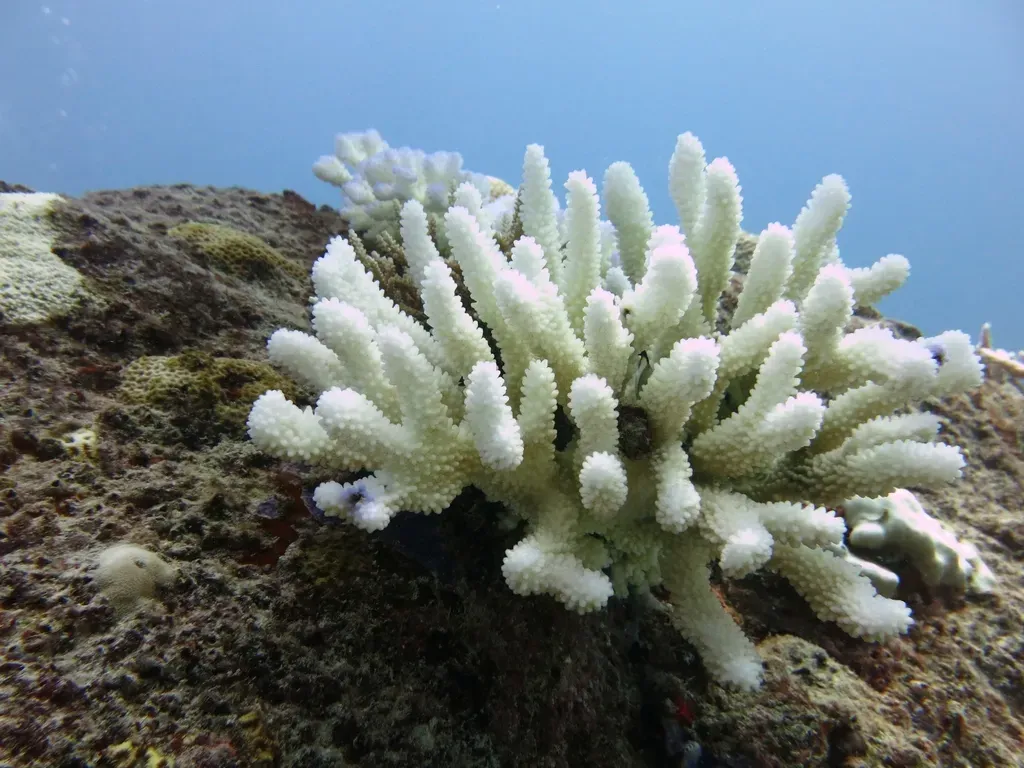
When you hear that something has no natural precedent, it is tempting to imagine a brand-new, never-before-seen chemical appearing out of nowhere. In reality, what you are dealing with is a combination of temperature extremes, acidification, pollution, and biology that pushes existing chemical processes into a range scientists have not documented in long-term records of the reef. The molecules themselves may not be alien, but the intensity, timing, and overlap of their signals are.
That distinction matters for how you interpret the headlines. You are not looking at proof that the reef has crossed a single irreversible line, or that scientists fully understand every molecule drifting in the water. Instead, you are seeing mounting evidence that the environmental conditions driving this chemistry are strongly linked to human activity, especially greenhouse gas emissions and coastal impacts. The phrase “no natural precedent” is really a warning that the reef’s chemistry now reflects pressures far beyond what past climate cycles alone can explain.
Warming Seas, Bleaching Events, And The Chemical Shock To Corals
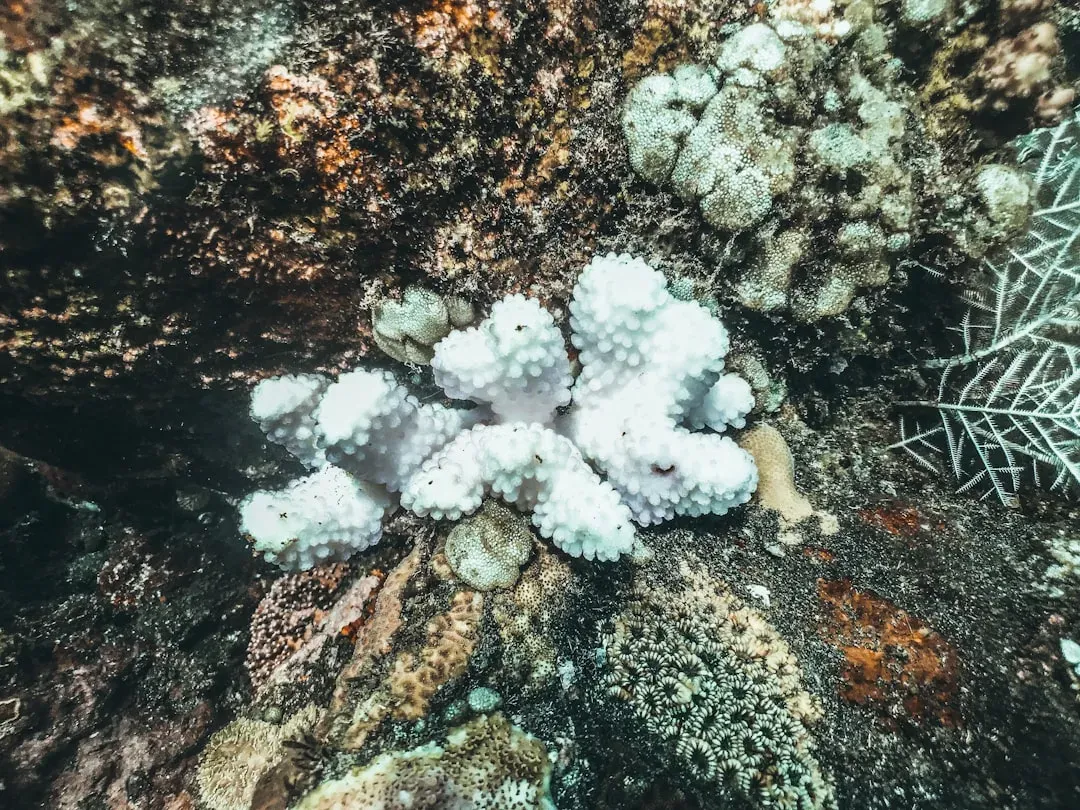
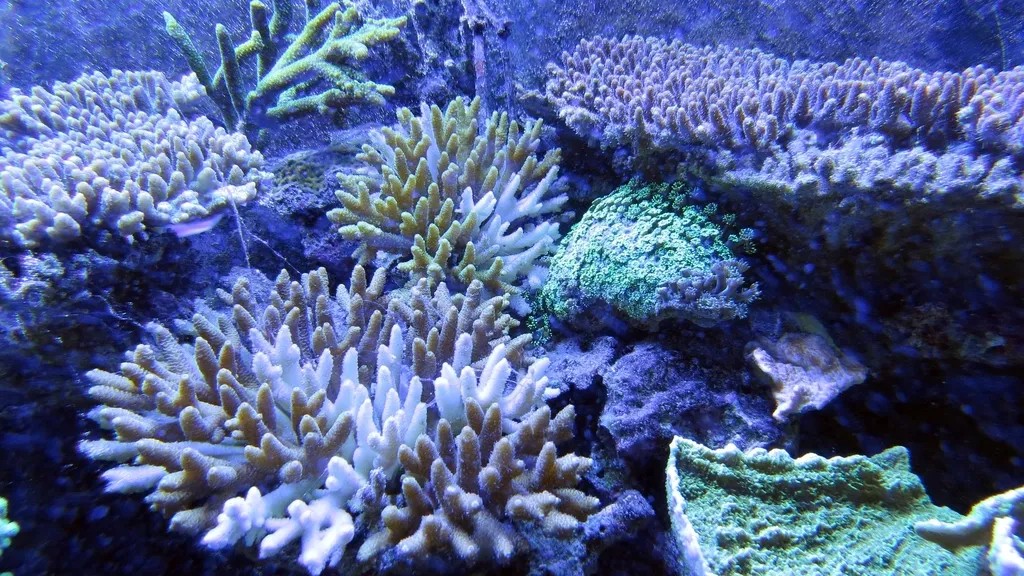
If you have followed news about the Great Barrier Reef at all in the last decade, you already know that marine heatwaves and coral bleaching have become alarmingly frequent. When water temperatures climb beyond what corals can tolerate, the symbiotic algae living in their tissues are expelled, and the corals turn bone-white. That visible change is dramatic, but underneath it, you are also seeing a profound chemical shift in how these organisms function and what they release into the water.
As corals bleach, their metabolism falters, their energy balance collapses, and the mix of organic compounds they exude changes, often in ways that signal severe stress or impending death. Add hotter, more stratified water that holds less oxygen and you have a situation where the reef’s chemistry reflects a kind of shock. You are not just watching color drain from coral branches; you are watching the basic chemical rhythm of the ecosystem lurch out of its historical range and stay there longer and more often than monitoring programs used to record.
Ocean Acidification: The Slow-Motion Rewrite Of Reef Chemistry
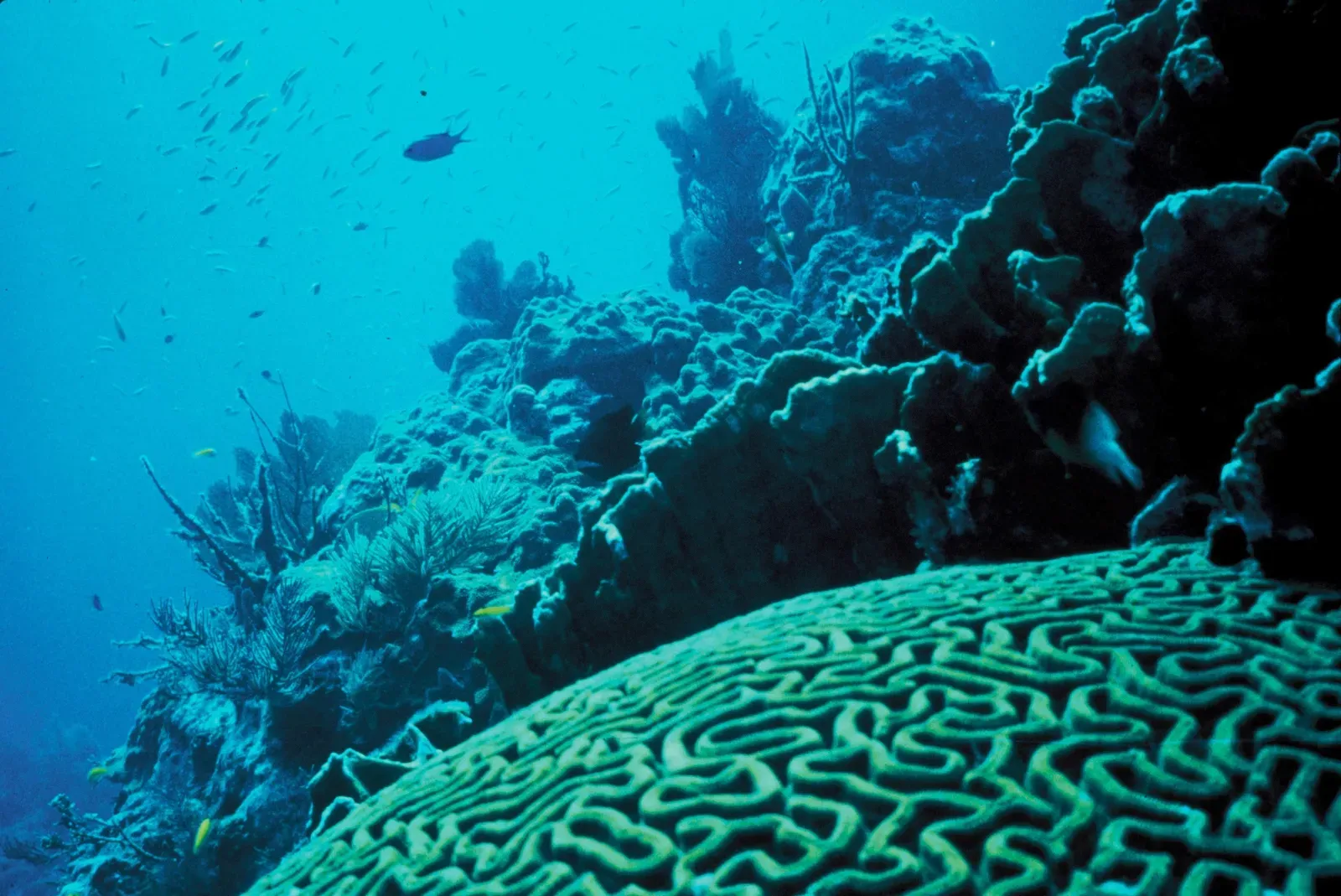
While heatwaves grab your attention, the rise in dissolved carbon dioxide is quietly reshaping the reef’s chemistry every single day. When you add more carbon dioxide to seawater, it forms carbonic acid and shifts the balance of carbonate and bicarbonate ions that corals and other organisms depend on to build their skeletons. From your perspective, this means the very building blocks of reef architecture are becoming less available and more energetically expensive to use.
Over time, these shifts show up in the reef’s carbonate chemistry as trends that do not match past natural fluctuations driven by tides, seasons, or ancient climate swings alone. You can imagine a construction site where the cement slowly turns weaker each year; the buildings might still stand for a while, but every storm becomes more dangerous. The Great Barrier Reef’s chemical signal now clearly reflects this long, human-driven tilt toward conditions that make calcification harder and dissolution easier, and that slow-motion rewrite is part of why researchers are using such strong language.
Pollution, Runoff, And The Invisible Cocktail You Never See
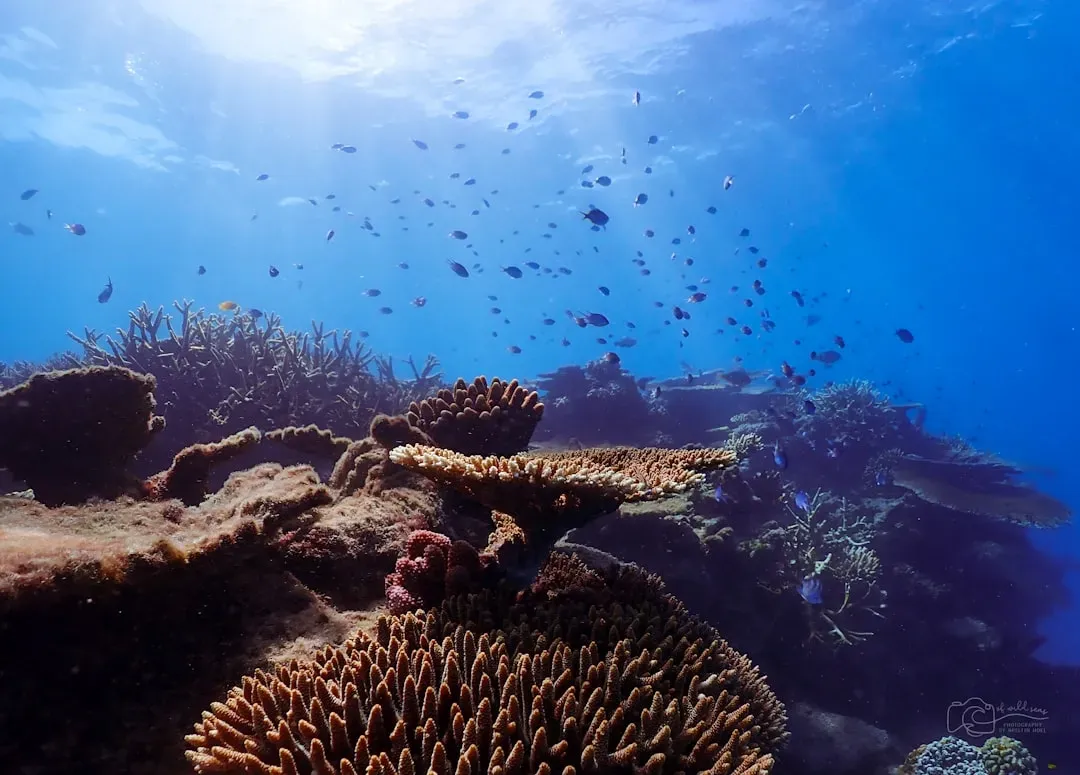
When you picture pollution threatening the reef, you might think of plastic waste or oil slicks, but a lot of the danger comes from compounds you never see. Nutrients, sediments, pesticides, and other chemicals wash off farms and urban areas and eventually reach coastal waters, subtly changing the balance of nutrients and light that corals and seagrasses need. For you, that means the water can look beautiful on the surface while carrying a complex, human-made cocktail underneath.
These inputs can boost algal blooms, feed microbial communities that compete with or stress corals, and interact with warming and acidification in ways that amplify damage. The result is a chemical environment that no longer resembles the baseline conditions that shaped the reef over centuries. When researchers talk about signals without natural precedent, they are often pointing to this layered combination: warmer water, more acidic conditions, altered nutrient ratios, and a background of synthetic compounds that together create a profile you would struggle to find in any preindustrial snapshot of the reef.
How Scientists Actually Detect These Chemical Red Flags
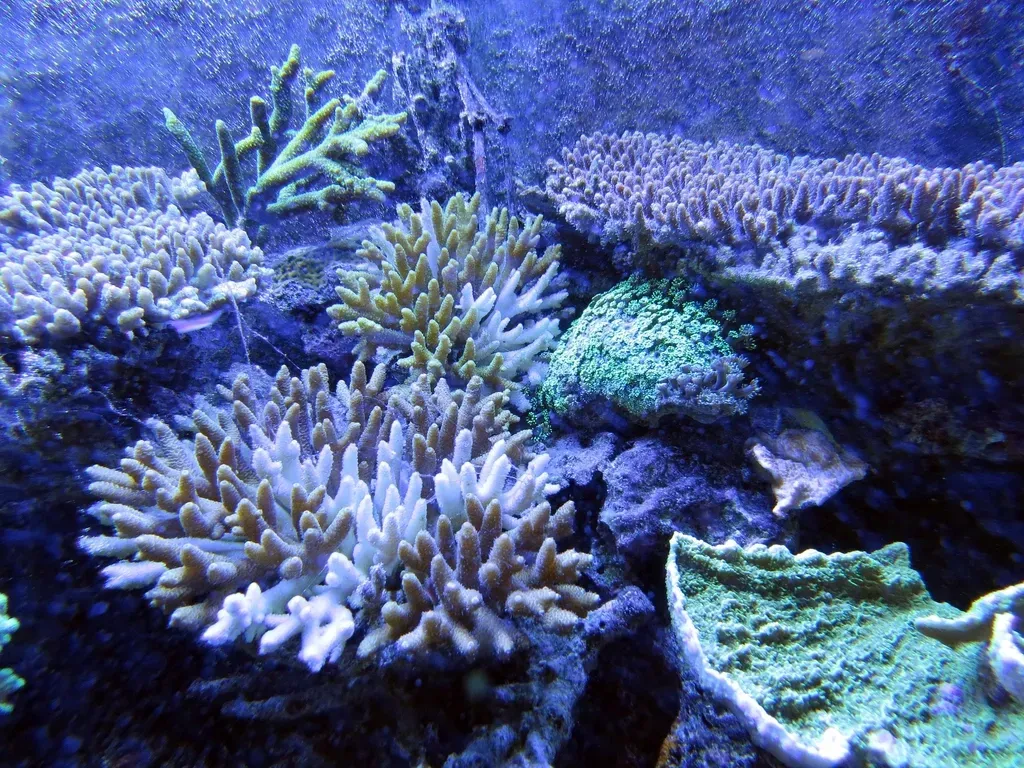
You might imagine that studying reef chemistry means scooping up a few bottles of seawater and running simple tests, but the reality is much more detailed. Researchers use sensitive instruments that can measure incredibly small concentrations of dissolved gases, nutrients, and organic compounds, and they often repeat these measurements across years to build a picture of how conditions evolve. From your perspective, what matters is that these data sets allow scientists to separate normal swings from worrying trends.
In recent years, you have also benefited from autonomous sensors, underwater robots, and satellite data that can track temperature, acidity, and other variables in near real time. With these tools, scientists can compare today’s chemical fingerprints with historical records and models of natural variability. When they say a pattern has no natural precedent, they are usually comparing it against these long-term baselines and finding that the new combination of extremes sits well outside what past conditions can reasonably explain.
What This Means For You, Even If You Never Visit The Reef
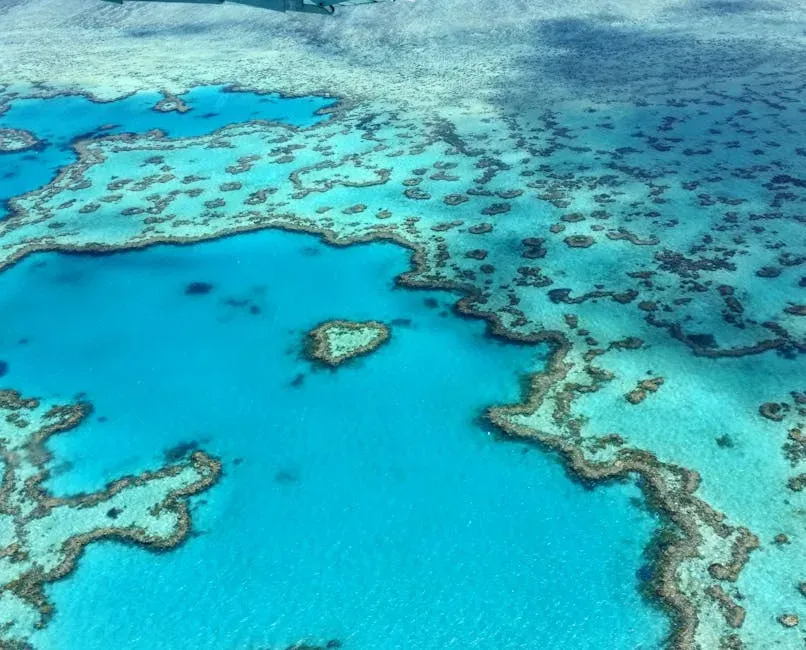
It is easy to treat the Great Barrier Reef as a distant wonder, something you might see in a documentary and then forget about when you drive to work. But the chemical shifts happening there are part of the same global changes affecting fisheries, storms, and coastlines that you depend on. The reef acts like a living laboratory, showing you early and dramatic signs of how a warming, more acidic, more polluted ocean behaves.
When you ignore those signs, you risk being surprised later by impacts closer to home: disrupted food webs, more frequent coastal flooding, and losses of natural defenses that protect communities from waves and storms. Paying attention to the reef’s unprecedented chemical signals is less about sympathy for a faraway ecosystem and more about listening to an early alarm that concerns your own future. You are being shown, in real time, how quickly a rich, complex system can be pushed beyond its familiar limits.
How You Can Help Turn Down The Volume On This Distress Signal

Reading about chemical signals and unprecedented conditions can leave you feeling small and powerless, but you are not stuck as a passive observer. The main drivers behind these changes – greenhouse gas emissions, land-based pollution, and unsustainable coastal development – are directly tied to how you vote, what you buy, and which policies you support. You might not be able to tweak seawater chemistry yourself, but you can influence the forces that are driving it off course.
At a practical level, that can mean supporting stronger climate policies, backing efforts to reduce agricultural runoff, choosing products and food systems with lighter environmental footprints, and amplifying science-based information about reefs and oceans. None of these actions fixes the reef overnight, and you should be wary of anyone promising quick, simple cures. But together, they help reduce the intensity and frequency of the extreme events that generate these unprecedented chemical signatures in the first place – and that is where your influence genuinely matters.
Conclusion: Listening To A Planet-Sized Whisper Before It Turns Into A Shout
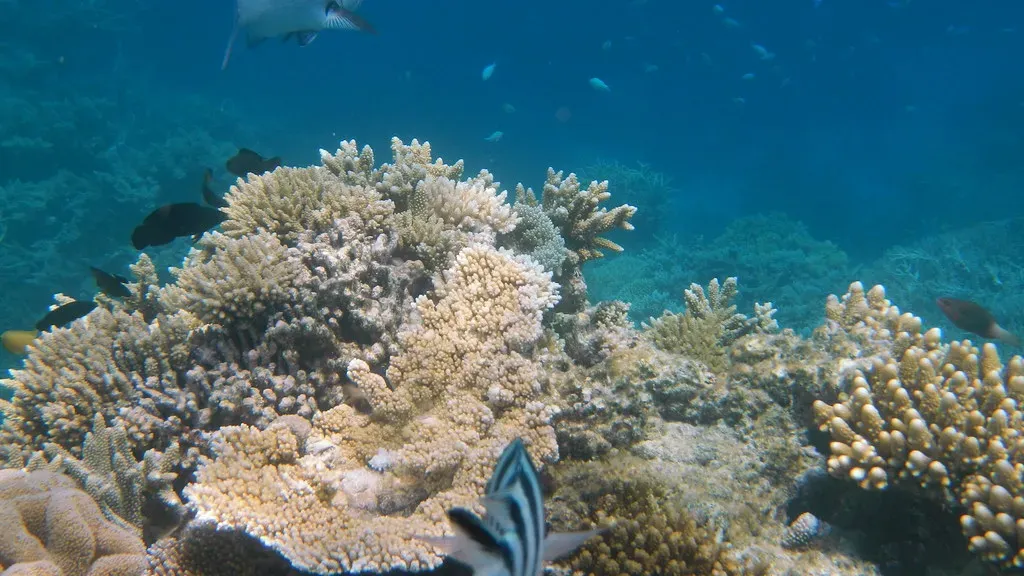
When you step back, the idea that the Great Barrier Reef has sent a chemical signal with no natural precedent is both frightening and clarifying. It tells you that the pressures you are putting on the climate and coastal environments are now strong enough to push one of the world’s greatest ecosystems into territory it has not seen in the modern record. At the same time, it reminds you that these signals are not magic; they are the predictable outcome of choices that can still be changed.
You are being given a kind of early warning, not only about the fate of a famous reef, but about the direction of the planet’s life-support systems more broadly. If you choose to treat that warning as background noise, the trends will not pause to wait for your attention. If instead you decide to listen and act, even in small, consistent ways, you become part of the quiet counter-signal pushing back toward stability. When you think about that reef and the unheard chemistry swirling through its waters, which role do you really want to play?