You are living on a planet that looks calm on the surface, but under places like Yellowstone, the Earth is quietly breathing fire. When you hear that Yellowstone’s supervolcano has “changed behavior” and that geologists say something similar has only happened twice before, your mind probably jumps straight to doomsday scenarios and dramatic movie plots. The truth is less cinematic but far more interesting: subtle shifts in the ground, in hot springs, in earthquakes, and in the hidden magma system can tell you a lot about the deep engine driving this iconic national park.
Instead of imagining an overnight catastrophe, you’re better off thinking of Yellowstone as a restless giant with very long sleep cycles. Scientists are seeing patterns and transitions that remind them of past episodes in the geological record, and that is what makes the new behavior so fascinating. You are not being asked to panic; you are being invited to pay attention. Once you understand what is actually changing beneath Yellowstone, you start to appreciate how extraordinary it is that we can even detect these shifts at all.
A Restless Giant Sitting on an Ancient Hotspot
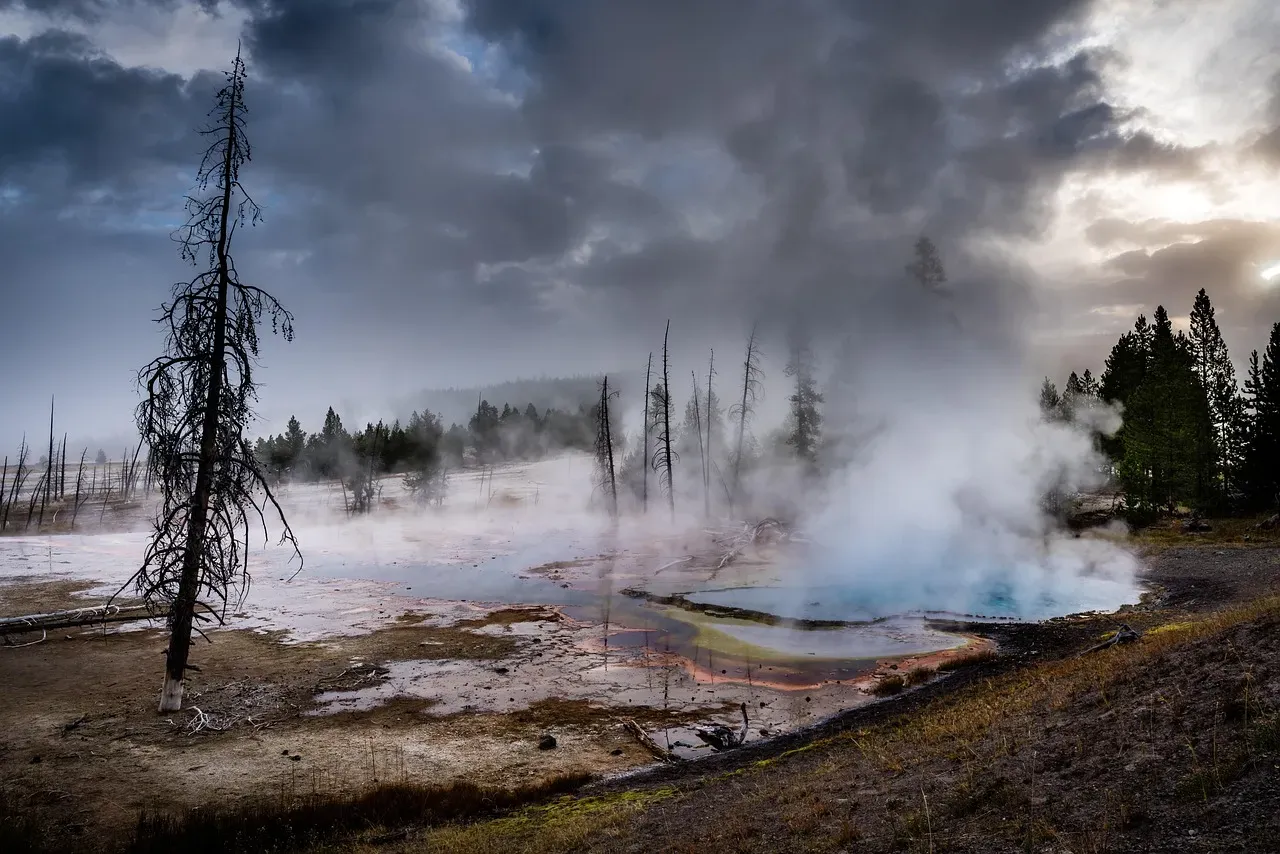
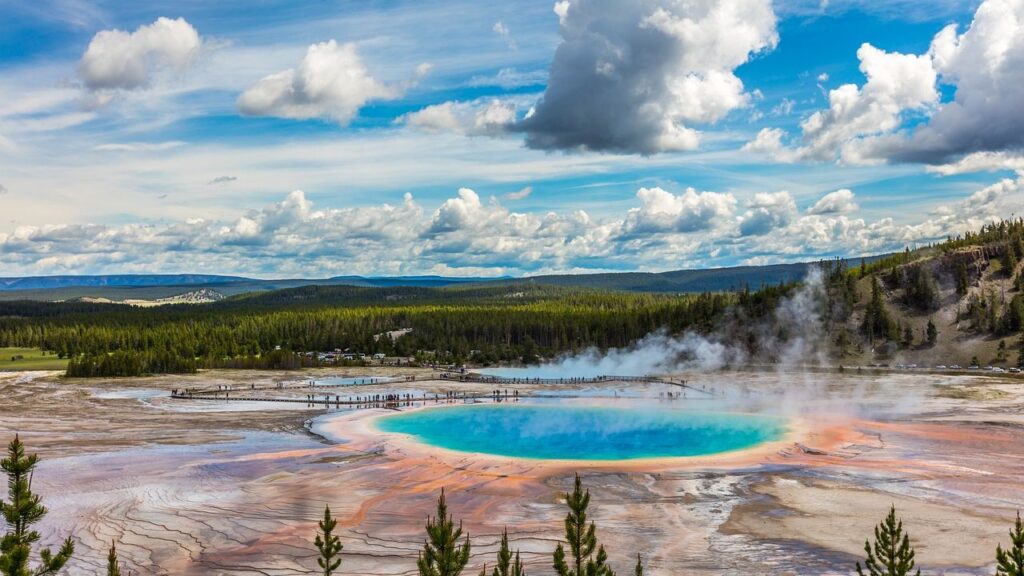
When you stand on a boardwalk at Yellowstone and watch a geyser erupt, you are literally standing on the roof of a massive volcanic system. Yellowstone sits over a long‑lived hotspot, a deep source of heat that has burned a track across the continent for millions of years, leaving behind ancient volcanic scars stretching from the Pacific Northwest into Wyoming. You might see only forests, rivers, and bison, but beneath your feet lies a complex structure of hot rock, partially molten zones, and circulating water that together make Yellowstone a true supervolcano.
You are also walking across the remnants of at least three enormous eruptions in the last couple of million years, events that dwarfed anything in recorded human history. Those eruptions left giant calderas, reshaped landscapes, and spread ash across large parts of North America. When geologists say Yellowstone has changed behavior in a way seen only a few times before, they are comparing today’s subtle shifts to other periods in this long, dramatic history. You are looking at a place that has always been dynamic; the question is how today’s changes fit into that story.
What “Changed Behavior” Actually Means Beneath Yellowstone
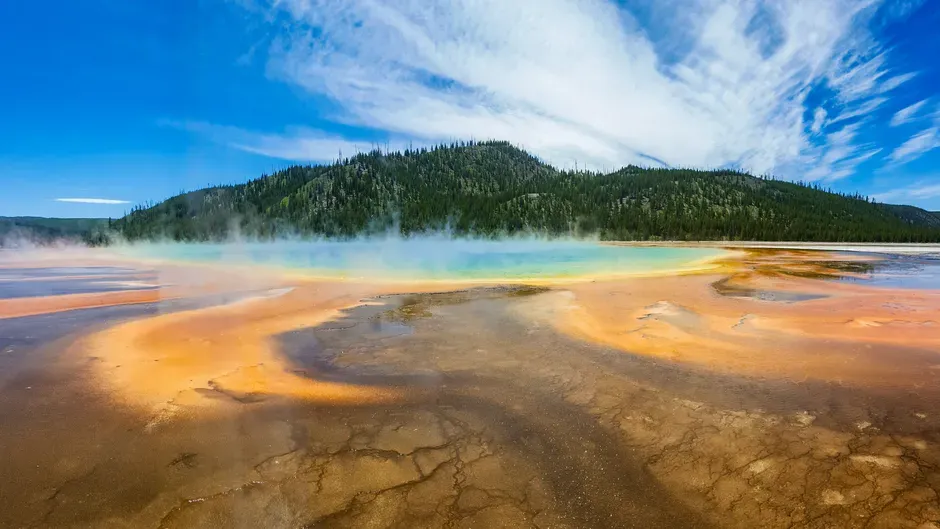
When you hear that Yellowstone’s supervolcano has changed behavior, you might picture a sudden surge in lava or smoke, but what scientists really mean is that the patterns of measurable activity have shifted. You are dealing with things like the timing and location of small earthquakes, episodes of ground uplift or sinking, and changes in hydrothermal features such as geysers and hot springs. These are not random; they are signals from the subsurface plumbing, and when their overall pattern rearranges, geologists pay attention.
You are not seeing one single alarm bell ringing, but more like a set of instruments playing a new tune together. Perhaps the ground in one part of the caldera starts rising more quickly while another area stabilizes, or the route that hot water takes to the surface subtly re‑organizes itself. When researchers say this sort of combined shift has only been seen a couple of times before, they are pointing to rare, system‑wide pattern changes. You are essentially watching the supervolcano adjust its posture rather than leap into action.
How You Can “See” the Magma Without Ever Going Underground
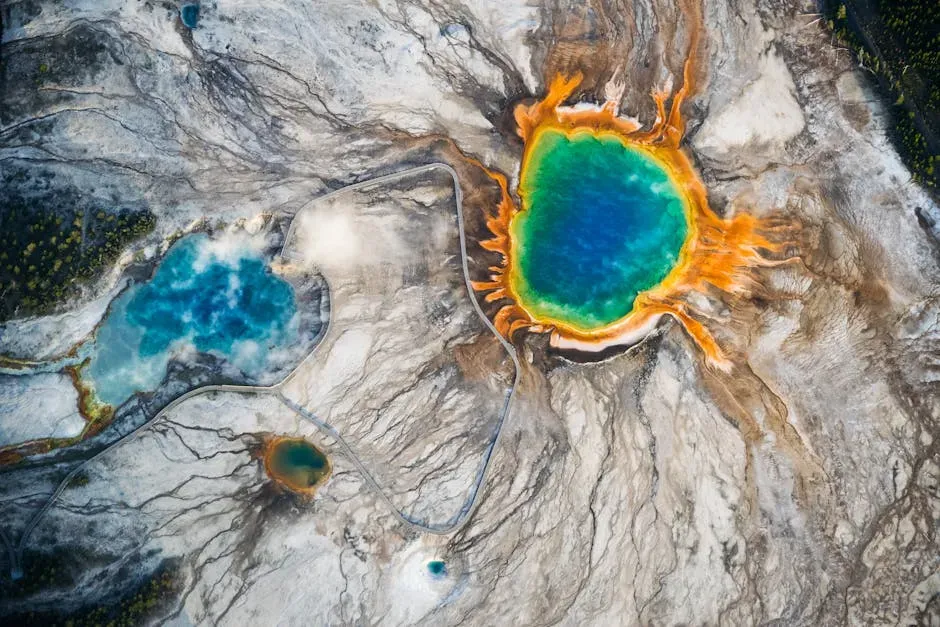
You obviously cannot dig down to Yellowstone’s magma without causing more trouble than it is worth, so you rely on clever tools to see what your eyes never can. You are using satellites to measure tiny changes in ground elevation, sometimes just a few millimeters per year, and that is enough to tell you whether parts of the caldera are slowly rising or sinking. You also have dense networks of GPS stations that act like pins stuck into the crust, letting you watch the ground move in real time as the underlying magma and fluids shift.
You are also listening to the Earth the way a doctor listens to a heartbeat. Seismometers scattered across Yellowstone pick up swarms of small quakes that you never feel, and by analyzing how those seismic waves travel, scientists can map out zones of hotter or partially molten rock. On top of that, you monitor how the park’s vast hydrothermal system changes over time: which geysers suddenly reactivate, which pools change temperature or chemistry, and where new vents open up. You are never seeing magma directly, but you are reading its fingerprints everywhere.
Earthquake Swarms and Ground Uplift: The Subtle Warning Lights
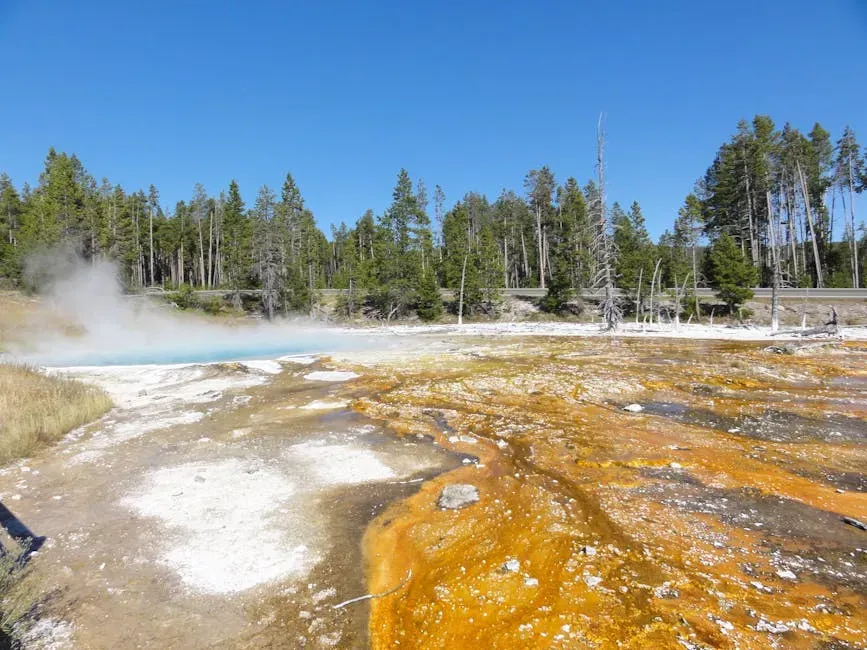
If you want to know what “behavior change” feels like in data, you start by looking at earthquake swarms. You are used to Yellowstone having frequent tiny quakes; that is normal for a volcanic and tectonically active region. But when clusters of quakes light up in new places, or when their depth and pattern shift, you are seeing potential evidence that stress is redistributing or that fluids are moving in fresh pathways. You are essentially watching the crust creak and sigh as pressures build and release.
You are also tracking how the ground surface rises or falls over months and years. In some past episodes, parts of the Yellowstone caldera have risen by several inches over a few years, then slowed or reversed. When new uplift patterns emerge, especially if they line up with changes in seismic activity, you are looking at a combined signal that the system’s internal plumbing is reorganizing. You are not necessarily seeing a countdown to eruption, but you are seeing rare, coordinated changes that justify that comment about this only happening a few times before.
Geysers, Hot Springs, and Why Their Mood Swings Matter to You
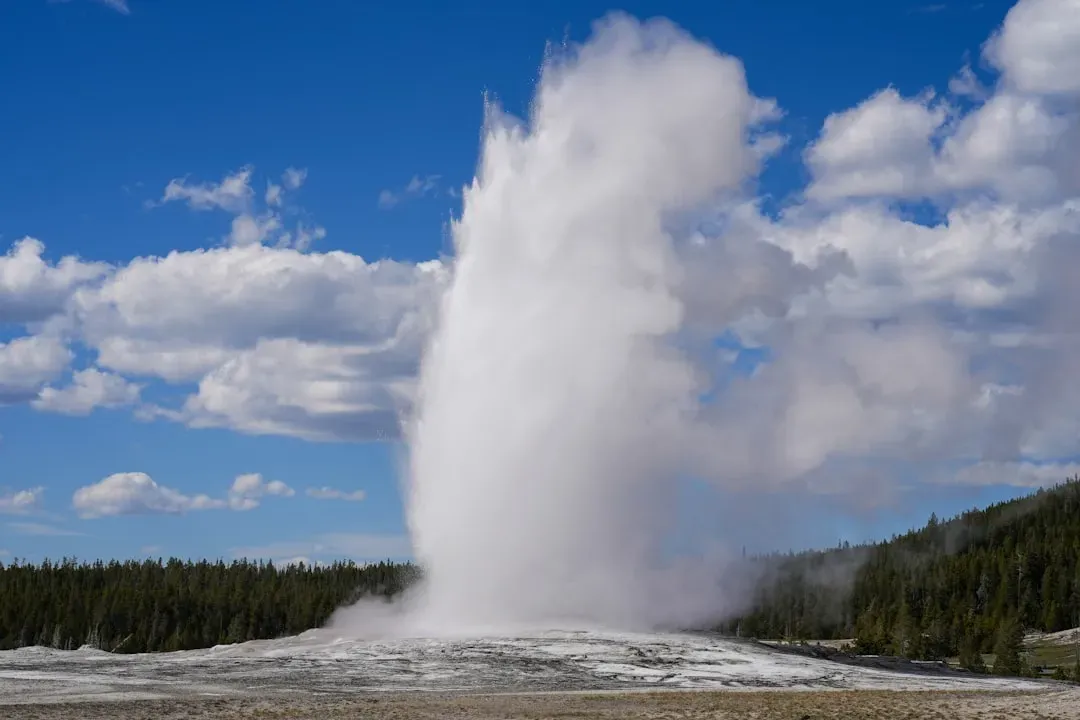
At first glance, you might treat Old Faithful and Yellowstone’s colorful hot springs as just spectacular tourist attractions, but they are actually your most visible windows into the supervolcano. When geysers change their eruption intervals, fall quiet, or suddenly wake up after years of silence, you are seeing the effects of shifting underground water pathways and pressure conditions. Sometimes a geyser that has been dormant for decades suddenly roars back to life, and that kind of reawakening can be part of a broader behavioral shift.
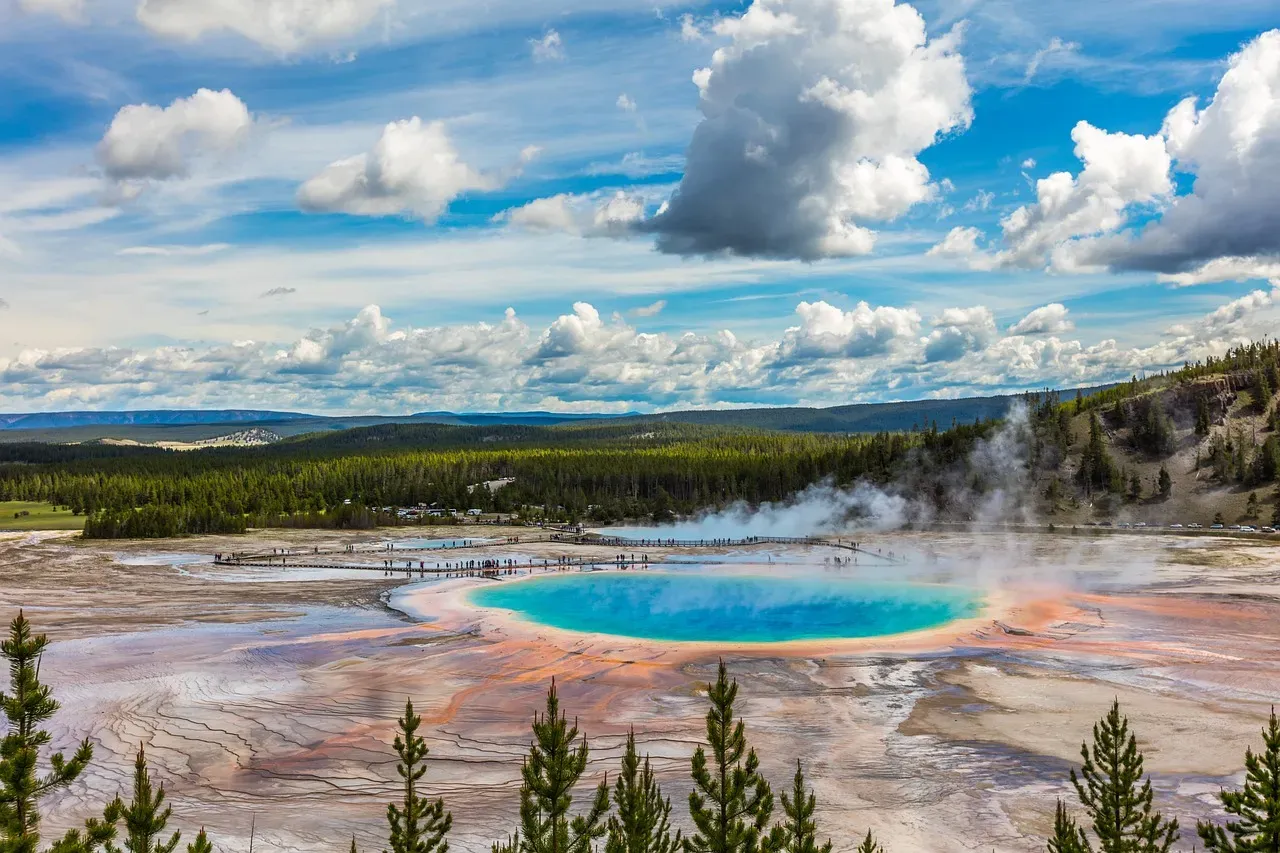
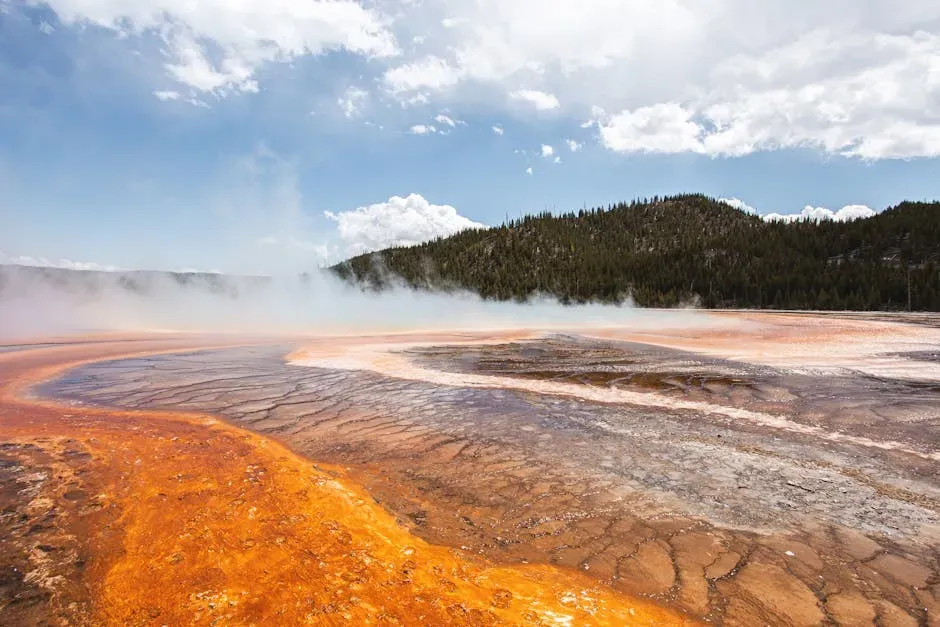
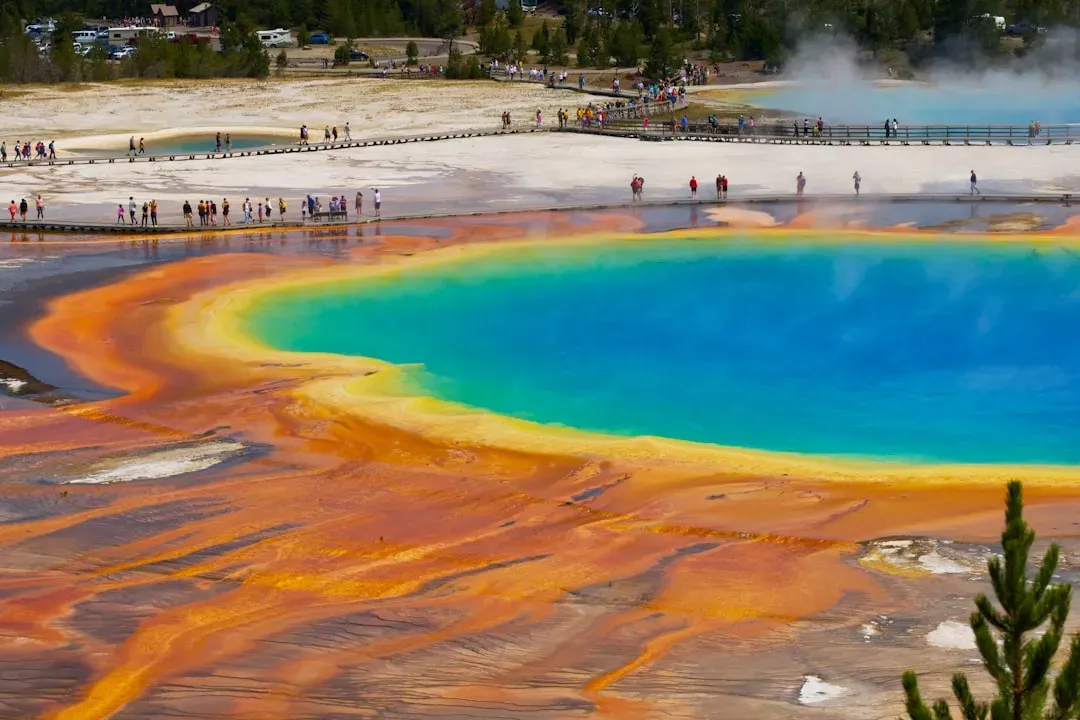
You are also watching the chemistry and temperature of hot springs, because even small changes can hint at deeper adjustments in heat and fluid flow. In previous rare episodes, combinations of geyser reactivations, new vents opening, and evolving ground deformation hinted that the hydrothermal system was being re‑plumbed. When scientists say the current pattern has only been seen twice before, they are comparing today’s constellation of geyser activity and deformation to those earlier, unusual phases. You are reading the mood of the volcano through the mood swings of its boiling surface waters.
Looking Back: The Only Other Times Yellowstone Acted Like This
When geologists say something has only happened twice before, they are not being dramatic; they are being precise about how rarely the overall pattern appears in the record. You are looking back at decades of continuous monitoring, plus older geological evidence, to identify those earlier intervals when uplift, earthquake activity, and hydrothermal behavior all seemed to switch into a new configuration. In those past cases, you saw the system transition from one long‑term trend to another rather than rush straight toward an eruption.
You are using those previous episodes almost like case studies or reference points. In each, Yellowstone’s crust responded to changes in pressure and fluid movement in a way that produced recognizable signatures in the monitoring data. When today’s numbers start to resemble that earlier pattern, you pay closer attention, not because it guarantees an eruption, but because it signals a shift of state. You are essentially saying: the volcano has moved into a mode you have only documented a couple of times, and that is scientifically important even if it is not immediately dangerous.
What This Does – and Does Not – Mean for the Risk of Eruption
When you hear “supervolcano” and “changed behavior” in the same sentence, your instincts might tell you to imagine the worst. You should know that, based on current understanding, Yellowstone is not showing the kind of clear, escalating signs that would usually precede a major eruption. You would expect much more intense and sustained deformation, stronger and more focused seismic swarms, and dramatic changes in gas emissions if the system were gearing up for something large in the near term. You are seeing a restless but stable giant, not an imminent disaster.
You are also dealing with timescales that are far beyond a human lifetime. The big caldera‑forming eruptions at Yellowstone are separated by hundreds of thousands of years, and the current state of the magma system suggests that much of it is crystal‑rich and not ready to erupt on a massive scale. Smaller hydrothermal or localized volcanic events are more plausible, but those are also more manageable and limited in impact. You should treat this new behavior as a reminder that Yellowstone is alive and evolving, not as a signal to expect a Hollywood‑style eruption next year.
How Scientists Keep You Informed Without Crying Wolf
If you worry about whether you would even know if Yellowstone were becoming more dangerous, you can take some comfort in how closely it is being watched. You are benefitting from a dedicated observatory network that continuously tracks earthquakes, deformation, geyser activity, and gas emissions, and that data is regularly reviewed by specialists. When any parameter steps outside its usual range, teams dig in, compare it to past behavior, and, if needed, adjust the official alert level. You are not depending on guesswork; you are leaning on a steady stream of real measurements.
You are also part of a public that tends to swing between indifference and panic, and scientists are very aware of this. They work hard to explain that volcano monitoring is about probabilities and patterns, not certainty. If they raise alarms too often, you might stop listening; if they stay quiet when the data clearly shifts, they are not doing their job. In the current situation, they are threading that needle by acknowledging the rare, interesting changes while underlining that no major eruption signs are present. You are being offered transparency, not sensationalism.
What You Should Actually Take Away from Yellowstone’s New Behavior
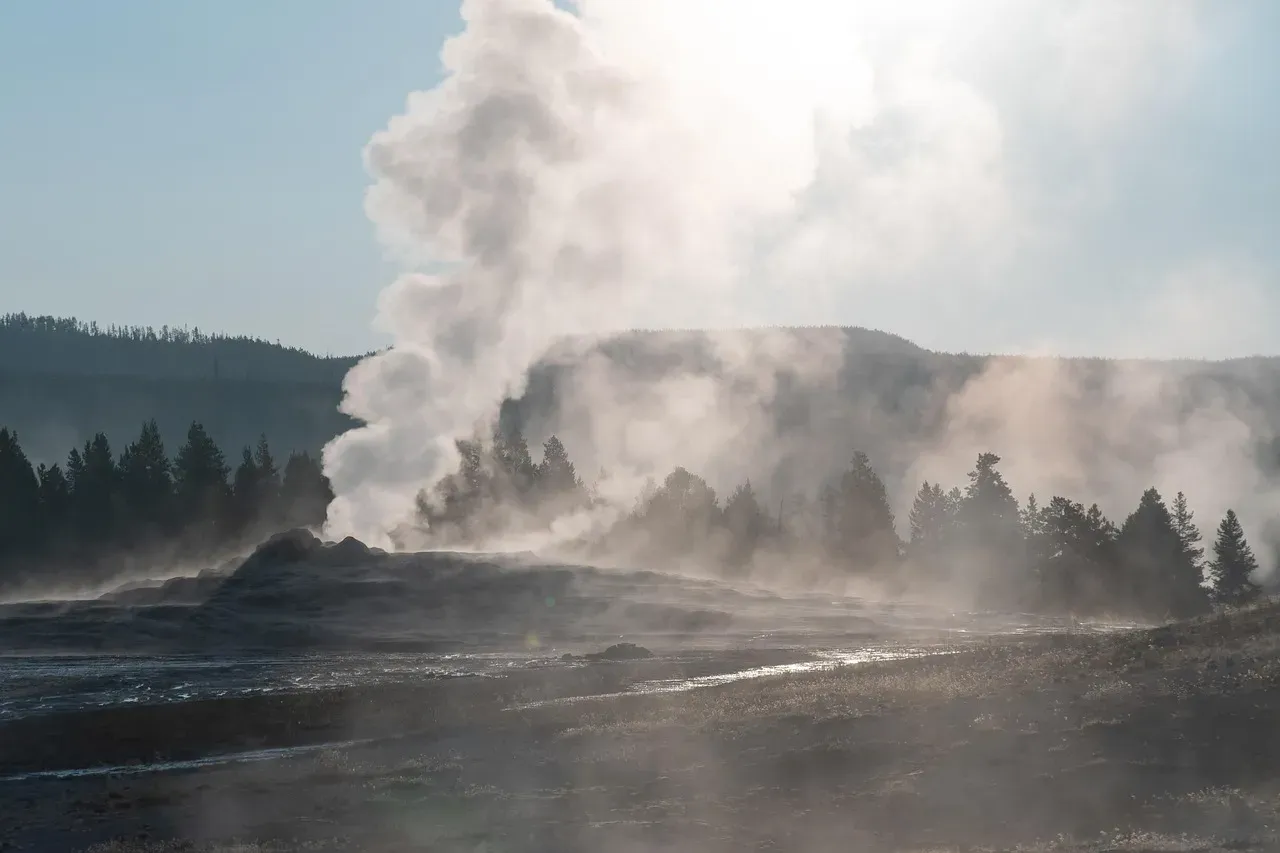
Instead of worrying about an overnight catastrophe, you can use Yellowstone’s new behavior as a prompt to think about how you live with a dynamic planet. You are reminded that even familiar landscapes like national parks sit on top of deep processes that are constantly evolving, usually far too slowly for you to notice. When a rare pattern shows up in the monitoring data, you are getting a rare opportunity to watch a giant volcanic system subtly reconfigure itself in real time, without immediate danger to your daily life.
You are also learning that the right response is curiosity plus preparedness, not fear. If you visit Yellowstone, you follow park guidelines, stay on boardwalks, and respect closures around unstable thermal areas, because localized hydrothermal events can and do happen. At home, you support good science, pay attention to official updates rather than rumors, and keep a general culture of readiness that covers all hazards, from storms to earthquakes to volcanoes. You are not powerless in the face of a supervolcano; you are informed, connected, and capable of understanding what the data actually means.
Conclusion: Living With a Giant Under Your Feet
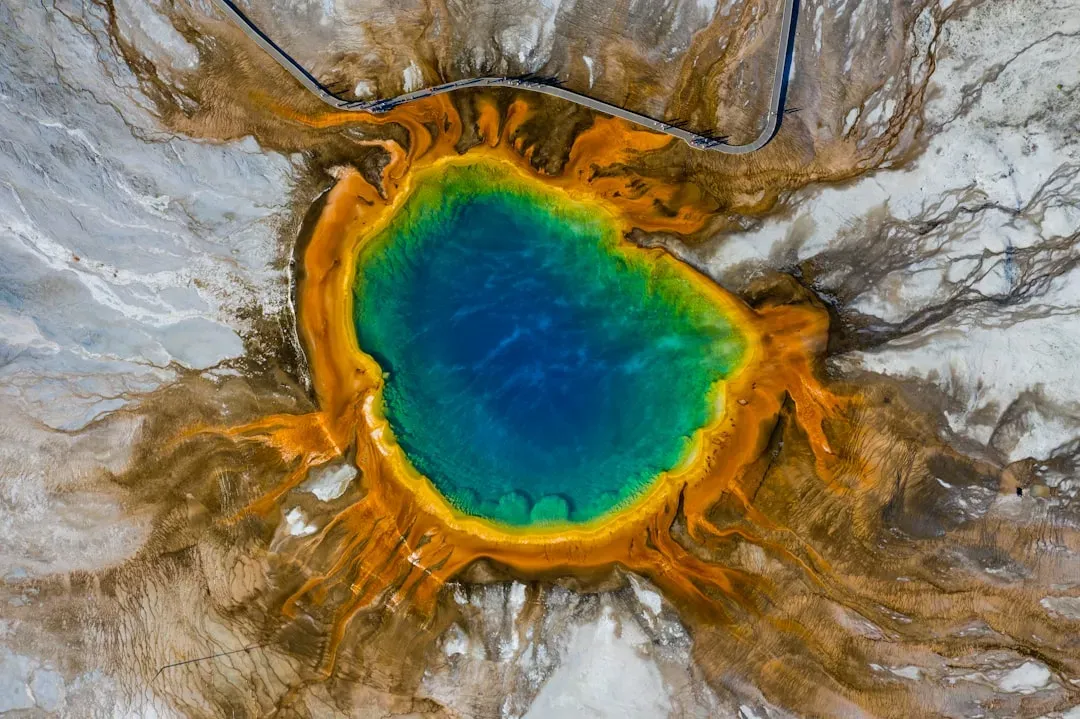
You are sharing a continent with one of the most closely watched volcanic systems on Earth, and right now, that system is acting in a way scientists have only seen a couple of times before. That sounds ominous at first, but once you peel back the headline, you discover a quieter, more nuanced reality: a vast underground engine subtly shifting gears, reshaping its plumbing, and reminding you that the crust beneath your feet is anything but static. You are witnessing a rare chapter in a story that usually unfolds too slowly for anyone to notice.
You are not being asked to live in fear of Yellowstone; you are being invited to respect it and to appreciate the science that lets you read its hidden moods. The latest changes do not point to an imminent, civilization‑shattering eruption, but they do highlight how much you still have to learn about Earth’s deep workings. In a way, Yellowstone’s behavior is a mirror held up to your own curiosity about the world. Now that you know what is really going on beneath those steaming pools and roaring geysers, what will you pay closer attention to the next time the ground quietly shifts under your feet?