If you feel like the world’s weather has started to tilt a bit off its axis, you’re not imagining it. The Pacific Ocean, the planet’s largest heat reservoir, has been acting in combinations and extremes that you simply do not find in older records. You are seeing marine heatwaves flaring for longer, currents wobbling between patterns, and deep water and surface water behaving less like a calm conveyor belt and more like a nervous, jittery system. None of this means the laws of physics changed overnight, but it does mean the usual “been there, seen that” climate playbook is starting to fray at the edges.
When scientists say they have never recorded something in historical data, they’re usually not being dramatic. They are comparing satellite records, ship logs, ocean buoys, and even chemical clues trapped in corals and sediments. What is showing up now in the Pacific is less a single sci‑fi event and more a pileup of strange signals happening at the same time: record warm patches sitting next to unusual wind patterns, storm tracks shifting, and ecosystems reacting in ways that catch experts off guard. You are living through a moment when the ocean you learned about in school is not quite the one rolling under today’s storms.
You Are Watching the World’s Largest Heat Engine Shift Gears
To understand what has changed, you first have to remember what the Pacific normally does for you. Think of it as a giant, slowly breathing lung of heat and moisture: it soaks up sunlight near the equator, stores that energy, and then leaks it back to the atmosphere through evaporation, storms, and currents. For most of modern history, that breathing followed patterns you could track in decades of charts, with a familiar rhythm of El Niño, La Niña, and “neutral” years. You still had surprises, but the envelope of what was considered normal was fairly well defined.
Now you’re living outside that envelope more often. Instead of short, sharp pulses of warmth, you see stretches where the Pacific stays unusually hot over huge areas and over several seasons at a time. That extra heat does not sit politely in place; it changes how clouds form, where rain falls, and how strong trade winds blow. You feel it when wildfire seasons stretch, when storms arrive out of their usual season, or when a winter rain feels more like a humid autumn storm than the crisp fronts you grew up with. The machine you rely on for climate stability is still running, but it’s grinding in unfamiliar gears.
El Niño and La Niña Are Still Here, but the Script Around Them Is Changing
You have probably heard of El Niño and La Niña as if they are characters in a long-running series: warm phase, cool phase, repeat. In the past, you could roughly guess what each phase meant: El Niño often brought warmer global temperatures and shuffled storm tracks, while La Niña tended to cool things modestly and push rain and drought patterns into more predictable zones. Scientists built thick manuals on how these patterns played out over the twentieth century, and governments quietly leaned on that guidance for planning water, crops, and disaster response.
What you are facing now is not that the characters vanished, but that their roles are mixing with a permanently warmer backdrop. A strong El Niño piled on top of an already warmed Pacific can deliver global temperatures that smash old records by margins that feel unnerving. A La Niña that once meant mild global cooling may now still leave you with heat that would have been unusual a few decades ago. You find yourself in a world where the same labels are used, but the outcomes drift farther away from what those labels used to guarantee.
Marine Heatwaves Are Becoming the Ocean’s New Wildfires
If you picture a heatwave, you probably imagine shimmering pavement and exhausted trees. In the Pacific, you now have the ocean version: vast patches of water that stay far warmer than usual for weeks or months at a time. You might have heard them described as “blobs” of hot water, stretching across hundreds or even thousands of kilometers. These events used to be rare and scattered; now you are seeing them stack up more often, overlap, and linger longer than the historical record would lead you to expect.
For you, the chain reaction starts underwater but does not stay there. Warmer water can choke off nutrients that usually well up from the deep, starving plankton that feed entire food webs, so you suddenly hear about fisheries collapsing or seabirds washing ashore. Coral reefs that once bleached only in the most extreme years start bleaching repeatedly, giving them less time to recover between hits. Even if you live far from the coast, these marine heatwaves can alter storms that reach your town, or shift the fish and seafood that show up at your market. It is like watching a forest that used to burn once in a rare while now catch fire season after season.
The Usual North–South and East–West Patterns Are Getting Blurry
Historically, if someone showed you a map of Pacific sea-surface temperatures or winds, you would see clear stripes and bands: warm near the equator, cooler toward the poles, strong trade winds pushing water westward, upwelling zones hugging specific coasts. You could nearly trace those lines with a ruler. Those stripes helped anchor global climate zones, from tropical rain belts to dry subtropical regions where you might live today. Oceans and atmosphere were not perfectly tidy, but they were structured in a way you could learn about in a simple textbook diagram.
Today, those neat patterns are increasingly disrupted, at least in short to medium bursts. You are more likely to see hot anomalies appearing in places they rarely did before, or pockets of cooler water popping up where you expected warmth. Wind patterns that usually stayed steady can wobble, ripple, or temporarily reverse in certain areas. For someone living on land, this shows up as odd shifts in where storms track, how monsoons behave, and where seasonal rains decide to fall or not fall. The once tidy stripes are now splashed and smudged, and you are left trying to navigate weather that feels more like improvisation than a rehearsed routine.
You Feel the Changes in Weather Whiplash, Not Just Gradual Warming
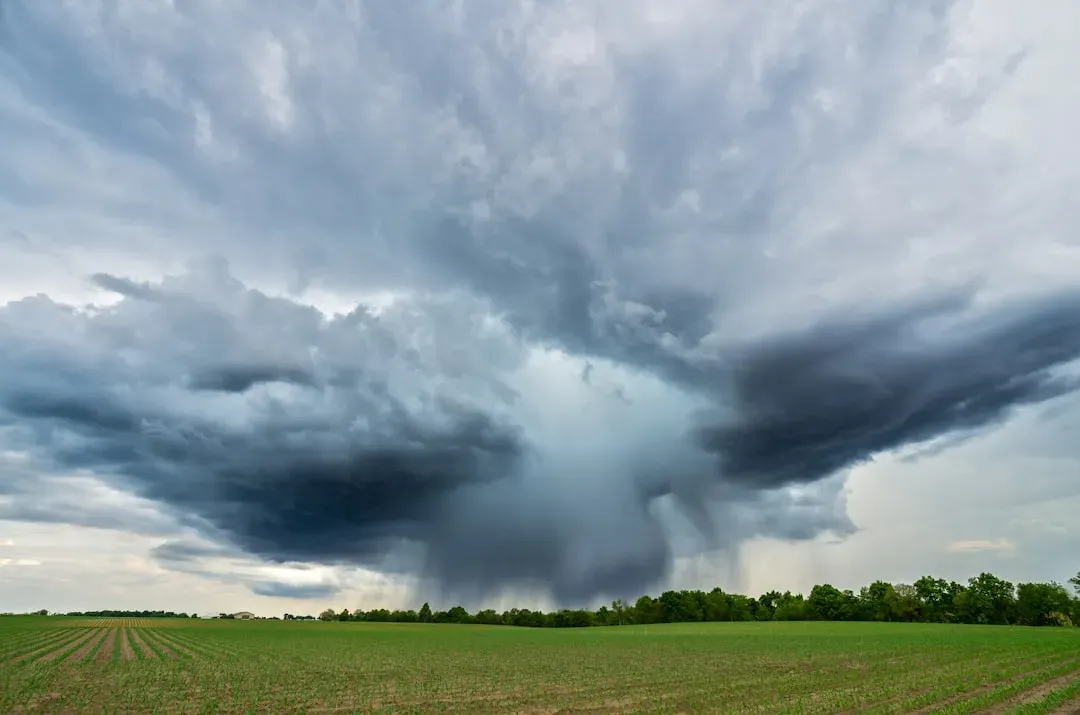
You are often told that the planet is warming, and that is true, but what you actually feel day to day is less a slow dial and more a set of jolts. The shifting Pacific increasingly shows up as extremes clustered together: destructive storms followed by oddly quiet spells, searing heatwaves chasing unusually cool weeks, or droughts that slam into flash floods. Instead of gliding along a gentle ramp of change, you feel like you are riding a staircase, stumbling from one sudden step to the next. That staircase is being built, in part, over the warm and unstable foundation of the Pacific.
These jolts matter because your systems were built for a milder form of chaos. Roads, drains, power grids, and even your own habits are tuned to what used to be “normal variability.” When the Pacific starts flipping the patterns harder and faster, you experience more record-breaking events squeezed into shorter windows of time. It is not that every year is catastrophic, but that when trouble comes, it shows up in new combinations and intensities that feel unfamiliar. You may find yourself saying that the weather has become weird, when what you are really sensing is the world’s biggest ocean sending louder and more erratic signals into your sky.
Ecosystems You Depend On Are Struggling to Keep Up
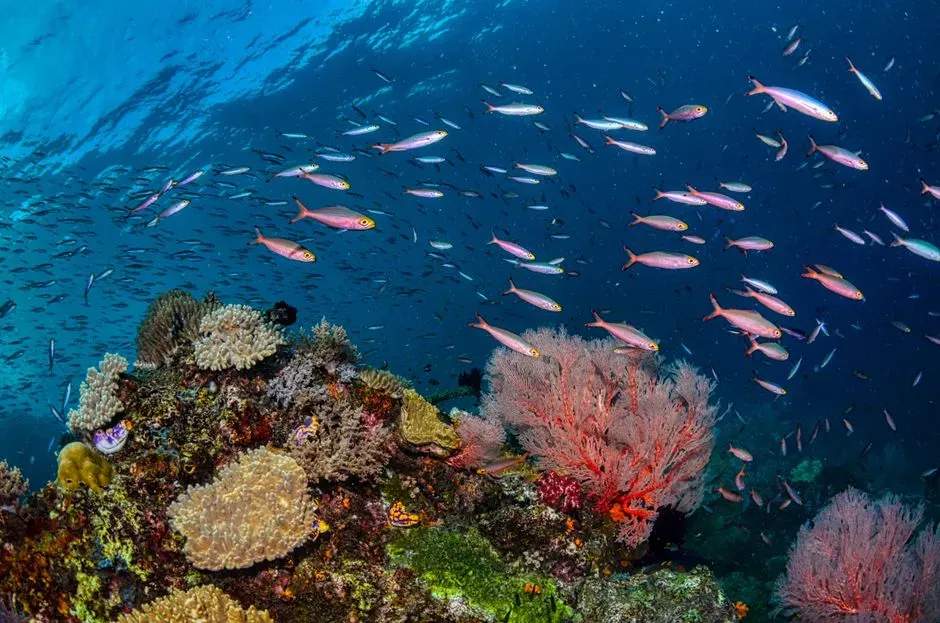
The Pacific is not just a blue empty space on a map; it is a layered city of life, and that city is under stress. As temperatures and chemistry shift beyond known patterns, many species you rely on, directly or indirectly, are being squeezed. Fish and plankton that preferred cooler waters are trying to migrate, while others are pushed into ranges they have never occupied before. If you are a fisher, a coastal resident, or simply someone who eats seafood, you can feel this as catches move, traditional seasons break down, and the reliability of your local marine calendar fades.
Coral reefs, kelp forests, and coastal wetlands along the Pacific rim also form a kind of natural insurance policy for you, buffering storms and protecting shorelines. When repeated heat stress, acidifying waters, or shifting currents damage these systems, your risk rises, even if you live inland. Some stretches of coast now see multiple bleaching or die-off events within a single decade, something rarely seen in older records. The result for you is a future where familiar coastal landscapes may look and behave very differently, and where the services you took for granted from nature become less dependable and more expensive to replace with human-built defenses.
Your Records and Models Are Being Stress-Tested in Real Time
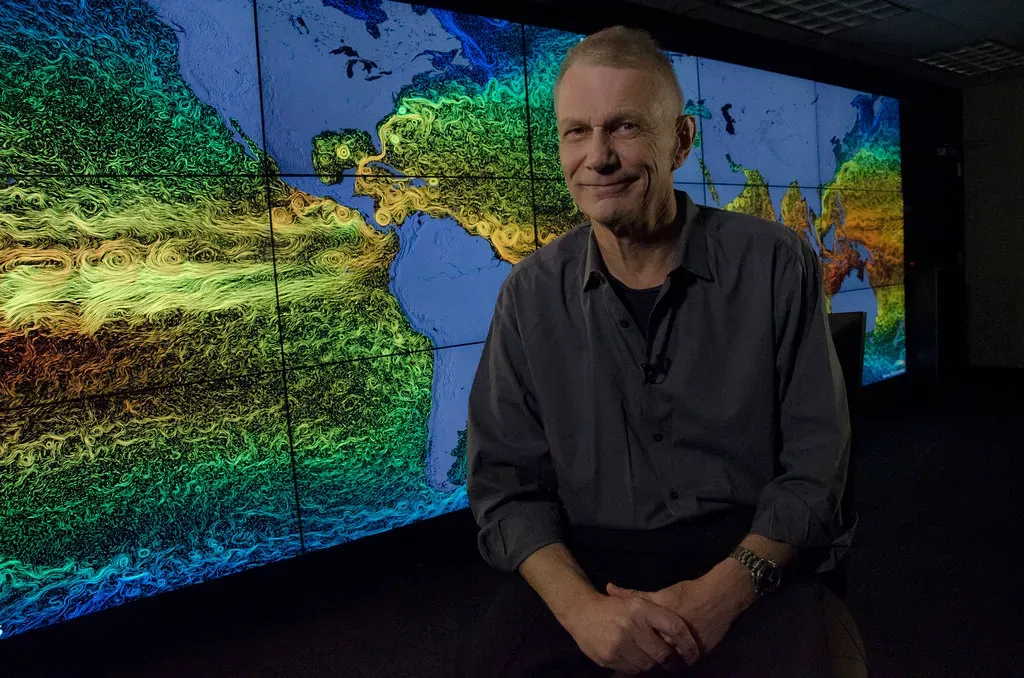
For decades, the way you planned for the future leaned heavily on what the past looked like. Engineers, city planners, and farmers all relied on historical averages and variability recorded from old weather stations and ships that crossed the Pacific. Those records were stitched together into climate models and risk assessments that told you, more or less, what to expect in the years ahead. They were never perfect, but they were anchored in a world where the Pacific’s behavior stayed within certain tested bounds.
Now, you are seeing observations that press against or step outside those old bounds more frequently, which means those trusted charts are less of a safe guide. Climate models are improving, and they can capture many of these shifts, but they are also being forced to update faster as unprecedented combinations of events show up in the data. If you are making decisions about infrastructure, agriculture, or insurance, you can no longer assume that the worst-case from the twentieth century is a firm ceiling. Instead, you are learning to treat the Pacific as a system that is teaching you new lessons as it goes, whether you feel ready for them or not.
The Ocean’s “Memory” Means Today’s Changes Linger into Your Future
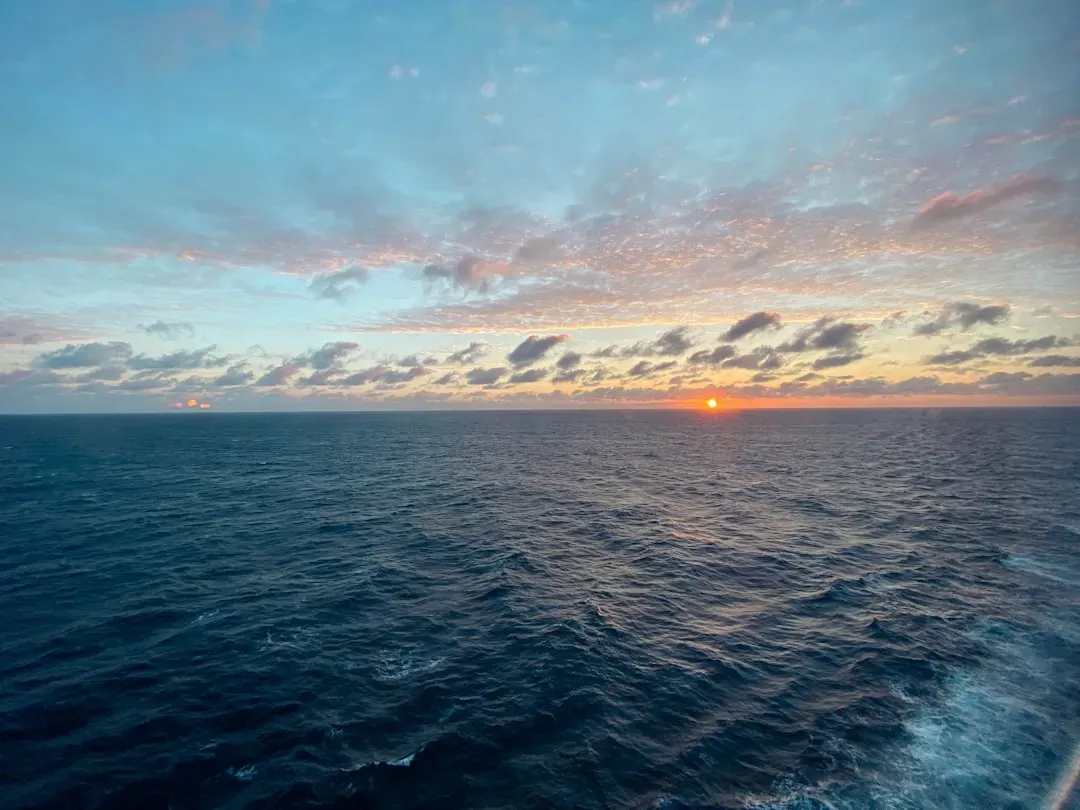
The Pacific is not a quick-reacting puddle; it has deep layers that store heat and keep a long memory of what you are doing to the climate. When extra warmth gets pushed down into deeper waters, it does not disappear; it lurks, shaping currents and feedbacks for years or decades. You may cool a surface patch temporarily or see a brief pause in atmospheric warming due to natural cycles, but the heat already absorbed is like energy banked in a hidden account. It will continue to leak out into your weather and ecosystems long after the headlines move on.
For you, that means the unusual behavior you see now is not a one-time quirk that flips back to normal with the next season. Even if you sharply cut greenhouse gas emissions, the Pacific will take time to settle into any new equilibrium because of the inertia locked in its depths. Your choices today are therefore not about tweaking next year’s weather; they are about shaping the baseline your children and grandchildren will consider normal. The Pacific’s long memory ensures that the story playing out right now echoes far beyond your own lifespan.
What This Means for You and What You Can Actually Do
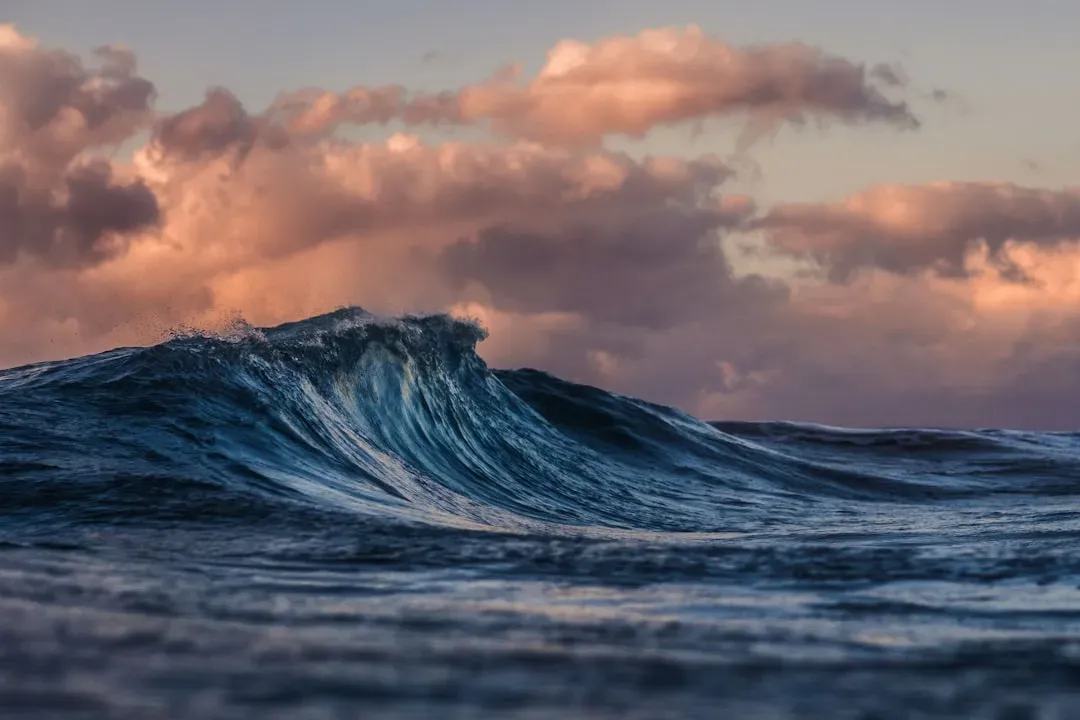
It is easy to look at a heaving, warming Pacific and feel small, but you are not powerless in this story. On the big scale, the ocean’s strange new behavior is tightly linked to how much heat-trapping gas humans continue to pour into the air. That means your voice, votes, and daily decisions all feed into the policies and technologies that either slow that heating or let it run. You do not control the physics, but you help decide how hard they are pushed. Every increment of avoided warming reduces the odds that the Pacific jumps into even more extreme and unfamiliar modes.
On the personal and local scale, you can also shift from being a passive observer to an active learner and adapter. You can pay attention to how patterns are changing where you live, support science and monitoring efforts that keep tabs on the Pacific, and push for infrastructure that assumes a more volatile ocean-driven climate, not the gentler one of your grandparents. You might choose to live, work, or invest in ways that respect the fact that the ocean is no longer a stable backdrop. In doing so, you turn the unsettling realization that the Pacific is behaving in new ways into a catalyst for wiser, more resilient choices.
Conclusion: Living with a Restless Ocean
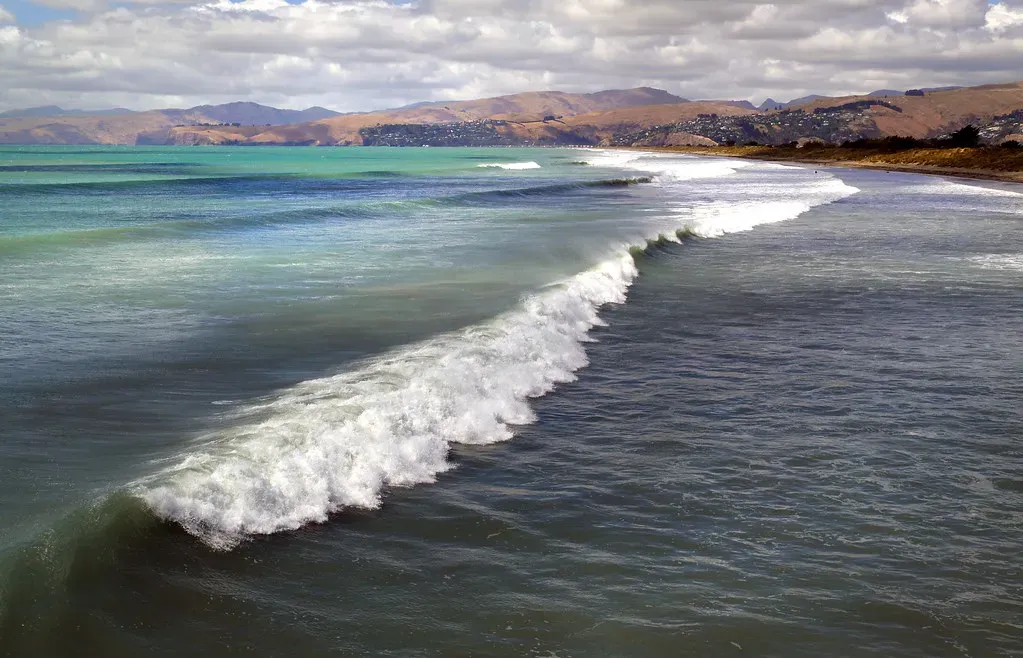
When you hear that the Pacific Ocean is behaving in ways never seen in historical data, you are not just hearing about distant buoys and abstract charts. You are being told that the foundation under your climate, your ecosystems, and many parts of your economy is shifting under your feet. This shift is not a single headline-making event, but a long, uneven awakening of a system that stores almost all of the extra heat your species has added to the planet. You are witnessing that hidden change rise to the surface in waves of extremes, surprises, and records that feel less and less like flukes.
Yet in that realization, you also gain a sharper view of the stakes and the possibilities in front of you. You know now that the ocean remembers what you do, amplifies it, and returns it to you in the form of storms, seasons, and living coastlines that either thrive or falter. The Pacific’s new behavior is not a prophecy of doom, but a warning flare that the old assumptions are gone and the window for smart, collective action is still open. The question that lingers for you is simple and serious: now that you know the ocean is changing in ways no one has seen before, what will you choose to do with that knowledge?