You keep hearing that Yellowstone is a ticking time bomb, but the real story is far stranger, more subtle, and honestly more fascinating than any disaster movie. In the last couple of years, the supervolcano under Yellowstone has shifted its behavior just enough to make scientists sit up straighter, double-check their instruments, and, yes, keep watch day and night. That does not mean an apocalyptic eruption is coming; it means you are watching one of Earth’s most powerful geological systems move through another chapter in a very long story. If you zoom out over thousands or even millions of years, Yellowstone has always breathed in slow motion: the ground rises and falls, geysers turn on and off, magma creeps and cools, hot water finds new escape routes. What has changed recently is that this “breathing” has become a little more interesting to track. New ground deformation, strange bulges, and shifts in the caldera’s usual up‑and‑down pattern are giving you an almost real‑time glimpse into how a supervolcano actually lives. The headline sounds scary; the science is more about patience, pattern‑spotting, and understanding what the volcano is telling you in very quiet, careful whispers rather than in roaring explosions.
A 19‑Mile Bulge: When the Ground Quietly Lifts Under Your Feet
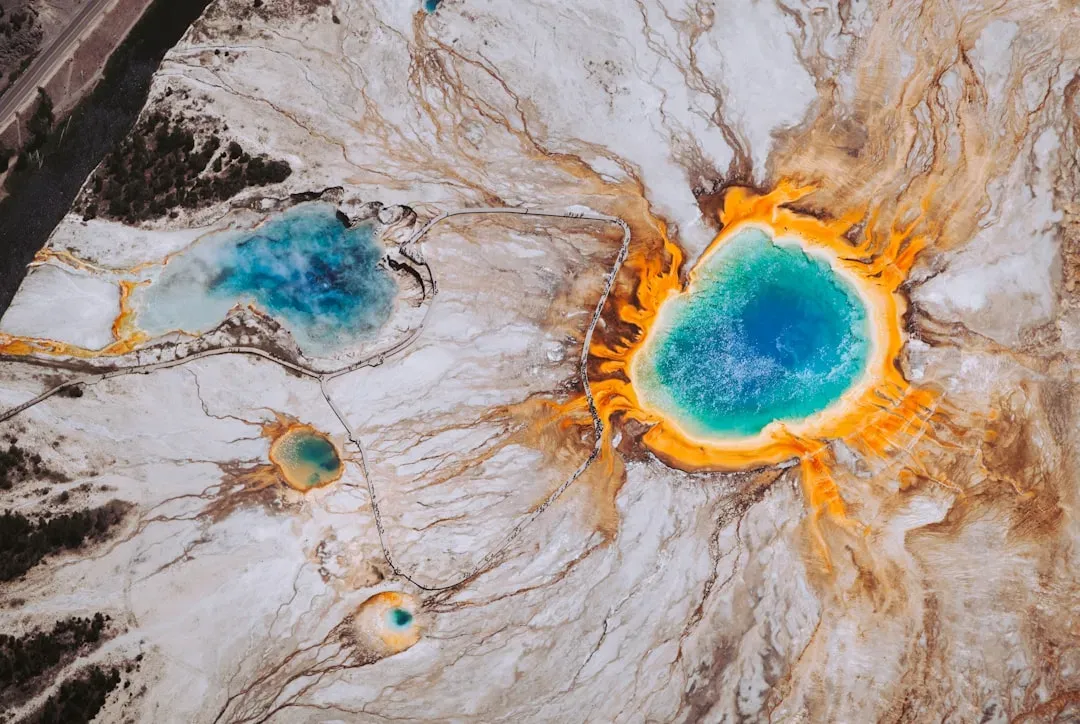
Imagine driving across a seemingly flat stretch of Yellowstone and not realizing the earth beneath you has slowly swelled upward over an area nearly as wide as a big city. That is essentially what has been happening: since mid‑2025, instruments have picked up a broad, roughly nineteen‑mile‑wide bulge forming along part of Yellowstone’s caldera rim. You would never notice it with your own eyes, but sensitive GPS stations do, registering the ground lifting by just a few centimeters over many months. Recently, that uplift appears to have slowed or paused, which is exactly the kind of subtle change that gets geologists’ attention.
This slow, gentle swelling is not a sign that Yellowstone is about to blow; instead, it is more like the volcano stretching in its sleep. The most likely explanation is that hot fluids or small amounts of magma have migrated into shallow rock layers, inflating them like a barely filled waterbed rather than a bursting balloon. What you are seeing is one episode in a long series of uplift and subsidence cycles that have been recorded over decades, and probably occurred for centuries before instruments existed. The key message for you: the bulge is scientifically exciting, not immediately dangerous, and it is one more reason experts keep round‑the‑clock watch on even the tiniest ground movements.
No More Winter Sinking: Yellowstone’s Caldera Just Broke Its Usual Pattern
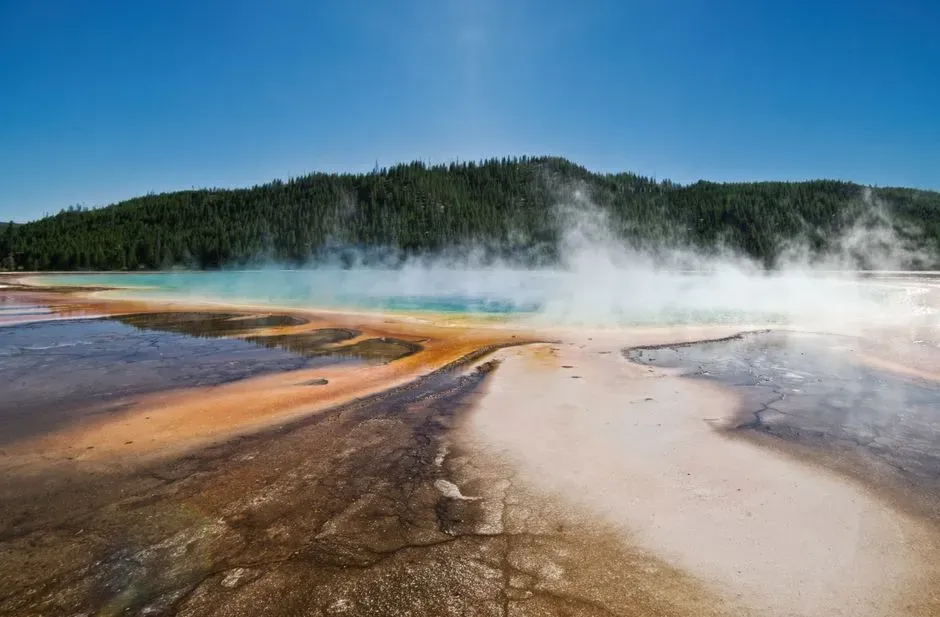
For years, Yellowstone’s caldera had a surprisingly dependable rhythm: in winter, the ground tended to sink slightly, a slow subsidence that showed up in the monitoring data like a seasonal heartbeat. Then, recently, that winter dip simply did not happen. The caldera stopped its usual sinking for the first time in about a decade, hinting that something in the way the system deforms has changed. If you picture the volcano as a giant, flexible bowl, it is as if one part of that bowl decided to stop relaxing downward during the cold season.
To you, that might feel like a tiny, technical detail, but to geologists it suggests that the balance of pressure, fluids, and rock stiffness beneath your feet has shifted. The change does not automatically mean more danger; in fact, it might simply show that pressure is being redistributed differently through the crust or that hydrothermal fluids are taking new pathways. What matters is that this break from the old pattern confirms Yellowstone is not a static system frozen in place. You are living during a time when the supervolcano is rewriting some of its own rules in slow motion – and the only way to catch that in real time is with persistent, around‑the‑clock monitoring.
A “Breathing” Magma Cap: The Hidden Lid That Keeps the Beast in Check
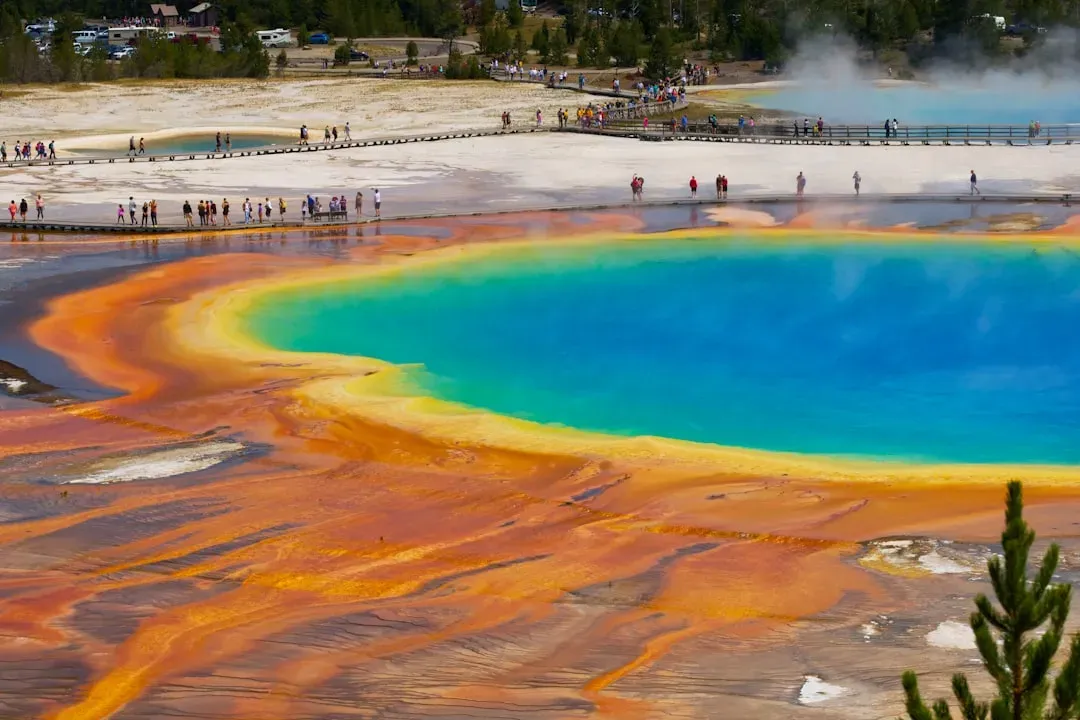
If the phrase “magma cap” is new to you, it is worth getting to know, because it fundamentally changes how you think about Yellowstone’s threat level. Researchers have identified a dense, partially solid layer above the main magma reservoir that behaves like a flexible lid. This cap can slowly deform, creep, and vent pressure, preventing gas and melt from building up too quickly. You can think of it like a heavy, rubbery cover on a pot that lets steam leak out before the whole thing rattles off the stove.
The really surprising part is that this cap appears to “breathe”: it adjusts, swells, and relaxes as fluids and heat move through the system over years and decades. Instead of acting like a rigid plug that might suddenly fail, it may actually make Yellowstone less prone to catastrophic, sudden rupture under current conditions. For you, that means the latest science is not pointing toward a doomsday clock speeding up; it is pointing toward a complex, self‑regulating system that vents energy in many small ways. That does not remove the long‑term possibility of a big eruption, but it does mean the volcano has more built‑in safety valves than you might have been led to believe.
Rethinking the Fuel: Yellowstone May Not Be the Deep Mantle Monster You Imagined
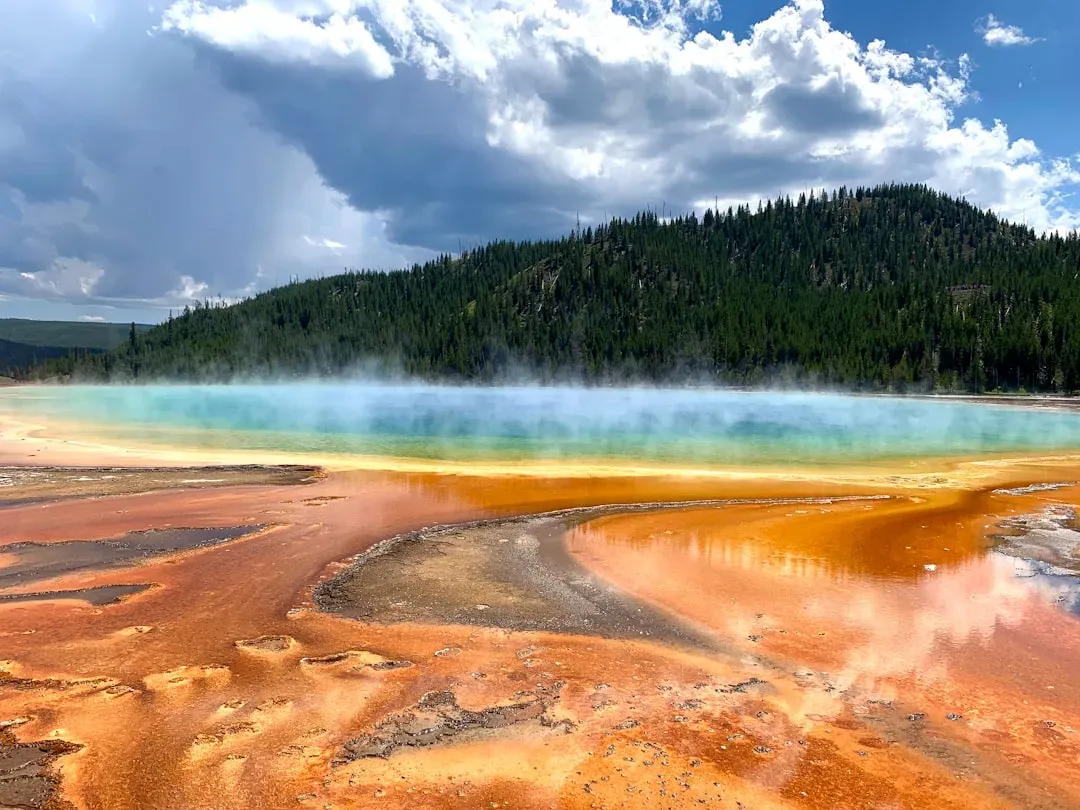
You have probably heard that Yellowstone sits on top of a deep, narrow plume of magma rising from near Earth’s core, like a blowtorch burning through the crust. Recent research challenges that simple picture and suggests a more complicated, more grounded reality. Instead of a straight “pipe” from deep mantle to surface, Yellowstone’s activity may be driven more by how the crust itself is stretching, thinning, and tearing, with hot material rising into those weaknesses over long periods. In other words, the fuel is not just a firehose from below; it is also the way the upper layers of the planet are rearranging themselves.
For you, this shift in understanding is powerful because it reshapes how scientists model future behavior. If the crust controls a lot of the magma’s movement, then the focus turns to mapping faults, crustal flow, and the architecture of the magma reservoirs rather than obsessing over a deep, unstoppable plume. That makes the hazard story less about a mysterious monster and more about a knowable machine with parts you can measure and test. It is still serious, but it is also more predictable, because you can watch the crust move and feel the earthquakes it produces long before anything huge might happen.
Geysers as Warning Lights: What Erupting Springs Are Actually Telling You
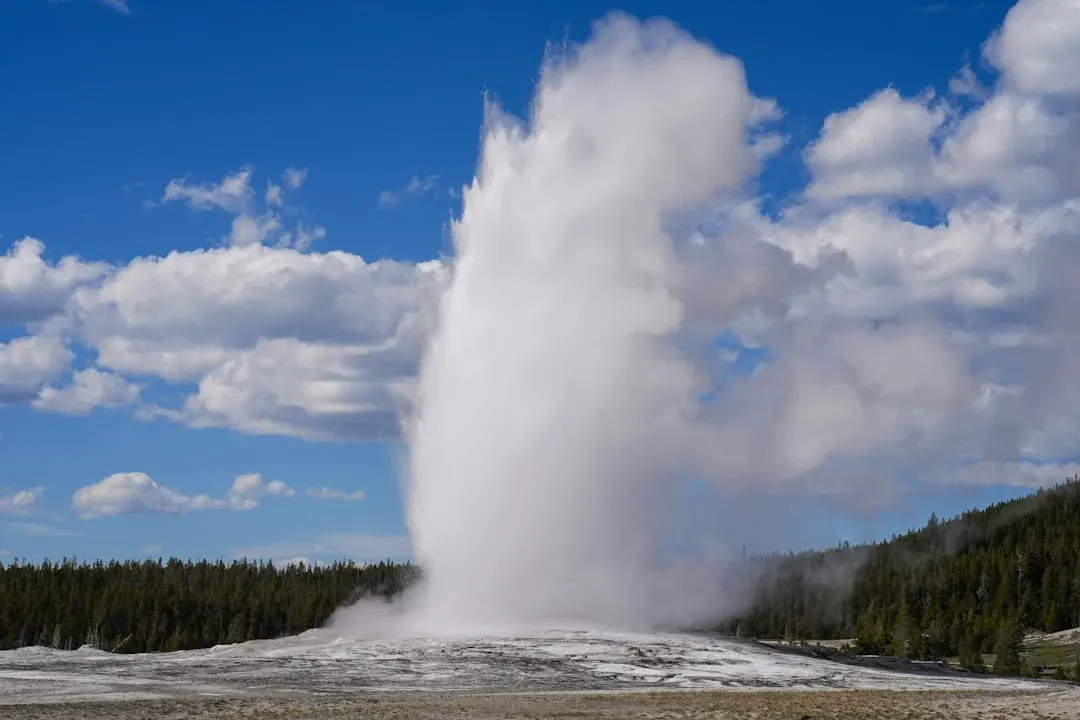
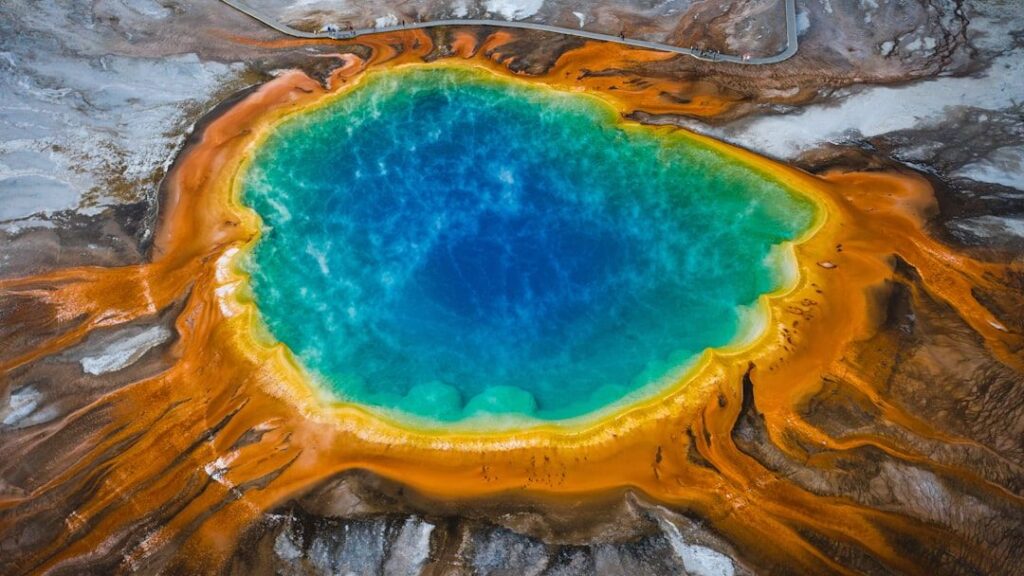
Every time you watch a geyser burst skyward at Yellowstone, you are seeing the volcano vent some of its energy in the safest possible way. In recent years, several geysers and thermal pools have shifted behavior: some that were quiet for years have woken up again, and others have entered new active phases with more frequent eruptions. To you as a visitor, it looks dramatic and maybe a little unsettling; to a volcanologist, it is a detailed status report on how heat and water are moving beneath the surface.
These changes are important, but they are not automatic red flags for a supereruption. Geysers respond to relatively shallow plumbing changes: tiny fractures opening, mineral deposits clogging and unclogging, slight shifts in pressure and water flow. That means they can flare up even while deeper magma conditions stay stable or even calm down. When you see headlines about a geyser suddenly roaring back to life, you should read it as the volcano adjusting its hydrothermal valves, not necessarily cranking up toward catastrophe. The monitoring networks track these shifts closely, because together they form a living map of how the system is breathing day by day.
Earthquakes, Satellites, and Fiber Optics: How Around‑the‑Clock Monitoring Really Works
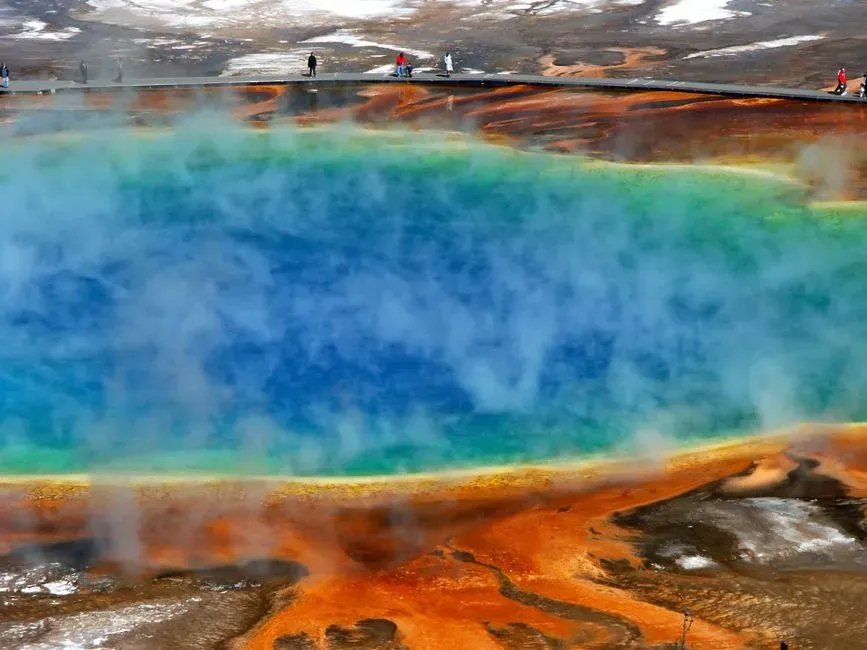
When you hear that geologists are watching Yellowstone around the clock, that is not a figure of speech. A dense web of seismometers, GPS stations, borehole sensors, gas samplers, and satellite measurements constantly feeds data back to the Yellowstone Volcano Observatory and partner institutions. Those instruments pick up everything from tiny quakes too small for you to feel, to millimeter‑scale changes in the height of the ground, to subtle shifts in the chemistry of hot springs and vents. It is like having a stethoscope, blood pressure cuff, and MRI scanner all trained on the same patient at once.
In the last few years, new tools have joined that network, including methods that use telecommunications cables and specialized trucks that vibrate the ground to image the subsurface. As that technology improves, you get sharper, more detailed pictures of where molten rock sits, how much of it is actually melted, and how it is connected to the overlying hydrothermal system. For you, the practical takeaway is reassuring: Yellowstone is one of the most closely watched volcanoes on Earth. If it ever did start to move toward a dangerous phase, that change would show up across multiple data streams long before ash hit the sky, buying time for scientists and emergency planners to respond.
Real Risk vs. Movie Myth: What a Yellowstone Eruption Would More Likely Look Like
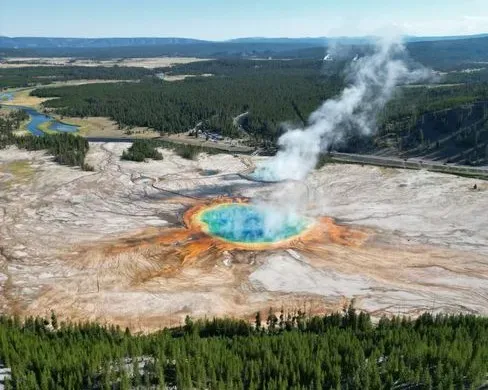
Disaster films have trained you to imagine Yellowstone going from calm to continent‑shattering in a matter of days, but that is not how supervolcanoes behave in reality. The best evidence suggests Yellowstone’s magma reservoir is mostly solid rock with relatively small pockets of melt, and that its long‑term pattern since the last big eruption has been dominated by smaller events: lava flows, modest explosions, and hydrothermal blasts. The last known eruption here was a lava flow about seventy thousand years ago, not a world‑ending explosion, and the vast majority of the park’s history has passed without supereruptions.
Could a truly massive eruption happen again someday? Yes, but “someday” in this context likely means far beyond your lifetime, and probably with centuries to millennia of clear warning signs beforehand. More realistic near‑term concerns include localized hydrothermal explosions, smaller ash‑producing eruptions, or persistent gas and ash that could disrupt travel and air quality in the region. Those are serious hazards for people living nearby and visiting the park, but they are not global extinction‑level events. When you line up the actual data rather than the Hollywood plotlines, Yellowstone looks less like a doomsday trigger and more like a powerful but mostly manageable natural system.
What This Means for You as a Visitor, Neighbor, or Worried Observer
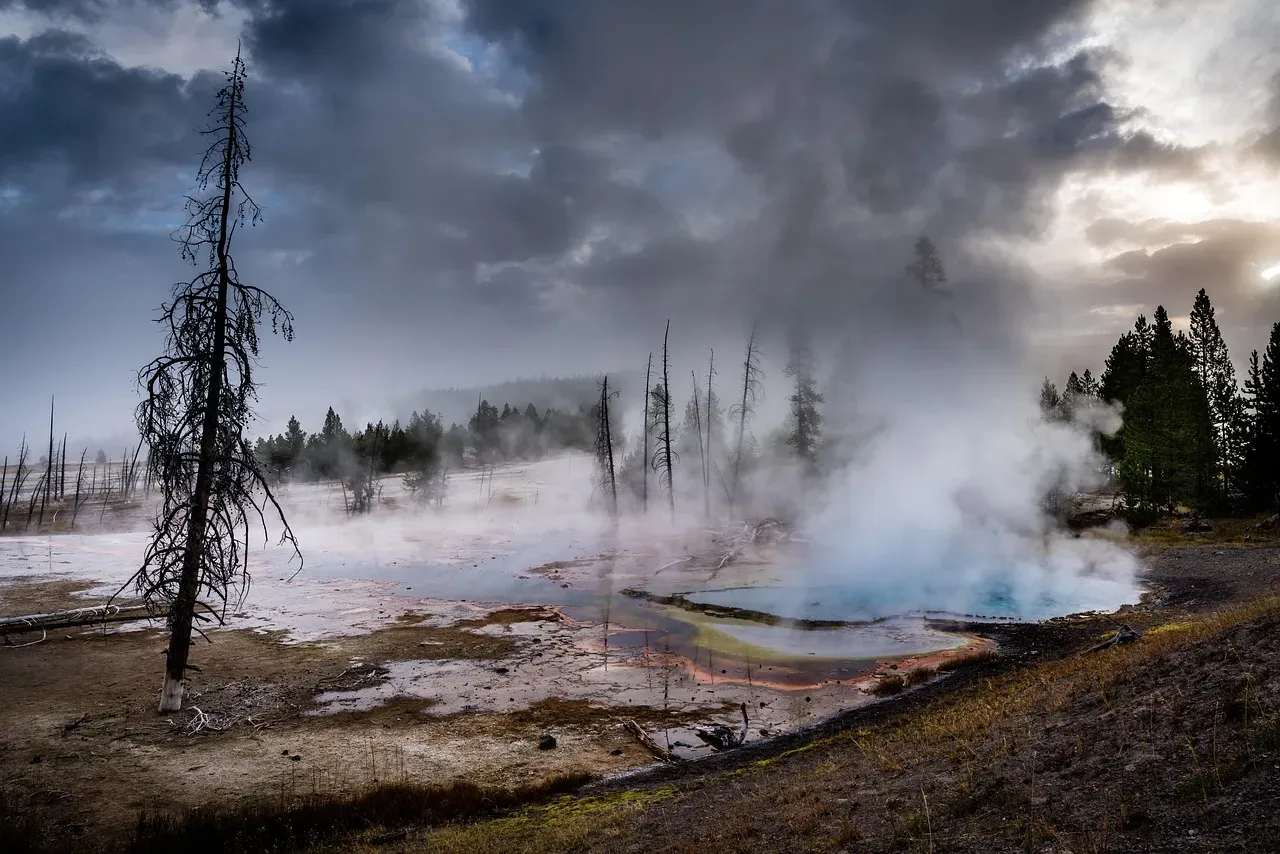
If you live near Yellowstone or visit the park, you have every right to be curious – and even a little anxious – when you hear about bulges, magma caps, or changing geysers. The good news is that the same changes that generate alarming headlines are usually the ones that scientists interpret as normal, if fascinating, activity within a large, long‑lived volcanic system. Your real‑world risk on any given day is dominated by ordinary concerns: weather, wildlife encounters, and staying on marked trails so you do not wander onto thin crust above boiling water. Volcanologists and park managers build their plans around that everyday reality, not around unannounced supereruptions.
At the same time, you can use this moment to become more scientifically literate about the place. When a monthly update mentions earthquake counts, ground deformation, or geyser changes, you can read it like a health report: What is up, what is down, and what is just different but not dangerous. You might even find that understanding the volcano’s slow, subtle changes makes you feel less afraid and more connected to the deep processes shaping the continent you live on. Instead of wondering whether Yellowstone will “go off,” you start asking better questions: How does this system work, what is it teaching you about the planet, and how can you live wisely alongside a force that operates on timescales longer than human history?
Why Constant Monitoring Is the Real Yellowstone Success Story
It is easy to get fixated on the idea that Yellowstone “just changed behavior,” but the bigger story is that you now have the tools to notice that change at all. Without decades of continuous monitoring, a nineteen‑mile bulge or a missing winter subsidence cycle would have slid by unnoticed, just another quiet adjustment in Earth’s crust. Today, each of those shifts shows up in high‑resolution data, gets cross‑checked by teams of experts, and is communicated openly in regular public updates. The volcano has probably gone through countless similar episodes in the distant past; you are simply the first generation to watch them unfold in real time.
Viewed from that perspective, the fact that geologists are watching around the clock is not a sign that Yellowstone is on the brink, but that you are finally paying close, intelligent attention to a system that deserves respect. Monitoring does not eliminate risk, but it turns blind fear into informed vigilance. You are trading superstition and rumor for instruments and models, and in doing so you are making the region safer for everyone who lives near it or comes to marvel at its geysers and hot springs. The volcano will keep breathing on its own timescale; your responsibility is to keep listening carefully.
Conclusion: Living Beside a Restless Giant Without Losing Sleep
When you strip away the scary headlines, Yellowstone’s recent behavior tells a surprisingly balanced story. Yes, the ground is shifting: bulges rise and stall, seasonal patterns change, and new geyser activity bubbles to the surface. At the same time, the deeper signs of a looming supereruption – rapid, sustained uplift, major changes in gas output, massive swarms of large quakes – are not present. You are watching a restless giant roll over, not leap out of bed. The scientists on night shift are not flipping through disaster scripts; they are collecting data points in a long, careful experiment that spans human generations.
If you let the evidence, rather than the fear, guide you, Yellowstone becomes less of a looming threat and more of an extraordinary window into how your planet works. You can stand at the edge of a hot spring or read a technical update and feel awe instead of panic, knowing that an entire community of experts is tracking even the smallest wiggle in the ground beneath your feet. The supervolcano did just change its behavior – but in a way that deepens understanding more than it raises the stakes. The real question for you is simple: now that you know what is actually happening under Yellowstone, does it change how you see the ground you walk on?