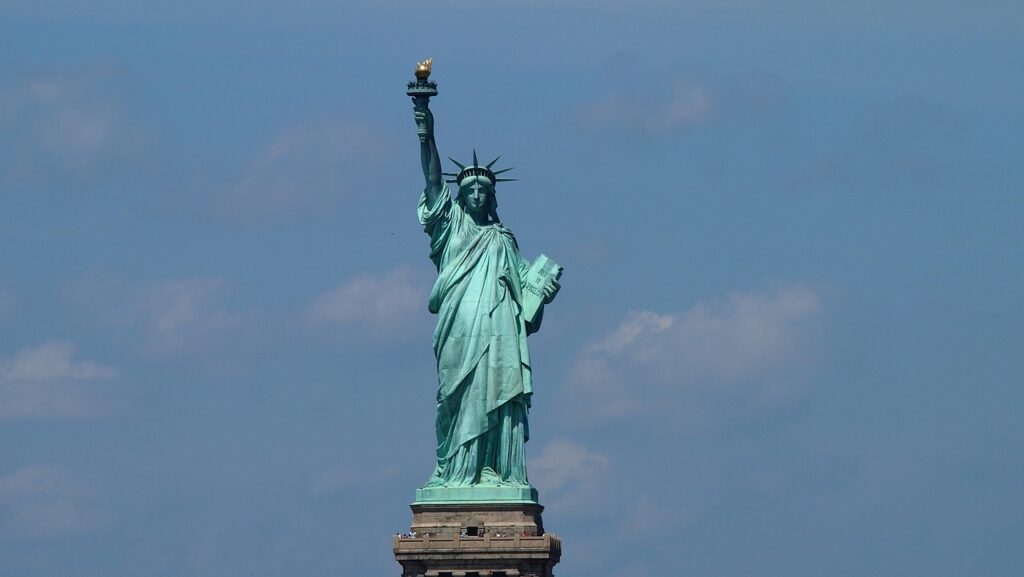
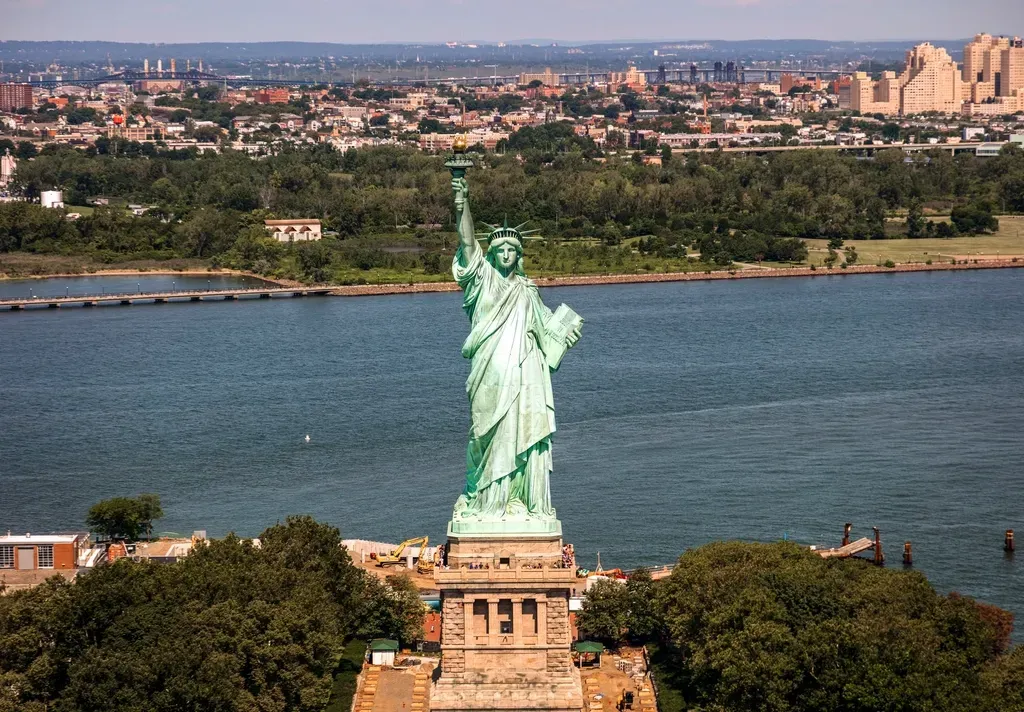
On a calm day in New York Harbor, the Statue of Liberty looks untouchable, like time itself would hesitate before laying a hand on it. Yet beneath the surface, quite literally under the waterline and under the island that holds it, the ground is shifting. Lady Liberty is not dramatically tilting like a movie scene, but the land she stands on is slowly, measurably sinking.
That idea sounds dramatic, and it is, but it is also part of a much wider and more subtle story. Around the world, coastal cities are grappling with rising seas and sinking ground, and New York is no exception. Engineers and geoscientists have been quietly using satellites, detailed surveys, and soil data to figure out how fast iconic places like Liberty Island are moving. Their findings are not a doomsday headline, but they are a wake‑up call about how even the most solid‑seeming monuments depend on the restless earth beneath our feet.
The Shocking Truth: Liberty Island Is Not Standing Still
It feels almost wrong to imagine the Statue of Liberty doing anything other than standing absolutely still. In our minds, it is this fixed, permanent presence that has watched ships and skyscrapers come and go. Yet measurements from satellite‑based radar and ground surveys show that Liberty Island, like much of the New York coastline, is experiencing what scientists call land subsidence. Translated into normal language, the land is very slowly sinking relative to sea level over time.
We are not talking about meters of dramatic collapse, but gradual change measured in millimeters per year, roughly the thickness of a couple of coins. That may not sound like much, but stretched over decades and combined with rising seas, it becomes a serious engineering concern. Think of it like a bookshelf where the floor settles just a bit each year; the first year you do not notice, but one day you realize every book is leaning. Engineers looking at Liberty Island are not panicking, but they are paying close attention, because “not standing still” is exactly how long‑term problems quietly begin.
The Hidden Forces Under New York Harbor’s Surface
So why is the ground under New York, including the area around Liberty Island, moving at all? One big reason has nothing to do with modern construction and everything to do with ancient ice. During the last Ice Age, a massive ice sheet sat over parts of North America, weighing down the land like a giant, frozen thumb on a pillow. Areas directly under that ice were pushed down, while regions around the edges, including parts of today’s East Coast, bulged upward.
When that ice melted thousands of years ago, the land started a very slow rebound and adjustment, a process that is still playing out today. For the northeastern United States, that means some areas are gradually sinking as the earth relaxes and redistributes weight. New York Harbor sits in one of those zones. It is a bit like watching a memory foam mattress return to shape in extreme slow motion. The twist is that this ancient geological process is now combining with modern pressures, and together they are nudging Liberty Island downward relative to the water that surrounds it.
What Engineers Are Seeing in the Data (Without the Hype)
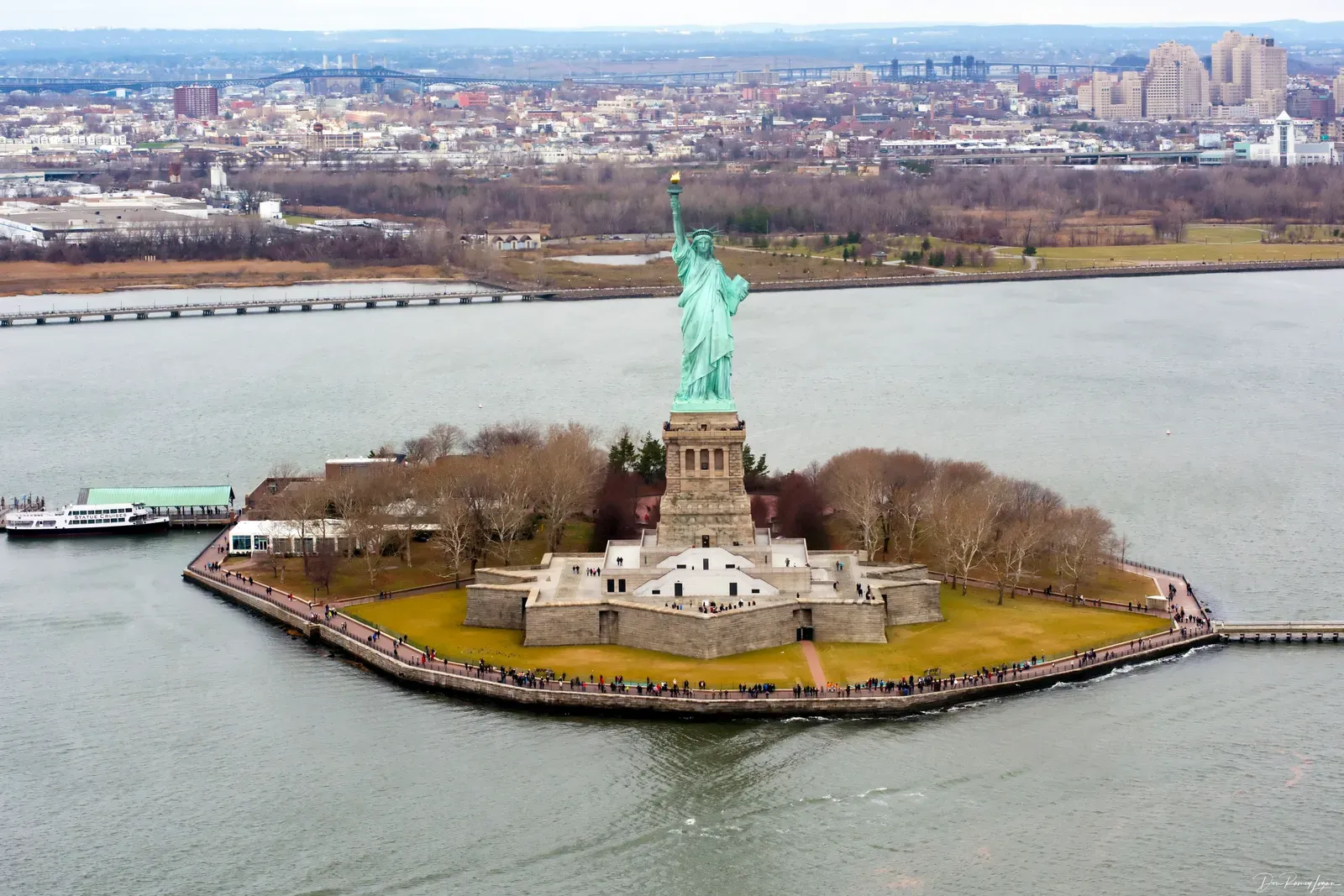
Engineers and scientists rely on a mix of space‑age tools and old‑fashioned measurements to track what is happening at places like Liberty Island. Satellite radar techniques can detect incredibly small changes in elevation over time, while GPS stations, tide gauges, and engineering surveys add more detail on how land and sea levels are shifting. When they stack all of those measurements together, a clear picture emerges: New York’s waterfront, including the area around the Statue of Liberty, is slowly subsiding while the ocean is creeping higher.
The key point is that the sinking is not sudden and not unique to the statue itself, but part of a larger regional trend. Engineers are careful not to overstate the risk; the statue is not about to topple into the harbor or crack dramatically. Still, from a design and safety perspective, even modest sinking matters. Flood levels that might have been rare in the past could become more common, protective seawalls might be overtopped more easily, and foundations experience higher water levels more often. The data does not scream disaster, but it does quietly insist that the status quo will not last forever.
The Real Culprits: Soft Ground, Old Decisions, and New Pressures
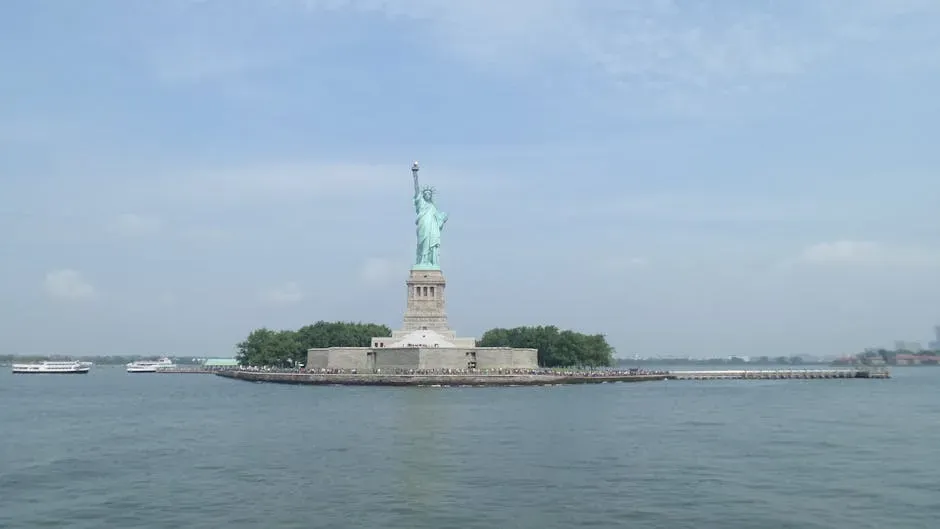
When people hear that something is sinking, they often imagine a single villain, like a huge construction project or a mysterious underground void. The reality around New York Harbor is more ordinary and more complicated. Liberty Island sits in an estuarine environment, where centuries of sediments, fill material, and natural deposits create a layered and often compressible base. Some of that ground can settle slowly under its own weight and under the weight of whatever is built on top of it.
Historically, humans have reshaped New York’s shoreline with landfilling, bulkheads, and heavy infrastructure long before climate change was a common phrase. Each of those decisions altered how the soil compresses and how water moves through it. Add to that today’s pressures: more intense coastal storms, higher average water levels, and ongoing structural loads from buildings, seawalls, and visitor facilities. None of these factors alone is a dramatic smoking gun, but together they create a quiet downward push. In that sense, the real culprit is a layered mix of natural geology and human choices that never imagined twenty‑first century oceans.
An Icon in a Rising Sea: How Climate Change Makes Sinking Matter More
If the ocean were not rising, a slow, small amount of sinking might remain a mostly academic concern. What turns it into a front‑page story is the way land subsidence and sea‑level rise team up like an unwelcome duo. As global temperatures climb, oceans expand and ice melts, raising average sea levels. When the ground sinks at the same time, the relative rise that coastal landmarks experience is effectively amplified. For the Statue of Liberty, that means high tides and storm surges bite a little deeper into the island than they would otherwise.
We saw a preview of this with recent major storms that flooded parts of New York Harbor and highlighted how vulnerable low‑lying infrastructure can be. Even when Liberty Island itself escapes the worst impacts, the trajectory is clear: the margin of safety shrinks as decades go by. It is a bit like standing on an escalator going down while the water in the pool around you is being quietly pumped up. Engineers now treat relative sea‑level rise – the combination of sinking ground and rising water – as a core design input, not a distant theoretical problem, especially for iconic sites that the public expects to endure for generations.
How Engineers Are Quietly Future‑Proofing Liberty Island
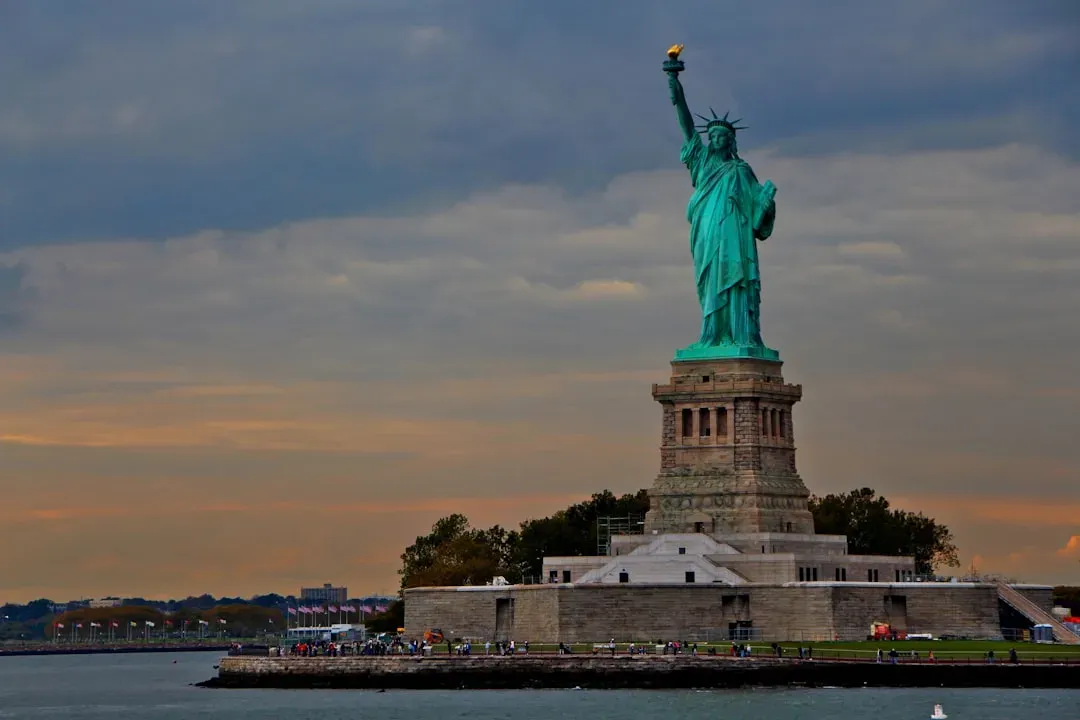
The good news, which rarely makes headlines, is that the Statue of Liberty is not simply being left to fate. Engineers, planners, and conservation specialists have been strengthening, upgrading, and re‑evaluating the site for years. That work includes improving flood defenses, modernizing infrastructure, and reassessing how critical systems are placed relative to potential high‑water marks. Some of this was visible after major storms, when repairs and resilience projects aimed to make Liberty Island more robust against future surges.
Behind the scenes, models that combine land subsidence, projected sea‑level rise, and storm scenarios help determine what height new structures should be, what kind of drainage is needed, and how evacuation and emergency systems should function. The statue’s own massive pedestal and internal steel structure are closely monitored and maintained, reflecting a mindset that treats it almost like a living patient with regular checkups. There is an unromantic, methodical side to this: bolts, joints, concrete, and steel are checked, tested, and sometimes replaced. That quiet, ongoing work is what stands between a beloved symbol and the slow creep of the harbor.
Could the Statue Ever Be Moved – And Should It Be?
Whenever people hear about an iconic structure at risk from sinking land or rising water, someone eventually asks whether we could just move it. After all, engineers have relocated massive buildings before, inching them along with jacks and rails. In theory, you could imagine dismantling or shifting the Statue of Liberty to higher ground or an entirely different location if conditions ever became extreme. But in practice, the idea runs into a wall of technical difficulty, cultural resistance, and cost almost beyond imagination.
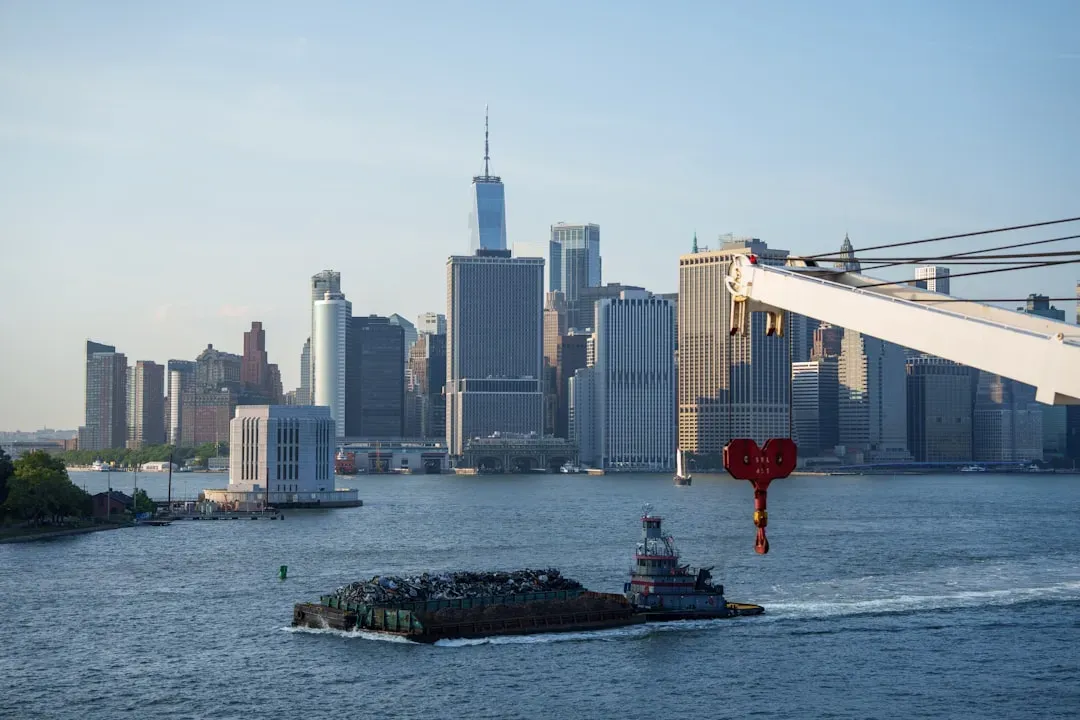
There is also a deeper question hiding inside that hypothetical: if we respond to climate and subsidence by simply relocating symbols instead of protecting their settings, what story are we telling about our relationship to place? Liberty Island, New York Harbor, and the Manhattan skyline form an emotional landscape as real as the bedrock beneath them. Moving the statue would be like tearing a chapter out of a living book and taping it into a different one. Engineers tend to view relocation as an option of absolute last resort, far behind adaptation measures that work with the island and the harbor rather than abandoning them.
Conclusion: What Lady Liberty’s Slow Descent Says About Us
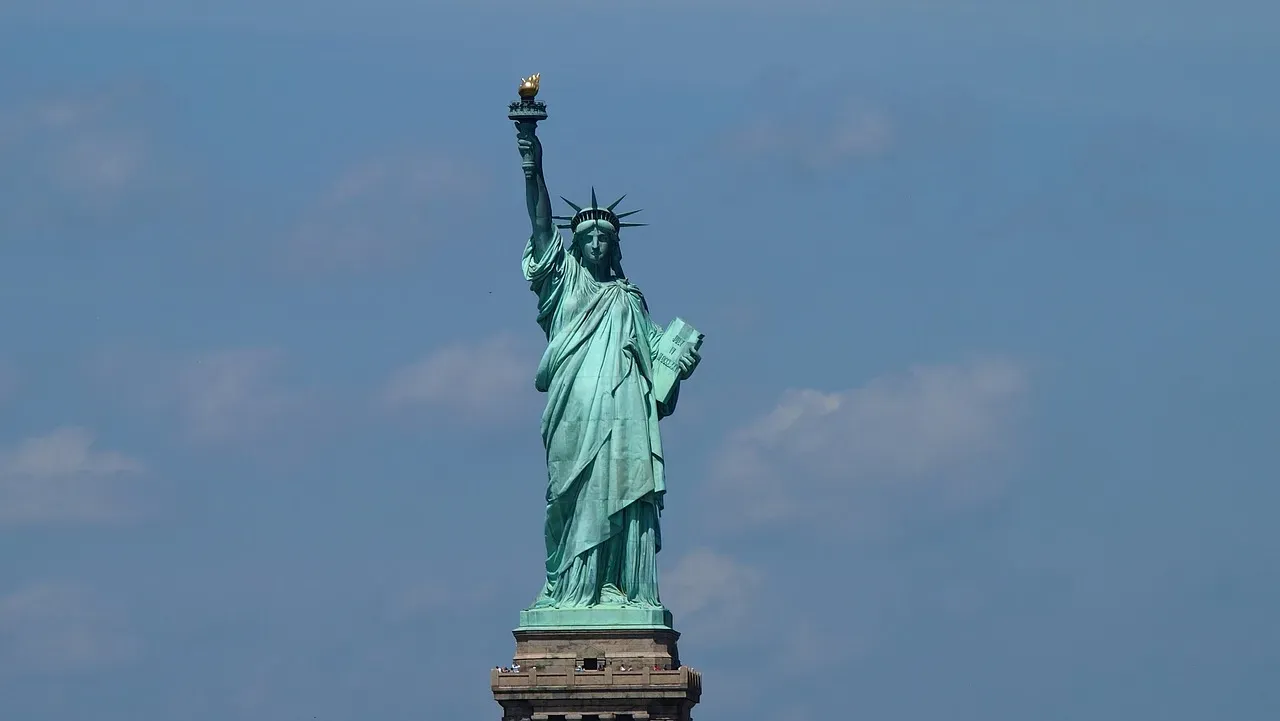
I remember the first time I stood on the deck of the ferry and saw the Statue of Liberty up close; it felt less like looking at a monument and more like meeting a character I had known from a distance my whole life. Learning that the island beneath her is slowly sinking does not make that feeling weaker, it makes it sharper. It forces you to realize that even the symbols we treat as eternal depend on messy, shifting geology, complicated climate physics, and imperfect human decisions. In a way, her subtle descent is a mirror of our own situation: we are all standing on ground that is not quite as solid as we pretended it was.
From my perspective, the most dangerous response is not alarm but indifference. Denying the problem or shoving it into the future would be like ignoring a slow leak in the hull of a ship because the deck still looks dry. The sinking of Liberty Island is not an isolated curiosity; it is a warning label attached to thousands of coastal landmarks and neighborhoods around the world. Choosing to measure, plan, and invest in resilience here is a statement about what we value and what we refuse to casually lose. In the end, the real question is not whether the statue will someday face higher water, but whether we are willing to treat that quiet warning as motivation rather than background noise. What does it say about us if we let our most famous symbol of hope slowly slide deeper into the harbor without taking that message to heart?