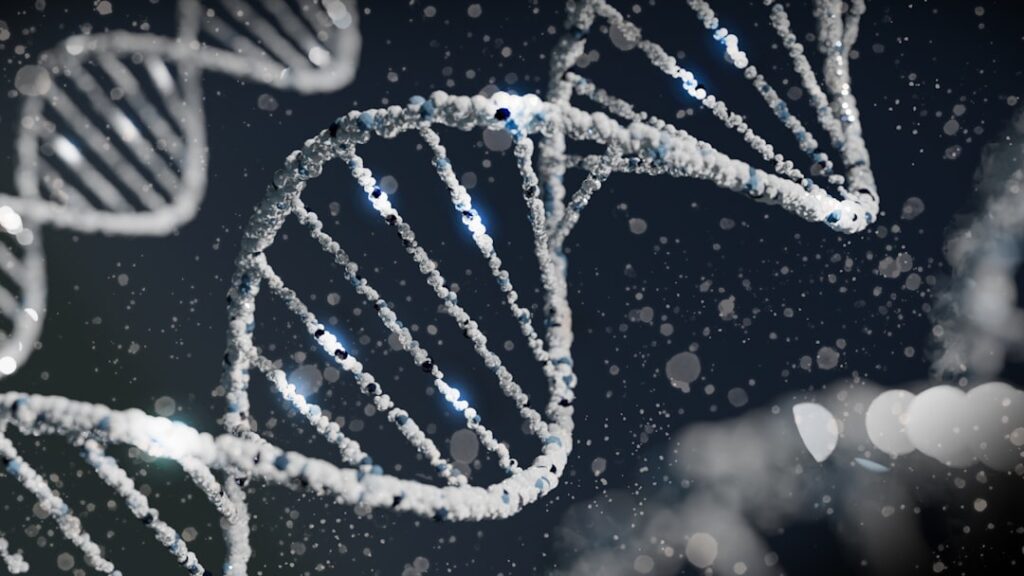
If you could hold a fragment of ancient bone in your hand, you’d be holding a time capsule more revealing than any pyramid or ruined city. Buried in that fragile material is DNA, a biological archive that quietly records who your ancestors were, where they traveled, which threats they survived, and sometimes, which mysteries they never escaped. When scientists learned how to read this code from remains tens of thousands of years old, the story of human history changed almost overnight.
As you walk around in your modern body, you’re actually carrying molecular souvenirs from people who lived in caves, crossed ice sheets, and watched megafauna roam landscapes that no longer exist. Some of those genetic traces shape how you respond to altitude, disease, even diet; others simply whisper of forgotten encounters and lost populations. The seven secrets below pull you into that story and show how your own DNA is entangled with these ancient lives in ways you might never have imagined.
1. You Are Part Neanderthal (And Maybe Denisovan Too)
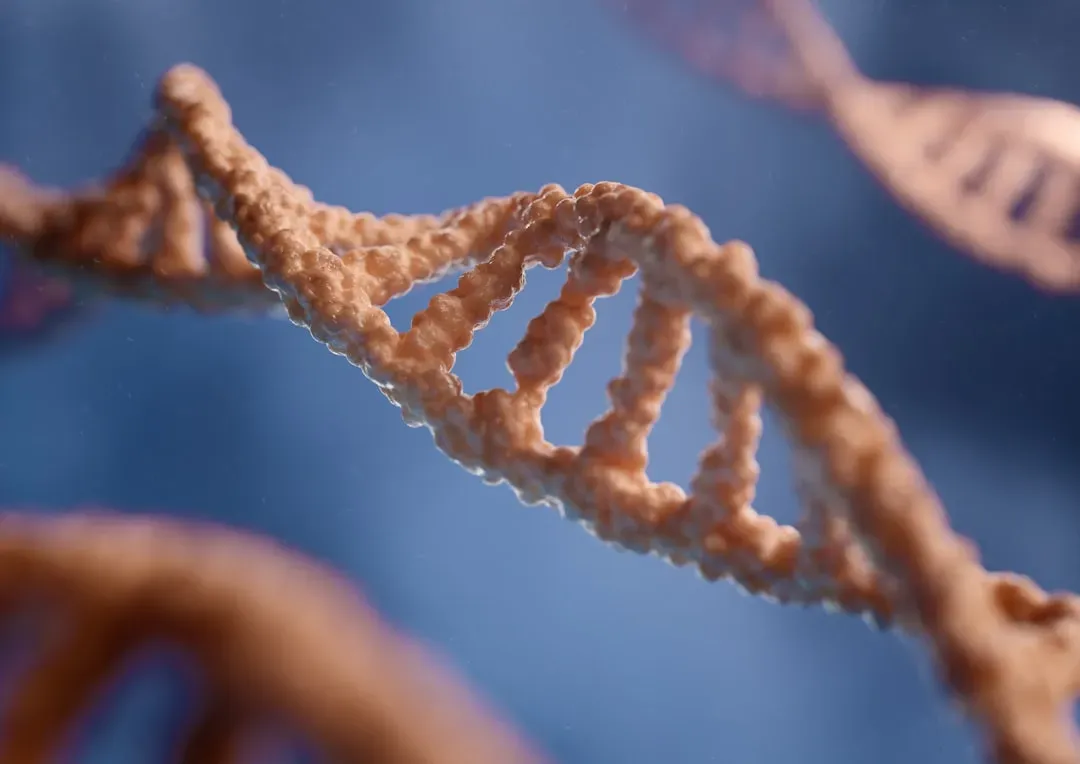
One of the most surprising secrets hiding in your genome is that you’re almost certainly part Neanderthal if your ancestry traces back to Europe, Asia, or the Americas. When geneticists first pieced together Neanderthal DNA from ancient bones, they discovered that people living today outside sub-Saharan Africa carry a small but real fraction of Neanderthal ancestry, often roughly a few percent. That means your distant ancestors did not just coexist with Neanderthals as neighbors; they had children together, and those children’s descendants eventually became you.
If your family roots stretch into parts of Asia or Oceania, there’s a good chance you also carry DNA from an even more mysterious group called Denisovans, known almost entirely from fragments found in a Siberian cave and a few other sites. Those Denisovan traces are most pronounced in some Indigenous populations of Oceania and parts of Asia, but faint echoes show up more widely. Instead of a clean, straight line of human evolution, your DNA reveals a braided river of populations meeting, mixing, and reshaping what it means to be “human” long before written history began.
2. Ancient DNA Reveals Lost Peoples You Never Knew Existed
When you look at a world map, you see modern countries and cultures, but your DNA quietly remembers populations that disappeared thousands of years before anyone drew borders. Ancient genomes dug up from burial sites often do not match any single modern group; instead, they form branches that split, merge, and sometimes vanish entirely. When scientists compare those ancient genomes with those of people alive today, they uncover ghost populations that contributed to your ancestry but left no direct cultural record.
You might think of yourself as belonging to a particular ethnicity or nation, but at the genetic level you’re more like a layered palimpsest, written and rewritten by migrations, conquests, and quiet intermarriages. In some regions, ancient DNA shows large-scale population replacements, where new waves of people moved in, mixed with or overwhelmed existing groups, and left only a genetic shadow of those who came before. In other areas, you see continuity: people living in the same land for many thousands of years whose genetic signatures persist in you today, even if their languages and customs have faded away.
3. Your Immune System Bears Scars of Ancient Plagues
Long before antibiotics and vaccines, your ancestors faced waves of devastating infections: unfamiliar viruses, deadly bacteria, and parasites that could wipe out entire communities. The people who survived often did so because of small genetic advantages, and those advantages were passed on, generation after generation, until they reached you. When scientists study ancient skeletons and compare their DNA to yours, they see changes in immune-related genes that seem to line up with periods of intense disease pressure.
Some of the immune system variants you carry today may have helped your distant relatives fend off medieval plagues or earlier epidemics that left little trace in the historical record. A twist in one gene might have made an ancestor more resistant to a pathogen carried by livestock; another might have helped someone survive a viral outbreak in a crowded early city. The trade-off is that a few of those once-helpful variants may now be linked to modern autoimmune or inflammatory conditions, because what protected your family in a world full of deadly infections can sometimes misfire in a cleaner, more medically controlled environment.
4. High Altitude, Harsh Climates, and How Your Body Adapts
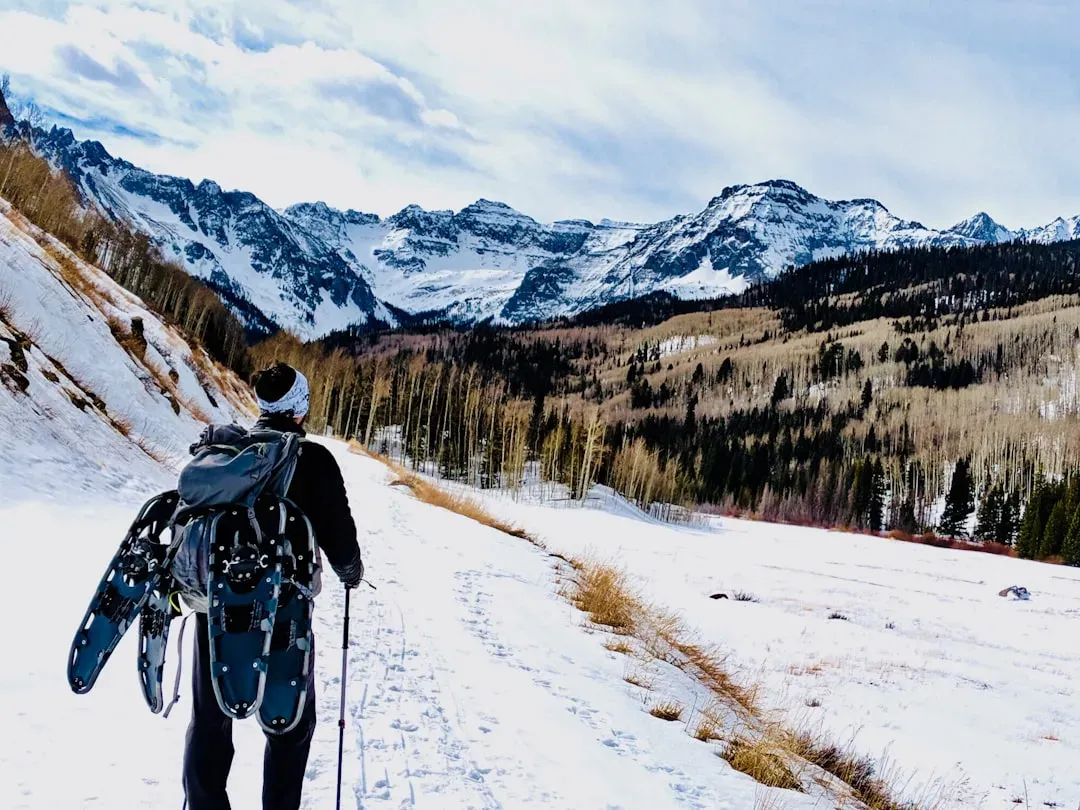
If you’ve ever felt short of breath walking up a hill, it might be hard to imagine people thriving on rugged plateaus with thin air and brutal winters. Yet your DNA shows that ancient humans adapted remarkably quickly to some of the harshest environments on Earth. In certain high-altitude populations, for example, researchers have identified genetic variants that help bodies use oxygen more efficiently, reducing the strain on the heart and lungs. Some of those variants likely came from archaic humans such as Denisovans, illustrating how borrowing genes became a survival strategy.
Beyond altitude, you can see similar patterns in how ancient DNA shaped responses to extreme cold, limited sunlight, and challenging diets. In northern latitudes, for instance, gene changes affecting how your body processes vitamin D and fats show signs of selection tied to low light and high-fat food sources. If your ancestors lived for many generations in such places, your own physiology may still bear the imprint of those adaptations, even if you now live in a mild climate with year-round produce and central heating.
5. Your Metabolism Still Remembers Ancient Diets
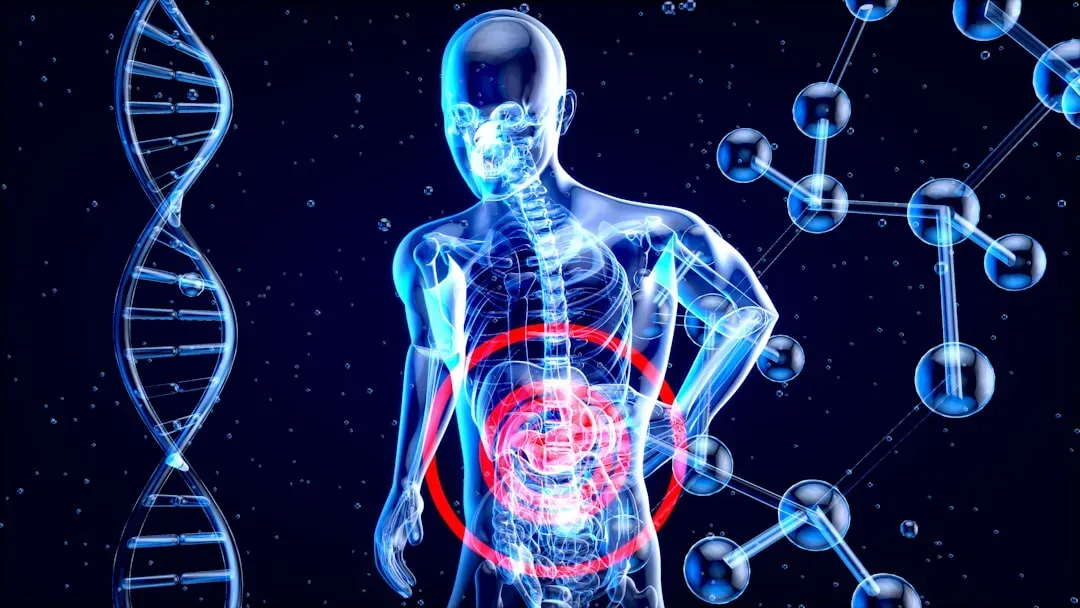
When you scroll past conflicting diet advice, your DNA is quietly hinting that the story is more complicated than one-size-fits-all rules. Ancient genomes reveal how shifts from hunting and gathering to farming left deep marks on your metabolism. As people began relying on grains, dairy, and domesticated animals, genetic variants that helped digest these foods or store energy efficiently spread more widely. This is why, in some populations, many adults can digest lactose while in others, lactose intolerance remains the norm.
You also see signatures of past famines and feast-or-famine cycles in genes that influence how easily you store fat or regulate blood sugar. In a world where food was unpredictable, being able to hang on to calories was an advantage; in a world of supermarkets and delivery apps, the same traits can raise your risk for metabolic issues. When you understand that your body was shaped for scarcity and wildly varying diets, it becomes easier to see why modern eating patterns can clash so strongly with your ancient wiring.
6. Ancient DNA Shows How Deeply You’re All Connected
It’s easy to think of human groups as separate, but when you look at patterns of ancient and modern DNA together, the borders start to blur. Over tens of thousands of years, people moved, met, and had children with one another far more than simple textbook diagrams suggest. No matter what identity you use today, your genome likely contains pieces of many ancient lineages that crossed paths again and again. Instead of isolated trees, human ancestries are more like a dense forest, with roots and branches tangled together underground.
When researchers build genetic family trees using ancient samples from different regions, they keep finding connections where no one expected them. A small group on one side of a continent and another group thousands of miles away sometimes share a surprising amount of ancestry, revealing forgotten migrations or long-distance contacts. If you could trace every one of your genetic lines back far enough, you’d discover that the idea of “us” and “them” starts to dissolve, replaced by a vast, shared web that eventually leads back to the same ancient populations.
7. Your DNA Timeline Runs Far Older Than Written History
History books like to begin with the first cities or the earliest writing, but your DNA tells you that your personal story runs far deeper than that. Ancient genomes from hunter-gatherers, early farmers, and pastoralists show that many of your genetic lineages were already branching, mixing, and spreading around the world long before anyone carved symbols into clay tablets or etched stories on stone. When you imagine your ancestry only in terms of known kingdoms or empires, you’re skipping most of the chapters that actually shaped who you are biologically.
If you could follow each segment of your DNA like a thread, some would trace back to small bands of foragers on now-vanished coastlines, others to people who tracked herds across open grasslands, and still others to villages that rose and fell without leaving monuments. Ancient DNA studies keep pushing the timeline of these movements further back, showing that your roots do not begin with civilization but with countless generations of individuals who adapted, migrated, and survived in a world that looked nothing like the one you know. That deep timescale can make modern divisions and timelines feel strangely small in comparison.
Conclusion: Carrying Ancient Stories in a Modern Body
When you step back and look at all these strands together, you start to see yourself less as a single point in time and more as a walking archive. Inside your cells, you carry fragments of Neanderthals and Denisovans, echoes of lost peoples, traces of plagues survived, and adaptations to ice, altitude, and scarcity. Your metabolism, your immune quirks, even some subtle aspects of how your body handles stress or climate are not random; they are the lingering footprints of choices and chances your ancestors faced long before history was written down.
What ancient DNA really shows you is that identity is layered, fluid, and far older than any story you were told in school. You’re not just from a country, a region, or a family tree; you’re the latest chapter in an epic experiment that has been running for hundreds of thousands of years. Next time you hear about an ancient skeleton or a new genetic discovery, you might find yourself wondering not just who those people were, but which tiny part of them might still be living through you. Knowing that, how does it change the way you see your own place in the human story?