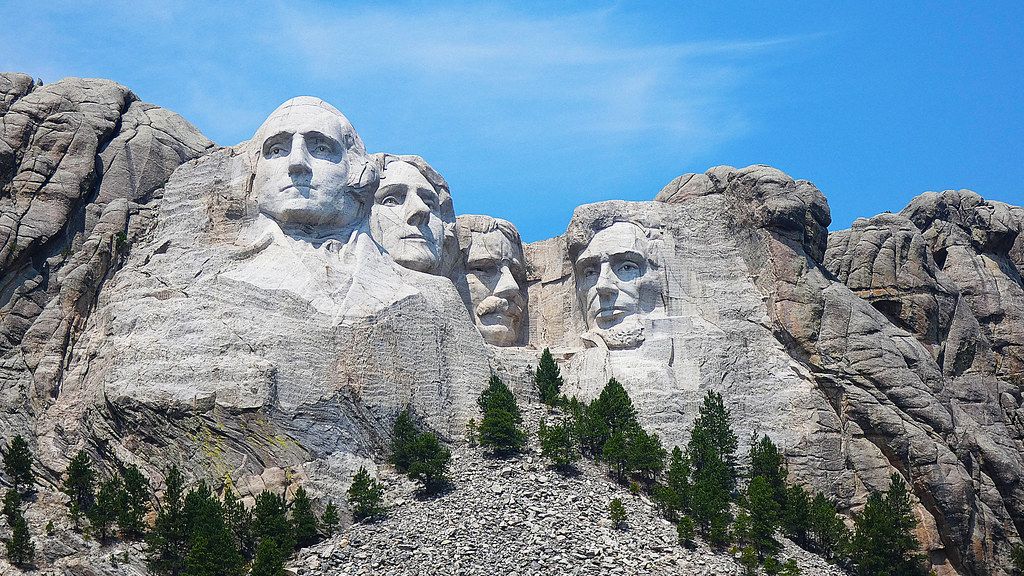
If you have ever stood below Mount Rushmore and stared up at those massive faces, you probably felt like you were looking at something permanent, almost untouchable. It feels ancient, solid, and immovable, as if it could outlast you, your children, and even your grandchildren without breaking a sweat. But the uncomfortable truth is that this stone mountain is slowly falling apart, and the clock is ticking faster than many people realize.
That does not mean the monument is about to vanish tomorrow, but the forces working against it are relentless and non‑negotiable. The very geology that allowed those famous faces to be carved is also what guarantees they will eventually fade, crack, and crumble. Once you understand what is happening inside the rock, you see Mount Rushmore less as a symbol of forever and more as a long, slow, breathtakingly fragile moment in time.
You Are Looking At A Monument Carved Into A Flawed Mountain
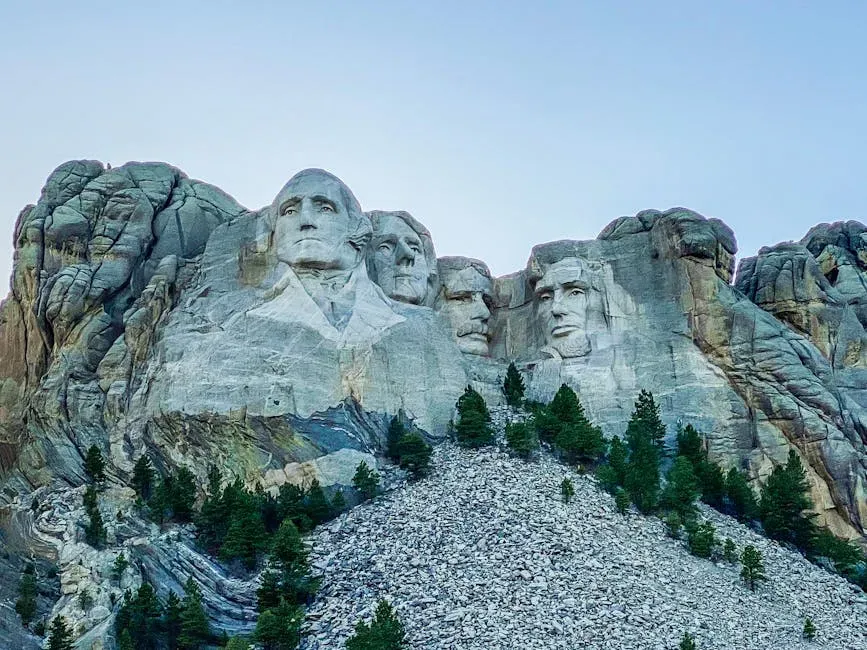
When you look at Mount Rushmore, it is easy to assume you are seeing four faces carved into a single perfect block of granite. In reality, you are looking at a mountain with natural fractures, mineral veins, and weak spots that were already there long before any carving began. The sculptors had to work around those flaws, but they could never fully erase them, and those invisible imperfections are now some of the main pathways for damage.
You are also dealing with rock that behaves differently in different places. Some sections are tougher and resist weathering better, while other parts break down more easily or absorb more water. That patchwork structure means the monument does not age evenly; one area can stay mostly intact while another nearby section cracks or flakes. From a distance, it still looks solid, but up close, those built‑in weaknesses are quietly shaping how and where the mountain will eventually fail.
Freeze–Thaw Cycles Are Silently Tearing The Faces Apart
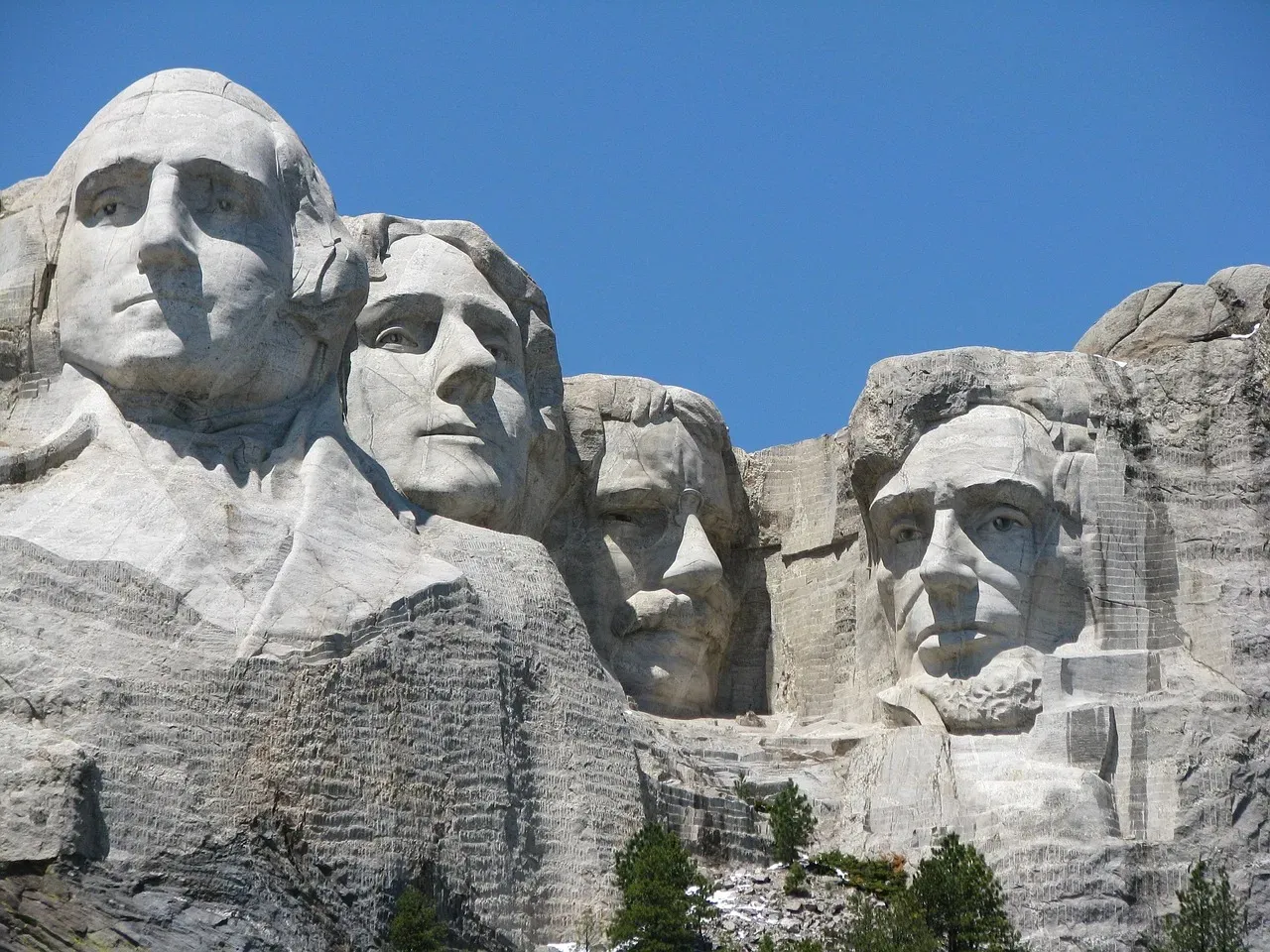
If you have ever left a water bottle in the freezer and watched it bulge, you already understand one of the most powerful enemies of Mount Rushmore. Water seeps into tiny cracks in the granite, then freezes during cold nights or harsh winters. As it turns to ice, it expands and forces those cracks a little wider every time the temperature swings back and forth. You may not notice it with your naked eye, but over years and decades, that repeated pressure is like a slow, patient crowbar working inside the mountain.
Because the Black Hills region sees significant temperature changes, this freeze–thaw cycle hits the monument over and over again. You end up with small flakes of stone breaking off, hairline fractures growing deeper, and larger blocks becoming less secure. You might see that as just a bit of chipping at first, but eventually it becomes structural, changing how weight is distributed and how the rock supports itself. The mountain is not just being worn away on the surface; it is being pulled apart from within.
Water, Wind, And Chemistry Are Constantly Rewriting The Stone
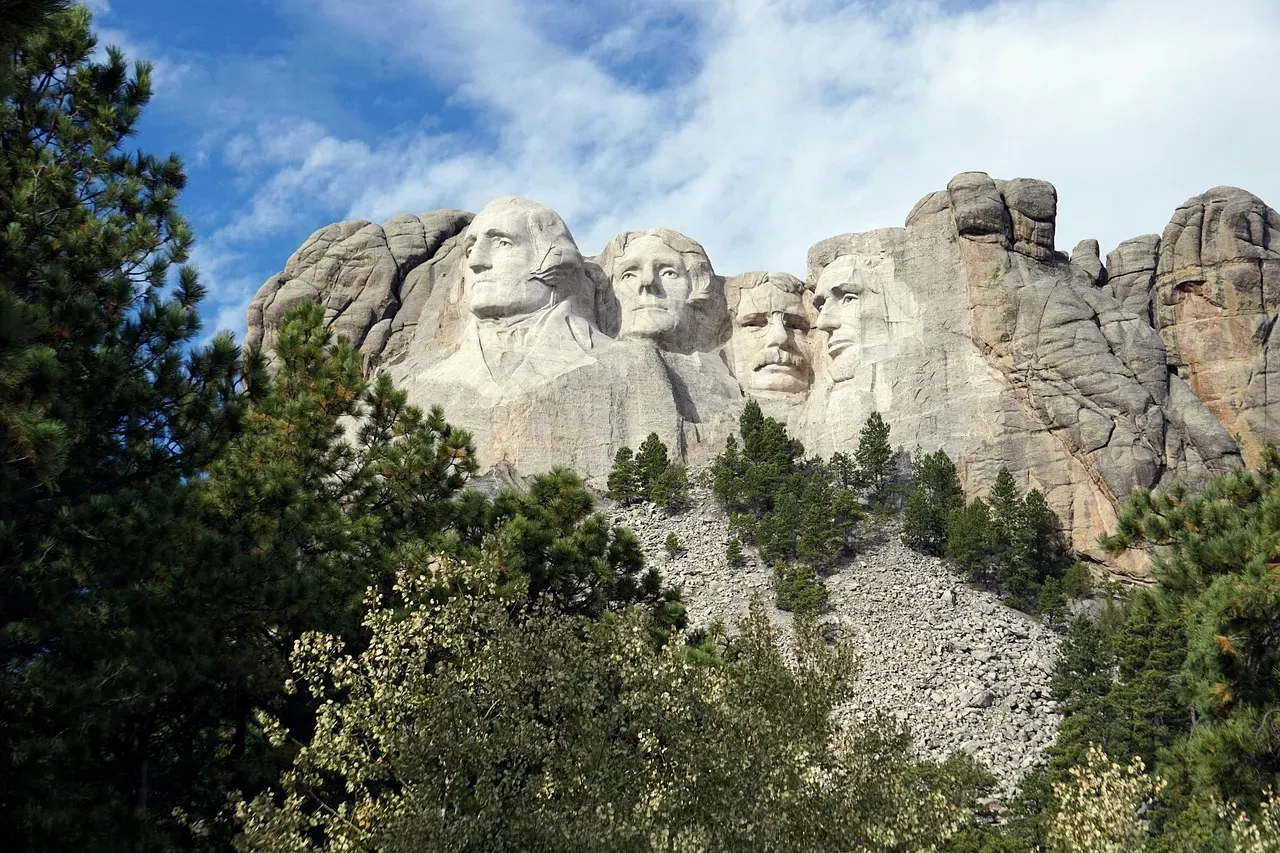
Beyond freezing, simple water and air do their own quiet damage every single day. Rain carries tiny particles, dissolves certain minerals, and washes fine material out of cracks. Wind drives abrasive dust and grit against the faces, slowly sanding down sharp edges and fine details. You might think of it like an endless, low‑pressure sandblaster that never shuts off, constantly softening everything it touches.
There is also the chemical side that you do not see. Moisture and oxygen can react with minerals in the rock, especially if there are traces of iron or other reactive elements. Over time, that can weaken the stone and change its structure, turning once‑strong material into something more crumbly. You are not just losing pieces from the outside; you are altering the ingredients of the rock itself, making it less able to resist the next storm, the next freeze, or the next heat wave.
Climate Change Is Tilting The Odds Against Preservation
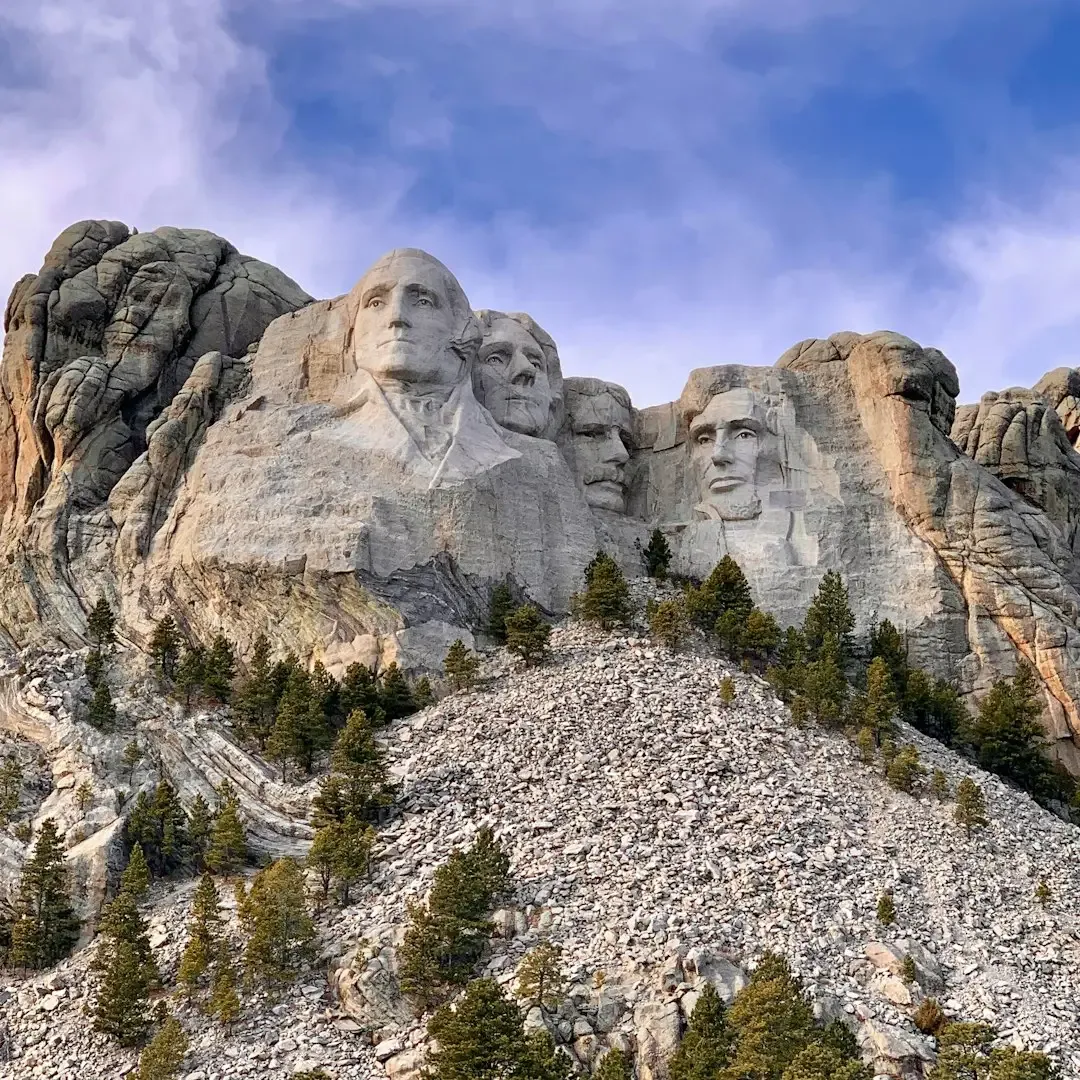
Even if Mount Rushmore had a calm, predictable climate to face, it would still slowly deteriorate. But the reality you are living in now is much messier: more intense rainstorms, hotter summers, and wild temperature swings are increasingly common in many parts of the United States. Those kinds of shifts can amplify all the existing stresses on the monument. When you push a system that is already fragile, it does not break in a straight, gentle line.
For the rock itself, warmer seasons can mean more liquid water in cracks, followed by sudden cold snaps that refreeze everything at awkward times. Heavy downpours can drive more water into fractures than the mountain would normally see, and heat can cause subtle expansion in different parts of the stone. You might not feel those changes as you take photos at the viewing platform, but the rock is feeling them, and they add up. The more extreme the climate patterns become, the more uncertain the future shape of those faces really is.
Engineers Are Fighting Back – But Only Buying Time
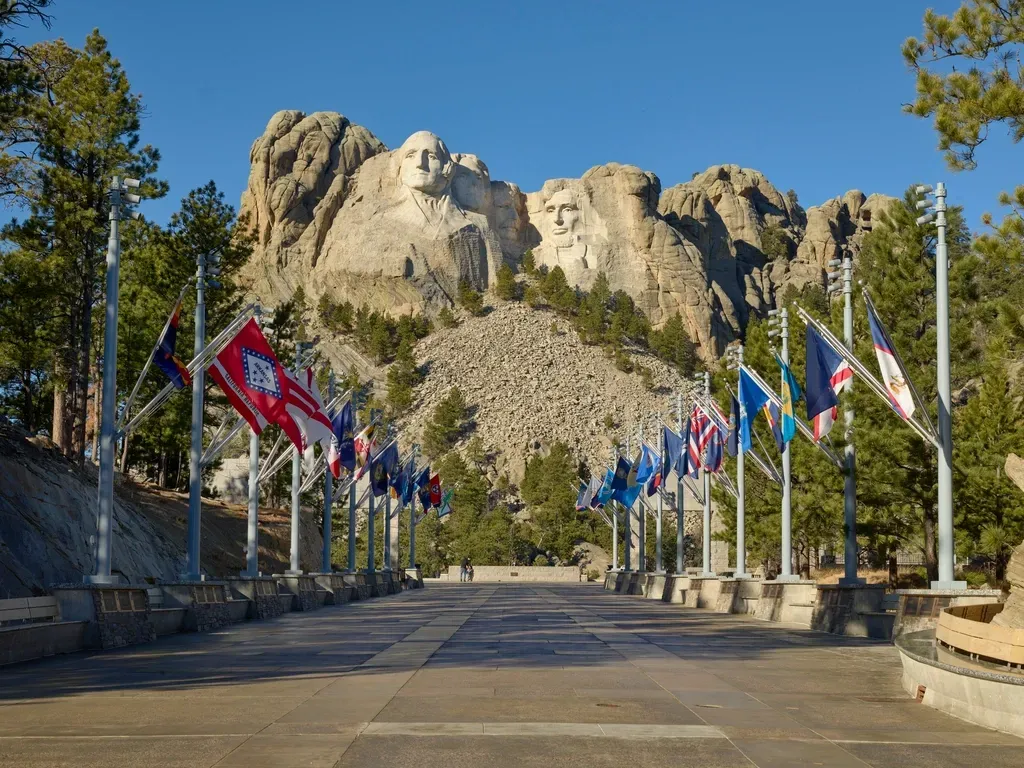
You are not just watching this monument fall apart while no one lifts a finger. Conservation teams monitor cracks, seal joints, and study the rock in detail to understand how it is changing. They use sealants to keep water out of known weaknesses, check for loose fragments, and track movement with scientific instruments. Their work is careful, methodical, and driven by a simple goal: delay the inevitable as long as possible while keeping the monument safe for visitors.
What you need to remember, though, is that every intervention is a temporary patch, not a cure. Sealants age and fail, new cracks appear, and old ones can reopen under new stress. You can slow water down, but you cannot rewrite the laws of physics that govern stone, temperature, and time. In that sense, maintenance at Mount Rushmore is more like bailing water from a slowly leaking boat than permanently fixing the hull. You are extending the voyage, not guaranteeing the ship will last forever.
There Is No Realistic Way To Freeze The Monument In Time
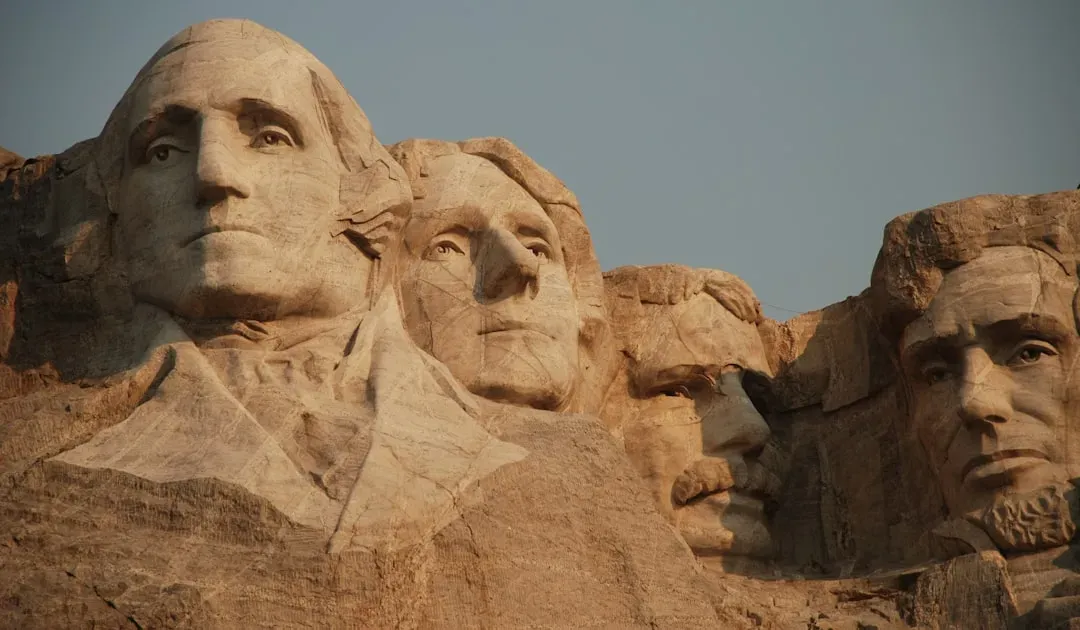
You might wonder why no one just builds a giant cover over Mount Rushmore, encases it, or uses some futuristic technology to stop the decay. The problem is scale, environment, and practicality. The monument is huge, exposed, and part of a living landscape, not a sculpture in a climate‑controlled gallery. Any attempt to fully shield it from wind, water, and temperature changes would be unbelievably expensive, visually intrusive, and still imperfect.
On top of that, sealing the mountain off completely could create new problems, like trapping moisture or altering how the rock releases heat. You are dealing with a natural formation that moves, breathes, and responds to the world around it. Trying to lock it in place like a plastic toy would likely cause different kinds of damage, just on a slower or stranger schedule. The hard truth is that there is no clean, realistic way to hit pause on geology; at best, you can adjust the speed of the story, not the ending.
You Are Witnessing A Temporary Moment In A Very Long Story
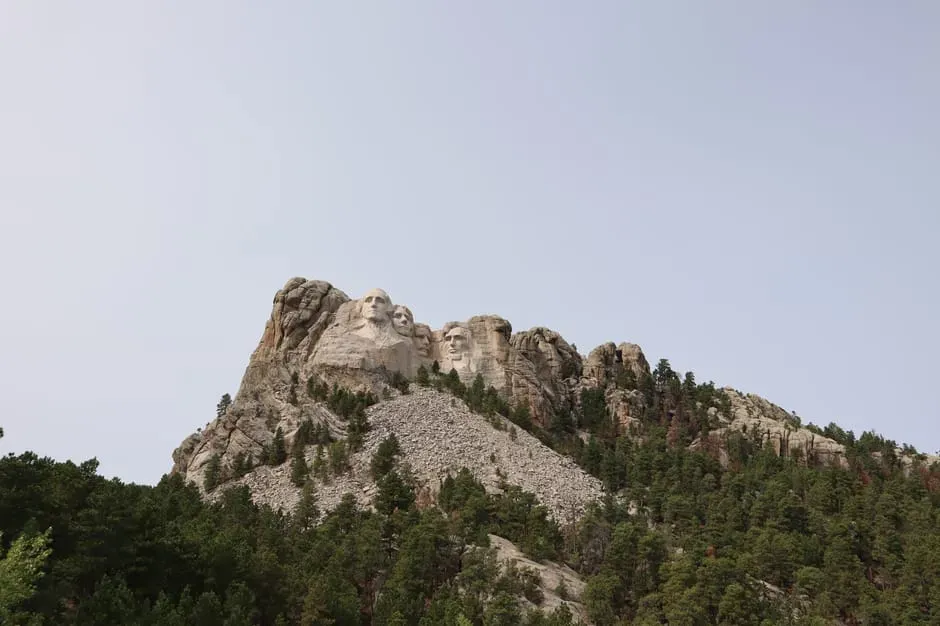
It is tempting to think of Mount Rushmore as the final chapter of this mountain’s existence, but you are really just catching it in one brief, human‑scaled moment. Long before those faces appeared, the granite was shaped by ancient forces: uplift, erosion, glaciers, and deep time. Long after the carved details blur and crumble, the rock will keep changing into something else entirely. In that bigger picture, the monument is like a few sentences scribbled on a page in a book that has millions of chapters.
When you stand there, looking up, you are part of that moment too. Your photos, your memories, and your feelings are all tied to a version of the mountain that will not exist forever. That realization can feel a little sad, but it can also make your visit more meaningful. You are not just checking off a tourist destination; you are witnessing a fragile work of human ambition riding on the back of a restless, unstoppable planet.
How You Can Rethink “Forever” When You Visit Mount Rushmore
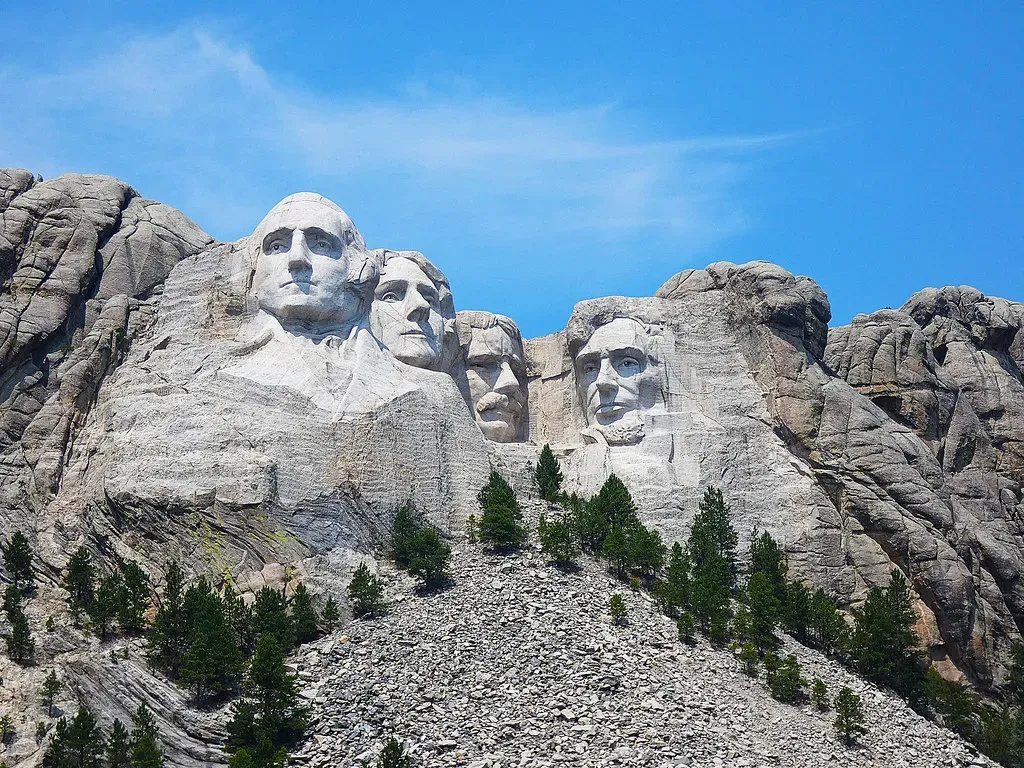
The next time you consider visiting Mount Rushmore, you can see it less as a stone guarantee and more as a rare, ongoing experiment in time. You are looking at a monument that people are constantly trying to protect while nature quietly pushes back. That tug‑of‑war is part of the story, not a flaw in it. Knowing that makes each crack, chip, and discoloration not just damage, but evidence that the mountain is alive in its own slow way.
You can also use that awareness to shape how you talk about and value other landmarks. Instead of assuming that everything big and made of stone will always be there, you can recognize that every place has a lifespan, even if it feels impossibly long compared to yours. That mindset nudges you to be more present, more attentive, and maybe more protective of the places you love. After all, if even a granite mountain with giant presidential faces cannot last forever, what does that say about the urgency of what you choose to care about today?
In the end, Mount Rushmore is both sturdy and fragile, enduring and doomed, impressive and vulnerable all at once. You are lucky enough to live in a time when you can still see those faces clearly, knowing full well that the mountain is slowly rewriting them. Maybe that is the real power of the monument: not that it will stand unchanged for eternity, but that it reminds you nothing does. When you finally walk away from the viewing platform, you might quietly ask yourself: how many more generations will see it the way you just did?