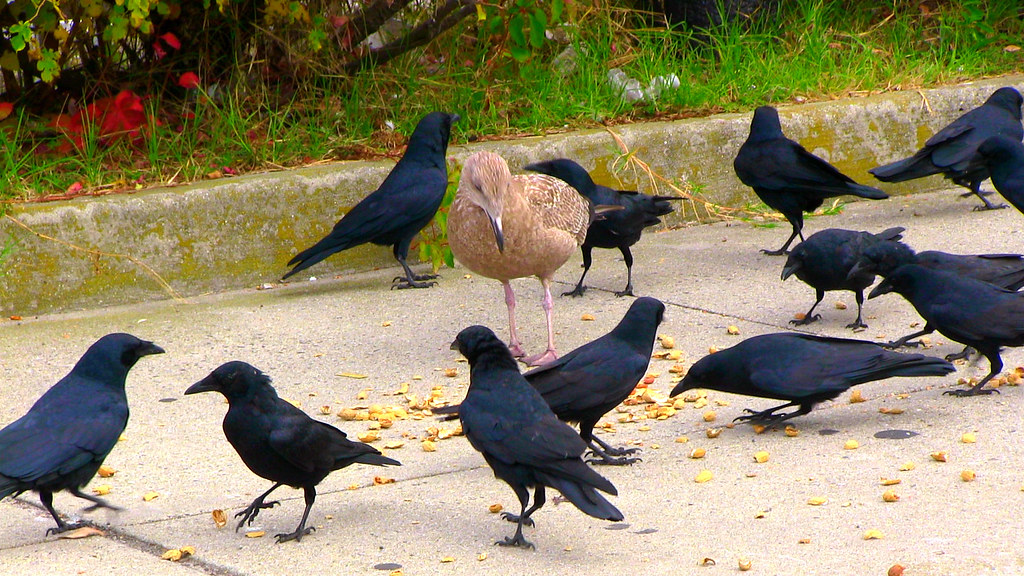
If you have ever seen a group of crows circling and screaming around a dead crow on the ground, it feels unsettlingly familiar, almost like a tiny, chaotic funeral. People share these moments online all the time wondering the same thing: are the birds actually mourning? Or is something else going on that we have been misreading for years? The truth scientists are uncovering is stranger, more sobering, and in some ways more moving than the idea of simple animal grief.
Over the past few years, biologists have run some surprisingly clever experiments with fake crow corpses, masks, and staged “crime scenes” for birds. What they have found is that crow funerals are less about saying goodbye and more about staying alive. These gatherings turn out to be high‑stakes information exchanges, where crows study danger, learn who or what killed their companion, and update a shared mental map of threats. It is not a Hallmark version of mourning, but it does reveal a kind of intelligence and social depth that is hard to ignore once you have seen it clearly.
Are Crows Really Holding Funerals, Or Are We Projecting?
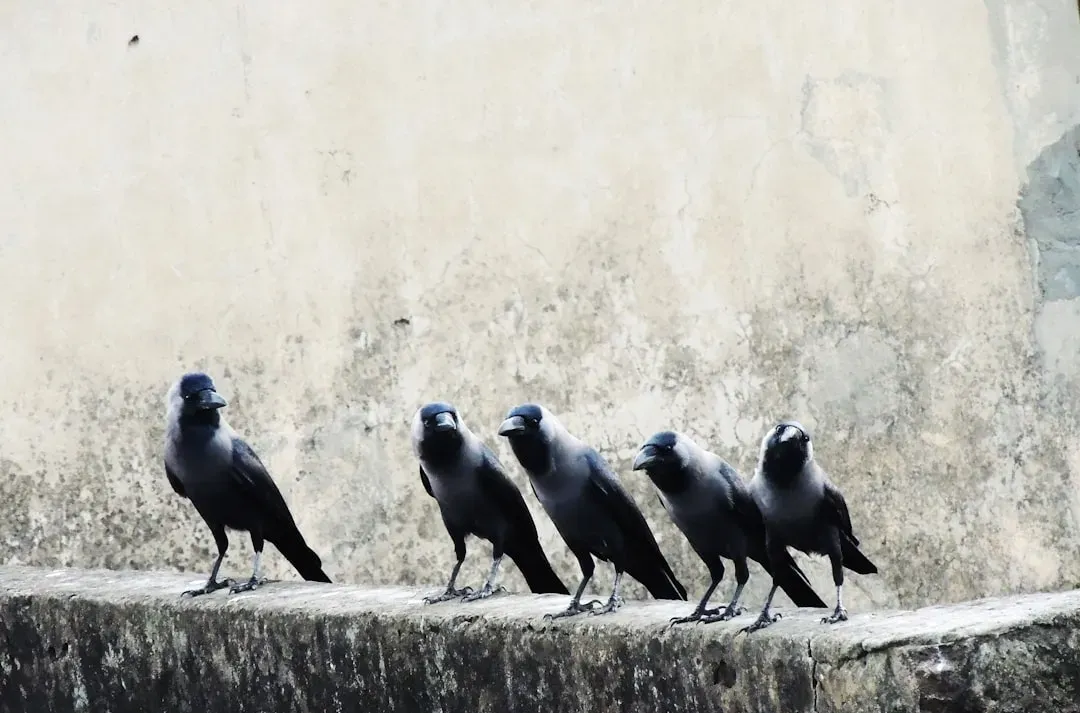
The word “funeral” is a human label, and it is easy to project our own rituals onto any animal gathering around a dead body. When people see dozens of crows flocking to a corpse, calling loudly, swooping down and then keeping their distance, it feels eerily like a wake. It is emotional to watch, because the scene taps into our instinct to see sorrow wherever death shows up. But scientists have learned to be extremely careful here: they look for repeated patterns, measurable reactions, and clear survival benefits before calling any behavior true mourning rather than our own imagination.
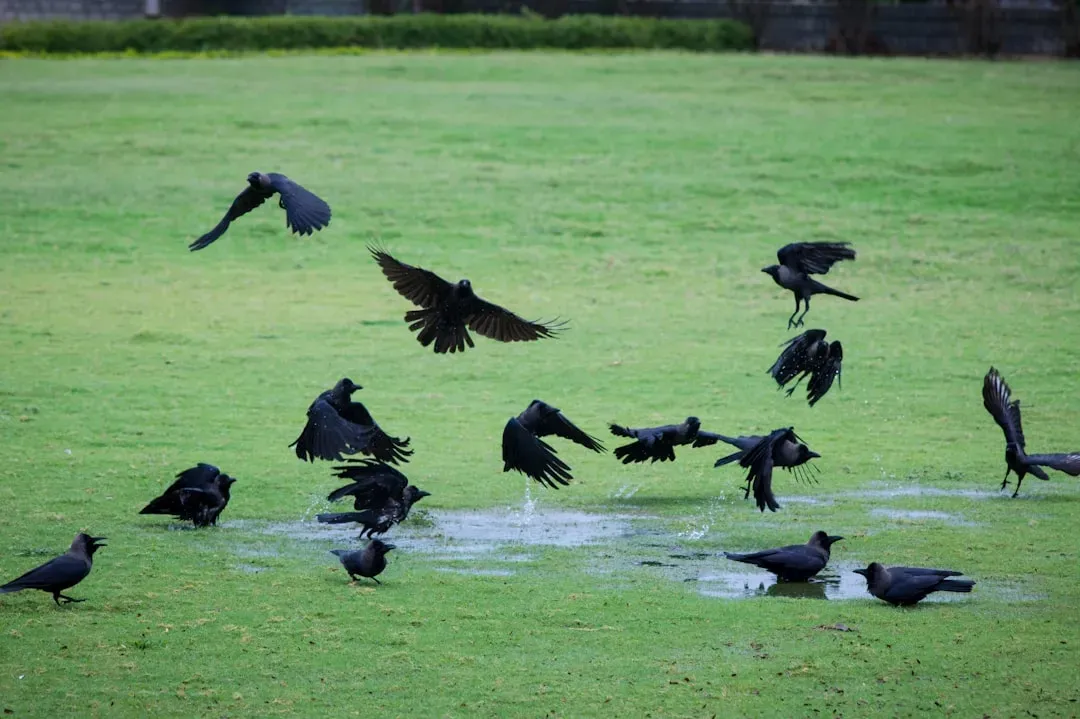
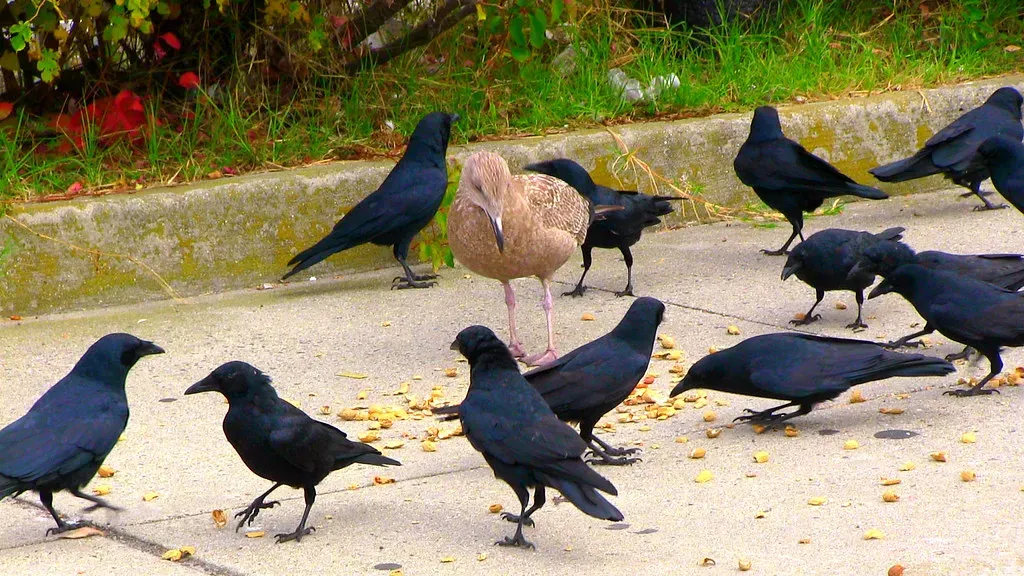
In experiments where researchers placed dead crows or crow models on the ground and watched the response, the same pattern popped up again and again. One crow spots the body, starts alarm calling, and other crows rush in from the neighborhood to join the chaos. The group typically grows noisy and vigilant but does not touch the body much or try to help it, which you might expect if they were confused about whether the bird was alive. Instead, they carefully watch the surroundings, especially any nearby humans, predators, or unusual objects. That repeated emphasis on inspection and learning, rather than comfort or contact, is the first big clue that what looks like a funeral is really something else.
The Real Driver: Learning About Danger, Not Saying Goodbye
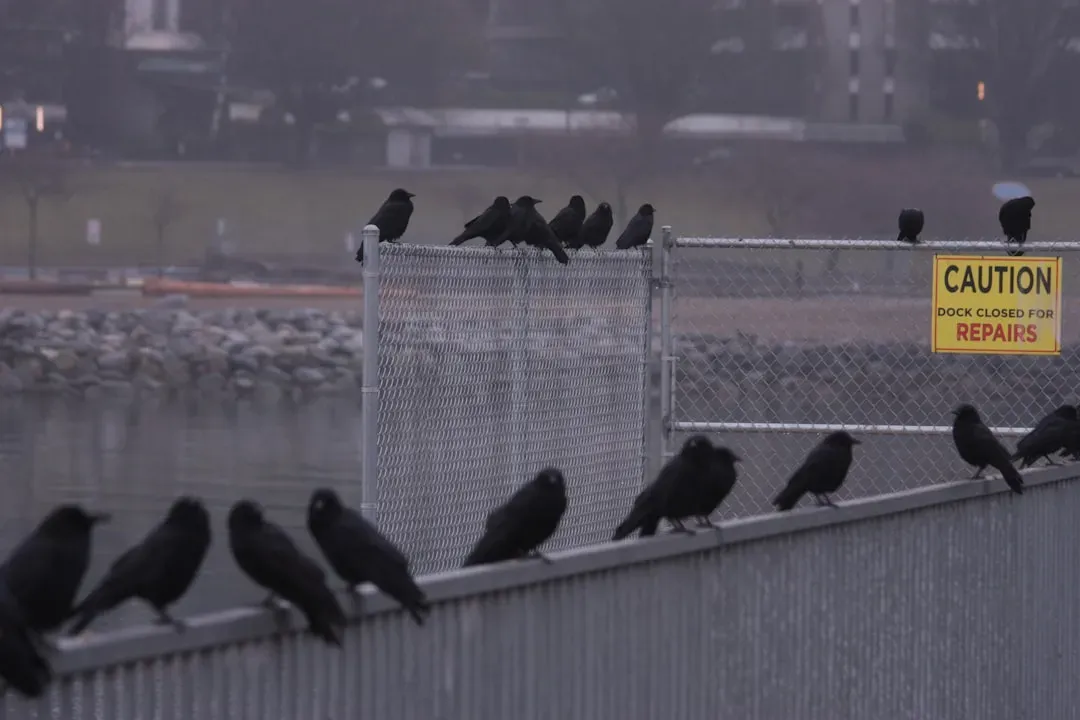
The strongest evidence so far points to crow “funerals” being a survival class wrapped in drama. When a crow dies, there is usually a reason: a hawk, a cat, a car, or a human. From an evolutionary point of view, any crow that treats a dead companion as a loud, flashing warning sign has a better chance of avoiding the same fate. In controlled studies, crows that gathered around a dead crow became more wary of specific locations, people, or objects linked to that death afterward. This suggests the gathering works like a neighborhood watch meeting, where the agenda is one urgent item: figure out what just killed one of us.
Think of it like finding police tape and sirens on your street; you do not just feel sad, you instantly start scanning for clues. Crows appear to do the same thing: they freeze, stare, and call while keeping some distance from the body, as if the killer might still be nearby. Over time, they treat that spot and any associated features as suspicious. This kind of learning is not just individual but social. When many crows show up, younger or less experienced birds get to “see a crime scene” and associate danger with it even if they missed the original event. The funeral feeling is real, but underneath it is a brutally practical safety lesson.
How Experiments With Masks Revealed Crow “Memory Lists”
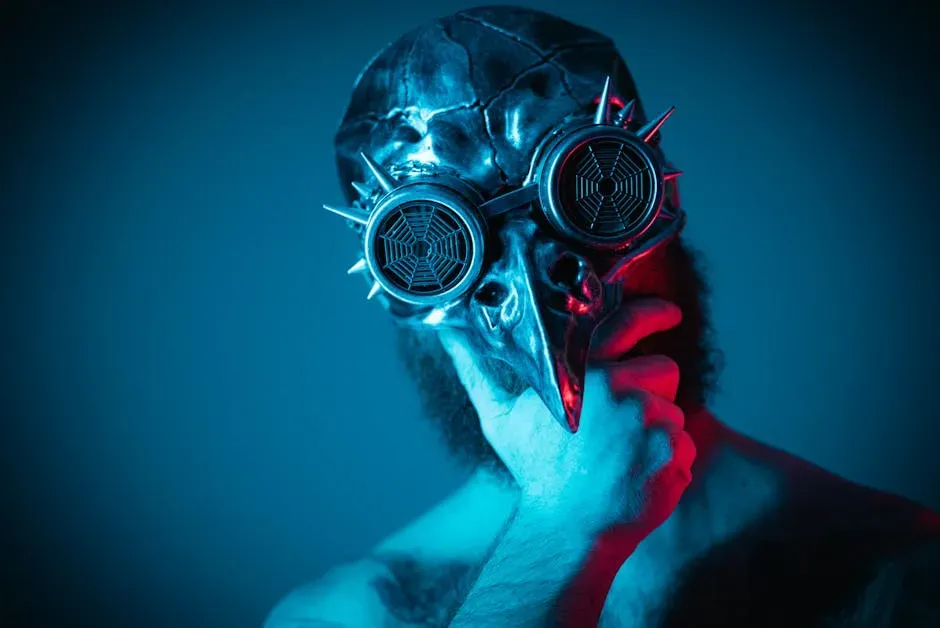
One of the most surprising discoveries about crow funerals came from experiments where researchers wore distinct masks while handling dead crows. After a single encounter with a masked person standing near a dead crow, wild crows started scolding that masked face aggressively whenever they saw it again, even days or months later. They would rally others to join in the mobbing, as if the person’s face had been added to a mental danger list shared within the community. The dead bird seemed to act like a trigger that cemented that memory.
Even more striking, this aggressive response spread to crows that had never seen the masked person at the death scene. Over time, crows in nearby areas also started scolding the same mask, suggesting they learned socially from others rather than direct experience. It is as if the crow funeral functioned like a breaking news alert: a dangerous entity killed one of us, remember this face. That kind of information spread looks less like random panic and more like a coordinated security briefing, which changes how we interpret those noisy gatherings around a fallen bird.
Do Crows Feel Grief, Or Just Fear And Curiosity?
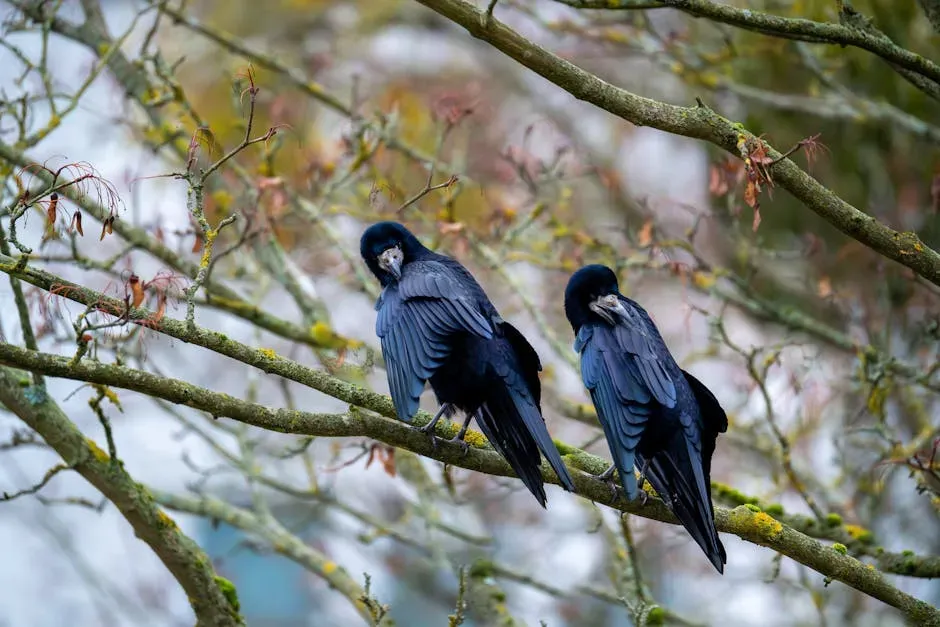
The uncomfortable truth is that we cannot directly measure a crow’s inner emotional life, so claims about grief have to be made carefully. What we can measure are behaviors: lingering at the body, reduced play, calls that change in tone, and disruptions in normal routines. Some scientists suspect that crows may feel something like distress or confusion at seeing one of their own unmoving, especially if that bird was a mate or a long‑term partner. Observers have reported close companions visiting a body repeatedly or staying nearby longer than strangers, which hints that familiarity might matter.
However, most of the consistent patterns line up more clearly with fear and information gathering than with quiet, private mourning. The intense vocalizations, the scanning of the surroundings, and the avoidance of the exact spot afterward look very much like fear responses rooted in survival. That does not mean there is no emotional component; animals with complex social lives often show reactions that look a lot like our own raw feelings. But if we are being honest with the evidence, the primary purpose of these gatherings appears to be learning from danger, with possible emotional overlays rather than pure sorrow at the core.
The Social Brain: Why Highly Connected Species React So Strongly To Death
Crows are part of the corvid family, a group of birds known for impressive problem‑solving, flexible behavior, and surprisingly rich social lives. They recognize individual faces, remember who fed them or threatened them, and keep track of alliances and rivalries in their group. In that kind of world, losing a group member is not just a background event; it reshapes the network. The death of one crow can change territory defense, food access, or even child‑rearing support for others. It makes sense that these birds would treat a fallen companion as a serious event that demands attention.
Interestingly, other highly social animals also show striking, repeated reactions to death. Elephants have been observed touching and lingering around bones and carcasses of their kind. Dolphins have been seen supporting dead calves at the surface for long periods of time. While we should be cautious about drawing neat emotional lines between species, a pattern seems to emerge: the more a species’ survival depends on complex relationships, the more its members appear to react deeply when one of their own is suddenly gone. Crows fit squarely in that social‑brain category, which may amplify both the emotional and practical weight of any death in the group.
Why Humans Love The Idea Of Animal Funerals
There is a reason crow funerals go viral; they tap into something we want to believe about the world. Seeing another species apparently honor its dead feels like proof that we are not as alone or special in our emotions as we were taught. It hints at a shared emotional fabric that stretches beyond humans, and that can be strangely comforting. Many people are drawn to stories of animal grief because they soften the emotional distance between us and the rest of nature, especially when we are dealing with our own losses.
At the same time, our love of this idea can make us a bit careless with the facts. We are quick to take any intense gathering around a corpse as evidence of mourning, even when experiments point to more mixed motives like danger learning or social coordination. That does not mean the story is empty or that animals are unfeeling; it just means their internal world might be structured differently than ours. If anything, accepting that crow funerals are both emotional and ruthlessly practical makes them more interesting, not less. The birds are not acting like tiny humans in black suits, and that is exactly why they deserve to be understood on their own terms.
What Crow Funerals Reveal About Intelligence And Culture
For me, the most striking part of crow funeral research is what it suggests about bird intelligence that goes beyond simple instinct. These gatherings show flexible learning, memory, and even something like local tradition. In some regions, crows respond more intensely to certain threats, hinting that local experience shapes how funerals play out over time. That looks a lot like culture in a simple form: shared behaviors and knowledge that can vary from place to place. When crows teach each other which people or spots are dangerous after a death, they are essentially building a collective memory that lasts beyond any single bird.
This has real‑world consequences too. Crows living in cities adapt their responses depending on how people treat them, and funerals become a key moment where new lessons enter the group repertoire. If a particular person feeds crows regularly, they might ignore that person even in a tense situation, whereas someone who harmed a crow could be mobbed for years. The funeral scene is where those reputations can be updated and broadcast to newcomers. That is not just reflex; it is information processing. In a strange way, these loud, chaotic gatherings show how a bird society keeps itself informed, cautious, and one step ahead of danger.
Conclusion: More Than Mourning, Less Than Myth
When you strip away the wishful thinking and look at the evidence, crow funerals turn out to be both less romantic and more profound than the viral stories suggest. They are not tiny church services for the dead, but they are also not meaningless noise. Instead, they are a sharp, adaptive response to the harsh reality that every death is a potential lesson about how to stay alive. Crows gather, watch, remember, and spread the word, turning tragedy into shared intelligence in a way that is brutally practical and strangely admirable.
My own take is that insisting on either pure grief or pure instinct completely misses the point. These birds live complicated social lives, and their reactions to death sit in that messy middle ground where emotion, survival, and learning all blur together. We may never know exactly what a crow feels standing above a fallen companion, but we can see clearly that the moment matters to them and shapes how they move through the world afterward. Next time you see a cluster of black wings and frantic calls around a still body, it might be worth pausing. Are you watching a funeral, an investigation, or something that does not quite fit any human word at all?