Most of us imagine death as a single, dramatic moment: one last breath, a flat line on a screen, silence. In reality, for many people, death is not a switch that is flipped but a long, complex biological process that can unfold quietly over months or even years. The final 365 days before the heart stops are often a slow, intricate negotiation between the body’s repair systems and the damage they can no longer fully control. It is not always dramatic on the outside, but deep inside, cells, hormones, and organs are having some of the most important conversations of your life.
Understanding this year-long journey is not about being morbid; it is about replacing vague fear with grounded knowledge. Science cannot predict the exact script for every person, but it can reveal common patterns: how the heart, brain, immune system, and mood often shift as life draws to a close. Seen through this lens, the last year is not just a countdown to an ending, but a biologically rich chapter where the body, in many ways, is doing its best to land the plane as safely as it can. Once you see what is really going on, the idea of dying stops being a mysterious void and starts looking more like a story with understandable, sometimes strangely graceful, steps.
The First Subtle Cracks: When Repair Starts Losing the Race
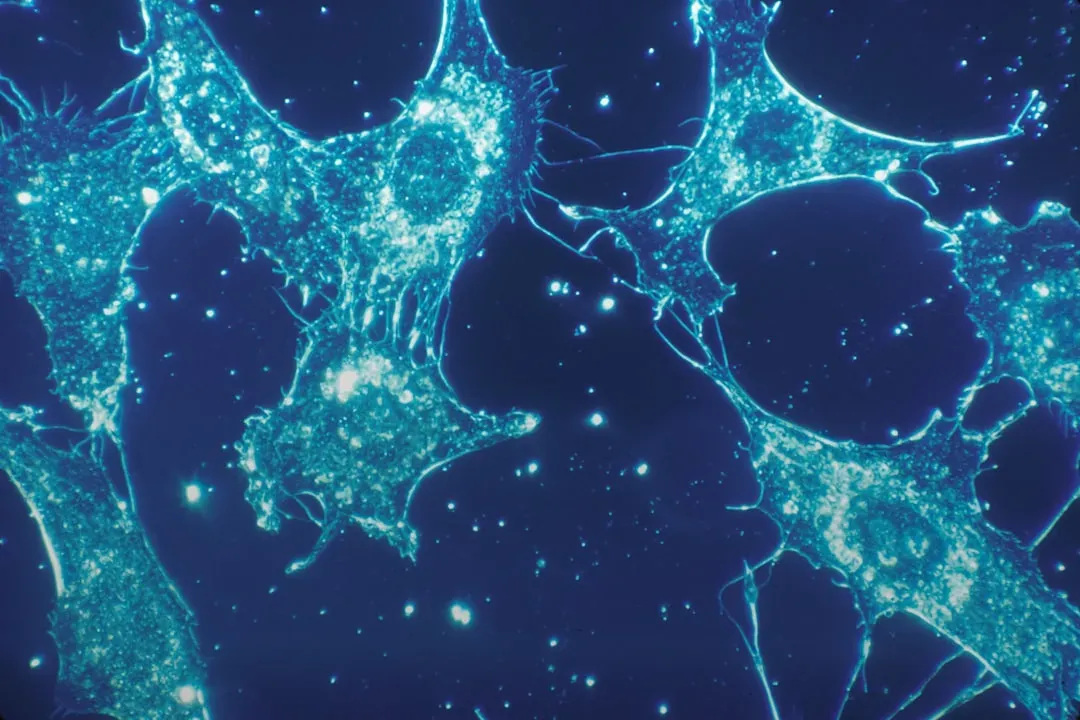
Roughly a year before death, many people are not “actively dying” in any obvious way; they are living their normal routines with what looks like ordinary aging or chronic illness. Under the surface though, a quiet shift is happening: the body’s repair systems are slowly falling behind the daily wear and tear. Cells accumulate damage they would once have cleared, inflammation stays switched on longer, and tiny energy factories inside cells, the mitochondria, become less efficient. It is a bit like a city where the trash collectors are still working, just no longer fast enough to keep all the streets clean.
This is why the earliest signs can look so ordinary: needing more sleep than usual, taking longer to recover from a cold or a minor surgery, or feeling wiped out after activities that used to be easy. For someone with heart disease, it might mean shortness of breath during a walk that used to be fine; for someone with cancer, it might be weight loss that does not match what they are eating. None of these things scream “you have 365 days left,” and most of the time, no one can honestly put that kind of timeline on it. What science does show, though, is that in many final years of life, resilience quietly erodes first – the body can still cope, but the margin for error shrinks.
Energy, Appetite, and the Slow Rewriting of Daily Life

As that biological resilience thins out, energy levels and appetite often start to change in ways that are easy to brush off but meaningful when seen in hindsight. The brain’s control centers for hunger and satiety are influenced by hormones, inflammation, and disease signals from the rest of the body. When those signals change, food can stop feeling rewarding or even start feeling like work. You see this in serious illnesses where a person’s favorite meals no longer appeal, or they feel full after only a few bites. The body is not “giving up” so much as reprioritizing: instead of investing in building and storing, it starts conserving and simplifying.
Fatigue follows a similar pattern. It is not just being sleepy; it is a deep, whole-body tiredness that does not fully lift with rest. You might notice naps creeping into the day, social plans quietly dropping off, or a reluctance to do errands that used to be automatic. From the outside, this can look like laziness or low mood; from the inside, it often feels like operating with a drained battery you cannot recharge. Physiologically, the body is reallocating a shrinking energy budget toward the most vital internal functions – keeping the heart beating, the brain online – while trimming what it sees as optional extras.
The Heart’s Long Conversation with Time
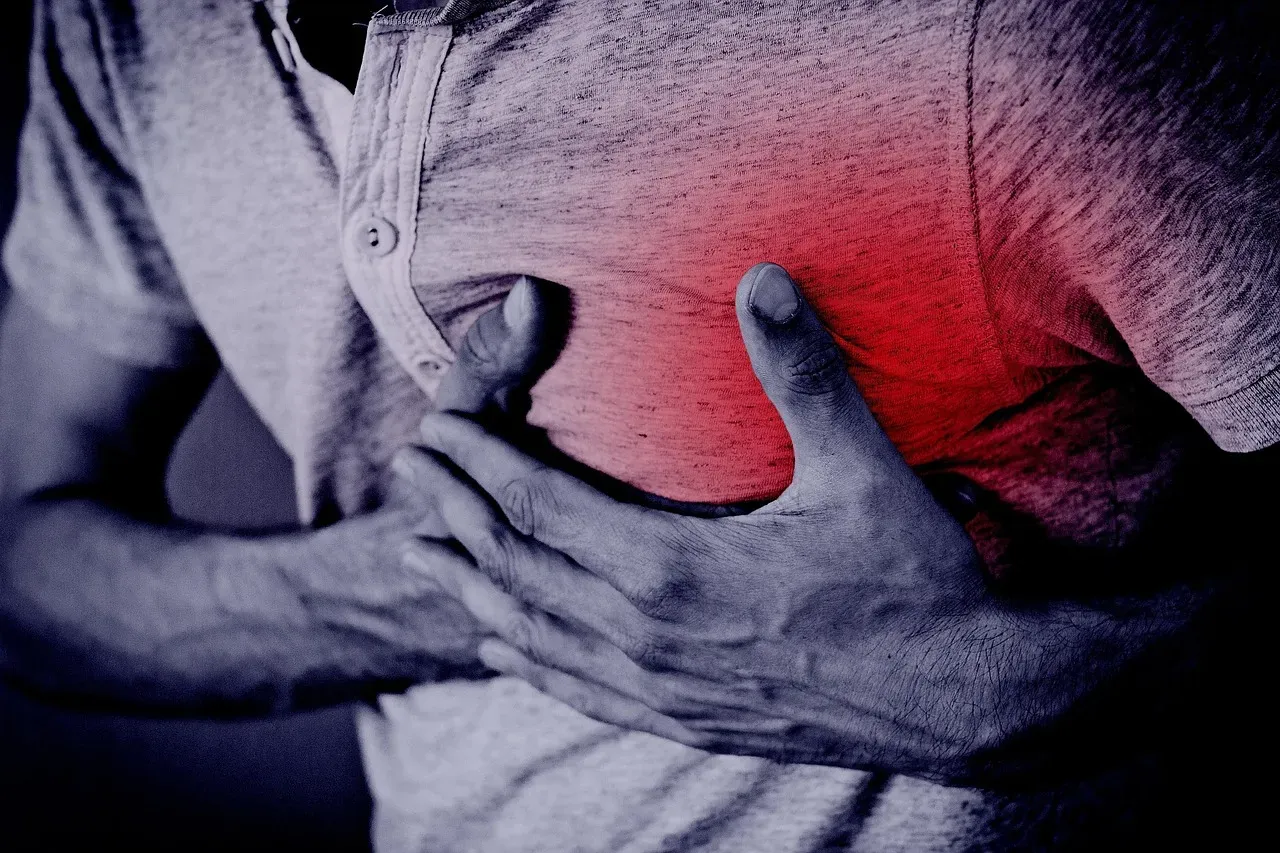
In the year before the heart finally stops, the heart itself often spends a long time in a gray zone between coping and failing. For people with cardiovascular disease, the heart muscle may already be weakened, its pumping action less forceful than it once was. Over months, this can mean fluid slowly backing up into the lungs or legs, making climbing stairs feel like hiking at altitude. The electrical system of the heart can also become more unstable, triggering irregular rhythms that come and go long before the final arrest. It is like an engine that still runs but misfires more often and struggles on steeper hills.
Not everyone experiences obvious chest pain or dramatic emergencies in that final year; many will just notice limits closing in. A walk around the block becomes half a block. Sleeping flat becomes difficult because breathing feels easier with extra pillows. These adjustments are, in a way, the body’s improvisations to keep going with what it has left. For some, medical treatments – medications, devices, surgeries – can stabilize or slow these changes for quite a while. But when the underlying disease outruns what medicine and the heart’s own repair can do, the long negotiation with time starts leaning toward an eventual halt.
The Brain, Memory, and the Strange Clarity (or Fog) Near the End
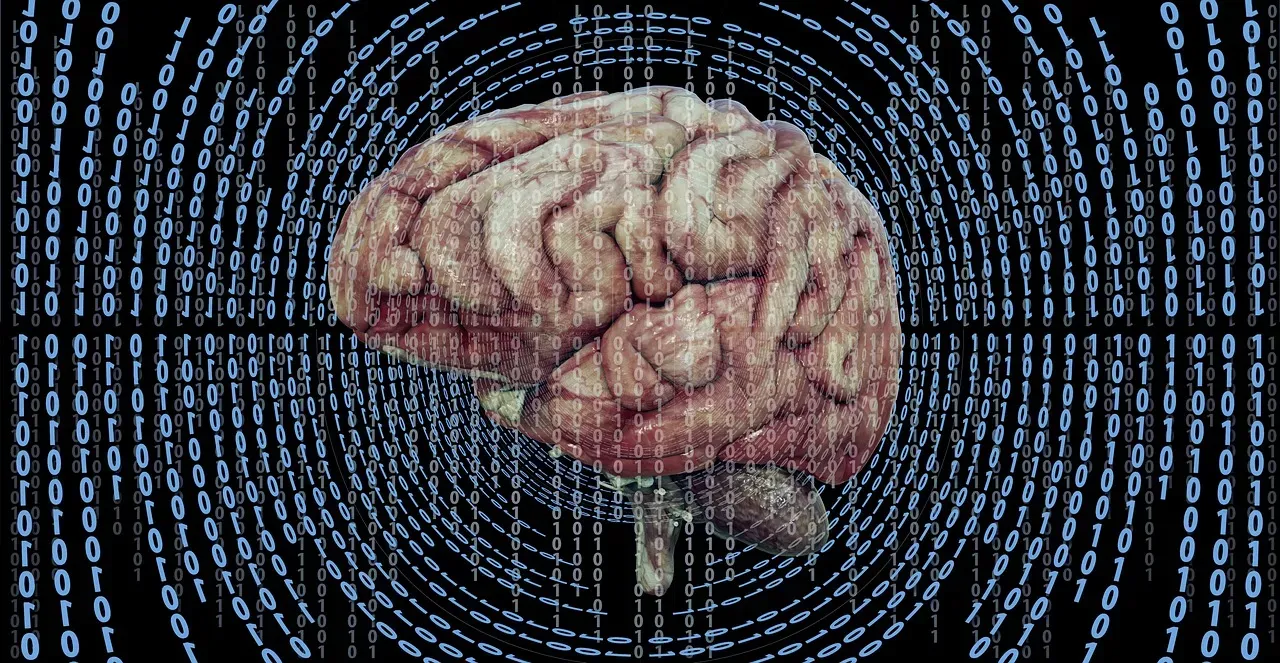
The brain is both remarkably stubborn and surprisingly fragile in the last year of life. It demands a steady flow of oxygen and nutrients, and when the heart, lungs, or blood vessels cannot fully deliver, the brain is often the first to show it. This can show up as slowed thinking, difficulty concentrating, or “good days and bad days” in terms of sharpness. In some people, particularly older adults or those with dementia, episodes of confusion or delirium may appear during infections, hospital stays, or medication changes. It is not random weakness; it is the brain responding to even small disruptions in its environment.
At the same time, many people describe striking moments of emotional or existential clarity in this period. With the everyday noise turned down – less work, fewer distractions – there is often more space for reflecting on relationships, regrets, and meaning. Neurologically, the brain’s emotional circuits and memory networks are still working, even if processing speed or short-term recall falters. I have seen families talk about quiet, late-night conversations in hospice where a person who was physically frail seemed more emotionally present than they had in years. That contrast – a mind that sometimes floats through fog and sometimes cuts through it with laser clarity – is one of the eeriest, most human features of the brain’s journey toward the end.
The Immune System’s Final Balancing Act
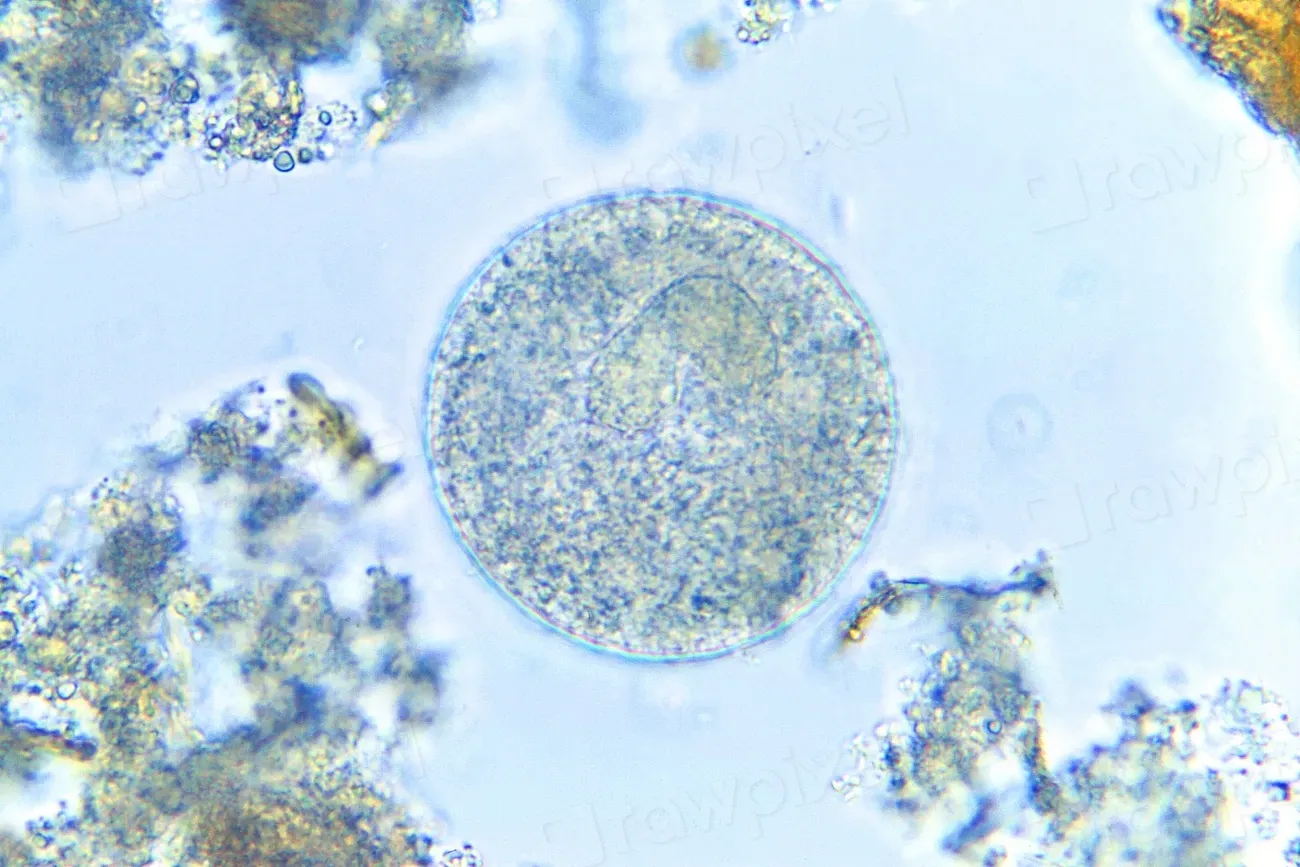
Another major player in the last 365 days is the immune system, the body’s internal security force. Over time, especially with aging or chronic disease, immune cells can become less coordinated and less efficient. They may overreact to minor threats, fueling constant low-level inflammation, while underreacting to serious ones, like new infections. This is why, in many final years of life, seemingly small events – a bout of pneumonia, a urinary infection, even a bad case of the flu – can trigger hospitalizations and cascades of complications that would have been shrugged off decades earlier.
In advanced cancers or severe organ failure, the immune system may be exhausted from years of nonstop work or suppressed by medications used to control inflammation and rejection. Wounds take longer to heal, bruises appear more easily, and recovery from surgery or injury can feel like climbing a mountain instead of a hill. Yet, interestingly, the immune system also participates in some of the body’s attempts at a softer landing: it helps clear dying cells, remodel failing tissue, and sometimes even blunts pain through its interactions with the nervous system. It is not a simple story of “immune failure,” but of a stressed system that is trying to juggle far more than it can carry.
Emotions, Relationships, and the Psychology of the Last Year

Biology does not tell the whole story of the final year; emotions and relationships shape it just as powerfully. Many people move through cycles of denial, fear, anger, acceptance, and even unexpected peace as they sense their health changing. These emotional waves are not weaknesses or failures; they are normal responses to a body sending louder and louder signals that life is finite. Even when doctors cannot draw a clear line on a calendar, patients often describe a gut sense that their time is shortening, which can shift how they want to spend their days.
Socially, the final year often compresses priorities. Some relationships deepen as people choose to spend more time with a small circle rather than stretching themselves thin. Others may fade, not out of malice, but because illness narrows the bandwidth for maintaining distant connections. There can be surprising moments of humor, tenderness, and reconciliation alongside grief and frustration. From a psychological standpoint, many find that having honest conversations about what matters to them – comfort versus aggressive treatment, home versus hospital, solitude versus company – reduces anxiety. In my view, one of the most tragic myths we hold is that talking about death makes it come faster. In reality, avoiding those talks often just means less control over how the final months actually feel.
The Final Weeks to Minutes: From System Failure to Stillness

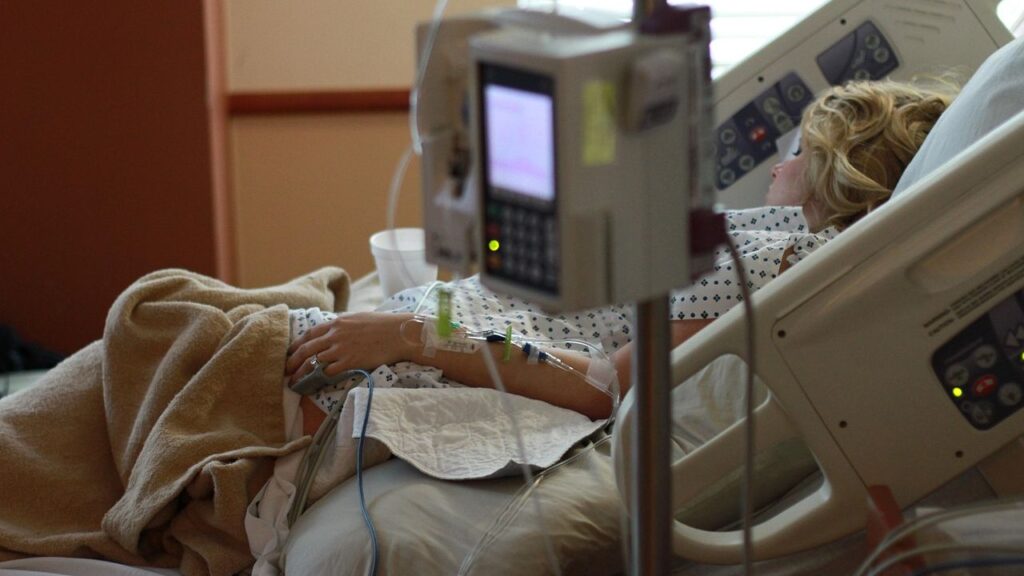
By the time the last weeks arrive, the process of dying usually becomes much more recognizable, at least in medical terms. The body starts shutting down systems it no longer needs for immediate survival: digestion slows, appetite fades to almost nothing, muscles weaken, and movement becomes minimal. Sleep takes over more and more of the day, and it can be hard to tell whether someone is asleep, deeply drowsy, or in a light unconscious state. The circulation often shifts to protect the core organs, leaving hands and feet cool and mottled. None of this is sudden; it is the continuation of months of gradual decline reaching a tipping point.
In the final hours to minutes before the heart stops, the patterns get even more specific. Breathing may become irregular, with periods of faster breaths and long pauses in between, and sounds of fluid in the airways can be heard as the swallowing reflex weakens. Blood pressure drops, pulse becomes faint, and the person often becomes unresponsive even if hearing may persist until very near the end. From a purely mechanical perspective, the heart eventually can no longer generate enough force to push blood, the brain runs out of oxygen, and consciousness flickers out. But reducing it to mechanics misses something important: by then, for many people, the emotional and relational work of dying – saying goodbye, letting go, or simply resting – has already been underway for a long time.
Why Understanding This Year Matters More Than the Last Second
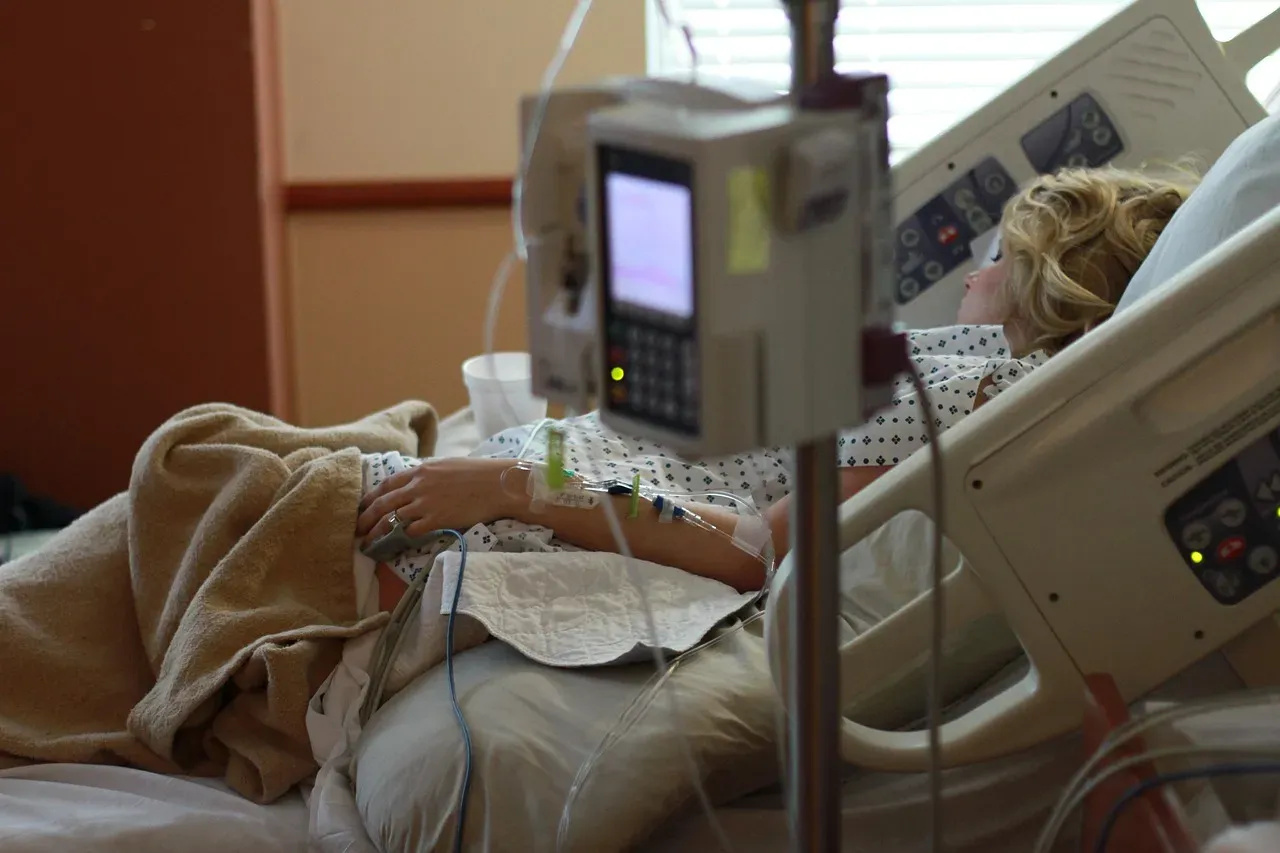
When you zoom out, the science of dying over 365 days is less about a dramatic finish and more about a body slowly reaching the edge of what it can repair. Organs do not wake up one morning and decide to fail; they cope, adapt, and compensate for far longer than we give them credit for. That year can include hospital stays, new diagnoses, and hard choices, but it can also hold mundane mornings, inside jokes, cups of coffee, and moments of unexpected joy. To me, one of the biggest mistakes our culture makes is obsessing over the exact instant the heart stops, while ignoring the months in which we still have agency over how we live, treat, and support one another.
My own opinion is that knowing these patterns is not about predicting your personal countdown; it is about stripping away some of the mystery so fear has less room to grow. It invites questions we should be asking earlier: How do I want my energy spent if it becomes limited? Who do I want around me if my immune system or heart begins to fail? What trade-offs between quantity and quality of life would I accept? Death will come for all of us, heartbeats ending one by one, but the way we move through that last year – curious or avoidant, connected or isolated, informed or in the dark – is still very much up to us. If you knew that the biology of dying was more gradual and understandable than you were taught, would you live these days any differently?