If you imagine yourself not eating for three days, you probably picture your body going into full meltdown mode: metabolism crashing, muscle wasting away, maybe even your organs panicking. The reality is a lot more complicated, and honestly, a lot more impressive. Your body is built to handle short stretches without food far better than most people realize.
That does not mean fasting is a casual game or that it is safe for everyone. But when you stop eating, you do not instantly start “starving to death.” Instead, your body calmly starts switching fuel systems, reorganizing priorities, and trying to keep you sharp enough to go find food. Over those first three days, the changes are dramatic, but they are not the horror story many people picture in their heads.
The First 24 Hours: Running on Yesterday’s Fuel
In the first hours after you stop eating, your body is not panicking at all; it is basically finishing off the meal you already had. Your blood sugar stays relatively stable at first, thanks to the glucose still circulating from your last food and the glycogen stored in your liver. You are mostly burning carbs, not protein, and your body is quietly trying to keep everything feeling normal.
As you move toward the end of that first day without food, your liver starts breaking down more of its glycogen reserves to keep supplying glucose, especially for your brain and red blood cells. You might notice some hunger waves, irritability, or a bit of brain fog, but those ups and downs usually come from changing hormone levels, not from any real emergency. In a way, day one is your body just cleaning out the pantry before it decides to open the backup generator.
Day One to Day Two: Flipping the Metabolic Switch
Once your liver’s glycogen stores start to run low, usually somewhere after the 24‑hour mark, your body has to get more creative. This is when the big shift begins: insulin drops, glucagon rises, and you start tapping into stored fat more aggressively for energy. You are moving from being a “sugar burner” to a “fat burner,” whether or not you feel ready for it.
During this time, your liver starts turning some of that fat into ketone bodies, which can be used as an alternative fuel, especially by your brain. You might feel waves of hunger and then surprisingly calm stretches, as your body tests out this new fuel mix. It can feel uncomfortable, but biologically, this is not a system failure; it is a built‑in survival feature that helped your ancestors handle days when food was scarce.
Day Two: Your Brain Starts Running on Ketones
By the second day, ketone production ramps up enough that your brain starts to lean on them more seriously instead of relying almost entirely on glucose. This shift matters, because your body cannot break down fat directly into glucose, but it can spare glucose by giving your brain ketones to run on. That means less pressure to tear down muscle for raw materials, at least in the short term.
You might notice a mix of weird sensations around this time: maybe your hunger comes and goes, maybe your breath smells different, maybe you feel strangely alert at moments. Some people report a kind of mental clarity once ketones start rising, while others just feel tired and cranky. Either way, your brain is adapting to a new fuel it can use quite well for a while, even if psychologically you still really want to eat.
What Happens to Muscle and Fat in These 3 Days

A lot of people worry that if they do not eat for even a day or two, their body will immediately start “eating their muscles,” but that is not actually the first thing your system reaches for. Early on, your body prefers to burn stored glycogen and then shift heavily toward fat, precisely to protect vital tissues like muscle as long as it reasonably can. Some protein breakdown does happen, because you still need certain amino acids to make glucose for cells that cannot use ketones, but in the first three days that is limited, not catastrophic.
Your fat stores, on the other hand, start to do exactly what they exist for: they get broken down to keep you going when food is not around. Hormonal changes nudge your body toward using more fat for fuel, both directly and through ketones, so you can keep moving, thinking, and staying alive. So in these early days, your body is more like a careful manager rationing supplies, not a panicked worker smashing everything in sight just to get by.
Why You Feel So Much: Hunger, Mood, and Focus

The way you feel during those first three days is a mix of biology and psychology. Hunger itself tends to come in waves, driven partly by ghrelin and your usual mealtimes, not just by an empty stomach. Often, the craving for food is tied to habit, emotion, and environment, so smelling someone cooking can feel brutal, even if your body is actually handling the fast fairly well.
Your mood and focus can swing too, especially if you are not used to going long without eating. Lower blood sugar and shifting hormones can make you irritable or low on patience, while rising ketones might give you short bursts of clarity or calm. Dehydration, lack of electrolytes, and poor sleep can make everything feel worse, which is why people sometimes blame the fast when part of the problem is not drinking enough water or pushing too hard. How you experience these three days depends a lot on your baseline health, your stress levels, and whether you actually chose to fast or feel forced into it.
When a 3‑Day Fast Becomes Risky for You

Even though your body has built‑in strategies to manage a few days without food, that does not mean a three‑day fast is automatically safe for everyone. If you have diabetes, especially if you use insulin or certain medications, going that long without eating can dangerously throw off your blood sugar, leading to severe lows or, in some cases, risky levels of ketones. Heart conditions, eating disorders, pregnancy, being underweight, or taking multiple medications can also turn what looks like a “simple fast” into something genuinely hazardous.
You also have to consider your real‑life context: Are you working a demanding job, driving long distances, caring for kids, or doing heavy physical labor? Pushing through three days with no food in those situations can increase your risk of fainting, poor judgment, or accidents. If you are even thinking about going beyond a short fast, you are much better off talking with a qualified healthcare professional who knows your history. Your body is adaptable, yes, but it is not indestructible, and those first three days are still stress, even if they are not the disaster story you might have imagined.
Conclusion: Your Body Is Tougher and Smarter Than You Think
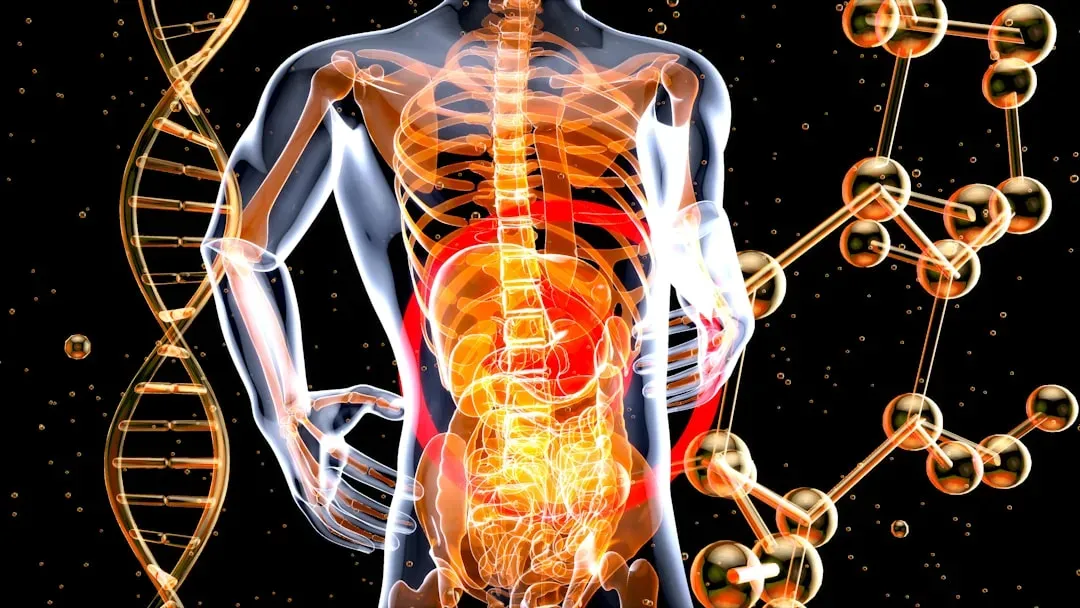
When you zoom in on what really happens in the three days after you stop eating, the story is not one of instant collapse but of careful adaptation. You switch fuel sources, your brain learns to use ketones, your hormones reshuffle, and your body works hard to protect what matters most while it waits for food to return. It is not comfortable, and it is definitely not something to treat casually, but it also is not the immediate free‑fall into starvation that many people fear.
If you ever consider experimenting with fasting, the most important thing is not to be impressed by dramatic headlines but to be honest about your own health, your medications, and your life demands. Your body is incredibly resourceful, yet it still has limits that deserve respect, not testing. Knowing what is really going on under the surface can help you make choices from a place of understanding instead of fear. Now that you know what those three days actually look like inside your body, does it change how you see going without food?