
You probably hope you never have to think too hard about your final moments, but some part of you is still curious. What actually happens to your senses as you die? Do you still hear your loved ones talking to you? Do you still feel the touch of a hand in yours? Modern research has started to peek into this mysterious moment, and what it reveals is both unsettling and strangely comforting.
Scientists cannot sit at a bedside and watch “the exact moment” a sense turns off like a light switch. What they can do is measure brain activity, record responses, and talk to patients who came back from the edge. When you look at the research together, a surprisingly consistent picture appears: your hearing and inner awareness may hang on longer than you think, even after you stop responding on the outside. Understanding this gives you a different way to think about dying – not as an instant blackout, but as a gradual, deeply human letting go.
What Happens to Your Senses as Death Approaches?

When your body is shutting down, it does not switch off all at once like pulling a plug from the wall. Your organs and systems wind down at different speeds, and your senses follow that same uneven pattern. You may lose appetite and taste first, then energy and movement, then vision becomes dim or blurry, while your awareness of sound and touch can linger. Nurses at hospices often notice that people who look deeply unconscious still react subtly to familiar voices or gentle touch, even in the final hours.
You need to remember that “unconscious” in a medical chart does not always mean “nothing is getting through.” Your brain may not be able to organize a response, but it can still receive and process signals. This is why so many end-of-life guides urge families to keep talking, keep holding hands, and keep playing favorite music. From the outside, it can look like nothing is happening, but inside, some channels are still open, and your brain may be quietly listening even as the rest of your body lets go.
Why Hearing Is Thought to Be the Last Sense to Fade

If you ask palliative care doctors and hospice nurses which sense seems to hold out the longest, you’ll hear the same answer again and again: hearing. You often still react to sound long after you stop speaking, making eye contact, or moving on your own. Families sometimes notice tiny changes in breathing, a faint squeeze of a hand, or a tear appearing when someone says a name or shares a memory at the bedside. These are small clues that your brain is still responding to what it hears, even if you cannot show it clearly.
Modern studies using brainwave recordings back this up. When researchers monitored dying patients, they sometimes found brain responses to sounds even when doctors had already judged the person to be unresponsive. Your auditory system, from your ears to your brain’s sound-processing centers, seems to be wired in a way that keeps it active very late in the process. Because of this, many experts now suggest that if any sense is still working near the very end, it is most likely your hearing, quietly processing voices and sounds around you.
What Brain Studies Reveal About Your Final Moments

To understand what your senses are doing as you die, scientists look at your brain’s electrical activity rather than just your behavior. In some studies, researchers played sounds to people who were close to death while monitoring their brainwaves. You might expect flat, silent readings, but in several cases there were still clear patterns showing that the brain noticed changes in sound, like pitches or repeated tones. This suggests that even when you look completely unresponsive, your brain may still be listening and sorting what it hears.
Other research on near-death experiences adds another layer. People who were resuscitated after cardiac arrest sometimes describe vivid memories of voices and sounds in the room, including things that happened when they were technically unconscious. While not every story can be perfectly verified, enough reports line up with what staff and families remember that you cannot dismiss them outright. Taken together with the brainwave findings, this points toward a powerful conclusion: in many cases, your inner hearing and awareness last longer than your outward signs of life.
How Your Other Senses Shut Down (And in What Order)

You rarely lose all your senses at once. Taste and smell often fade first, partly because they are linked so strongly to appetite, which usually drops off as your body conserves energy. You might notice that food loses its appeal, or familiar scents feel weaker or unimportant. Vision often becomes blurry, dim, or tunneled as blood flow and oxygen drop, and you may start to focus less on things in the room and more on what is happening inside your own mind.
Touch follows a more complicated path. You may become less aware of light sensations on the skin, but deep pressure or a warm hand can still reach you surprisingly late. In those final hours, your body is doing its best to keep vital organs going while letting go of nonessential tasks. That means your outer senses gradually quiet down, but some deeper forms of touch and especially hearing can still slip through. The order is not identical for every person, but again and again, hearing shows up as the sense that refuses to go completely silent until very near the end.
Emotionally, this staggered shutdown can be confusing if you are at the bedside. You might think, “If they are not opening their eyes, they must not know we’re here.” Yet your loved one may still be hearing every word. This is why staying present, speaking gently, and offering simple, grounding touch still matter. You are meeting them where their remaining senses still function.
What This Means for You and Your Loved Ones at the Bedside

Once you understand that hearing likely lasts the longest, the way you behave around a dying person changes. You stop talking over them as if they are already gone and start talking to them as if they can hear you, because quite often they can. You might choose your words more carefully, share memories, offer reassurance, or even apologize or forgive. These final conversations, spoken to someone who may not be able to reply, often become some of the most meaningful exchanges of your life.
You also become more mindful about the environment. Instead of a noisy television and loud hallway chatter, you may dim the lights, lower the volume, and create a calmer atmosphere. You might play their favorite music softly, knowing that their brain could still recognize it and find comfort in it. Even if you never know exactly what gets through, you give yourself peace of mind: you did what you could to make their final sense-based experience kind, familiar, and loving.
How to Comfort Someone When You’re Not Sure What They Can Feel

Standing next to someone who is dying can make you feel helpless, especially when they no longer talk or respond. You might wonder if anything you do matters, or if you are just going through motions for your own sake. Knowing that hearing and some deeper layers of feeling often remain gives you a simple, practical path: talk, touch, and be present. You do not need perfect words; a calm voice, simple reassurance, and the sound of someone who cares can be enough.
Gentle touch also plays an important supporting role. Holding a hand, brushing hair from a forehead, or resting a palm on a shoulder can offer a sense of physical grounding, even when lighter sensations have faded. The goal is not to shake or stimulate, but to connect. By combining your voice with soft, steady touch, you meet them on the channels that are most likely still open. In doing so, you ease not just their transition, but also your own grief, because you know you did not walk away from the hard part.
What Near-Death Stories Can and Cannot Tell You

You have probably heard near-death stories where people describe hearing voices, seeing bright places, or feeling pulled toward some kind of boundary. Many of these accounts include moments when the person heard doctors or loved ones speaking while they were supposedly “out.” These stories can be incredibly powerful if you are trying to decide whether to talk to someone at the end of life. They remind you that your words might reach farther than you realize.
At the same time, you need to be honest about what science can and cannot prove. Brain activity near death is complex, and those experiences may be shaped by memory, culture, and the brain’s final surges of activity. You cannot turn near-death stories into hard rules about exactly what every dying person hears or feels. What you can do is treat them as one more reason to act as if your presence and your voice still matter. It is better to assume they can hear you and be kind, than to assume they cannot and stay silent.
So, Is Hearing Really the Last Sense to Go?
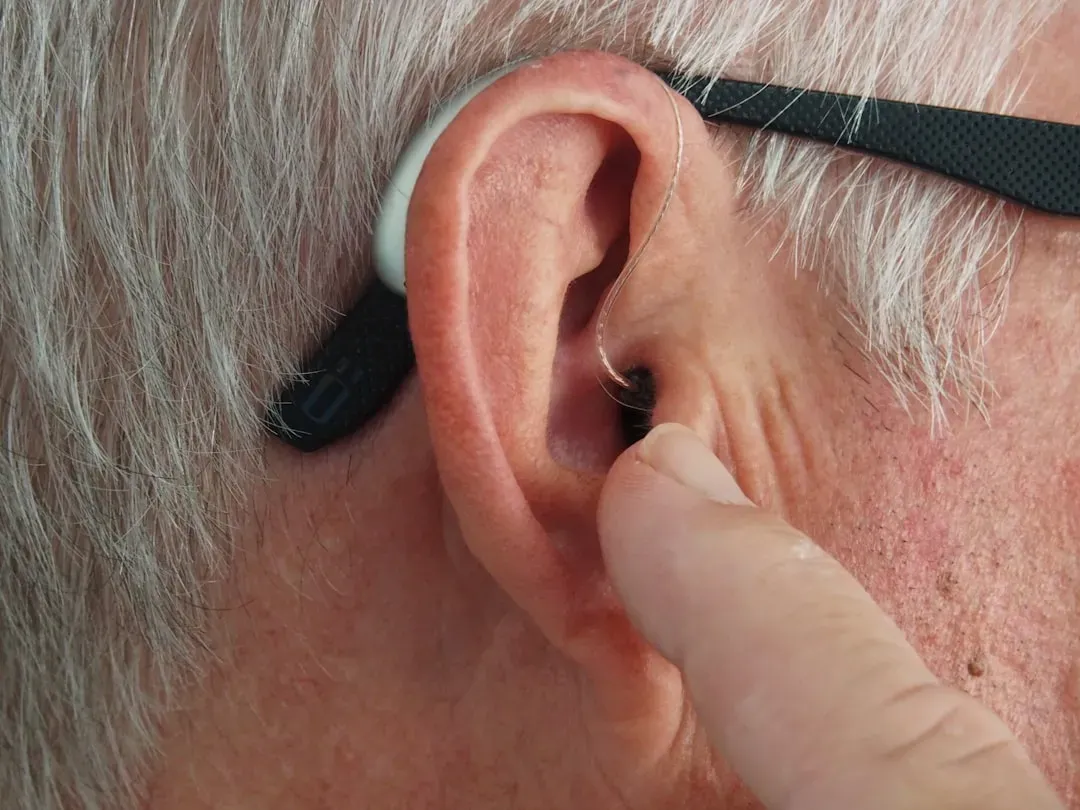
Based on what researchers, doctors, and nurses have seen so far, hearing appears to be the most persistent sense as death approaches. Brainwave studies show responses to sound after other clear signs of awareness have faded, and decades of bedside experience fit that same pattern. You cannot mark the exact second when hearing stops, and it may vary from person to person, but if you had to bet on which sense hangs on the longest, hearing is the strongest candidate. It is the quiet channel that often stays open even when speech, movement, and eye contact are long gone.
Still, you should hold this idea with humility. The human brain remains full of mysteries, especially in those final moments, and science is still piecing together how consciousness fades. Instead of treating hearing as some magical guarantee, see it as a compassionate guideline. You speak, you sing, you whisper goodbye, because the evidence suggests they might hear you and because it changes how you show up in those last hours. In the end, that change in you may be just as important as whatever they experience.
Conclusion: A Quiet Sense That Changes How You Face the End

Knowing that hearing is probably the last sense to fade before death does more than satisfy your curiosity; it reshapes how you think about dying itself. Instead of picturing an instant, silent blackout, you start to see a softer, more gradual ending in which your inner world and your connection to others persist a little longer than your body suggests. This understanding gives you permission to keep talking, keep playing music, and keep offering comfort, even when you are not sure what is getting through.
When your time comes, you may find comfort in imagining familiar voices as the final sounds you hear, wrapping around you like a worn blanket you have loved for years. And when you are the one sitting at the bedside, you now know that your words and your presence are not pointless ceremonies but real offerings that might reach farther than you think. If hearing is truly the last sense to fade, what would you want someone to say to you in those final moments – and who do you want to hear saying it?