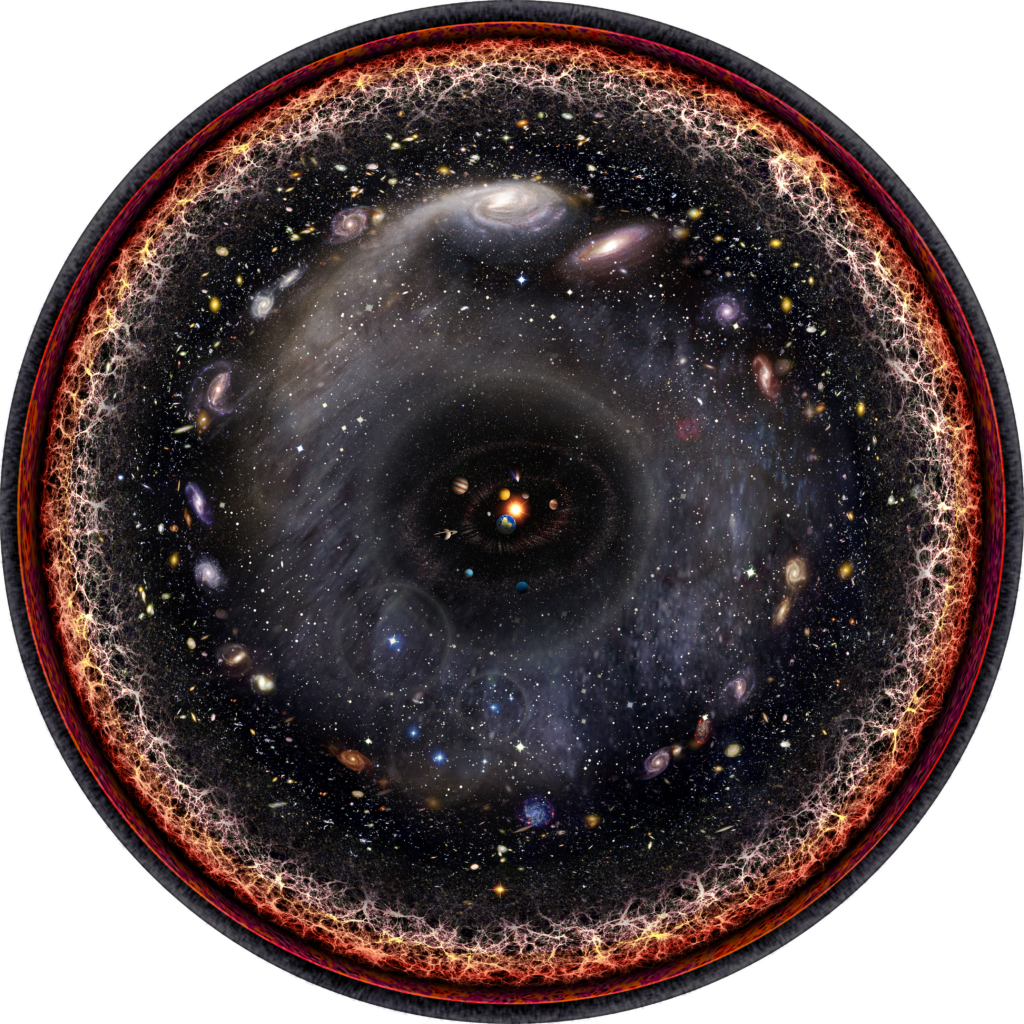
If you could somehow ride a beam of light to the very edge of what you can see, your entire sense of reality would fall apart almost instantly. The numbers get too big, the timescales too long, and the distances too extreme for your everyday intuition to keep up. Yet, strangely, this unreachable frontier still shapes everything about your life, from the atoms in your body to the way the night sky looks.
As you explore what sits at the boundary of the observable universe, you’re not just learning astronomy trivia. You’re poking at the limits of what humans currently understand about space, time, and even causality. Some of what you’ll encounter feels almost like a science fiction plot twist: regions you can never visit, galaxies you will never see, light that will never arrive. And still, all of it is as real as the ground under your feet.
1. The Edge Is Not a Place You Can Visit
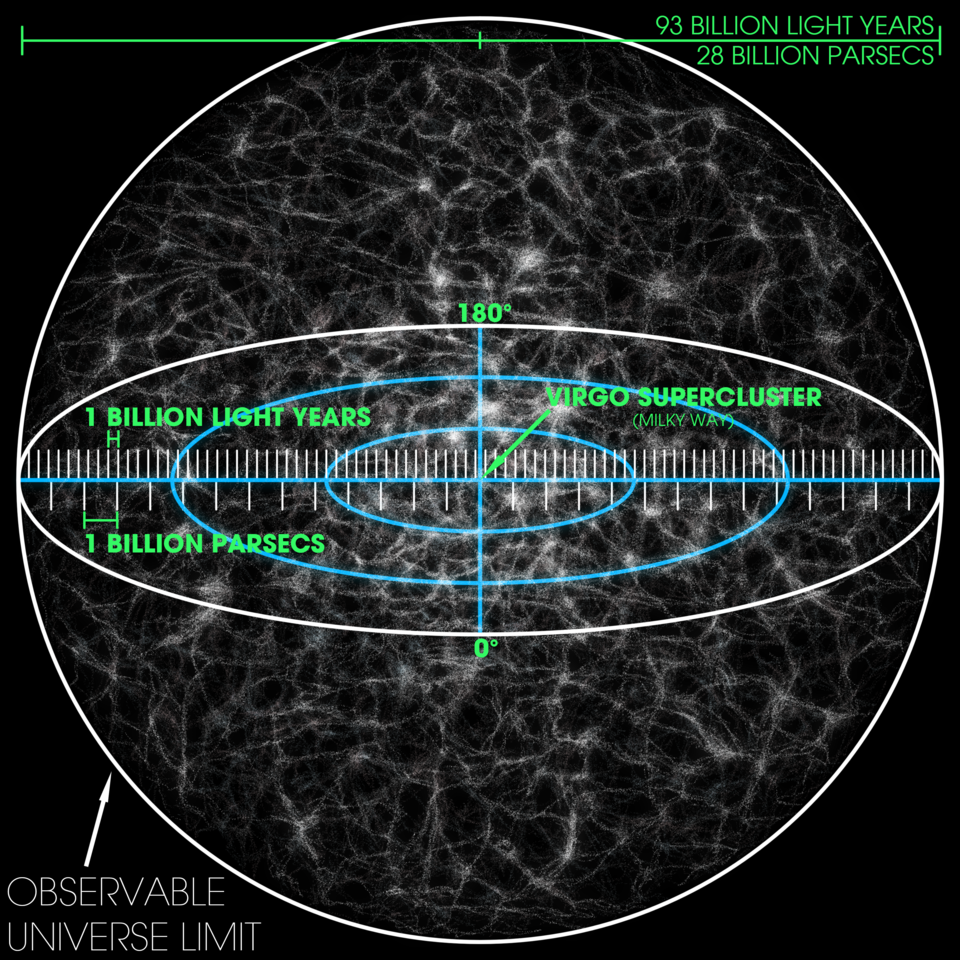
When you hear “edge of the observable universe,” it’s tempting to imagine a kind of cosmic wall, like hitting the final level in a video game. In reality, you’re not dealing with a physical border at all. You’re dealing with a limit set by light and time: you can only see as far as light has had time to travel since the universe began expanding. That means the “edge” is just the farthest distance from which light has managed to reach you, given the age of the cosmos.
So if you could somehow teleport to that edge, you wouldn’t find a sign that says “End of Universe.” Instead, you’d simply discover a new observable universe with a different horizon centered on you. From that new vantage point, you could see regions you can’t see from Earth, while some of what you see now would slip beyond your new view. The edge is not a hard boundary in space; it’s a shifting horizon defined by your location and the age of the universe itself.
2. The Edge Is Farther Than You Think: About 46 Billion Light-Years Away
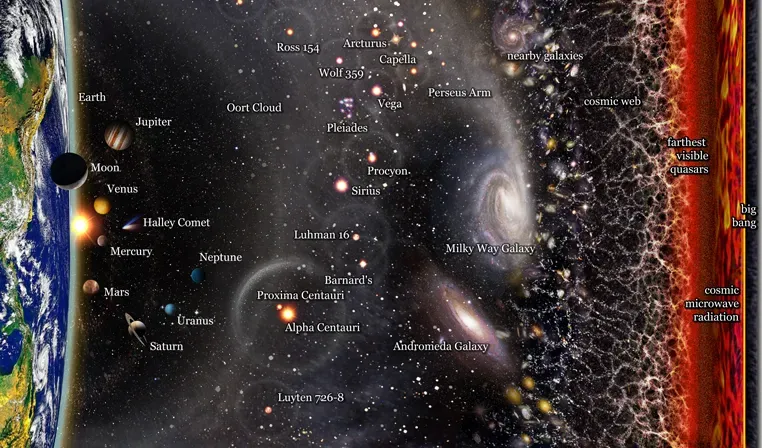
You might assume that if the universe is about 13.8 billion years old, the farthest thing you can see should be about 13.8 billion light-years away. That sounds tidy, but the universe is not tidy. While light has been traveling toward you for roughly that long, the fabric of space has been stretching the whole time due to cosmic expansion. That stretching means the galaxies and radiation that emitted light billions of years ago are now much farther away than the age of the universe in years.
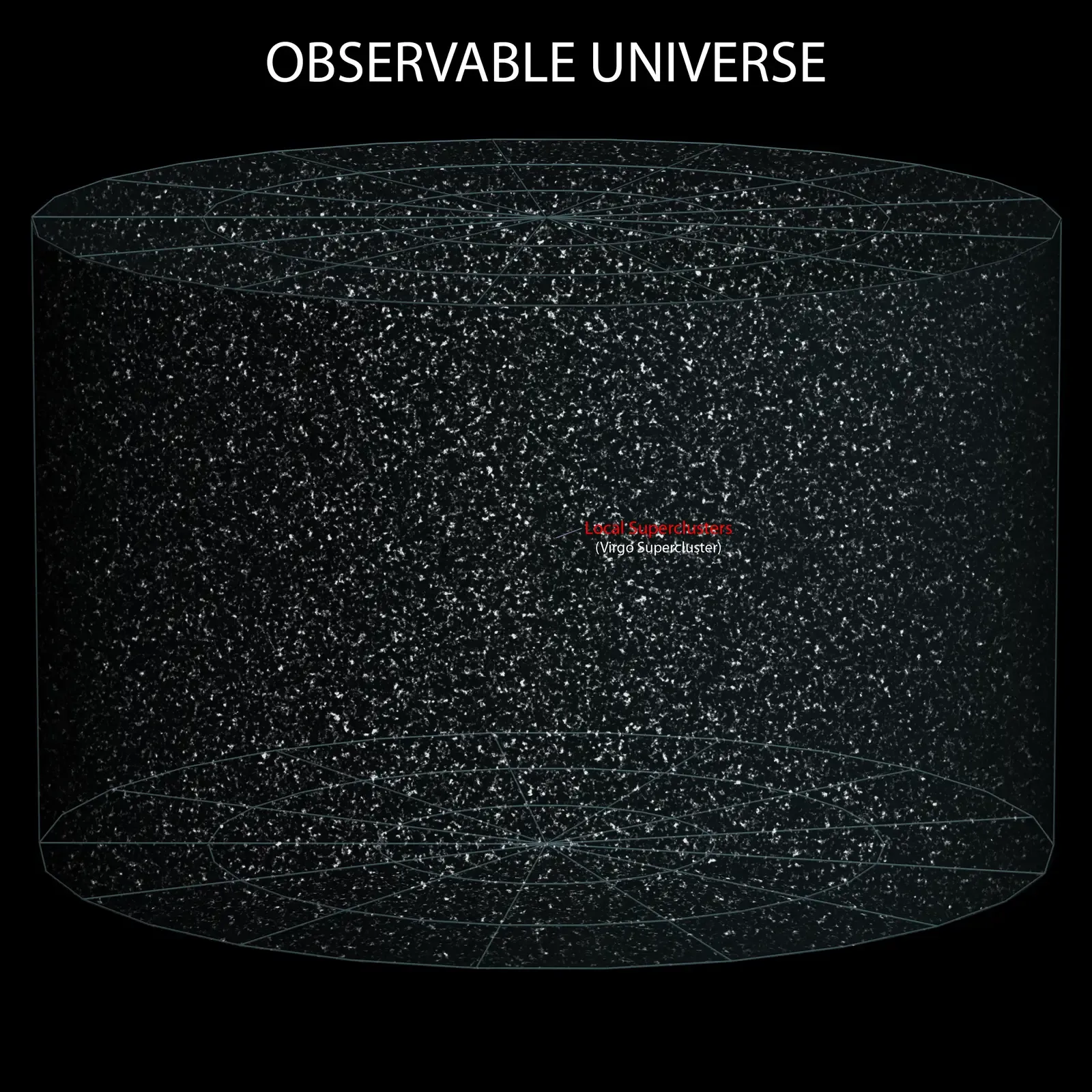
Today, the radius of your observable universe is roughly about 46 billion light-years. That number already feels absurd, but remember it is a moving target: as time passes, light from more distant regions will reach you, and the size of your observable bubble will grow. You are living inside an expanding sphere of visibility, not inside a fixed shell. The edge is both real in a mathematical sense and constantly changing as new light arrives from previously unseen distances.
3. The Observable Universe Is Not the Whole Universe
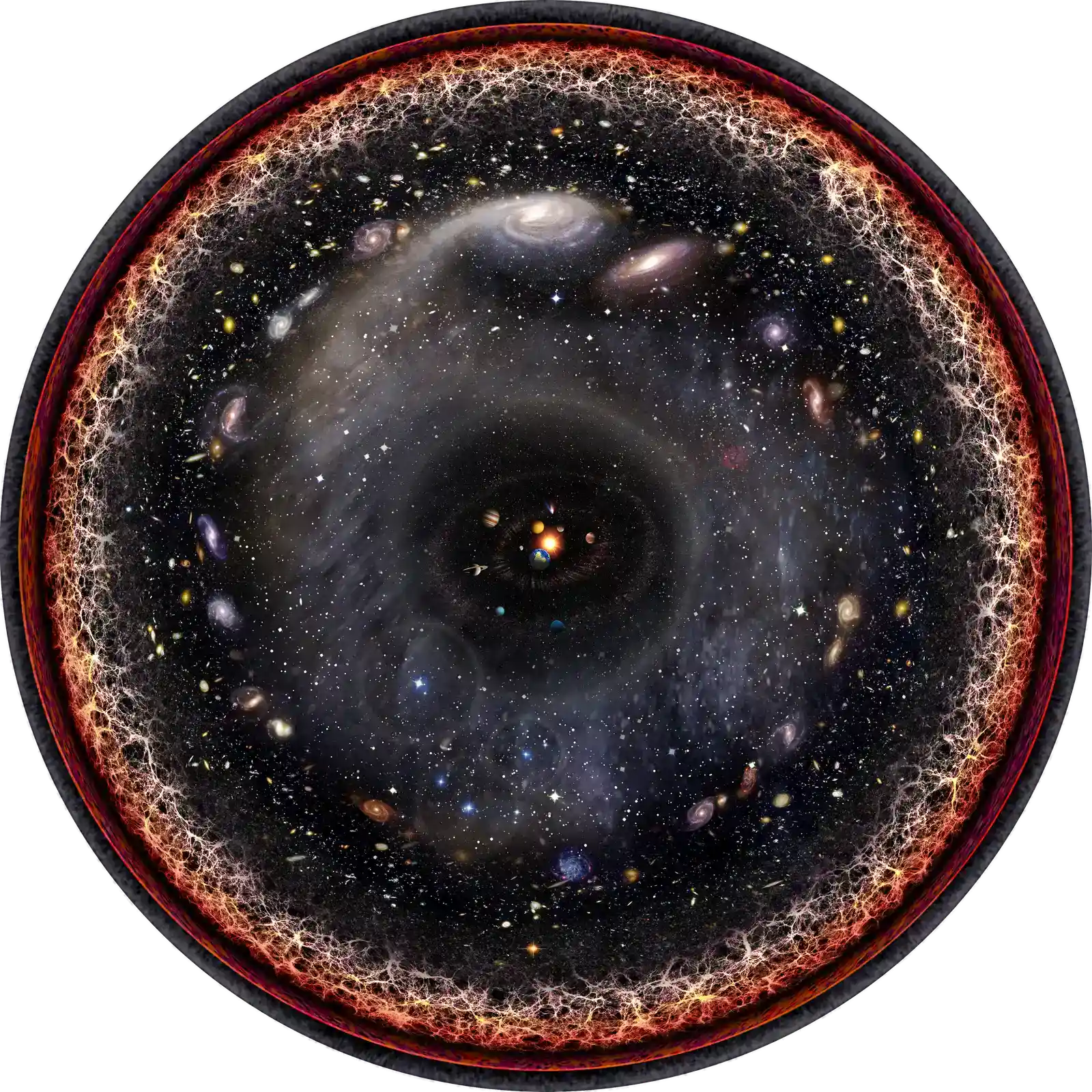
It’s easy to slip into thinking that when you talk about the “universe,” you mean everything that exists. But what you can actually study is only the observable universe, the region from which light has had time to reach you. Beyond that, there may be vast stretches of space full of galaxies, stars, and structures that you simply cannot detect, no matter how powerful your telescopes get. The observable limit is built into the laws of physics, not into your technology.
Most cosmologists expect that the total universe is much larger than the part you can see, and it may even be infinite. That means the edge of your observable universe is more like the edge of what you can know, not the edge of what is out there. It’s similar to standing on a foggy plain: you can only see out to a certain distance, but you have every reason to believe the landscape continues beyond your line of sight. At the edge, you’re staring straight into that fog of permanent unreachability.
4. You Are Looking Back in Time, Not Just Far Away
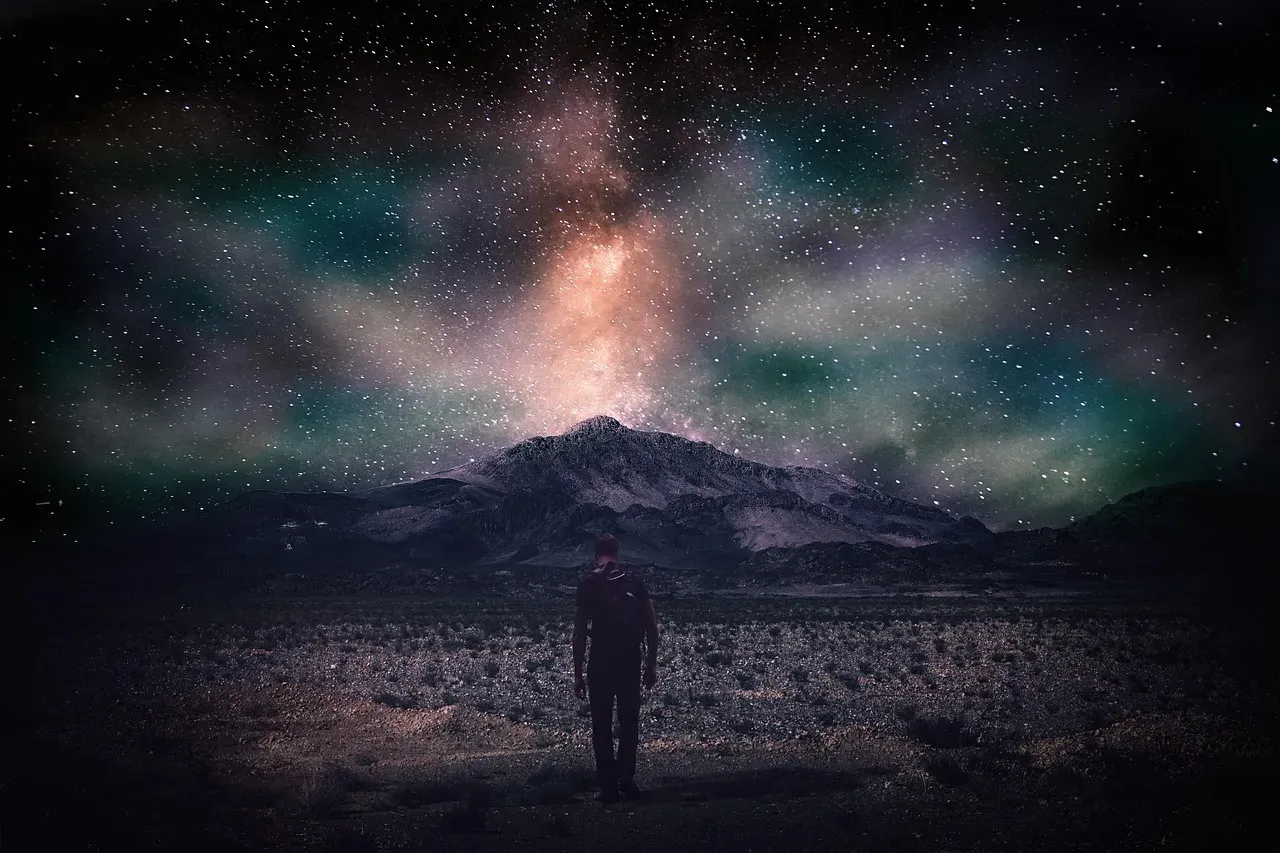
Every time you look toward the edge of the observable universe, you’re not seeing those regions as they are now – you’re seeing them as they were in the distant past. Light takes time to travel, and the farther out you look, the deeper into history you go. At extreme distances, you’re seeing galaxies as newborns, or even catching the afterglow from just a few hundred thousand years after the Big Bang. Your cosmic horizon doubles as a time machine.
This means the “edge” you observe is a patchwork of different eras layered into a single view. Closer in, you see galaxies much like your own, well into their lifetimes. Farther out, you see primitive galaxies that are just starting to form. Beyond that, you hit a smooth glow of radiation that comes from a universe so young that galaxies did not yet exist. When you talk about the edge, you are really talking about the earliest pages of the universe’s story, frozen in the light that has only just arrived.
5. The Cosmic Microwave Background Is Your True Horizon
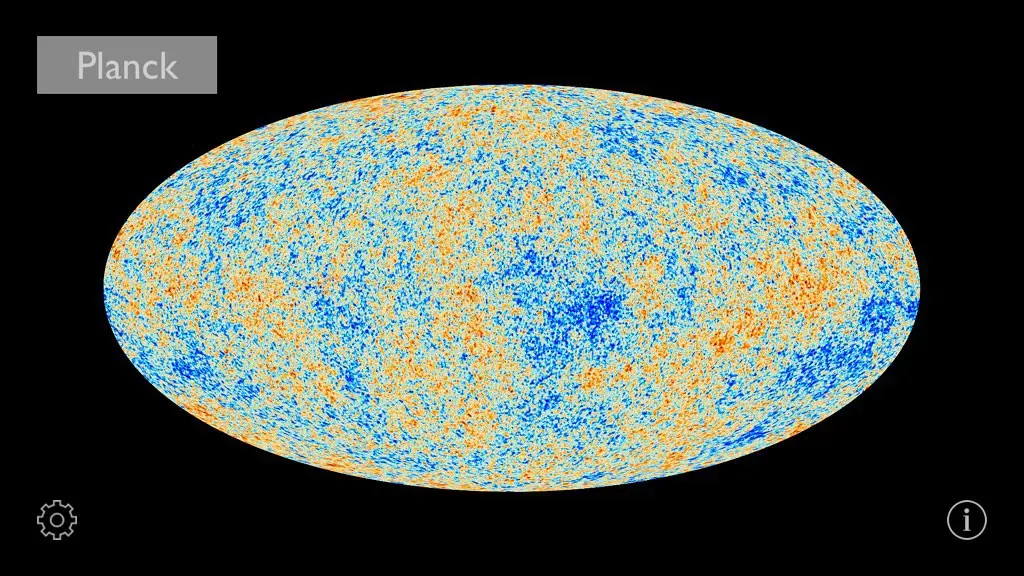
If you could tune your eyes to microwaves instead of visible light, the entire sky would light up with a faint, almost perfectly uniform glow. This glow is the cosmic microwave background, the oldest light you can observe. It comes from a time when the universe cooled enough for light to travel freely through space, turning an opaque, hot plasma into a transparent cosmos. That moment happened when the universe was only a few hundred thousand years old, a baby compared to its current age.
In every direction you look, that microwave light marks the furthest back in time you can directly see, acting as a kind of shimmering shell around you. Beyond it, there is still a universe, but it is hidden behind a curtain of earlier, denser conditions that block light. You can infer what happened earlier with clever physics and indirect evidence, but you cannot take a picture of it. That makes the cosmic microwave background a kind of ultimate photograph: the last visible frame of the universe’s earliest, glowing phase.
6. Galaxies at the Edge Are Racing Away Faster Than Light (And That’s Allowed)
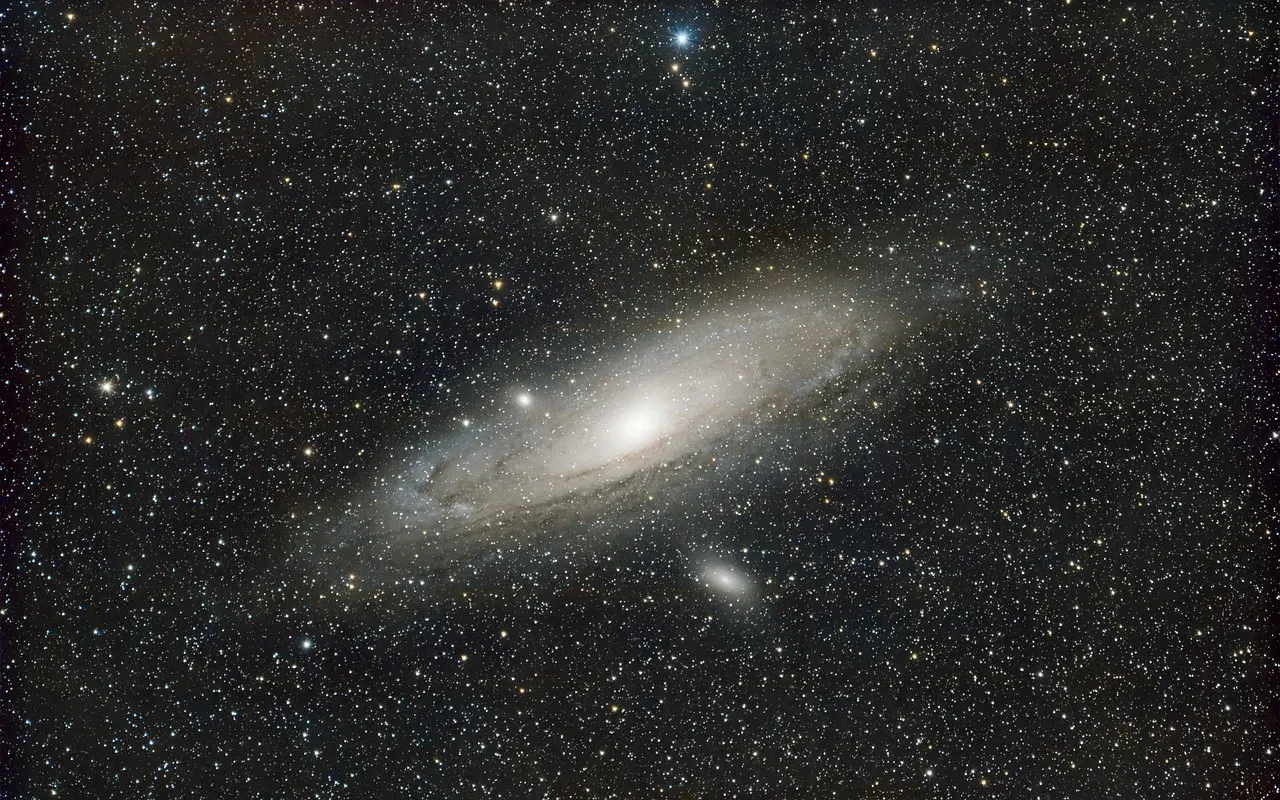
One of the most mind-bending facts about the far edge of your observable universe is that many of the galaxies out there are receding from you faster than the speed of light. At first glance, that looks like a violation of everything you learned about relativity. But the key is that these galaxies are not moving through space faster than light; instead, space itself is expanding between you and them. The speed limit of light applies to movement through space, not to the stretching of space itself.
This expanding-space picture means that as you look toward the horizon, you’re watching galaxies effectively being carried away on a flowing cosmic river. Some of them are already beyond the distance from which newly emitted light could ever reach you in the future. Their old light is still arriving, so you can see them as they were. But over time, they will disappear from your observable universe entirely, like ships sailing past an event horizon into permanent darkness from your perspective.
7. There Are Regions You Will Never Be Able to See, No Matter What
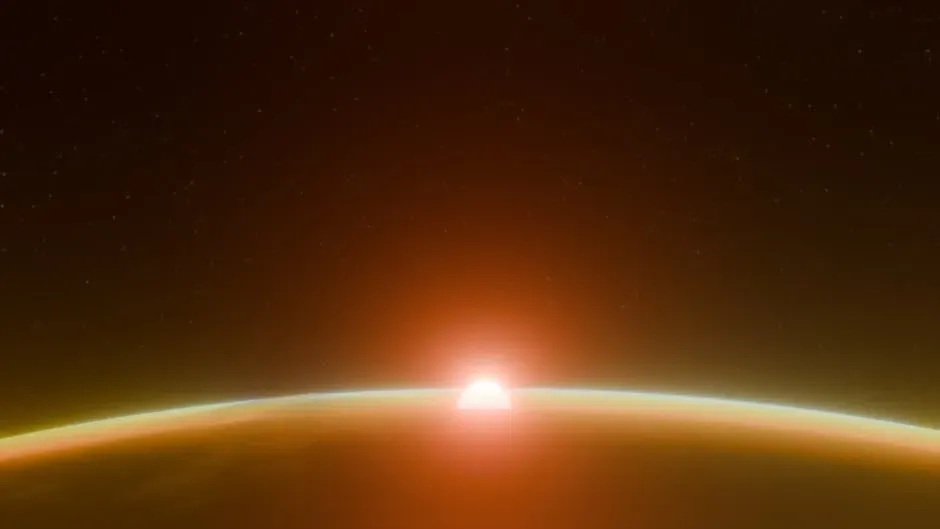
Even if you gave yourself endless time and perfect technology, there are parts of the universe that will remain forever invisible to you. This is because of a concept called the cosmic event horizon. It marks the maximum distance from which light emitted right now could ever reach you in the infinite future. Anything beyond that horizon is already too far away, carried off by accelerating expansion so quickly that its light can never catch up.
This creates a strange situation: there might be galaxies just beyond that horizon that are very similar to your own, with stars, planets, and maybe even life. But no signal, no spacecraft, and no beam of light could ever bridge the growing gap. The universe is not just big; it is partitioned by expansion into regions that are permanently cut off from one another. At the edge, you’re staring at a frontier that divides what can ever affect you from what will always remain hidden.
8. The Edge You See Is Different From the Edge Someone Else Sees
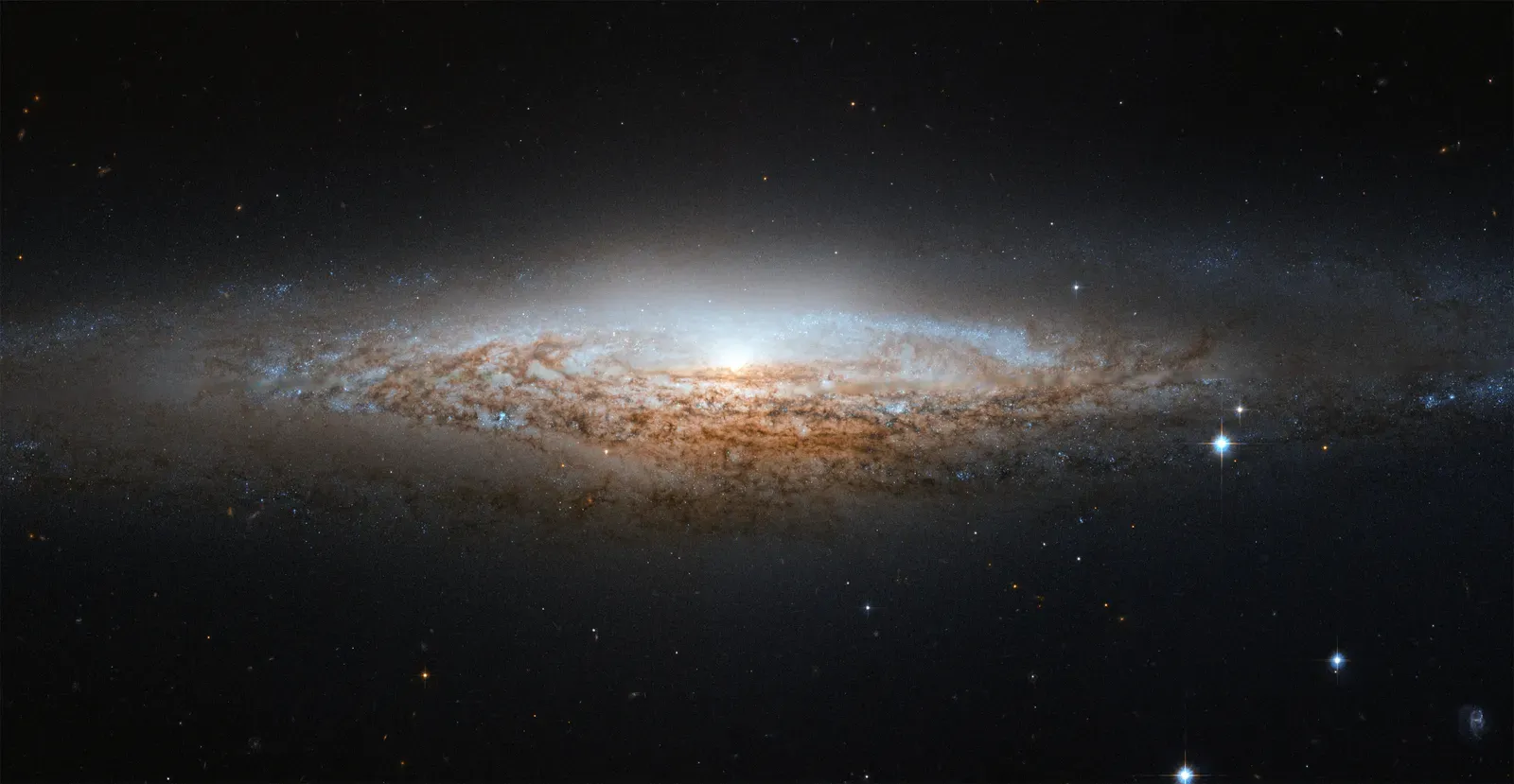
Imagine a galaxy many billions of light-years away, with its own observers wondering about their edge of the observable universe. From their point of view, the cosmos looks similar but not identical to yours. They see their own local group of galaxies up close, a web of structures spreading outward, and a cosmic microwave background surrounding them. But the particular galaxies at their horizon are not the same ones you see at yours. Their observable bubble overlaps with yours but is not identical.
This means there is no single, universal edge that everyone shares. Instead, every location in the universe has its own observable horizon, centered on that spot. You and that distant observer could, in principle, stitch your maps together if you could somehow exchange information. But there would always be regions visible to them that you will never see, and vice versa. The edge of the observable universe is deeply personal: it depends on where you stand and when you look.
9. The Large-Scale Universe Looks Strangely Uniform All the Way to the Edge
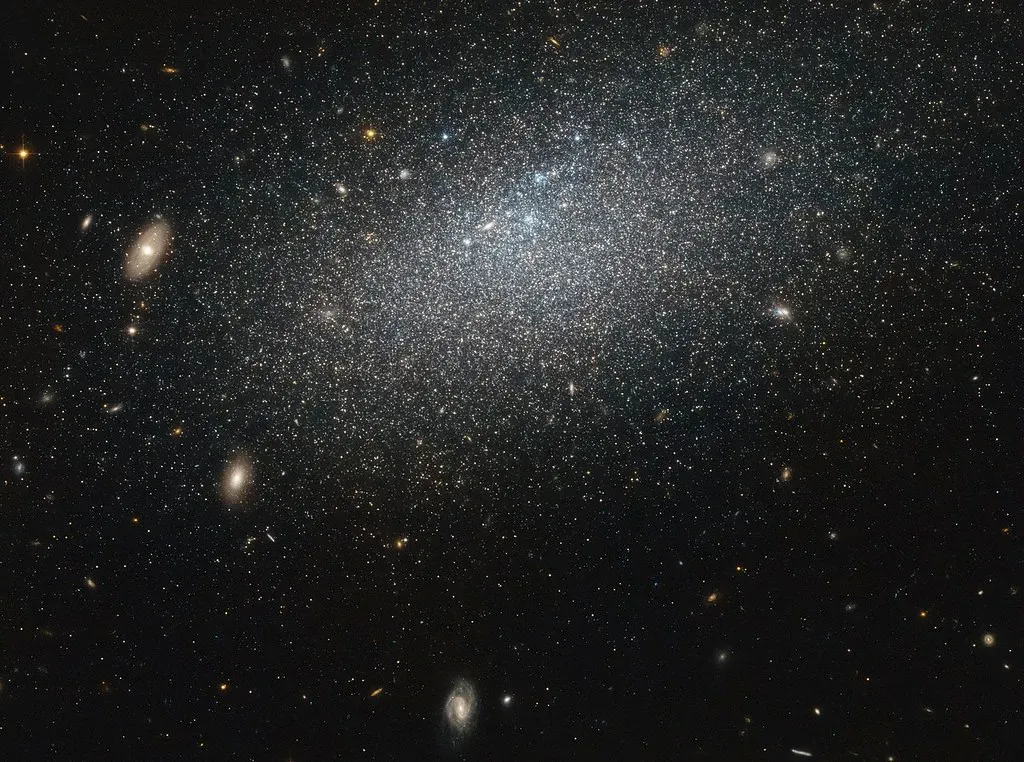
You might expect that if you look far enough out, the universe would start to look lopsided or chaotic. Instead, the more you zoom out, the more the cosmos begins to resemble a smooth, even mist of galaxies. On the largest scales you can observe, the universe looks roughly the same in every direction and at every location, at least statistically. Astronomers call this large-scale uniformity homogeneity and isotropy, and it holds surprisingly well all the way to your observational limits.
This sameness is not obvious or trivial. It raises deep questions about how regions that seem too far apart to have ever interacted could end up so similar. To explain that, you rely on ideas like cosmic inflation, a brief, extremely rapid expansion early in the universe’s history that stretched tiny irregularities to cosmic sizes. So when you look toward the edge and see that the temperature of the cosmic microwave background barely varies at all, you’re seeing the signature of a universe that started from an almost eerily uniform state.
10. Tiny Fluctuations at the Edge Seeded All Cosmic Structure
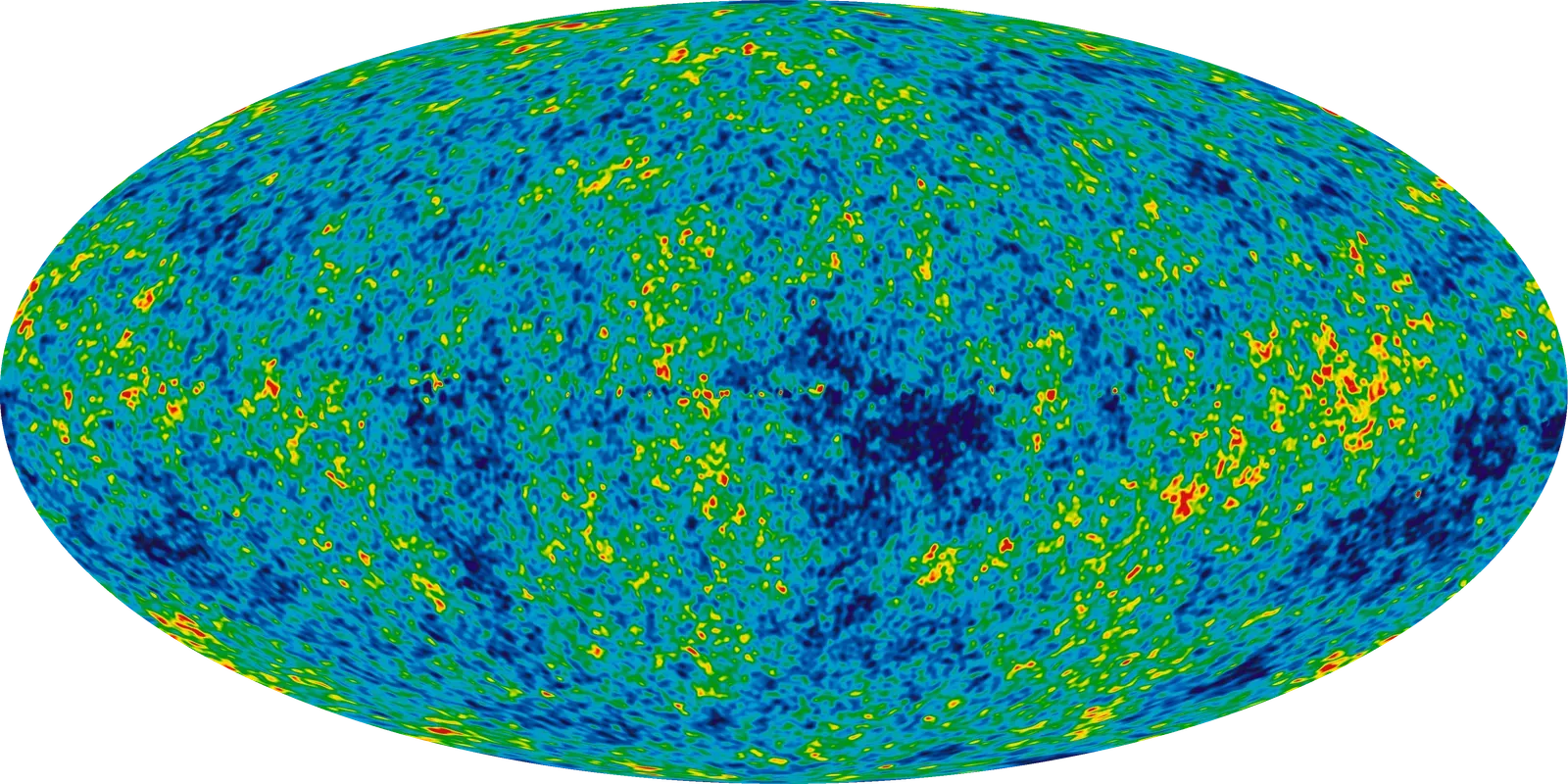
Although the cosmic microwave background looks almost perfectly uniform, it hides delicate ripples in temperature and density. These tiny fluctuations are only a fraction of a degree different from place to place, but they are crucial. They mark regions that were slightly denser or less dense in the early universe. Over billions of years, gravity amplified those small differences into the vast structures you see today: galaxies, clusters, and filaments spanning hundreds of millions of light-years.
When you study the edge of the observable universe in detail, you are literally looking at the blueprint of cosmic architecture. Those faint speckles and patches in the ancient light show where matter would eventually clump into galaxy clusters or leave behind empty voids. In a very direct way, your own existence as a person made of starlight traces back to those early fluctuations. The edge is not just a boundary; it is the imprint of the universe’s original imperfections that made complexity possible.
11. The Edge Keeps Moving, and New Regions Become Visible Over Time
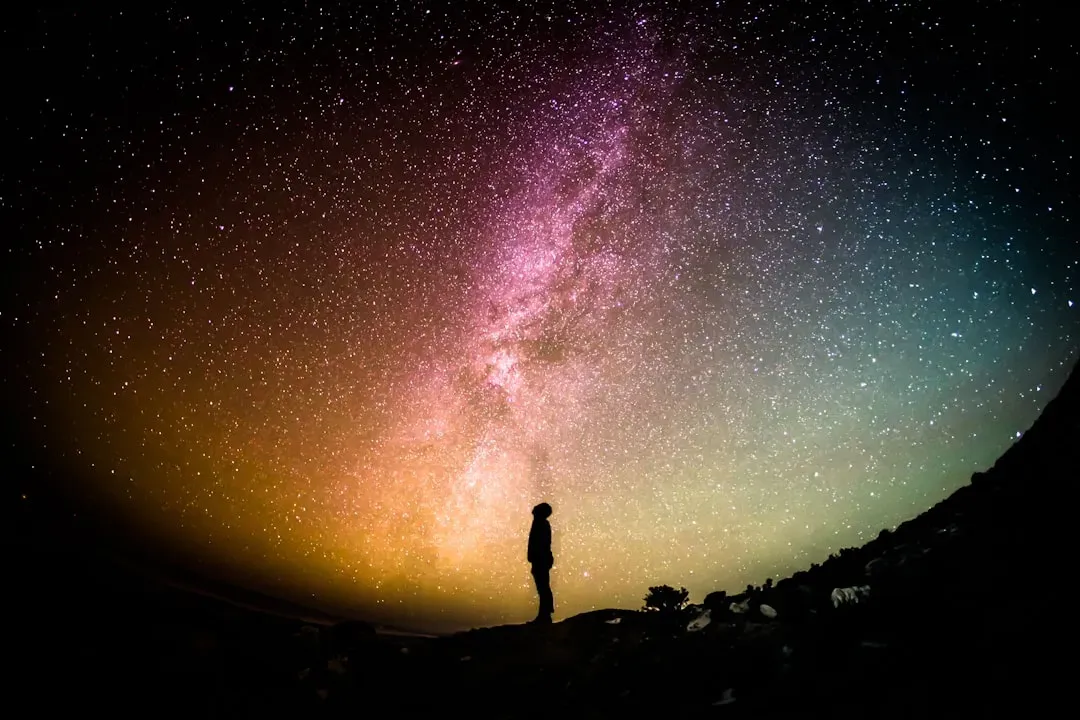
You might imagine the observable universe as a fixed sphere, but it’s more like a balloon that keeps inflating. As time passes, light from increasingly distant regions finally reaches you, revealing parts of the cosmos that were once beyond your reach. The edge of what you can see is always growing, and the volume of your observable universe increases dramatically as more and more space comes into view. Every night sky you look at is slightly larger in scope than the one from years ago, even if your eyes cannot tell.
However, this growth has a twist: while new regions come into view, others drift beyond your event horizon because of accelerating expansion. You gain access to more of the ancient universe but lose access, over time, to the current state of distant galaxies. In the far future, an observer in your position will see fewer and fewer external galaxies as the universe stretches them away into darkness. The edge is dynamic, reshaping what is knowable, slowly rewriting the cosmic map that any observer can draw.
12. The Edge Forces You to Confront the Limits of Knowledge
At some point, when you talk , you bump into an uncomfortable truth: there are things you will simply never be able to test or see. You can build models of what lies beyond your horizon, and many of those models are strongly supported by what you see inside it. But you cannot directly confirm whether the universe beyond your reach follows the same rules, has the same structures, or even continues at all. The edge turns scientific curiosity into a kind of philosophical challenge.
This does not mean you should give up on asking hard questions; it just means you have to be honest about where evidence ends and imagination begins. The observable universe is like a brilliantly lit island surrounded by a dark sea you cannot cross. You can infer the shape of the coast, trace the waves at the boundary, and build theories about the waters beyond. In the end, the edge of the observable universe is where science meets humility, reminding you that even with all your tools and equations, some parts of reality will always stay just out of reach.
Conclusion: Living in a Universe With a Moving Horizon
When you think , you’re really thinking about the edges of time, causality, and what you can ever know. You live inside a vast, expanding bubble of visibility whose boundaries are shaped by light’s speed and the universe’s history. At that shifting frontier, galaxies are being carried away faster than light, ancient ripples are frozen into a faint glow, and whole regions are sealed off from your sight forever. The edge is less a wall and more a mirror, reflecting back how limited and yet how powerful your perspective truly is.
And still, within that limited view, you’ve managed to piece together a story that stretches from the first glowing plasma to the grand web of galaxies, all the way out to a horizon nearly beyond imagination. Every time you look up, you are staring toward that horizon, whether you feel it or not. Maybe the strangest part is this: even with an unreachable edge and an unknowable beyond, the universe has still given you enough clues to ask these questions at all. In a cosmos this big, how unlikely is it that you’re here, wondering where it ends?