You live in an age of quantum computers, reusable rockets, and AI in your pocket. It feels like there shouldn’t be anything the past knew that the present cannot fully copy, improve, and patent. Yet when you look closely at some of the most astonishing achievements of ancient civilizations, you keep running into the same uncomfortable reality: modern science still cannot recreate some of what they did with complete accuracy, efficiency, or understanding.
That does not mean these things are magical or impossible. You can pour concrete without Roman recipes and you can carve big stones without Inca tools. But when you ask a deeper question – can you reproduce the same durability, the same precision, the same mysterious side effects – the answer becomes less confident. In those gaps, you get a glimpse of just how much human knowledge can be gained, lost, and half‑remembered across thousands of years.
1. Roman Concrete That Gets Stronger in the Sea
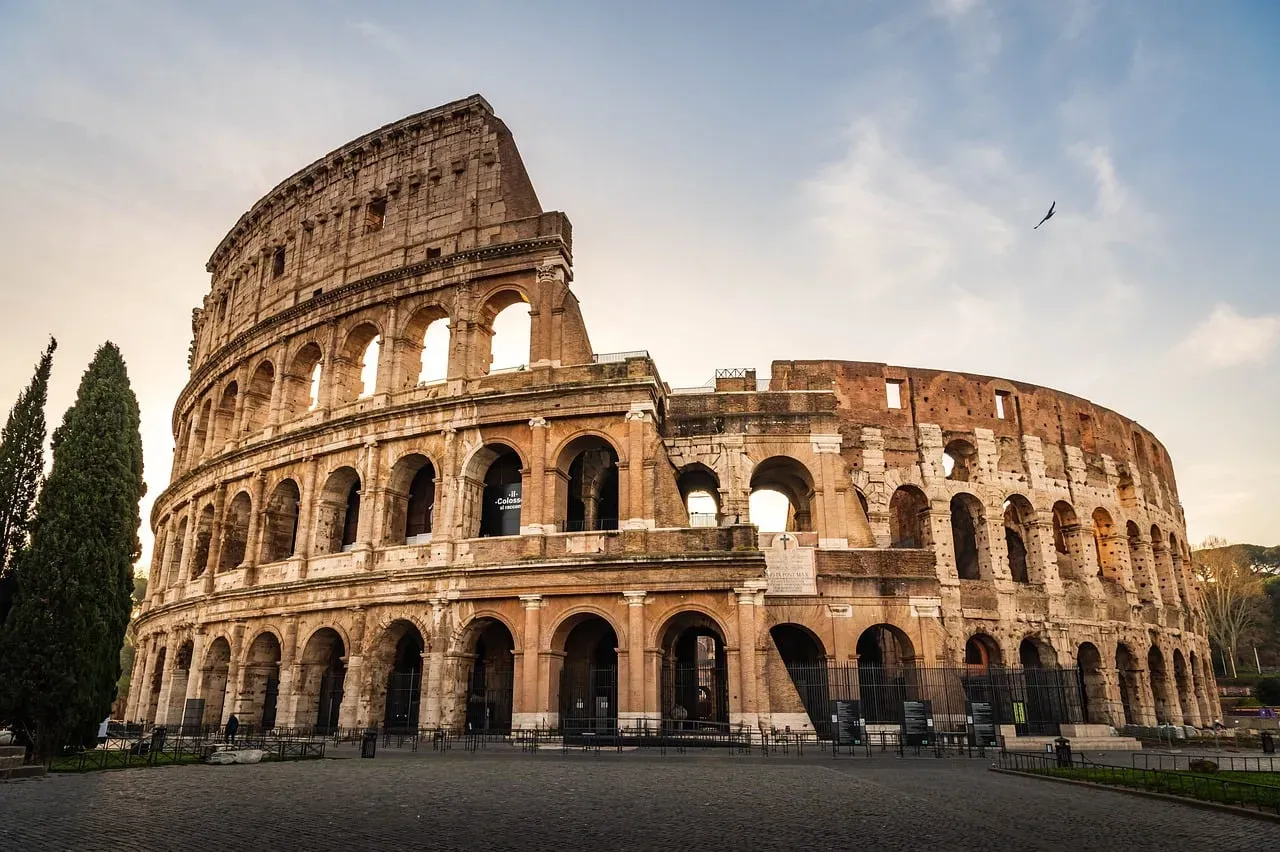
If you build a modern concrete pier in saltwater, you expect it to slowly weaken and crumble over the decades. Roman builders did the opposite: they poured harbor concrete two thousand years ago that has actually grown stronger with time, especially in marine environments. When you stand on a Roman breakwater that’s still holding up after empires, earthquakes, and storms, you can feel that something about their mix was very different from what you use today.
Modern analysis shows that Roman concrete relied heavily on volcanic ash and lime, creating a kind of self‑healing material. Seawater reacts with minerals in that ash, forming new crystal structures that fill in cracks, a bit like your driveway repairing itself every time it rains. You can copy pieces of the recipe in a lab, but you still do not have a single, perfectly agreed‑upon formula that reproduces its full long‑term performance in real harbors, at real scale. In practice, you’re still learning from them, not fully matching them.
2. Damascus Steel Blades with Almost Superhuman Traits

Imagine holding a sword that can bend almost like a bow, spring back dead straight, keep a razor edge through battle, and show a rippling, watery pattern along the blade. That’s the legend of Damascus steel, produced in the medieval Near East from special steel known as Wootz. You can find surviving blades in museums, still sharp, still strangely beautiful, and still not completely understood in terms of how they were made from start to finish.
Modern metallurgists have uncovered clues: ancient smiths were working with steel rich in trace elements and carbon, and their repeated heating and cooling created intricate microstructures in the metal. You can reproduce some Damascus‑like patterns or match some of the mechanical properties in small, carefully controlled experiments. But you do not yet have a universally accepted, practical process that lets you mass‑produce true Damascus exactly the way historical craftsmen did, with the same combination of performance, structure, and artistry that made those blades almost mythical.
3. The Unsinkable Precision of the Antikythera Mechanism
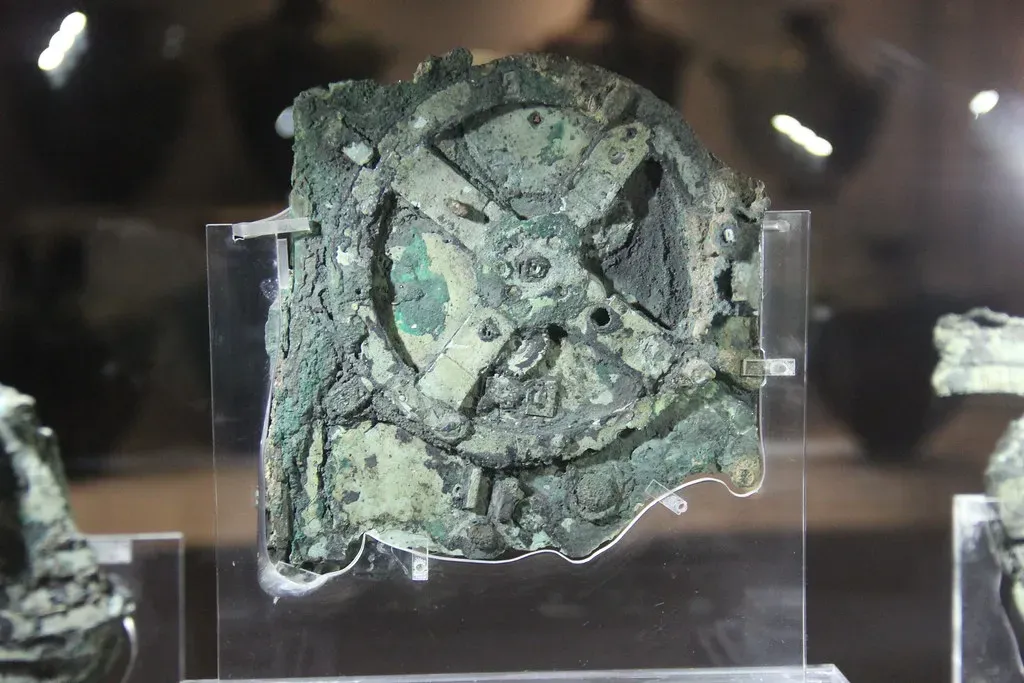
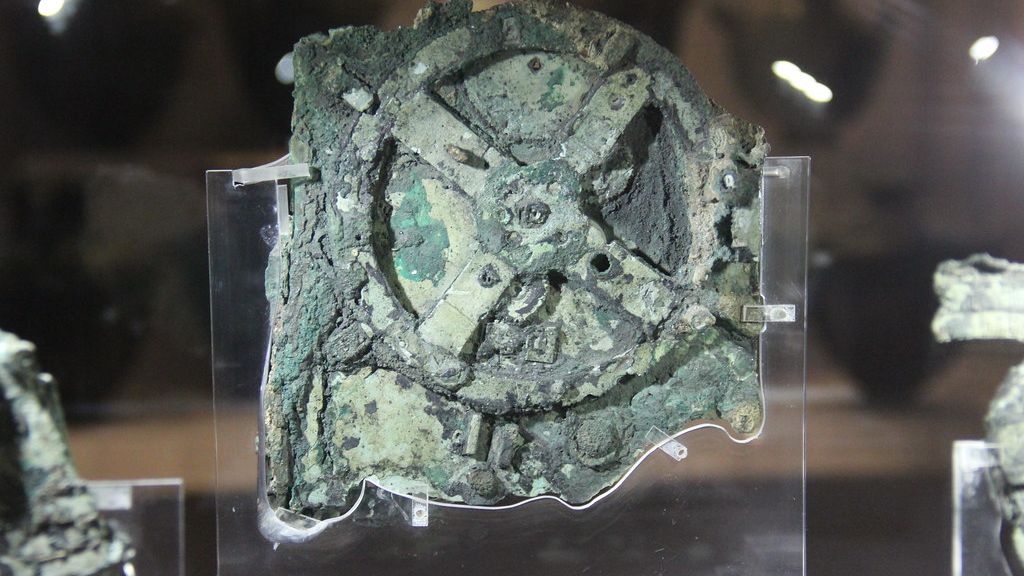
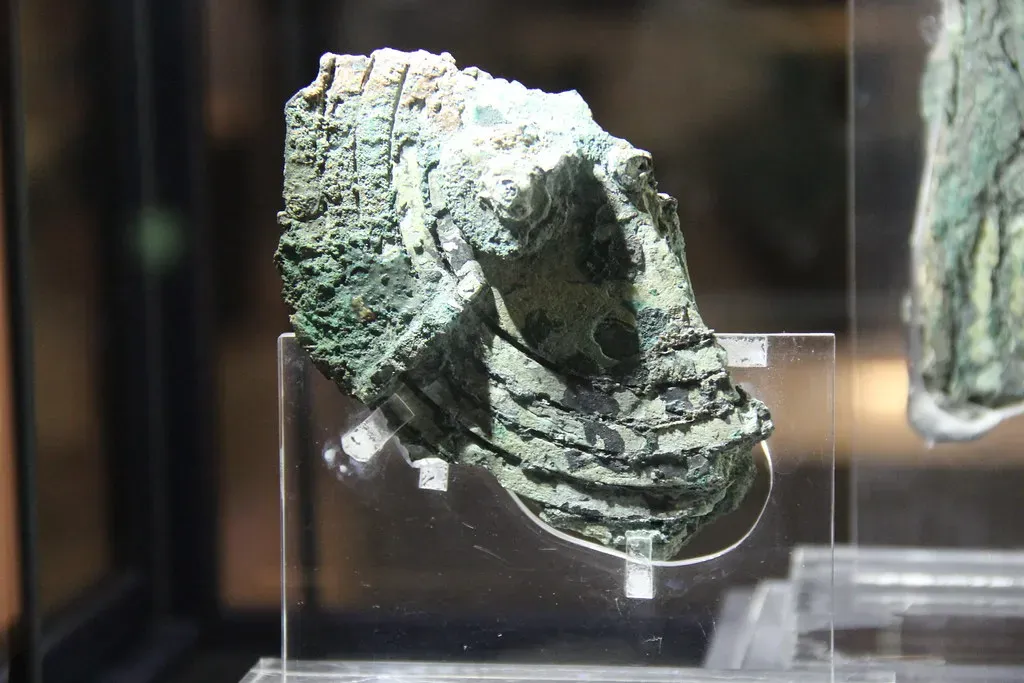
When you picture ancient Greece, you probably imagine marble statues and scrolls, not a hand‑held mechanical computer packed with tiny gears. Yet that’s exactly what the Antikythera mechanism is: a bronze device recovered from a shipwreck, designed to predict eclipses, track planetary cycles, and model the motions of the heavens. You can think of it as a kind of analog laptop built over two thousand years ago, so intricate that even seasoned watchmakers are stunned by its complexity.
Using modern imaging, you can now model many of its gear trains and reconstruct reasonably accurate working replicas. But here’s the catch: you’re still arguing about the exact original layout, the full set of functions, and whether you even understand every inscription and dial. You can recreate a version of the device, but you cannot confidently say you have reproduced the complete original technology, including the tradition of design and manufacture that must have existed to build it in the first place. In a way, you’re rebuilding a single surviving app without ever having seen the operating system it ran on.
4. Inca Stonework That Locks Like a 3D Puzzle
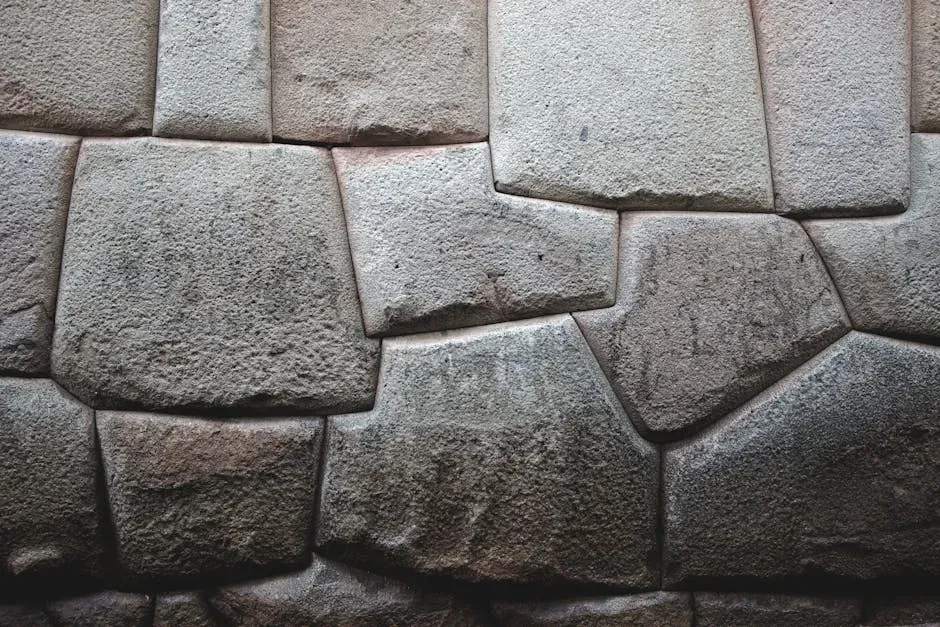
Walk through the ancient walls of Cusco or the fortress of Sacsayhuamán, and you see stone blocks so perfectly fitted that you struggle to slide a sheet of paper between them. The Inca shaped multi‑angled stones that interlocked like a three‑dimensional jigsaw puzzle, often without mortar, yet still able to ride out earthquakes that would flatten more rigid, modern masonry. You’re looking at engineering that mixes geometry, geology, and a deep, practical feel for the land.
Today, you can cut stone with lasers, diamond blades, and computerized machines, so in theory you can carve the same shapes. But the real mystery is not just the shape; it’s the entire system. You still do not fully understand the exact tools, techniques, and workflow they used in mountainous terrain, far from quarries, with no steel, no wheels, and no written manuals. Modern reconstructions can mimic parts of the process, yet the combination of logistics, precision, resilience, and sheer scale remains something you have not truly recreated in a controlled, repeatable way.
5. Greek Fire: The Byzantine Weapon That Would Not Go Out

Imagine facing an attack where the enemy sprays a burning liquid that clings to ships, walls, and water, and refuses to extinguish. That was Greek Fire, a terrifying incendiary weapon used by the Byzantine Empire. Contemporary accounts describe it being projected through tubes or siphons, lighting enemy fleets and siege engines on fire in ways that felt almost supernatural to those on the receiving end.
Modern scientists can guess the broad category of ingredients: probably some mix of petroleum distillates, resins, and other chemicals that might burn on water. People have proposed recipes and run experiments, but none of them are confirmed as the definitive formula, and you have no surviving original instructions. The exact composition, the delivery system, and the tactical use together form a technology that modern chemistry could easily outperform today, yet you still cannot say with certainty how, exactly, this ancient weapon was made and deployed at the time.
Conclusion: What Lost Technologies Really Tell You
It’s tempting to treat these ancient technologies like magical secrets, as if past civilizations were quietly more advanced than you are now. The reality is more humbling and, in a way, more inspiring: people with far fewer tools, no modern theory, and very limited instruments developed highly specialized solutions you still struggle to fully reverse‑engineer. You’re not dealing with alien science; you’re dealing with human genius sharpened by different needs, resources, and centuries of hands‑on experimentation.
When you look at Roman concrete, Damascus blades, the Antikythera mechanism, Inca walls, and Greek Fire, you’re really looking at the edges of your own understanding. They remind you that knowledge can be fragile, that progress is not a simple straight line, and that some of the best ideas can be lost as easily as they are found. Maybe the real question is not how advanced the ancients were, but how much of what you take for granted today future generations will say they cannot quite recreate – and how they’ll judge what you chose to forget. Which of today’s technologies do you think will become tomorrow’s unsolved mystery?