You probably hate even imagining it: you are suddenly gone, and your pets are left behind in the same house, with the same bed, the same food bowls… but no you. As uncomfortable as that thought is, scientists, veterinarians, and behavior researchers have been quietly studying what actually happens to animals in those situations, and the reality is both heartbreaking and surprisingly hopeful. When you understand what your pets are likely to experience, you can protect them long before anything bad happens.
This is not about morbid curiosity. It is about love with its sleeves rolled up. When you know how your dog, cat, bird, or even small mammal tends to respond to loss, you can put very concrete safety nets in place. You will see that a lot of the pain your animal might face is preventable with simple planning, honest conversations, and a bit of paperwork. Thinking about this now might feel heavy, but it is one of the most practical, caring things you can ever do for them.
The First Hours: Confusion, Scent, and Waiting for You
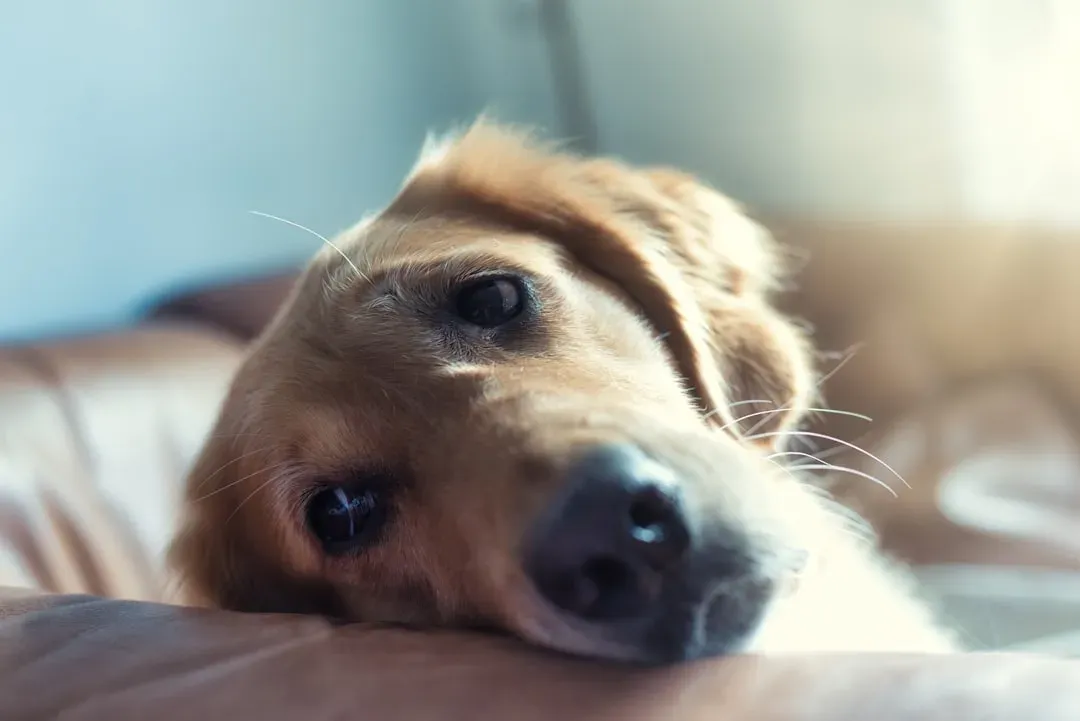
In the first hours after you die, your pet usually does not understand that death has happened the way you do. What your animal notices immediately is that your routine is broken: the alarm did not go off, you did not get out of bed, the food bowl is still empty. Animals live through patterns, so that sudden silence and lack of movement can create intense confusion and anxiety. Your dog may pace the house and check doors; your cat might watch the bedroom or bathroom door for you to reappear.
Scent is everything here. Your body, your clothes, your usual spots on the couch or bed are soaked in your smell, and for a while your pet will act as if you are still there somewhere, just out of sight. Many owners who pass away at home are found days later with pets lying close by, sometimes even guarding them, because your scent is still familiar and comforting. In those early hours, your pet is not philosophizing about death; it is simply waiting, tracking, and trying to solve the puzzle of “Where did you go?”
Grief and Attachment: Do Pets Know You Are Gone for Good?
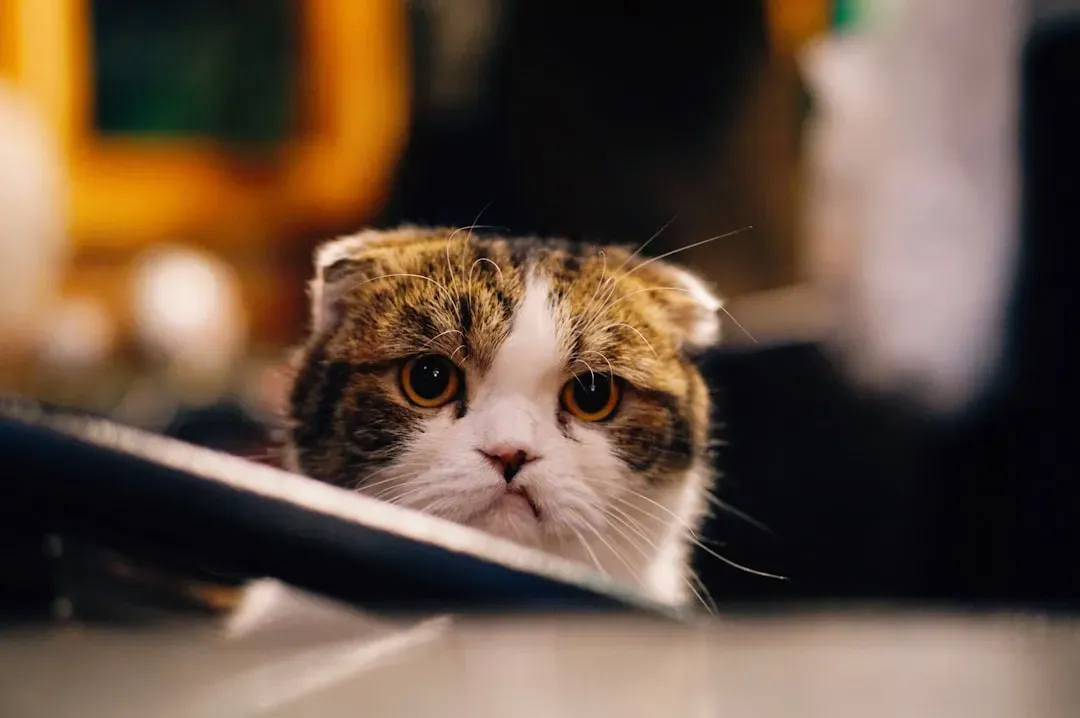
Researchers studying mourning in dogs, cats, and other animals have found that you are not imagining it when you say your pet is grieving. When you die, your animal often shows changes that look a lot like human grief: loss of appetite, disturbed sleep, less interest in play, or, on the other side, frantic clinginess to other people. You may have seen this in pets who lose an animal companion; the same thing often happens when they lose you. They feel the rupture in their social world, even if they cannot name it.
At the same time, scientists are very careful not to claim your pet understands death in the abstract the way a human adult does. Your animal likely senses that something final and deeply wrong has occurred because your smell, your voice, your routine, and your presence stop coming back. Over days to weeks, your pet’s brain slowly rewrites its expectations, updating “you always come home” into “you do not appear anymore.” That long, confusing adjustment period is where you see pacing, searching, and that eerie way a pet will stare at the door as if it can will you through it.
Behavioral Changes: Eating, Sleeping, and Even House-Training

Once the initial shock fades, your pet’s behavior can shift in ways that might surprise you. Many animals stop eating properly when their main person disappears; the food is there, but the emotional context is gone. Dogs might leave meals untouched or eat only when someone sits with them. Cats can develop stress-related issues like over-grooming or hiding more, even if they still nibble their food. Sleep can become fragmented, with more nighttime pacing and vocalizing as they search the home.
Even very well-trained animals can regress. A dog that has not had an accident indoors for years might start urinating in the house because their routines and walk schedules are disrupted, or because they are simply anxious and disoriented. Cats might stop using the litter box consistently. This is not “bad” behavior as much as a distressed brain trying to cope with sudden loss and instability. If you picture how a child might act out or cling after a major loss, you get a surprisingly accurate metaphor for what is happening in your pet’s nervous system.
Social Rebonding: How Your Pet Adapts to New People
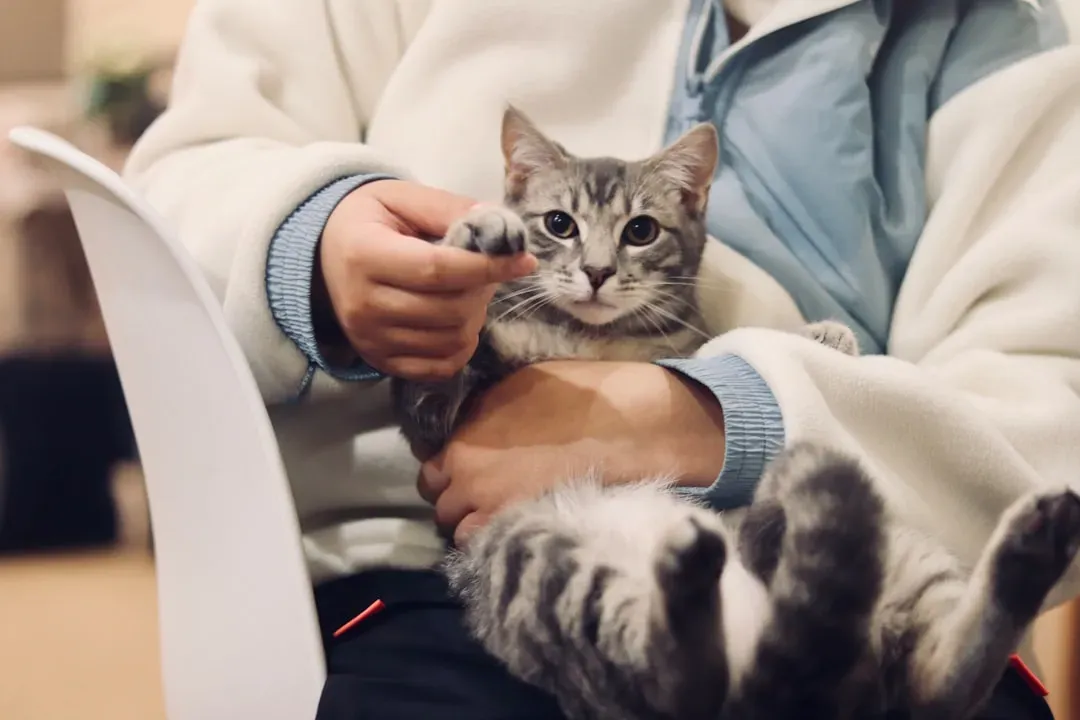
The hopeful part is this: as attached as your animal is to you, most pets are capable of forming new bonds after you die. Studies on dogs and cats adopted from shelters show that, over time, many of them become strongly attached to new guardians and routines. If someone steps in quickly after your death to offer calm, predictable care, your pet’s brain can slowly rewire its attachment to include that person as a new source of safety. You are not replaceable, but your pet’s capacity for connection is broader than just one relationship.
That said, the transition can be rough. If your pet is suddenly moved to a new home, new smells, new sounds, and maybe even new animals, their stress can spike. Some animals shut down and withdraw; others become clingy and shadow their new person everywhere, afraid they will vanish too. The speed and gentleness with which new caretakers are introduced make a huge difference. When someone uses your old routines, your words, even your feeding schedule, your pet often relaxes faster because pieces of their old world are still recognizable.
What If No One Comes? Neglect, Survival Behavior, and Hard Truths
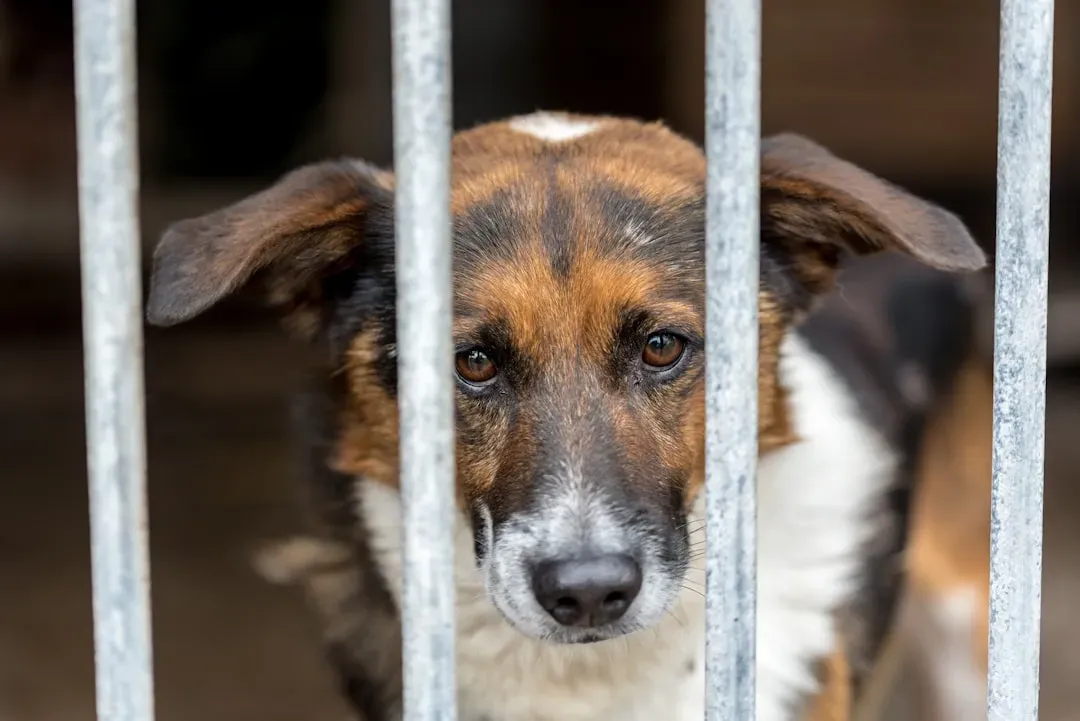
The most disturbing findings come from cases where no one checks on you for days or weeks. In those situations, your pet’s experience can slide from grief into sheer survival mode. Without food and water, animals go through intense stress and physical decline. Smaller pets like birds, rabbits, or hamsters are especially vulnerable, as they cannot easily find extra resources in a closed home. They depend almost entirely on how quickly someone discovers what has happened to you.
There are also rare but very real cases where a trapped, starving animal will turn to the only available food source: a deceased human body. It is uncomfortable to imagine, but from a scientific perspective it is an extreme survival response, not a sign of disrespect or cruelty. In the wild, many species scavenge out of necessity. Your pet does not suddenly stop loving you; its brain is simply overriding everything with the primal command to stay alive. Knowing this possibility exists is one more reason to make sure someone will always check in on you and your animals if you go off the radar.
Species Differences: Dogs, Cats, and Other Pets Respond Differently
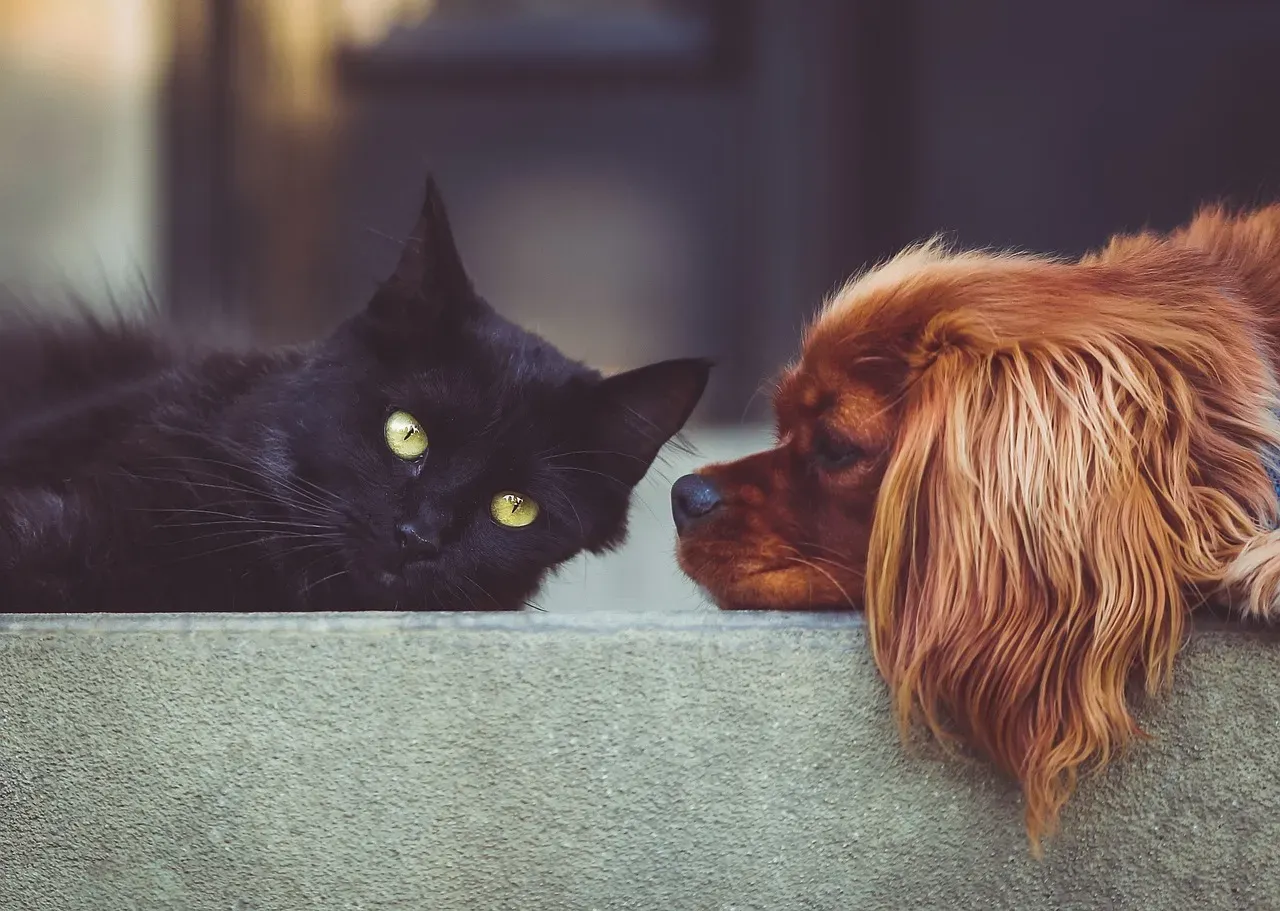
Not all pets react the same way when you die. Dogs, being highly social and often deeply bonded to one or two people, tend to show grief through visible behaviors: whining, waiting by the door, refusing walks, or sticking close to anyone who smells like you. They may become more fearful or more aggressive, depending on their personality and history. Because dogs look to humans for guidance, losing their primary person can feel like losing both a friend and a leader at once.
Cats can be more subtle and are often misunderstood. They may eat less, hide more, vocalize at odd hours, or suddenly become more affectionate with another household member. Small mammals, birds, and reptiles show stress in different ways: changes in grooming, feather plucking, reduced activity, or unusual aggression. The common thread is that every species has its own way of saying, “My world just changed, and I do not know what happens next.” When you recognize those signs, you can better guide future caretakers in what to watch for and how to respond.
Planning Ahead: How You Can Protect Your Pets Before You Die

The good news is that a lot of the worst-case scenarios are preventable if you plan ahead while you are still healthy. You can start by choosing at least one trusted person who agrees in writing to take your pets if something happens to you. Many people casually say they will step in, but scientists and animal welfare groups repeatedly see pets land in shelters simply because no formal plan existed. Adding a simple clause to your will or legal documents that names a caretaker and sets aside some funds for food and vet care goes a long way.
Beyond paperwork, you can make a “pet emergency packet” that lives somewhere obvious in your home. In it, you list your pet’s medical needs, daily routines, favorite foods, fears, and quirks. You also keep a note near your front door or in your wallet stating that there are animals in your home who need immediate care if you are found incapacitated. It feels a bit like writing a love letter to your animals in advance: you are giving future caregivers the instructions they will desperately need to make your pets feel safe when their world falls apart.
Helping Your Pet Heal: What Happens in the Weeks and Months After
Over the weeks and months after your death, your pet’s brain gradually reshapes itself around the new reality. If your designated caregiver provides consistent routines, gentle affection, and patience, your animal’s stress hormones slowly normalize and their behaviors stabilize. Eating and sleeping patterns usually return first, followed by play and curiosity. Many people are surprised to see their late friend’s dog or cat eventually look genuinely content in a new home; that is not a betrayal of you, but a testament to your pet’s resilience and adaptability.
There can still be lasting echoes. Some animals develop long-term separation anxiety, reacting strongly whenever their new person leaves, because they have already learned that beloved humans can disappear. Others carry a low-level wariness for a long time. But given enough stability, most pets are capable of living full, happy lives again. In a strange way, your love continues through the habits and trust you built; those become the raw material your pet uses to bond with someone new and feel safe again.
Conclusion: Your Legacy in Your Pet’s Life
When you zoom out, is a mix of biology, psychology, and your own preparation. In the immediate aftermath, they experience confusion and grief, searching for you in every room and in every familiar smell. Over time, with the right support, they can heal, rebond, and build a new sense of safety. The darker outcomes you sometimes hear about tend to appear when no one planned ahead or checked in, not because your pet is cruel or ungrateful, but because it was left alone to survive.
In the end, the most loving question you can ask yourself is not just whether your pets love you now, but what will happen to them after you are gone. By choosing a guardian, writing down clear instructions, and making sure someone will always open that door for them, you turn a frightening unknown into a manageable chapter. Your animals may outlive you, but they do not have to outlive your care. Knowing that, what small step could you take today to make sure they are safe, even in a world without you?