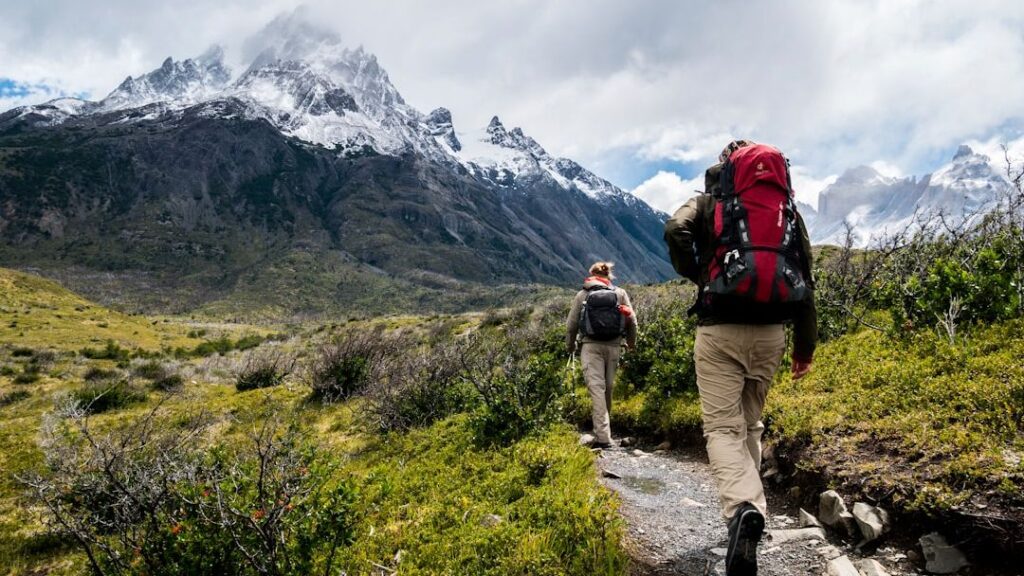

If you spend enough time on America’s wildest trails, you start to notice a strange pattern: some places just feel heavier than others. You hear about hikers who set out like you would for any normal day in the woods, only to never come back, leaving behind parked cars at trailheads and a handful of confusing clues. You cannot help but wonder what it is about certain trails that seems to swallow people whole.
This article walks you through some of the most notorious and unnerving hiking areas in the United States where people regularly go missing. You will not find ghost stories or made-up legends here, just real landscapes, real risks, and real disappearances. As you read, you will see that the danger usually is not a single dramatic thing but a mix of remoteness, rough terrain, weather, and human mistakes. If you ever decide to visit any of these places, you will want to do it with your eyes very wide open.
Mount Rainier National Park, Washington: Beauty That Turns On You Fast
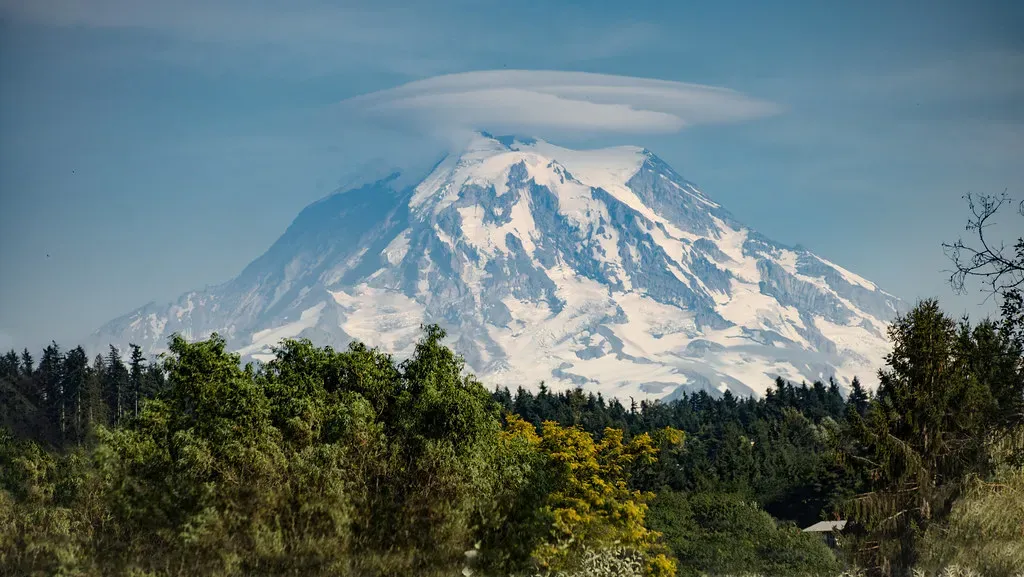
When you step onto the trails around Mount Rainier, it feels almost unreal: huge glaciers hanging above you, lush meadows, and deep forest that swallows sound. That same beauty hides some of the harshest conditions you will ever face on a day hike. The mountain creates its own weather, so you can start in sunshine and find yourself in fog, sleet, or whiteout conditions a couple of hours later, even in seasons you think are safe.
Over the years, hikers and climbers have vanished here and never been recovered, even with helicopters, ground teams, and modern gear searching for them. Glaciers, crevasses, steep snowfields, and cliffs make it incredibly easy to disappear from view with one bad step. You may think you are just following the trail, but once snow covers it or fog drops in, you can wander off-route without realizing it until it is too late. If you ever go, you need to treat even short trails as serious mountain travel with proper clothing, navigation tools, and a plan that someone at home actually knows.
Yosemite National Park, California: Granite Cliffs and Sudden Vanishings
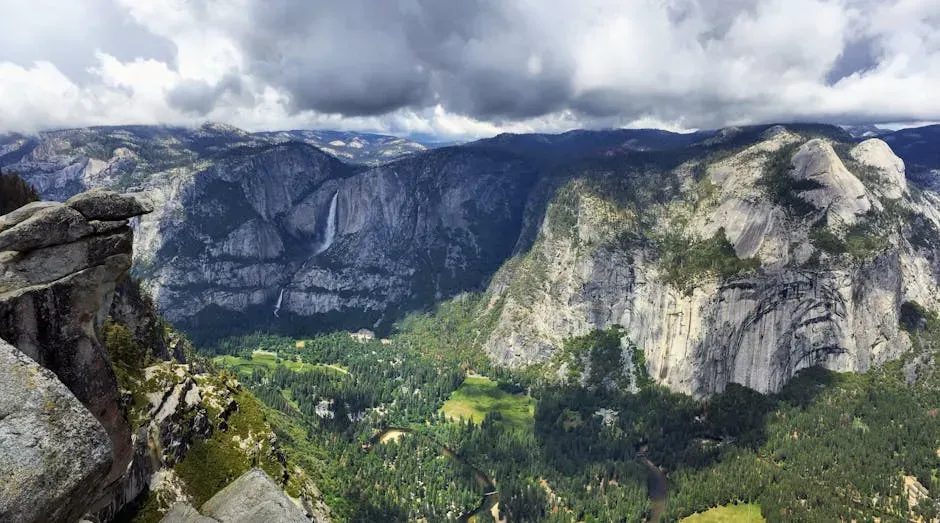
Yosemite feels like a giant open-air cathedral, and when you hike there, you quickly understand why so many people fall in love with it. The problem is, the same sheer granite walls, fast rivers, and rugged canyons that take your breath away are the same features that make rescues incredibly hard. Once someone slips off a ledge, gets swept in high water, or disappears into dense trees and boulders, you can lose them in seconds, even if they were just a few yards ahead of you.
There have been multiple unresolved missing hiker cases in Yosemite over the years, and in some situations, only partial clues ever turned up: a backpack miles from where someone was last seen, a shoe near a river, or nothing at all. Because the park is crisscrossed by countless social paths, game trails, and faint side tracks, you can end up off the main trail without noticing. Combine that with afternoon storms, icy spring runoff, and sheer drop-offs, and you get a place where you must move slower than you think, avoid risky selfies near edges, and be extremely cautious around water that looks calm but can knock you off your feet in a heartbeat.
Mount Washington and the Presidential Range, New Hampshire: Deadly Weather on a Short Trail
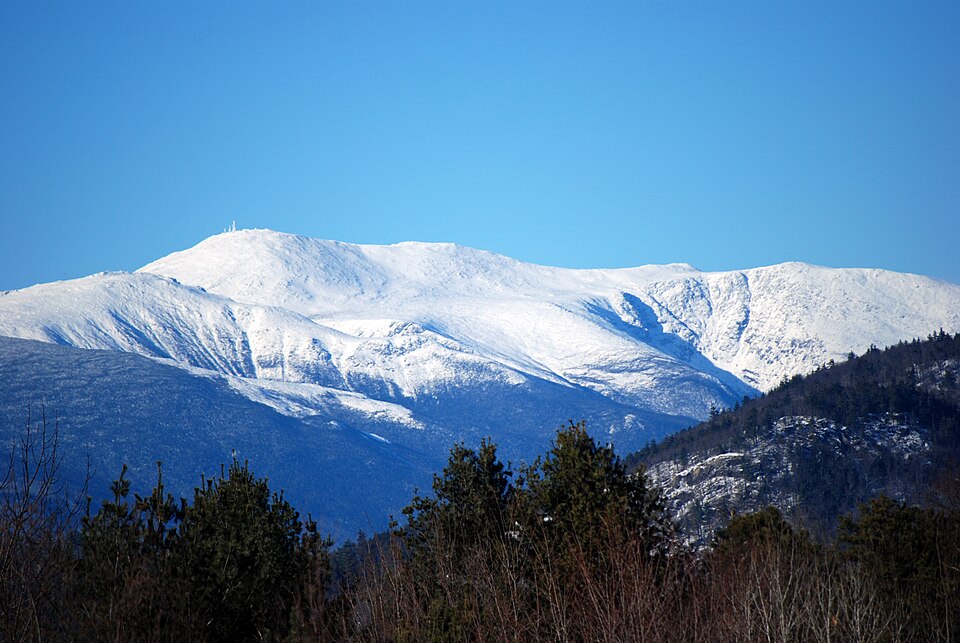
If you only look at a map, the trails up Mount Washington and across the Presidential Range do not seem that bad: the elevation is much lower than the big Western peaks, and distances can look almost cozy. Once you are actually up on those ridgelines, though, you realize why this area has a reputation for some of the worst weather on the continent. You can go from clear views to fog, brutal wind, and hypothermia-level cold in less time than it takes you to eat a snack.
Every year, people get lost in this maze of rocky cairns and side paths, sometimes just a few hundred yards off route, and some of them never make it back alive. When low clouds roll in, the landscape turns into a gray wall, and you can march in the wrong direction for hours without realizing it. If you hike here, you need to think like a mountaineer, not a tourist: carry layers you do not think you will need, know how to use a map and compass instead of relying only on your phone, and be ready to turn around the moment the weather starts to look ugly instead of hoping it will magically improve.
Big Bend National Park, Texas: Heat, Isolation, and Silent Canyons
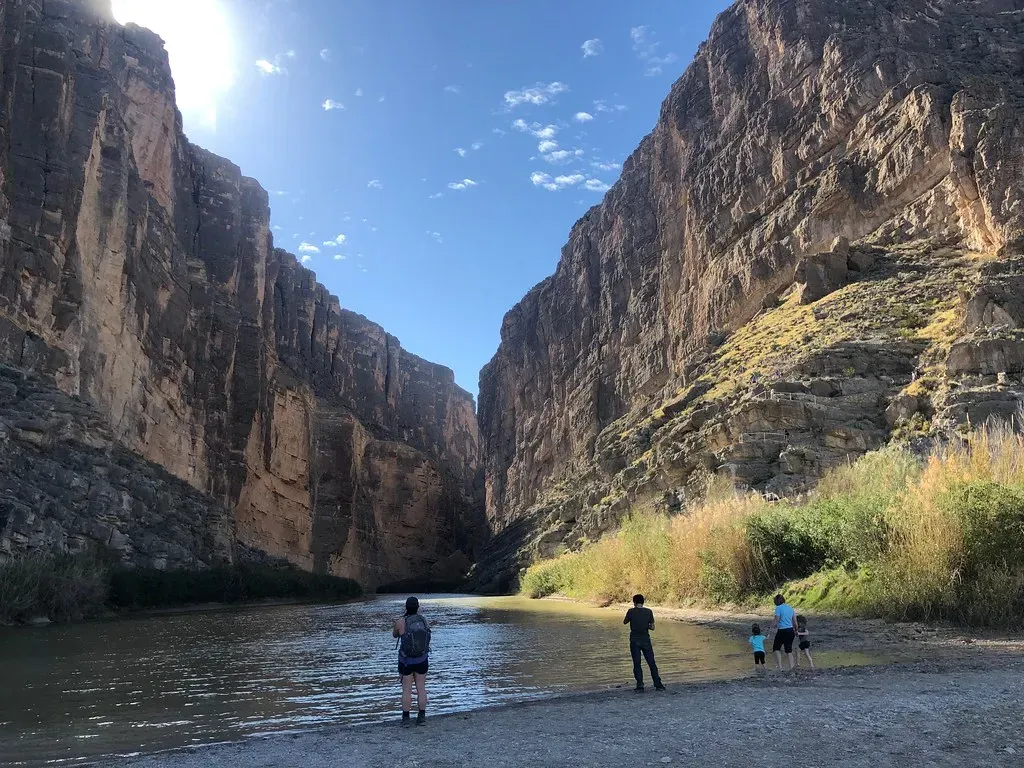
Big Bend feels empty in a way you almost never experience anywhere else in the United States. When you hike here, you quickly realize that once you leave the trailhead, you may not see another person all day. The desert heat, steep canyons, and huge distances combine to create a perfect storm when something goes wrong. You are not just dealing with getting lost; you are battling dehydration, disorientation, and sometimes triple-digit temperatures that do not care how fit you are.
Every so often, stories surface of hikers who vanish into the desert, their vehicles found at remote pullouts while search teams try to piece together what happened. Out here, going just a little bit off trail, underestimating water needs, or starting too late in the day can be fatal. Your phone may not work, shade can be almost nonexistent, and landmarks blur together in the heat shimmer. If you ever explore Big Bend, you should treat every mile as if you are on your own: leave a detailed plan with someone, carry far more water than you think is reasonable, and never push on if you feel even slightly confused about your direction.
The High Sierra and John Muir Trail Corridor, California: Long Distances and Quiet Disappearances
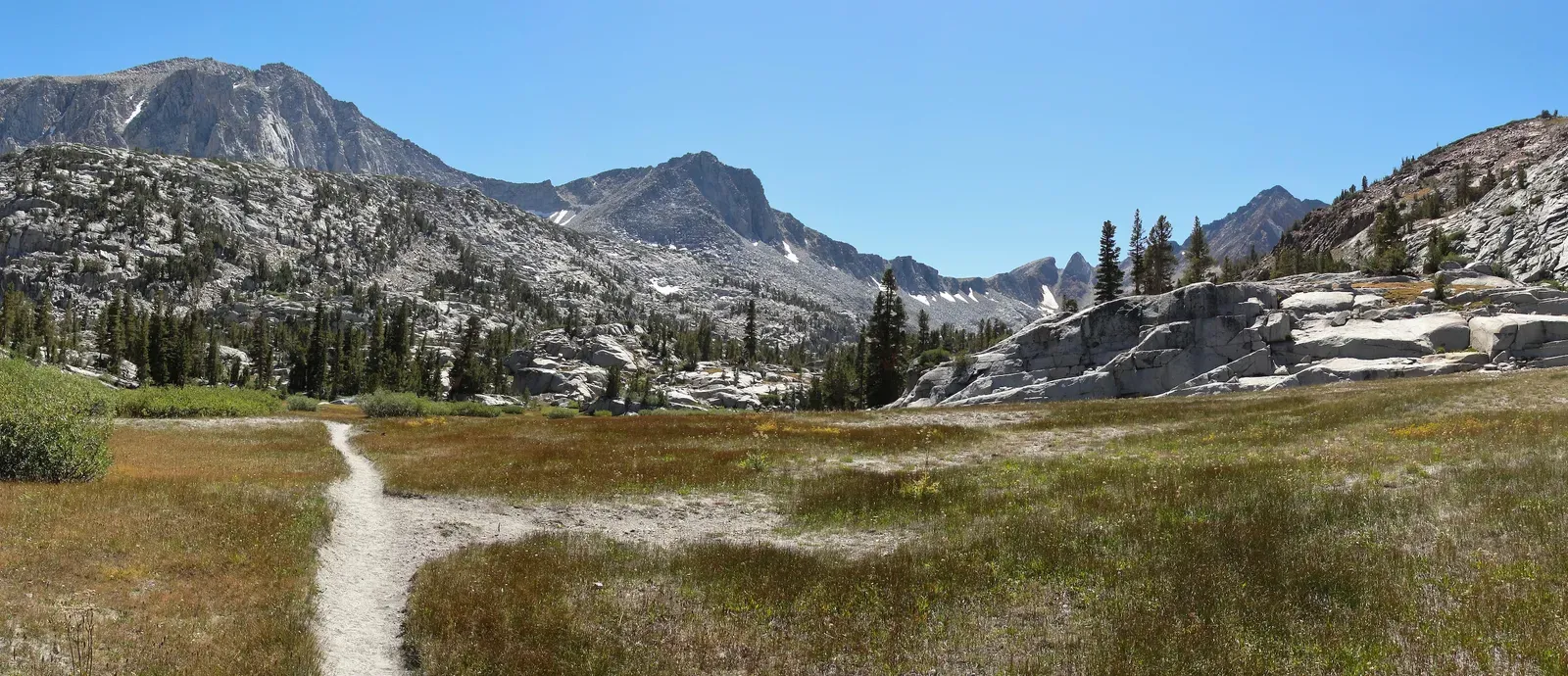
When you head into the High Sierra, especially along the John Muir Trail and nearby routes, you are stepping into true backcountry. Days can pass without you crossing a road or hearing anything but wind and water. That isolation is exactly why many people love it, but it is also why hikers sometimes vanish without clear explanation. Once you are a couple of days from the nearest trailhead, a simple twisted ankle or navigational mistake can snowball into a life-threatening situation.
Over the years, a number of hikers and solo backpackers have gone missing in this region, sometimes leaving only tents, scattered gear, or a last known campsite behind. Snow, river crossings, and off-trail shortcuts add another layer of danger, especially when you are tired and your judgment is fading. Out there, you cannot rely on casual encounters to save you; you have to assume that no one is coming unless you made it realistically possible for rescuers to find you. That means carrying a satellite communicator if you can, checking weather and snowpack before you go, and resisting the urge to leave the trail just because a shortcut looks tempting on your map.
Great Smoky Mountains National Park, Tennessee–North Carolina: Fog, Forest, and Vanished Children
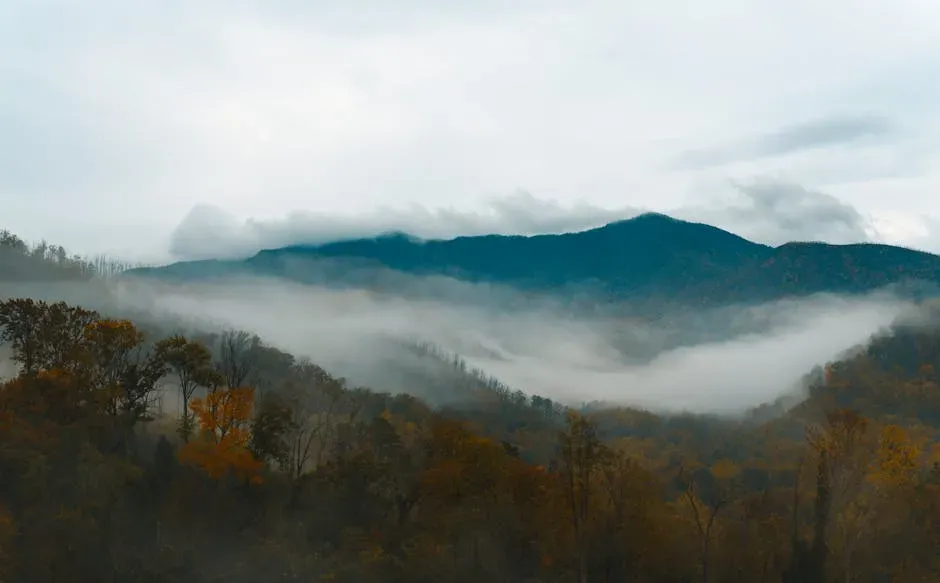
When you wander into the Smokies, the dense green forest and rolling ridges can feel comforting at first, like a giant natural blanket. But once the fog settles and you realize you can barely see a few yards ahead, the mood changes quickly. Trails braid and fork, old roads and unofficial paths crisscross the woods, and it is incredibly easy to step off the main route and lose your bearings almost instantly. The thick vegetation swallows sound, so yelling for help may not carry nearly as far as you expect.
This park has a long and unsettling history of unsolved disappearances, including children who vanished just minutes after being seen, never to be found despite massive searches. The steep ravines, dense undergrowth, and endless tree cover make it possible for someone to be only a short distance away and still remain completely hidden. If you hike in the Smokies, especially with kids, you need to be almost paranoid about staying together and keeping visual contact. Staying on marked trails, avoiding wandering off for “just a quick look,” and turning around before you get exhausted are not overreactions here; they are basic survival habits.
Alaska Backcountry Trails (Denali and Beyond): Wilderness That Barely Notices You
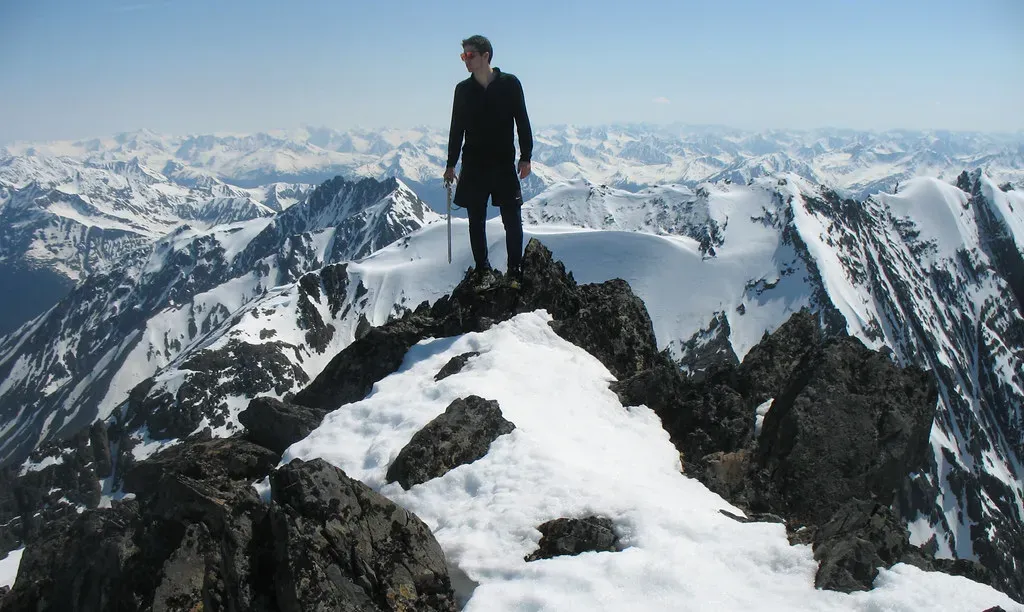
When you head into the backcountry in Alaska, even on routes that are technically considered “trails,” you are in a different world. Many paths are faint, unmarked, or simply suggested lines across tundra and riverbeds rather than the clear, signed tracks you are used to in the lower states. Weather changes fast, rivers swell, and wildlife is not just something you see from a distance but something you have to plan around. Out here, you are tiny, and the land feels like it barely acknowledges your presence.
Every year, people disappear into Alaska’s wild spaces, sometimes near Denali National Park and sometimes in remote regions where only a handful of hikers ever go. Once someone is off route or injured, thick brush, wide river valleys, and sheer scale make it painfully easy for search teams to miss them. If you ever dream of hiking here, you need to treat it like an expedition, not a vacation stroll: carry serious navigation tools, have skills to match the route you are choosing, and understand that help may be days away even after someone reports you missing. You are trading convenience for raw wilderness, and that trade comes with real, non-negotiable risk.
How You Stay Alive on Trails Where People Vanish
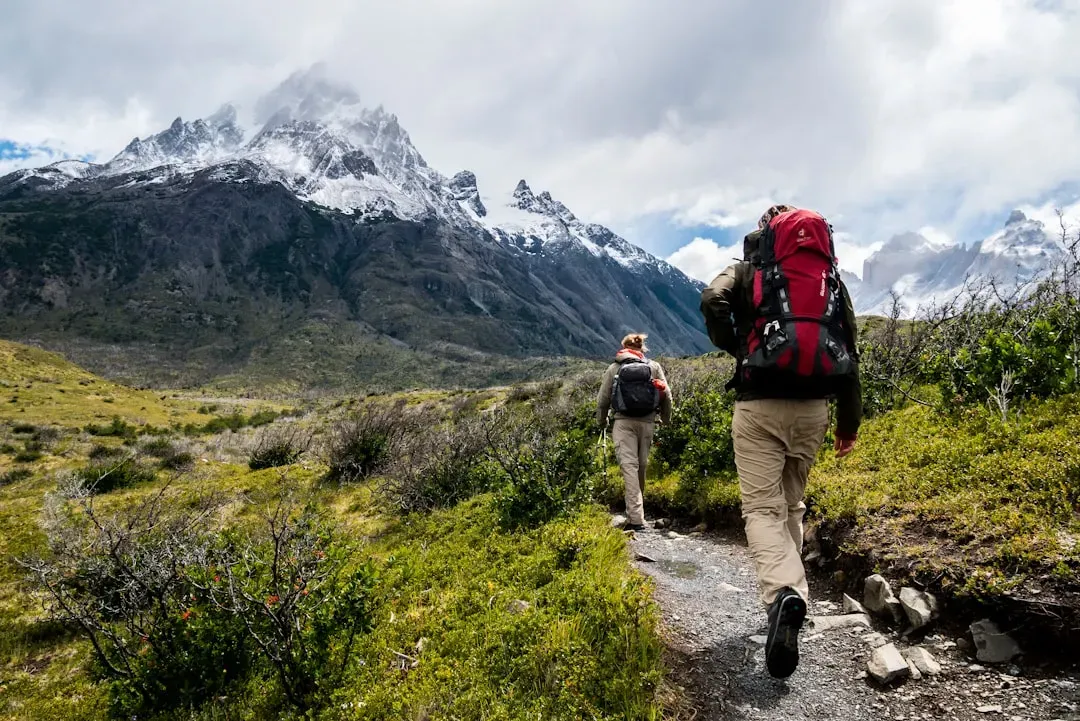
Reading about these places can feel spooky, but it is not about scaring you away from wild trails forever. It is about shifting how you think before you lace up your boots. On dangerous routes, the people who make it back are not always the strongest or the fastest; they are usually the ones who planned more carefully and turned back more often. If you start seeing every trip as something that could go wrong rather than something that will definitely go right, you naturally build in safety nets that might one day save your life.
For any of these high-risk areas, you can stack the odds in your favor by doing a handful of things every single time: tell someone exactly where you are going and when you will be out, carry extra food and layers, bring a real map and know how to use it, and, if you can, take a satellite communicator so a simple accident does not turn into a days-long mystery. Move slower, question every sketchy shortcut, and listen when your gut says the weather or terrain does not feel right. In the end, those vanished hikers were people just like you, stepping into landscapes they loved. Your job is to learn from their stories, respect the danger that lives in beautiful places, and ask yourself before every trip: if this trail decided not to give me back today, have I done everything I reasonably can to change that?