

If you have ever dragged yourself through a day after a late night and wondered why your brain feels wrapped in fog, you have brushed up against one of the most important forces in your life: sleep. You spend roughly about one third of your entire existence doing it, yet it can still feel mysterious, almost like a secret meeting your body holds every night without telling you all the agenda items. You might think of sleep as just “turning off,” but under the surface your brain and body are running one of the most complex maintenance routines nature ever designed.
When you really understand what sleep does for you, it becomes much harder to shrug it off as optional. Good sleep is not a luxury you earn only after you finish everything else; it is one of the foundations that lets you think clearly, feel stable, and stay healthy enough to live the life you actually want. As you look at what happens when you shortchange yourself on sleep, you start to see it less like a soft pillow and more like a hard boundary: break it too often, and things crack in surprising and sometimes scary ways.
The Hidden Architecture of Your Night: Sleep Stages and Cycles
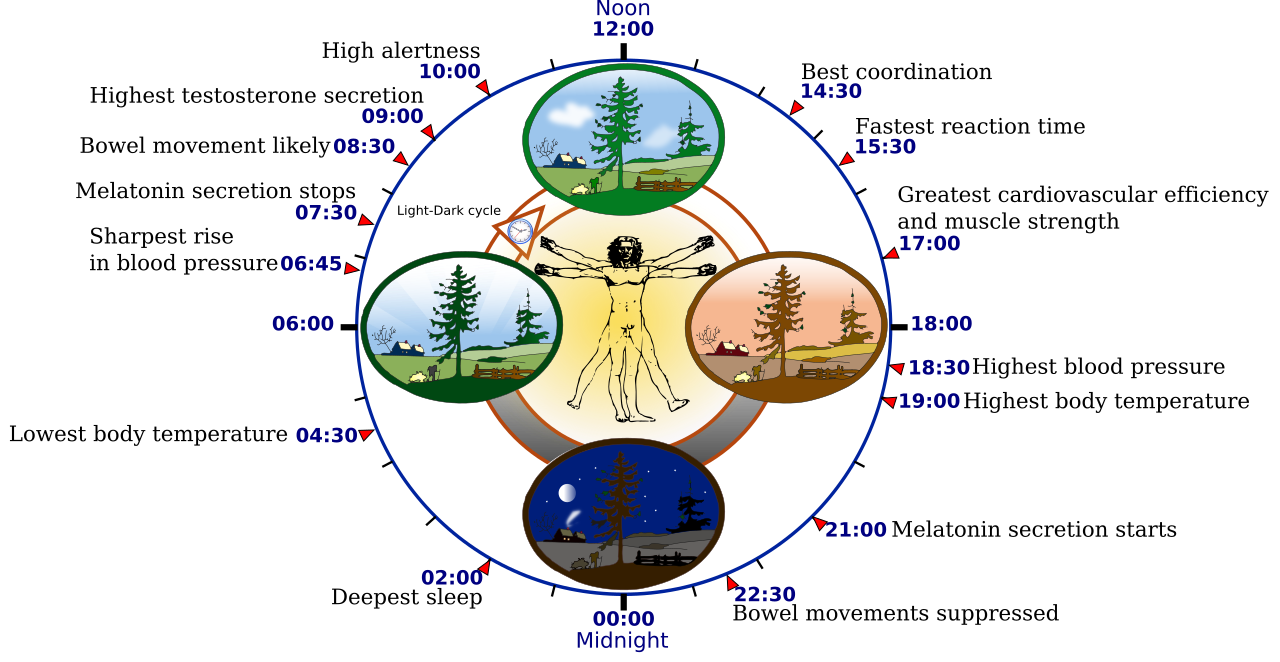
When you fall asleep, you are not just sinking into one big, uniform state; you are riding a repeating wave of stages that each play a different role in keeping you functioning. Your night is usually built from cycles of light sleep, deeper non-REM sleep, and REM sleep, and these cycles repeat around four to six times across a typical night. In light sleep, your body starts to power down, your muscles relax, and your brain waves slow, like dimming the lights before a performance. As you drift into deeper stages of non-REM sleep, your body leans into physical repair: tissues are restored, immune function is supported, and growth and repair hormones are released in greater amounts.
Later in each cycle, you swing into REM sleep, when your eyes move rapidly, your brain becomes almost as active as when you are awake, and most of your dreaming happens. You can think of non-REM sleep as the body’s workshop and REM as the brain’s editing room, reviewing, integrating, and sometimes wildly remixing your experiences. Over the course of the night, you tend to get more deep non-REM sleep in the first half and more REM toward the morning, which is why cutting your sleep short often slices off a big chunk of your dream-heavy, memory-shaping time. When you understand this architecture, you see that a short, chopped-up night is not just “less sleep”; it is a different sleep with different trade-offs.
Why Your Brain Desperately Needs Sleep to Think Clearly

If you have ever stared blankly at your computer after staying up too late, you have felt how brutally sleep deprivation can blunt your thinking. During the day, your brain is constantly active, and that activity leads to a buildup of metabolic byproducts, including substances that are linked with cognitive decline when they accumulate over time. While you sleep, especially in deeper non-REM stages, your brain’s waste-clearance system ramps up, allowing fluid to wash through and help clear out some of these byproducts. It is as if your brain traffic finally pauses long enough at night for the street sweepers to come through.
Sleep also helps you learn, remember, and solve problems in ways you might not notice until you miss it. New information you take in during the day is initially fragile, like scribbles on a foggy window, and you need sleep to consolidate those memories and integrate them with what you already know. Without enough quality sleep, you have more trouble focusing, processing information, and pulling memories back when you need them, even if you do not feel especially tired. You might notice this as silly mistakes, slower reactions, or feeling oddly emotional over small things, all of which are your brain’s way of telling you it is running below full power.
Sleep and Your Emotions: The Nighttime Reset Your Mood Depends On

Your emotional balance is tightly wired to how well you sleep, even if you do not always connect the two. When you are short on sleep, the parts of your brain that respond to threats and stress can become more reactive, while the regions that help you regulate and put things in perspective become less effective. That combo leaves you more irritable, anxious, or fragile, like your emotional skin is thinner than usual. Everyday hassles that you would normally shrug off can suddenly feel like heavy blows.
On the flip side, when you give yourself enough consistent, high-quality sleep, your brain gets more chances to process emotional experiences safely in the background. Dreaming, especially during REM sleep, is thought to help you rework difficult memories and decouple some of the raw emotional charge from them. You might notice that a problem that felt overwhelming at night seems slightly more manageable after a full night’s rest. Over time, chronic sleep loss is linked with a higher risk of mood disorders, including depression and anxiety, which shows you that sleep is not just about how you feel tomorrow morning but also about your long-term emotional resilience.
What Sleep Does for Your Body: Immunity, Hormones, and Metabolism
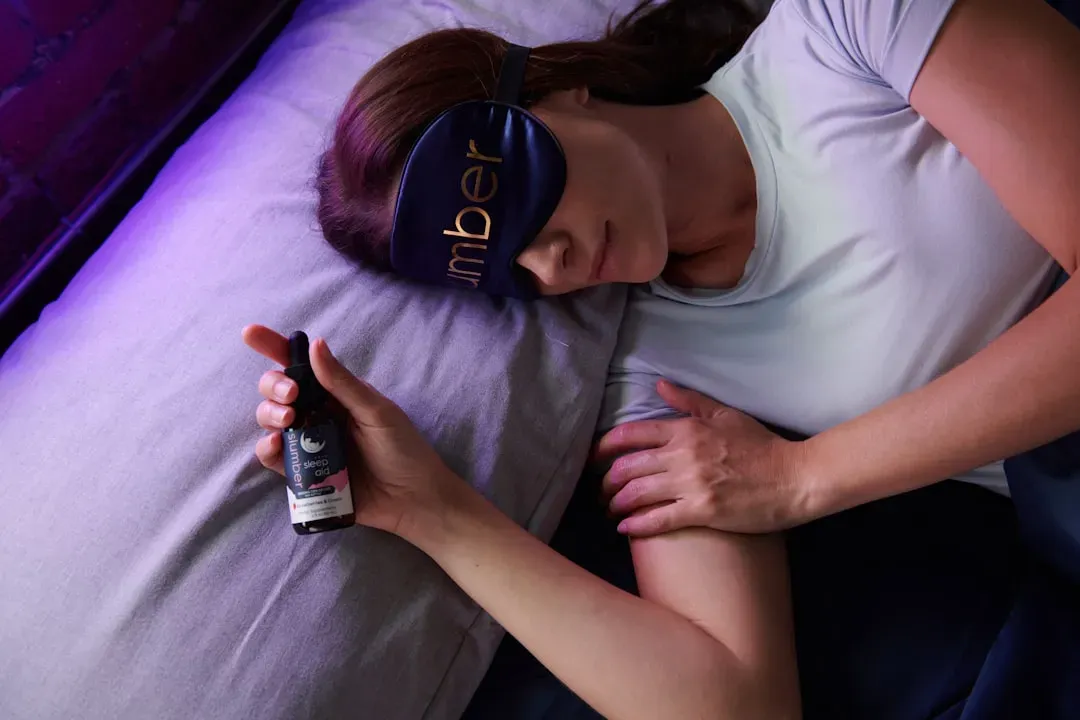
While your brain gets a lot of attention, your body quietly relies on sleep to keep a long list of systems humming along. During deep sleep, your immune system releases and adjusts signaling molecules that help you fight infections and inflammation. When you skimp on sleep, these immune rhythms can get disrupted, and over time that is associated with a greater chance of getting sick and potentially with more chronic, low-grade inflammation. You might notice you catch more colds or take longer to recover when you push yourself through repeated short nights.
Sleep also tinkers with your hormones and metabolism in ways you can feel directly in your appetite, weight, and energy. Lack of sleep can throw off the balance of hormones that tell you when you are hungry or full, nudging you toward eating more, especially highly processed or sugary foods when you are tired. Your body’s ability to handle blood sugar can also become less efficient after sleep loss, which, when repeated often, is linked with a higher risk of metabolic issues like insulin resistance. In other words, sleep is not just downtime; it is one of the quiet levers that affects your weight, your risk for long-term disease, and how energized you feel in your own skin.
When You Don’t Sleep Enough: From “Just Tired” to Real Health Risks

It is easy to shrug off sleep debt as just feeling a bit tired and rely on caffeine or sheer willpower to muscle through. But as you shave off an hour here and an hour there, the effects build up in ways you often underestimate. Your reaction times slow, your judgment gets fuzzier, and your risk of accidents goes up, whether that is while driving, cooking, or simply walking around distracted. Some researchers have found that being awake for a very long stretch can impair your performance in ways similar to drinking alcohol, which is a jarring comparison when you think about how casually people treat being tired.
Chronic sleep loss is also associated with higher risks of serious conditions like cardiovascular disease, certain metabolic disorders, and possibly even some forms of cognitive decline over the long haul. You may not feel those consequences from a single rough night, but repeated short sleeps can act like a slow leak in your system, draining resilience from your heart, blood vessels, and brain. It helps to think of sleep as one of your daily vital signs: if you keep ignoring its red flags, the issues tend to show up somewhere else in your health sooner or later. Listening to your fatigue is not a sign of weakness; it is often one of the earliest warnings your body gives you.
Social Jet Lag, Late-Night Screens, and the Modern War on Your Sleep

Even if you want to sleep well, your environment and routines can easily work against you. Many people drift into what is sometimes called social jet lag, where your weekday sleep schedule is very different from your weekend schedule, leaving your internal clock struggling to keep up. When you stay up late on days off and then snap back to early alarms during the week, your body never quite knows what time it is, and that confusion can affect your energy, mood, and even appetite. It is like flying across time zones every few days without ever getting the benefit of a vacation.
On top of that, screens shine bright blue-tinged light into your eyes at night, which signals your brain to delay the release of melatonin, the hormone that helps you feel sleepy. Scrolling in bed might feel relaxing, but physiologically you are often telling your brain to stay alert a bit longer. Add late-night work emails, streaming shows that auto-play the next episode, and the pressure to be constantly reachable, and you have a culture that quietly chips away at your sleep from the moment you wake up. Noticing these forces is the first step in pushing back and reclaiming your nights as something that belongs to you, not your notifications.
How Much Sleep You Really Need (and Why It’s Not the Same for Everyone)

You have probably heard a simple number tossed around for how many hours of sleep you should get, but in real life, your needs are a bit more nuanced. Most healthy adults function best with somewhere around seven to nine hours of sleep per night, while teenagers and younger kids usually need more, and some older adults may need slightly less but still benefit from solid, consistent rest. Within that range, your ideal amount is influenced by your genetics, age, health conditions, and daily demands. If you routinely need an alarm to wake up, feel groggy for long stretches, or rely heavily on caffeine to function, that is often a sign you are not getting quite enough.
What matters just as much as the raw number of hours is the regularity and quality of your sleep. Going to bed and waking up at roughly the same times each day helps anchor your body clock, making it easier to fall asleep and wake up naturally. Short, broken sleep with lots of awakenings can leave you feeling as drained as a shorter night, even if the clock suggests you spent adequate time in bed. Instead of obsessing over a single magic number, you can watch how you feel, how you perform, and how you handle stress as a more honest report card on whether your sleep habits are truly working for you.
If You Struggle to Sleep: Practical Steps You Can Take Tonight

If falling or staying asleep feels like a nightly battle, you are far from alone, but you are also far from powerless. One of the simplest and most effective changes you can make is building a consistent pre-sleep routine that teaches your brain what is coming next. Dimming the lights, shutting down screens at least a little while before bed, and doing something quietly relaxing like reading, stretching, or light journaling can act as a bridge between your busy day and the calmer state you need to drift off. Treat that wind-down time like a non-negotiable meeting with yourself rather than something you only do when everything else is done.
Your sleep environment matters more than you might think as well. A cool, dark, and quiet room supports your body’s natural temperature drop and helps melatonin rise, both of which make it easier to fall and stay asleep. Investing in a comfortable mattress and pillow that match your sleeping position can make a surprising difference over the long run, especially if you wake stiff or sore. If your thoughts race at night, techniques like slow breathing, writing down worries on paper before bed, or practicing simple, evidence-based relaxation exercises can help gently untangle your mind instead of wrestling with it.
When Poor Sleep Signals Something Bigger: Insomnia, Sleep Apnea, and More

Sometimes, no matter how carefully you tweak your habits, your sleep remains stubbornly broken, and that can be a sign of an underlying sleep disorder. Insomnia involves chronic difficulty falling asleep, staying asleep, or waking too early, paired with daytime impairment, and it is more than just a few bad nights in a stressful week. Sleep apnea, another common issue, involves repeated breathing interruptions during sleep, often leading to loud snoring, gasping, or unrefreshing sleep even after what seems like enough hours in bed. Restless legs syndrome, circadian rhythm disorders, and other conditions can also quietly sabotage your nights.
If you suspect something like this is going on, it is important not to just resign yourself to being “a bad sleeper.” Talking to a healthcare professional, and when needed a sleep specialist, can open the door to proper evaluation and treatments that have helped many people reclaim restful nights. Evidence-based therapies exist for chronic insomnia that do not rely only on medication, and there are well-established treatments for conditions like sleep apnea that significantly improve quality of life. You deserve to know whether there is a fixable reason you wake up tired, rather than endlessly blaming your willpower or routines.
Conclusion: Treating Sleep as a Non-Negotiable Part of Your Life

When you really look at what sleep does for you, it stops being just one more item on your wellness checklist and starts to look like the ground everything else stands on. Your memory, mood, immune system, heart health, metabolism, and even your relationships are all tied, often quietly, to the hours you spend with your eyes closed. Skipping sleep may feel like you are squeezing more life out of your day, but over time it usually does the opposite, shrinking your capacity to enjoy and handle what each day brings.
The good news is that even modest improvements in your sleep habits can ripple into big changes in how you feel and function. By respecting your body’s need for regular, sufficient, high-quality sleep, you are not being indulgent; you are taking care of the engine that drives everything else you care about. So the next time you are tempted to shave off another hour, you might pause and ask yourself: is what you are staying up for really worth trading a sharper mind, steadier mood, and healthier body tomorrow?