

Right now, as you sit and read this, millions of your cells are dying, being cleared away, and replaced with fresh ones. You are not the same physical person you were a year ago, or even last week, and that’s not a poetic metaphor – it’s biology doing a full-time renovation job. Once you really feel that, it becomes hard to see your body as a fixed object; it’s more like an ongoing construction site that never closes.
I still remember the first time I learned that my stomach lining renews in a matter of days; it felt almost unfair that something working that hard could go so unnoticed. We obsess over visible changes – a new wrinkle, a healing cut, a sore muscle – but most of the action happens quietly at the microscopic level. Let’s walk through what your body is rebuilding, how it pulls off this nonstop magic trick, and where the limits of regeneration still stand.
The Hidden Choreography of Cell Turnover
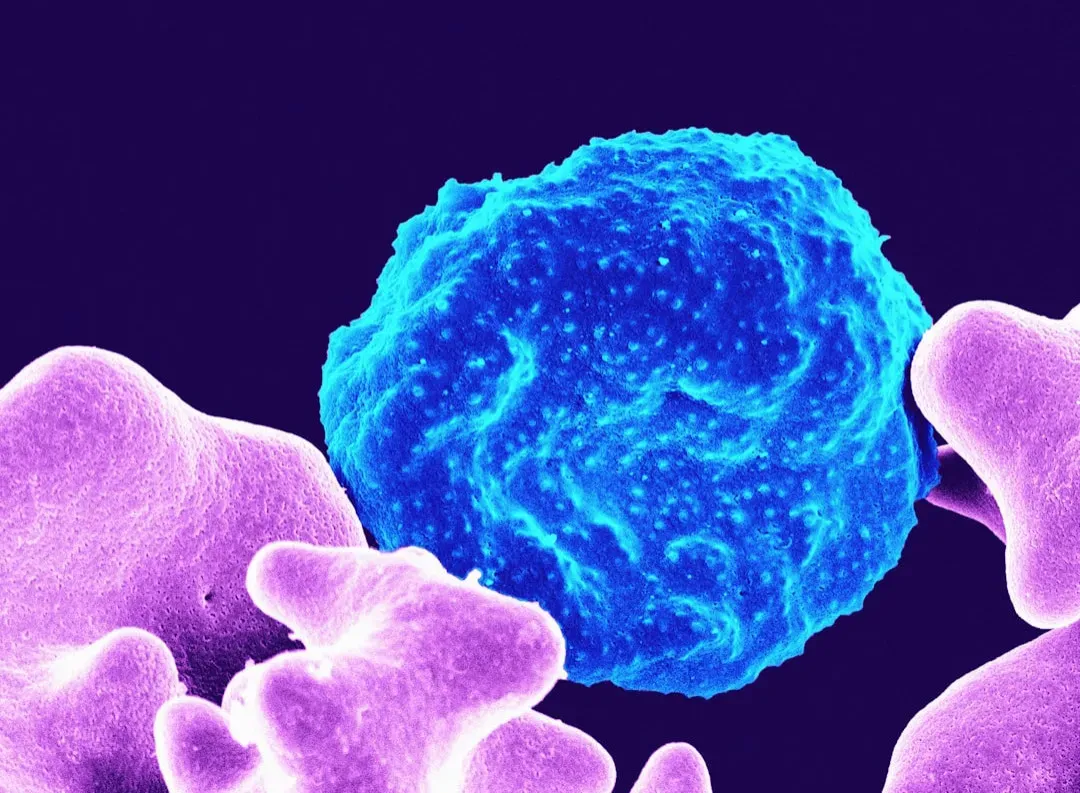
Every second, your body is balancing two powerful forces: destruction and renewal. Old or damaged cells are tagged for removal, broken down, and recycled, while fresh cells are generated to take their place. This is not a random cleanup; it’s more like a carefully choreographed dance where different tissues follow their own rhythms – some racing, some crawling, some barely moving at all. Without this turnover, you’d quickly accumulate damage like a city that never collects its trash.
Cell death itself is surprisingly orderly: many cells undergo a planned shutdown called programmed cell death, which avoids chaos and inflammation. The debris is then swallowed by specialized immune cells that act like microscopic sanitation workers. Meanwhile, stem cells in tissues such as the skin, gut, and bone marrow receive chemical cues that tell them when and where to divide. In a healthy body, this balance is so precise that you rarely notice it – until something goes wrong and the dance falls out of step.
Skin: Your Self-Renewing Armor

Your skin is constantly peeling, flaking, and rebuilding, even if you never see it happen. The outermost layer, the one you can touch, is mostly made of dead cells that started their lives deeper down and slowly migrated upward. Over the course of a few weeks, that outer shield is replaced by fresh cells that harden, die, and eventually slough off into the environment. You literally leave a trail of yourself everywhere you go, like a soft, invisible snowfall.
Deep in the base layer of your skin, stem cells divide and push new cells outward in an unending conveyor belt of renewal. Cuts and scrapes hijack this existing system, increasing the pace and redirecting cells to close the wound. Factors like age, sun exposure, smoking, and nutrition can slow down or damage this process, which is why skin can go from elastic and resilient in youth to thinner and slower to heal later in life. Still, compared to many internal organs, your skin remains remarkably regenerative for most of your lifetime.
Gut Lining: The Fastest-Renewing Barrier You Have
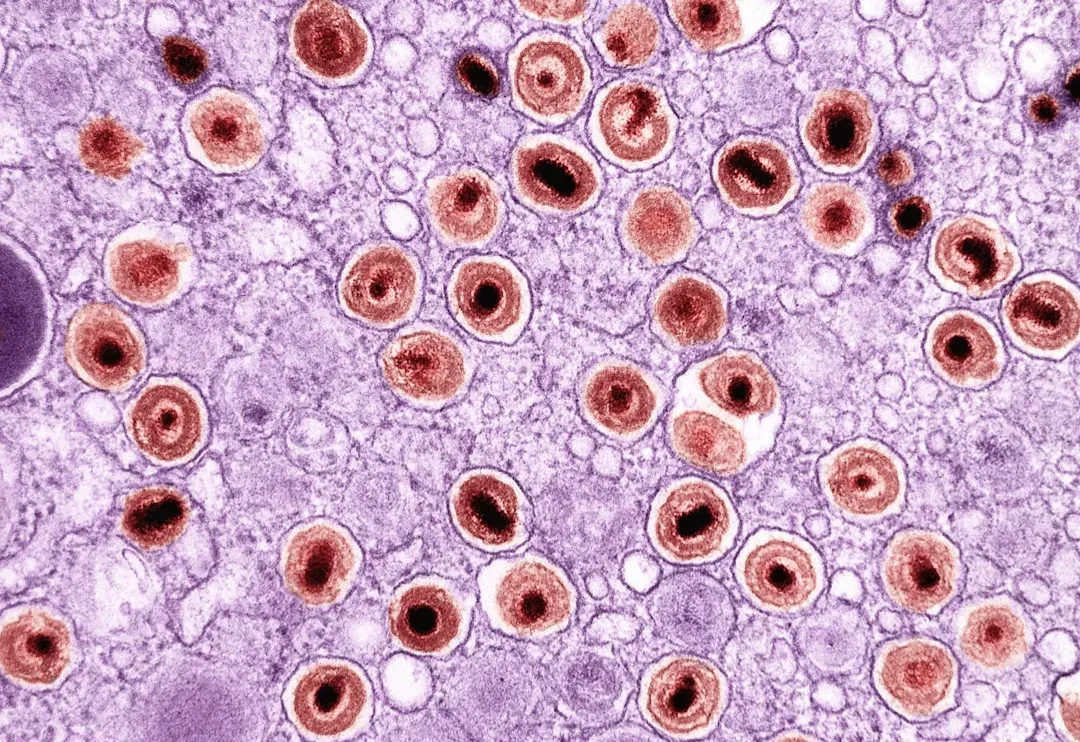
The inner surface of your intestines is one of the busiest construction zones in your body. Cells lining your small intestine can turn over in just a few days, which is astonishing when you remember they’re constantly bombarded by food, stomach acid, digestive enzymes, and billions of microbes. To manage this stress, your gut relies on stem cells tucked into tiny pits called crypts, where they divide and send new cells upward like an escalator.
These new cells absorb nutrients, secrete mucus, and help maintain a barrier between your body and the outside world hidden inside your digestive tract. When the balance of renewal is disrupted – by chronic inflammation, harsh medications, infections, or autoimmune disease – the gut lining can become leaky or damaged. That’s when you may see symptoms like pain, poor nutrient absorption, or bleeding. On the bright side, because the gut renews so rapidly, it also has a strong capacity to recover when the underlying cause is brought back under control.
Blood: A River Refilled Every Day
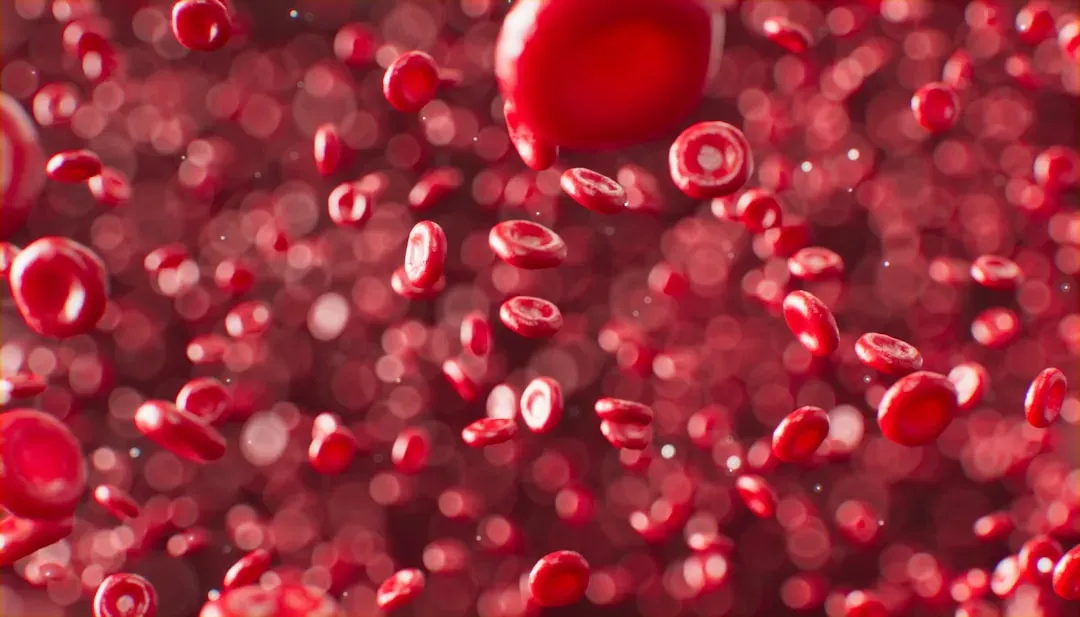
Your blood might look like a simple red fluid, but it’s more like a crowded city of cells all with different life spans and jobs. Red blood cells, which carry oxygen, live for a few months before being cleared out, while many white blood cells that fight infection last only days. Platelets, the tiny fragments that help you clot and stop bleeding, survive for about a week. To keep this river flowing at the right composition, your body has to constantly top it up.
This happens primarily in your bone marrow, a spongy tissue inside your bones that serves as blood’s central factory. There, blood-forming stem cells produce every type of blood cell through branching pathways of specialization. The system responds in real time: a bad infection, for example, sends signals that ramp up white blood cell production. When the bone marrow is damaged by disease, toxins, or certain cancer treatments, blood regeneration falters, and you see fatigue, more frequent infections, or easy bruising. Modern treatments like bone marrow transplants work by rebooting this regenerative engine with a healthier set of stem cells.
Bone: Solid, But Never Static
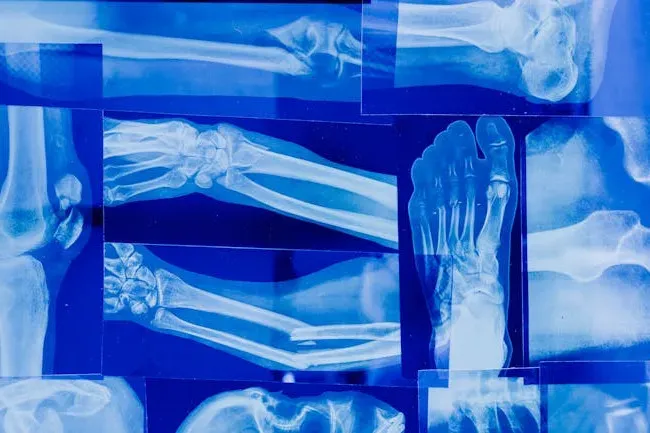
It’s easy to think of bones as inert sticks propping up your body, but they’re more like living scaffolding that never stops remodeling itself. Two main cell types run this operation: one set breaks down older bone, and another builds new bone in its place. This back-and-forth process allows your skeleton to adapt to stresses, repair microdamage, and regulate important minerals like calcium. Even in adulthood, a substantial portion of your bone is replaced over the span of years.
When you’re younger, bone-building outpaces bone breakdown, allowing you to grow in size and strength. Later in life, especially after midlife and in many women after menopause, the balance can tip the other way, leading to bone loss. This is where lifestyle matters: weight-bearing exercise, adequate protein, vitamin D, and calcium all support healthier bone renewal. Fractures reveal this regenerative capacity most dramatically – with time and the right alignment, your body can knit broken pieces back together into a solid unified bone.
Muscles: Repairing, Reinforcing, and Sometimes Expanding

After a tough workout that leaves you sore, what you’re really feeling is tiny damage inside your muscle fibers. Your body responds to this controlled injury by repairing and slightly reinforcing those fibers, making them stronger or more enduring over time. Special muscle stem cells lying alongside the fibers wake up when there’s damage, divide, and fuse with existing fibers to patch and upgrade them. It’s an elegant system that turns stress into adaptation.
Of course, there’s a limit: severe injuries, long periods of inactivity, and certain diseases can outpace the muscle’s capacity to regenerate. Age also plays a role, as the activity and number of muscle stem cells tend to decline, making it easier to lose muscle mass and harder to gain it back. Still, even in older adults, consistent resistance training can stimulate meaningful muscle regeneration. The body is surprisingly responsive; it just needs a clear message from your behavior that those muscles are still needed.
The Liver: Your Internal Regeneration Champion
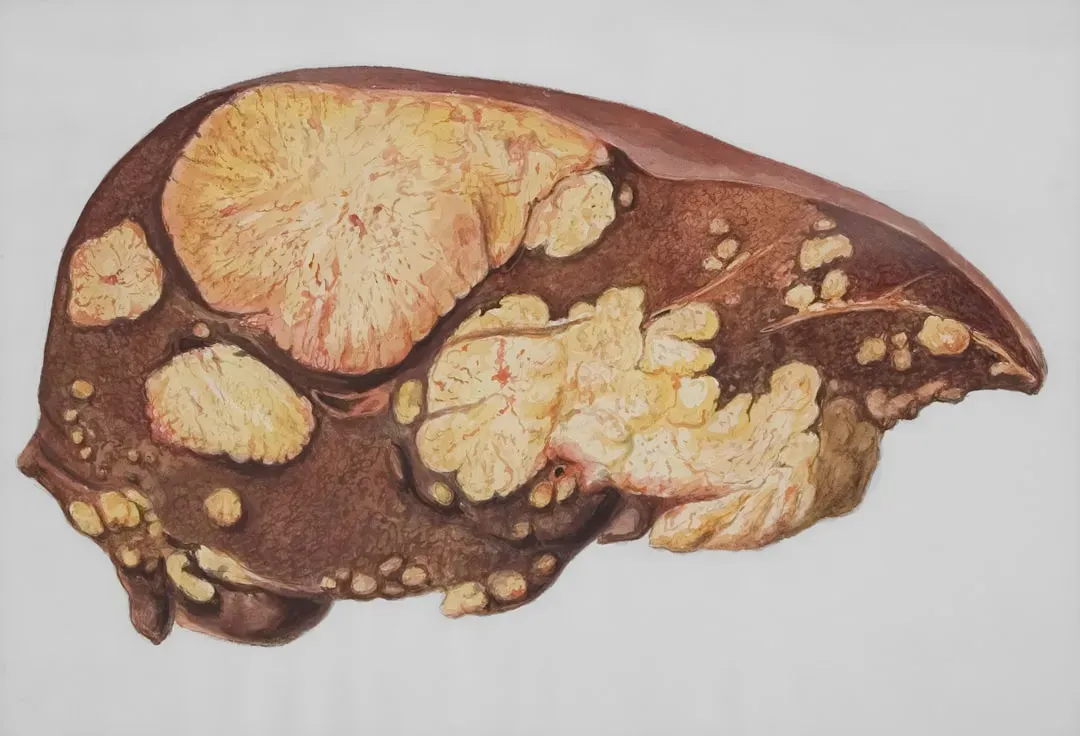
Among your organs, the liver is the closest thing you have to a biological comeback story. If a portion is removed or damaged, the remaining tissue can often grow back to restore the organ’s mass and function, as long as the basic structure is still in place. This regenerative strength is why living liver donation is possible: part of a healthy person’s liver can be transplanted into someone who needs it, and both livers can regrow to a functional size.
But this resilience isn’t limitless. Chronic heavy drinking, long-term viral infections, or severe fatty liver disease can create ongoing injury that overwhelms the organ’s ability to repair itself. Over years, scar tissue can accumulate, leading to cirrhosis, where normal regenerative patterns are replaced by stiff, fibrotic nodules. So the liver shows a clear lesson: regeneration can be powerful, but if the damage never stops, even the most robust system can be worn down.
Brain and Nerves: Renewal Where We Least Expected It
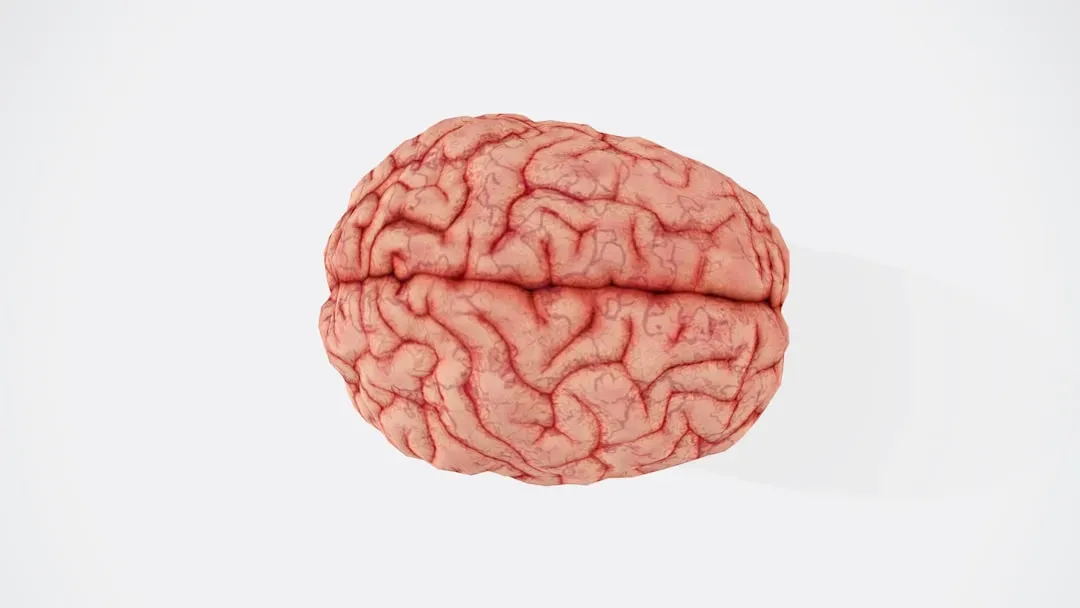
For a long time, the scientific story was that you were born with all the brain cells you would ever have, and it was all downhill from there. Research over the last few decades complicated that picture by finding that new neurons can form in certain regions of the adult brain, including areas involved in memory and learning. The process is slower and more limited than in organs like the gut or skin, but it still hints at a subtle capacity for renewal in a place once thought completely fixed.
Most of the brain, though, relies more on rewiring than on replacing. Existing neurons can strengthen or weaken connections, prune old pathways, and form new ones, a flexibility known as plasticity. After injuries like a stroke, some people recover lost abilities because other parts of the brain reorganize and take over functions, even if many original cells are gone. Nerves outside the brain and spinal cord, particularly in the peripheral nervous system, can sometimes regrow over distances, although the process is slow and often incomplete. So the nervous system is not a simple yes-or-no case for regeneration; it’s a nuanced spectrum with pockets of unexpected hope and hard limits.
Why Some Tissues Renew Easily While Others Barely Do
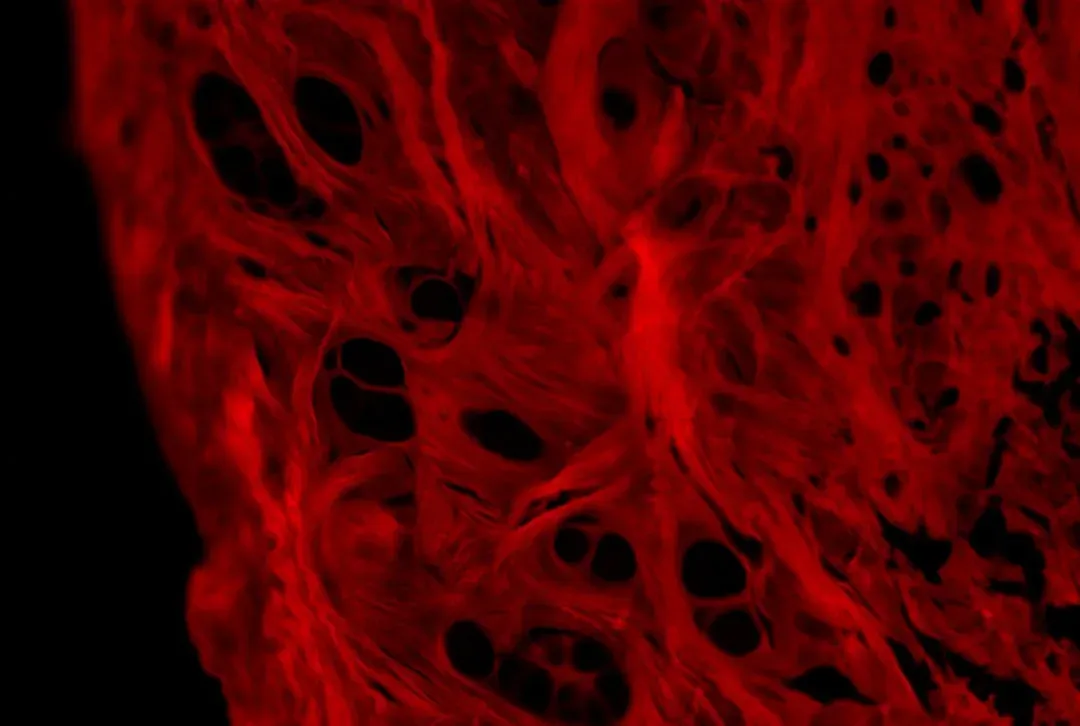
The huge differences in how well body parts regenerate come down to cell type, environment, and evolutionary trade-offs. Tissues that face constant wear and tear, like skin and gut, maintain active stem cell pools and prioritize rapid turnover. In contrast, organs like the heart and much of the brain rely on highly specialized cells that do complex jobs but divide rarely, if at all, once mature. Replacing them frequently would risk disrupting critical functions we can’t afford to lose.
There’s also the danger side of regeneration: cells that divide quickly carry a higher risk of picking up mutations that can lead to cancer. So your body walks a tightrope between renewal and control, using layers of safeguards to prevent runaway growth. When those safeguards fail, the same machinery that keeps you youthful and repaired can fuel tumor formation. From an evolutionary perspective, the balance seems optimized for survival through reproductive years, not necessarily for perfect maintenance into very old age. We’re now living long enough to see the cracks in that system more clearly.
Future Medicine: Learning to Hack Our Regenerative Powers
Modern medicine is increasingly trying to work with your body’s own renewal systems rather than simply patching around them. Stem cell therapies aim to replace or repair damaged tissues, from cartilage in arthritic joints to blood cells after intensive cancer treatments. Regenerative medicine researchers are also exploring ways to coax scarred organs like the heart or lungs into more functional tissue by tweaking signaling pathways and the local environment. It’s like trying to remind the body how it healed so easily in early development and childhood.
On a more everyday level, we already use simpler forms of regeneration hacking: growth factor gels for wound care, physical therapy to stimulate nerve and muscle recovery, and medications that help bone build back after fractures or osteoporosis. There’s a lot of hype in this space, and not every bold claim lives up to its promise, so skepticism is healthy. Still, the core idea is sound: by understanding how your cells normally renew, we can design smarter interventions that amplify what your body is already trying to do. The goal isn’t immortality; it’s better repair, longer health, and more years where your body’s renovation crew can keep up with the job.
Living in a Body That’s Always Becoming

Once you see yourself as a constantly changing collection of cells rather than a fixed object, everyday choices feel a little different. Every night of decent sleep, every walk or workout, every balanced meal or moment of recovery is like a small nudge helping your renewal machinery work a bit better. At the same time, overdoing it with chronic stress, constant ultra-processed food, or heavy drinking can gum up that machinery, letting damage pile up faster than your body can clear it. You’re never in complete control, but you’re not just a passenger, either.
For me, the most comforting part of all this is realizing that change is built into the hardware; you’re not stuck with the exact same body you had last year, or even last month. There are limits, of course, and no amount of optimism turns back every clock, but there is real, physical hope in knowing your cells are still trying, every day, to rebuild you. Maybe the most practical question isn’t how to become a whole new person, but how to support the person you are already continuously becoming. Knowing what you know now, what part of your own regeneration do you feel most curious to take better care of?