
You have probably had that weird feeling that somewhere, somehow, another version of you might be making totally different choices. Maybe in one reality you moved to a new country, in another you never met a certain friend, and in another you became that musician you secretly wanted to be. The idea sounds like science fiction, but modern physics has taken it seriously enough that you now hear real scientists debating whether you might actually live in a multiverse.
When you strip away the jargon, the multiverse is just a bold answer to a simple question: why does your universe look exactly the way it does, and not some other way? As you walk through the main theories, you’ll see that the multiverse is not one single idea, but a family of possibilities that grow out of existing, well-tested physics. You will also see where speculation begins, where evidence stops, and how to keep your feet on the ground while your mind wanders through other universes.
The Basic Idea: What Scientists Mean by “Multiverse”
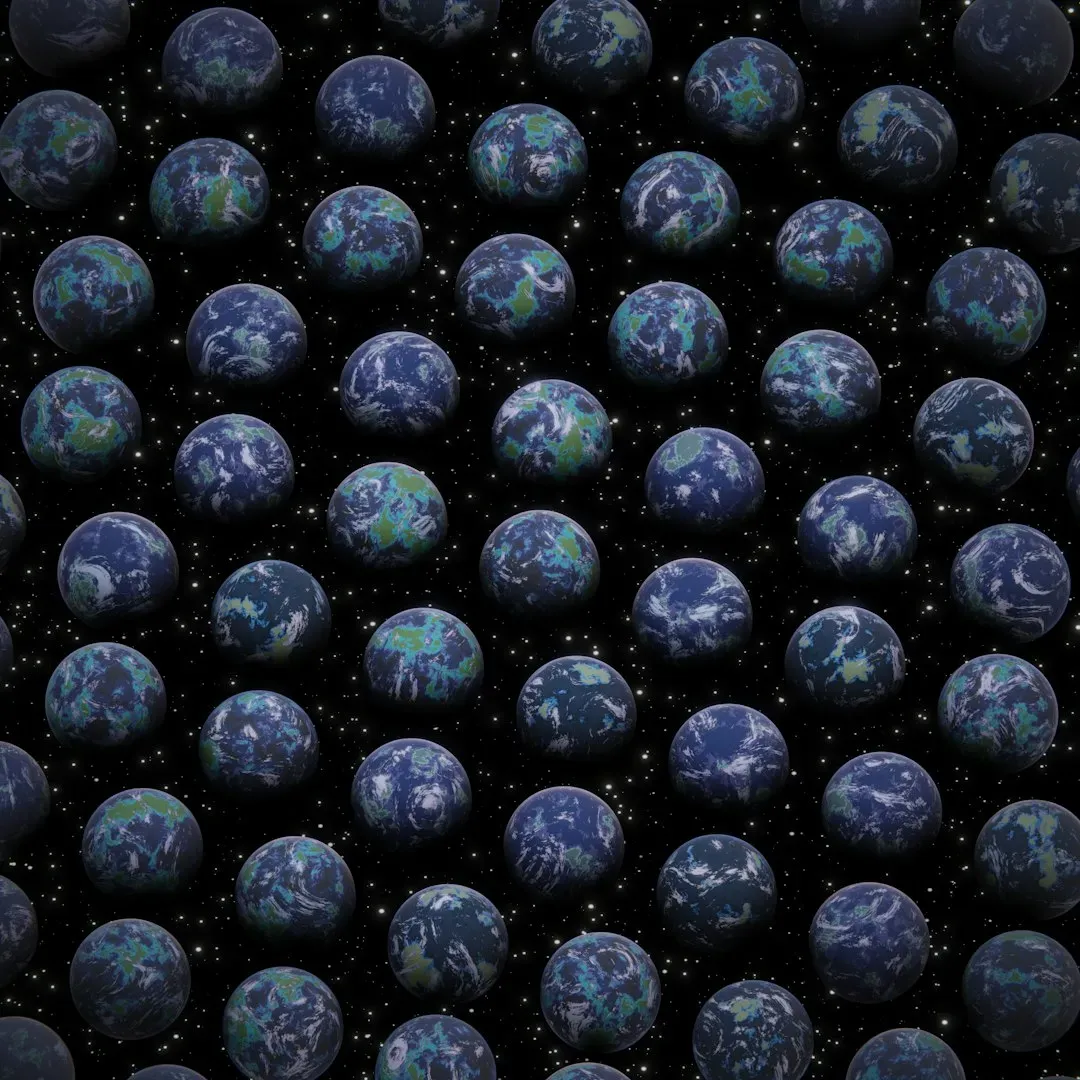
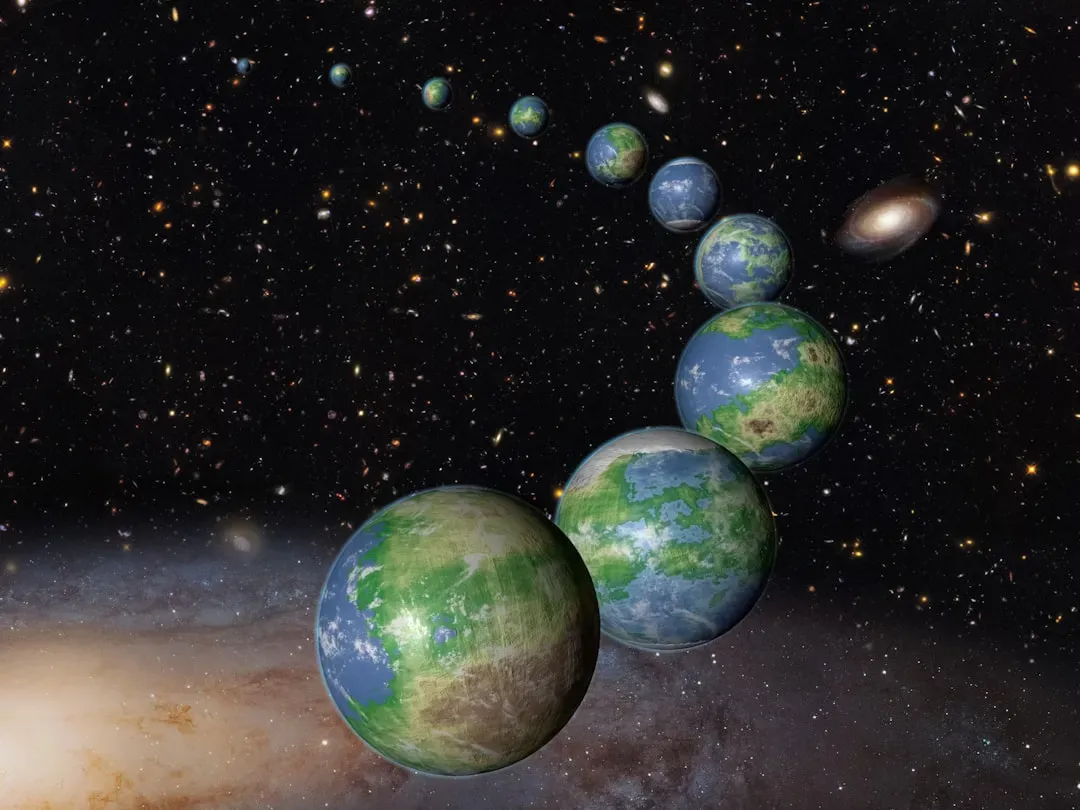
When you hear the word multiverse, you might imagine countless bubble-like universes floating in some cosmic sea, each with different stars, histories, and maybe different versions of you. In simple terms, a multiverse is just a collection of many universes, where “universe” means any self-contained region of reality that cannot (even in principle) interact with others. In your everyday life you only ever see one cosmic story, but some theories of physics naturally create the possibility that many such stories could exist side by side.
It helps to think of your universe as a single book in an enormous library. You only get to read one volume, with one plot and one ending, but the library might contain countless other books written with the same alphabet and grammar: the laws of physics. Those laws could be the same everywhere, or they could vary from book to book. The multiverse question is simply asking whether your book is the only one ever written, or whether you are part of an unimaginably large shelf of possible realities.
Quantum Mechanics and the “Many-Worlds” Picture

Quantum mechanics, the theory that explains atoms, light, and particles, is where the multiverse first shows up in a surprisingly concrete way. At the quantum level, you learn that particles do not have one definite future; instead, they follow a spread of probabilities: maybe this, maybe that. In the traditional view, those probabilities “collapse” when you measure something, and you see just one outcome. But in the Many-Worlds interpretation, the collapse never really happens. Every possible outcome becomes real in a different branch of reality.
If you follow that idea, then every time a quantum event could go one way or another, the universe effectively splits in two or more branches. In one branch, a radioactive atom decays now; in another, it decays later. Scaled up, that means there is a branch where you missed your bus and another where you caught it, each as real as the other, but forever separated. You never notice this branching because you only experience one thread of the story, but in this picture, reality is like a constantly splitting tree, with new universes budding off every fraction of a second.
Cosmic Inflation and Bubble Universes
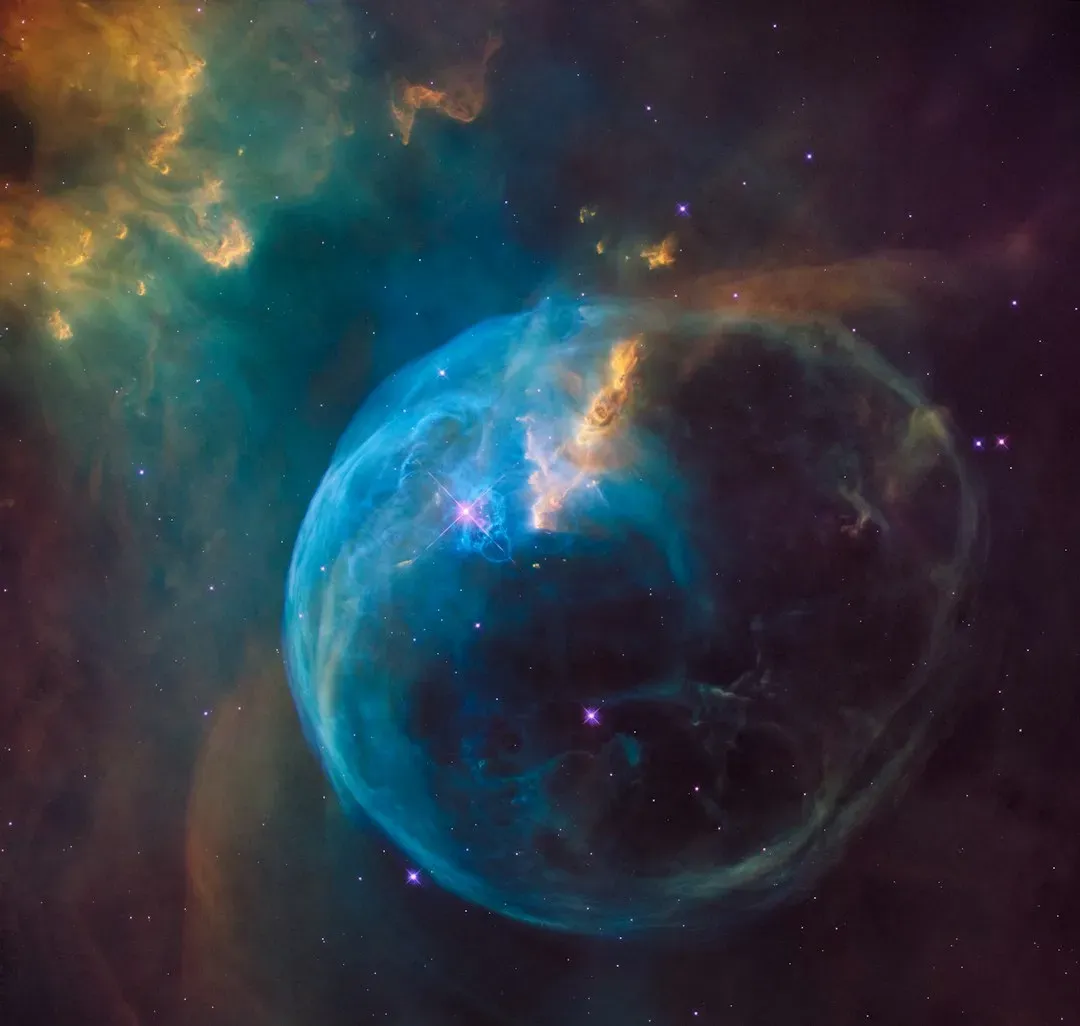
When you look out at the night sky, you are seeing a universe that is surprisingly smooth and uniform on very large scales. To explain that, cosmologists developed the theory of inflation, which says that in the first tiny sliver of a second after the Big Bang, space itself expanded faster than you can easily imagine. In some versions of this theory, that fast expansion never completely ends everywhere. Instead, it ends in patches, forming “bubble universes” like yours, while inflation keeps going elsewhere, creating more bubbles endlessly.
In this picture, you live inside just one bubble, with its own galaxies, stars, and physical conditions, but far beyond what you can ever see, other bubbles form with different properties. You can think of boiling water, where bubbles of steam appear, grow, and separate. Each bubble is its own little environment, even though they all come from the same boiling pot. Similarly, inflation naturally gives you a multiverse of bubble universes, not because someone wanted many universes, but because the mathematics that explain your one universe allow for many.
String Theory and Different Laws of Physics
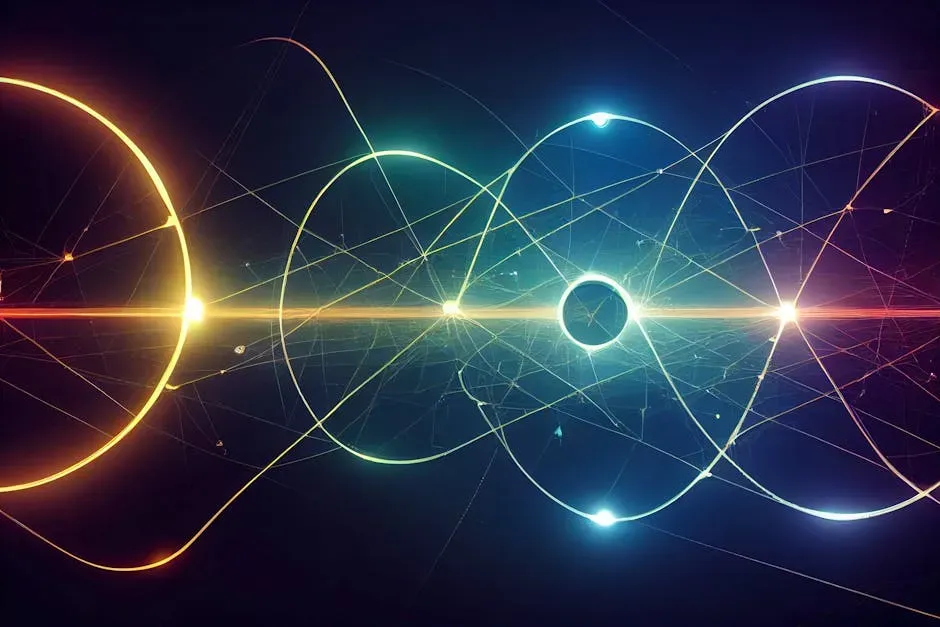
If you push deeper into fundamental physics, you eventually run into string theory, a framework that tries to unify all forces and particles into one elegant picture. In string theory, the basic building blocks of reality are not point-like particles but tiny vibrating strings living in more than the familiar three dimensions of space. Those extra dimensions have to be “curled up” in specific shapes that are too small for you to see directly. The twist is that there are incredibly many ways to curl them up, and each way leads to a universe with different apparent laws of physics.
This huge menu of possible configurations is sometimes called the “landscape,” and it naturally suggests a multiverse where different regions of the larger reality settle into different shapes of those extra dimensions. In one region, you might get a universe like yours, with your familiar particles and forces. In another, the fundamental constants could be different, maybe making stars short-lived or chemistry impossible. If you accept that the theory permits all these options, the multiverse becomes a way to explain why you find yourself in a universe that just happens to be friendly to life.
The Anthropic Angle: Why Your Universe Seems So “Fine-Tuned”
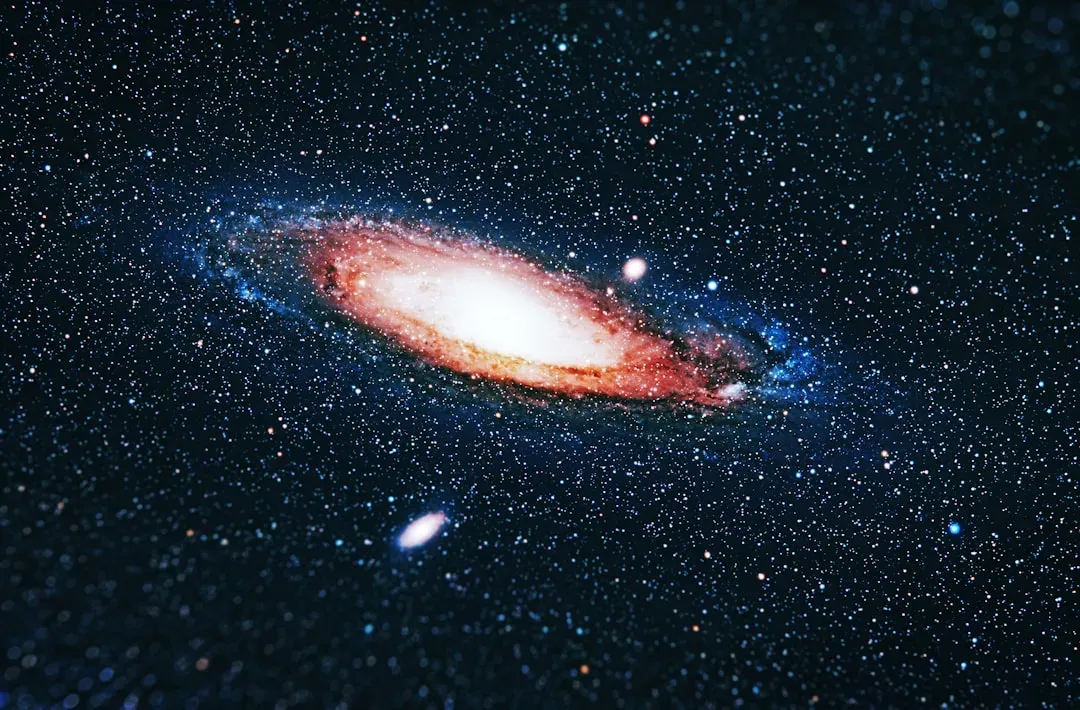
When you look closely at the numbers that describe your universe, a strange pattern jumps out: many of them seem finely balanced. The strength of gravity, the mass of the electron, the rate at which the universe is expanding – if some of these were even slightly different, you might not get stable stars, heavy elements, or long-lived planets. From your perspective, it can feel like the universe is delicately tuned for the existence of life, which is a bit unsettling if you like simple, impersonal laws of nature.
The multiverse offers one possible way to make sense of this without claiming that the universe is tailor-made for you. If there are countless universes with different values for these numbers, then most of them may be sterile and empty. You, however, can only ever find yourself in a universe where conditions accidentally allow observers to exist. This idea is called the anthropic principle: you should not be surprised to find yourself in a life-permitting universe, because those are the only universes where you can ask the question. You may or may not like this explanation, but it shows you how the multiverse connects directly to the question of why you are here at all.
Evidence, or Just Imagination? What You Can and Can’t Test
At this point, you might reasonably wonder whether the multiverse is just a fancy story or a scientific idea you can test. The honest answer is that it depends on which version you are talking about. Some multiverse ideas are direct consequences of theories that already fit the data you see, like inflation or quantum mechanics, so you do not test the multiverse itself, but you test the underlying theory. Others are more speculative and lack clear ways to produce unique, measurable predictions that differ from a single-universe picture.
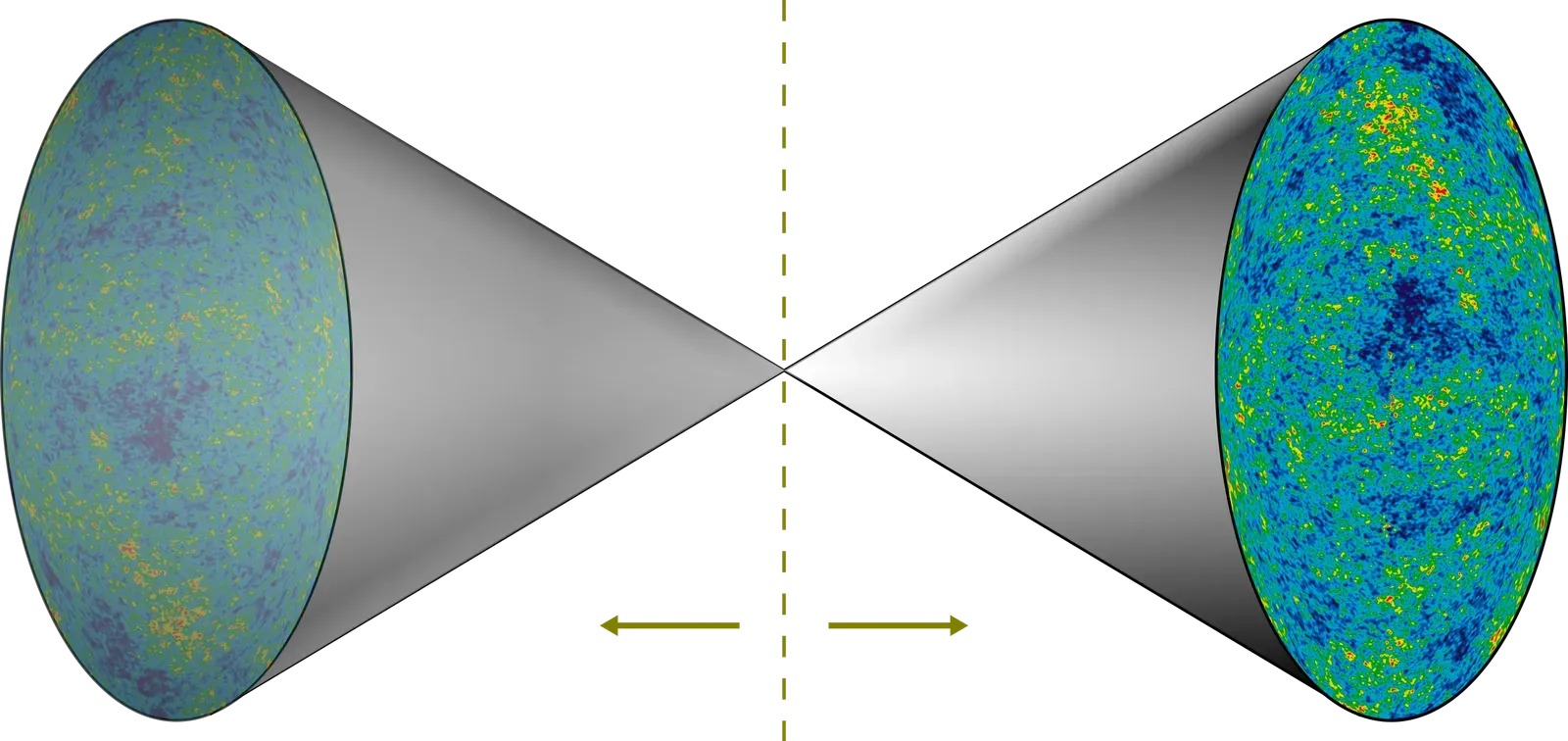
Because other universes, by definition, may not interact with yours, you face a deep problem: if you can never see or influence them, how could you ever know they exist? A few proposals suggest that collisions between bubble universes could leave subtle patterns in the cosmic microwave background, the afterglow of the Big Bang, but so far, your observations do not show clear, widely accepted signs of that. For now, you should treat the multiverse as a serious but unproven extension of known physics: not pure fantasy, but not established fact either.
Common Myths: What the Multiverse Does Not Actually Mean

Because the word multiverse sounds dramatic, it easily picks up myths that do not match what scientists really mean. One common misunderstanding is that the multiverse guarantees that anything you can imagine must exist somewhere. In reality, even in a multiverse, what is possible is still constrained by the underlying laws of physics. You do not suddenly get universes where logic fails or where stories ignore cause and effect like in a dream. The multiverse, as physicists use the term, is still a structured, rule-following reality, just extended beyond your cosmic horizon.
Another myth is that the multiverse automatically explains away every mystery or makes science pointless. In practice, you still have to work out which multiverse models are mathematically consistent, which ones are compatible with your observations, and how likely they are given the data you have. You are not excused from doing careful science just because you invoke many universes. Instead, you are pushed to ask stricter questions: which versions of the multiverse genuinely follow from tested theories, and which are just imaginative add-ons that you should treat with caution.
Why the Multiverse Idea Matters for You (Even If It’s Wrong)
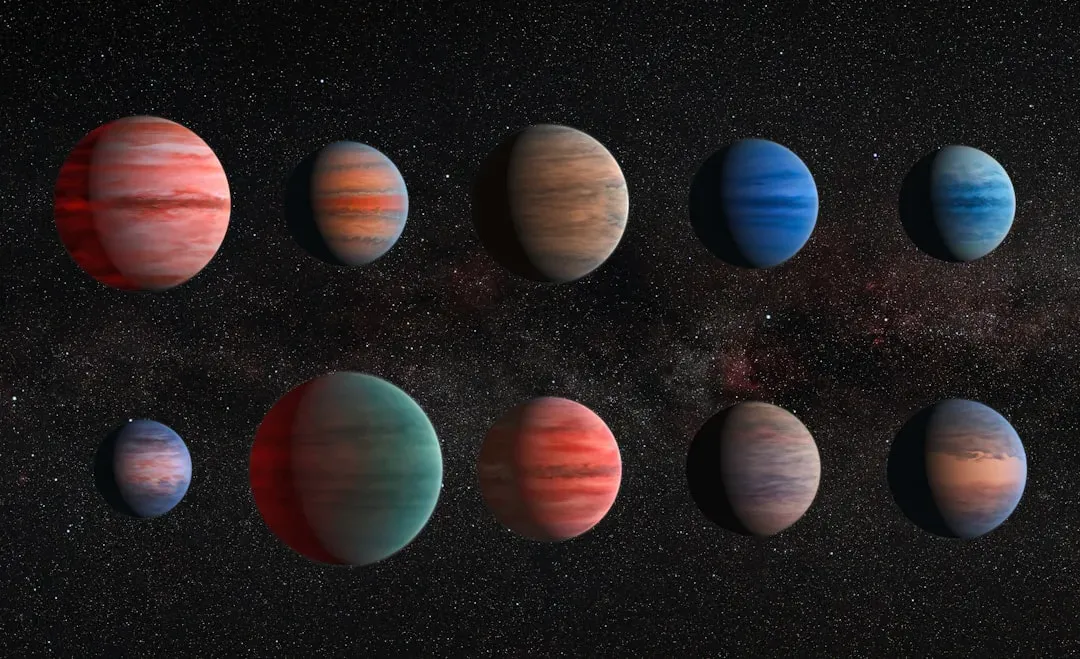
Even if you are skeptical, the multiverse idea forces you to stretch how you think about reality, and that exercise alone can be valuable. You are used to treating your universe as the whole of everything, but the history of science keeps showing you that your first guess about the size of reality is usually too small. People once thought their village, then their continent, then their galaxy was the center of it all. Each time, the boundary expanded. The multiverse is one more step in that long tradition of being humbled by a larger picture.
On a more personal level, thinking about the multiverse can change how you see your own choices and your own tiny corner of existence. Knowing that some theories suggest countless other ways things could have turned out might make your actual life feel both fragile and extraordinary, like a single roll of the cosmic dice that happened to land this way. Whether the multiverse turns out to be true or not, the very possibility encourages you to appreciate the universe you do have, the people you know, and the rare privilege of being able to wonder about the ultimate shape of reality at all.
Conclusion: So, Are You Really Living in a Multiverse?
When you step back and look at the big picture, you see that the multiverse is not a wild idea bolted onto physics from the outside; it grows out of theories you already use to describe your universe. Quantum mechanics, cosmic inflation, and string theory all open doors to versions of reality where many universes exist, even if you can never visit them. At the same time, you have to admit that, right now, the evidence is indirect and the debates are far from settled, so you cannot honestly say you know that a multiverse is real.
For you, the most reasonable position is a kind of curious humility: you live in one remarkable universe, governed by laws that you understand surprisingly well, while accepting that those same laws might allow for far more than you can currently see. You do not need a confirmed multiverse to feel awe, but knowing that serious science even entertains the possibility can deepen that sense of wonder. As you look up at the sky tonight, you might smile at the thought that your universe could be just one chapter in an enormous cosmic library – and ask yourself, if there are other books out there, how would knowing that change the way you live this one?