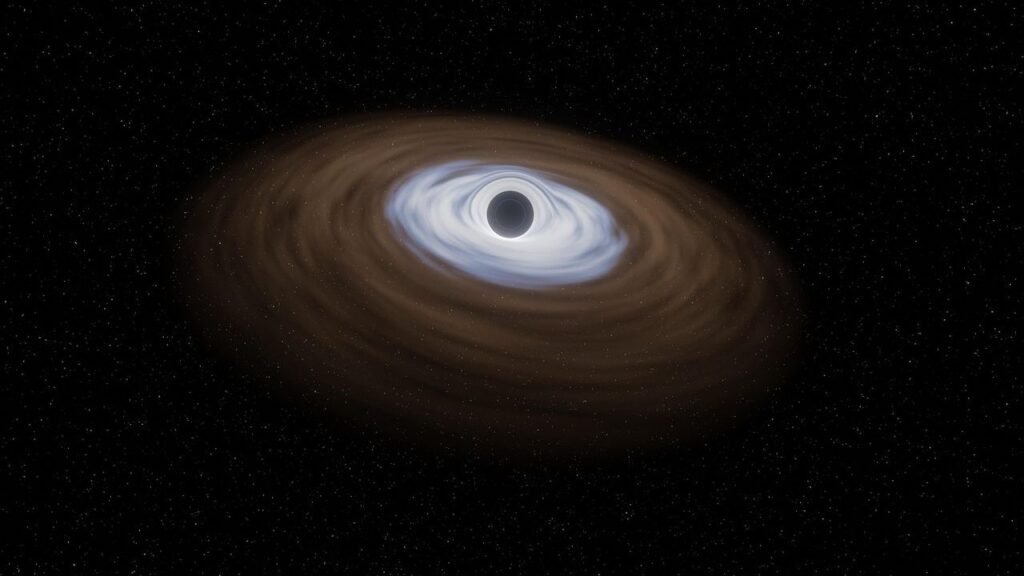
You live in a universe where entire stars, planets, and even light itself can be swallowed whole, never to return. Black holes are not just distant, abstract monsters from science documentaries; they are real objects shaping the galaxies you see in the night sky and even influencing the future of the cosmos itself. The more you learn about them, the more they feel like glitches in the rules of reality.
As you walk around doing everyday things – checking your phone, making coffee, rushing to work – there are black holes quietly eating, spinning, and warping spacetime on unimaginable scales. Yet the basic idea is brutally simple: pack enough mass into a small enough space, and gravity wins. What that does to time, space, and matter is where things get truly wild. Let’s dive into ten facts that will completely mess with your sense of what is possible.
1. A Black Hole Can Be Smaller Than a City but Heavier Than Millions of Suns
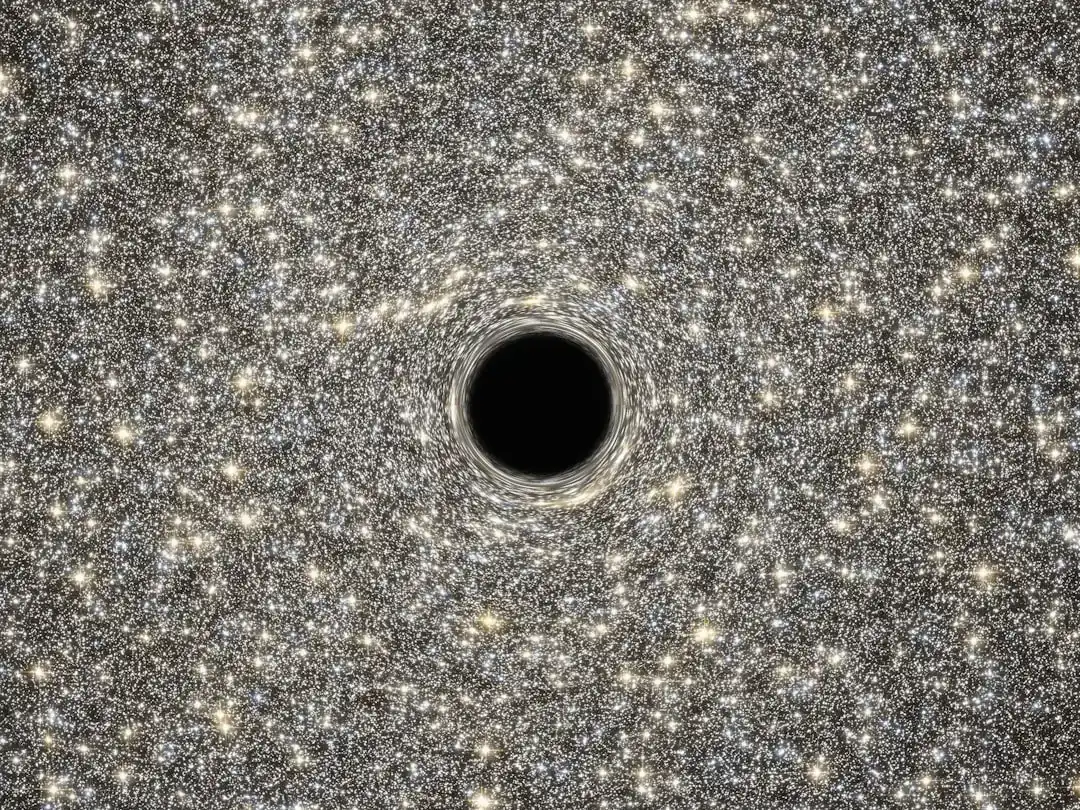
When you hear “black hole,” you probably picture something huge, but the real shock is how insanely dense these things are. If you compressed the mass of your own Sun into a black hole, the result would be only a few kilometers across – small enough to fit inside a big city. Yet some black holes in the centers of galaxies cram the mass of millions, even billions, of Suns into a region smaller than your solar system.
To get a feel for that, imagine stuffing all the cars on Earth into a single sugar cube and still having room left over – then you are not even close. The idea of density completely breaks down at the center, where current physics says the mass collapses into a point of effectively zero volume. You are forced to confront the uncomfortable truth: your ordinary intuition about size and weight simply does not survive near a black hole.
2. Time Really Does Slow Down Near a Black Hole (and It Is Not Just Sci‑Fi)
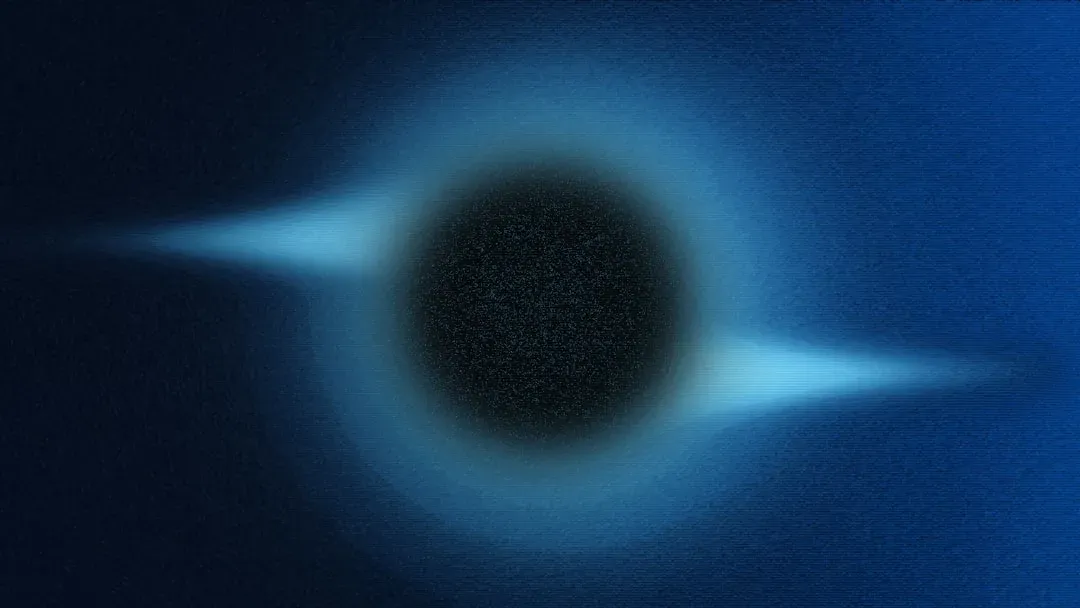
If you could watch a clock as it fell towards a black hole, you would see something eerie happen: the closer it gets, the slower it appears to tick. This is not an optical illusion or a movie trick; it is a direct consequence of Einstein’s theory of general relativity. Strong gravity literally stretches time, so a second for someone near a black hole can last much longer for you watching from far away.
Now flip the perspective. If you were the one falling in, your own time would feel completely normal – you would feel your heart beating, your thoughts flowing at the usual pace. But when you looked back at the universe behind you, everything would seem to speed up: stars evolving, galaxies rotating, maybe even entire cosmic eras flickering by. A black hole is like a one-way time machine that lets you see the future of the universe, but never return to tell anyone about it.
3. Inside the Event Horizon, “Direction” Stops Making Sense
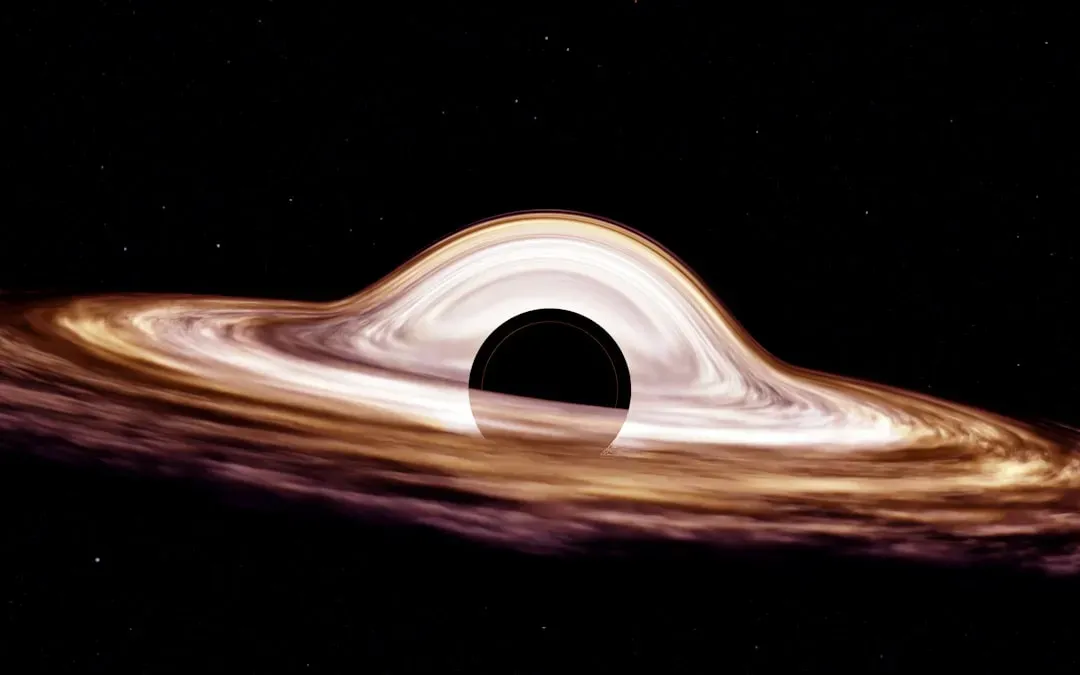
You often hear that nothing can escape from inside a black hole’s event horizon, not even light, but the reason why is stranger than you might expect. Once you cross that invisible boundary, the structure of spacetime changes in a way that makes “toward the center” less of a direction and more of a destiny. Moving toward the singularity becomes as unavoidable as moving forward in time is for you right now.
Think about it like this: in your everyday life, you can walk north, south, east, or west. Time only moves one way, but space lets you choose. Inside the event horizon, falling inward becomes as fixed as tomorrow – it is not a path you can avoid, no matter how powerful your engines or how clever your plan. The very concept of escape stops making sense, because the geometry of reality is stacked against you from every angle.
4. Black Holes Can Spin So Fast They Drag Space Itself Around
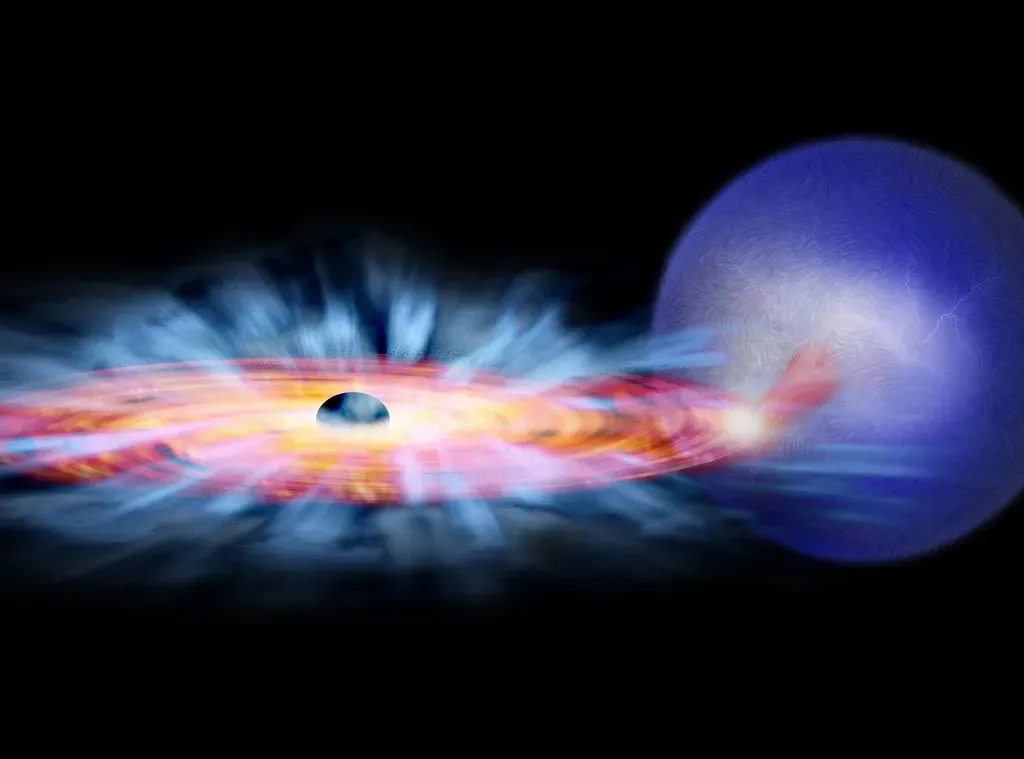
You know how a spinning ice skater pulls their arms in to spin faster? Black holes take that idea to a terrifying extreme. Many of them rotate so rapidly that they nearly reach a physical limit, spinning close to the speed of light at their edges. This insane rotation does not just affect matter around them; it twists spacetime itself into a whirlpool-like flow.
If you hovered near a rapidly spinning black hole (somehow without being torn apart), you would be caught in a strange effect often called frame dragging. Space and time around you would be dragged along in the direction of the spin, making it almost impossible to stay still relative to the distant stars. It is as if the black hole insists that everything nearby must join its cosmic dance, whether it wants to or not.
5. Some Black Holes Launch Jets That Outshine Entire Galaxies
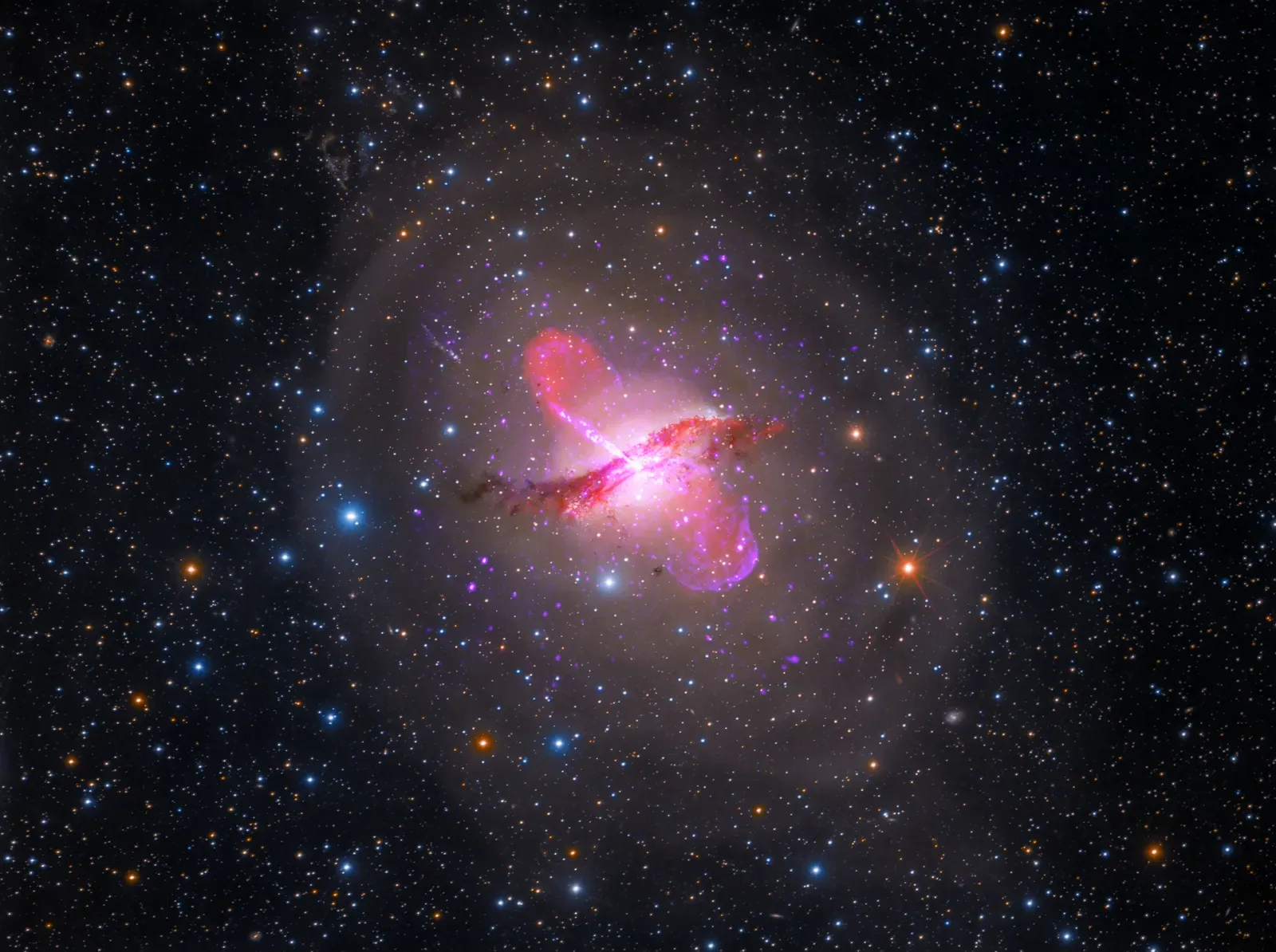
It sounds backwards, but some of the brightest objects in the universe are powered by the darkest ones. When gas and dust spiral into a supermassive black hole at a galaxy’s center, they do not just fall straight in. Instead, they can form a blazing hot disk that heats up so intensely it blasts out jets of particles moving at nearly light speed, often in opposite directions from the black hole’s poles.
From your distance on Earth, these jets can look like cosmic searchlights, visible across billions of light‑years and sometimes outshining the galaxies that host them. What makes this even wilder is that the black hole itself is still black – it is the matter outside the event horizon, in that turbulent disk and those jets, that screams with energy. You end up with a paradoxical monster that hides in darkness while powering some of the brightest beacons in the universe.
6. A Tiny Black Hole Could Pass Through You Without You Noticing (In Theory)
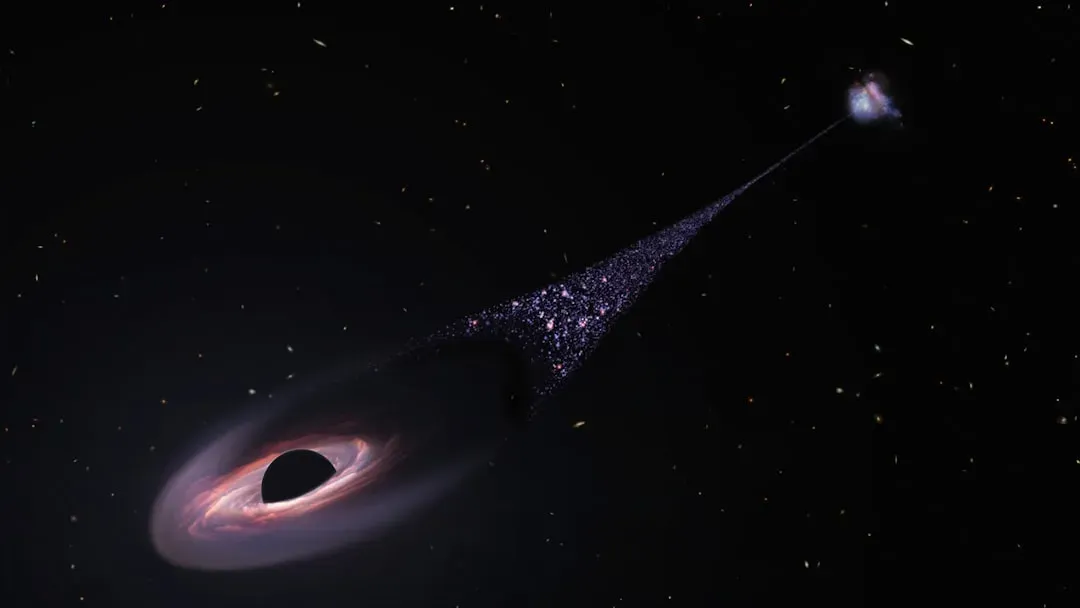
When you picture a black hole, you might imagine a gigantic cosmic vacuum cleaner, but gravity does not actually work like that. If there were a black hole with the mass of a mountain or an asteroid – far smaller than any you have actually observed – it could, in principle, pass right through Earth. Its gravity would certainly have effects, but not in the world-ending way you might expect from movies.
The pull would be strongest only in its immediate neighborhood, and it would zip through at incredible speed. You would not be yanked off your feet or sucked in from across the planet just because it existed. In reality, you would be far more likely to notice its presence through subtle astronomical measurements than through any dramatic event in your daily life. The horror story version makes for great cinema, but the real physics is sneakier and more indifferent.
7. Black Holes Slowly Evaporate Over Time Through Quantum Effects
You might think a black hole is forever, but the universe has other plans. Thanks to quantum mechanics, black holes are predicted to emit a faint glow called Hawking radiation, causing them to slowly lose mass. For the kind of black holes you are used to hearing about – stellar and supermassive ones – this process is incredibly slow, taking far longer than the current age of the universe to make a dent.
Yet the idea itself is revolutionary: something defined by its ability to trap everything, even light, is not truly permanent. Given unimaginable spans of time, even the largest black holes should eventually shrink and disappear, leaving behind only radiation. When you zoom out to the ultimate fate of the cosmos, black holes are not immortal monsters; they are just very patient ones quietly fading into the background.
8. The Supermassive Black Hole in Your Own Galaxy Is Surprisingly Calm
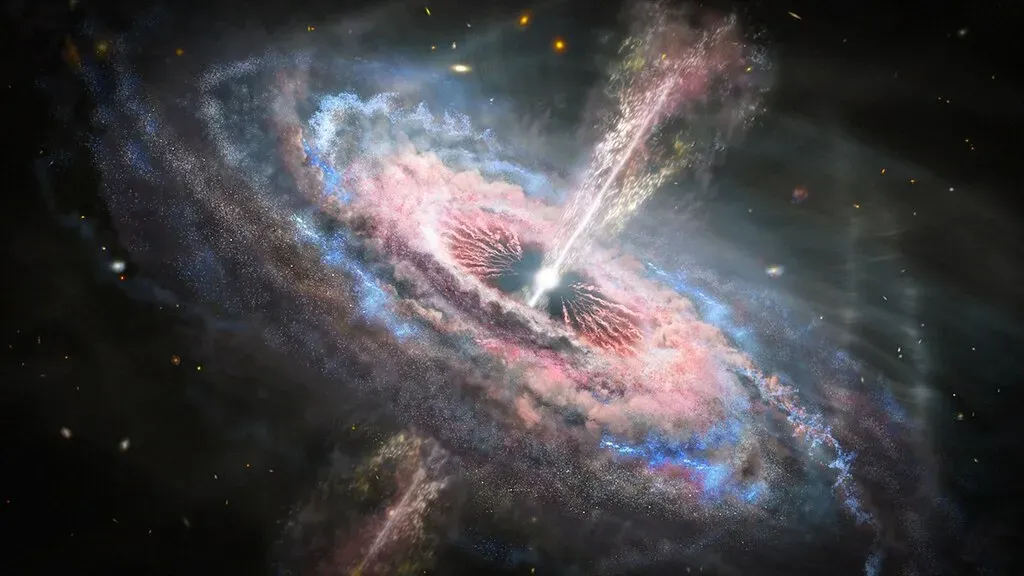
It is easy to imagine the black hole at the center of your Milky Way as a raging cosmic engine, but right now it is relatively quiet. This giant, known to astronomers as the galaxy’s central supermassive black hole, is not devouring huge amounts of material at the moment. Instead, it mostly lounges in a low-activity state, occasionally nibbling on gas clouds or the odd star that wanders too close.
From your vantage point about tens of thousands of light‑years away, that is a good thing. If it were feasting more actively, the radiation from its surroundings could be much more intense, potentially altering conditions in large parts of the galaxy. Instead, you live in a relatively peaceful era, orbiting a sleeping giant that could, under different circumstances, light up the sky in dramatic and possibly dangerous ways.
9. You Will Never See Something Actually Cross the Event Horizon
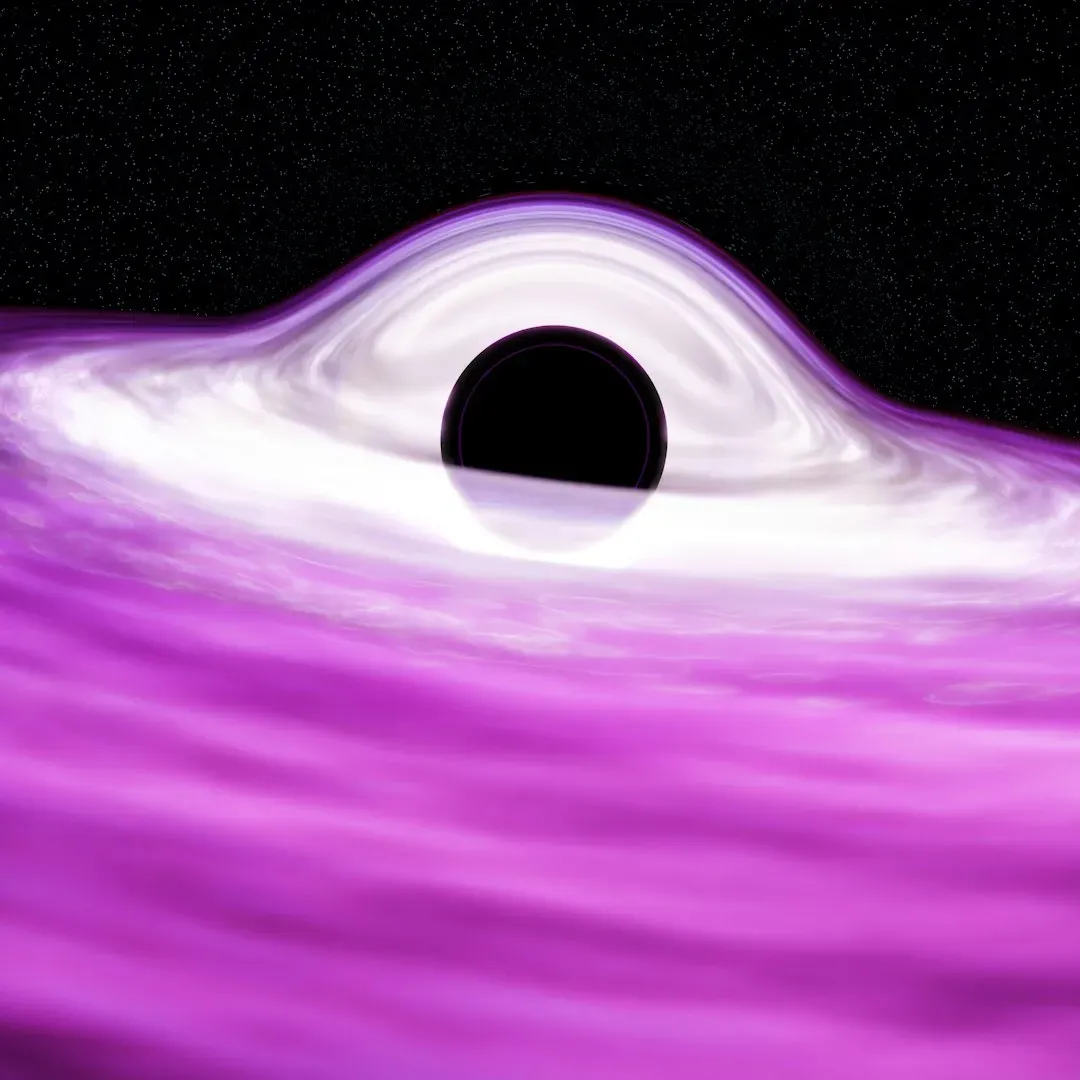
If you watched an object fall toward a black hole from a safe distance, you might expect to see it plunge across the event horizon and vanish. Instead, you would see it slow down, dim, and freeze just above that invisible boundary. From your perspective, it would never quite make it in, thanks to the way extreme gravity stretches time and redshifts light.
Of course, from the object’s own point of view, it would cross the event horizon in a finite time and continue inward, unaware of the strange show you were seeing. This mismatch in perspectives is one of the most mind-bending features of relativity: both experiences are valid within their own frames of reference. You are forced to accept that there is no single, absolute story of what “really” happens, only different truths depending on where and how you observe.
10. Without Black Holes, Your Galaxy Might Not Exist the Way It Does
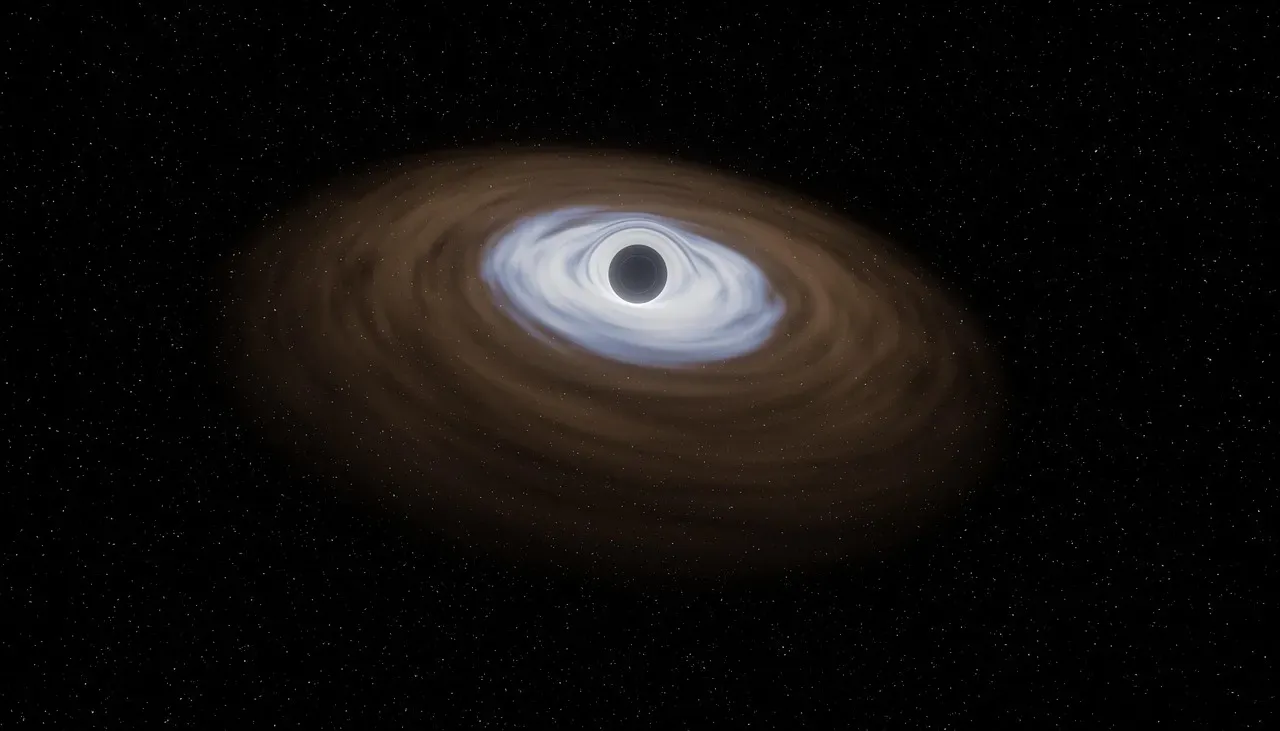
As terrifying as they sound, black holes may be essential architects of the cosmos you inhabit. Observations suggest that almost every large galaxy has a supermassive black hole at its center, and the mass of that black hole seems to be closely linked to the properties of the surrounding galaxy. That hints that black holes and galaxies grow up together, each shaping the other over billions of years.
The powerful outbursts and jets driven by feeding black holes can regulate how gas cools, collapses, and forms new stars. In a sense, the same monsters that swallow matter can also act like cosmic thermostats, preventing galaxies from turning all their gas into stars too quickly. When you look up at the Milky Way arching across the night sky, you are seeing a structure that likely would not have formed in the same way without the silent influence of the black hole lurking at its heart.
Conclusion: Living in a Universe Where Reality Has Edges
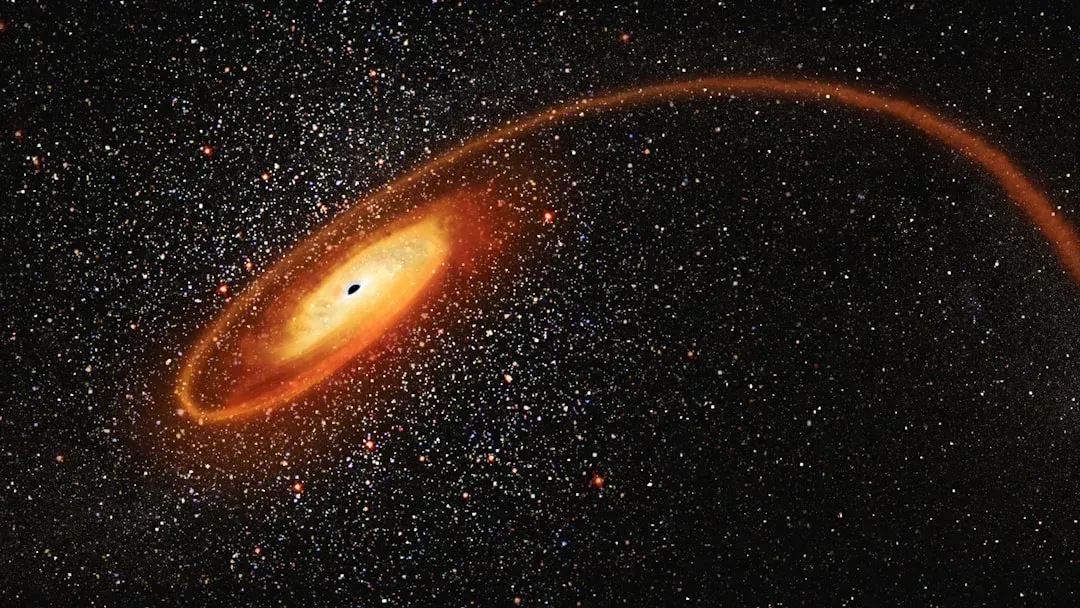
When you step back and absorb all of this, black holes start to feel less like distant curiosities and more like stress tests of reality itself. They are where your best theories of gravity and quantum physics collide and, for now, fail to fully agree. In the shadow of a black hole, your everyday assumptions about time, space, size, and even cause and effect get pushed to their breaking point.
Yet somehow, you get to live in a universe where these impossibly extreme objects are not just real but crucial to the story of how galaxies form, evolve, and eventually fade. The same sky you casually glance at on a clear night hides these deep, silent abysses that bend the rules of existence. Next time you look up at the stars, you might find yourself wondering: just how strange is the universe you call home compared to what you once thought was possible?