You grow up with a simple timeline in your head: first came the great cities of Mesopotamia and Egypt, then, much later, the civilizations of the Americas finally appeared on the stage. Then you stumble across one desert valley in Peru, or one windswept creek in Chile, or a quiet bluff in North America, and that neat story starts to fall apart in your hands. You suddenly realize that the Americas were not a late, isolated afterthought, but a place where civilization and complex societies were emerging far earlier, and in far stranger ways, than you were ever taught.
When you look closely at the evidence, you start to see a pattern: sites that push timelines back thousands of years, footprints that show people where ice sheets supposedly blocked the way, and settlements that prove people were living in organized communities long before the textbooks say they should have been able to. You are not just tweaking a date or two; you are being asked to rethink what “civilization” even means, and who gets credit for inventing it. That is the real shock of these ancient American sites: they quietly demand that you rewrite the origin story of the human world.
The Peruvian Desert City That Rivals Egypt in Age
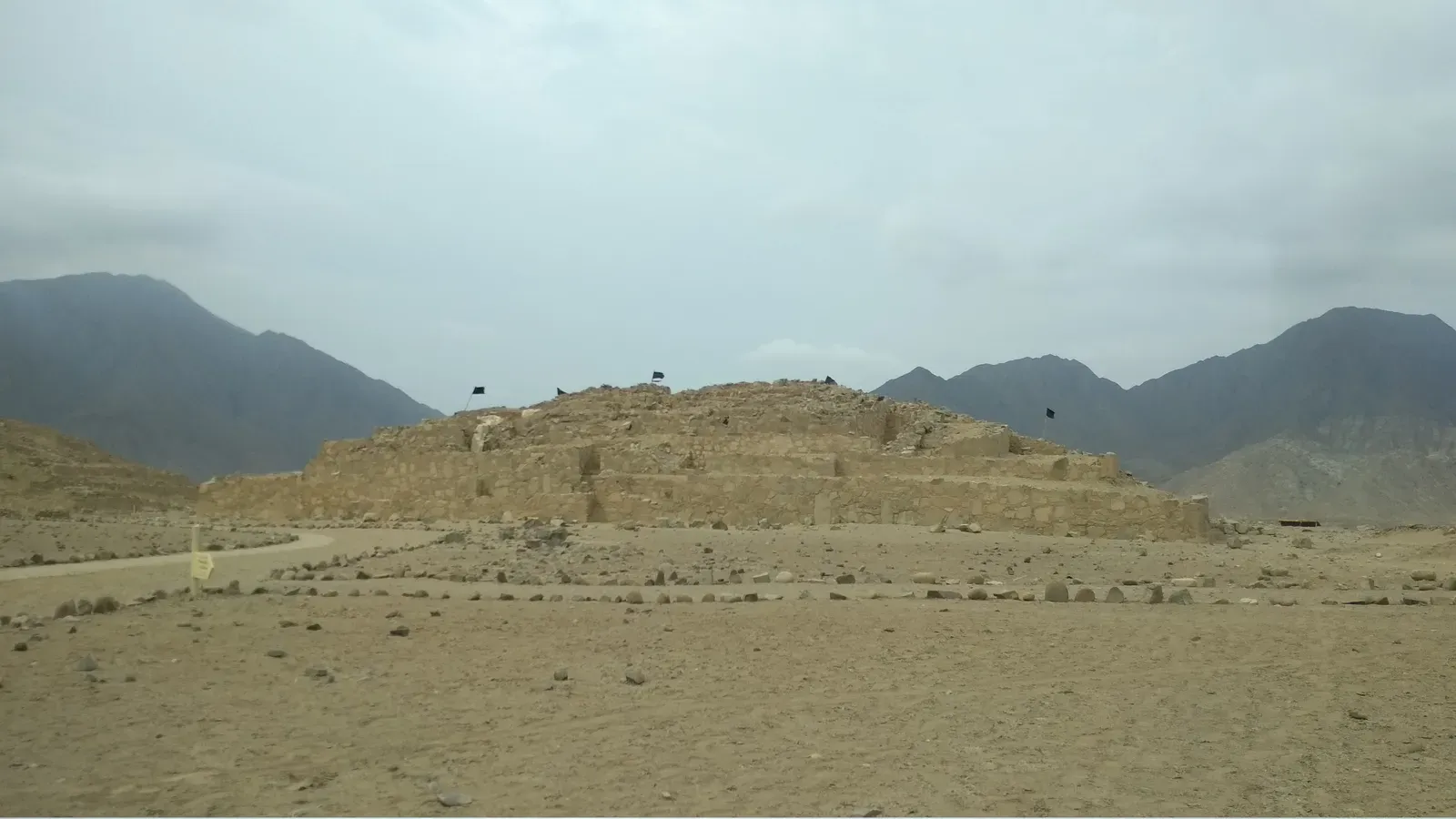
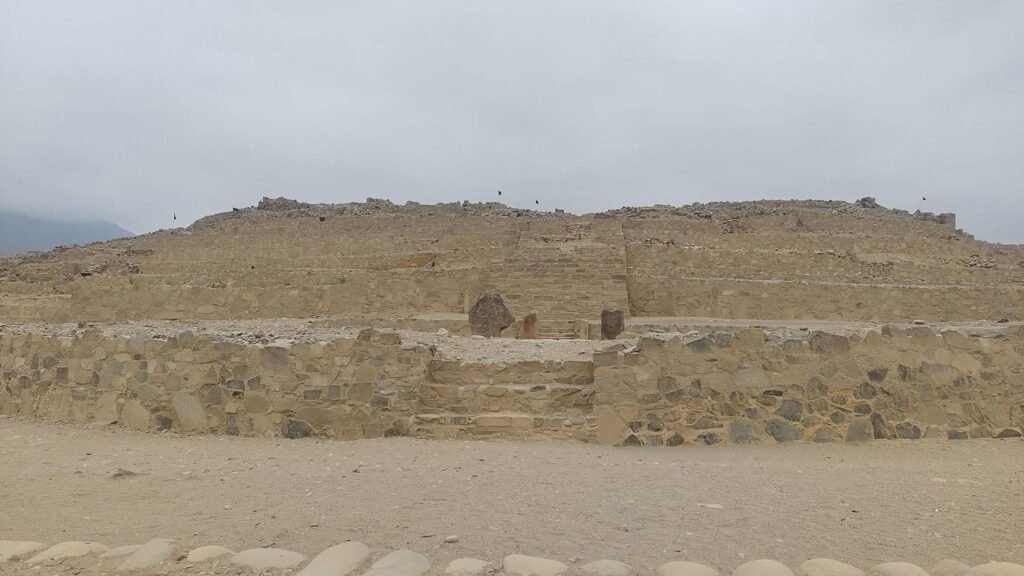
If someone told you there was a planned city in the Americas as old as, or even older than, some of the earliest monumental structures in Egypt, you might instinctively doubt them. Yet as you walk through the dry Supe Valley on Peru’s coast and imagine the pyramids, sunken plazas, and residential terraces of Caral-Supe, you realize you are standing in one of the oldest known urban centers in the entire Western Hemisphere. Archaeologists date its origins to roughly five thousand years ago, pushing complex Andean civilization back by well over a thousand years compared with what you probably learned in school.
What really throws you off balance is how sophisticated this city is without the things you expect to define a “true” civilization. You see monumental stone and earth platforms, evidence of organized labor, ceremonial architecture, and even early versions of knotted recording cords, yet no grand royal tombs and no hordes of weapons. Instead of a society built on constant warfare, you are looking at a place whose power seems tied to trade, ritual, and shared belief. When you absorb that, you have to admit to yourself that your old checklist for what “counts” as civilization is way too narrow.
Monte Verde: A Creek Bank That Shattered the Clovis Story
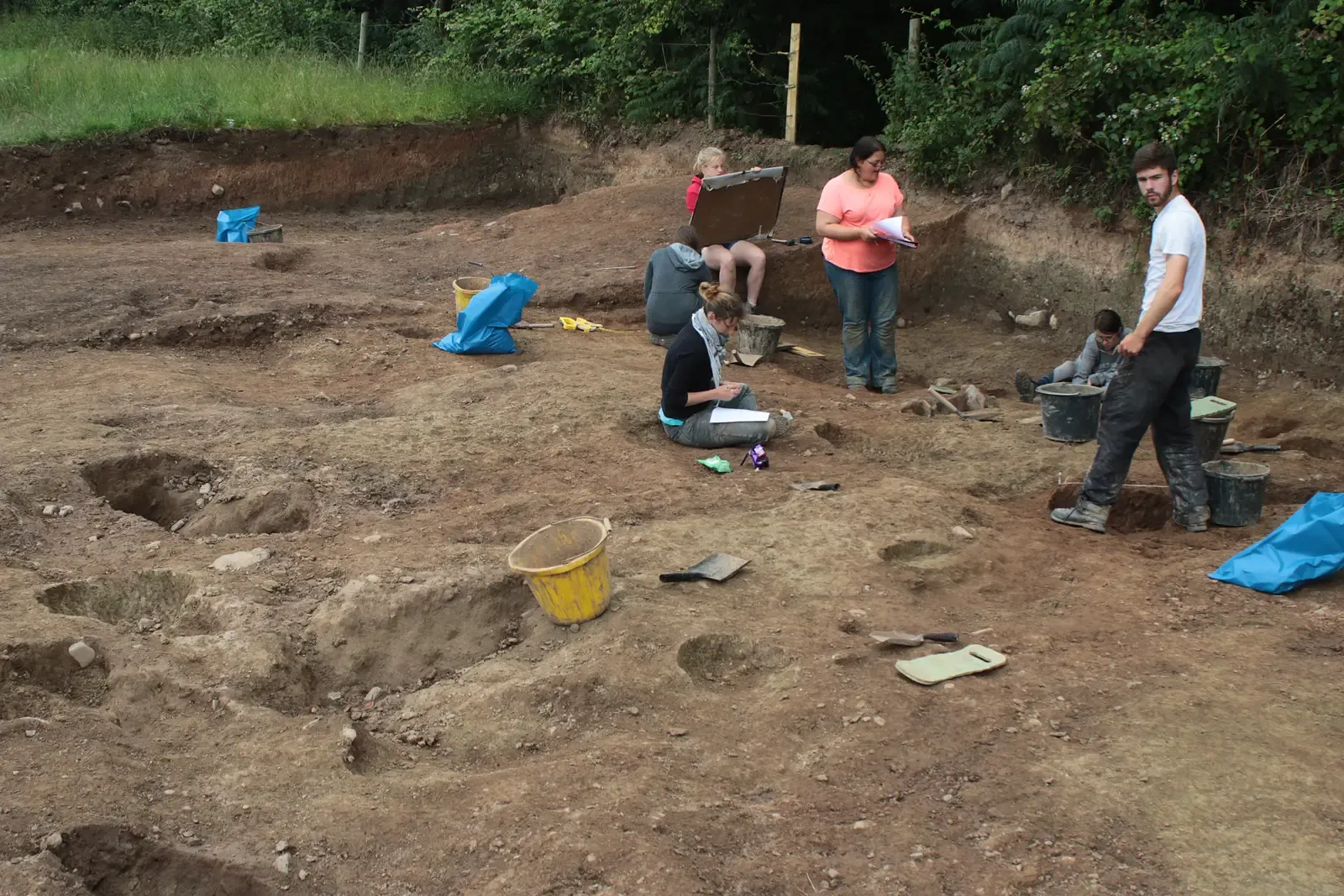
In southern Chile, far from the deserts and pyramids you might associate with ancient prestige, you find a soggy creek bank called Monte Verde that has been at the center of a scientific storm for decades. When researchers first argued that people lived here around fourteen and a half thousand years ago, they were asking you to abandon the once-dominant “Clovis First” idea that humans arrived in the Americas only about thirteen thousand years ago. Here, in preserved wood, hearths, tools, and even what looks like a footprint, you see a campsite that predates that model and points to an earlier migration along the Pacific coast.
Now, you watch another twist unfold as a new study argues that some of those layers are much younger, and that geological mixing along the stream may have jumbled ancient and more recent sediments together. You are suddenly pulled into a fierce debate where one side insists Monte Verde is still a cornerstone of an early human presence, and another side urges you to be skeptical of dates once treated as almost sacred. What you cannot escape, though, is the deeper message: even when specific dates are contested, sites like this have already broken the idea that the Americas were settled late, quickly, and in a single simple wave. Your mental map of the first Americans is not going back into its old, tidy box.
Pre-Clovis Footprints and the Problem of “Impossible” Dates
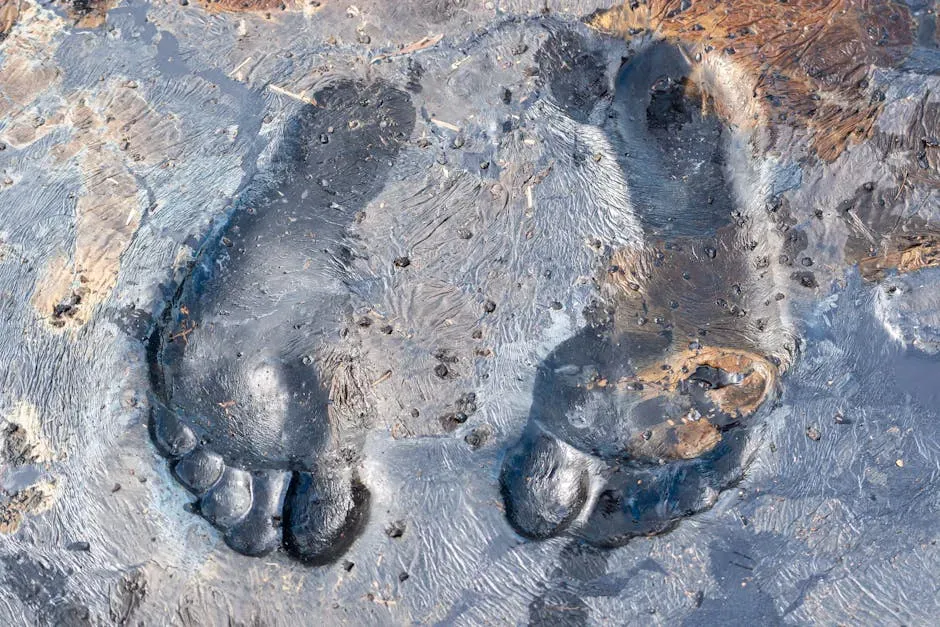
Once Monte Verde cracked the door open, you start noticing other discoveries that push your comfort zone about timing even further. In New Mexico, for example, you look at the fossilized footprints at White Sands and see detailed impressions that multiple scientific teams have dated to somewhere between roughly twenty-one and twenty-three thousand years ago. Those dates, if they continue to hold up under scrutiny, place people in North America during the height of the last ice age, at a time when traditional models insisted that massive ice sheets blocked the way south.
As you sit with that, you realize you are watching science wrestle with what to do when good data points to something that once seemed impossible. Some researchers urge caution, probing the dating methods and geological context, while others accept that a growing number of sites suggest a much deeper human story across the Americas. You are forced into a more mature view of the past, one where evidence might be messy and debates may last for years, but the trend line keeps nudging you toward an earlier, more complex peopling of these continents than you were ever invited to imagine.
A Northern Settlement That Upends Ideas About Early “Nomads”
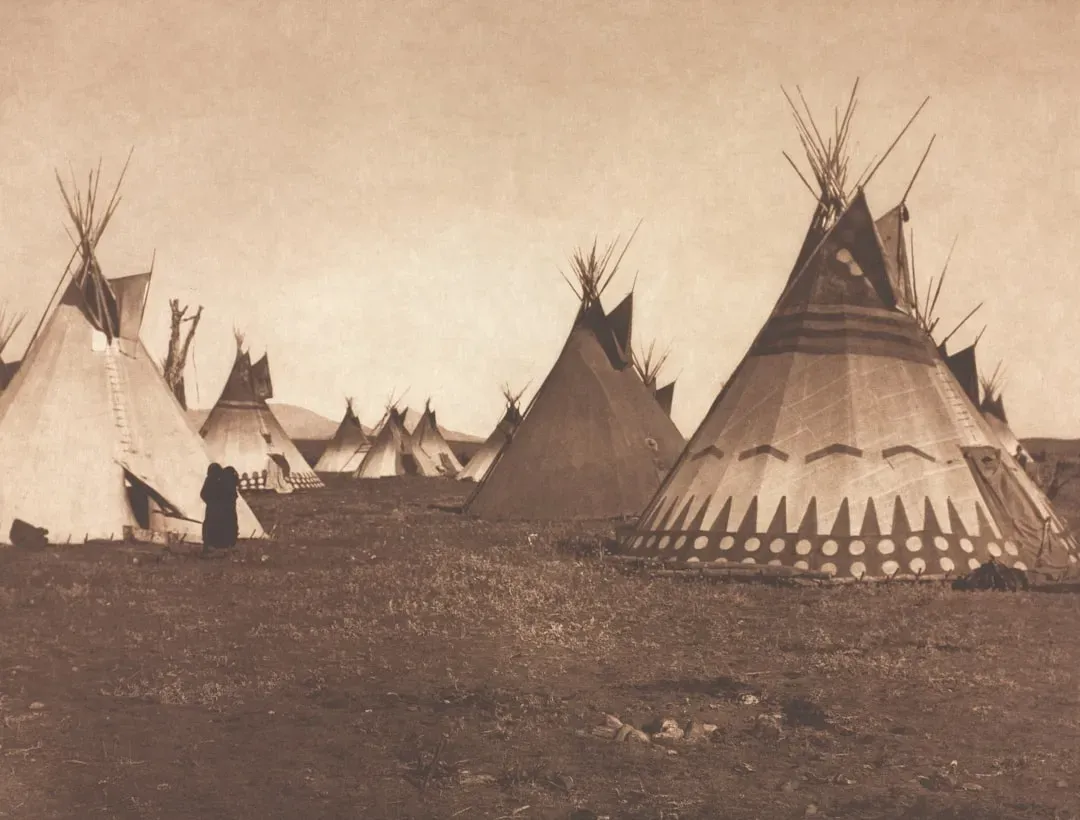
When you picture early Indigenous communities in North America, you might picture small, mobile bands endlessly following migrating animals across huge distances. That is why an eleven-thousand-year-old settlement in what is now Saskatchewan in Canada hits you so hard: it suggests that people were already building more permanent, organized communities on the northern plains at a time you probably associate with purely nomadic life. Excavations there have uncovered traces of structures, storage, and intensive use of local resources that sound a lot more like a village than a temporary campsite.
As you follow the details, you start to realize that “settled” and “nomadic” are not simple opposite boxes you can shove people into. You see a community experimenting with staying put for longer, developing strategies for managing bison and local resources, and possibly anchoring social and spiritual life around a specific landscape. That forces you to rethink the standard story in which Indigenous people only became “complex” once they built massive cities much later. Instead, you begin to see a slow, creative process where people tested different ways of living long before the monumental architecture you tend to recognize as civilization ever appeared.
Cities Without Kings: Rethinking What Makes a Civilization
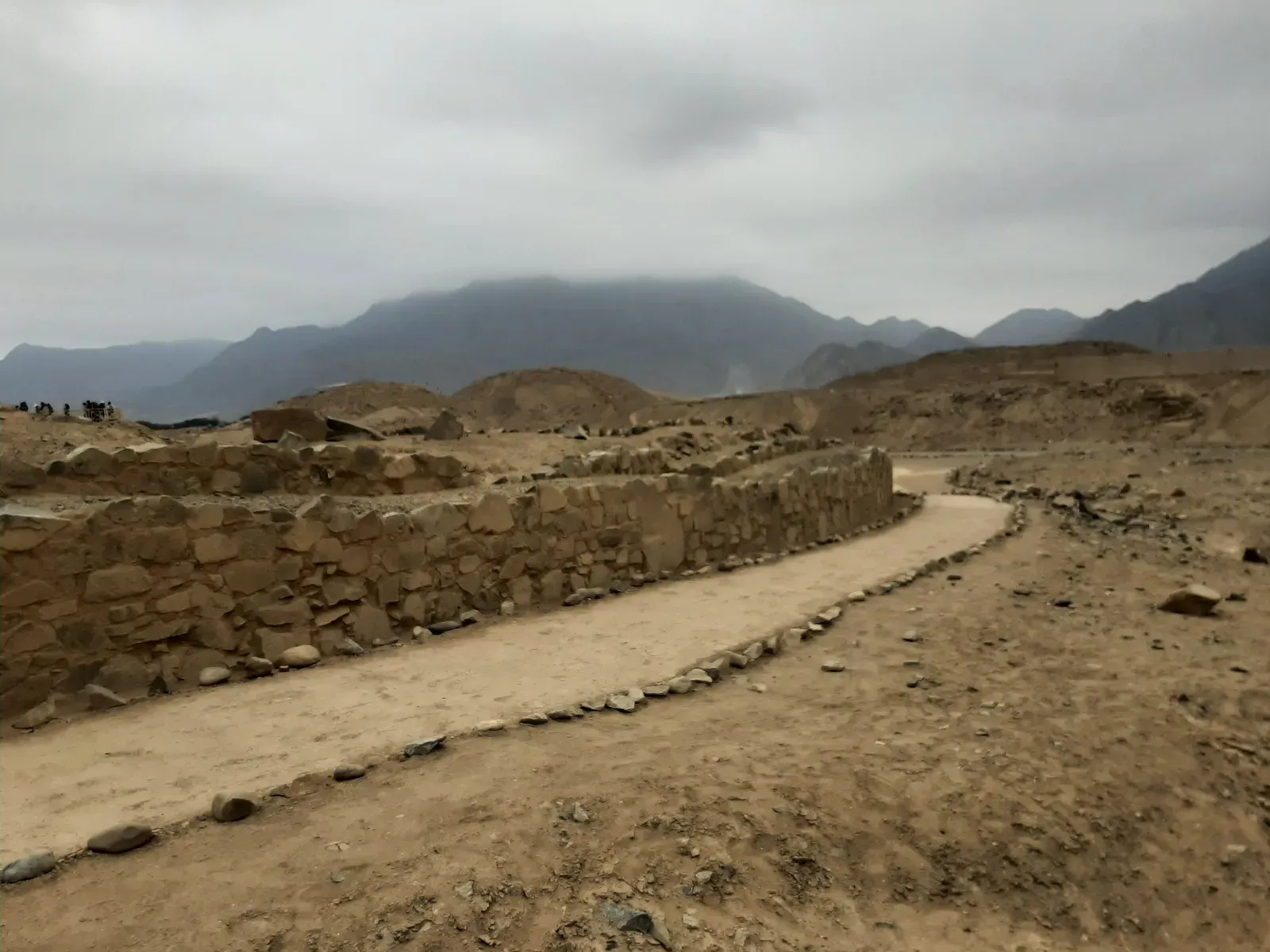
Once you step back from individual sites and look across the Americas, you notice another pattern that challenges your inherited assumptions: a lot of early complexity here does not revolve around obvious kings, towering statues of rulers, or endless war trophies. In places like Caral-Supe and other early Peruvian sites, the emphasis seems to be on communal spaces, sunken plazas, and temples aligned with the landscape, rather than giant palaces. You find irrigation works, trade networks, and organized labor, yet not the kind of heavy-handed elite iconography you might know from Egypt or Mesopotamia.
This throws a hard question in your lap: have you unconsciously defined “real” civilization as whatever looks most like the Old World examples you learned first? When you let the American evidence speak for itself, you start to see that large-scale cooperation, shared ritual, and long-distance exchange can produce durable, complex societies without a single all-powerful ruler at the top. That realization nudges you toward a more flexible definition of civilization, one that fits what you actually see in the ground instead of forcing Indigenous histories into foreign templates.
How One Valley Joined the World’s First Civilizations Club
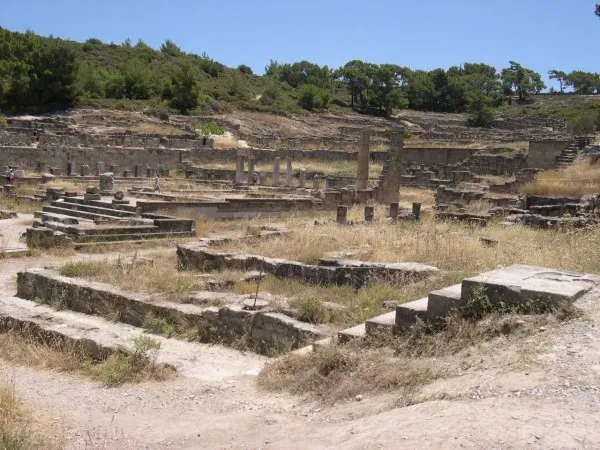
As you read more deeply, you discover that scholars increasingly recognize the Caral–Supe region not just as an old city, but as one of the small handful of independent cradles of civilization on Earth. That means you are not just dealing with a copycat culture borrowing ideas from somewhere else; you are looking at a place where urban life, complex religion, and regional organization arose on their own terms. Alongside Mesopotamia, Egypt, the Indus Valley, northern China, and ancient Mesoamerica, this Andean heartland is now part of the elite group that fundamentally changed how humans lived.
That recognition should make you reevaluate how central the Americas are to the grand story of human innovation. Instead of seeing this hemisphere as a late, isolated branch, you begin to see it as one of the earliest experimental labs where people figured out how to build cities, manage surpluses, and orchestrate large public works. When you accept that, the idea that history “started” somewhere else and only later trickled into the Americas becomes impossible to defend. You are forced to admit that early civilization was a multi-centered phenomenon from the start, and that the Americas were in the game from very early on.
Why the Debate Itself Should Change How You See the Past
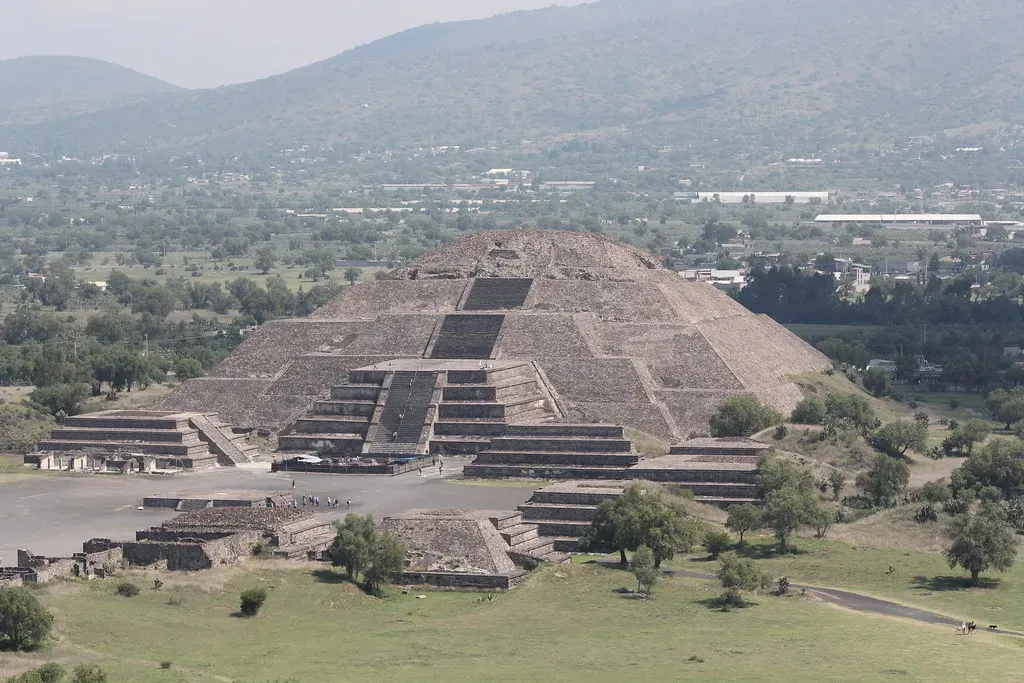
As you follow the arguments over Monte Verde’s age, the reliability of early footprints, or the meaning of a northern settlement, you might be tempted to throw up your hands and decide that no one really knows anything. But if you stay with the process a bit longer, you start to see something healthier going on. You watch scientists challenge old ideas, test new dating techniques, revisit field notes, and argue fiercely over their interpretations. Far from making the past less real, that back-and-forth shows you how knowledge about early civilizations actually grows.
Instead of clinging to a single clean story, you learn to sit with uncertainty and shifting timelines without losing the thread. You realize that your schoolbook narrative was never the final word; it was just a snapshot of what seemed most plausible at the time. As new sites appear and old sites are reanalyzed, you see the Americas’ deep past expanding in all directions, full of people who were experimenting, adapting, and building lives every bit as rich as anything in the Old World. Once you let that sink in, it becomes almost impossible to look at any quiet valley, dusty plateau, or eroded riverbank in the Americas and assume nothing world-changing ever happened there.
Conclusion: Letting Ancient America Back Into the Story
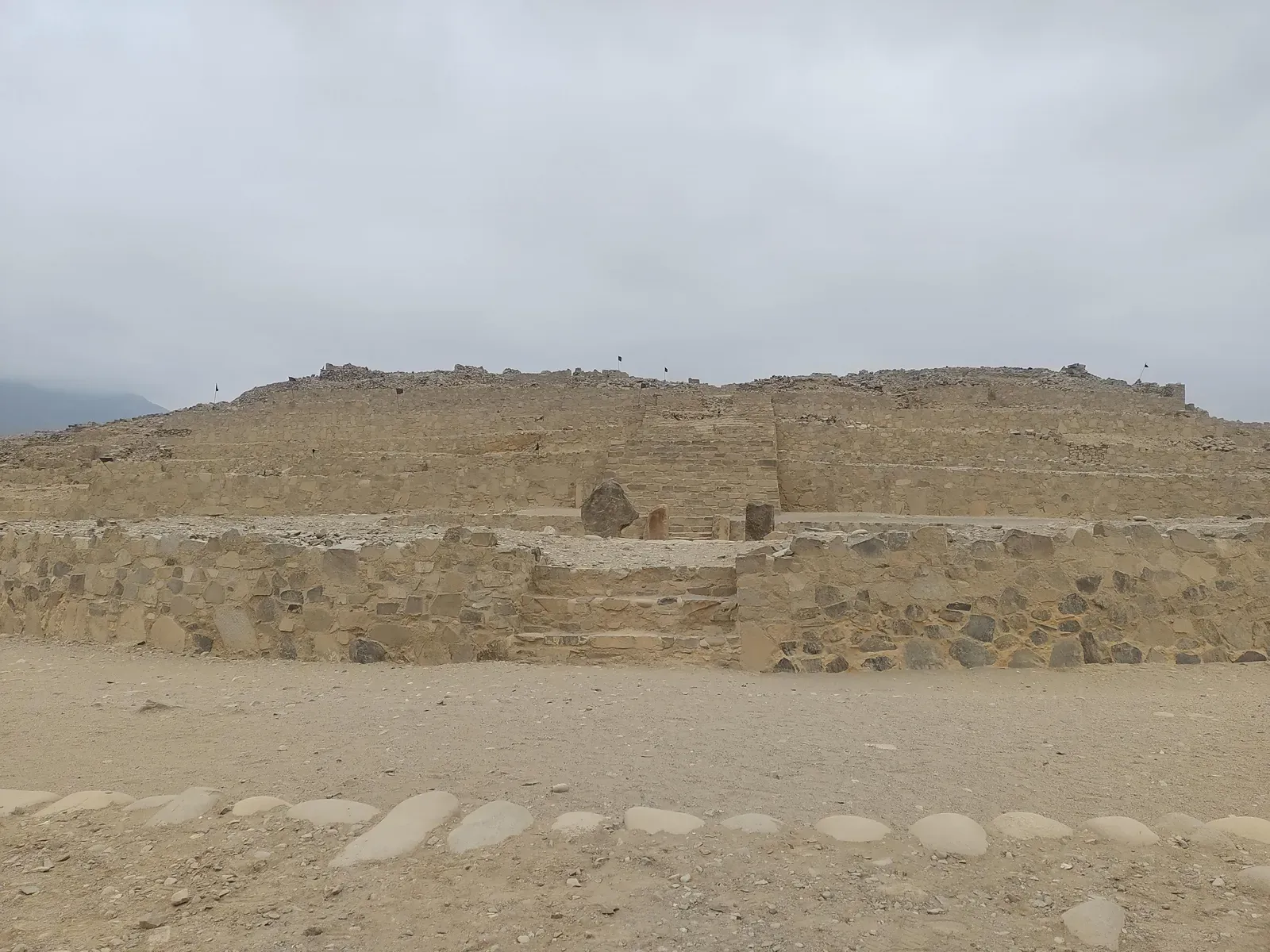
By the time you step back from Caral-Supe’s pyramids, Monte Verde’s muddy creek, far northern camps, and those unsettlingly old footprints, your sense of early civilization has been quietly but permanently rewired. You are no longer convinced that complex society had to start with kings on the Nile or priests in Mesopotamia, while the Americas waited their turn. Instead, you start to see a continent where people were building cities, reshaping landscapes, and forging intricate social worlds on their own schedules, sometimes nearly as early as the most famous Old World centers and sometimes in utterly different ways.
If you let these ancient American sites challenge you, they do more than rearrange a few dates in your head; they pull you into a humbler, more exciting version of human history, one in which innovation could spark almost anywhere people settled down and dreamed big. You are left with a simple but unsettling question: if a desert valley in Peru or a windswept Chilean creek can overturn what you thought you knew, what other quiet patches of ground around you are still holding secrets that could rewrite the story all over again?