If you could regrow a missing arm or repair a damaged organ in a few weeks, your life would look very different. For some animals, that wild idea is just everyday biology. When you watch a salamander calmly sprout a new leg or a starfish rebuild half its body, you are seeing a level of healing that makes human medicine look like slow motion.
What makes this especially fascinating is that, at the deepest level, you and these animals play with many of the same genetic tools. You share a lot of the same genes, the same basic cell types, and the same biochemical signals. The real difference is how those tools are used and controlled. Once you start to understand that, limb regeneration stops feeling like pure science fiction and starts to look like a skill that evolution has fine‑tuned in some species and locked away in others.
The Axolotl: Your Poster Child for Regeneration
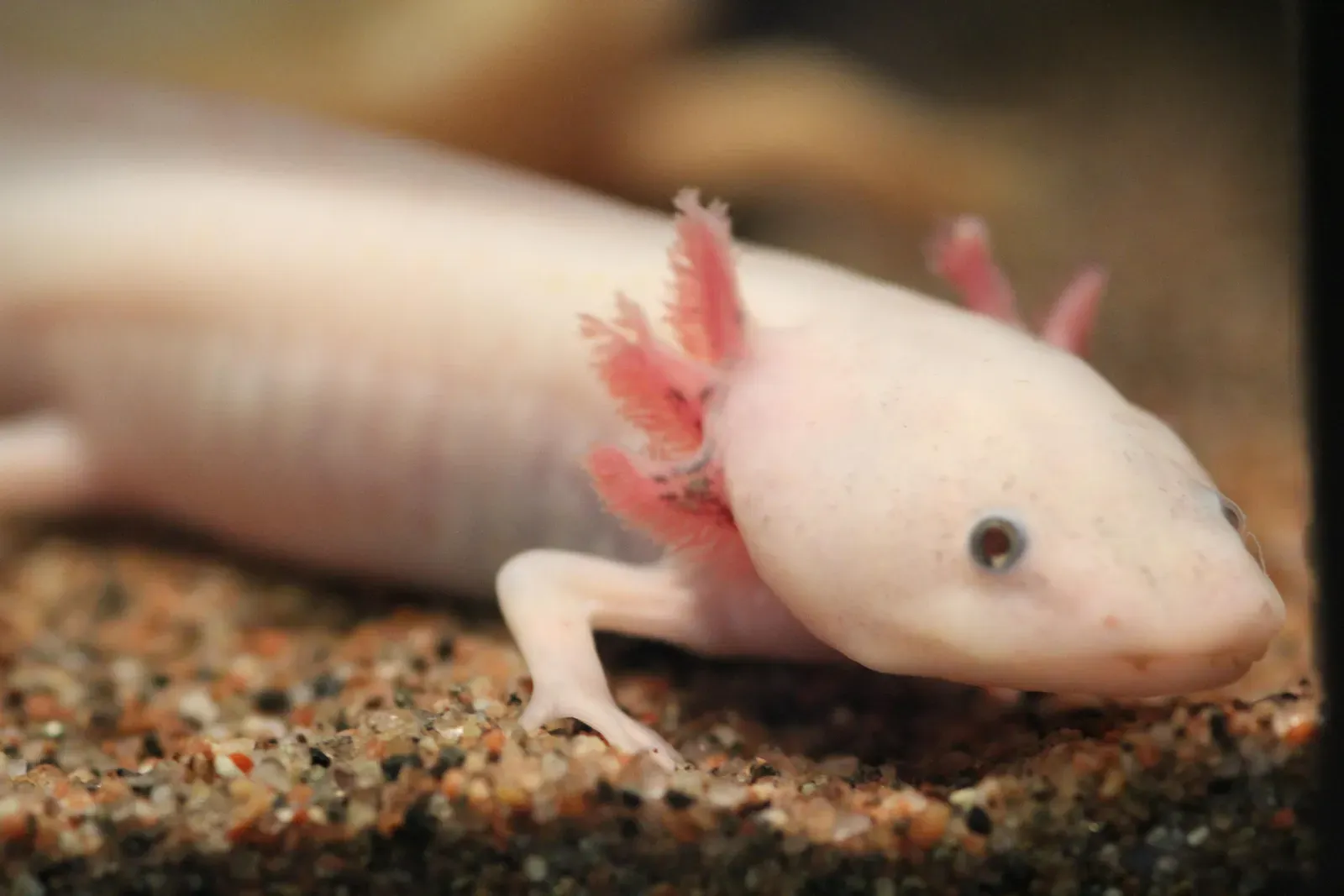
When you think about limb regeneration, the axolotl is the animal you keep coming back to. This strange, permanently “teenage” salamander can lose a leg, a tail, a chunk of its spinal cord, parts of its heart, and even pieces of its brain, and still grow them back with almost eerie precision. You might expect horrible scars and twisted tissue, but what you see instead is a fully formed, working limb, complete with bones, muscles, nerves, and skin.
What makes the axolotl so remarkable for you as a learner is how cleanly its regeneration unfolds. Within hours of an injury, its wound seals without scarring, then a structure called a blastema forms at the stump. This blastema is basically a little clump of rebooted cells that behave as if they are back in an early developmental state. Those cells then rebuild the limb in a step‑by‑step way, much like they did in the embryo, only this time with a roadmap taken from the remaining body.
Starfish and Sea Cucumbers: When Your Whole Body Is a Backup Plan
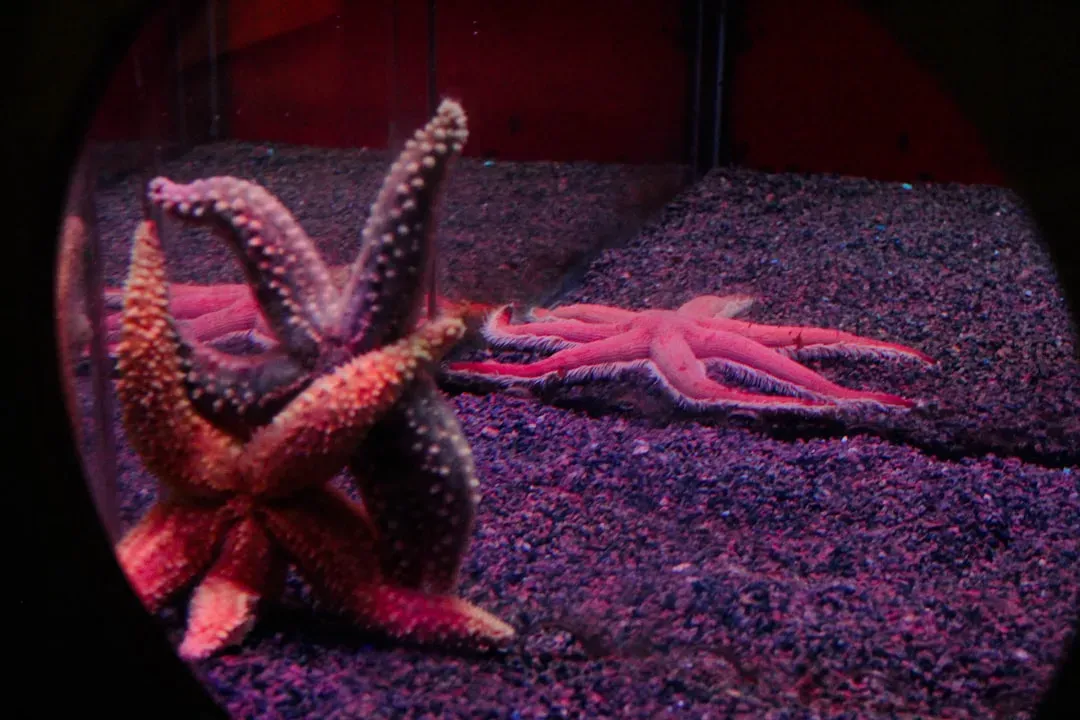
In the ocean, some animals take the idea of redundancy to another level. Starfish can regrow arms, and in some species, even a single arm with a bit of central disk can regenerate an entire new animal. Sea cucumbers can eject parts of their internal organs as a defense trick and then slowly rebuild those organs over time. For you, it is like watching a creature use its own body as disposable armor and then calmly print new parts.
These animals show you that regeneration is not just about limbs; it can be about entire organ systems. The tissues involved can include muscles, nerves, and digestive structures that return to full function. Their cells de‑differentiate, divide, and then re‑differentiate, guided by chemical gradients and positional cues in the body. When you look at them, you see a living proof that even complex organ regeneration is biologically possible, not just a fantasy in futuristic medicine.
Zebrafish: How You Regrow a Heart, Not Just a Fin
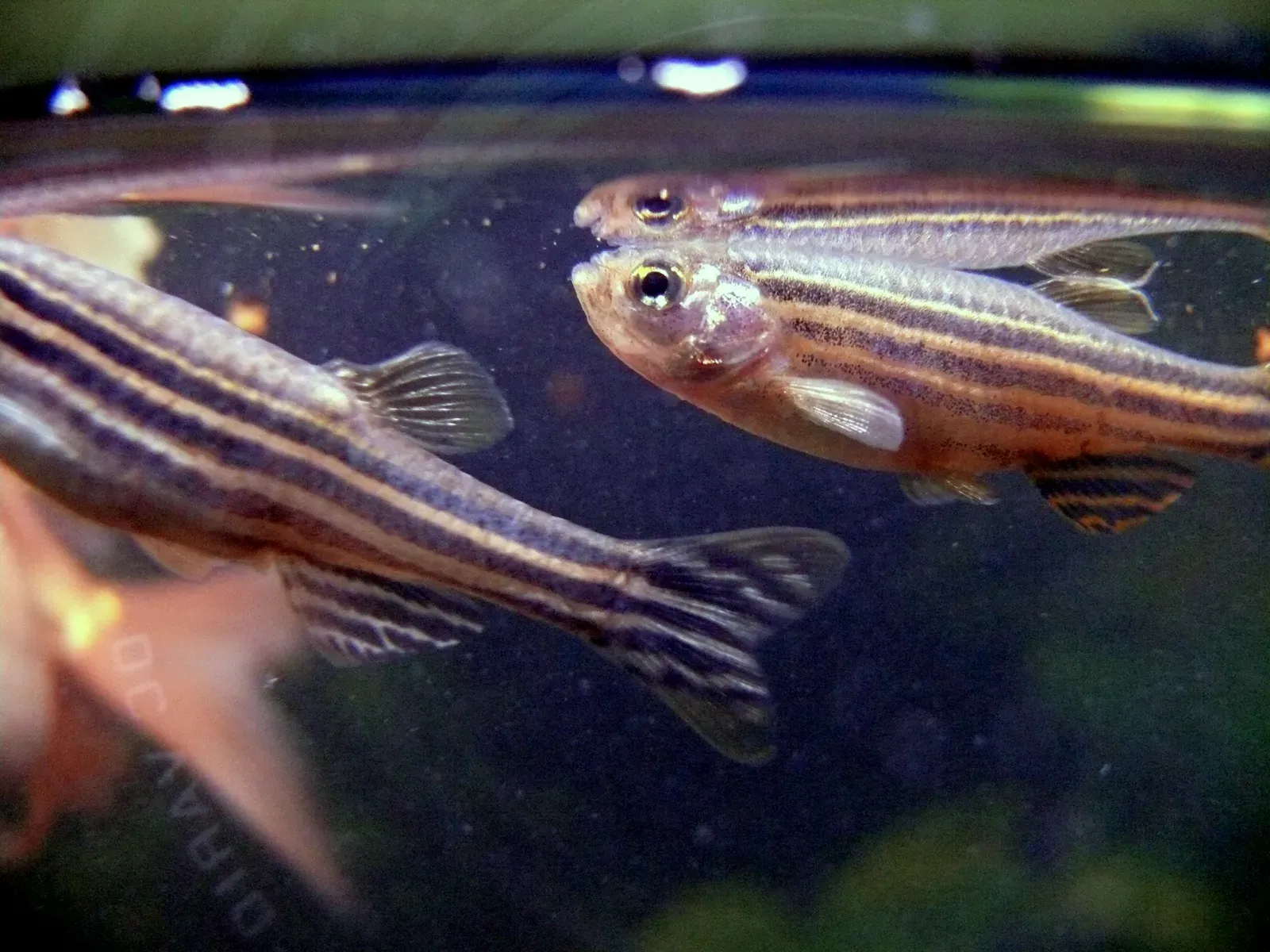
On land you look at salamanders, but in freshwater labs around the world, zebrafish are the quiet superstars of regeneration research. These small striped fish can regrow not only parts of their fins but also large sections of their hearts. If you remove a chunk of zebrafish heart muscle under controlled conditions, the remaining tissue does not simply scar; it launches a coordinated repair program and restores a largely normal heart.
For you, the heart example is powerful because your own species is so bad at this. Your heart responds to injury by forming scar tissue that saves your life in the short term but weakens the organ long term. Zebrafish cardiomyocytes, the heart muscle cells, can re‑enter the cell cycle and divide, instead of just dying or freezing in place. When you study zebrafish, you get a direct hint that adult heart regeneration is not impossible in principle; it is just not something humans currently do well.
Planarian Flatworms: You Cut Them, They Clone Themselves
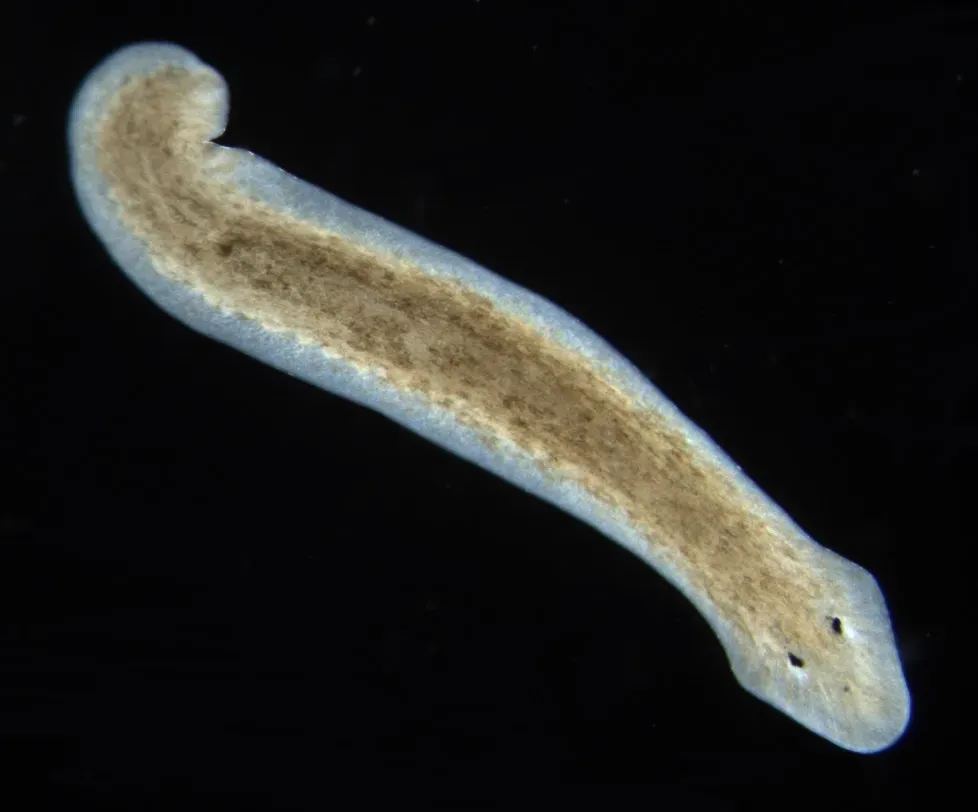
If you want to see maximum regeneration in action, you look at planarian flatworms. You can slice one of these worms into many pieces, and each piece can grow into a complete new worm, with a head, a brain, a gut, and all. For you, it is like watching a living bar of soap that duplicates itself every time you cut it. In the lab, this makes planarians a powerful model for understanding how an entire body pattern can be rebuilt from almost nothing.
The secret behind this trick lies in their abundance of adult stem cells, often referred to as neoblasts. These cells are scattered throughout the body and can generate almost any tissue type. When you injure a planarian, these stem cells swarm to the wound, divide, and then sort themselves into exactly the structures needed. As you study them, you see how a mixture of stem cell potency and positional information can create an almost limitless repair system.
What Actually Happens Inside: Blastemas, Stem Cells, and Cellular Memory
Across all these animals, you keep seeing a few recurring themes in how regeneration unfolds. First, there is rapid wound closure without the kind of scarring you are used to in humans. Then, a blastema or blastema‑like cell mass forms, full of cells that can become many different tissues. Some of these cells de‑differentiate from existing tissues; others may be resident stem cells waking up from a quiet state.
These cells do not grow randomly; they follow positional cues and molecular gradients that tell them where they are and what they should become. The body essentially rereads a partial version of its development program, but now using the stump of the limb or the remaining organ as a guide. When you look closely, you see patterns of gene activity that resemble embryonic development, switched back on in a controlled and localized way. The magic is not just in growth; it is in the precise patterning of that growth so the new limb or organ matches what was lost.
Why You Cannot Regrow an Arm (Yet)
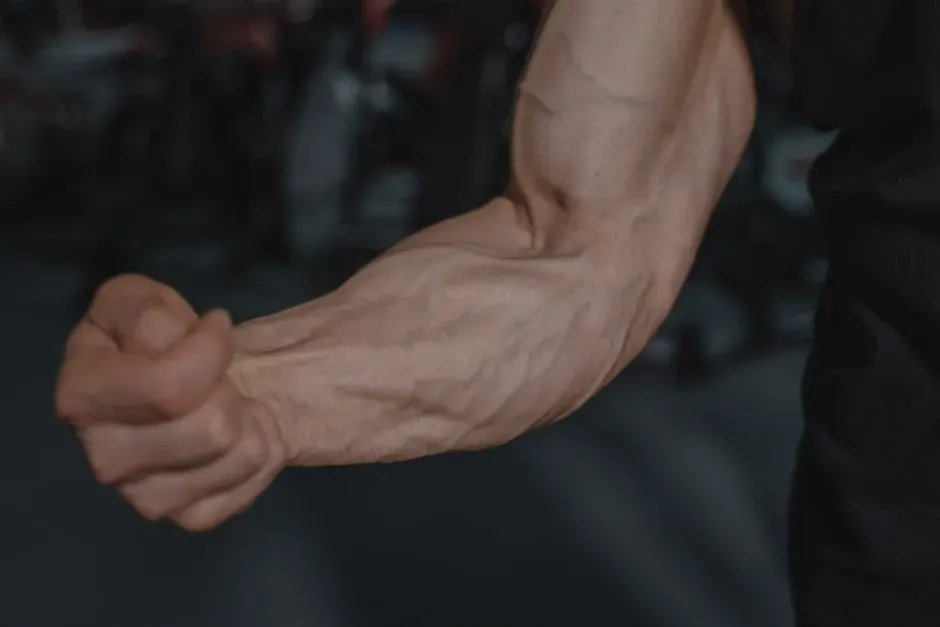
At this point, you might wonder why you cannot just regrow a hand the way a salamander does. The frustrating answer for you is that your body chooses a different healing strategy. Humans close wounds quickly with scar tissue, which stabilizes the injury but blocks large‑scale regrowth. Your immune system also responds in ways that are more geared toward rapid defense than toward rebuilding complex structures.
On top of that, many of your adult cells are reluctant to divide again, and the signals that could coax them back into a regenerative mode are either muted or absent. Some of the genes involved in regeneration are still present in your DNA, but the regulatory switches that control them are set differently. Instead of forming a blastema, you lay down fibrous scar. This choice made sense in an evolutionary environment full of infections and acute injuries, but it left you with limited regeneration, mostly restricted to things like skin healing, liver regrowth, and a bit of nerve repair.
What Regenerating Animals Are Teaching You About Future Medicine
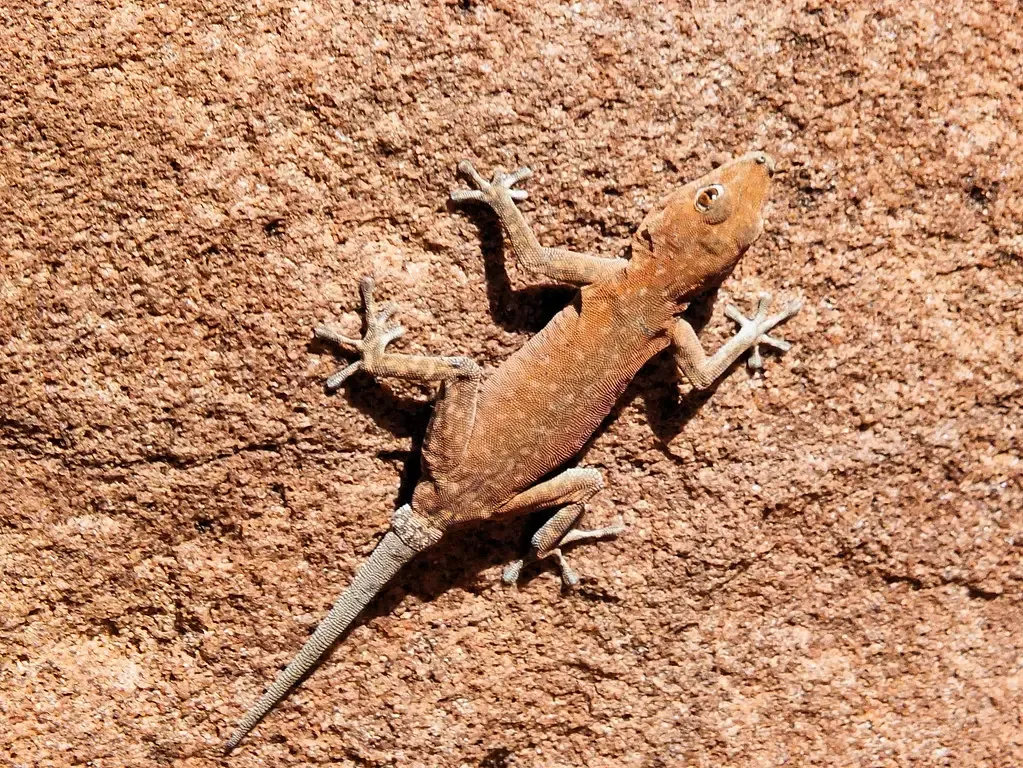
Even if you cannot regrow a limb right now, you are already benefiting from what scientists have learned from these animals. Research on salamanders, zebrafish, and planarians is helping you understand how to coax human cells to behave more flexibly, how to reduce scarring, and how to create better tissue engineering strategies. Every time you hear about lab‑grown organs, bioengineered skin, or improved wound‑healing treatments, you are seeing echoes of lessons borrowed from regenerating species.
There is also a growing interest in reactivating dormant regenerative programs in your own body. By studying the signals that trigger blastema formation or heart regrowth in other animals, researchers are testing ways to nudge human cells into more regenerative states, at least in a controlled, local way. You might not see full limb regeneration in regular clinical practice anytime soon, but targeted improvements in organ repair, spinal cord healing, and scar reduction are very much on the table. The animals are not just biological curiosities; they are your teachers in how to heal better.
Conclusion: A Glimpse of What Your Body Could One Day Do
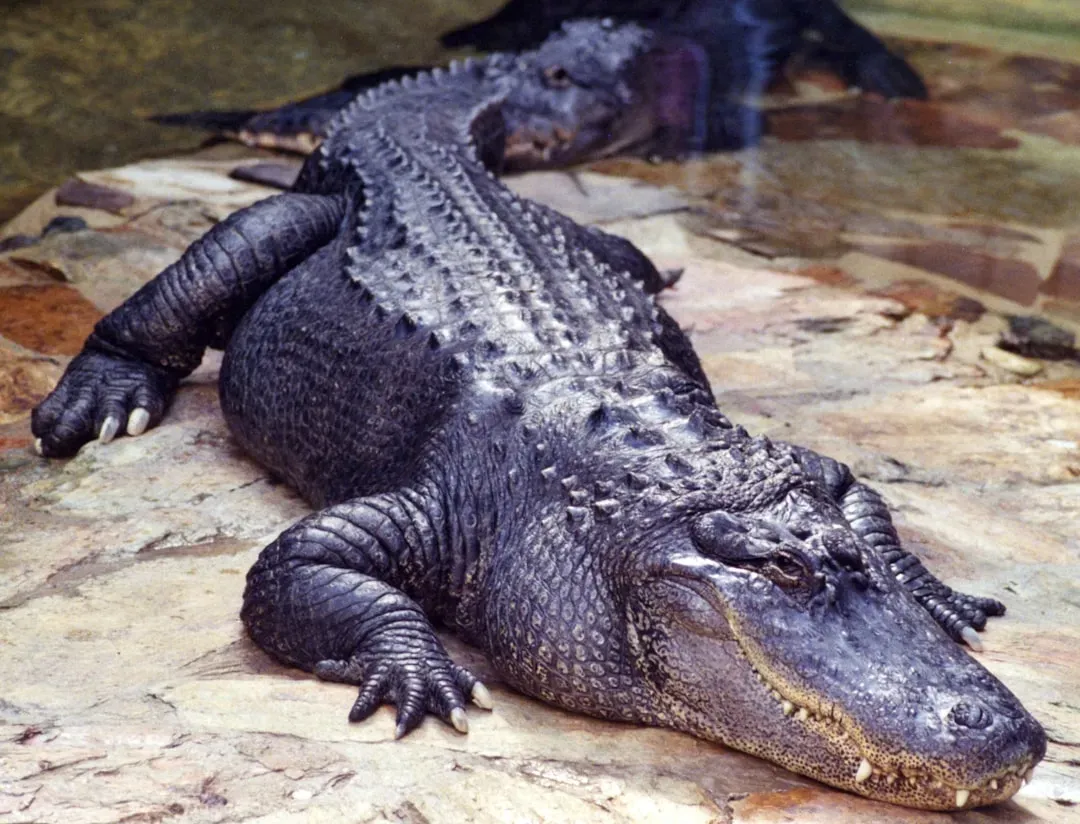
When you step back and look at axolotls, starfish, zebrafish, and flatworms, you are really looking at a set of alternative answers to the same basic problem: how do you survive injury? These animals show you that nature has not committed to a single solution. Some species accept scarring and limited repair; others invest in the riskier but more powerful option of true regeneration. You happen to belong to a camp that chose speed and stability over complete rebuilding.
Still, the fact that regeneration exists at all means you are not dreaming against the laws of biology when you imagine better healing. You are simply asking whether your own species can learn new tricks from its evolutionary cousins. As research continues, you may not become a human salamander, but you could very well see medicine move closer to the kind of seamless repair that now feels like a miracle. If your body already knows how to grow once from a single cell, how surprising would it really be if, one day, it relearns how to grow back what was lost?