If you think getting across town in rush hour is tough, imagine finding your way across an entire ocean with no map, no GPS, and no one to ask for directions. Yet, year after year, animals of every shape and size pull off journeys so extreme they make your longest road trip look like a stroll to the mailbox. When you start to dig into how they do it, the word “impossible” suddenly feels a bit weak.
In this article, you’re about to walk (and swim and fly) alongside ten of the most astonishing migrations on Earth. You’ll see birds that fly from pole to pole, insects that somehow cross continents without any single one of them completing the full journey, and tiny sea turtles that navigate thousands of miles in an ocean that looks, to you, like nothing but endless blue. As you read, you might catch yourself wondering whether animals know something about this planet that you don’t.
1. Arctic Terns: The Pole‑to‑Pole Champions
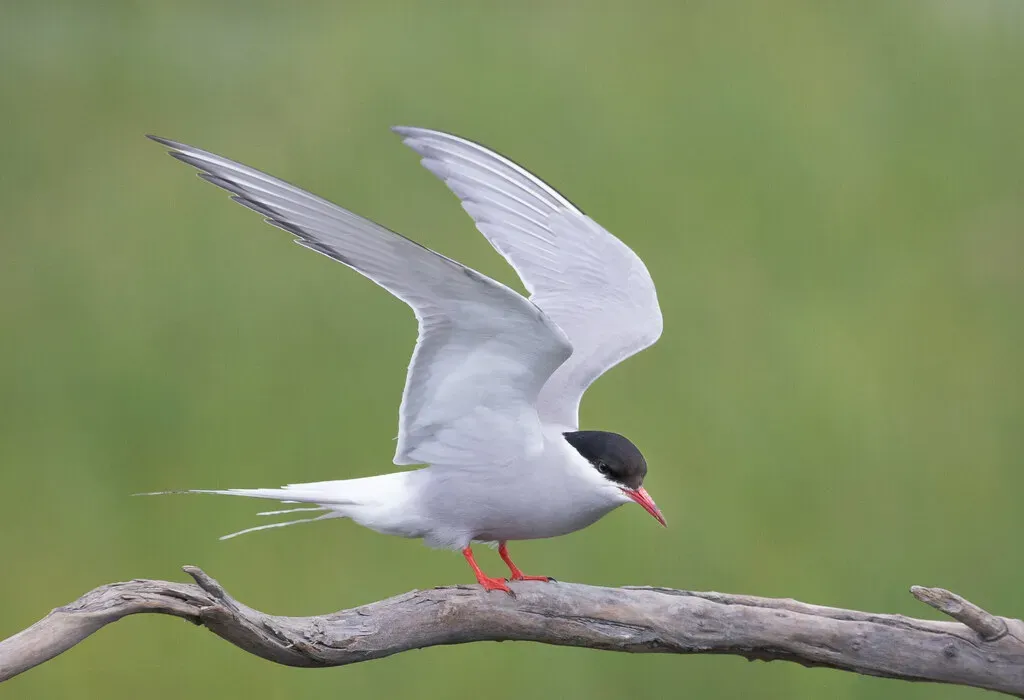
Imagine leaving your home, traveling from one end of the planet to the other, and then turning around and doing it again every single year. That’s essentially what Arctic terns do. These slender white seabirds breed in the Arctic during the northern summer, then migrate all the way to the Antarctic for the southern summer, chasing an endless season of sunlight and food. Over a year, a single tern can travel tens of thousands of miles, and over its lifetime it can rack up a distance that would take you to the Moon and back more than once.
What makes this so mind-bending is how precisely they navigate. You’re talking about a bird that weighs less than a small apple, yet somehow it can read the Earth’s magnetic field, follow subtle wind patterns, and probably use the position of the sun and stars as cues. Scientists have tracked them with tiny devices and found that they don’t even take a simple straight-line route; they use curved paths that take advantage of tailwinds, like expert pilots optimizing fuel. You might use weather apps and satellite maps to plan your vacations; an Arctic tern does the same thing using nothing but instinct and a brain the size of a grape.
2. Monarch Butterflies: A Cross‑Continent Relay Race
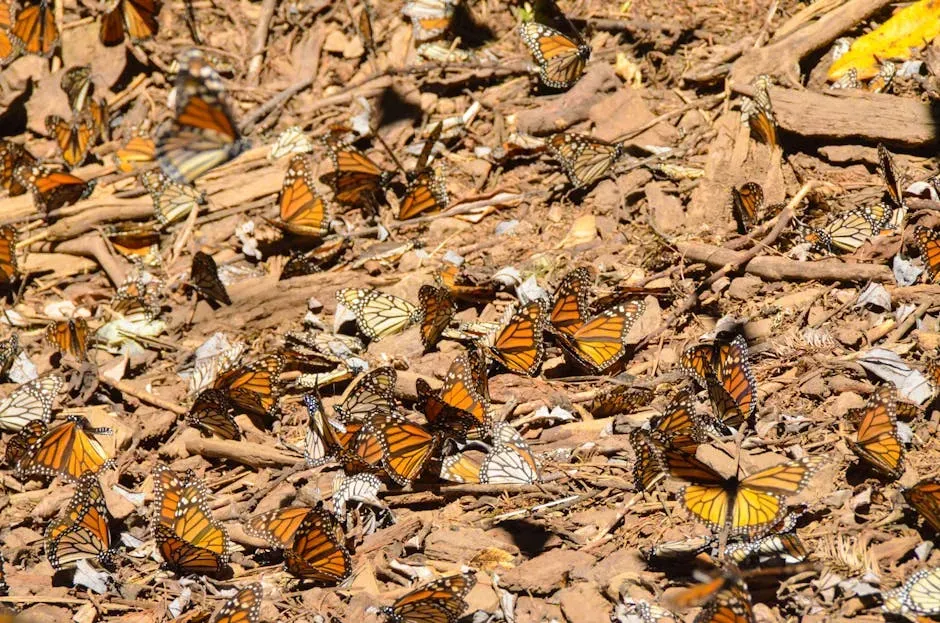
When you picture an epic journey, you probably imagine a single hero making it from start to finish. Monarch butterflies break that idea completely. These delicate insects migrate thousands of miles between parts of North America and a few specific mountain forests in central Mexico. Here’s the twist: no single butterfly usually makes the entire round trip. Instead, several generations are involved, with each one flying a piece of the route and passing the journey on, like a living relay race.
What really scrambles your sense of logic is that the butterflies arriving at the wintering grounds in Mexico have never been there before. The individuals that left the previous year are long gone, yet their descendants return to the exact same groves of trees. You rely on GPS and road signs; they rely on a mix of the sun’s position, the Earth’s magnetic field, temperature cues, and an inherited internal program written into their genes. If you ever feel lost driving through a new city, remember that a creature with paper-thin wings and a brain smaller than a pinhead is navigating half a continent more confidently than you are.
3. Bar‑Tailed Godwits: Nonstop Flights That Redefine Endurance
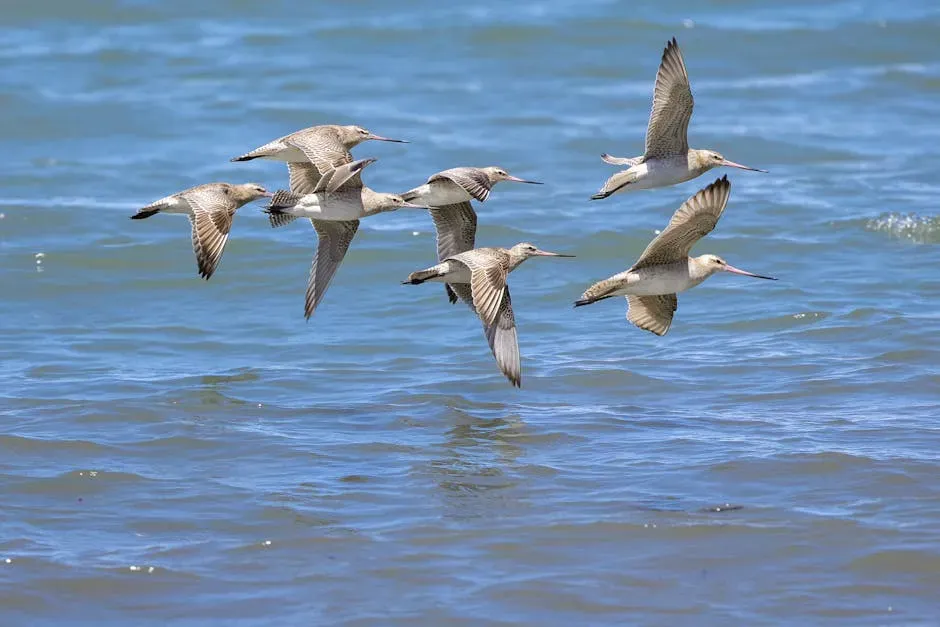
If you’ve ever suffered through a long-haul flight, you know how exhausting it feels to sit in a seat for twelve hours. Now imagine flying for more than a week straight, with no breaks, no layovers, and no food or water. The bar-tailed godwit, a modest-looking shorebird, does exactly that. Some individuals have been tracked flying from Alaska to New Zealand in a single nonstop flight, covering many thousands of miles over open ocean without touching land once.
To pull this off, the bird’s body transforms before migration. It stores huge amounts of fat, shrinks parts of its digestive system to save weight, and turns itself into a living long-range aircraft. You might check fuel levels before a road trip; a godwit calculates energy needs so precisely that it can arrive with only a slim margin to spare. During the flight, it rides winds, adjusts altitude, and corrects its course even when storms try to push it off track. The next time you complain about jet lag, remember that this bird does a longer journey under its own power, with no snacks, no movies, and no chance to stretch its legs.
4. Wildebeest of the Serengeti: A Moving Ocean of Hooves
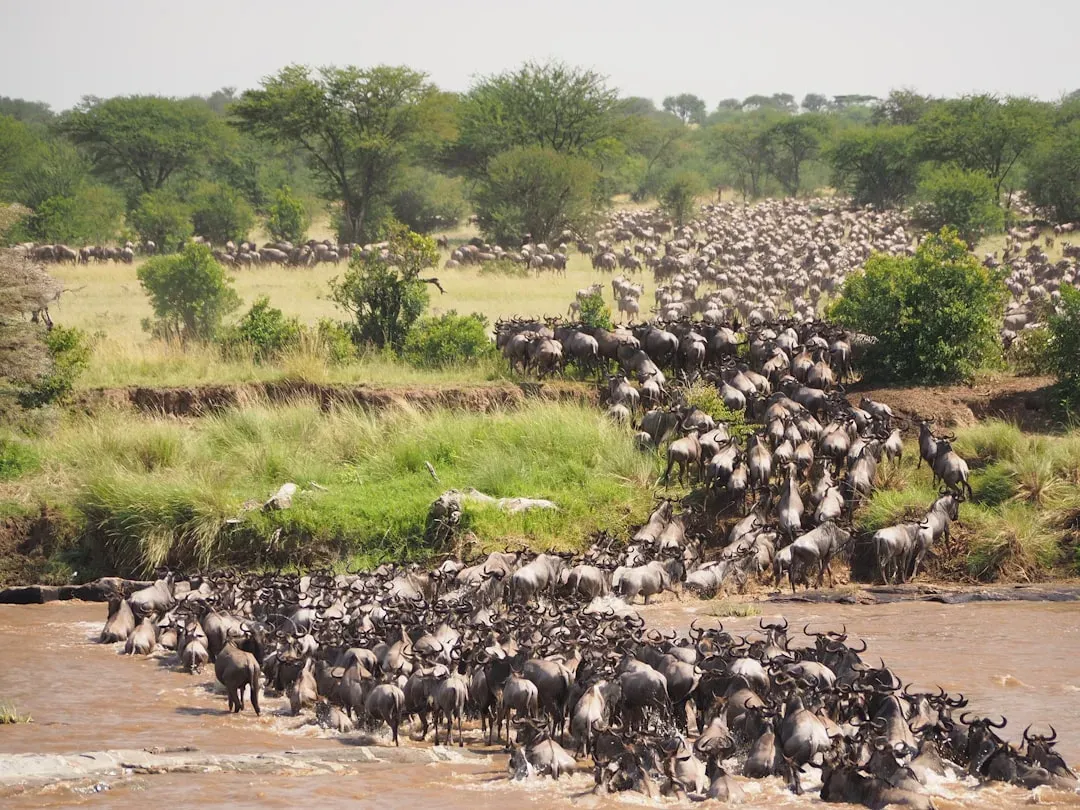
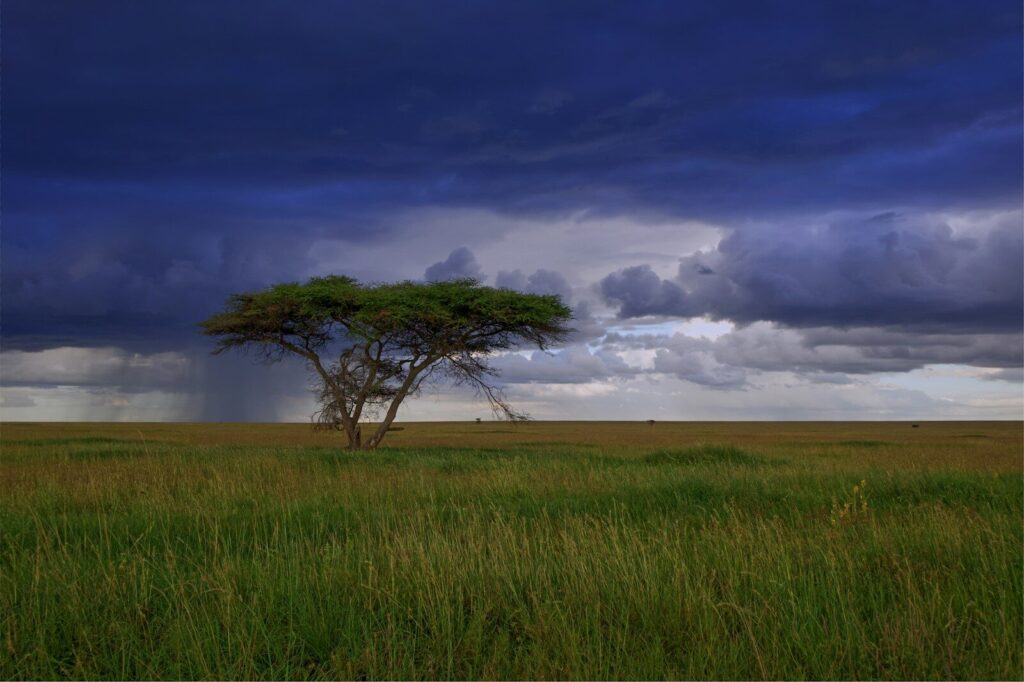
Picture standing on a plain and seeing the ground itself start to move. That’s what it’s like when you witness the great migration of wildebeest in East Africa. Each year, well over a million wildebeest, along with countless zebras and gazelles, follow the seasonal rains in a massive loop across the Serengeti and Maasai Mara ecosystems. To you, it looks like an endless river of bodies flowing over the land, all driven by the simple need to find fresh grass and water.
What feels almost unbelievable is how this vast, unplanned movement keeps the entire ecosystem running. You’re watching a living engine that feeds predators like lions and crocodiles, fertilizes the soil with droppings, and shapes the vegetation patterns that other species depend on. No one coordinates it, there’s no leader with a map, yet the herds somehow respond collectively to rainfall patterns and shifting resources. When they cross rivers thick with crocodiles or pack themselves onto dusty plains under the eyes of hungry big cats, you see a raw, relentless rhythm of survival that’s both brutal and strangely beautiful.
5. Humpback Whales: Giants on a Hidden Highway
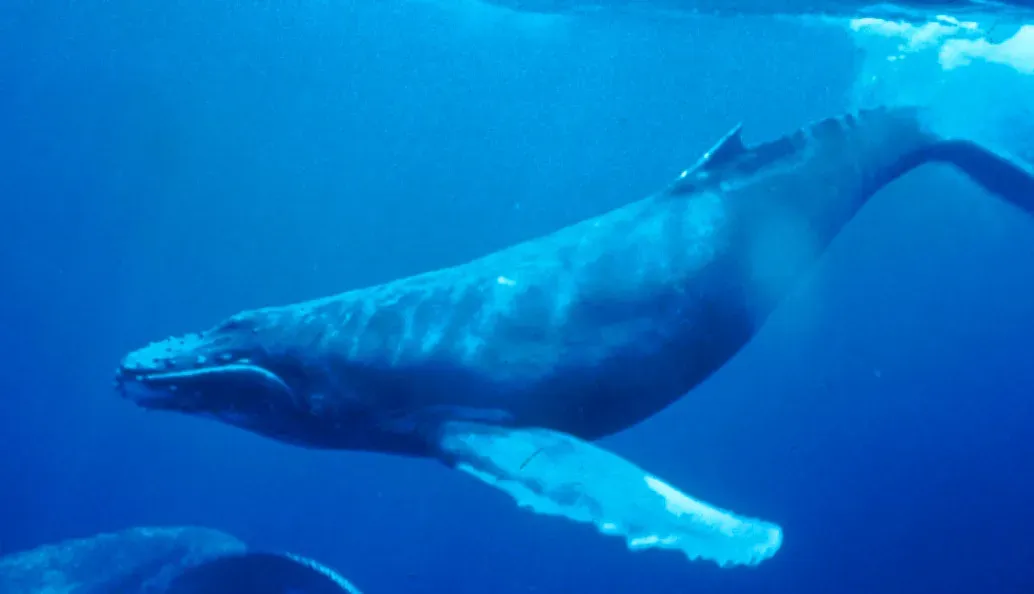
It’s easy to think of the ocean as just a huge blue blur, but humpback whales move through it as if they’re following invisible highways. These giants of the sea migrate between cold, nutrient-rich feeding grounds near the poles and warm, tropical breeding areas closer to the equator. Some populations travel thousands of miles in a fairly straight path, year after year, often returning to the same regions to mate and give birth. To you, it looks like they’ve memorized a route on a map that you can’t see.
What makes this journey so mind-boggling is the precision and consistency. A humpback might be born in warm tropical waters, spend most of its life feeding in icy seas, and still find its way back to the same general breeding area as an adult. You rely on landmarks, signs, and technology to guide you; whales are probably using magnetic cues, the shape of the sea floor, water temperature, and maybe even sound to orient themselves across a vast, three-dimensional world. While you stare at the blank blue surface from a boat, a whale beneath you might be cruising calmly along a route its ancestors have followed for countless generations.
6. Green Sea Turtles: Returning to a Beach They’ve Never Seen
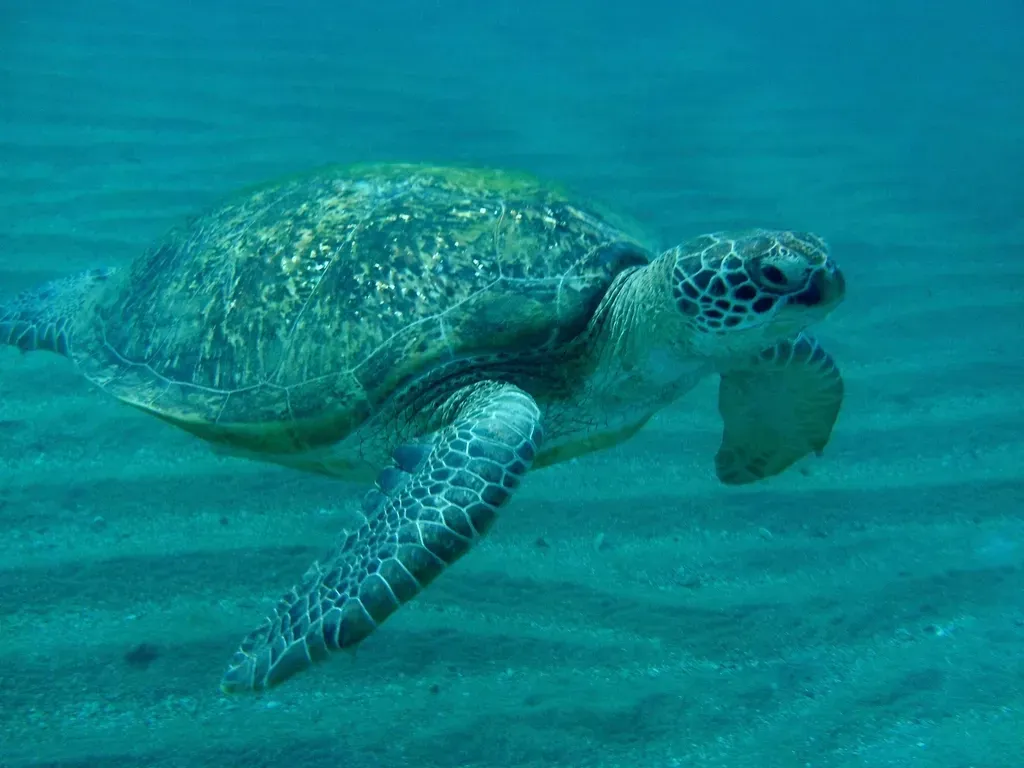
Imagine being taken far from your birthplace as a tiny child, growing up with no memory of home, and then somehow finding your way back to the exact neighborhood decades later. Green sea turtles come astonishingly close to doing just that. Females hatch from sandy nests on specific beaches, disappear into the sea for years, and then, when they reach maturity, return to lay their eggs on the very same stretch of coastline where they started life. Some journey for thousands of miles across open ocean to get there.
Scientists believe these turtles can sense the Earth’s magnetic field like a built-in compass, storing a kind of magnetic fingerprint of their birth beach. You might think of it as a tattoo you can’t see but can somehow feel when you get close. As they swim through seemingly featureless blue water, they are constantly sampling subtle cues in temperature, currents, and the magnetic field. You get lost driving to a new supermarket, while a turtle that has not seen its natal beach for decades can zero in on it with unshakable determination and uncanny accuracy.
7. Salmon: From River to Ocean and Back Again
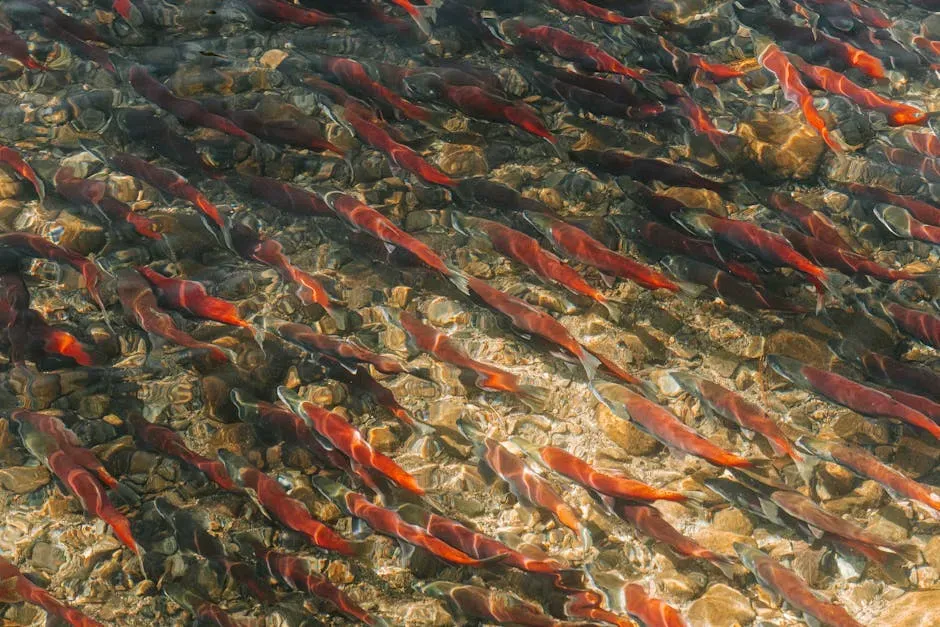
If you’ve ever tried to retrace your steps in a confusing city, you know how hard it is to find your way back to one exact spot. Pacific salmon do that on a scale that makes your mental map look embarrassingly small. Born in freshwater rivers and streams, they drift downstream to the ocean, spend years roaming vast marine waters, and then somehow navigate all the way back to the very stream where they hatched. They do this against currents, past waterfalls, and through obstacles that would turn you back in minutes.
Salmon seem to rely on a sort of chemical memory. As young fish, they imprint on the unique smell of their home river. When it’s time to return, they follow general cues like the Earth’s magnetic field to reach the right coastline, then use their sense of smell like a finely tuned GPS to home in on their natal stream. You use street names and numbers; they decode faint scent traces carried by flowing water. Watching a salmon launch itself up rapids and leap over barriers, you’re not just seeing raw strength and determination. You’re seeing an animal trust an invisible map that it began drawing the moment it was born.
8. Caribou: Long‑Distance Trekkers of the Frozen North
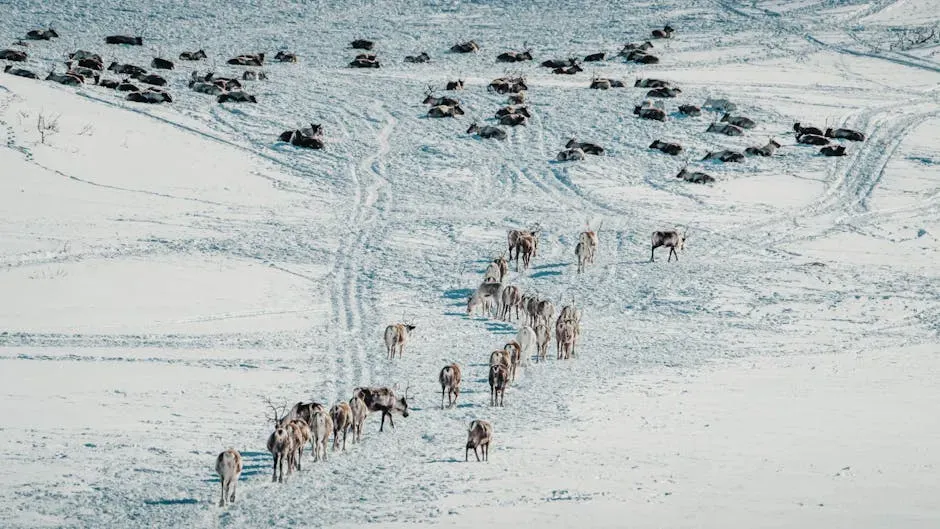
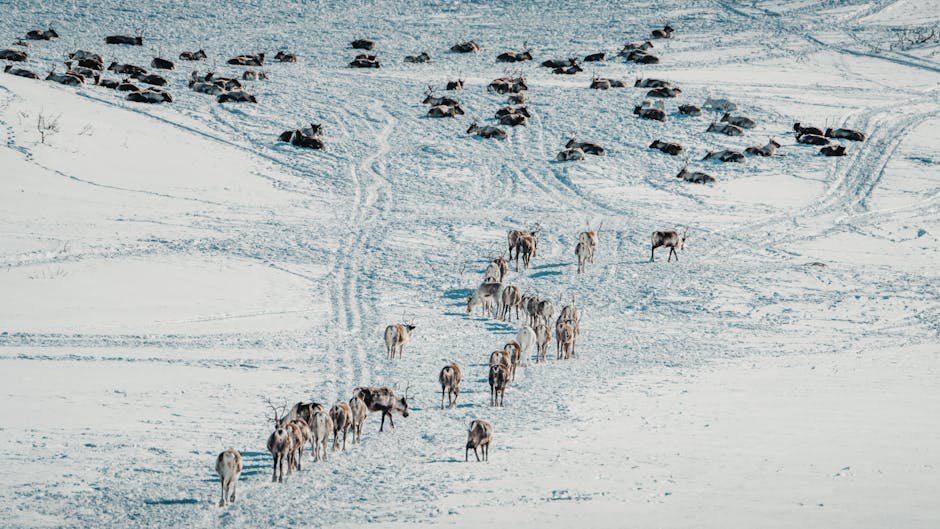
When you hear “migration,” you might think of a straight line from point A to point B. Caribou (or reindeer, depending on where you live) break that simple picture with sprawling, looping journeys across the Arctic tundra. Some herds travel many hundreds, even thousands, of miles each year, moving between wintering grounds in the forests and calving areas in the open tundra. You’re looking at a slow-motion river of animals that can stretch for miles, trudging across snow, ice, and boggy ground in some of the harshest conditions on Earth.
What makes it feel almost impossible is how sensitive these migrations are to subtle seasonal changes. Caribou time their movements to match the emergence of fresh plants for grazing and to escape swarms of biting insects that can torment them in warmer months. You might check weather apps to decide when to go outside; caribou simply read the land, snow depth, wind, and temperature through experience and instinct. As they cross rivers, climb ridges, and fan out across the tundra, they’re not just surviving. They’re also shaping the landscape, trampling snow, dispersing seeds, and feeding predators like wolves and bears along their path.
9. Dragonflies: Tiny Fliers with Giant Journeys
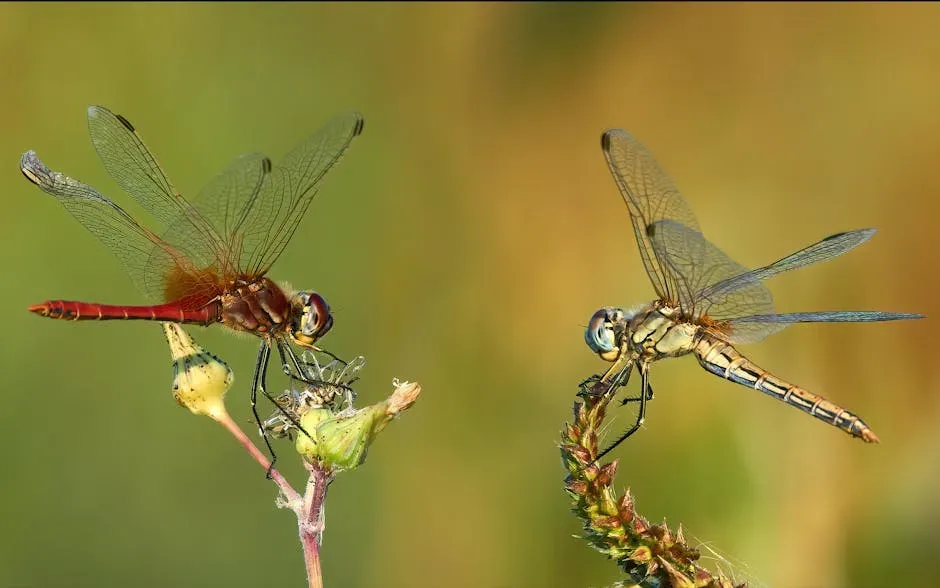
When you see a dragonfly darting around a pond, it does not exactly scream “global traveler” to you. Yet some dragonfly species migrate astonishing distances, crossing oceans and continents in a way that rivals many birds. One tropical species has been documented moving back and forth between Asia and Africa by hopping across the Indian Ocean, using islands as stepping-stones. The total journey can span thousands of miles, and it is completed over several generations, with each wave of dragonflies moving the front line farther along.
What’s wild is that you are dealing with an insect that seems fragile and short-lived, yet its population acts like a single, long-distance traveler stretched out over time. The individuals that start the migration are not the same ones that finish it, but the overall movement remains consistent year after year. You plan family vacations months in advance; these insects respond almost instantly to shifts in rainfall and wind currents, using high-altitude winds like free expressways. For something you can gently hold on your fingertip, their sense of direction and their willingness to ride the sky puts many of your carefully organized journeys to shame.
10. Eels: Secretive Travelers of Rivers and Seas
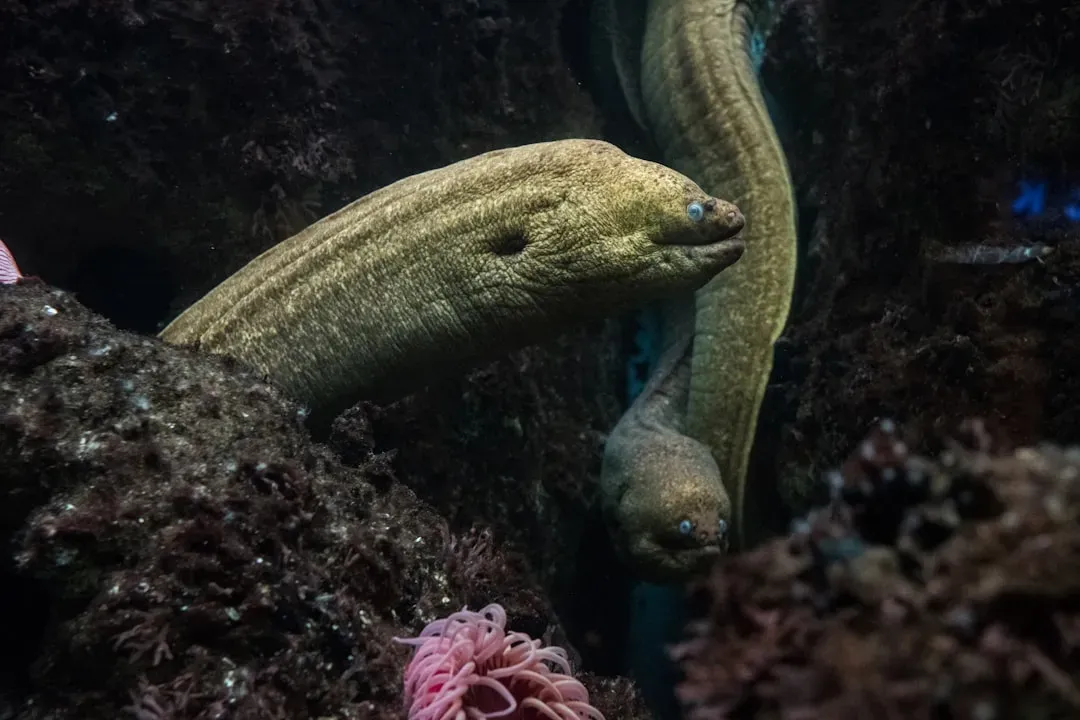
If there’s one migration that feels like it slipped out of a mystery novel, it’s the journey of eels. In parts of Europe and North America, you might see eels living quietly in rivers, lakes, and coastal waters for years, sometimes decades. Then, at a certain point, they undergo a dramatic physical change and head out to sea. The truly bizarre part is that they’re believed to travel thousands of miles to a relatively remote region of the Atlantic Ocean to spawn, after which the adults die. Their tiny offspring then drift back on ocean currents to colonize the same rivers their parents left, even though no one guided them there.
What makes this so logically baffling is how many details still puzzle scientists. You live in an age of satellites and deep-sea robots, yet some parts of the eel’s life cycle remain partly in the shadows. You know the broad strokes: river to ocean, spawning in the deep, open water, then larvae drifting back toward land. But the exact routes and mechanisms eels use for navigation are still being pieced together. While you pride yourself on how much humanity has mapped and measured, an animal that looks like a simple, slippery ribbon is quietly slipping in and out of your understanding, completing a migration that almost feels mythical.
When you look across all these migrations, you start to see the planet as a web of invisible roads and skyways that animals follow with staggering precision. You rely on technology and written directions; they follow instincts, magnetic fields, scent trails, and seasonal rhythms that are far older than any map you can print. Every year, often without you noticing, millions of creatures are rewriting what you think is physically and mentally possible.
Maybe the most humbling part is this: you share the same world, breathe the same air, and walk under the same sky as these travelers, yet much of their expertise is still beyond you. Their journeys are reminders that the Earth is not just a place you live on, but a living system you’re still learning to read. The next time you watch a bird overhead or a small insect by a window, you might wonder what invisible path it could be following – and where, if you could somehow join it, that path might take you. Did you expect so many of nature’s greatest travelers to be hiding in plain sight around you?