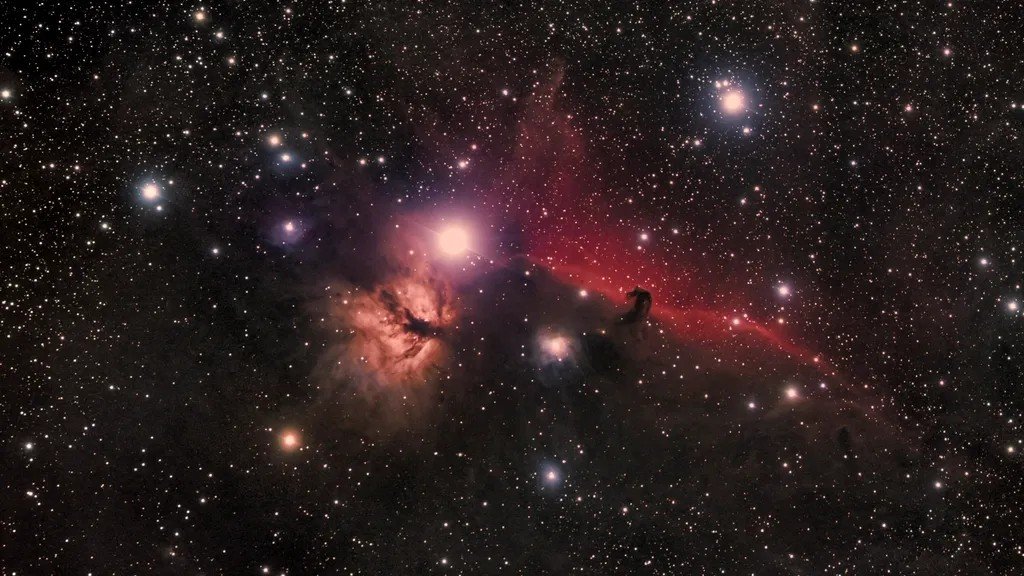
You probably grew up with a simple picture of the universe: a big dark space with stars scattered around and maybe a few planets spinning quietly. Then you start digging into what scientists have actually found, and that picture falls apart in the best possible way. The universe turns out to be stranger, wilder, and more counterintuitive than almost anything you could make up in fiction.
In this article, you’ll walk through five discoveries that completely rewired how humans see reality, from the way planets move to the way time itself behaves. As you read, you might notice something unsettling but also thrilling: your everyday intuitions are not built for this cosmic scale. And once you really sit with these ideas, you never look at a night sky, a ticking clock, or even your own body quite the same way again.
1. You Discover the Universe Is Expanding, Not Static
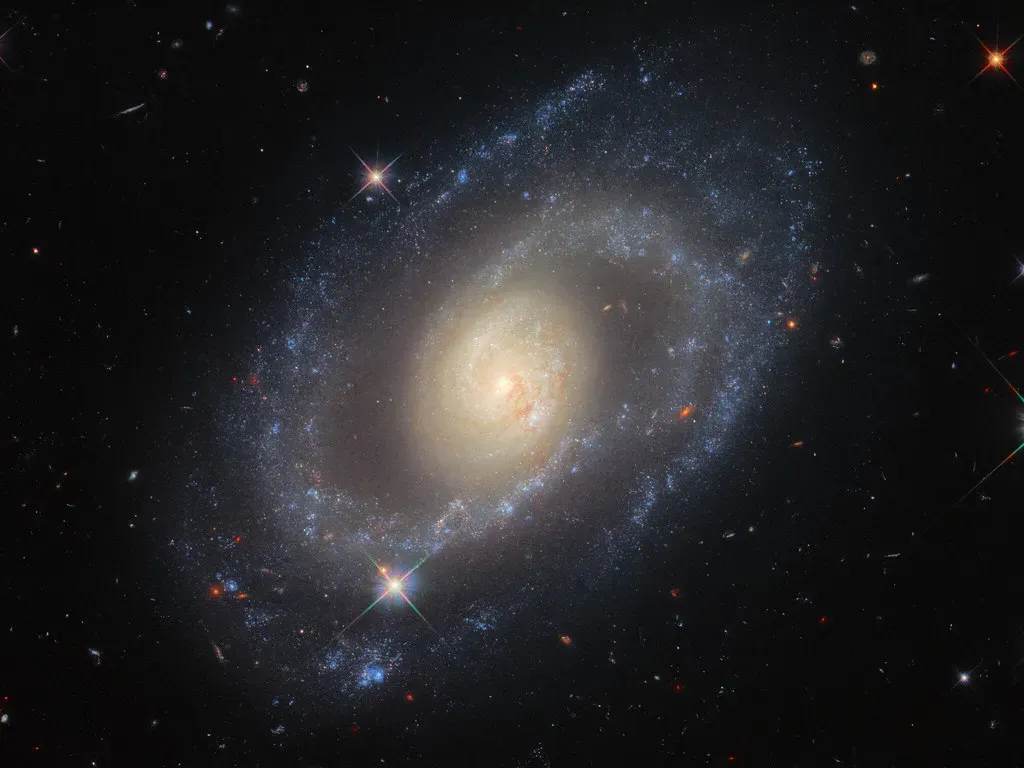
If you imagine the universe as a quiet, unchanging backdrop, you are actually picturing something scientists once believed too. For a long time, the dominant idea was that the cosmos was static, just eternally hanging there. Then, when you look at distant galaxies through the lens of modern astronomy, you find something shocking: their light is stretched, shifted toward the red end of the spectrum, which tells you they’re racing away from you. The farther away they are, the faster they seem to be receding, as if space itself is stretching like a balloon being blown up.
This simple observation forces you to accept that the universe has a history: it used to be smaller, denser, and hotter than it is now. When you trace that expansion backward, you land on the idea that everything was once packed into an unimaginably tiny, energetic state often described as the beginning of the observable universe. You are no longer living in a static, eternal stage set; you’re living inside a dynamic story that has a past and will have a future, with galaxies drifting apart over billions of years until the night sky itself could look utterly different from what you see now.
2. You Learn Gravity Is the Warping of Space and Time
You probably grew up thinking of gravity as a kind of invisible glue that pulls things together: the Earth pulls you down, the Sun pulls planets into orbit, and that’s that. But when you step into the world of modern physics, you’re told that this picture is completely wrong or at least deeply incomplete. Instead of a force reaching out through empty space, you discover that space and time themselves form a flexible fabric, and massive objects like stars and planets bend this fabric. You and everything else simply follow the curves, like marbles rolling along a warped rubber sheet.
This way of seeing gravity leads you to some weird and beautiful consequences. Time itself does not tick at a universal rate; your clock runs slightly differently on a mountain than at sea level because gravity influences the flow of time. Near extremely massive objects, time slows down dramatically compared to regions where gravity is weaker. When you really let that sink in, you’re forced to let go of the comforting idea of a single, universal “now” and accept a universe where space and time are intertwined and elastic, shaped by matter and energy everywhere.
3. You Realize Matter and Energy Come in Tiny, Probabilistic Packets
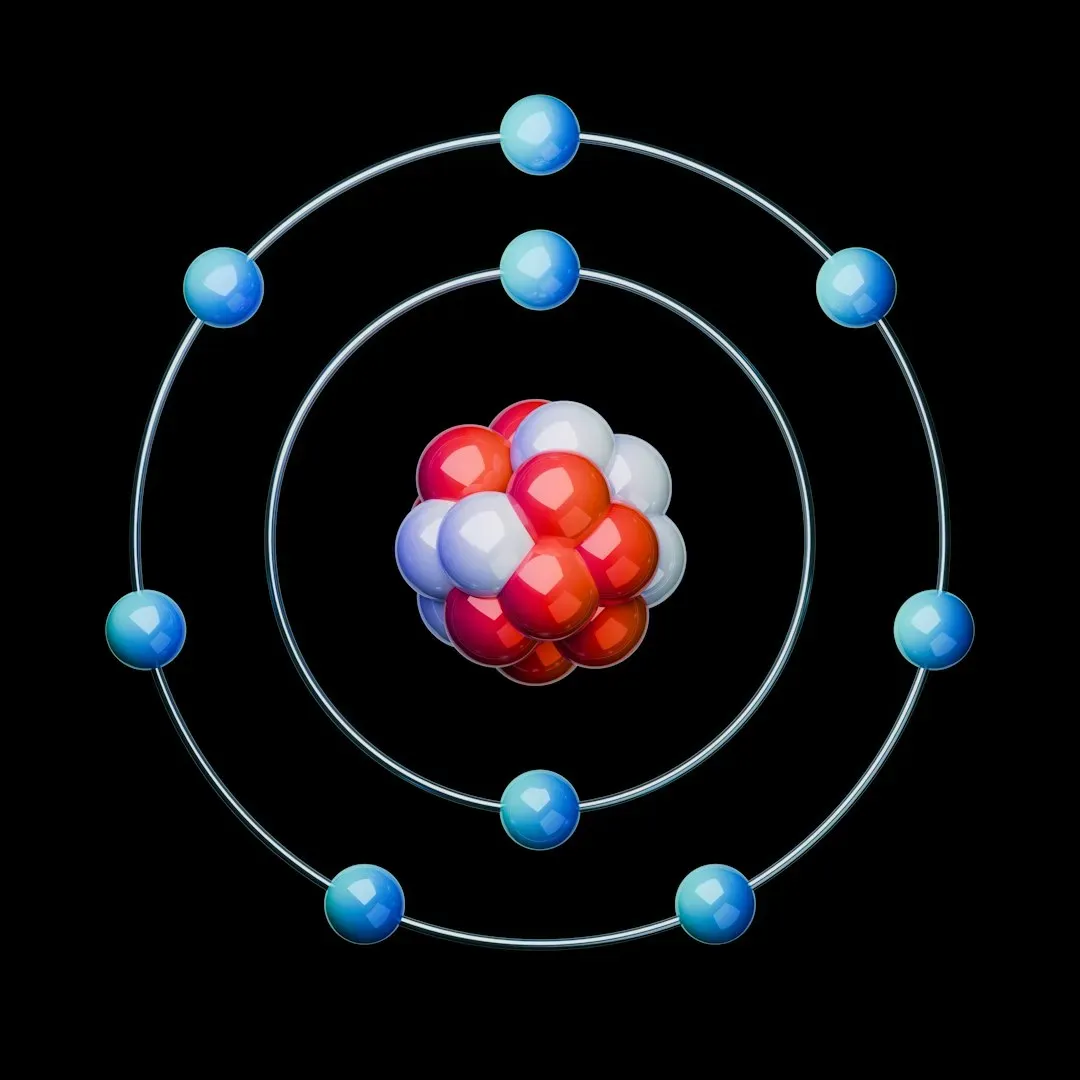
At human scale, you’re used to things behaving predictably: if you throw a ball, it follows a clear path; if you flip a light switch, the room turns on or off. But when you zoom down to the subatomic world, that sense of certainty evaporates. You find that light and matter are not smooth and continuous; they come in discrete packets, and their behavior is governed by probabilities rather than definite outcomes. An electron does not neatly circle a nucleus like a tiny planet; it exists in a cloud of possible positions, and you can only assign odds to where you might find it if you measure.
This quantum way of thinking forces you to accept that reality, at its most fundamental level, does not behave like the solid, clockwork machine you intuitively imagine. Instead, you’re dealing with wave-like patterns of possibility that only “collapse” into specific outcomes when they interact or are observed. Everyday objects still follow predictable rules because you’re averaging over unimaginably huge numbers of particles, but underneath that apparent stability is a restless, uncertain world. The device you’re using right now only exists in its current form because engineers learned to harness these quantum rules to build things like transistors, lasers, and modern electronics.
4. You Confront the Dark Side: Invisible Matter and Energy Dominate
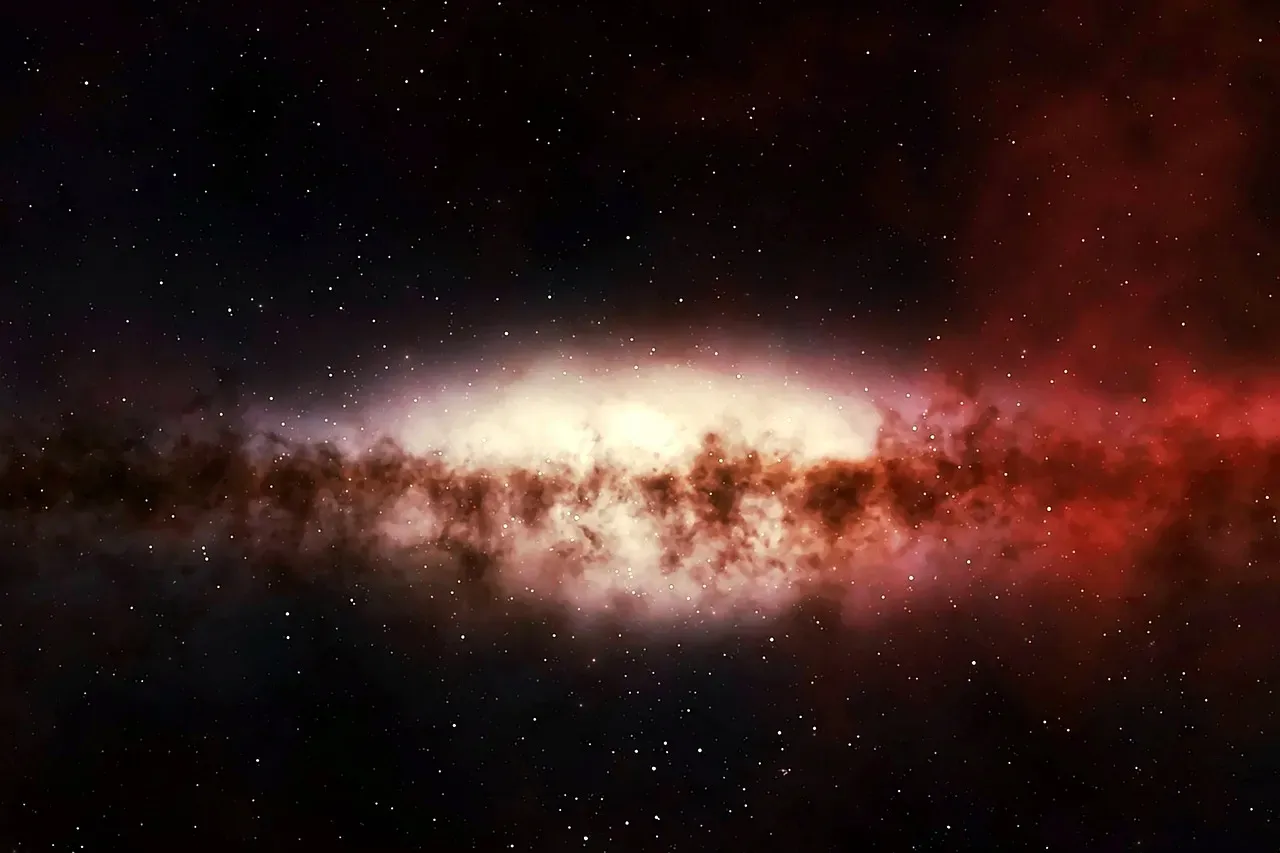
When you look at the night sky, it feels like you’re seeing the main ingredients of the universe: stars, planets, glowing gas, all the bright and beautiful stuff. But once astronomers start measuring how galaxies spin and how clusters of galaxies hold together, the numbers refuse to cooperate. The visible matter you can see simply does not provide enough gravity to explain their motions. To make sense of this, you’re led to something deeply unsettling: most of the matter in the universe is invisible, does not emit or absorb light, and can only be detected through its gravitational influence. You call this mysterious ingredient dark matter, and it outweighs ordinary matter by several times.
As if that weren’t strange enough, when you examine the expansion of the universe more closely, you discover that it is not just expanding, it’s accelerating. To explain that, you have to introduce another unknown component, often called dark energy, which seems to act like a kind of built-in push in the fabric of space itself. Put it all together, and you find that the atoms making up you, Earth, and every star you can see account for only a small fraction of the total cosmic inventory. You are built from the exception, not the rule, living in a universe whose dominant ingredients you still do not fully understand.
5. You Discover That You Are Literally Made of Star Stuff
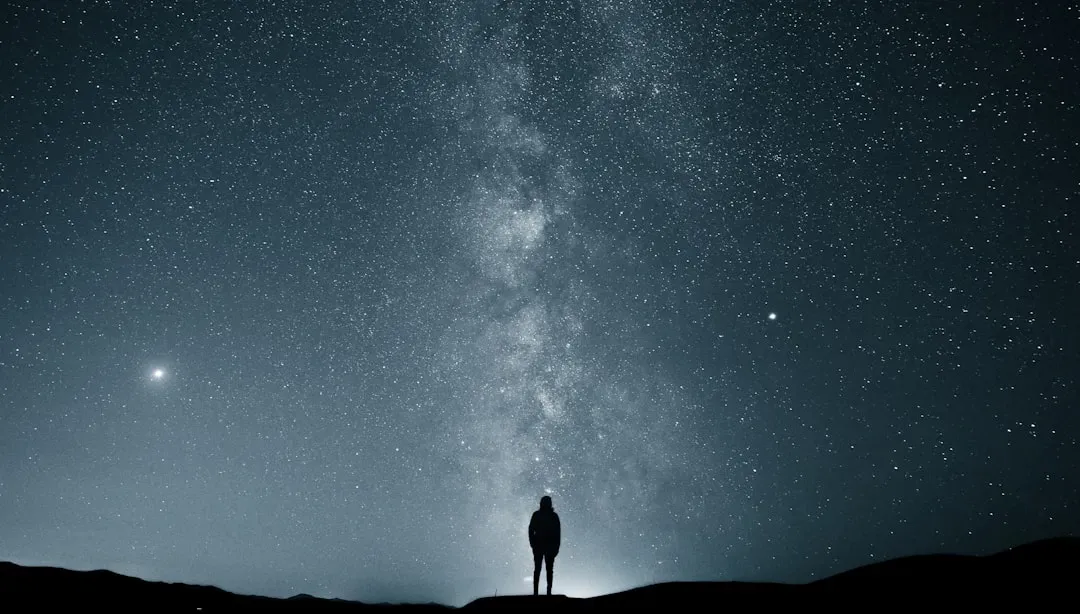
If you look at your hands, you might think of yourself as something completely separate from stars and galaxies, just a person going about daily life. But when you follow the trail of your atoms back in time, you end up inside the hearts of long-dead stars. In the early universe, the main elements were mostly hydrogen and helium, the lightest building blocks. Heavier elements like carbon, oxygen, calcium, and iron – the ones that make up your bones, blood, and brain – were forged later inside stars through nuclear reactions and then scattered across space when those stars exploded.
Over many generations of stars forming, burning, and dying, the universe gradually enriched itself with these heavier elements. Some of that material later condensed into new stars, planets, and eventually living beings like you. So when you breathe, move, think, or simply sit quietly, you’re acting out the latest chapter of a story that started in stellar cores billions of years ago. You are not a spectator looking up at a distant universe; you are the universe becoming aware of itself, made of the same ingredients as the stars you see at night.
Conclusion: Living in a Stranger, More Beautiful Universe Than You Expected
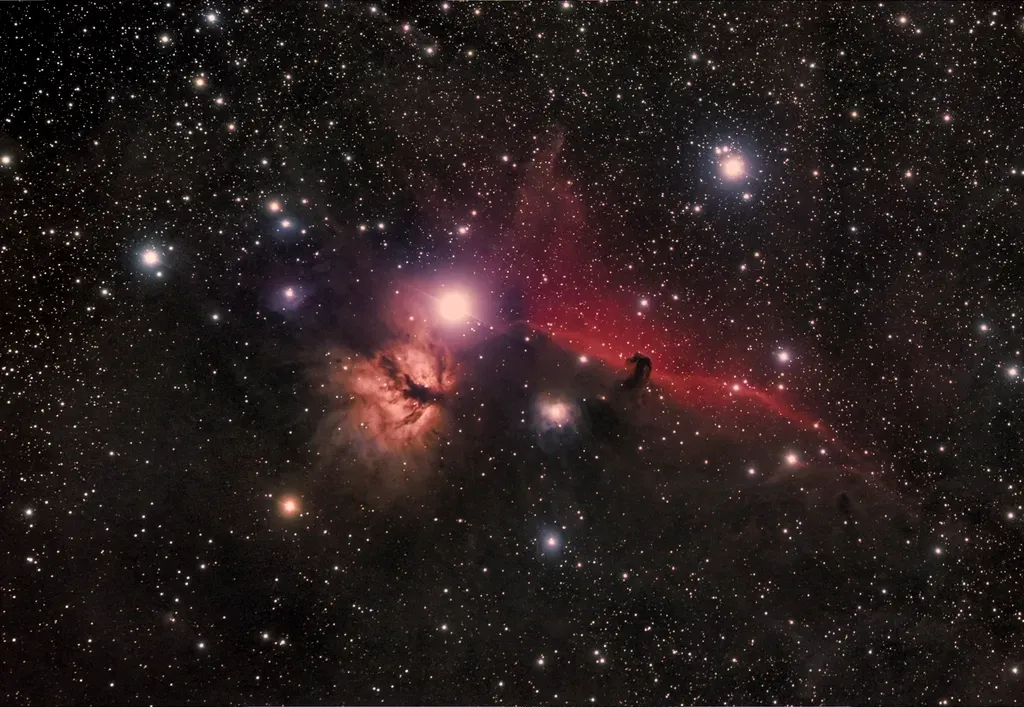
By the time you step back from these discoveries, your original, simple picture of the universe is gone for good. Instead of a static cosmos, you now see a universe that expands, evolves, and may continue changing in ways you can barely imagine. Instead of a rigid stage, you have a flexible fabric of space and time, curved by mass and energy and shaping the passage of every second you experience. Instead of solid certainty at the smallest scales, you’re dealing with a restless quantum world where probability rules.
On top of that, you live in a universe where the visible is only a small part of the story, with dark matter and dark energy silently steering the grand cosmic drama. Yet out of that strange mix, stars forged the atoms of your body, making you a direct product of cosmic history, not an outsider looking in. Once you really absorb that, your place in reality feels both humbling and exhilarating at the same time. Next time you look up at the sky, will you still see “empty space,” or will you feel that you are right in the middle of something far larger and more mysterious than you ever guessed?