You probably carry a supercomputer in your pocket, stream films in seconds, and can ask a voice assistant almost anything. Yet, if you look back a few centuries – or a few thousand years – you’ll find technologies that still stump modern engineers, outlast modern materials, or quietly outperform what you’re used to today. It is both humbling and a little unsettling to realize that for some problems, ancient people arguably did it better than you do now.
As you go through these examples, you’ll see a pattern: ancient technologies were usually simple, robust, repairable, and deeply adapted to their environment. They did not always need electricity, plastic, or software updates to work astonishingly well. You might even catch yourself wondering whether “progress” always moves in a straight line – or whether you’ve lost a few brilliant tricks along the way.
1. Roman Concrete That Refuses To Die

When you walk past a cracked highway bridge or a concrete facade already crumbling after a few decades, it is hard not to compare it to Roman harbors and domes that have survived nearly two thousand years of storms and earthquakes. Roman builders mixed lime with volcanic ash and aggregate, and in many coastal structures that volcanic material actually reacts with seawater over time to strengthen the concrete instead of letting it decay. You end up with a material that essentially heals itself as minerals grow inside microcracks.
Modern concrete, by contrast, is designed for speed and standardization, not for centuries of service in harsh environments. If you build with ordinary Portland cement, you get impressive early strength but long‑term vulnerability to corrosion and chemical attack, especially in marine settings. If you tried to copy the Romans today, you’d need to rethink not only the ingredients, but the entire mindset of building for the long haul instead of for the length of a mortgage. In a world full of maintenance budgets and planned obsolescence, Roman concrete quietly makes you look a little short‑sighted.
2. The Antikythera Mechanism: An Ancient Analog “Computer”
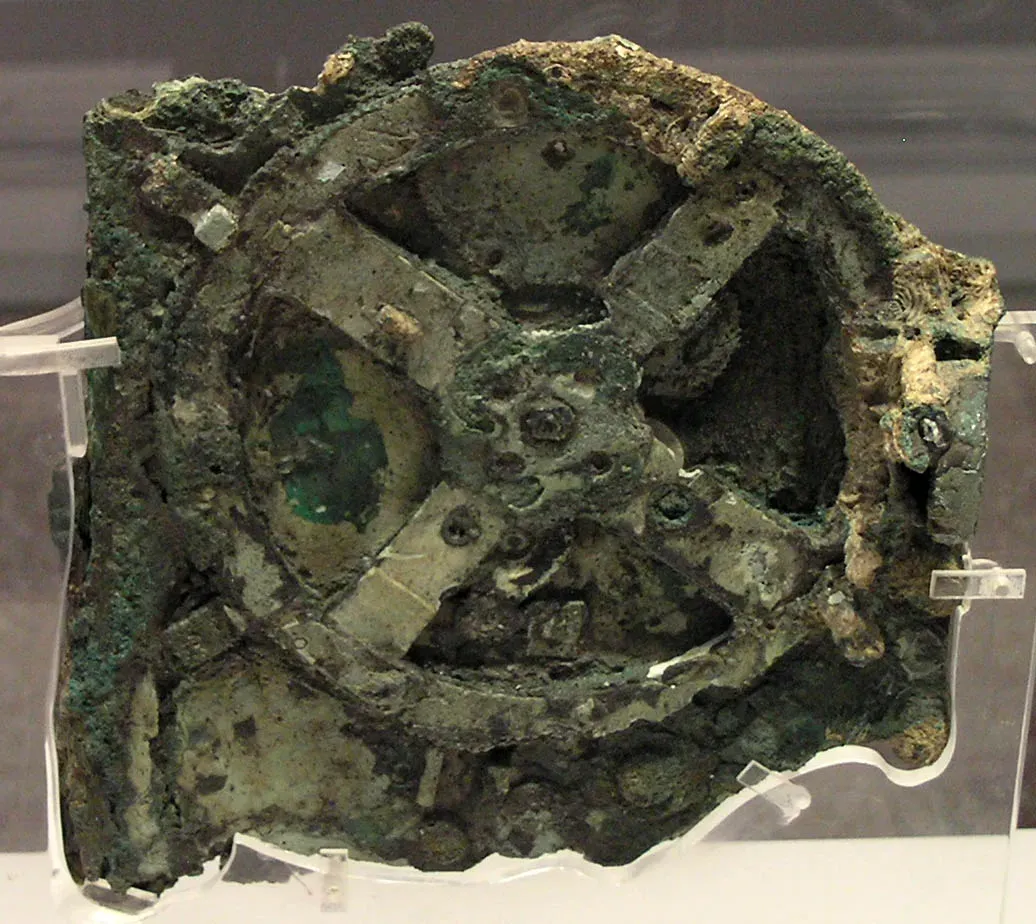
If someone handed you the Antikythera mechanism without context, you might assume it was a corroded piece of clockwork from the nineteenth century, not a device built in ancient Greece more than two millennia ago. This intricate machine used bronze gears and dials to predict celestial positions, eclipses, and maybe even the timing of athletic games, all with hand‑cranked precision. You are effectively looking at a mechanical model of the cosmos squeezed into a box the size of a shoebox.
What really puts your modern expectations to shame is the level of miniaturization and mathematical modeling involved. For centuries afterward, no known geared device reached that complexity again. Today you could do the same calculations with an app, but the Antikythera mechanism achieves it without electricity, software bugs, or data centers. It is a reminder that analog computation – done once, built well – can be far more durable and human‑friendly than any digital gadget you might toss after a few years.
3. Damascus Steel Blades With Legendary Performance

When you imagine a “super blade,” you might think about fancy alloys, CNC machining, or high‑tech coatings. Yet medieval smiths working with crucible steels produced what’s now called Damascus steel: blades known for exceptional toughness, edge retention, and those rippling, water‑like patterns along the surface. These swords were reportedly able to slice through lesser blades or fabric with alarming ease, combining flexibility with sharpness in a way that modern mass‑produced steel rarely matches.
What makes this more impressive is that you, today, still do not fully reproduce the traditional process at scale. Researchers suspect that trace elements, carbon patterns, and careful thermal cycling created a microstructure with tiny carbides distributed through the steel. Modern metallurgy can create steels that equal or surpass parts of this performance, especially for specialized tasks, but the old, low‑tech method delivered high‑end results using charcoal, furnaces, and skilled hands instead of laboratories and patents. You are reminded that sometimes the “secret recipe” is time, patience, and craft, not just higher temperature and more automation.
4. Greek Fire: The Naval Weapon You Still Cannot Reverse‑Engineer

Imagine facing an enemy weapon so terrifying that it clings to the surface of water and keeps burning, even as you try to douse it. That was the reality of Greek fire, a Byzantine incendiary mixture used in naval battles that could be sprayed from siphons mounted on ships. Reports describe it as a substance that continued to blaze on water and stuck to anything it touched, making it almost impossible to extinguish once deployed.
Despite centuries of speculation, you still do not know its exact formula. Modern chemistry can produce napalm, thermite, and a long list of horrifying incendiaries, but the fact that Greek fire remains partly mysterious is telling. The Byzantines had a practical, battlefield‑tested technology whose precise process was guarded so well it vanished from the historical record. In an age where almost every innovation is documented and patented, this total disappearance of a once‑dominant weapon feels almost impossible – and yet, it happened.
5. Incan Stonework That Laughs at Earthquakes
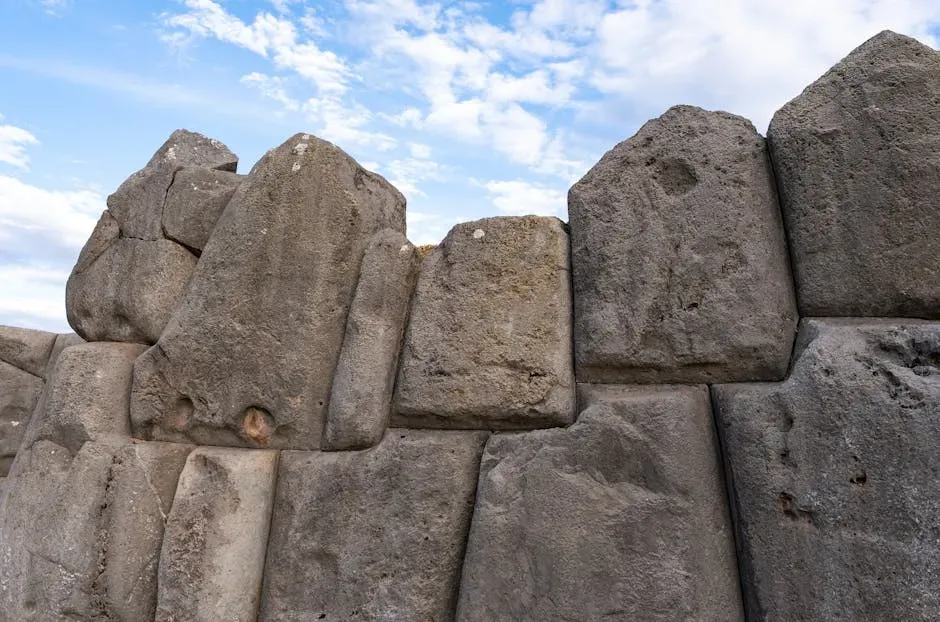
If you visit Cusco or the ruins of Sacsayhuamán, you’ll see stone walls where enormous blocks fit together so perfectly you could barely slip a piece of paper between them. The Inca shaped multi‑sided stones that interlocked like a three‑dimensional puzzle, with no mortar, yet those walls have survived centuries of seismic activity. When earthquakes strike, the stones move slightly and settle back into place, while many later, mortared colonial structures around them have collapsed.
Modern constructions in earthquake zones go through complex engineering, steel reinforcement, and strict codes, but the basic principle the Inca used – flexibility and interlocking geometry instead of rigid, brittle bonds – is still what you aim for today. Without steel or modern surveying tools, they achieved a kind of seismic resilience that humbles a lot of concrete frames and brick walls. You realize that in some cases, your sophisticated models are rediscovering what ancient builders already solved with hammer, chisel, and patient iteration.
6. Roman Aqueducts and Gravity‑Powered Plumbing
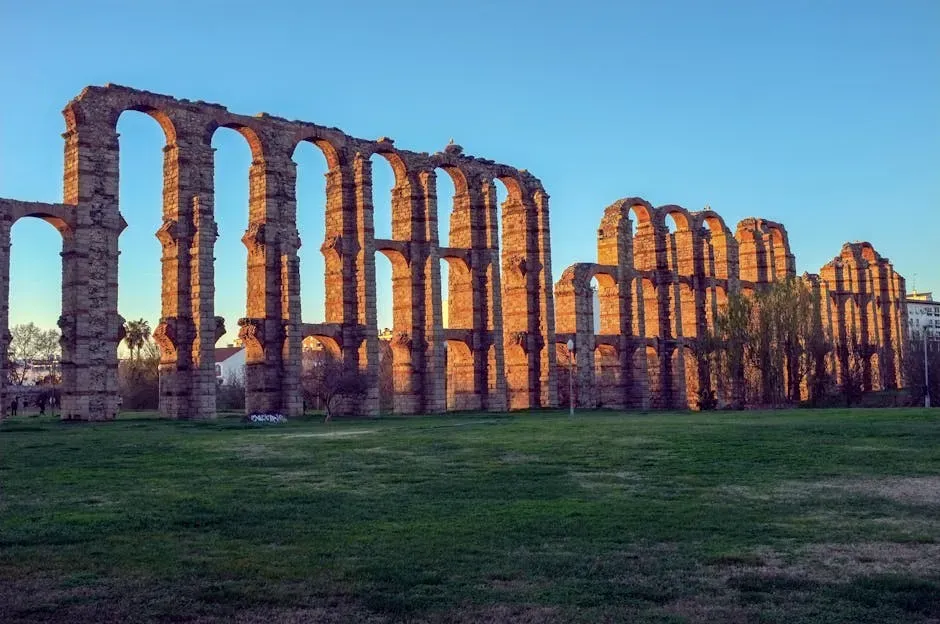
You might take running water for granted, but energy bills and aging pipes remind you how costly and fragile modern infrastructure can be. Roman aqueducts delivered huge volumes of water across tens of miles using little more than stone channels, arches, and gravity. Carefully calculated gradients kept water flowing steadily from distant springs into cities, fountains, and baths without pumps, sensors, or electricity.
What makes you pause is how long some of these systems remained in use. Parts of Roman waterworks were still functioning in the Middle Ages, and a few segments continued to be used or repurposed even into modern times. When you compare that to the often short lifespan of modern pipes, pumps, and treatment plants that demand constant repairs and energy, a gravity‑fed aqueduct feels almost like cheating. You are harnessing basic physics with such elegance that the system keeps working long after empires fall.
7. Egyptian Pyramids: Engineering Endurance on a Grand Scale

Standing in front of the Great Pyramid, you are looking at a structure that has survived over four thousand years of weather, looting, earthquakes, and human meddling. The precision of its base, the alignment with cardinal directions, and the sheer volume of stone moved without trucks or cranes still strain your imagination. You build skyscrapers faster today, but you rarely design them to survive for dozens of centuries in the open desert.
Even if some details of construction methods remain debated, the core reality is that ancient Egyptians created a monument with astonishing long‑term stability. Your modern buildings rely heavily on steel, glass, and materials that weather differently, often needing constant maintenance just to look clean and safe. The pyramid, built with cleverly stacked stone and careful planning, offers a different lesson: if you design for durability first and accept slower construction, you can achieve a form of immortality your disposable architecture never aims for.
8. Roman Roads That Still Guide Your Highways
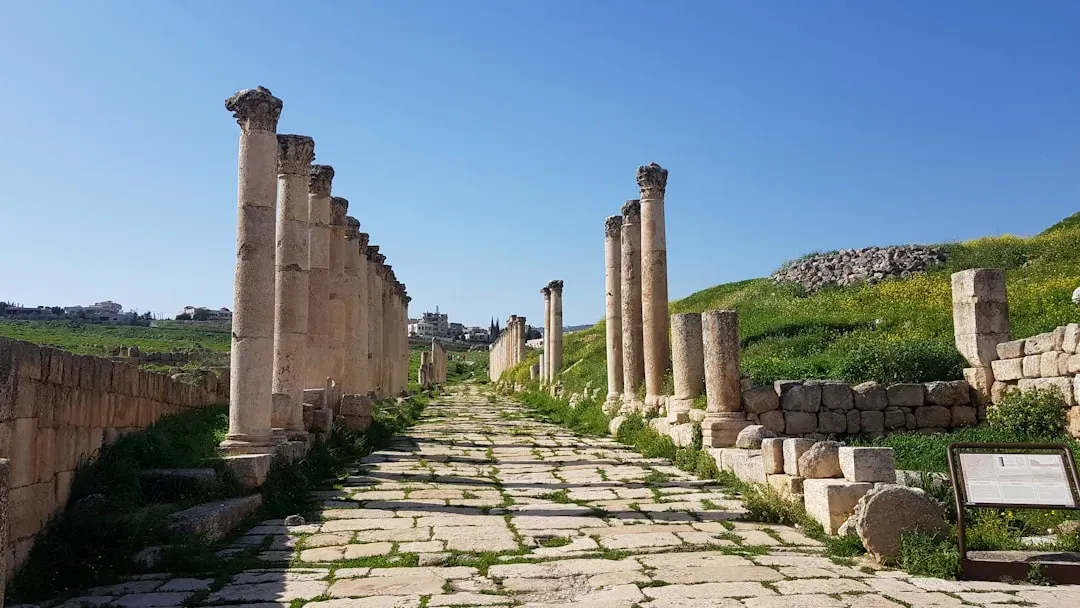
When you drive across parts of Europe, you’re often following routes first laid down by Roman engineers. They built roads with layered foundations of stones, gravel, and sand, topped with carefully fitted paving stones that shed water and resisted wear. Many of these roads remained in use for centuries, and in a few places, you can still walk on original Roman surfaces that have outlasted countless modern asphalt overlays.
Modern roads are optimized for rapid construction and low upfront cost, which often means thin surfaces, cheaper materials, and frequent repairs. Roman roads, by contrast, were slow, labor‑intensive, and meant to endure. If you measured purely on lifespan and low maintenance over hundreds of years, they would embarrass a lot of your current road systems. Deep foundations, good drainage, and careful alignment turn out to be a kind of technology you tend to skip when you are always racing deadlines and budgets.
9. Archimedes’ Screw and Low‑Tech Water Lifting
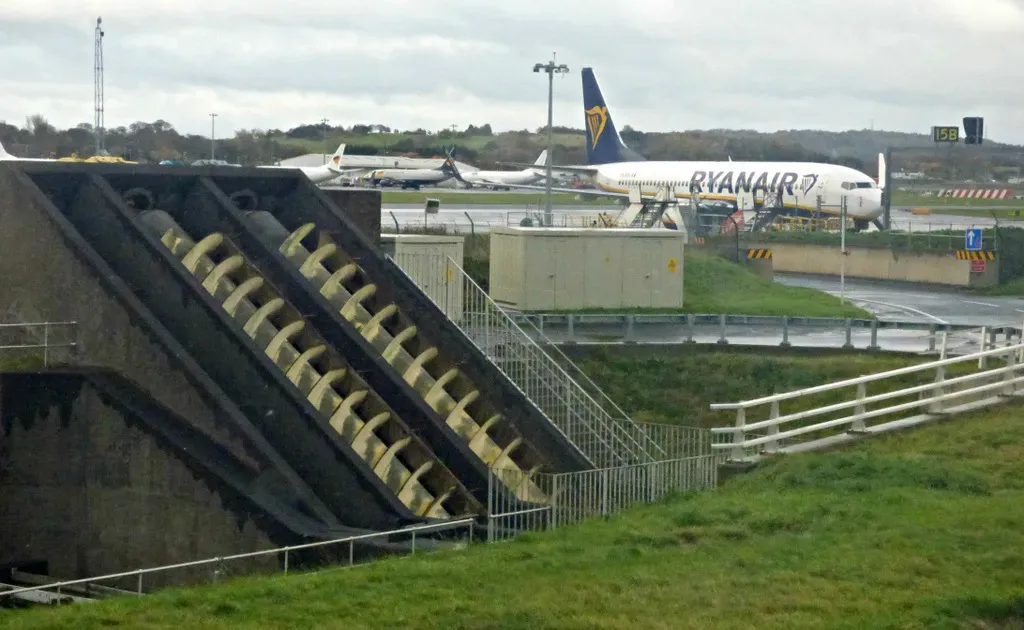
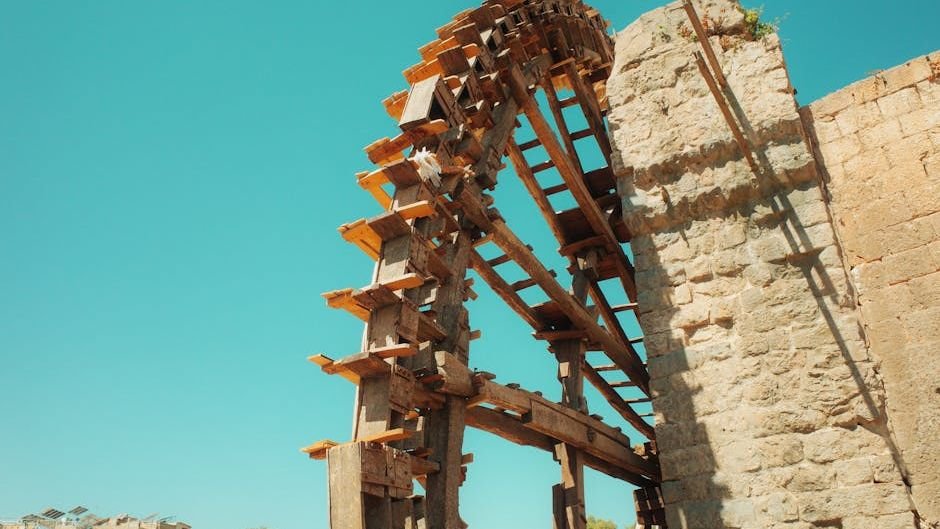
If the power goes out and your pumps fail, most modern systems come to an abrupt stop. The Archimedes’ screw, a device used since antiquity, lifts water using nothing more than a rotating helical surface inside a tube. You can power it by hand, by animal, or by wind, and it will keep moving water uphill in a predictable, robust way, with almost nothing to break or burn out.
For irrigation, drainage, or small‑scale water management, this low‑tech solution often beats complicated modern pumps in reliability and simplicity. You do not need microchips, seals rated for high pressures, or a service technician; you just need wood or metal, a bit of grease, and someone willing to turn it. In disaster scenarios or in areas without stable grids, these ancient designs still outperform many modern systems that collapse without their energy umbilical cord. Sometimes “better” simply means “still works when everything else stops.”
10. Ancient Indian Iron Pillars That Refuse To Rust Away
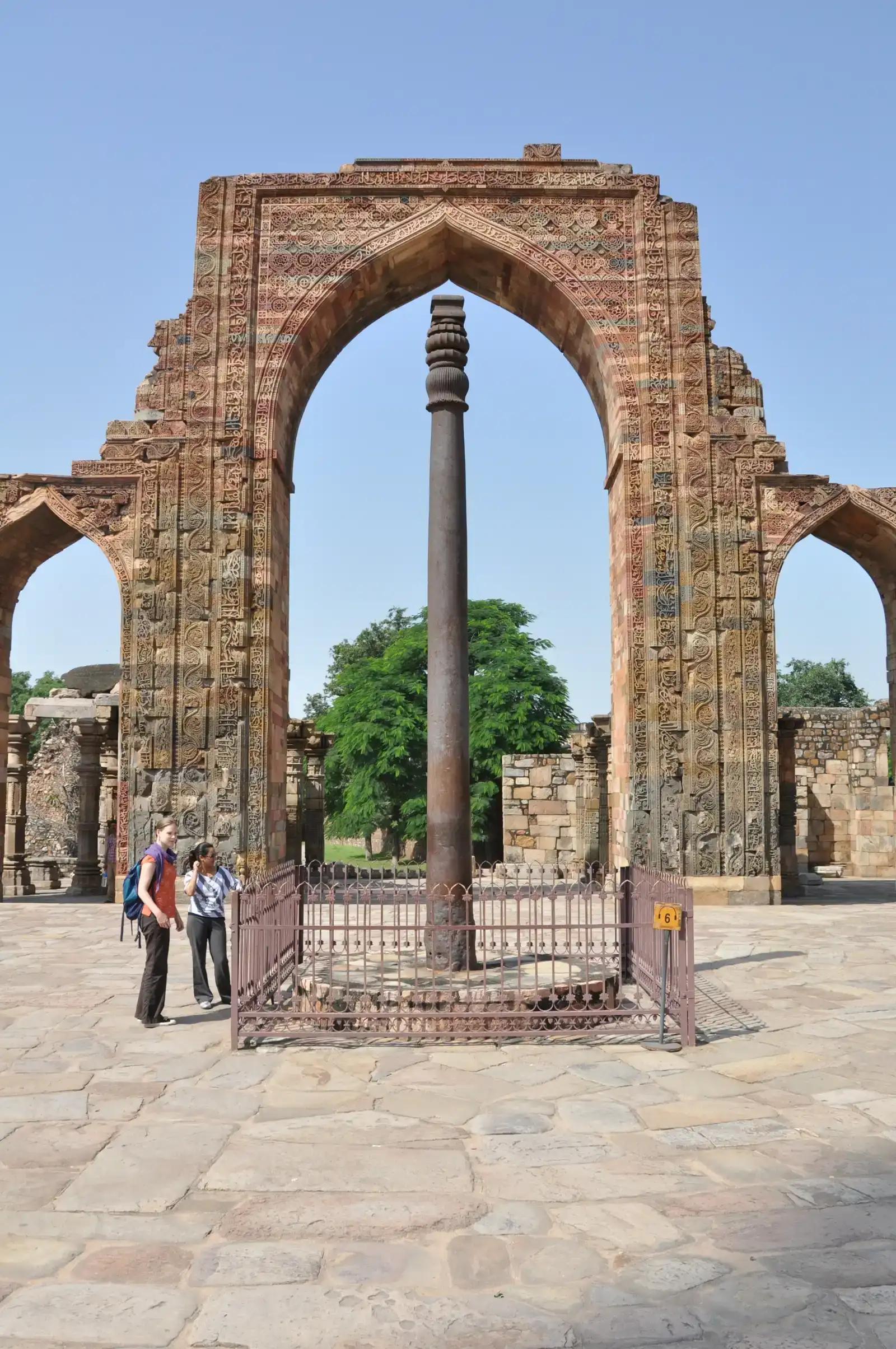
Near Delhi, you can see an iron pillar over seven meters tall, dating back more than one and a half millennia, that shows remarkably little corrosion despite being exposed to the elements. Its composition and the way the metal was worked created a protective oxide layer that slows rust dramatically. In an age where you expect iron and steel structures to need constant painting and coating, this silent column is almost mocking.
Modern metallurgy can create stainless steels and advanced alloys, but they often require precise conditions and can be expensive to scale. The ancient smiths, working without modern equipment, stumbled onto a combination of pure iron, phosphorus, and forge practices that produced exceptional weathering resistance. You might argue that modern skyscrapers are more impressive overall, but when it comes to plain, uncoated iron shrugging off centuries of monsoon seasons, the ancients clearly knew something practical you rarely apply outside laboratories.
11. Passive Cooling in Ancient Persian Windcatchers
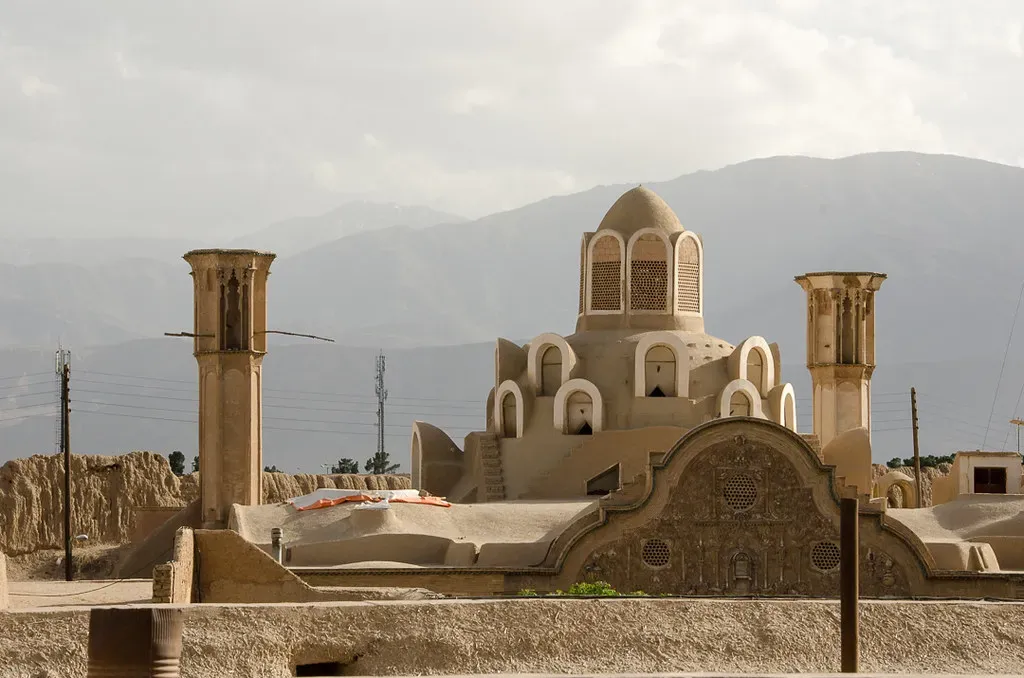
Before air conditioners hummed in every window, people living in hot, dry climates had to cool their homes with brainpower instead of compressors. In ancient Persia, builders developed windcatchers: tall towers with openings facing prevailing winds that funneled air down into living spaces, sometimes over underground water channels to enhance cooling. The result was naturally ventilated, surprisingly comfortable interiors with no electricity required.
Compared to modern air conditioning, which consumes huge amounts of energy and often struggles to cool poorly designed buildings, this passive system feels both elegant and sustainable. You are not fighting the climate so much as cooperating with it, reshaping airflows and temperatures with architecture alone. In an era worried about energy use and carbon emissions, you could argue that these windcatchers still beat your mechanical boxes by offering free, silent cooling that works as long as the wind keeps blowing.
12. Underfloor Heating in Roman and Korean Homes
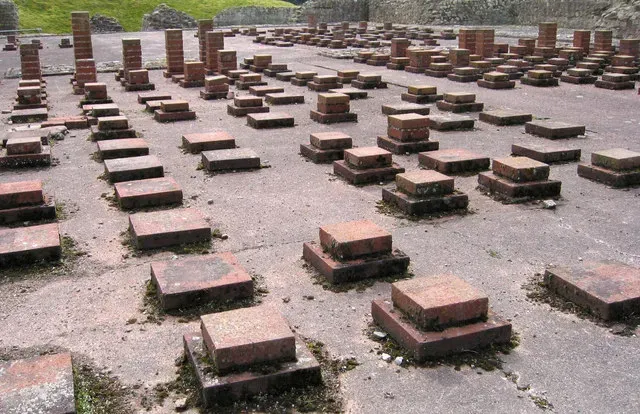
If you have ever stepped onto a warm bathroom floor on a cold morning, you know how delightful radiant heat can be. The Romans achieved a similar comfort with the hypocaust system: hot air and smoke from a furnace flowed under raised floors and through hollow wall spaces, gently heating the room from below. In Korea, the ondol system used flues running under floors, warmed by kitchen fires, to keep living spaces cozy during harsh winters.
Today, forced‑air heating blasts hot air that rises quickly to the ceiling, dries out rooms, and often leaves your feet cold. Radiant systems inspired by those ancient ideas are making a comeback precisely because they heat people and surfaces more evenly and efficiently. The remarkable part is that long before thermostats and smart home apps, people had already figured out an approach to comfort that many modern systems still fail to match. You are, in a sense, reinventing what they treated as normal domestic technology.
13. Mayan Calendar Systems and Long‑Term Timekeeping

You rely heavily on digital calendars that struggle once you move past a few decades of appointments and time zones, and you patch historical dates with corrections like leap years and reformations. The Maya built an interlocking system of calendars, including a sacred cycle and a Long Count, that tracked time over enormous spans with impressive accuracy. Their astronomical observations helped refine these cycles, letting them predict celestial events well beyond the immediate future.
While your current atomic clocks are far more precise in the technical sense, your everyday calendar is still a messy compromise of politics and history. The Mayan system, although tied to their own worldview, shows how you can design a calendar that is internally consistent, cyclic, and able to represent vast epochs without awkward resets. In that sense, their conceptual technology of timekeeping is more elegant than the patchwork you inherited, even if you now count nanoseconds more accurately.
14. Chinese Seismic Detectors Without Electronics
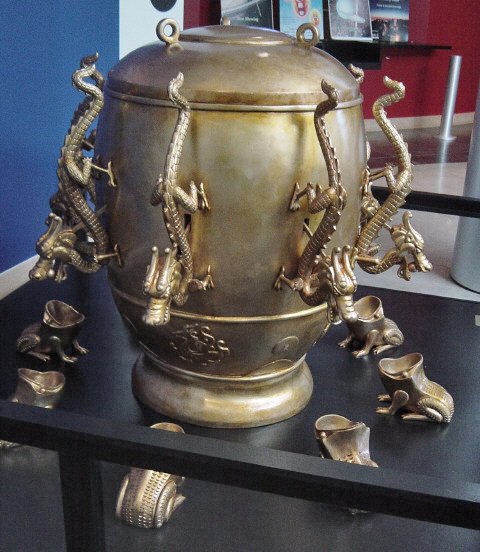
In the second century, Chinese inventor Zhang Heng built a device that could detect distant earthquakes and indicate the direction from which they arrived. The instrument reportedly used a central mechanism that, when triggered by seismic waves, released a ball from the mouth of a dragon into a corresponding frog’s mouth around the base, showing the direction of the tremor. All of this happened without any electronics, relying purely on mechanical sensitivity.
Today you use seismographs and digital networks to analyze quakes in great detail, but the idea of a passive, robust device that simply tells you “an earthquake occurred in that direction” is still powerful. In regions without modern instrumentation, such mechanical concepts could offer early clues with almost no maintenance. The fact that someone implemented this centuries ago with bronze and ingenuity, while many modern buildings still lack basic warning systems, should make you rethink what you consider essential safety technology.
15. Polynesian Wayfinding Across Open Oceans

Modern sailors rely heavily on GPS, radar, and electronic charts. If you turn those off in the middle of the ocean, you are effectively lost unless you’ve been trained in traditional navigation. Polynesian wayfinders once crossed vast stretches of the Pacific in double‑hulled canoes using nothing more than the stars, ocean swells, bird behavior, and subtle changes in the color of the sea and sky as their guide. You are looking at a navigation “technology” embedded in human memory and practice rather than metal boxes.
When tested in modern reenactments, these methods have proved astonishingly accurate over long distances. Where your devices can fail due to battery depletion, software glitches, or satellite issues, embodied knowledge of the sea continues to function as long as you can see, feel, and remember. You could say modern tools are faster and easier, but they also make you more fragile. Ancient wayfinding, as a living technology, may not be shiny, yet in terms of resilience, it is hard to beat.
16. Greek and Roman Theater Acoustics Without Microphones
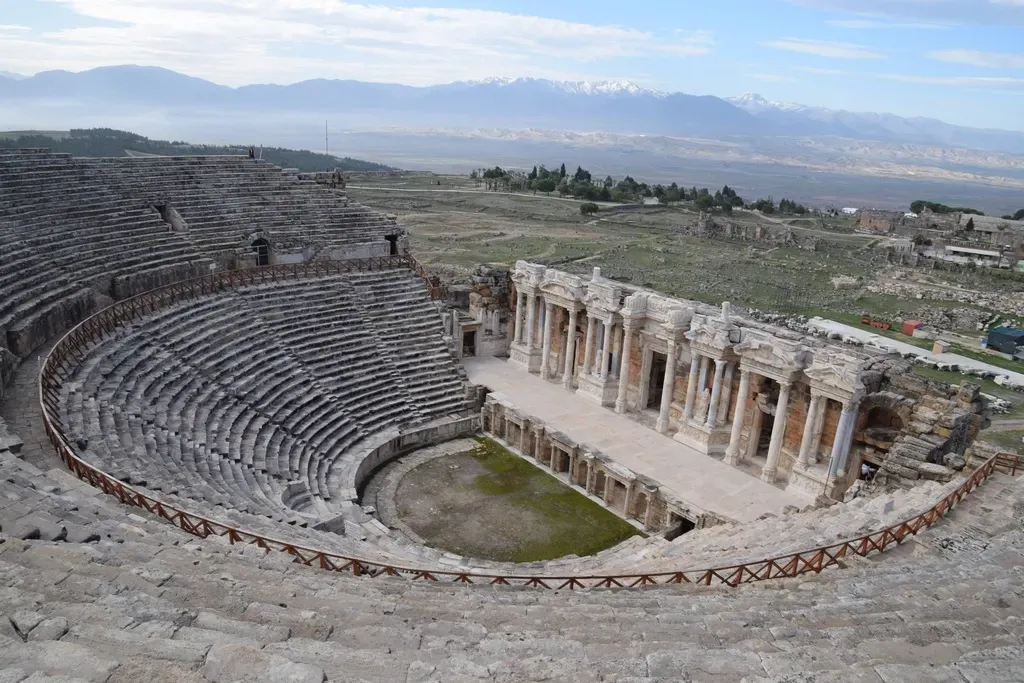
Step into an ancient amphitheater, say in Epidaurus, and you can stand on stage, speak in a normal voice, and be heard clearly by people high up in the stands. The builders shaped seating, stage structures, and even floor materials to reflect and focus sound naturally. They were, in effect, sculpting sound waves with stone, long before anyone talked about acoustical engineering as a formal science.
Contrast that with many modern halls where you need amplifiers, complex speaker arrays, and digital processing just to reach the back row without echoes or dead spots. When the power fails, the performance often becomes unintelligible. Those ancient venues, however, continue to work as intended with nothing but air and human voices. You may have more sophisticated tools now, but they managed to integrate acoustics so deeply into the architecture that the building itself is the sound system.
17. The Baghdad Battery and Early Electrochemical Curiosities
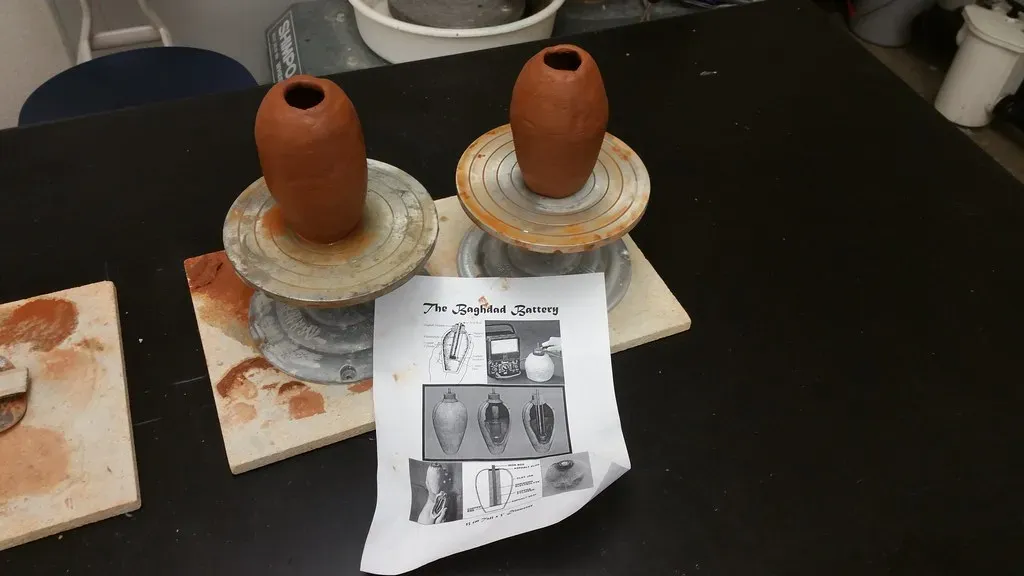
Among artifacts from ancient Mesopotamia, researchers have found small clay jars with copper cylinders and iron rods that some interpret as early electrochemical cells. If filled with an acidic liquid like wine or vinegar, such a setup can generate a small electric potential. While the exact purpose is still debated, it suggests that people might have stumbled onto galvanic reactions long before modern science formalized electricity.
What makes this intriguing for you is that, even now, simple, low‑voltage power sources of that kind would be useful for specialized applications that need reliability more than high output. Modern batteries are more energy dense, but they are also complex, fragile, and environmentally problematic. A rugged, easily assembled cell made from basic materials could last a very long time with minimal risk. The “Baghdad battery,” whether used for electroplating, ritual, or experimentation, reminds you that useful electricity does not always require lithium and cleanrooms.
18. Ancient Chinese Crossbows and Mechanical Triggers

On ancient battlefields, the Chinese crossbow introduced a level of force multiplication and precision that feels surprisingly modern. Bronze trigger mechanisms were carefully engineered to hold and release significant tension reliably, enabling soldiers with relatively little training to fire powerful bolts accurately over distance. Some repeating designs allowed multiple shots in quick succession, a kind of mechanical semi‑automatic system long before gunpowder spread widely.
While today’s firearms vastly exceed that power, the underlying idea of a reliable, compact mechanism that translates human input into consistent, amplified force is something you still strive for in many tools and devices. Those ancient crossbows, with standardized parts and mass production in some dynasties, were almost like the assault rifles of their time. They show you that precise machining, quality control, and ergonomic design are not purely modern obsessions; they were crucial military technologies thousands of years ago and worked extraordinarily well within their context.
19. Egyptian and Mesopotamian Papyrus and Clay Tablets Outlasting Your Files

Your documents live on hard drives, servers, and cloud accounts that might last a few years or decades at best before formats change or hardware fails. In contrast, ancient Egyptians wrote on papyrus that can still be read today, while Mesopotamians pressed cuneiform into clay tablets that have survived fires, floods, and the collapse of entire civilizations. These were information technologies optimized for durability rather than instant searchability.
What’s sobering is that you often cannot open a digital file from a couple of decades ago without special software, yet you can still decipher inscriptions that predate your calendar system. Clay tablets, in particular, became more durable when baked accidentally in city fires, turning them into archival records that outlived their creators by millennia. Measured purely in terms of long‑term data survival, those crude‑looking tablets and scrolls outperform your slickest cloud storage by an almost comical margin.
20. Indigenous Land Management and Fire Technology

In many parts of the world, Indigenous communities used controlled burns for centuries to manage forests, grasslands, and wildlife habitat. These cultural fire practices created mosaics of vegetation that reduced the risk of catastrophic wildfires and supported diverse ecosystems. You can think of fire here as a carefully wielded technology, governed by knowledge of seasons, winds, and plant responses, not as a chaotic threat.
Modern firefighting, with its emphasis on suppression, has often disrupted those cycles and unintentionally set the stage for larger, more destructive blazes. As climate conditions shift, agencies are now slowly rediscovering and adopting versions of those older methods, realizing that the old way can be more sustainable and effective than constant emergency response. You are seeing a case where high‑tech helicopters and chemicals are sometimes less “advanced” than a deep relationship with landscape and a match used at the right time.
21. Medieval and Islamic Astrolabes for Navigation and Astronomy

Long before you checked your phone for your exact latitude and local sunrise time, scholars and sailors used astrolabes: intricate brass instruments that could determine your position, measure the altitude of stars, and help you solve various astronomical and timekeeping problems. By rotating plates and aligning pointers, you could perform tasks that now require multiple apps and data feeds. This was a kind of handheld analog computer tuned to the sky above you.
What stands out is how versatile and self‑contained an astrolabe is. It needs no power, no updates, and it never becomes obsolete as long as you share roughly the same sky. In some ways, it beats modern tools that fail without connectivity or battery life. You may have more precision now with GPS, but you have lost the satisfying physical link between instrument, observation, and calculation. An astrolabe forces you to really see the heavens, and that old synergy of perception and hardware is a technology in its own right.
22. Stepwells and Ancient Water Storage in India
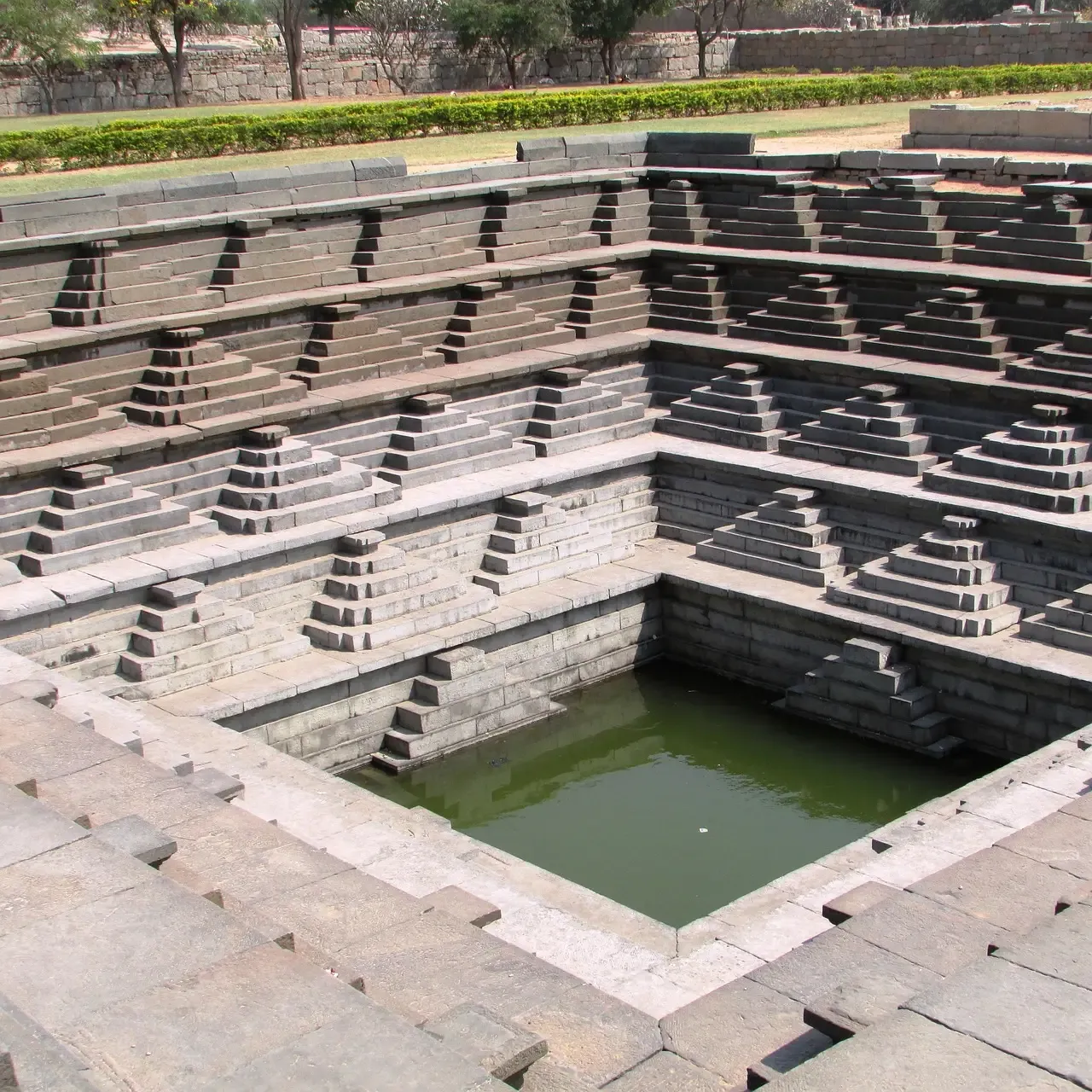
In regions with monsoon rains and long dry seasons, Indian builders developed stepwells: monumental, terraced structures that extended deep into the ground to access groundwater and store rainwater. These were not just functional reservoirs; they also acted as cool retreats from the heat, with air temperatures dropping as you descended the steps. The architecture captured water when it was abundant and made it accessible during scarcity, powered only by gravity and human legs.
Modern water infrastructure often relies on dams, pumps, and treatment plants that require constant energy and maintenance. When those systems falter, cities can run out of water in days. Stepwells, by contrast, are passive, durable, and locally maintained, and many remain usable even after centuries of neglect. While they cannot solve every modern demand, their resilience and multipurpose design – part utility, part community space – show you that water technology can be beautiful, social, and long‑lasting all at once.
23. Viking Longships and Extreme Maritime Flexibility

Viking longships were light, fast, and shallow‑draft, able to handle open seas and also slip up rivers where larger vessels could not go. Their clinker‑built hulls, with overlapping planks, offered strength and flexibility in rough waters. With both sails and oars, crews could switch effortlessly between wind and human power, allowing these ships to strike quickly, trade widely, and retreat when needed.
Modern ships are bigger, stronger, and far more specialized, but that specialization often comes at the cost of adaptability. A container ship can cross oceans but cannot explore small inlets; a speedboat can race but not haul cargo. The longship, within its context, was a superb generalist platform that gave its operators a strategic edge across varied environments. As you think about modular, hybrid vehicles today, you are often chasing a kind of versatility the Vikings already mastered with wood, wool sails, and seasoned seafarers.
24. Japanese Joinery and Timber Construction Without Nails
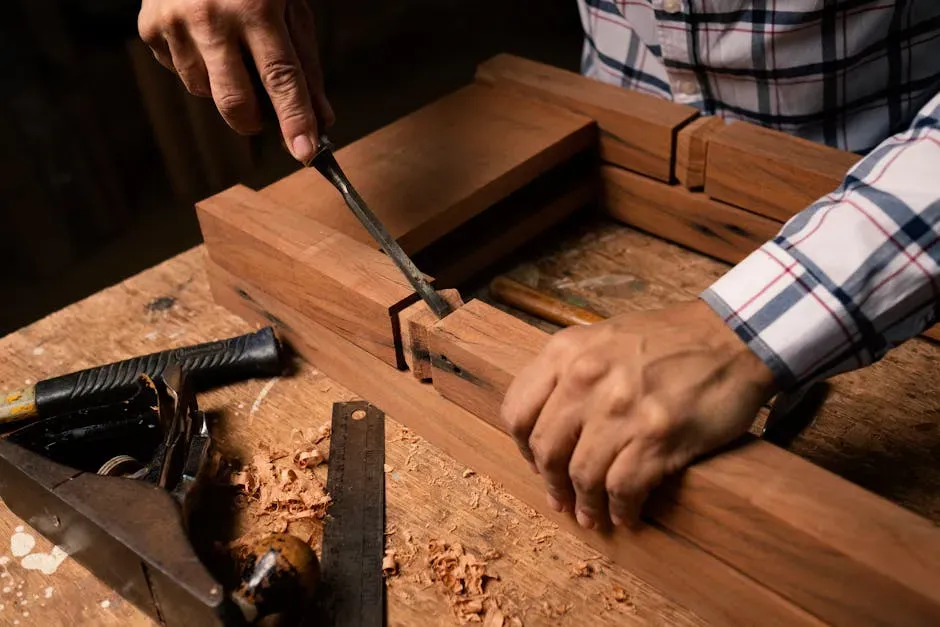
Traditional Japanese carpenters developed an astonishing array of wooden joints that let them build temples, houses, and bridges without nails or metal fasteners. Carefully carved interlocking shapes allowed beams and columns to slot together firmly, yet flex slightly under load or during earthquakes. Some of these wooden structures have stood for centuries, surviving quakes and storms that would rip apart more rigid buildings.
In modern construction, you often default to metal connectors, glues, and fasteners that can corrode, fail, or complicate repairs. By contrast, joinery treats each piece of wood as part of a dynamic system that can be disassembled, replaced, or adjusted with relative ease. Computer‑controlled cutting tools today are trying to replicate these joints, essentially using high tech to re‑create an old high craft. In terms of longevity and graceful aging, many of those nail‑less timber buildings quietly outperform boxes of concrete and drywall.
25. Reed Boats and Low‑Impact Watercraft Design

From the marshes of Mesopotamia to Lake Titicaca in the Andes, people built boats from bundles of reeds lashed together, creating vessels that were buoyant, flexible, and surprisingly seaworthy. These boats were made from renewable materials that grew right next to the water, and they could be repaired or rebuilt with minimal tools. If one degraded, it returned to the ecosystem without leaving behind plastics, fuel residues, or toxic paints.
Modern fiberglass or metal boats are more durable in some ways, but they are also heavier on the environment and harder to recycle. For local fishing, travel, or ceremonial use, reed boats offered a blend of performance and sustainability that many modern designs fail to match. You can see experimental voyages in recent decades confirming that these traditional forms can handle long journeys and rough conditions. When you measure “better” in terms of ecological footprint and harmony with local resources, these ancient watercraft win easily.
26. Medieval Mechanical Clocks Built To Last Centuries

In medieval Europe and the Islamic world, clockmakers created large mechanical clocks driven by weights and regulated by escapements, often installed in towers or public squares. These devices kept communal time for entire towns, marking prayers, work hours, and social rhythms without any electricity. Many of them have ticked on, with maintenance and occasional refinements, for hundreds of years, outliving their creators many times over.
Your modern clocks are cheaper, more precise, and embedded everywhere, from microwaves to smartphones. Yet they are also disposable; once the circuitry fails or the battery corrodes, you throw them out. A well‑made mechanical clock, by contrast, is designed to be repaired, adjusted, and cherished indefinitely. When you stand beneath a centuries‑old clock tower, listening to gears and bells that still do their job, it is hard not to feel that this older approach to technology – slow, maintainable, communal – gets something right that your latest smartwatch never touches.
Conclusion: What You Lost When You Raced Ahead
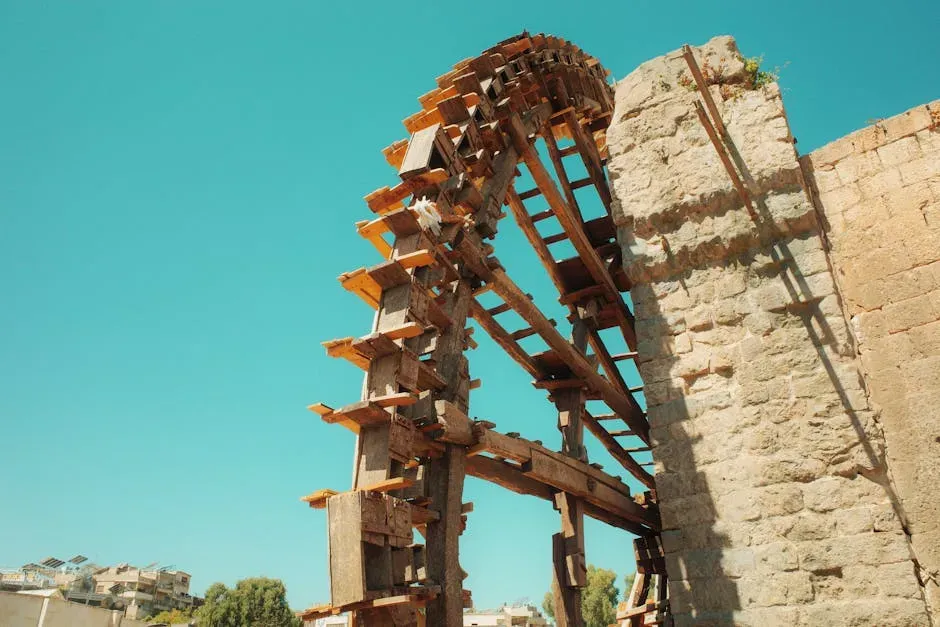
When you look at all these ancient technologies together, a pattern emerges that has less to do with mystique and more to do with values. Older systems were often slower to build but designed to last, easier to repair but harder to mass‑produce, deeply tuned to local environments instead of globally standardized. You have gained incredible capabilities with modern tools, yet you have quietly traded away durability, simplicity, and resilience more often than you might like to admit.
That does not mean you should romanticize the past or throw out your phone, but it does suggest a different way to think about “better.” Imagine combining the best of both worlds: modern science and modeling applied to materials, structures, and practices that can endure without constant energy and replacement. If you start asking not only what works fastest today, but what will still be quietly working for your great‑grandchildren, how many of your current technologies would pass that test – and how many of these ancient ones would you suddenly want back?