
You spend your whole life walking on solid ground and still barely know what is going on a few miles beneath your feet. The Earth’s crust looks calm from the surface, but once you peek inside, it turns into a restless world of molten rock, hidden oceans, strange crystals, and ancient messages stored in stone. You are literally standing on top of a layered history book that is still being written every second.
As you explore these discoveries, you start to realize that the crust is not just a dead shell around the planet. It shapes your weather, your landscapes, your resources, and even the way life itself evolved. Think of this as a guided tour of the thin, fragile skin of Earth that quietly controls far more of your daily life than you probably ever imagined.
1. You Live on a Surprisingly Thin, Cracked Shell
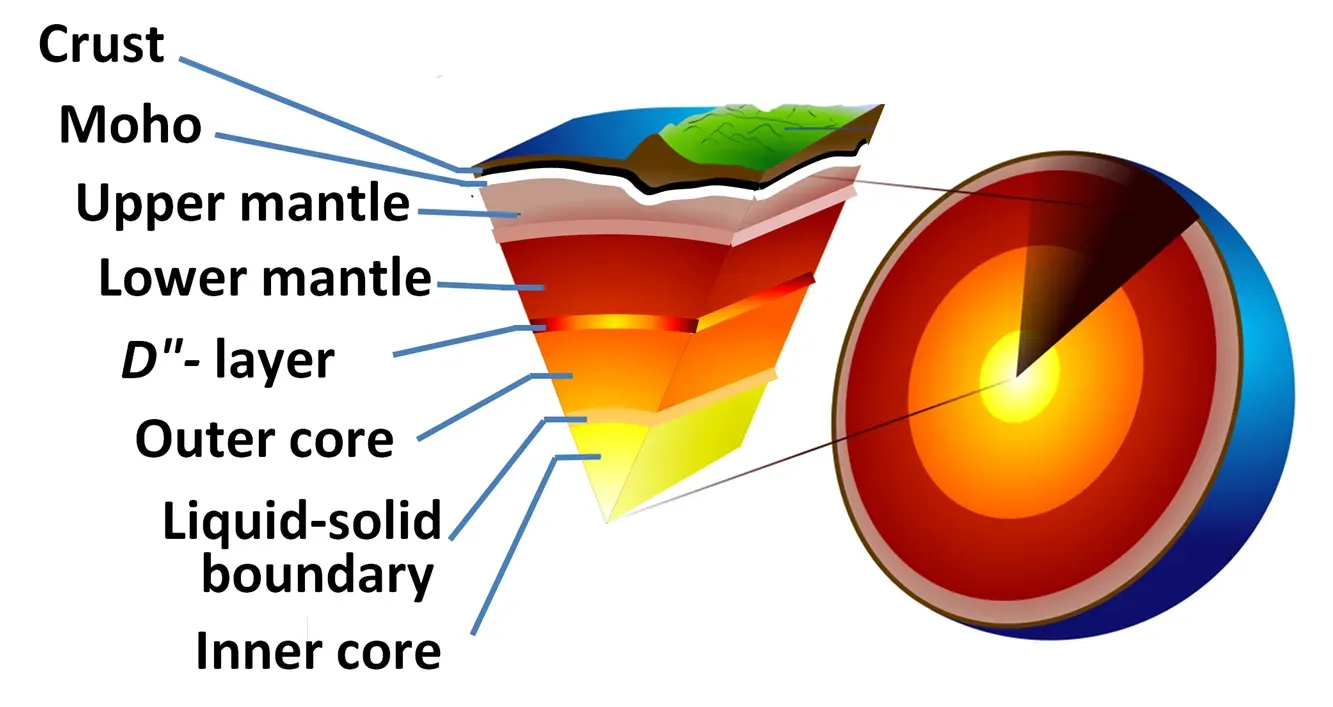
derivative work: Brews ohare (talk), Public domain)
The first shock you run into is how thin the Earth’s crust actually is compared to the whole planet. If you shrank Earth down to the size of an apple, the crust would be about as thin as the apple’s skin. Under the oceans, this rocky shell can be only a few miles thick; under big mountain ranges, it can stretch down a few dozen miles, but in planetary terms that is still almost nothing.
Once you see it this way, you realize you are walking around on a cracked, floating shell of rock that rides on top of much hotter, softer material in the mantle. Those cracks are not random either; they form giant plates that carry whole continents and oceans on their backs. When you stand on a beach watching waves, you are also standing on the edge of one of these drifting plates, even if it looks motionless to your eyes.
2. Plate Tectonics Turns the Crust Into a Slow-Motion Conveyor Belt
![2. Plate Tectonics Turns the Crust Into a Slow-Motion Conveyor Belt ([4], Public domain)](https://nvmwebsites-budwg5g9avh3epea.z03.azurefd.net/dws/09e504e2585e930e24e3c14b1ae7fd05.webp)
When you hear that continents drift, it sounds like some wild science fiction idea, but deep inside the crust it is just everyday physics. Heat from the Earth’s interior makes the mantle slowly churn like thick soup, and the plates of the crust are dragged along on top of this moving layer. To you, it feels like nothing, but over millions of years, whole continents travel from the equator to the poles and collide, split, and reshape oceans.
Once you picture the crust as a set of moving puzzle pieces, a lot of things suddenly make sense for you: why chains of volcanoes line up in arcs, why big mountain belts sit where they do, and why earthquakes cluster at plate boundaries. You are living on a planet that is constantly recycling its outer shell, pulling old seafloor back into the depths and building new crust along underwater ridges. The ground beneath you is nearly always either on its way up, on its way down, or being pushed sideways.
3. New Crust Is Born at Fiery Mid-Ocean Ridges
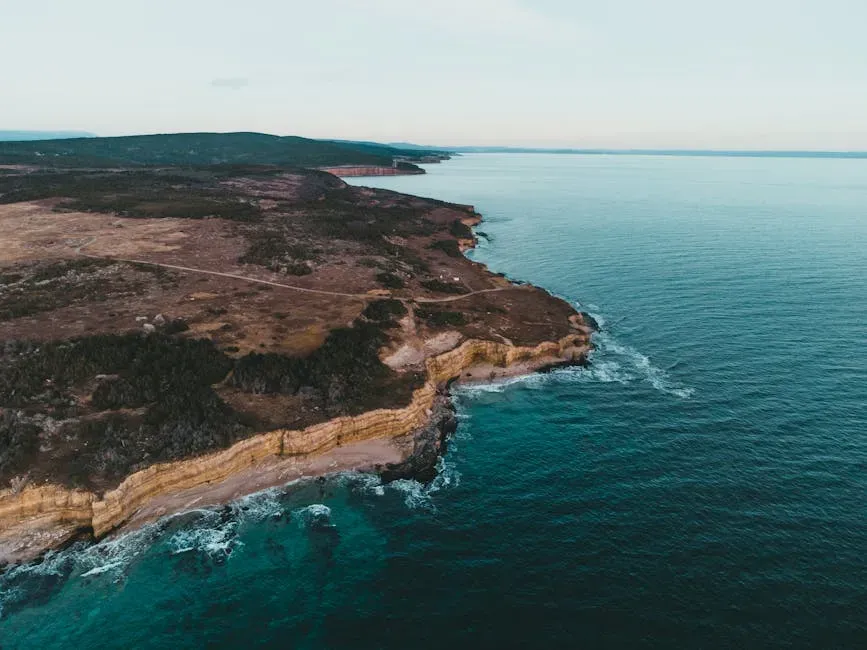
If you could drain the oceans and walk along the seafloor, you would see a huge global mountain chain snaking around the planet. Along these mid-ocean ridges, hot mantle rock rises and partially melts, and that molten rock, or magma, pours out to form brand new oceanic crust. You might imagine volcanoes as dramatic cones on land, but most volcanic activity on Earth actually happens quietly under the sea along these ridges.
Here, you are watching the planet literally build itself from the inside out. As magma cools, it solidifies into basalt, a dark, dense rock that forms the base of the ocean floor. Over time, this fresh crust moves away from the ridge like a slow conveyor belt, cools, and sinks slightly deeper. When you see bands of rock on the seafloor with alternating magnetic patterns, you are looking at a barcode-like record of how Earth’s magnetic field has flipped while this new crust has been forming.
4. Old Crust Is Swallowed in Deep Subduction Zones
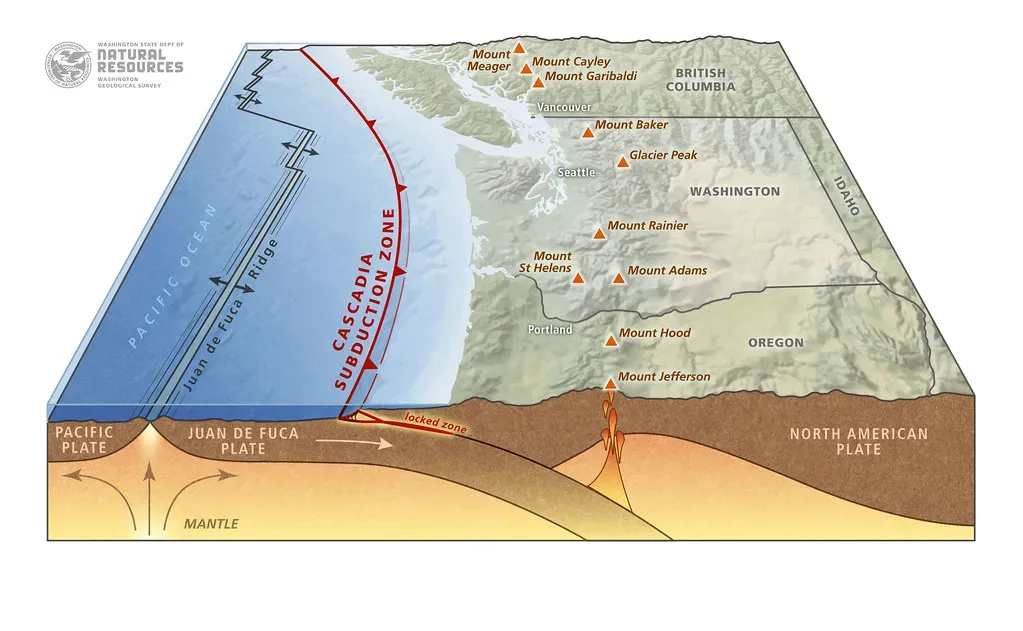
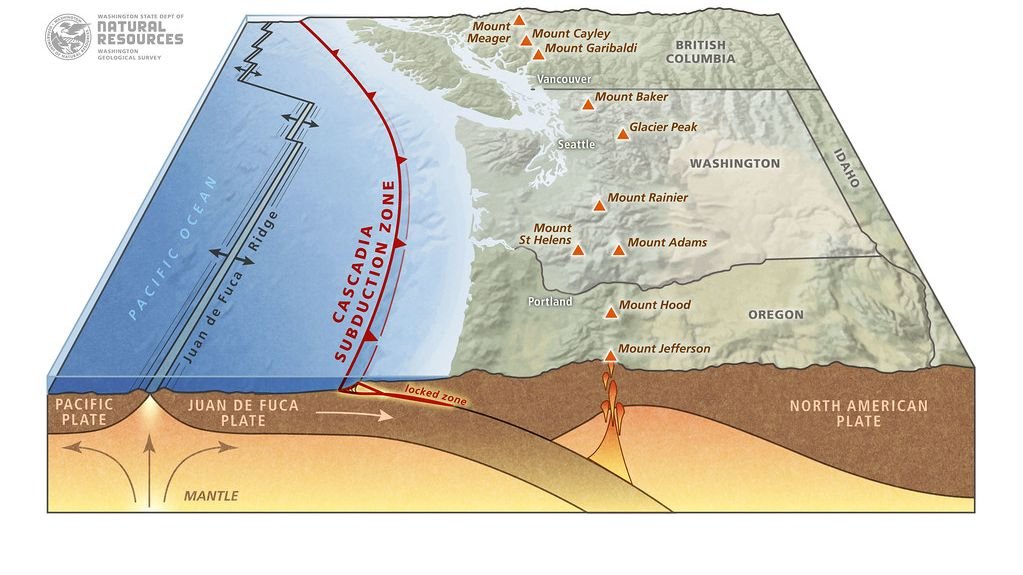
The Earth does not keep stacking new crust forever; instead, it recycles the old parts in dramatic fashion. At subduction zones, one plate of the crust dives beneath another and plunges back into the mantle. If you traced that boundary down into the Earth, you would find slabs of cold, dense oceanic crust sliding to depths of hundreds of miles, carrying water, minerals, and sediments with it.
For you, the surface signs of this process are things like deep offshore trenches, powerful earthquakes, and chains of explosive volcanoes. The material that sinks is slowly heated and squeezed, releasing fluids that help rocks above it melt and feed volcanoes at the surface. When you realize that the seafloor you might sail across today will one day be locked deep inside the planet and melted down, it changes how permanent you think “solid ground” really is.
5. Vast Magma Reservoirs Hide Beneath Your Feet
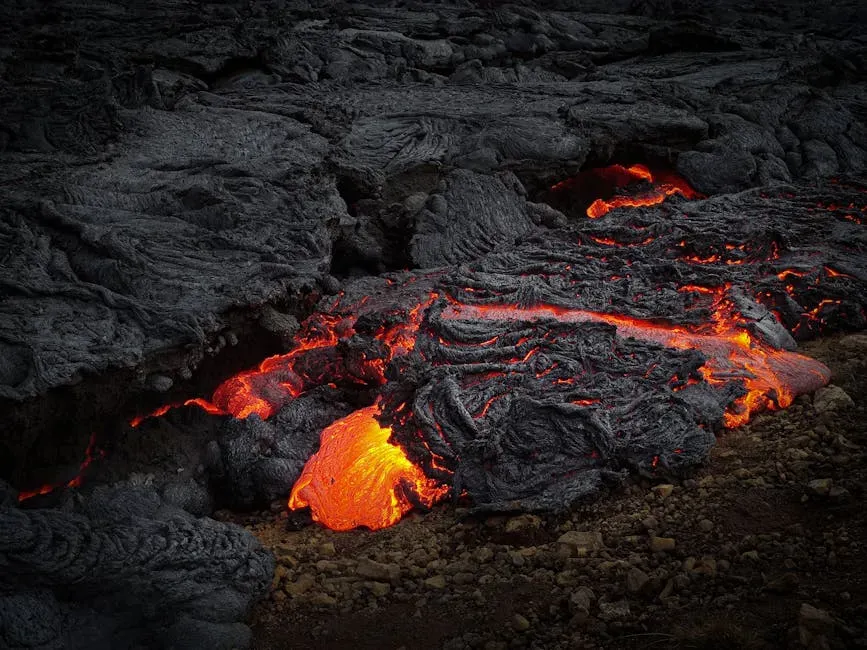
You might picture magma as big open lakes of molten rock, but what you actually find inside the crust are more like complex networks of mushy, crystal-rich zones and pockets of melt. These magma reservoirs can sit quietly for thousands of years, slowly evolving in composition, before a change in pressure or fresh injections of hotter magma set the stage for an eruption. From your point of view at the surface, this looks like a mountain suddenly roaring to life, but the preparation happens quietly in the shadows below.
When you look at exposed sections of ancient crust where erosion has cut deep, you sometimes see the frozen remains of these magma systems: huge bodies of granite, intricate veins, and layered intrusions that once fed volcanoes. Knowing this, you realize that a peaceful landscape can hide a long and messy volcanic plumbing system below it. You are not just dealing with single magma chambers but with gigantic, evolving systems that stretch sideways for miles and change character over time.
6. Ultra-Deep Diamonds Reveal Extremes of Pressure and Heat
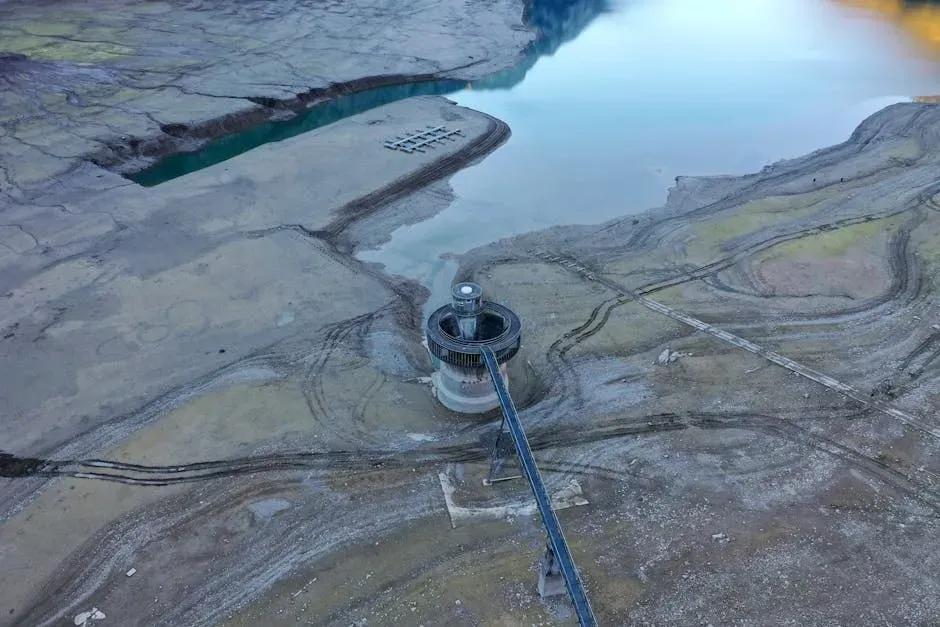
When you think of diamonds, you probably think of jewelry, but geologically, diamonds are messages from deep inside the Earth. Many of the natural diamonds you see in museums or stores formed far down in the mantle and were carried toward the surface by violent, fast-rising volcanic eruptions that tore through the crust. A few rare diamonds even carry minerals inside them that can only remain stable at extreme pressures far below the crust, hinting at where they were born.
By studying these diamonds, you are effectively getting tiny samples of deep Earth delivered right into your hands. Some of them contain trapped bits of fluid, carbon, or mantle minerals that tell you about the temperature, pressure, and chemical environment deep below. When you see a small, clear stone, you are really looking at a hardened memory of conditions hundreds of miles down that you could never visit yourself. It is like getting a sealed time capsule mailed from a part of the planet you will never directly see.
7. Hidden Underground Oceans of Water-Rich Minerals
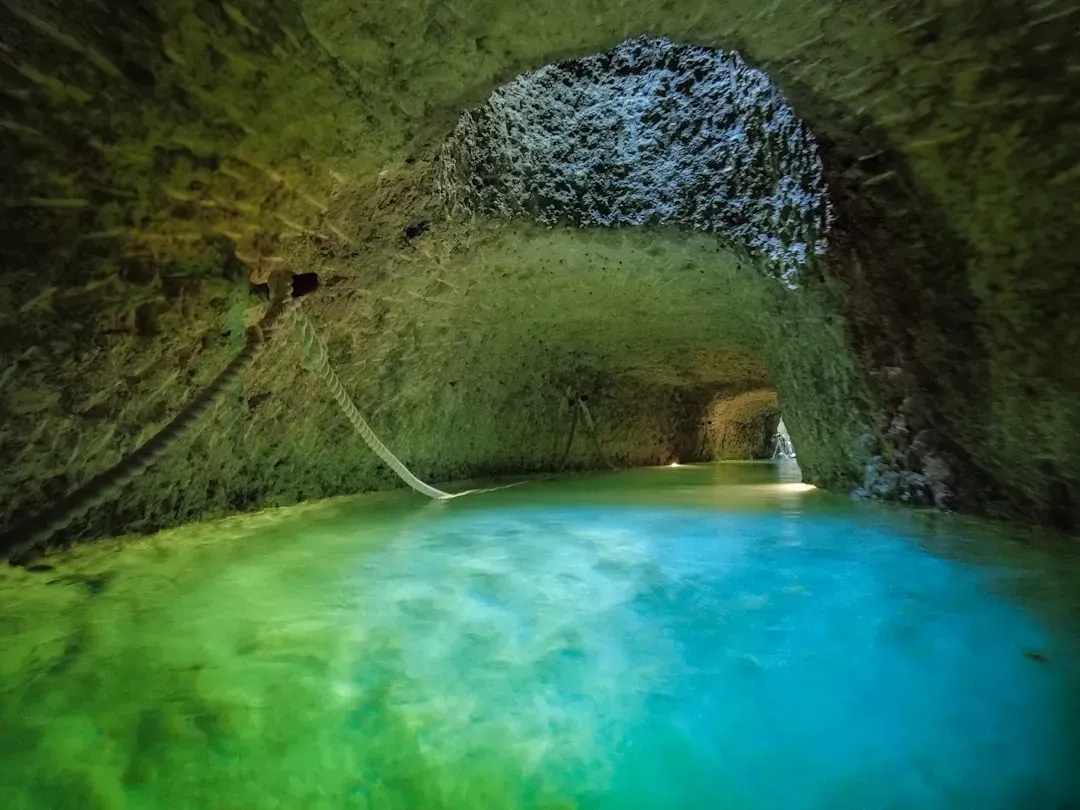
When you hear people talk about water inside the Earth, you might picture big underground lakes or rivers, but deeper in the crust and upper mantle, most of the water is locked into minerals themselves. Certain rocks can hold water in their crystal structure, and in some regions below the crust, the total amount of water tied up this way may rival or even exceed the water in all the surface oceans. You are not dealing with a literal ocean sloshing around, but you are seeing a hidden reservoir that dramatically affects how rocks melt and flow.
This bound water lowers the melting point of rocks, helps fuel explosive volcanic eruptions, and controls how easily plates can slide past each other. When subducting slabs of crust sink and release water from these minerals, that water rises and triggers melting above, feeding arcs of volcanoes that you see at the surface. So the next time you look at an erupting volcano or a steaming fumarole, you are watching deep, mineral-bound water reappear after a long, dark journey through the crust and back again.
8. Microbial Life Thrives Kilometers Below the Surface
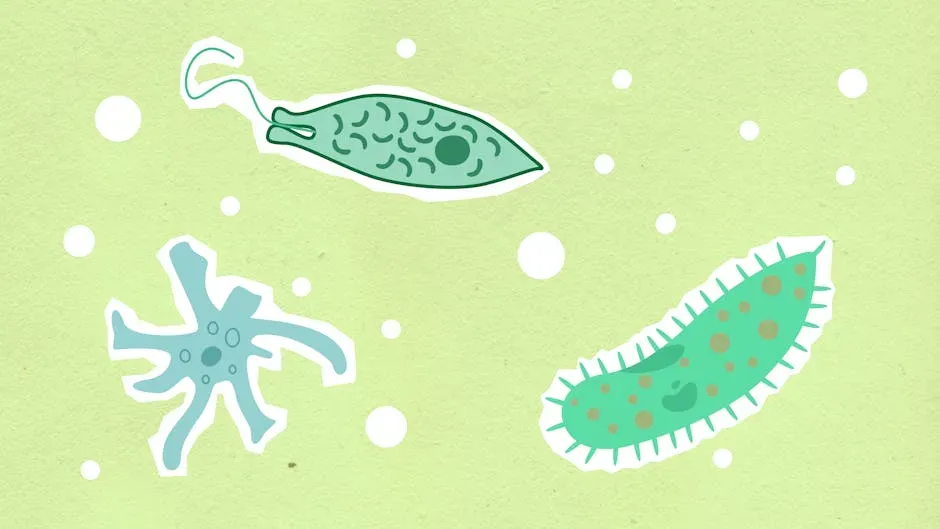
You might assume that life is restricted to sunlight, soil, and oceans, but researchers have found communities of microbes living several miles down in the crust. These tiny organisms survive in hot, dark, high-pressure environments that would seem completely hostile to you. Instead of using sunlight, many of them feed on chemical energy from reactions between rock, water, and gases like hydrogen or methane.
When you realize this, your picture of what “habitable” means expands dramatically. The crust becomes not just inert stone but a vast, hidden habitat where life can hang on for incredibly long periods, even when the surface is frozen, scorched, or otherwise hostile. For you, it also changes how you think about life on other planets: if microbes can survive buried in Earth’s crust, then similar rocky worlds might hide their own deep biospheres out of sight.
9. Fossils and Rocks Store the Planet’s Climate Diary
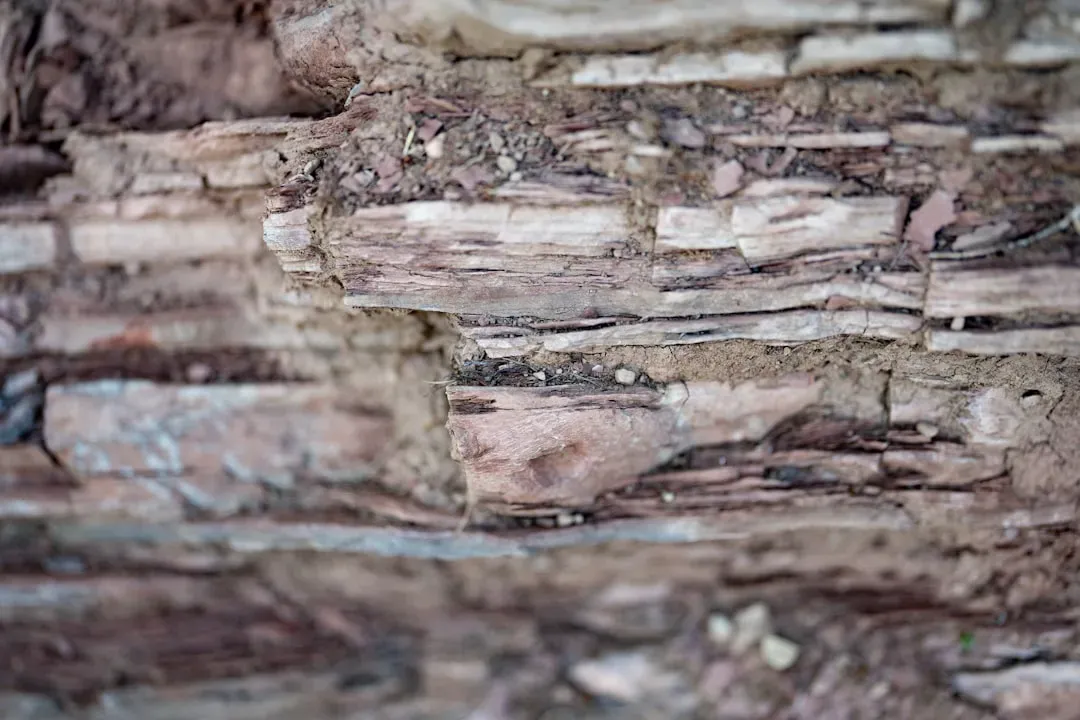
As you dig into the crust, you are also digging into Earth’s memory. Sedimentary layers, fossil remains, and even the chemistry of old minerals tell you about ancient climates, shifting sea levels, and past catastrophes. By reading things like the ratios of certain elements in shells or the types of pollen preserved in mudstones, you can reconstruct temperatures, rainfall patterns, and atmospheric changes from millions of years ago.
For you, this turns the crust into a long-running documentary of the planet’s ups and downs. You see past warm periods where forests reached into polar regions, cold snaps when ice sheets spread, and sudden shifts linked to volcanic outbursts or asteroid impacts. This history matters because it gives you context for the changes you are living through now, showing you which patterns are natural background noise and which ones point to something truly unusual happening today.
10. Tremors and Quakes Reveal the Crust in Motion
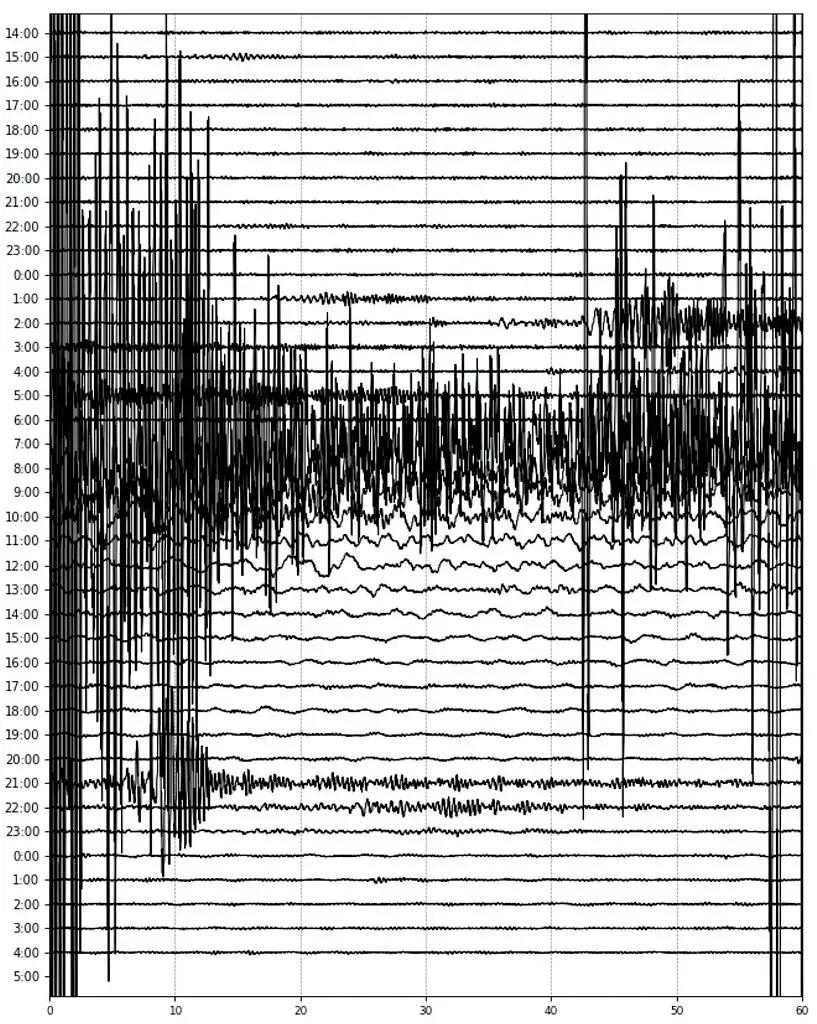
Every time the crust breaks and slips during an earthquake, seismic waves race through the Earth and give you a way to peek inside. By measuring how those waves travel, reflect, and bend, you can map different layers, faults, and even magma bodies hidden below the surface. In a sense, each tremor turns the whole planet into a vast imaging system that lets you see with vibrations instead of light.
For you, that means earthquakes are not just scary events but also valuable tools. When you combine data from thousands of seismometers around the world, you build three-dimensional pictures of the crust and upper mantle, spotting places where the rock is unusually hot, fractured, or dense. That knowledge helps you understand where stress is building up, where future quakes might hit harder, and how the crust responds to all the slow-motion forces squeezing it over time.
11. Continental Crust Holds Ancient Fragments of Earth’s Youth
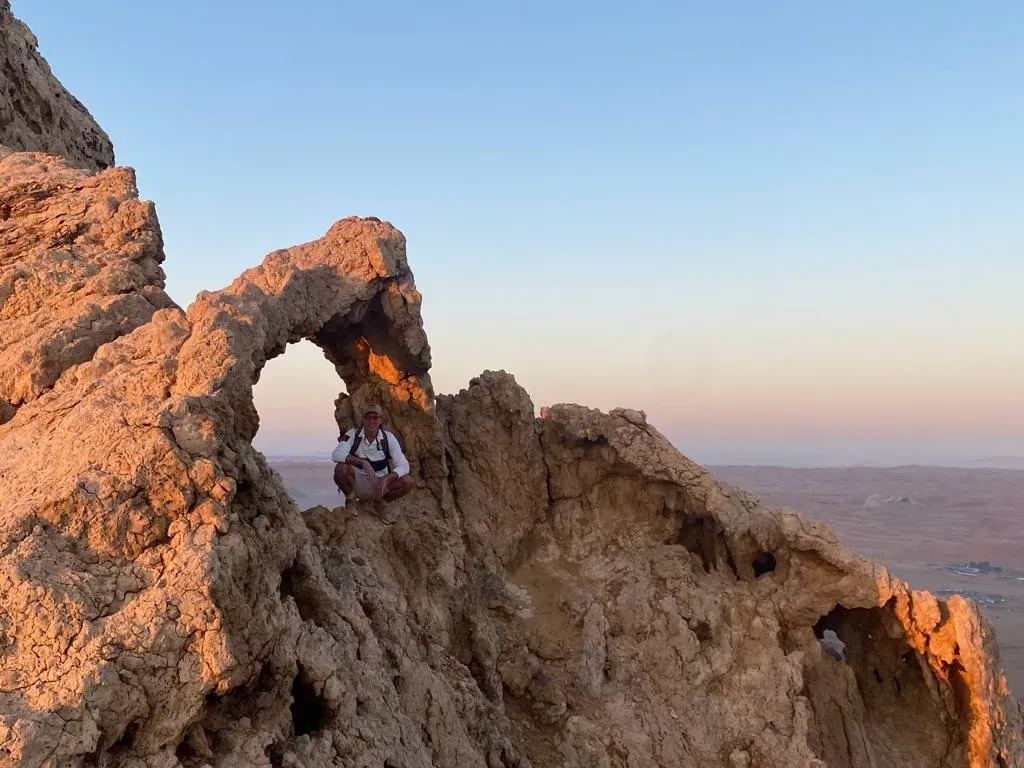
While the ocean floor gets recycled relatively quickly, parts of the continental crust are incredibly old, stretching back billions of years. When you walk across certain ancient cratons–the stable cores of continents–you are treading on rocks that formed when Earth itself was still young and the crust was just starting to stabilize. These old fragments survived countless collisions, rifts, and mountain-building events, stubbornly resisting being dragged back into the mantle.
For you, these ancient pieces of crust are like the earliest chapters of a book that mostly got rewritten. By studying their chemistry and mineral makeup, you can infer what the atmosphere and oceans were like, how early continents first came together, and how the planet’s internal engine has changed over time. Standing on such ancient ground, you are connected to a deep past that long predates any life you recognize, and it becomes impossible not to feel small in the best possible way.
Conclusion: Standing on a Restless, Story-Filled World
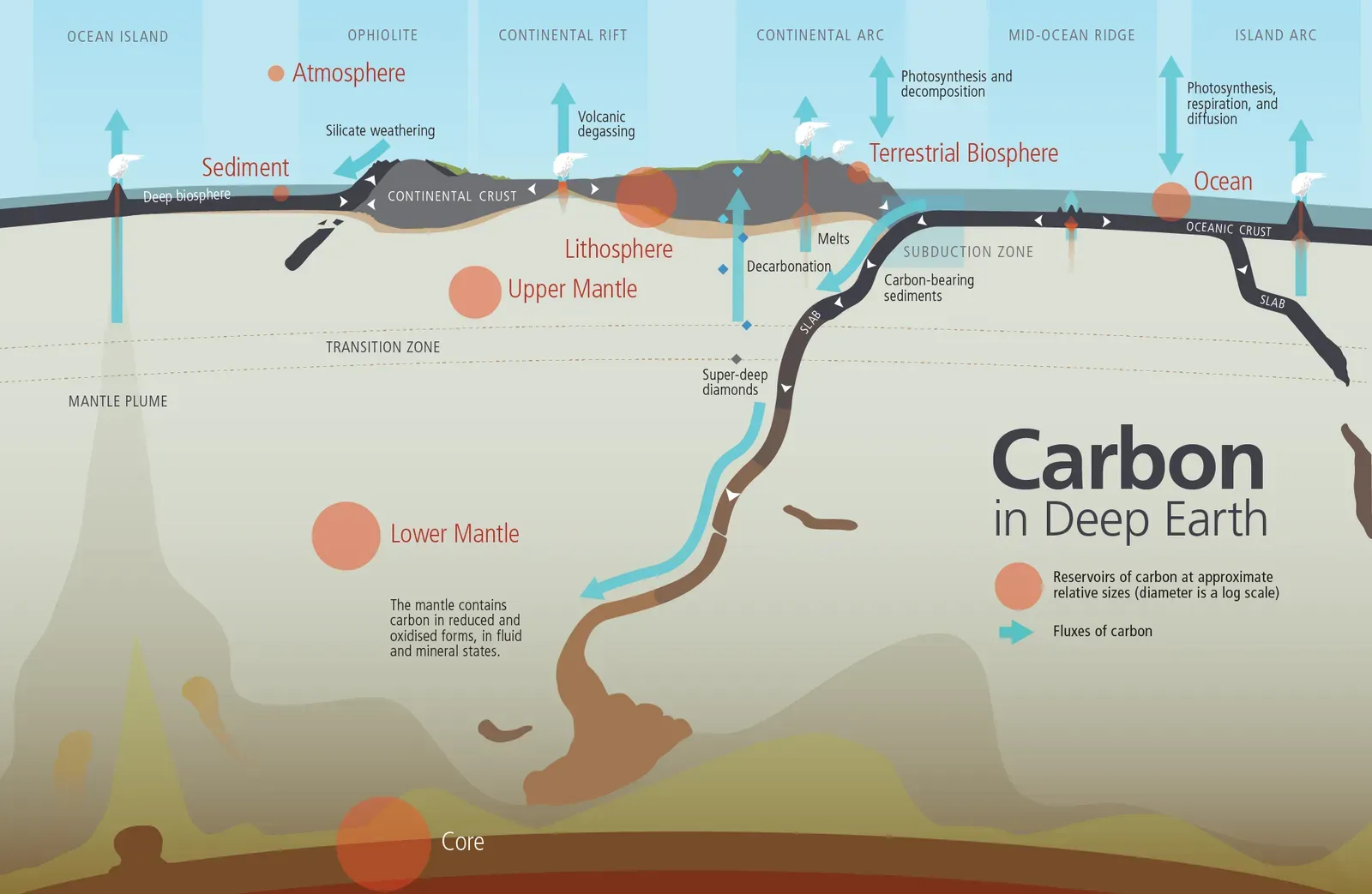
Once you see the Earth’s crust for what it really is, you stop thinking of it as a static floor and start seeing it as a restless, living interface between the deep interior and the surface world you know. In just a few dozen miles of rock, you have drifting plates, newborn seafloor, recycled slabs, magma systems, hidden water, deep life, and a climate diary stretching back through almost unimaginable time. You stand on ancient fragments of crust while feeling the tremors of ongoing change, even if you rarely notice it day to day.
Understanding these discoveries gives you a kind of x-ray vision for the planet under your feet. The next time you hike a mountain, feel an earthquake on the news, or see a volcano on a documentary, you can picture the invisible machinery inside the crust that makes all of it possible. In the end, you realize you are not just living on the Earth’s surface; you are living on top of a thin, fragile, constantly rewritten skin that quietly shapes everything about your world. Knowing that, how differently do you see the ground you are standing on right now?