
You probably handle some seriously tough materials every single day without realizing it. They sit quietly in your kitchen, in your car, in your clothes, even in your pockets, and you barely give them a second thought. But if you look a little closer, a lot of those “ordinary” things are hiding some outrageously impressive strength.
Once you start to notice this, your whole sense of what’s “fragile” and what’s “unbreakable” changes. You begin to see your phone screen, your grocery bags, even a roll of tape in a totally different light. Let’s walk through ten everyday materials that are much stronger than they look on the surface – and by the end, you might never look at your own home the same way again.
1. Tempered Glass: The “Fragile” Material That Takes a Beating
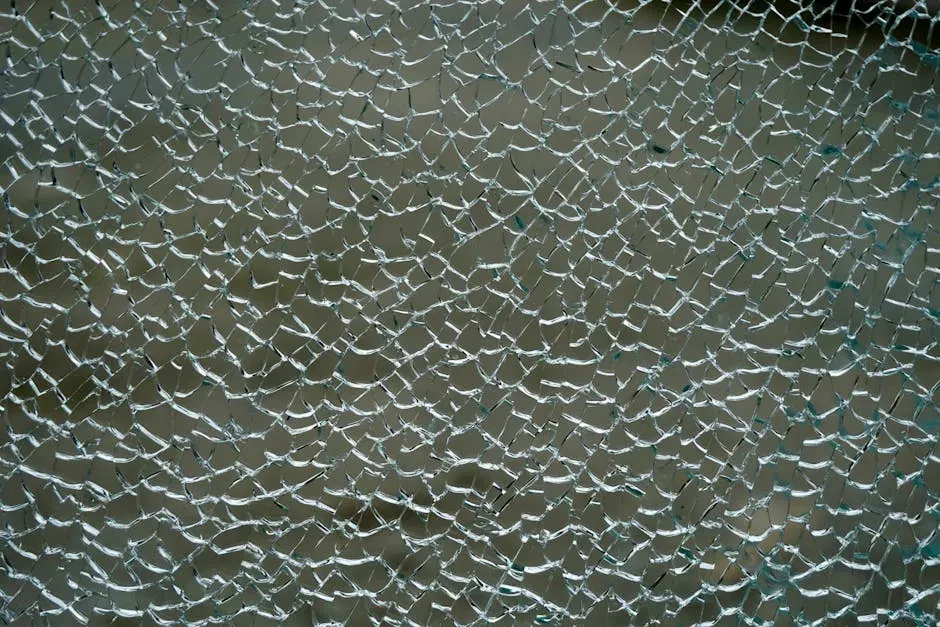
You think of glass and your brain jumps straight to shattering, right? But when you deal with tempered glass – the kind you have in car side windows, shower doors, and many phone screen protectors – you’re handling something that’s been engineered to be surprisingly tough. It’s heated to a high temperature and then cooled quickly, which locks in internal stresses that make it far more resistant to bending and impact than regular glass.
That’s why you can slam your shower door a bit too hard or close your car door with a satisfying thud and the glass usually does not care. In everyday life, you’re far more likely to see scuffs and scratches on the frame than a crack in the glass itself. When tempered glass finally fails, it crumbles into many small, blunt pieces instead of large razor-sharp shards, so you get a weird mix of strength and safety baked into something that still looks delicate.
2. Gorilla Glass on Your Phone: A Pocket-Sized Armor Plate

If you carry a smartphone, you’re probably pressing your fingers against a sheet of chemically strengthened glass dozens or even hundreds of times a day. This kind of glass is treated in a molten salt bath so that larger ions swap places with smaller ones at the surface. That swap squeezes the outer layer of the glass in compression, which gives your screen a serious upgrade in scratch and crack resistance without making it thick or heavy.
You feel the benefits when your phone survives that short drop onto the kitchen tile or that accidental scrape against your keys. It is not indestructible – you already know that if you’ve ever watched a phone tumble from shoulder height to concrete – but it is dramatically stronger than a bare piece of ordinary window glass. In a way, your screen is a tiny, transparent shield that silently absorbs abuse every day while you scroll.
3. Nylon and Polyester Fabrics: Cloth That Refuses to Quit

When you pull on workout clothes, backpacks, seat belts, or tents, you’re usually dealing with synthetic fibers like nylon and polyester. They might feel soft and flexible in your hands, but those fibers have a surprisingly high strength-to-weight ratio. They can withstand a lot of tension before snapping, which is why thin straps can safely hold up heavy loads and why your backpack straps rarely give out even when you seriously overpack.
You notice this durability most when you compare them to traditional cotton. Cotton tears more easily and wears out faster at stress points like elbows and knees, while nylon and polyester tend to stretch, recover, and keep going. That’s also why parachutes, climbing gear, and many safety harnesses trust these humble fibers – under everyday use, you almost never push them anywhere near their limits, even if it feels like you’re being rough.
4. Plywood: The “Cheap” Wood That Outsmarts Solid Boards
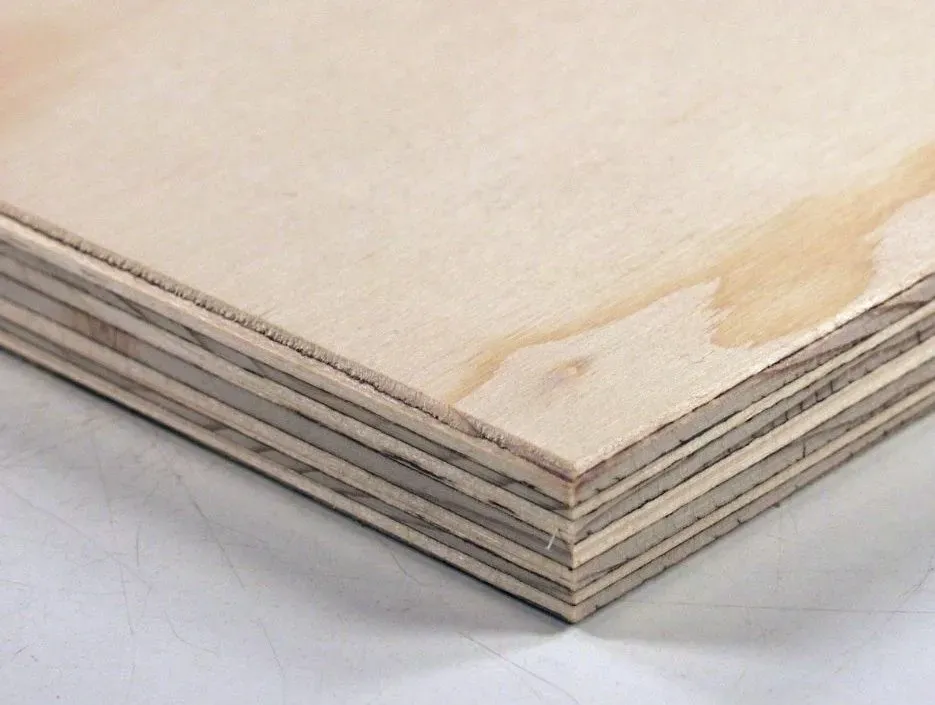
You might see plywood as the budget option at the hardware store, but structurally, it’s a lot smarter than it looks. Instead of being one solid piece, it’s made by gluing thin layers of wood together with the grain direction alternating in each layer. That crisscross design helps distribute stress more evenly and resists splitting, warping, and cracking in directions that would easily ruin a regular solid board.
When you walk on a plywood subfloor, build simple shelves, or see it used in roof and wall panels, you’re relying on that layered strength. Because the fibers are locked together in multiple directions, a sheet of plywood often holds up better under real-world loads than a much thicker piece of solid lumber of the same species. So even though it has a plain, rough look, you’re actually standing on a carefully engineered wood composite that punches far above its price tag.
5. Aluminum Foil and Cans: Light Metal, Heavy Performance
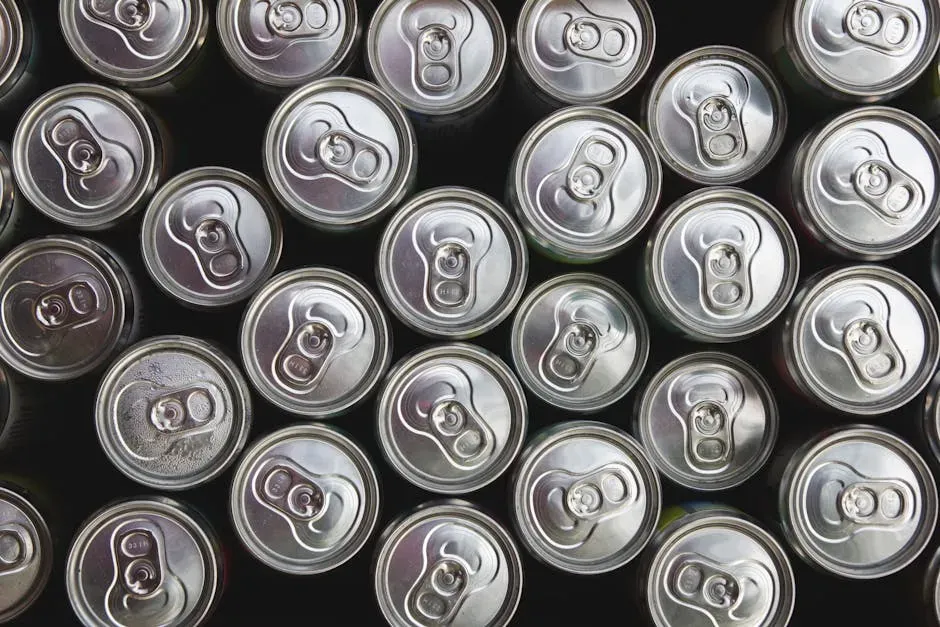
Aluminum feels flimsy when you crumple a sheet of kitchen foil, but the metal itself has a surprisingly impressive combination of lightness and strength. In the form of beams, bike frames, or car parts, aluminum alloys can support significant loads while staying far lighter than steel. Even a simple beverage can is a small engineering miracle: ultra-thin walls shaped in a way that resists internal pressure and stacking forces during shipping.
When you hold a can, it feels delicate, yet you can stack them, drop them from reasonable heights, and toss them into shopping bags without much worry. The secret is in the geometry and the alloy. The domed bottom and cylindrical sides share stress efficiently, which lets manufacturers use very little metal without sacrificing practical strength. In your hands it feels ordinary, but in terms of performance per gram, aluminum packaging and parts are quietly impressive.
6. Duct Tape: Sticky Fabric with Hidden Muscle
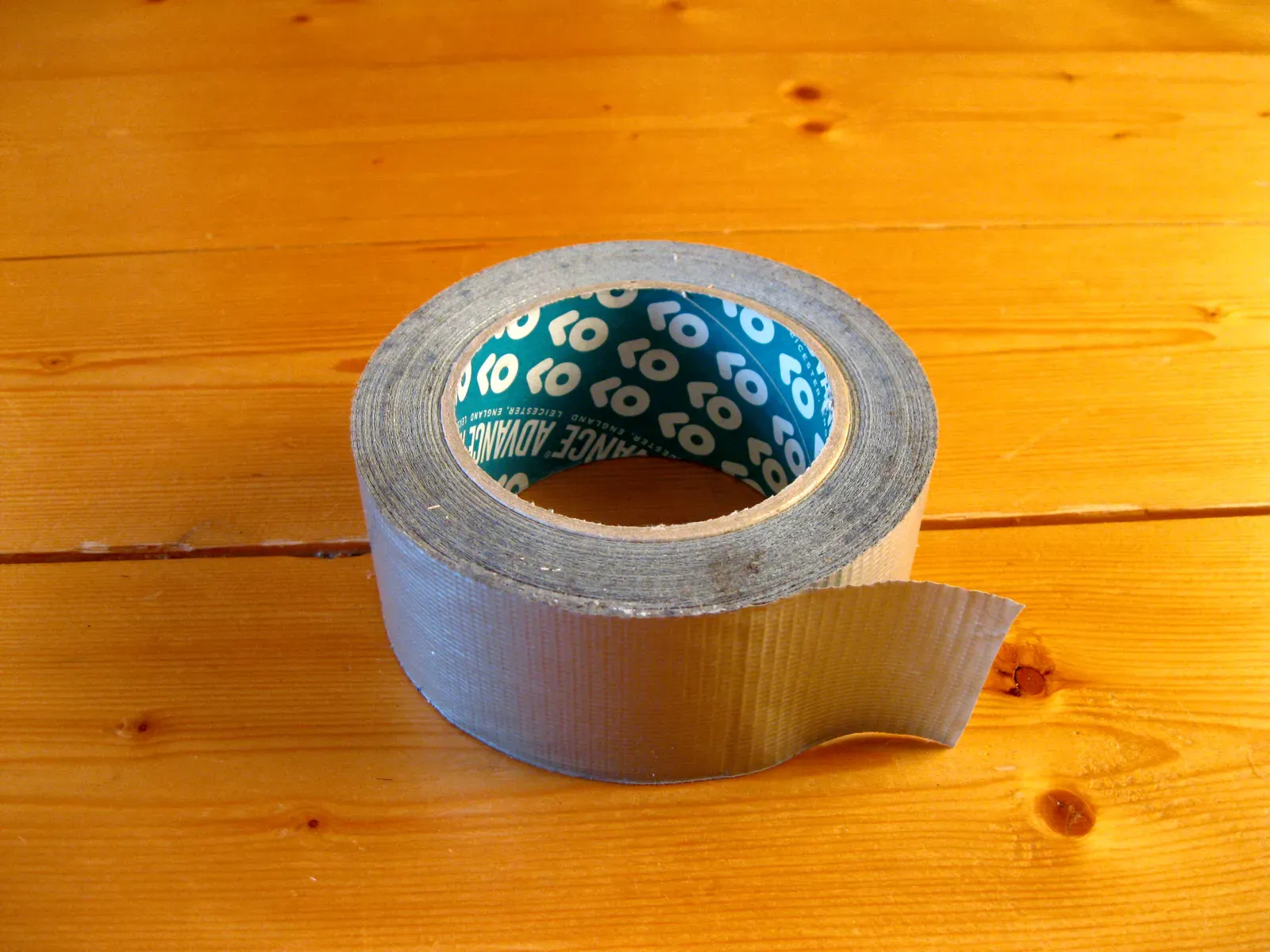
You probably think of duct tape as the universal “just fix it” tool, and there’s a good reason for that. Beneath the sticky surface, there’s a layer of fabric – often a woven polyester or cotton mesh – that gives the tape its tensile strength. That fabric backbone lets you pull, wrap, tie, and patch with surprising force before the tape gives up, which is why it works for everything from bundling cables to patching a tent in the rain.
When you tear a strip by hand, you might assume it is weak, but that easy tearing happens mostly across the weave, not along it. Wrap it around something a few times, and suddenly you have a surprisingly strong band that can hold pieces in place far longer than you’d expect. You see the real power of duct tape when a quick “temporary” fix you did months ago is somehow still holding together today, quietly doing a job it was never officially designed for.
7. Zip Ties: Plastic Loops That Lock Like Steel
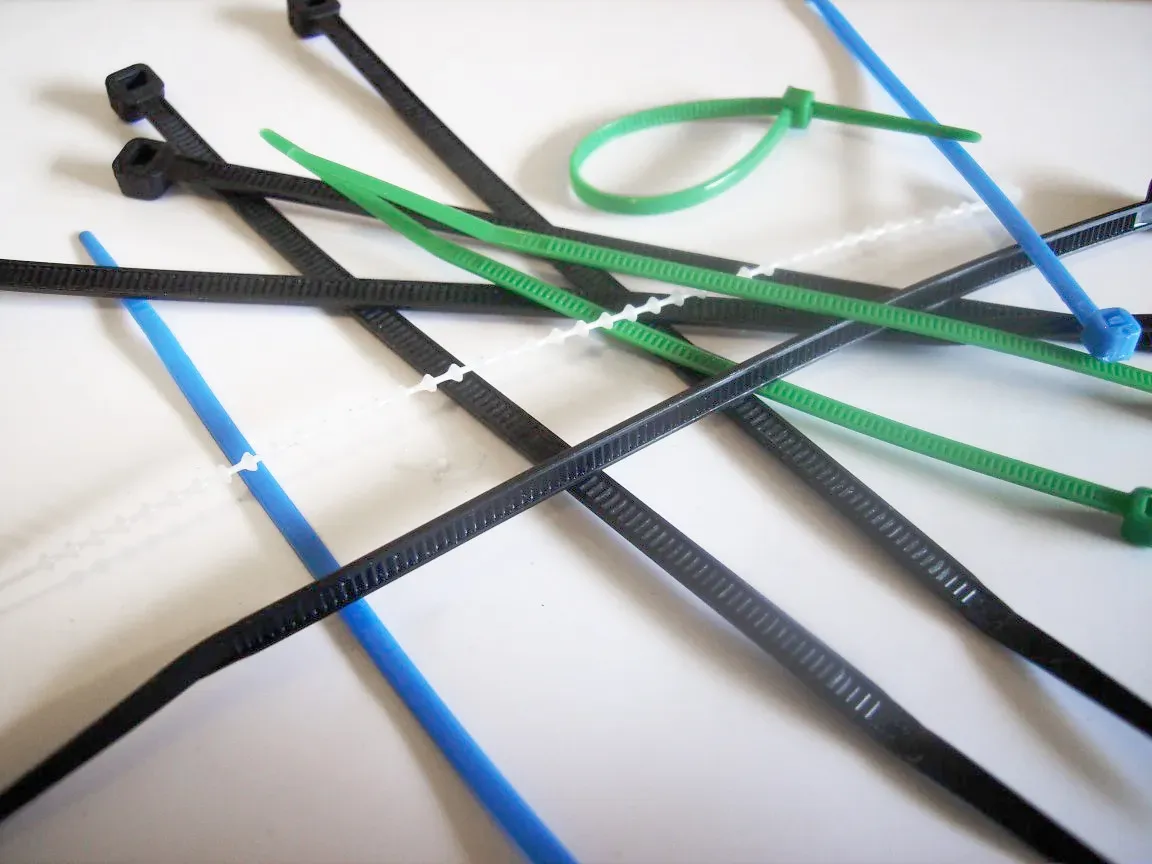
(Original text : I created this work entirely by myself.), CC BY-SA 3.0)
Zip ties look like trivial little plastic strips, but once you loop and tighten one, you feel just how aggressively it bites down. Most are made from nylon, which gives them a solid mix of strength, stiffness, and a bit of flexibility. When you pull that tail through the head, a tiny internal pawl grips the ridges and prevents it from slipping backward, turning a small piece of plastic into a surprisingly strong clamp.
You probably use them to tidy cables, hold car parts in place temporarily, secure fencing, or attach things to bike frames. What feels like a throwaway fastener can actually resist more force than you might be comfortable testing by hand. As long as you avoid extreme heat, intense UV exposure over long periods, or sharp edges, that simple zip tie can stay locked for years, quietly doing the sort of job you might think only metal hardware could handle.
8. Cardboard: Corrugated Sheets with Structural Secrets
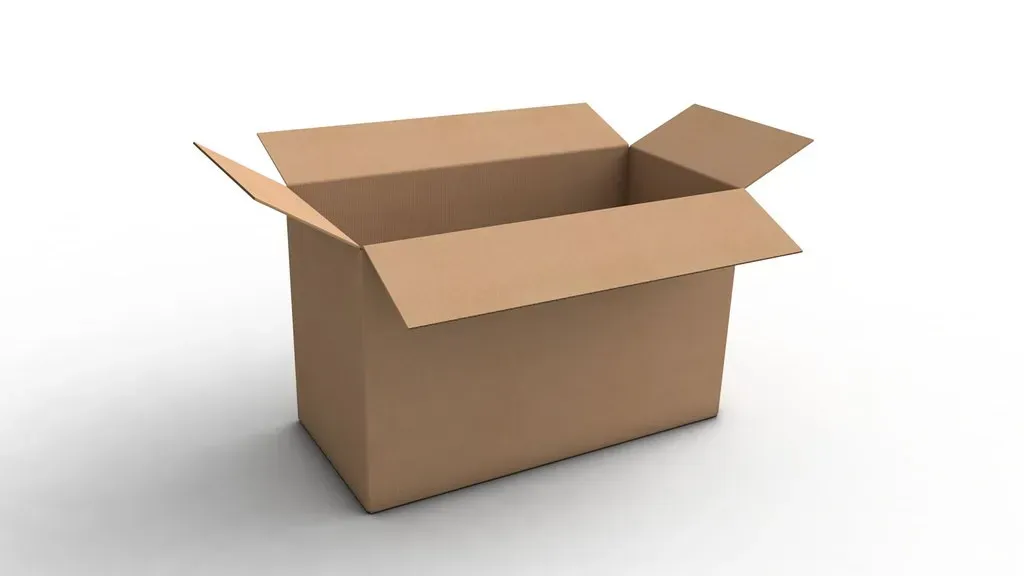
When you think of cardboard, your mind might jump to soggy boxes after a rainy delivery, but before it gets wet, corrugated cardboard is a remarkably efficient structure. The secret is in the fluted layer sandwiched between two flat sheets. That wavy middle section acts like a tiny I-beam repeated over and over, adding rigidity and crush resistance while keeping the material very light.
You feel this most when you stand on a well-supported cardboard box or stack boxes high in a closet and they hold their shape. For something made of paper fibers, it handles compression incredibly well in the vertical direction, which is exactly how loads are applied during shipping and storage. As long as you keep it dry and avoid concentrated puncture forces, your “fragile” cardboard box can safely carry more weight than you might dare to test.
9. Denim: Everyday Fabric with Workwear Roots
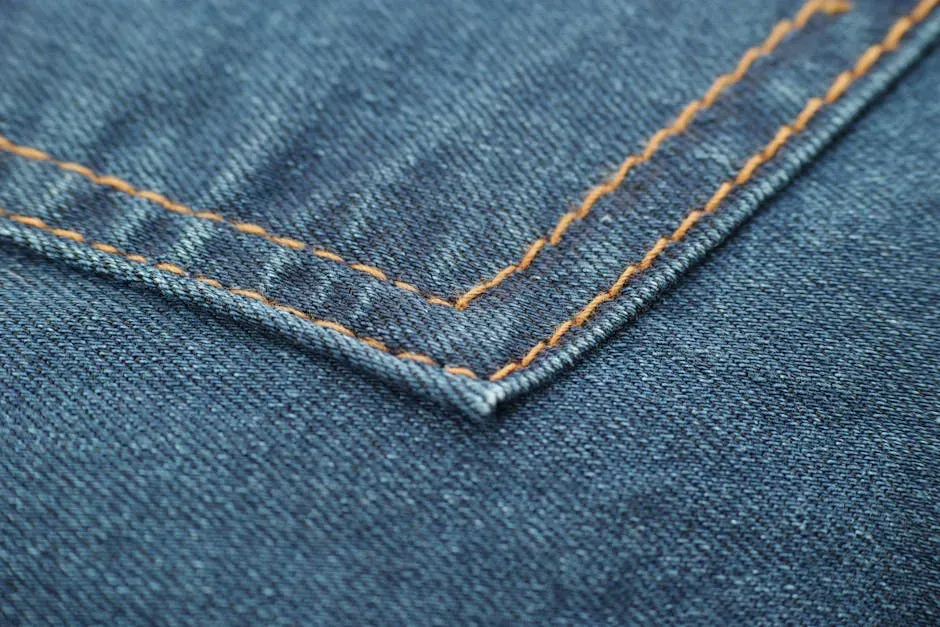
Your favorite pair of jeans might feel soft and broken-in, but denim started life as a serious workwear fabric. It is a tightly woven cotton, usually in a twill pattern that gives it diagonal ridges. That structure helps distribute stress across multiple threads, so instead of snapping easily, the fabric tends to wear gradually, fading and thinning long before it actually tears apart in normal use.
You see this clearly when a pair of jeans survives years of sitting, stretching, kneeling, and the occasional snag. Where a lighter, looser fabric would rip, denim usually just scuffs or frays. That is why it is still common in tough jobs, outdoor clothing, and even protective motorcycle gear when reinforced correctly. On your body, it just feels like casual wear, but the reason you stay loyal to one pair for years is that the material has more backbone than you realize.
10. Silicone: Soft, Squishy, and Shockingly Tough
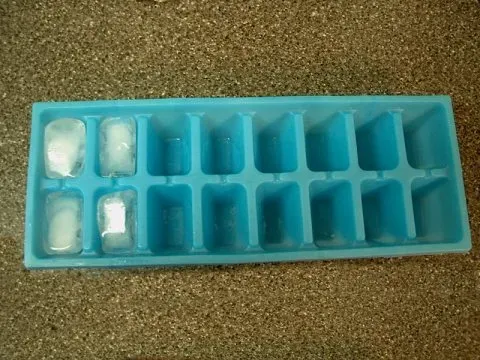
Silicone feels almost toy-like in your hands – bendy baking mats, flexible spatulas, collapsible bowls – but the material itself is extremely resilient. It can handle a massive temperature range, often from freezer cold up to the heat of your oven, without cracking, melting, or turning brittle. That stability comes from its unique chemistry, which keeps the polymer chains flexible but not easily broken, even under repeated thermal and mechanical stress.
In everyday use, that means your silicone spatula can scrape against hot pans, your baking mold can flex again and again, and your phone case can absorb impact without splitting at the corners. It shrugs off water, many household chemicals, and ultraviolet light better than a lot of common plastics. So while it feels soft and friendly, silicone is one of those materials you can bend, twist, heat, and cool relentlessly, and it just keeps snapping back to form as if nothing happened.
Conclusion: Rethinking What “Strong” Really Means

When you zoom in on the things around you, strength starts to look a lot less obvious. A phone screen that seems fragile, a can that crushes under your hand, or a strip of tape in a drawer can all hide careful engineering and clever design choices. You begin to see that toughness is not just about bulk and weight – often, it is about structure, treatment, and how forces move through a material.
Next time you open a cardboard box, slip on your jeans, tighten a zip tie, or flick your finger across your screen, you can appreciate the quiet power built into those everyday objects. You’re surrounded by materials that quietly work far harder than they look, and once you notice it, the ordinary world feels a lot more impressive. Which of these everyday “undercover powerhouses” surprised you the most?