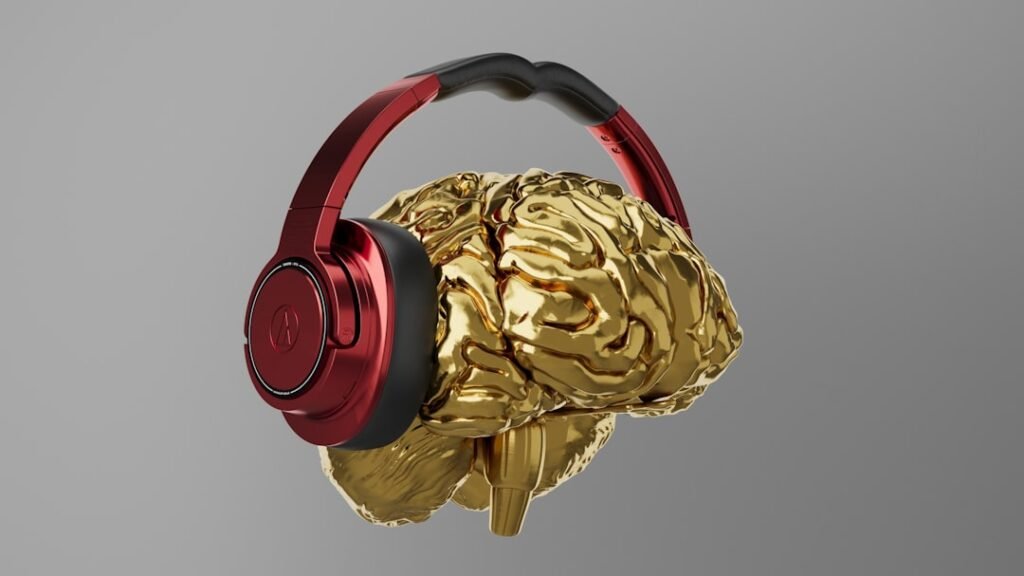

You know that shiver you get during your favorite song, the way a simple melody can yank you back ten years in a heartbeat, or how a playlist can turn a bad day into something you can actually handle? That is not just “vibes” or personality. That is your brain being chemically rewritten in real time by sound.
Once you realize how deeply music rewires your feelings, your focus, and even your body’s stress and pain systems, it stops being just background noise. It becomes a tool. You do not have to be a musician or a scientist to use it; you just need to understand what it is doing under the hood so you can stop leaving your emotional state up to random shuffle.
The Reward Rush: How Music Hijacks Your Pleasure Circuits

When a song gives you chills, your brain is bathing itself in dopamine, the same reward chemical that fires when you eat something delicious, fall in love, or hit a long‑awaited goal. You are not imagining that “high” when the chorus finally lands; your reward system is predicting the musical payoff and then lighting up when it arrives. The wild part is that your brain reacts not only to the sound itself, but to the tension and release, the tiny surprises, and the patterns you have learned to expect.
Over time, specific songs and even whole genres get tied to your personal reward history. That track you always played driving home from a new job, or the song that was on repeat the week you fell for someone, becomes a kind of emotional shortcut. When you hit play again, your brain does not just hear notes; it reloads the whole emotional package, including the dopamine signature you built around it. That is why the right song at the right moment can feel almost addictively good, and why you sometimes replay one track over and over like you are chasing a feeling, not just listening.
Stress, Cortisol, and Why The Right Song Can Calm You Fast

When you are stressed, your body ramps up cortisol, the main stress hormone that keeps you on high alert and wears you down when it stays elevated. Calm, slow, or meditative music can nudge that system in the opposite direction, helping lower cortisol and ease both mental and physical tension. You feel it as your shoulders dropping, your breathing slowing down, and your thoughts finally unhooking from that endless loop.
This is not just “relaxation music” marketing. When you give yourself ten quiet minutes with a song that soothes you, you are essentially running a tiny self‑guided stress intervention. Over time, those moments of musical decompression can protect the parts of your brain tied to memory and emotional balance, which are especially sensitive to chronic stress. You are not weak for needing that song on repeat after a hard day; you are using sound as a low‑tech way to keep your internal alarm system from burning you out.
Emotion On Demand: How Music Steers Your Mood
Music can make you feel devastated by lyrics you have heard a hundred times, or weirdly brave during a workout, or unexpectedly nostalgic in a grocery store aisle. Your emotional brain, especially regions involved in fear, pleasure, and memory, reacts to music almost as if what you are hearing is actually happening to you. That is why a dark soundtrack can make a normal scene in a movie feel threatening, or why a hopeful chord progression can make you feel like you might finally be okay.
Once you see that, playlists stop being background and start becoming emotional levers. You can deliberately use sad music when you need to process something instead of avoiding it, knowing your brain often uses those sounds to safely explore heavy feelings. Or you can reach for energetic, rhythm‑driven tracks when you need courage, not because it is “hype music,” but because your brain associates that sound profile with approach, movement, and forward motion. In a very real way, you can score your own life to gently nudge your feelings in the direction you actually want to go.
Memory, Time Travel, and Why One Song Feels Like a Lifetime

You have probably had this happen: a song comes on and suddenly you can smell a place you have not been in years, see the room you were in, and feel something you thought you were over. That is your memory system and your emotional system firing together. When you repeatedly hear a track during a meaningful period of your life, your brain binds the music to the sights, smells, people, and feelings of that time, building one tight, multi‑sensory package.
Later, when you hear just the first few seconds, your brain uses the song as a key and unlocks the whole vault. This is also why music is being used with people who have memory problems: familiar songs can sometimes reach memories that normal conversation cannot access. You can use this in your own life by choosing “capsule songs” for certain seasons, trips, or milestones. If you are intentional about it, you are basically planting time machines in your brain that you can revisit with a single tap.
Focus, Flow, and Using Sound as Mental Architecture

Some days you put on music to work and end up more distracted; other days the right sound turns you into a machine. That difference is not random. Music can change how your attention system fires, either pulling you into the present task or yanking you away from it. Repetitive, predictable, lyric‑free tracks tend to be friendlier to deep work because they give your brain a gentle structure without demanding that you follow a story or interpret words.
When you find audio that matches what your brain needs for the moment – steady beats for focus, ambient textures for reflection, silence between intense tasks – you are essentially designing the acoustic “scaffolding” around your mind. You might notice that certain tempos help you read faster, or specific genres make boring tasks more tolerable by engaging just enough of your emotional system to keep you from checking out. With a little trial and error, your headphones stop being a shield from noise and start acting more like a steering wheel for your attention.
Pain, Discomfort, and Music as a Quiet Analgesic

It might sound too simple, but yes, the playlist you reach for when you are hurting is doing more than keeping you distracted. Music can dampen how intense pain feels by pulling your attention away from raw sensation and into emotional meaning, memory, and prediction. While your brain is busy processing melody, rhythm, and feeling, the areas that signal pain have to share bandwidth, which subtly reduces how much the discomfort dominates your experience.
There is also a chemical side to this. Pleasant, meaningful music can boost natural pain‑modulating substances in your body, the ones that help you cope and stay steady. You may have noticed that when you are injured or going through something physically hard, certain songs become almost sacred, as if they “held you up” during that time. That is not just poetic language. Your brain was literally using those sounds to reframe and buffer the pain, and that association can stick around long after the injury or illness ends.
Neuroplasticity: How Your Playlist Quietly Reshapes Your Brain

Every time you listen to music, your brain is wiring and rewiring itself, sometimes in tiny ways you do not feel and sometimes in massive ways that show up as new skills, habits, or emotional reflexes. Complex music, especially when you actively engage with it – by playing an instrument, singing, or even just listening closely – strengthens connections between regions involved in hearing, movement, planning, and emotion. Over the years, that adds up to physical changes in brain structure and function.
This plasticity is part of why music is being used to help people relearn speech, regain movement, or rebuild thinking skills after injury or illness. But it also matters for you in more ordinary life. The kind of music you regularly feed your brain becomes part of the way your mind organizes time, expectation, and emotion. You are constantly teaching your brain what “safe,” “energizing,” “comforting,” or “overwhelming” sounds like. Curating your listening is not about taste snobbery; it is about deciding what kind of neural neighborhood you want to build and live inside.
Identity, Belonging, and The Soundtrack of Who You Are

Think about the bands, genres, or scenes you have clung to at different points in your life. Those choices were not random – they were the sound of you trying on identities, finding your people, and drawing lines between “me” and “everyone else.” Music plugs directly into the parts of your brain that care about connection, status, and belonging, which is why shared playlists, concerts, and even online fandoms can feel so intimate and intense.
When you drift away from a genre that once defined you, it can feel a little like a breakup with your past self. When you discover a new sound that clicks instantly, it can feel like someone finally translated a part of you that you could not name. Paying attention to those shifts tells you a lot about where your inner life is heading, often before you have the words for it. Your musical taste is not just what you like; it is an ongoing record of who you are becoming and who you feel safe being around.
Designing Your Own “Sound Mind”: Practical Ways to Use Music Intentionally
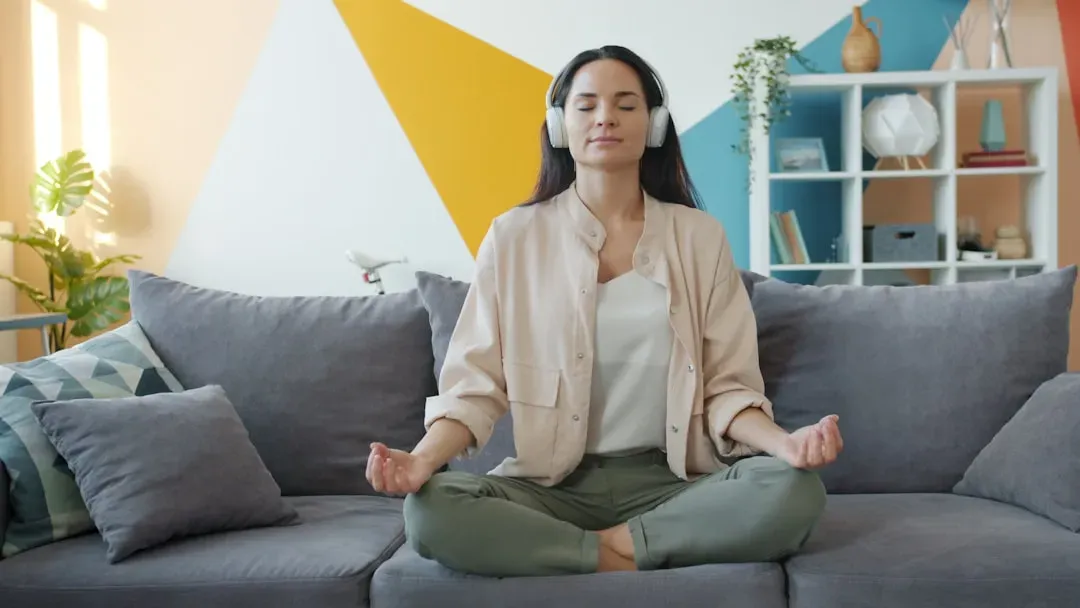
Once you understand that music is constantly nudging your chemistry, emotions, and attention, you can stop treating it like harmless background and start using it more like a toolkit. You can build specific playlists for specific brain states: one for calming your nervous system at night, one for easing into deep work, one for processing heavy moods without getting stuck, and one for energizing your body when you are dragging. Each playlist becomes a kind of emotional prescription you wrote for yourself.
You can also practice pairing certain songs with particular routines – like a focus track you only play when you need to work, or a calming piece you use right before bed – so your brain learns to shift gears more quickly when the music starts. Over time, those cues become powerful, almost like flipping a switch. The more intentional you are, the less your day is run by whatever random algorithm chooses, and the more your soundscape actually reflects what you need. You are still just pressing play, but now you are doing it as someone who understands how deeply that one tap changes what you feel next.
Conclusion: You Are The DJ of Your Own Nervous System
Music is not just entertainment sitting on top of your real life; it is woven straight into how your brain handles reward, stress, memory, pain, and identity. Every song you let in is a tiny training session for your nervous system, teaching it how to react, what to remember, and where to send your attention. Once you see that, it becomes hard to think of any listening as truly “casual.” You are always, in some small way, reshaping yourself.
The good news is that you do not need a lab, a therapist, or a conservatory to start using this on purpose. You just need curiosity and a bit of experimentation with what actually helps you feel, think, and move the way you want. The next time you reach for your headphones, you might quietly ask yourself: if your brain is going to change with whatever you play, what kind of change do you want to hear?