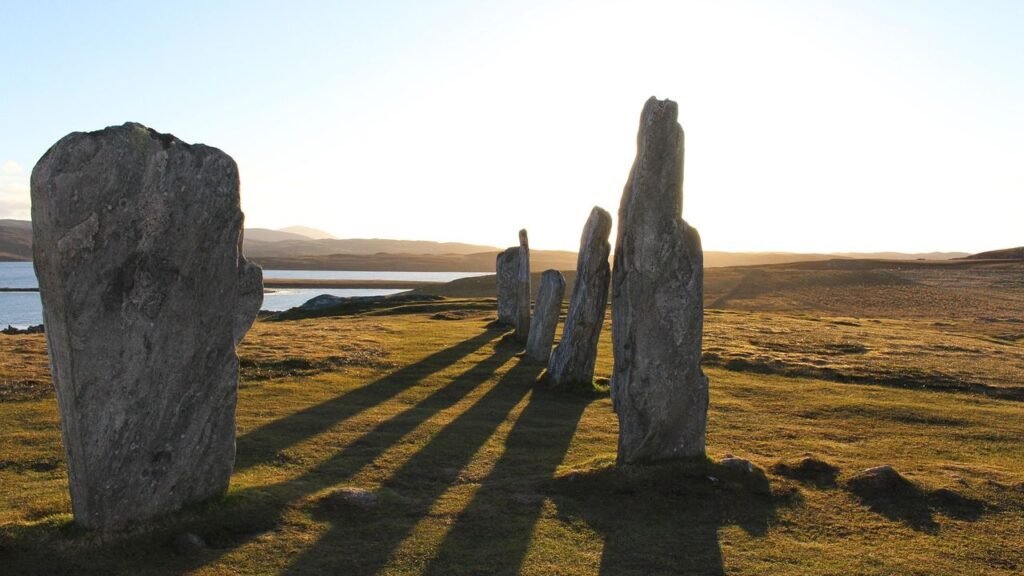

You stand in front of a slab of stone the size of a bus, older than the pyramids, carved and raised by people with no metal tools, no wheels, and no cities. If that does not shake your sense of history, nothing will. Across Europe, from Portugal’s windy coasts to the misty islands of Orkney, you walk through a landscape scattered with these silent giants, each one whispering that the story you learned about “primitive” prehistory is far too simple.
When you start to dig into the mystery of Europe’s megaliths, you run into a strange mix of hard evidence and stubborn unknowns. You can trace dates, bones, pollen, and tool marks, but you still cannot pin down one single reason they were built or one single people who built them. Instead, you find layers of motivations: grief, power, cosmology, community, even early science. As you move through these stones, you are not just visiting ruins; you are stepping into an ancient argument about what it means to be human together.
The Deep Time of Stone: How Old Are Europe’s Megaliths?
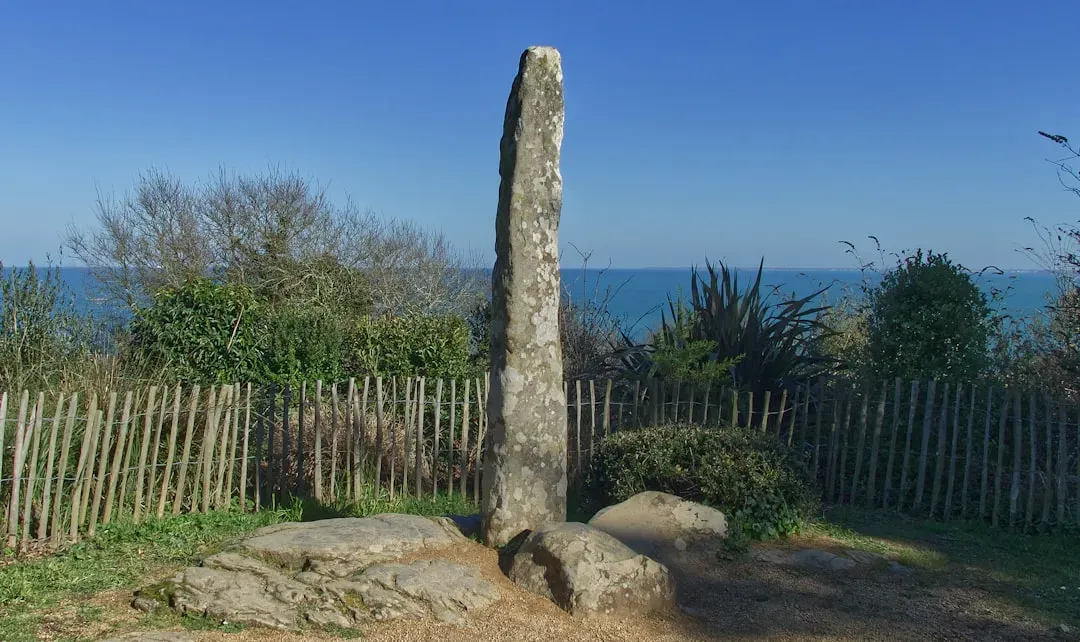
When you picture “ancient,” you might think of the pyramids or classical temples, but the oldest European megaliths push you much further back. Along the Atlantic coasts of Portugal, Spain, France, Ireland, and Britain, you find tombs and standing stones that stretch deep into the Neolithic, many dating from roughly six to five thousand years ago, and some early chambered mounds closer to six thousand years before today. By the time Egyptians were building the first pyramids, some of these European stone tombs were already older than the pyramids are to you now. ([en.wikipedia.org](https://en.wikipedia.org/wiki/Chamber_tumulus?utm_source=openai))
Not every famous stone site fits neatly into this European picture, but when you compare them, you feel the weight of time. In Turkey, at Göbekli Tepe, you see megalithic enclosures that go back roughly eleven to twelve thousand years, long before farming reaches Europe, reminding you that the idea of raising monumental stone has roots deeper than any single culture. Even within Europe, the tradition stretches over many centuries: early long barrows and passage tombs, later stone circles and standing alignments, and finally Bronze Age burials that reuse older sites. When you look at a single circle or dolmen, you are often looking at a place that people revisited and reimagined over dozens of generations, not a one-off building project. ([en.wikipedia.org](https://en.wikipedia.org/wiki/G%C3%B6bekli_Tepe?utm_source=openai))
Who Were the Builders? Farmers, Seafarers, and Local Communities
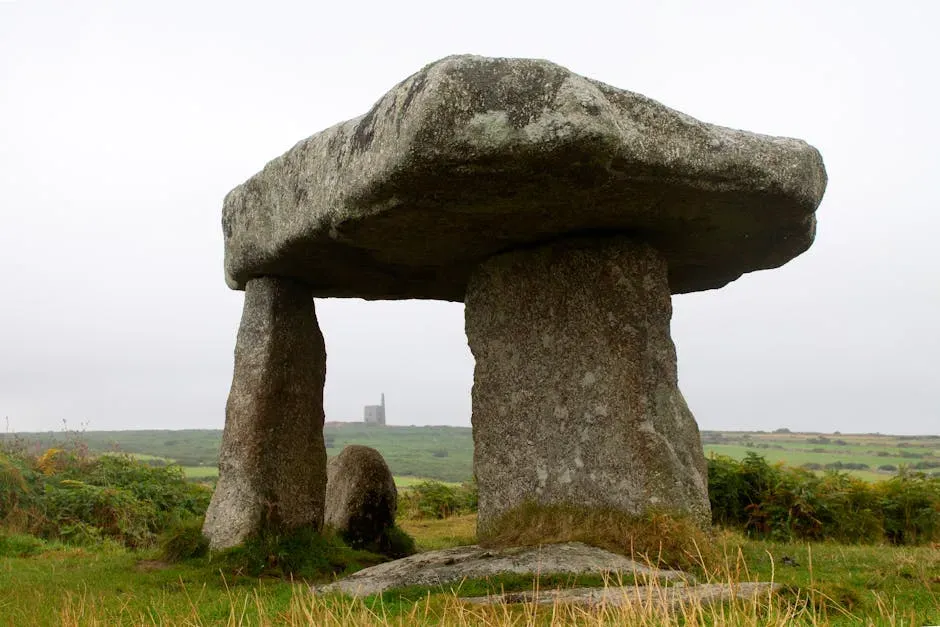
If you were able to walk into Europe six thousand years ago, you would not meet a mysterious vanished race of master masons. You would meet farming communities, many descended from early Neolithic migrants who brought crops and livestock from the Near East into the Balkans, and from there across the continent. In places like northern Germany and Denmark, you see cultures such as the Funnelbeaker groups raising large dolmens and gallery graves, burying their dead with stone axes, amber beads, and pottery. Farther west in Brittany and Ireland, other farming populations carve long tombs and passage graves that share ideas but remain rooted in their own landscapes. ([en.wikipedia.org](https://en.wikipedia.org/wiki/Lancken-Granitz_dolmens?utm_source=openai))
You can imagine these builders not as a single “megalithic people” marching across Europe, but as a loose web of related societies, trading partners, and distant cousins. They share certain ideas – using huge stones for burial, aligning monuments with the sun, emphasizing specific ancestors – but they speak different dialects, shape different pottery, and respond to local soils and coasts. Coastal regions, especially along the Atlantic façade, seem to act like stone highways where ideas travel by boat: you see similar types of tombs and alignments jumping from Brittany to Ireland and western Britain, suggesting that you are looking at seafarers who know their currents as well as you know your commute. ([en.wikipedia.org](https://en.wikipedia.org/wiki/Gavrinis?utm_source=openai))
Stonehenge and Friends: Not Just Tourist Backdrops
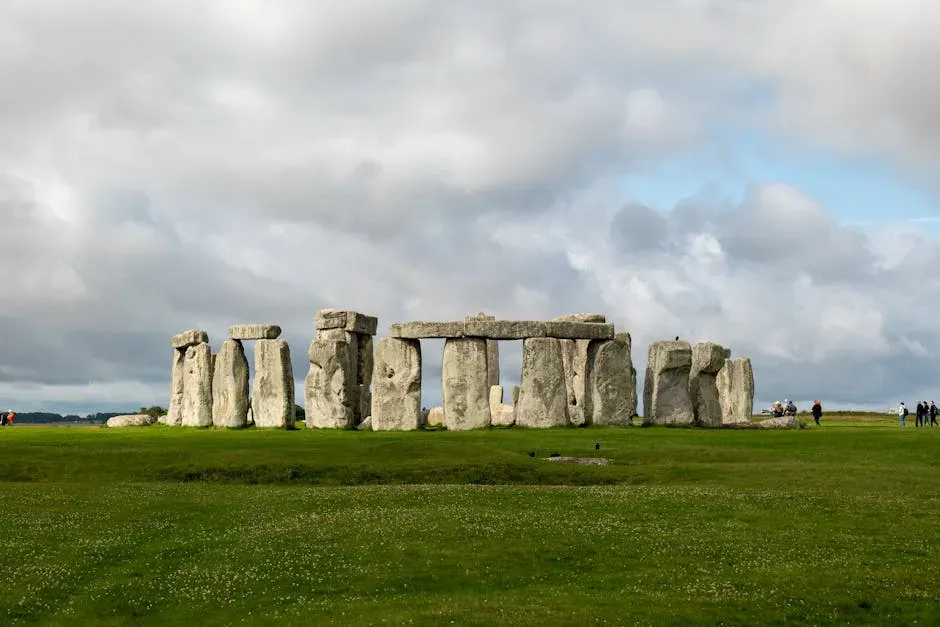
When you hear “megalith,” your mind probably jumps straight to Stonehenge, and that is fair – it is one of the strangest and most studied stone circles on Earth. You now know its builders were Neolithic farmers and their descendants, people who hauled massive sarsen stones from southern England and smaller “bluestones” from western Britain and even Scotland, deliberately choosing rocks from far-flung landscapes. Recent work has shown that ice did not conveniently push those stones into place for them; people really did organize the transport over hundreds of kilometers, which tells you a lot about their determination and social coordination. ([phys.org](https://phys.org/news/2025-07-humans-glacial-brought-bluestones-stonehenge.html?utm_source=openai))
But if you stop at Stonehenge, you miss the bigger picture. You walk into a crowded European gallery of sites: the endless stone rows at Carnac in Brittany, where thousands of granite blocks stand in eerie alignments; the passage tombs of Newgrange and other Boyne Valley monuments in Ireland; the carved slabs of Gavrinis with swirling motifs; stone circles scattered across Britain, Ireland, and Brittany; and chambered tombs from Iberia to Scandinavia. Archaeologists now talk not about a single monument but about “megalithic landscapes,” where stone, earthworks, ditches, and wooden structures tie together into vast ritual and social arenas. Once you step back, Stonehenge becomes one dramatic chapter in a much longer, continent-wide story of people shaping their world with stone. ([en.wikipedia.org](https://en.wikipedia.org/wiki/Carnac_stones?utm_source=openai))
Tombs, Ancestors, and the Long Memory of the Dead
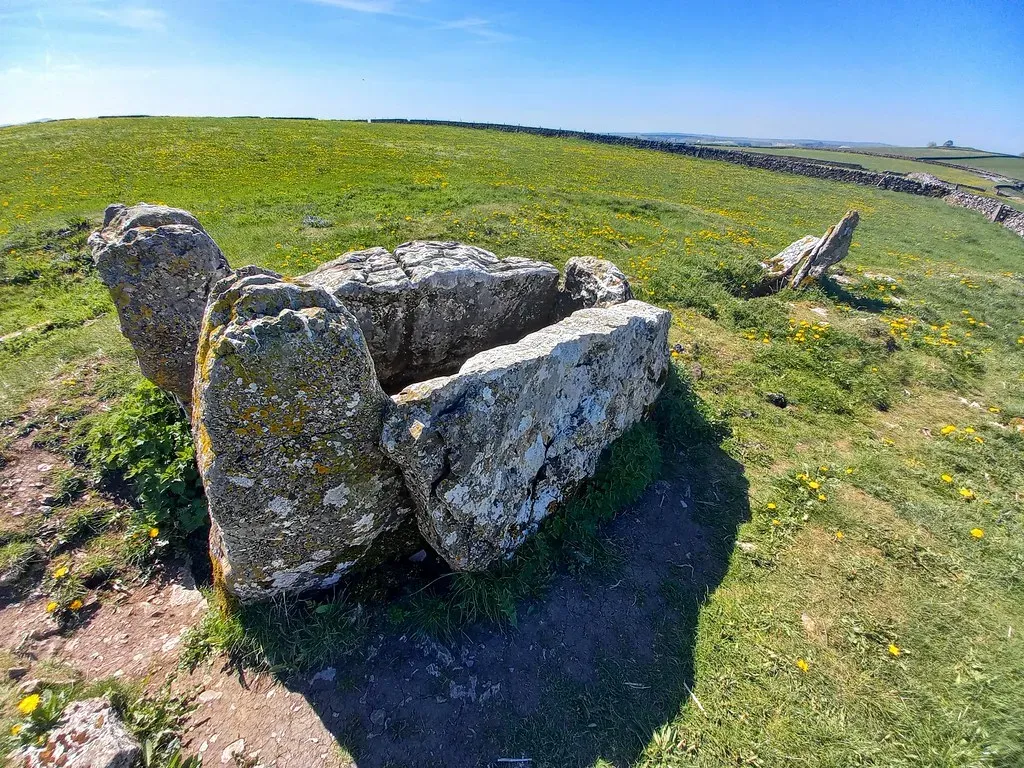
When you duck into a low, stone-roofed passage and find yourself in the cool darkness of a Neolithic tomb, the purpose of many megaliths hits you in the chest: you are in a house for the dead. Across large parts of Europe, megalithic monuments begin as tombs – dolmens, passage graves, and gallery graves that hold the remains of many people over time. You see bones from men, women, and children, sometimes rearranged or moved, sometimes accompanied by tools, ornaments, and pottery. Instead of separate graves for each person, you get shared chambers that turn the dead into a collective, almost like a family archive carved into stone. ([britannica.com](https://www.britannica.com/topic/megalith?utm_source=openai))
If you think about how that might feel, it changes how you read the monuments. Being laid to rest in the ancestral tomb probably was not automatic; maybe you had to belong to a certain lineage or community. Visiting the tomb might have been part of seasonal rituals, with people bringing offerings, lighting fires outside, or even entering to rearrange bones and add new burials. Over centuries, some tombs were modified, extended, or covered by new mounds, suggesting that each generation kept renegotiating its relationship with its ancestors. When you walk past these monuments today, you are not just looking at graves; you are looking at time machines that tied living communities to deep, remembered histories.
Skywatchers and Calendar Makers: Were Megaliths Ancient Observatories?
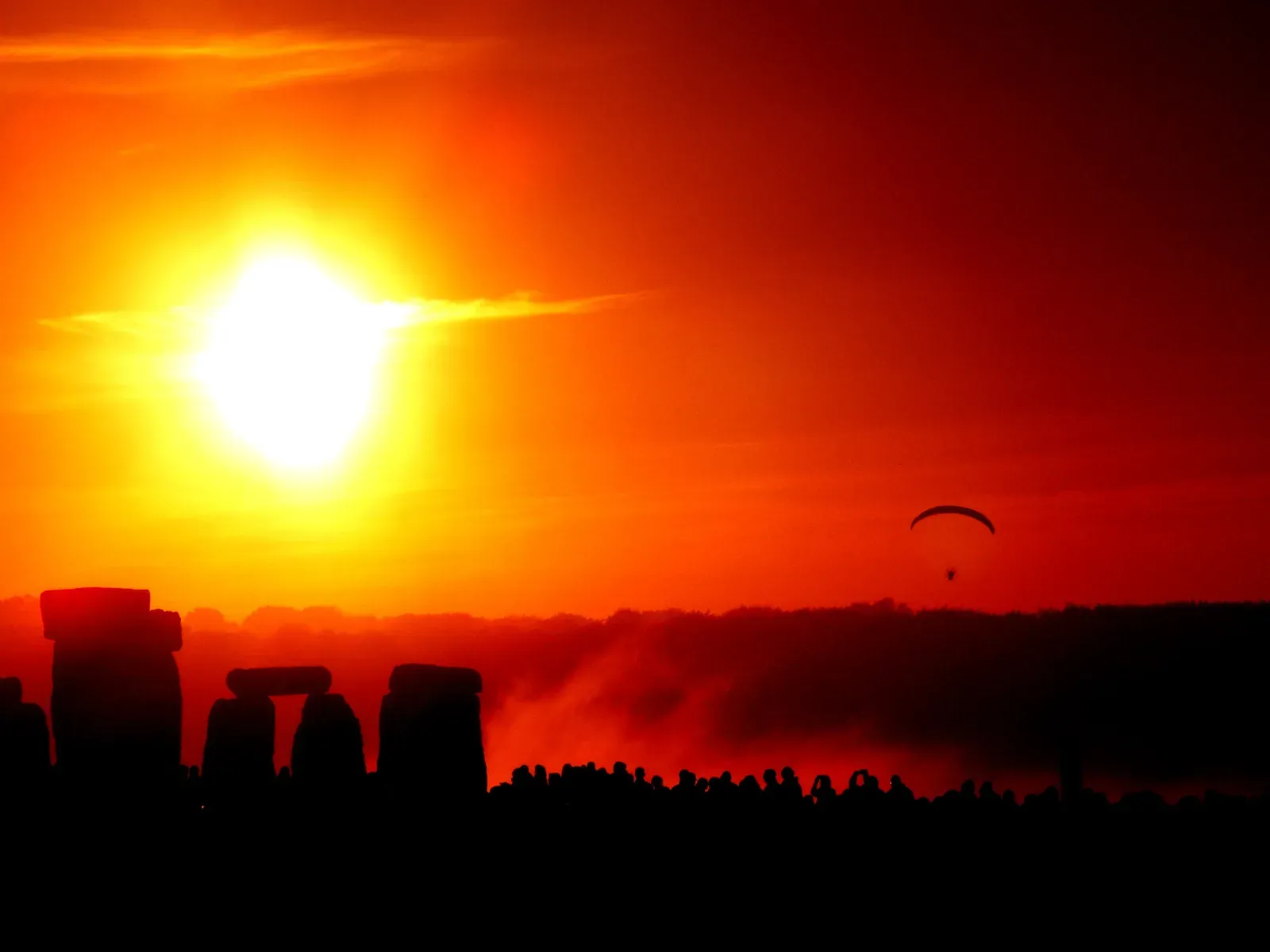
Stand at a stone circle at dawn on the solstice, and you suddenly understand why people talk about “observatories.” Many European megalithic sites show clear alignments to the movements of the sun, and sometimes the moon: doorways and passages that point to sunrise or sunset at key times of the year, standing stones that mark where the midwinter sun appears, or arrangements that highlight lunar extremes. At places like Stonehenge and Newgrange, the solstice connections are so precise that it is hard to believe they are an accident; people were deliberately tying stone to sky. ([ucl.ac.uk](https://www.ucl.ac.uk/news/2024/dec/stonehenge-may-have-been-built-unify-people-ancient-britain?utm_source=openai))
But here is where you have to stay honest with yourself: calling these sites “observatories” can be misleading if you imagine something like a modern telescope dome. The people who built them were not tracking planets for fun; they were locking their ritual lives, their farming cycles, and their stories to predictable motions in the heavens. A passage tomb that lights up only at midwinter sunrise is not just a scientific device, it is a cosmic drama where the sun enters the womb of the earth to promise new life. So yes, you can say many megaliths helped people measure time, but those measurements mattered because they connected harvests, storms, migrations, births, and deaths to a larger rhythm they could trust.
Power, Territory, and Community: Stone as Social Technology
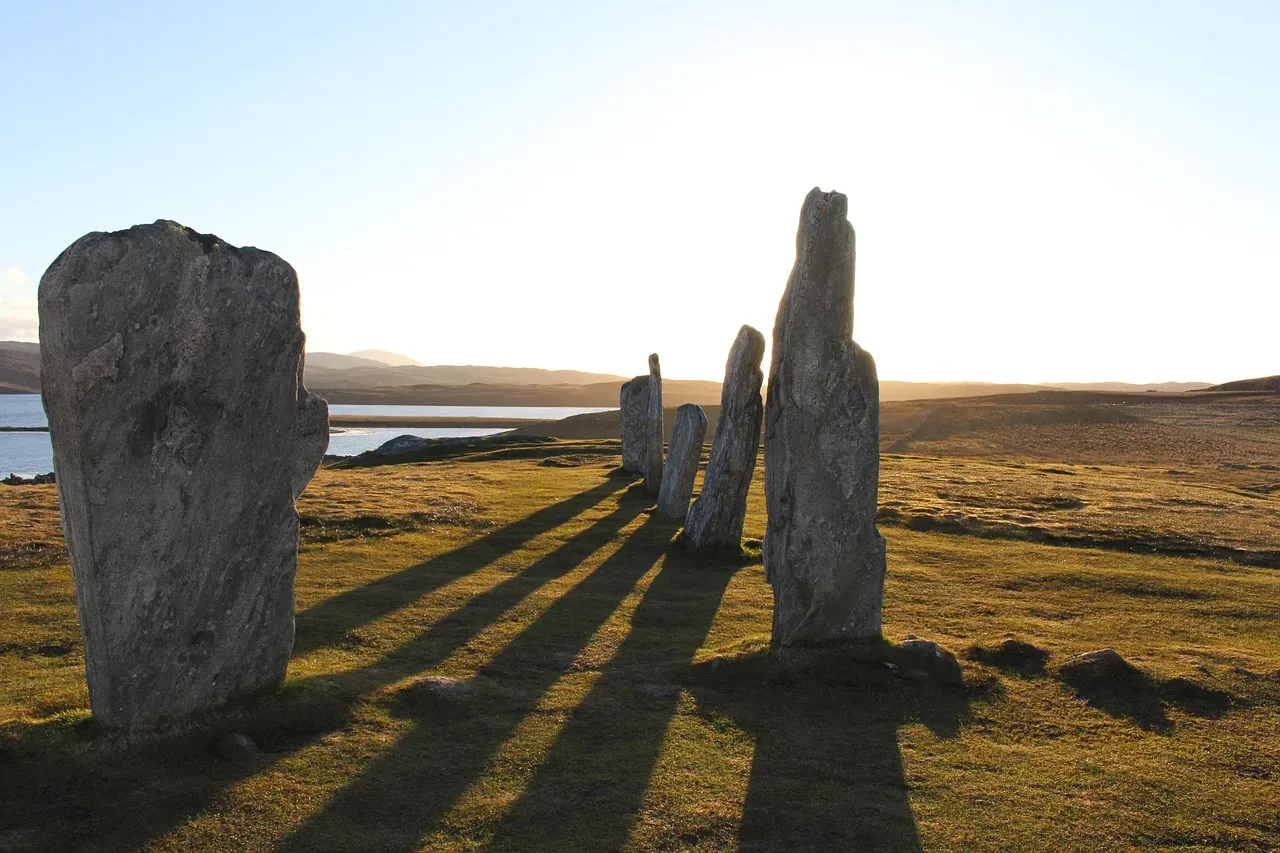
You might be tempted to think of megaliths as purely religious or spiritual, but if you look closer, you can see politics and social engineering carved into the stone. Raising a multi-ton block requires more than belief; it demands labor, planning, and cooperation. The fact that you see so many megaliths, and some of them involve stones transported over long distances, tells you that certain leaders or groups could mobilize dozens, maybe hundreds of people over seasons or years. That kind of project can knit a community together, or showcase who has the authority to call the shots. ([sciencedaily.com](https://www.sciencedaily.com/releases/2026/01/260127010208.htm?utm_source=openai))
Recent research on Stonehenge, for example, has suggested that hauling in stones from Wales and Scotland may have been a symbolic act of uniting different regions of Neolithic Britain, almost like building a monument out of pieces of the entire island. Elsewhere, stone rows and conspicuous burial mounds likely marked territories, routes, or claims to land – very public statements that said, in effect, “your people belong here, under the protection of these ancestors.” When you look at megaliths this way, stone becomes a kind of social technology, used to stabilize alliances, anchor identity, and turn abstract ideas of belonging into something you can literally touch.
Myths, Misconceptions, and What You Still Do Not Know
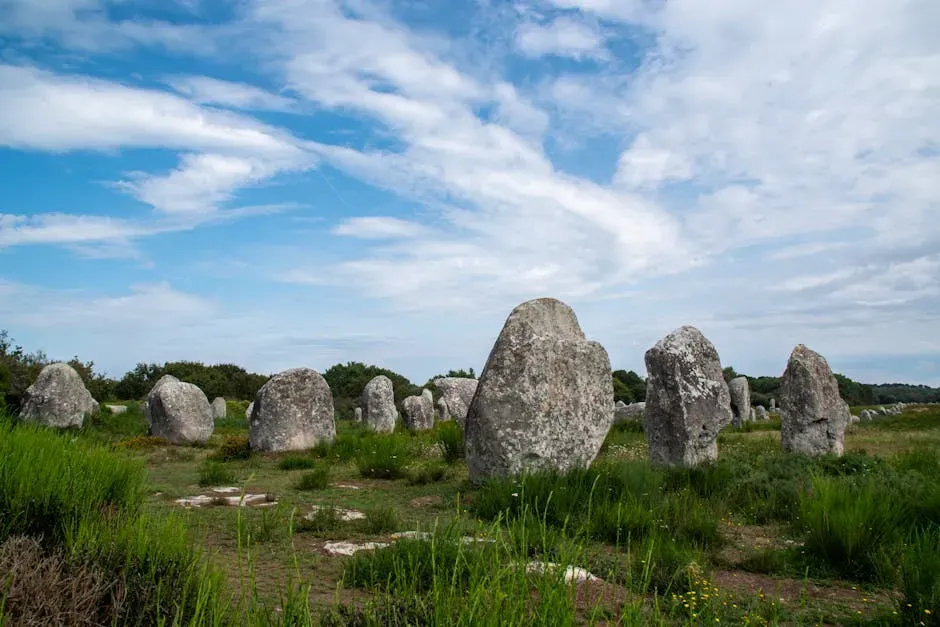
If you have spent any time on documentaries or social media, you have probably seen wild claims about megaliths: lost super-civilizations, aliens, secret energy grids. Those stories are catchy because the stones are genuinely strange and impressive, and because archaeology cannot yet answer every “who” and “why” in neat detail. But when you actually follow the evidence – radiocarbon dates, tool marks, quarry sites, genetic studies of ancient people – you see a picture of human communities, with human hands, doing hard, patient work over long periods. The more precisely scientists trace the origins of the stones and the people who used them, the less room there is for supernatural shortcuts. ([britannica.com](https://www.britannica.com/topic/megalith?utm_source=openai))
That does not mean all your questions are settled. You still do not know exactly what every specific monument meant to its builders, how myths and stories changed as people reused old sites, or why certain artistic styles – like the intricate carvings at places such as Gavrinis and the Boyne Valley – spread so widely. Large gaps in the record remain, because most rituals leave no trace you can dig up. So you live in a tension: you have enough evidence to rule out the most dramatic fantasy theories, but you also have enough mystery left to make honest curiosity the only sensible attitude. When you stand at a megalith, you are allowed to feel wonder, as long as you remember that the most extraordinary explanation is still that people very much like you, just living in a different world, made it happen. ([en.wikipedia.org](https://en.wikipedia.org/wiki/Gavrinis?utm_source=openai))
Why These Stones Still Matter to You Today
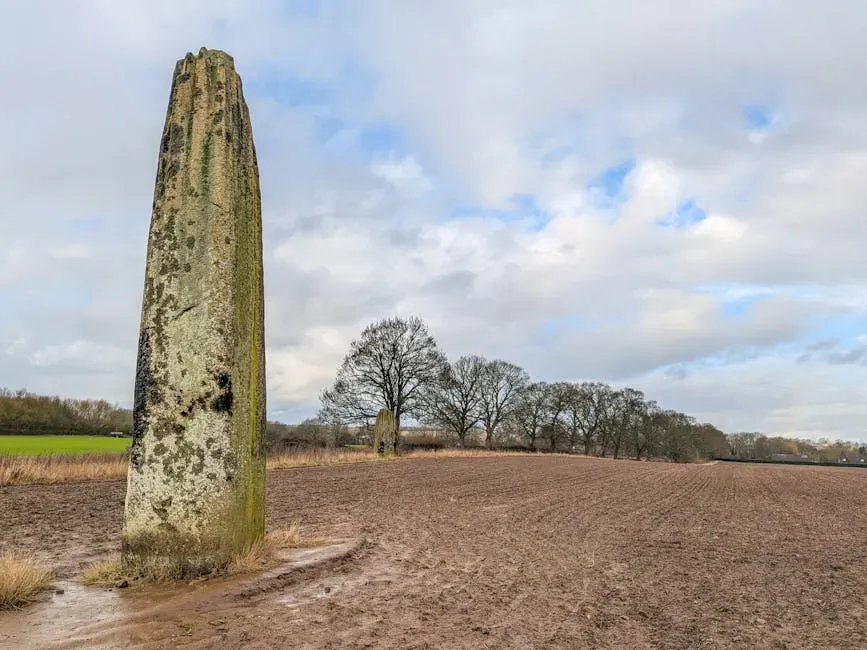
So what do you actually do with all this? You could treat megaliths as weird old leftovers from a forgotten age, but that would be like ignoring your own grandparents’ stories because they sound too different from your life now. These stones show you that long before writing, taxes, and empires, people were already organizing, planning, experimenting, and arguing with each other about how to live together. They show you that memory can be built into landscapes, that communities can stretch their identity over centuries, and that you do not need advanced technology to reshape the world in powerful ways.
There is also a quieter lesson waiting for you in every ruined circle and grass-covered mound. Someone once cared enough about that place to drag massive stones uphill with ropes and muscle, to carve patterns into hard rock, to bury their parents and children there, to walk back again and again for ceremonies you will never fully reconstruct. When you visit a megalithic site today, you are not just sightseeing; you are stepping into a relationship that other humans started thousands of years ago and never quite finished. The next time you find yourself in front of one of those ancient stones, maybe instead of asking only “who built this and why,” you can also ask yourself a harder question: if they could leave something that still speaks across six or seven thousand years, what are you building that will outlast you?