
Imagine waking up one morning and realizing your compass is lying to you, satellites are glitching, and the very shield that has quietly protected life on Earth for billions of years is fading away. You do not see Earth’s magnetic field, you do not feel it, and yet it’s been working nonstop in the background like a cosmic bodyguard. Thinking about what would happen if it vanished is both fascinating and a little unsettling, because the consequences would reach from your power grid all the way up to the edge of space.
You’re not dealing with a sci‑fi disaster script here; you’re dealing with a real physical system that is always changing, sometimes dramatically. Scientists know Earth’s magnetic field has flipped, weakened, and shifted many times in the past, and it is slowly changing right now. That does not mean it is about to disappear tomorrow, but asking “what if it did?” forces you to understand how deeply your modern life, and even your planet’s habitability, are tied to this invisible force.
The Invisible Shield You Rely On Every Day
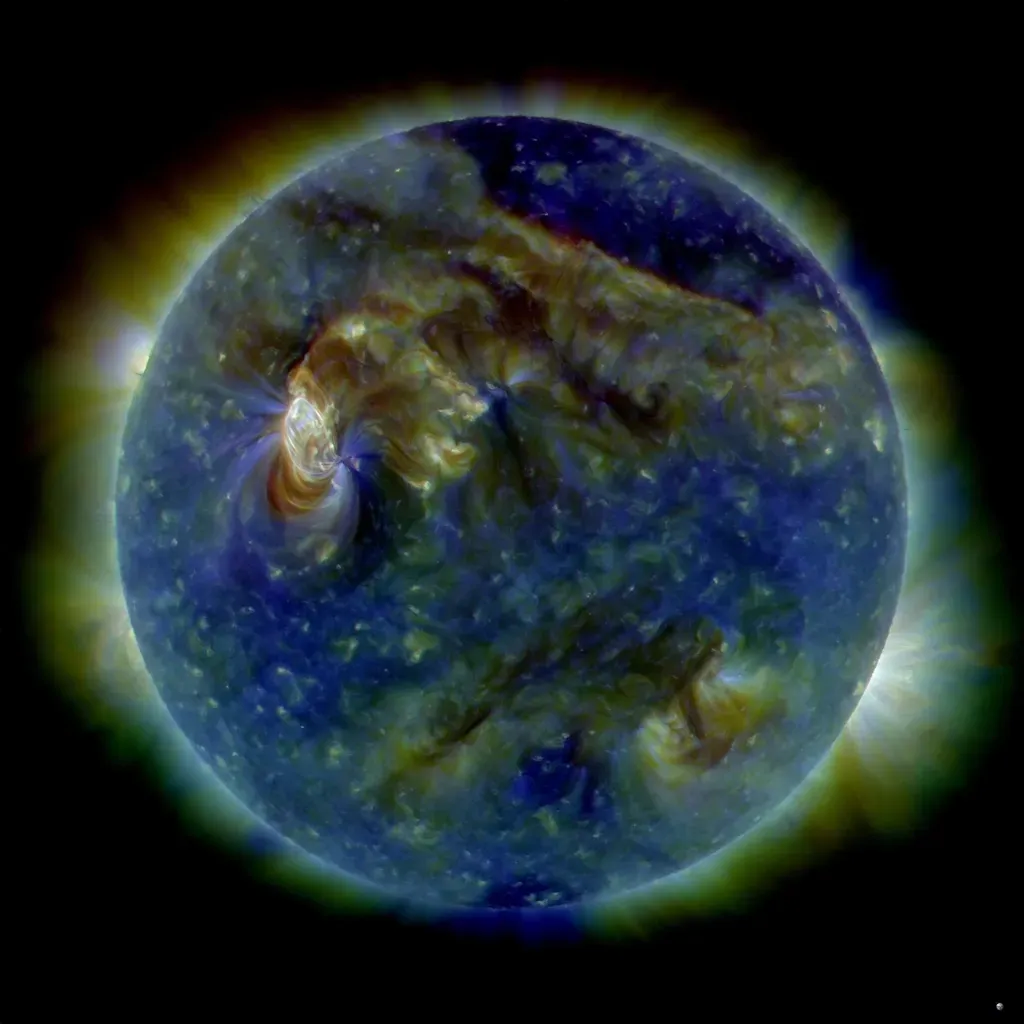
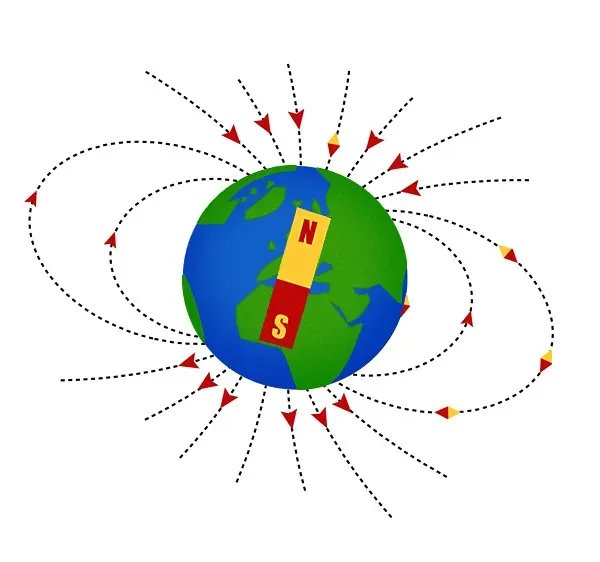
You probably move through your routine without once thinking about the stream of high‑energy particles constantly blasting in from the Sun and from deep space. Earth’s magnetic field is what bends most of those particles away, wrapping around the planet in a giant, teardrop‑shaped bubble called the magnetosphere. You can picture it like a magnetic force field from a sci‑fi movie, except this one is real, and it’s been buffering the planet from radiation for a very long time.
Without this shield, charged particles would slam much more directly into your upper atmosphere, stripping away gases over very long timescales and changing how radiation reaches the ground. Right now, you benefit from the fact that the field channels many particles toward the polar regions, where they help create those beautiful auroras you see in photos. You enjoy the show, but you rarely think about the underlying reality: that same process is also a form of protection, quietly steering harmful energy away from you.
How Earth’s Magnetic Field Actually Works
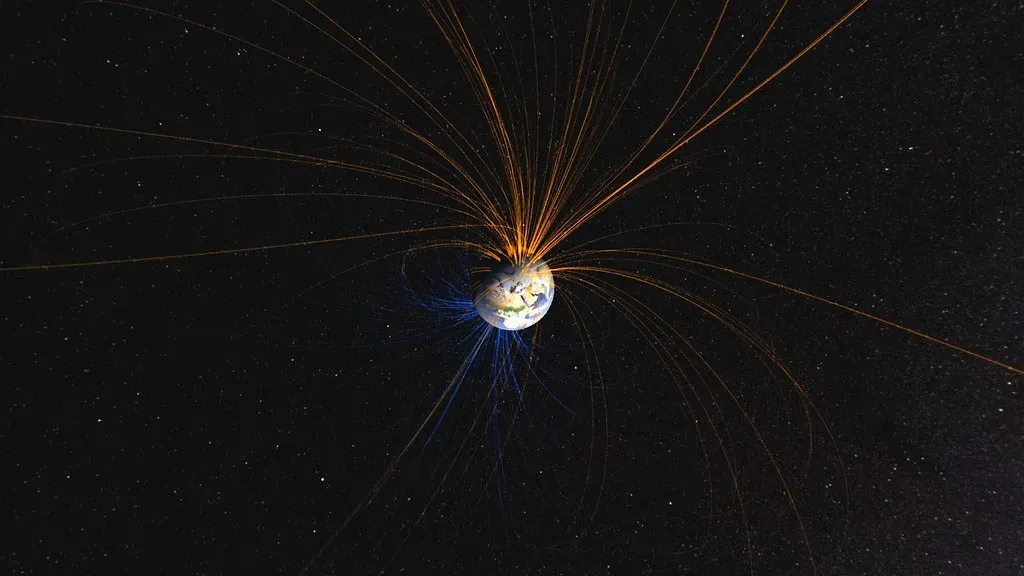
When you hold a small bar magnet in your hand, you’re looking at a tiny, frozen‑in version of something much bigger happening deep under your feet. Earth’s main magnetic field is generated by the motion of molten iron and other metals in the outer core, roughly as far below you as an airplane is above you, but multiplied a thousand times. This swirling, electrically conducting fluid sets up a self‑sustaining dynamo, where moving charges create magnetic fields, and magnetic fields guide further motion.
For you, the important part is that the field is not a rigid, permanent structure; it’s more like a churning, restless ocean of magnetism. It drifts, it warps, and sometimes it even flips poles entirely, so that what you now call magnetic north becomes magnetic south over thousands of years. That means you live with a field that is inherently dynamic and somewhat unpredictable on geological timescales, but extremely stable compared with your human lifespan.
Would You Be Fried by Radiation If It Disappeared?
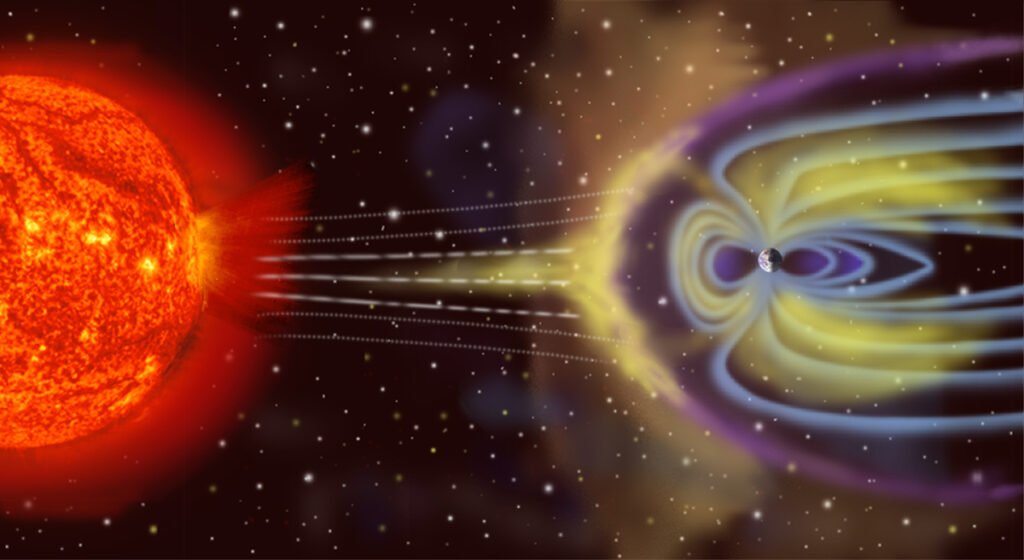
One of your first fears might be that without the magnetic field, you’d be immediately cooked by deadly radiation the moment you step outside. In reality, you still have one huge layer of protection left: the atmosphere. The thick blanket of air above you absorbs a lot of the most dangerous radiation, especially the harmful ultraviolet part of sunlight, thanks in large part to the ozone layer. So you would not instantly burn up or see people collapsing in the streets the day the field vanished.
However, over time, you’d likely face a higher radiation dose at the surface, especially at high altitudes and near the poles, where cosmic rays and solar particles can more easily reach you. Airline crews and frequent fliers would probably see the biggest increase, because long flights at high elevations already expose you to more radiation than staying on the ground. You might see tighter regulations on flight routes, stronger shielding in aircraft, and stricter limits for workers who spend their careers in the upper atmosphere.
What Happens to Your Atmosphere in the Long Run?
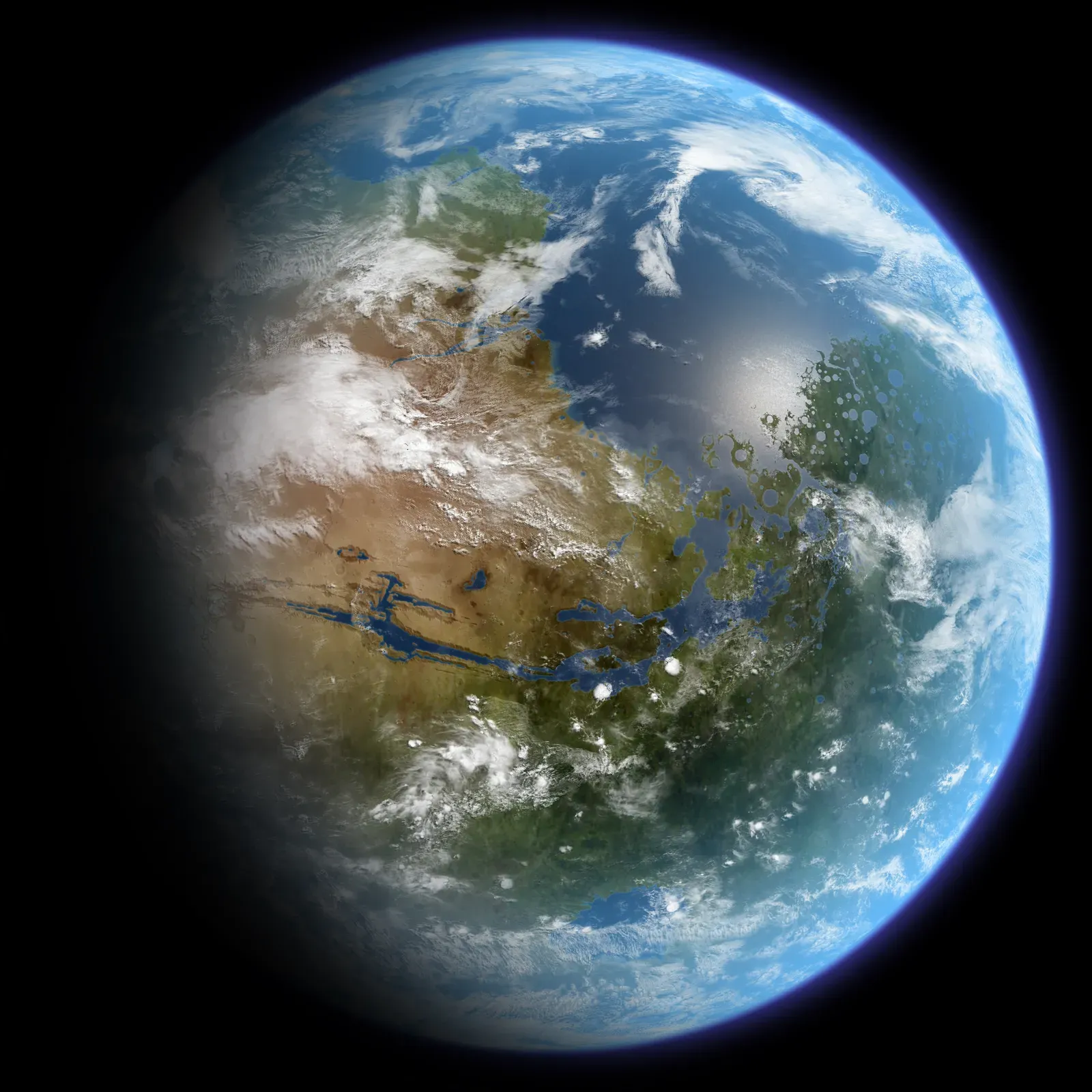
When you look at Mars today, with its thin atmosphere and cold, dry surface, you’re looking at a planet that probably used to have a thicker atmosphere and liquid water on the surface. Mars lost most of its global magnetic field billions of years ago, and over vast timescales, the solar wind helped strip away its air. You live on a bigger planet with stronger gravity and a denser atmosphere, so Earth would not suddenly become Mars if its field disappeared, but the comparison gives you a sobering hint of what is at stake.
In your case, losing the magnetic field would allow more of the solar wind to interact directly with the upper atmosphere, especially the lighter gases. Over millions of years, you could see enhanced atmospheric erosion, with the very highest, thinnest layers slowly peeled away. On human timescales, the effect might be modest, but for the distant future of your planet, it could shift the balance of how hospitable Earth remains, especially if the Sun becomes more active as it ages.
Your Power Grids, Satellites, and Technology on the Line
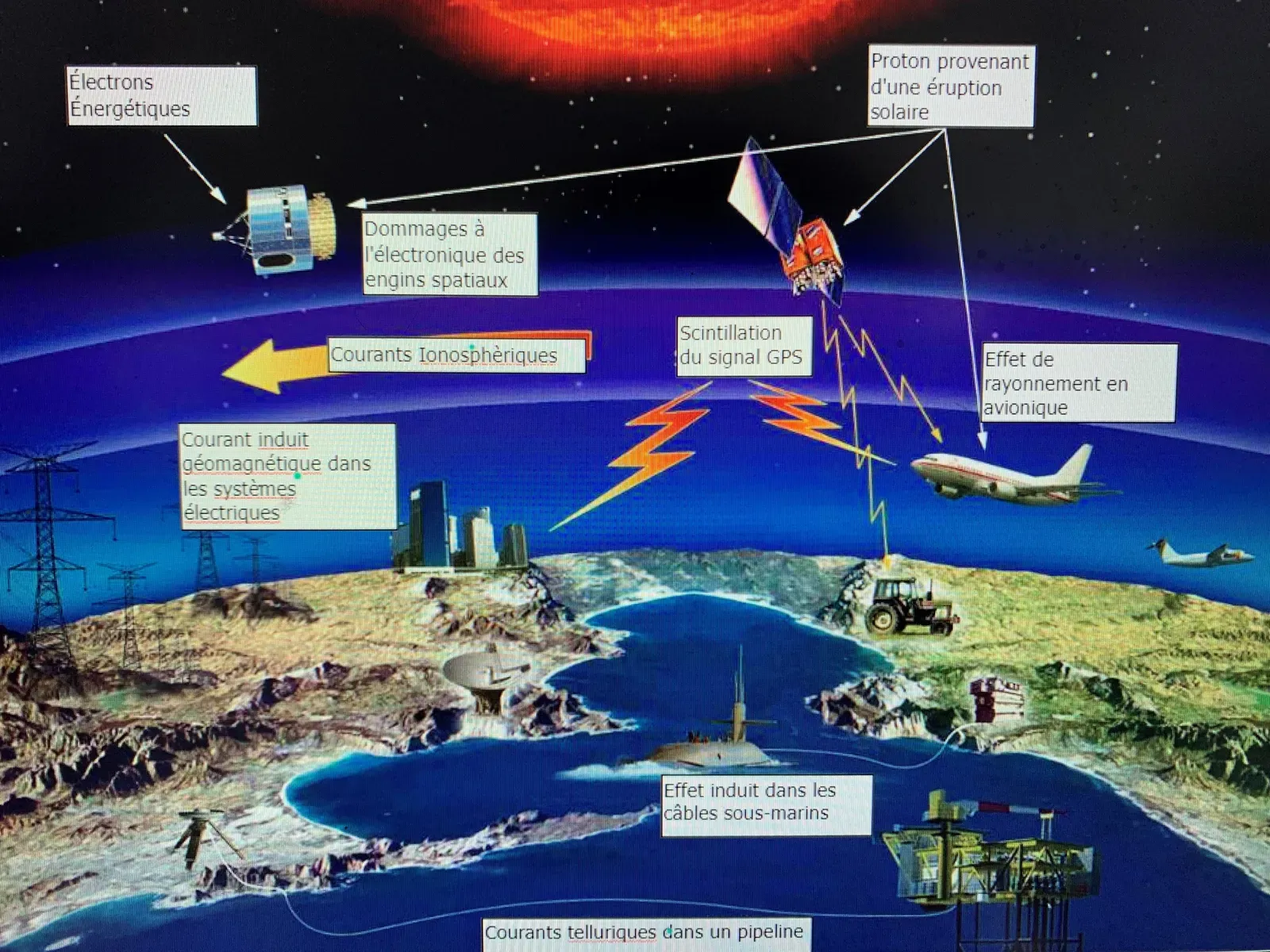
If you rely on electricity, navigation, communication, or weather forecasting – and you do – you’re far more vulnerable to magnetic chaos than you might think. When strong solar storms hit Earth today, they can already trigger geomagnetically induced currents in long power lines and pipelines, sometimes damaging transformers and causing blackouts. With no magnetic field to buffer or deflect these storms, your power infrastructure would take a much harder hit, much more often.
Your satellites, from GPS to weather and communication systems, would also face a harsh new reality. They already operate in a region where trapped particles and radiation can degrade electronics and shorten lifetimes, even with the magnetosphere guiding much of that energy. Without that protective bubble, spacecraft would be exposed to more raw solar and cosmic radiation, forcing you to build thicker shielding, accept shorter satellite lifespans, or completely rethink how you design and operate systems in orbit.
Navigation, Animals, and the Way You Find Your Way

You may feel that digital maps have made the old magnetic compass almost a museum piece, but the planet still uses magnetism as a guide in ways you might not notice. Many migrating birds, sea turtles, salmon, and even some insects use Earth’s magnetic field to orient themselves during long journeys. If that field vanished abruptly, you’d probably see a period of confusion and disrupted migration patterns as these animals tried to adapt or rely more on other cues like stars, smells, and landmarks.
For you, traditional compass‑based navigation would instantly become unreliable, forcing you to rely entirely on satellite systems and inertial guidance. That might not sound like a big deal, but in remote locations, in survival situations, or in military contexts, having a simple tool that points roughly poleward is incredibly valuable. You’d have to retrain entire industries, update maps, and redesign basic navigation gear that has depended on magnetism for centuries.
Could the Field Really Just “Switch Off” One Day?
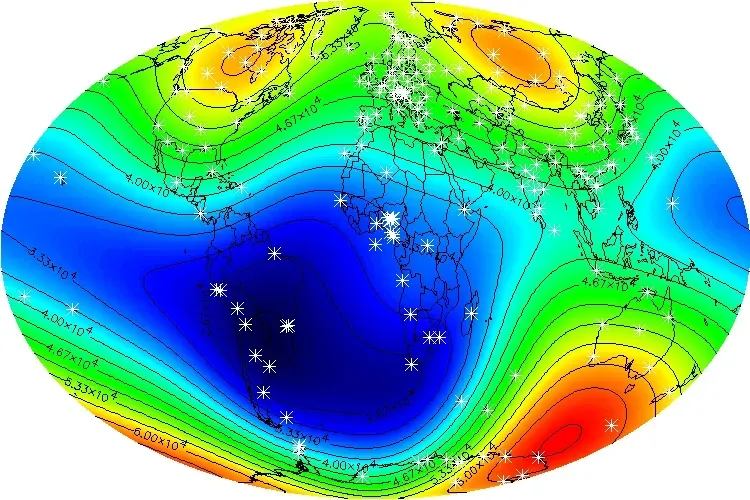
In your mind, you might picture a giant cosmic light switch: one moment the field is on, the next moment it’s gone. The real story is much slower and more complicated. Geological and paleomagnetic records show you that Earth’s field has reversed polarity many times, with the process stretched out over thousands to tens of thousands of years. During those transitions, the field can weaken, become patchy, and even sprout multiple poles, but it does not simply vanish overnight.
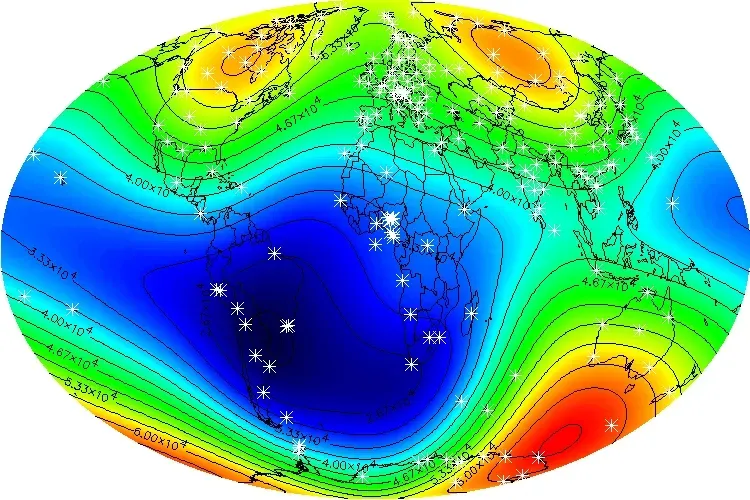
Right now, measurements show you that the field is changing and has some weaker regions, especially over parts of the South Atlantic, but there is no solid evidence that a complete collapse is imminent. What you can say with confidence is that Earth’s dynamo keeps evolving, and future generations may live through periods of weaker, more chaotic magnetism. For you, that means planning for stronger solar‑storm impacts, more radiation challenges for technology, and a world where the magnetic north on your compass keeps drifting over time.
How You Might Prepare for a Weaker Magnetic Future
You cannot control the molten metal in Earth’s core, but you can control how fragile or resilient your technology and infrastructure are. Investing in more robust power grids, with transformers designed to handle geomagnetically induced currents, could save you from long, costly blackouts during major solar events. You could also harden satellite electronics, build better radiation shielding for astronauts, and design more flexible communication systems that can reroute around damaged assets in orbit.
On a personal and societal level, you’d likely see more attention paid to space‑weather forecasting, the same way you already watch hurricanes or heat waves. Better early warning systems would give grid operators time to reduce loads, airlines a chance to reroute flights, and satellite operators a window to put spacecraft into safer modes. You might not be able to stop the big cosmic punches from arriving, but you can at least learn to roll with them instead of taking them full force.
In the end, you live on a planet that is far less fragile than doomsday stories make it sound, but far more interconnected and technologically exposed than your ancestors could have imagined. Earth’s magnetic field is not a permanent guarantee, yet even in a weaker or chaotic state, it would not automatically spell extinction for you. The real risk sits at the intersection of physics and human systems: your grids, your satellites, your aviation, and your dependence on seamless connectivity.
If you treat the magnetic field as a quiet partner rather than an unshakable constant, you’re more likely to build a future that can cope with whatever the core throws at you. So next time you see a picture of shimmering auroras or glance at a simple compass needle, you might feel a bit more respect for the hidden engine beneath your feet. If the shield ever faded more than it already has, would you be ready to live on a planet where space weather matters almost as much as ordinary weather?