

Every night, your brain quietly puts on the most vivid, personal, and downright bizarre show you’ll ever watch – yet you rarely stop to ask why it’s happening. You might wake up from a chase scene, a reunion with someone you miss, or a surreal mash‑up of your old school and your current job, and still shrug it off as “just a dream.” But behind those scenes, your brain is running some of its most mysterious and sophisticated operations.
Over the past couple of decades, scientists have gone from wild speculation to increasingly precise measurements of what’s happening while you dream. Brain scanners, sleep labs, and clever experiments are all converging on a surprising picture: your dreams are not random junk. They seem to be tightly connected to memory, emotion, learning, and even your sense of self. You may not remember most of them, but they might be shaping how you feel, decide, and behave when you’re wide awake.
What Actually Happens in Your Brain When You Dream

When you slip into rapid eye movement (REM) sleep – the stage most strongly associated with vivid dreaming – your brain does something odd. Parts of your visual and emotional systems light up almost as much as when you’re awake, while regions involved in logical reasoning and self-control quiet down. You’re in a strange hybrid state: deeply asleep, but with an active, emotionally charged, internally generated world playing across your mind.
At the same time, the chemical balance in your brain shifts. Certain neurotransmitters that support focused, deliberate thinking drop, while others that are linked to emotion and memory become more dominant. That mix helps explain why your dreams feel intense and meaningful in the moment, yet also fragmented, nonlinear, and sometimes completely bizarre. Your brain is still firing, but the usual referee that keeps thoughts tidy and realistic has stepped aside.
Are Dreams Just Random Noise, Or Do They Have a Purpose?

For a long time, you were told two very different stories about dreams. One was that they were deep symbolic messages from your unconscious, hiding secret meanings behind every image. The other was that they were nothing more than sensory “garbage” from a brain shutting down for the night. Modern science lands somewhere in between: dreams are not mystical codes, but they also aren’t meaningless static.
When researchers look closely, they see that your dreams pull heavily from your real life – your concerns, your relationships, your fears, and the tasks you’re trying to learn. There’s a pattern in what shows up: stressful experiences, emotional events, and new information appear more often than mundane routines. That suggests dreaming is not a useless side effect, but a byproduct of real work your brain is doing while you sleep, especially around making sense of your experiences.
How Your Dreams Help You Process Emotions

Think about the last time you went to bed upset and woke up feeling a little lighter, even though nothing in your life had changed. That emotional shift may be tied to what your brain did with your feelings while you dreamed. In REM sleep, the emotional centers of your brain are active, but the stress chemical levels that spike when you’re awake are lower. That combination lets you replay emotional memories in a safer, less reactive state.
In other words, your dreams may be giving you a kind of built‑in overnight therapy session. You revisit arguments, losses, embarrassments, and fears, but without the full physiological punch of anger or panic. Over time, that can help you uncouple the raw emotional charge from the memory itself. You still remember the event, but it might feel less overwhelming, more manageable, and more “filed away” instead of constantly buzzing in the background.
Dreaming, Memory, and Learning: Your Brain’s Night Shift

If you’ve ever slept on a problem and woken up with a clearer idea, you’ve felt one of the most practical roles of dreaming. During sleep, your brain replays patterns of activity linked to what you learned during the day, almost like hitting a slow‑motion replay button. That replay helps stabilize fragile memories and connect them with older knowledge, so they’re easier to access later.
Dreams seem to sit on top of this process, weaving new and old information into strange stories. You might dream that you’re back in school taking a test after a big day of studying, or that you’re performing at a concert after practicing an instrument. From the outside, these scenes look odd, but inside your brain, you’re strengthening pathways and building flexible knowledge. You’re not just storing facts – you’re testing how they might fit into the bigger story of your life.
Why Your Dreams Are So Weird, Symbolic, and Dramatic

You probably notice that your dreams rarely play by the rules of real life. People morph into other people, places blend together, and time jumps around with no warning. That weirdness is not a bug; it may be exactly what makes dreams useful. With your usual logical filters dialed down, your brain can explore wild combinations of ideas, memories, and images that would never pass a daytime reality check.
That surreal, symbolic quality lets you emotionally rehearse situations in a low‑risk way. You might dream about failing, being chased, losing something important, or finally achieving something you’ve wanted for years. These scenarios exaggerate real anxieties and desires so you can feel them intensely, experiment with different reactions, and maybe prepare yourself a bit for similar feelings in waking life. It’s like your mind runs simulations using an over‑the‑top movie script rather than a boring to‑do list.
Nightmares and Anxiety Dreams: When Your Brain Turns Up the Volume

When your dreams tip from intense into terrifying, it can feel like your brain has turned against you. But even your nightmares may be part of how your mind tries to cope. Nightmares tend to spike after trauma, periods of extreme stress, or major life changes. Instead of being random torture, they seem tightly tied to what threatens your sense of safety or control in your waking life.
In these dreams, your brain might be repeatedly confronting situations it cannot fully digest while you’re awake – loss, danger, humiliation, helplessness. The experience is miserable, but it may also be your mind’s attempt to work through shock and fear in an environment where the threat is not real. When nightmares become too frequent or severe, though, they can backfire, leaving you exhausted and fearful of sleep itself, and that’s when speaking with a professional can really help you reset that cycle.
Can You Control Your Dreams? The Science of Lucid Dreaming

Every so often, you may realize you’re dreaming while you’re still inside the dream. In that moment, you’ve slipped into what’s called lucid dreaming – where you know the world around you is not real, even as you move through it. Some people report being able to change their dream’s plot, fly, confront fears, or explore places they imagine, all while still asleep in bed.
Scientists studying lucid dreaming have found that certain brain areas related to self-awareness and monitoring become more active than in normal REM sleep. With training, you may be able to increase the chances of these episodes, using techniques like reality checks and keeping a detailed dream journal. While the science is still developing, there’s growing interest in whether you can harness lucid dreams to practice skills, rehearse tough conversations, or work through recurring anxieties in a more conscious way.
How Technology Is Letting Scientists Peek Into Your Dreams
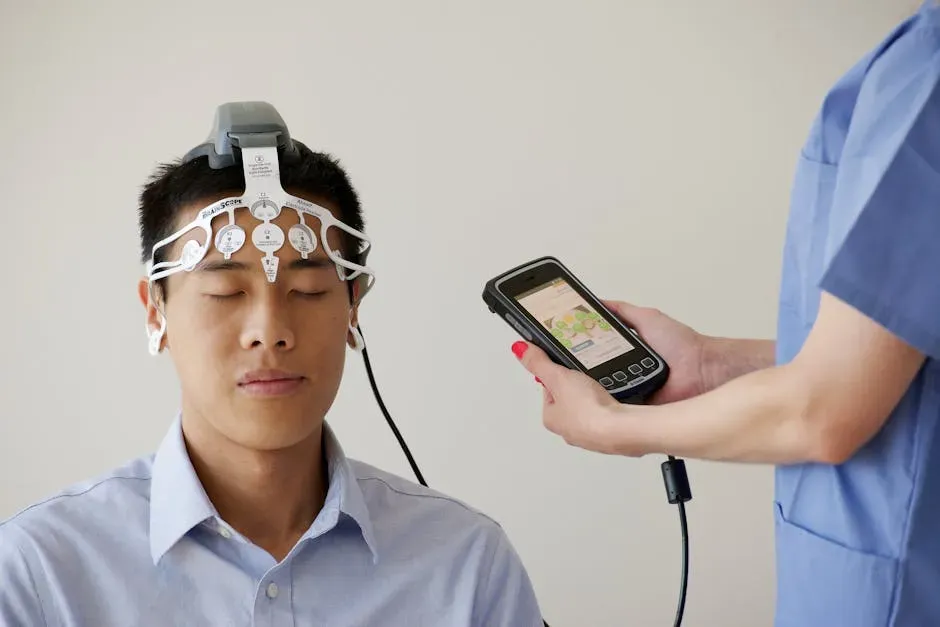
For most of history, the only window into your dreams was whatever you could remember and describe after waking up. Now, brain‑imaging technology and sophisticated analysis tools are starting to give researchers a more direct look. By tracking which brain regions are active and how patterns of activity line up with what you later report, scientists can sometimes guess broad features of your dream, such as whether you saw faces, places, or movements.
Some experiments even use machine learning to find links between specific patterns in your brain during sleep and the type of content you dream about. They can’t read your private thoughts like a movie screen, but they are getting better at mapping which kinds of mental scenes go with which patterns of activity. Over time, this line of research may help explain why certain dream themes repeat, how they change after therapy or medication, and what your sleeping brain focuses on when it has your attention all to itself.
What Your Dreams May Reveal About Your Waking Life

You might be tempted to grab a dream dictionary and look up what a falling elevator or a missing tooth supposedly “means.” Science is a lot more cautious about that kind of fixed symbolism. Instead of universal codes, your dreams seem to reflect your personal experiences, beliefs, and emotional priorities. What matters is less the generic symbol and more what the dream scenes remind you of in your own life.
If you pay regular attention to your dreams – by jotting them down, noticing patterns, and asking what they feel connected to – you may start to see how closely they mirror your current concerns. Recurring themes might point to problems you have not fully resolved or hopes you have not fully owned yet. Rather than treating dreams as predictions, you can treat them as a mirror: a strange, distorted mirror, but still one that shows you where your mind keeps returning when you’re off guard.
Conclusion: Your Nightly Visions Are Doing More Than You Think

When you close your eyes at night, you are not simply shutting the world off; you are stepping into another mode of being where your brain keeps working on what matters to you. From rewiring memories and softening emotional pain, to testing wild combinations of ideas and playing out secret fears, your dreams look less and less like useless noise and more like part of your mental maintenance routine. You may not remember most of them, but they may still be quietly shaping how you feel and act the next day.
Scientists are still far from a full, final answer on why you dream, but they’re a lot closer than they were a generation ago, and the emerging picture is both humbling and oddly comforting. Your dreams may never become fully predictable or transparent, and maybe that mystery is part of their power. The next time you wake up from a strange scene and wonder what on earth that was, you might pause and ask yourself: what is your sleeping mind trying to work on while you are not looking?