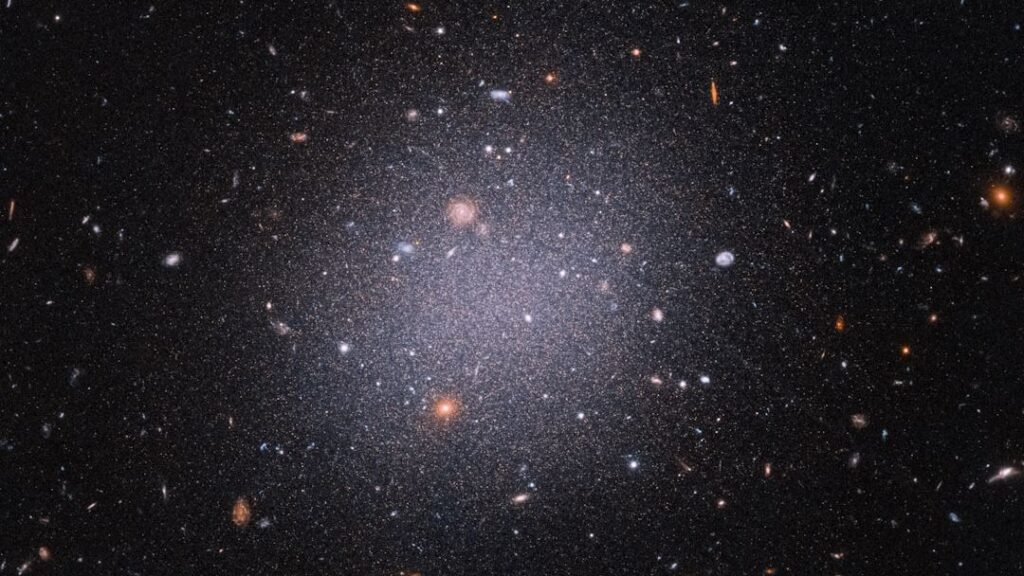

You live on a tiny rocky planet orbiting an average star in a pretty ordinary galaxy, and yet the question that quietly stalks you is anything but ordinary: are you alone in the universe? You might look up at the night sky, see a handful of faint stars through city light pollution, and forget that you are staring into a vast ocean of suns, worlds, and possibilities that your brain can barely wrap itself around. The odds seem almost offensively high that life has to be out there somewhere, and yet, so far, you are stuck with silence.
That tension between huge possibilities and stubbornly little proof is exactly what makes this topic so gripping. You are living at a moment in history when telescopes, probes, and planetary missions are finally good enough to start turning vague speculation into testable questions. As you read this, new planets are being cataloged, strange signals are being sifted, and frozen moons are being mapped with obsessive care. You are not just wondering if there is life beyond Earth; you are, in a real sense, starting to investigate it.
The Mind-Blowing Scale Of The Cosmic “Playing Field”
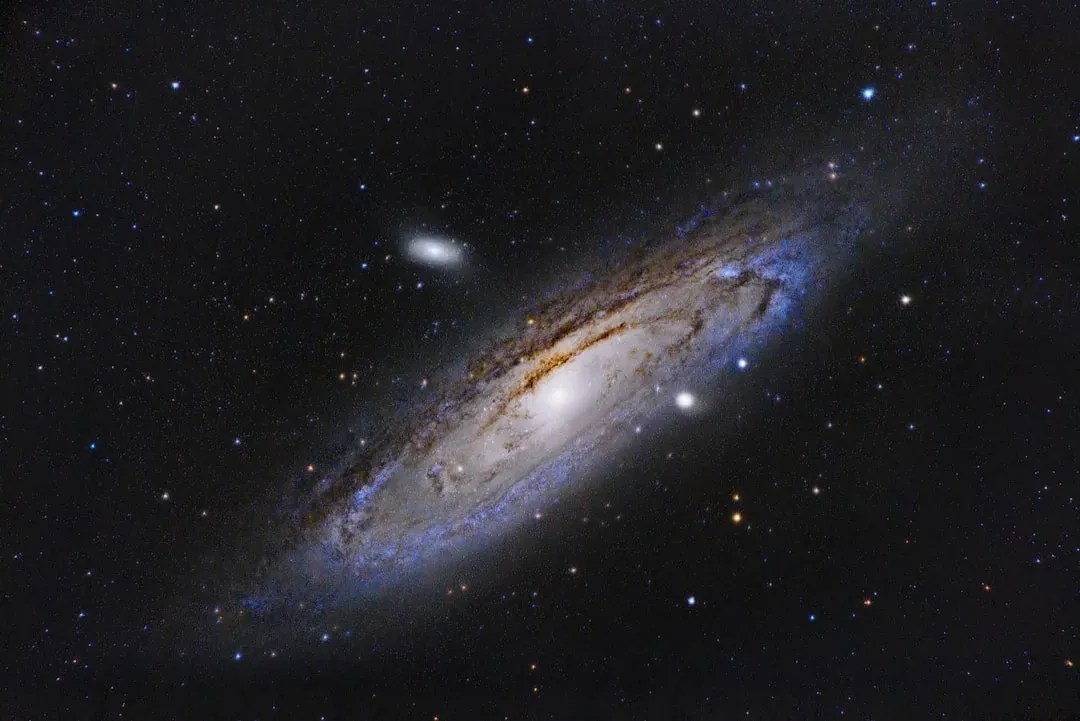
You cannot really think about life beyond Earth without first confronting how enormous the universe is. In your own Milky Way galaxy, astronomers estimate there are hundreds of billions of stars, and many of those stars likely have planets. When you zoom out further and consider that there are likely hundreds of billions of galaxies in the observable universe, you start to feel just how tiny and local your everyday concerns truly are.
Once you sit with that scale, the idea that Earth is the only place where life ever happened starts to feel almost mathematically stubborn. It is like walking into a library with countless shelves and insisting only one book has any words in it. You might not know which other “books” hold stories of life, or whether those stories are short microbial footnotes or sprawling technological epics, but the sheer number of possible worlds tilts your intuition toward abundance rather than rarity.
Why You Should Care About Simple Life, Not Just Aliens In Spaceships

When you think about life beyond Earth, your imagination probably jumps straight to advanced civilizations: sleek starships, mysterious signals, or something out of your favorite sci‑fi movie. In reality, the first discovery of alien life, if it happens in your lifetime, will almost certainly be microscopic and unglamorous. You are more likely to hear about strange chemistry in an underground ocean than about a message from an interstellar neighbor introducing themselves.
This might sound like a letdown, but it should not be. Even finding fossil bacteria on Mars or weird cells in the ice of a distant moon would flip your understanding of life’s uniqueness on its head. If life can appear twice independently in just one solar system, you suddenly have strong evidence that biology is not an outrageous fluke, but a natural outcome when conditions are right. In that moment, you would know that the universe is not just filled with rocks and gas; it is capable of generating living chemistry wherever the right ingredients align.
Mars, Europa, And Enceladus: The Places In Your Backyard That Refuse To Be Boring
You might think of Mars as a barren, dead desert, but it keeps giving you reasons to stay interested. Robotic missions have found evidence that ancient Mars once had rivers, lakes, and possibly even a long‑lasting ocean, along with minerals that on Earth form in watery environments. Today it is dry and cold, but hints of occasional methane in its thin atmosphere and subsurface ice suggest that Mars could still be hiding traces of past or even deeply buried present life that your rovers are just beginning to sniff out.
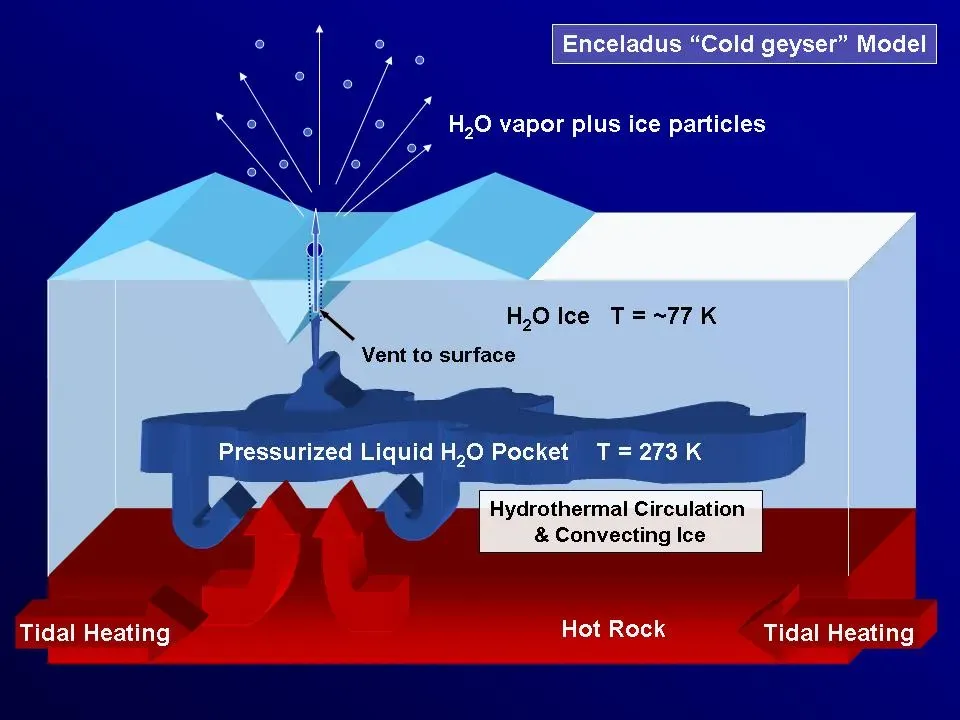
Then, beyond Mars, you find some of the most intriguing places for potential life not on planets, but on icy moons. Europa, orbiting Jupiter, and Enceladus, circling Saturn, each appear to hold deep subsurface oceans kept liquid by tidal heating rather than sunshine. Geysers on Enceladus spray water and organic molecules into space, almost as if the moon is handing you samples to analyze. If you discover even simple life in such dark oceans, you prove that sunlight and Earth‑like surfaces are not the only way the universe can light the spark of biology.
Exoplanets: How You Are Learning To Read Alien Worlds From Pinpricks Of Light
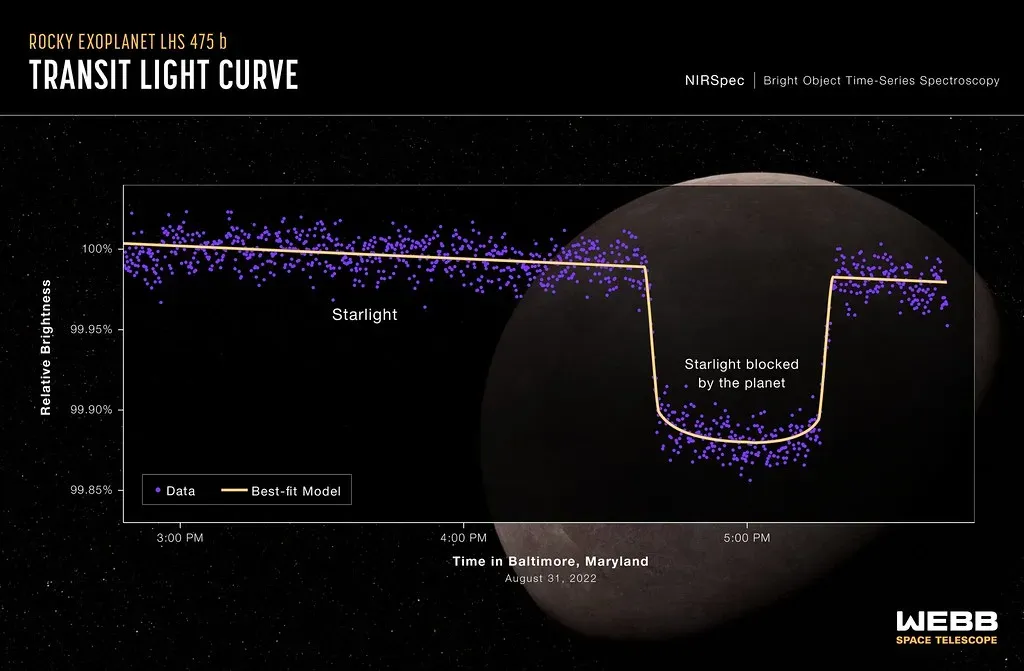
Until the 1990s, you did not know for sure that other stars had planets at all; now, thousands of exoplanets have been discovered, and more keep showing up in the data. You have found worlds larger than Jupiter hugging their stars at scorchingly close distances, rocky planets in temperate zones, and systems that look nothing like your neat, orderly solar system. Every new detection forces you to widen your picture of what a “normal” planetary system looks like.
You are also beginning to do something that would have sounded like fantasy a few decades ago: you are analyzing the atmospheres of some of these distant planets. By watching starlight filter through a planet’s atmosphere as it passes in front of its star, you can pick up hints of gases like water vapor, carbon dioxide, methane, and others. One day, you might spot a combination of gases that is very hard to explain with simple chemistry alone, and that could be your first strong sign that something alive is shaping that alien air.
The Fermi Paradox: If Life Is Common, Why Have You Heard Nothing?
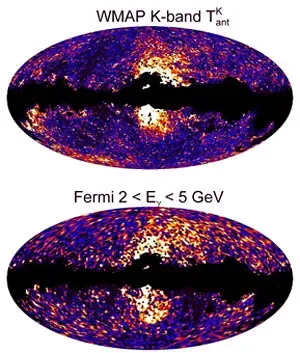
Here is where the story gets uncomfortable for you: if there are so many planets and such a long cosmic timeline, why does the sky not obviously glow with signs of other civilizations? This puzzle, often called the Fermi paradox, forces you to confront a disturbing mismatch between how likely life seems in theory and how quiet the universe feels in practice. You would think that, given billions of years, at least a few technological species would spread, leave artifacts, or broadcast signals you could detect.
There are many possible ways you can try to square this circle. Maybe intelligent life is genuinely rare, and you are one of the lucky flukes. Maybe advanced civilizations mostly destroy themselves or lose interest in space before they become visible across the stars. Or maybe you are simply looking in naive ways, expecting noisy radio chatter when a civilization far older and more capable than yours would communicate or operate in forms you have not even imagined yet. Whichever answer you lean toward, it forces you to reflect on your own species’ future and fragility.
SETI, Strange Signals, And The Fine Line Between Hope And Hype
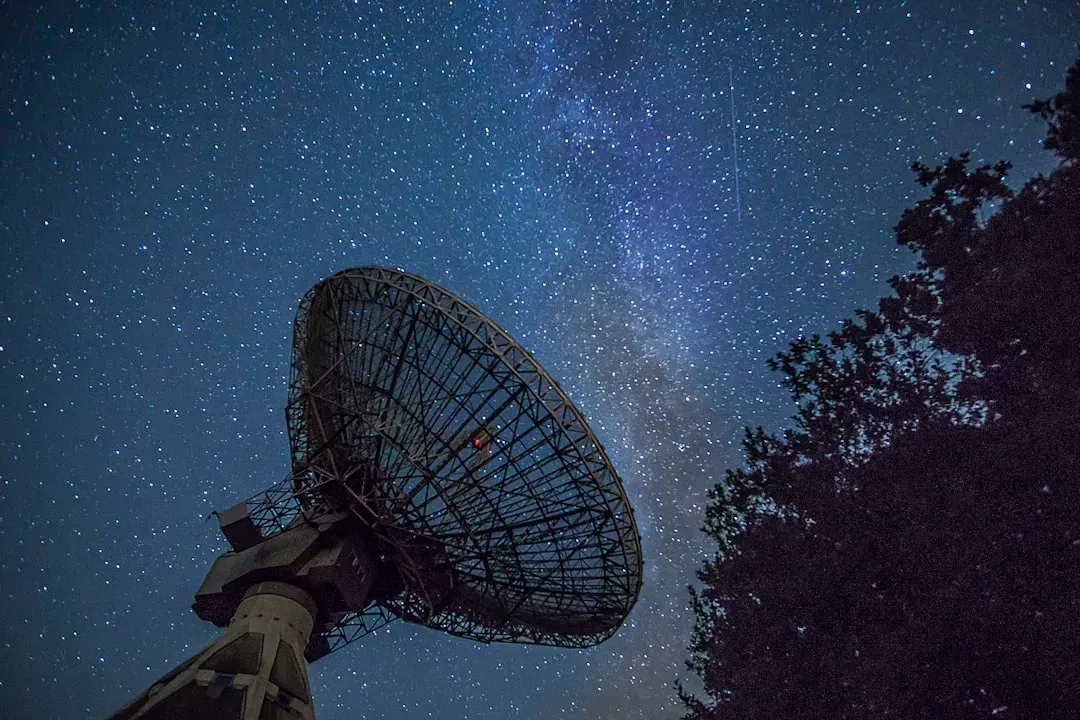
For decades, people like you have been pointing radio telescopes at the sky, quietly listening for narrowband signals or repeating patterns that nature is unlikely to produce by accident. This ongoing effort, loosely grouped under the label of the search for extraterrestrial intelligence, has grown more sophisticated over time. Today, you can scan large swaths of sky, sift through huge datasets with algorithms, and piggyback on observations meant for other scientific projects, all while hoping that somewhere in that sea of data a clear sign of technology is hiding.
Every few years, your news feeds light up with reports of some odd signal, repeating burst, or strange object that people rush to label as possibly alien. Almost every time, further scrutiny reveals something more mundane: instrumental glitches, human interference, or a natural phenomenon you did not fully understand yet. That pattern can feel disappointing, but it is actually a sign that your standards are tightening. You are learning that if you ever do claim to have found a true technosignature, you will need a mountain of evidence and cross‑checks, not just an exciting spike in a graph.
UFOs, UAPs, And Why You Need To Separate Mystery From Evidence
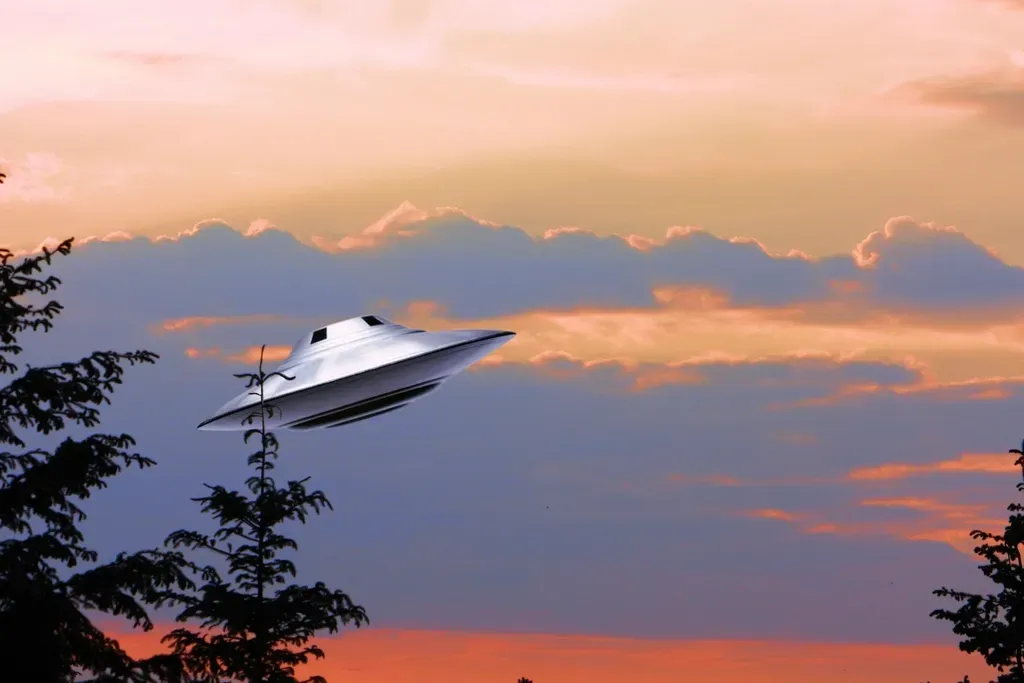
In recent years, you have heard a lot about unidentified flying objects, now often called unidentified anomalous or aerial phenomena. Military pilots have reported encounters with strange things in the sky, and governments have released some footage and reports that raise questions. It can be tempting to jump from “unidentified” straight to “alien visitors,” especially when popular culture has primed you for that leap for generations.
But if you care about what is actually true, you need to hold yourself to a higher standard than that. “Unidentified” simply means “not yet explained,” and many such sightings eventually turn out to be drones, balloons, optical effects, or sensor quirks. So far, there is no confirmed, independently verified evidence that any UAP involves non‑human technology from beyond Earth. You can stay curious and open‑minded about strange observations while also insisting that extraordinary claims require extraordinary proof, not just blurry videos and secondhand stories.
What Discovering Alien Life Would Really Change For You

It is easy to treat the search for life beyond Earth like a distant scientific hobby, but if that search ever pays off, it will hit you on a deeply personal level. You will suddenly have to rewrite your sense of uniqueness, purpose, and place in the cosmos. If you find simple life in your own solar system, you will know you live in a universe where biology is not fragile and unique, but robust and recurring. If you ever detect a truly advanced civilization, you will have proof that your technological adolescence is survivable.
At the same time, such a discovery will not erase your responsibilities here on Earth. You will still have to decide how you treat each other, how you steward your planet, and how you handle your own technologies. In a strange way, realizing that the universe might be full of life could make you cherish your own world more, not less. You might feel smaller on the cosmic scale, but you also get to see yourself as part of a much larger tapestry of possible minds and stories unfolding across space.
Conclusion: Living With The Question While You Wait For An Answer

Right now, you are stuck in an odd in‑between state: you have strong reasons to suspect that life could be common in the universe, but you have no confirmed proof beyond Earth. Telescopes, probes, and detectors are slowly tightening the net, examining nearby planets, icy moons, and distant exoworlds with growing precision. You might not get a headline tomorrow declaring that alien life has been found, but you are clearly moving from wild speculation toward a future where the question can be answered with data.
In the meantime, you get to live with one of the greatest unsolved mysteries as part of your everyday sky. Every time you look up, you are staring at potential homes, laboratories, and ecosystems you will never see with your own eyes, and yet that possibility shapes how you think about yourself. Maybe the universe is teeming with life, or maybe it is quieter than you want to admit; either way, the search itself forces you to look harder, think deeper, and care more about the one world you know is alive. If you did learn tomorrow that you are not alone, how would it change the way you live today?