
If you think science has everything in the universe figured out, you’re in for a surprise. The deeper you look into the cosmos, the stranger and less settled things actually become. Even with powerful telescopes, particle accelerators, and supercomputers, there are giant question marks hanging over some of the most basic features of reality.
What makes this exciting is that you’re living at a time when many of these puzzles might actually be solved within your lifetime. Each mystery you’re about to explore is like a locked door: you can see the outline, you can sometimes hear something moving behind it, but the key is still missing. And if history is any guide, when those doors finally open, you won’t just get answers – you’ll get entirely new questions you never thought to ask.
1. Dark Matter: The Invisible Mass Holding Galaxies Together
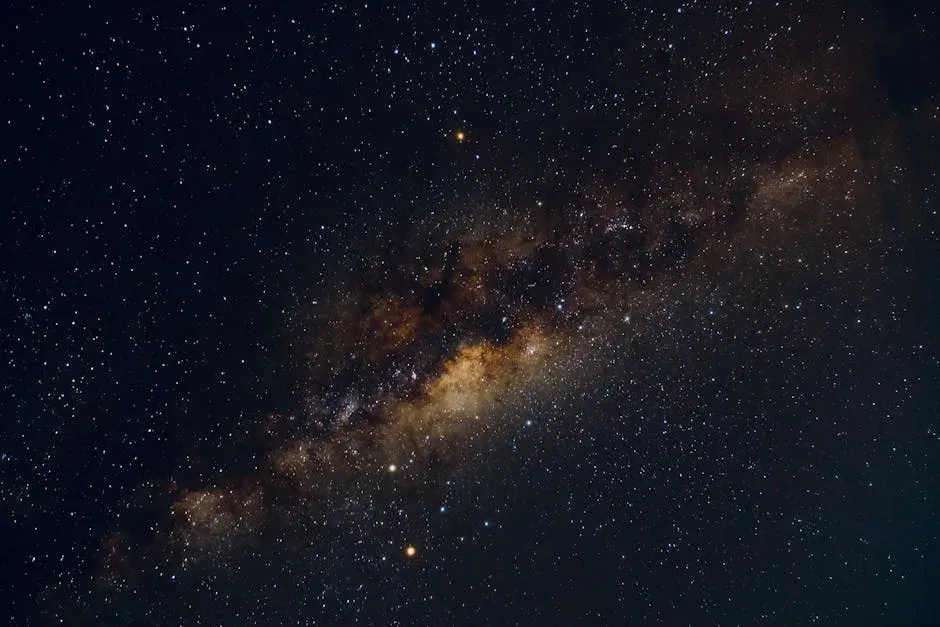
When you look at a photo of a spiral galaxy, you’re seeing something that, on paper, shouldn’t really hold together. Based on the amount of visible stars and gas, galaxies should be spinning so fast that they fling themselves apart like a carousel gone wild. But they don’t. Instead, they move as if they’re embedded in a huge, invisible halo of extra mass that you can’t see, touch, or detect directly.
Astrophysicists call this mystery ingredient dark matter, and you can think of it as the universe’s “missing weight.” You only know it’s there because of the way it pulls on things through gravity, bending light from distant galaxies and changing how stars orbit. Physicists have built ultra-sensitive detectors deep underground and in space to try to catch even a single particle of it, but so far, you’re still chasing a ghost. The wild part is that whatever this stuff is, it likely makes up most of the matter in the universe, and you’re made out of the tiny leftover fraction.
2. Dark Energy: Why the Universe Is Speeding Up Instead of Slowing Down
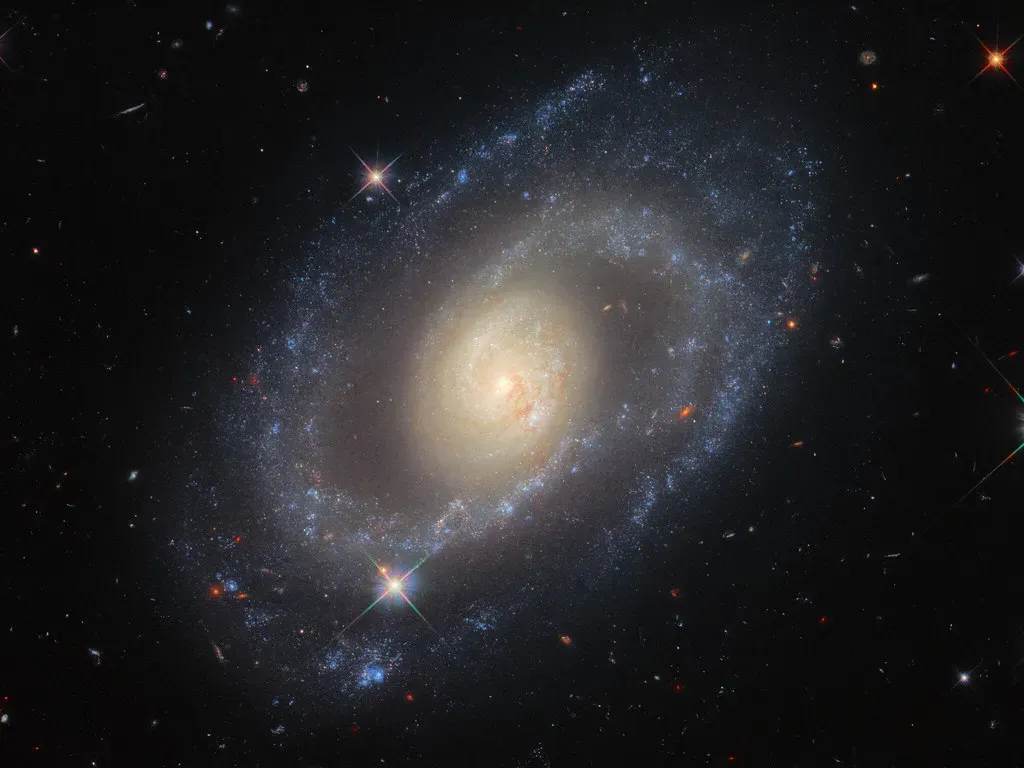
You might expect that after the Big Bang, the universe would expand quickly at first and then gradually slow down, as gravity from all the matter pulls everything back a bit. Instead, when you measure distant exploding stars used as cosmic yardsticks, you find the opposite: the expansion of the universe is actually accelerating. It’s as if someone quietly pressed down on the universe’s gas pedal billions of years ago.
To make sense of this, cosmologists use the label dark energy, a kind of energy built into the fabric of space itself that pushes everything apart. The twist is that dark energy seems to dominate the universe, outweighing matter by a large margin, yet you have no idea what it really is. Some ideas treat it like a constant property of space; others see it as something that could change over time. For you, this isn’t just an abstract puzzle – dark energy ultimately decides the long-term fate of the cosmos, whether it coasts forever, tears itself apart, or evolves into something even stranger.
3. The Nature of Black Holes: What Really Happens Beyond the Event Horizon
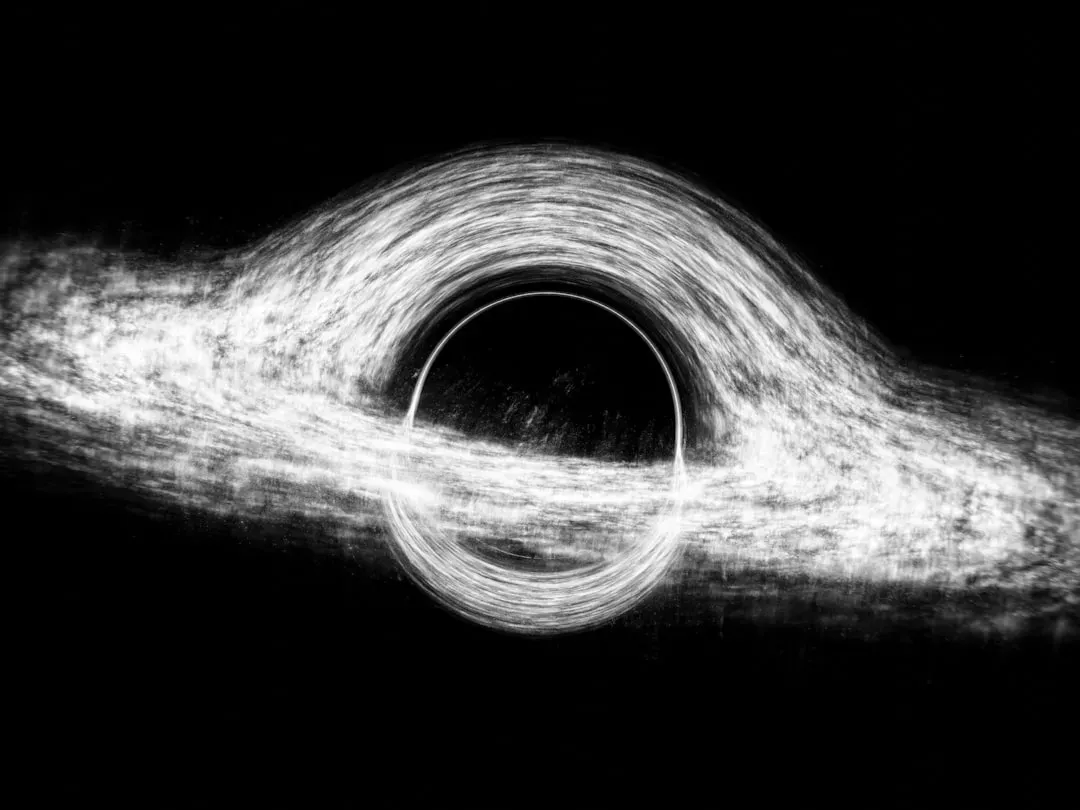
On paper, black holes sound simple: cram enough mass into a small enough space and gravity becomes so strong that not even light can escape. In reality, once you ask what happens right at and inside the event horizon, you step straight into a theoretical minefield. According to general relativity, matter keeps collapsing down into a point of infinite density, a singularity. But when you bring in quantum physics, that picture starts to break down in ways that don’t yet add up.
You’re left with brutal questions: Does information that falls into a black hole disappear forever, or does the universe somehow keep track of it? Does spacetime itself get shredded at the horizon, or is it surprisingly calm as some calculations suggest? Some researchers think black holes might be gateways to new physics, where your current theories of gravity and quantum mechanics finally have to merge. For now, you’re stuck piecing together clues from gravitational waves, X-ray observations, and thought experiments that stretch your intuition to its limits.
4. Fast Radio Bursts: Millisecond Signals From the Deep Unknown
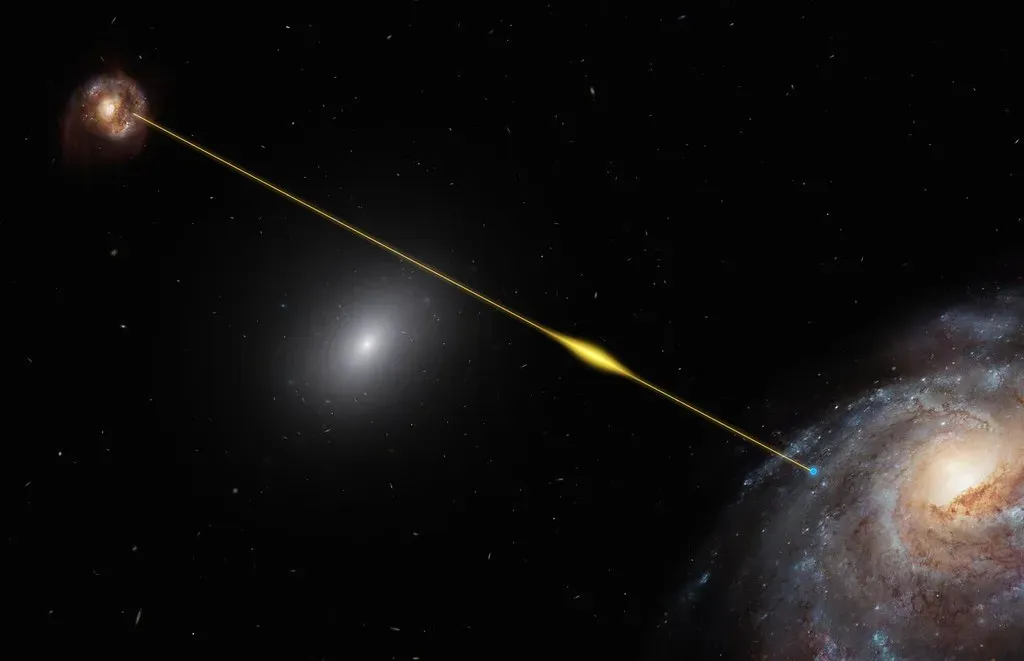
Imagine you’re listening to the universe with a giant radio ear, and every so often, you hear a tiny pop – an intense flash of radio waves that lasts only a fraction of a second, coming from far outside your galaxy. These are fast radio bursts, and they appeared in your data so unexpectedly that early detections were almost dismissed as glitches. But as more and more of them turned up, it became clear that you’re dealing with a real, and very energetic, phenomenon.
Some fast radio bursts repeat, others don’t. Some seem to come from regions near small, extreme stars with intense magnetic fields, others from more ordinary-looking environments. You know these events pack a huge amount of energy into a blink of time, but you still don’t have a single, clean explanation that fits all of them. As new radio telescopes map the sky in incredible detail, you’re catching more of these cosmic Morse code blips, but so far the message they’re sending remains maddeningly hard to decode.
5. The Matter–Antimatter Imbalance: Why You Exist at All
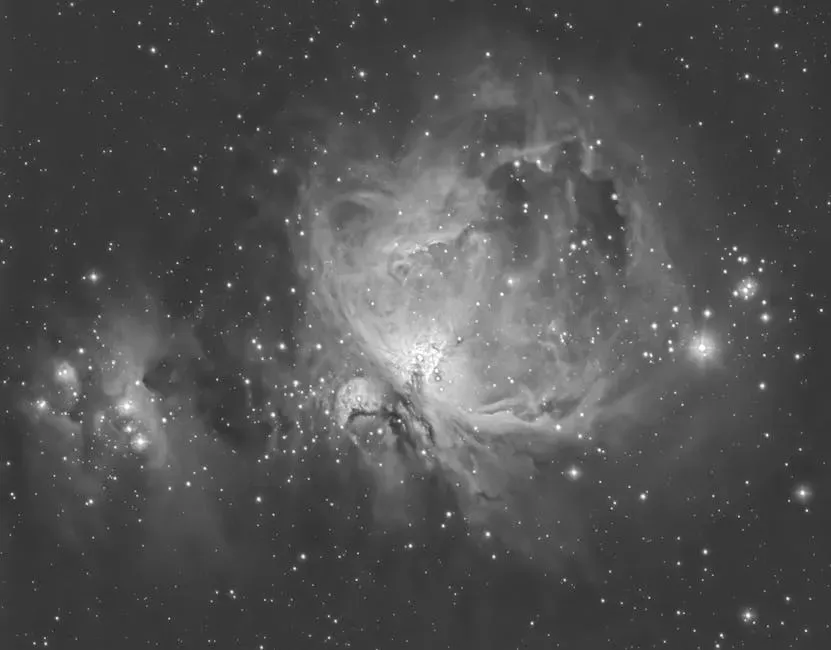
According to your best physics, the Big Bang should have created matter and antimatter in almost perfect balance. For every normal particle, there should have been a mirror partner with opposite charge. When matter and antimatter meet, they annihilate each other in a flash of energy, so in a perfectly balanced universe, you’d expect almost nothing but light left over and no atoms, planets, or people. Yet when you look around, you see a universe dominated by matter, and antimatter is extremely rare.
That imbalance is the only reason you can sit here wondering about it, and it means something tipped the scales very slightly in favor of ordinary matter early on. Experiments with high-energy particles have revealed small differences in how matter and antimatter behave, but those differences seem far too small to explain the entire universe’s lopsidedness. Until you understand this asymmetry, you do not fully understand why there is something rather than an almost perfect nothing. In a very real sense, this is the cosmic mystery that underpins your own existence.
6. The Hubble Tension: Why Different Methods Disagree on the Universe’s Expansion Rate
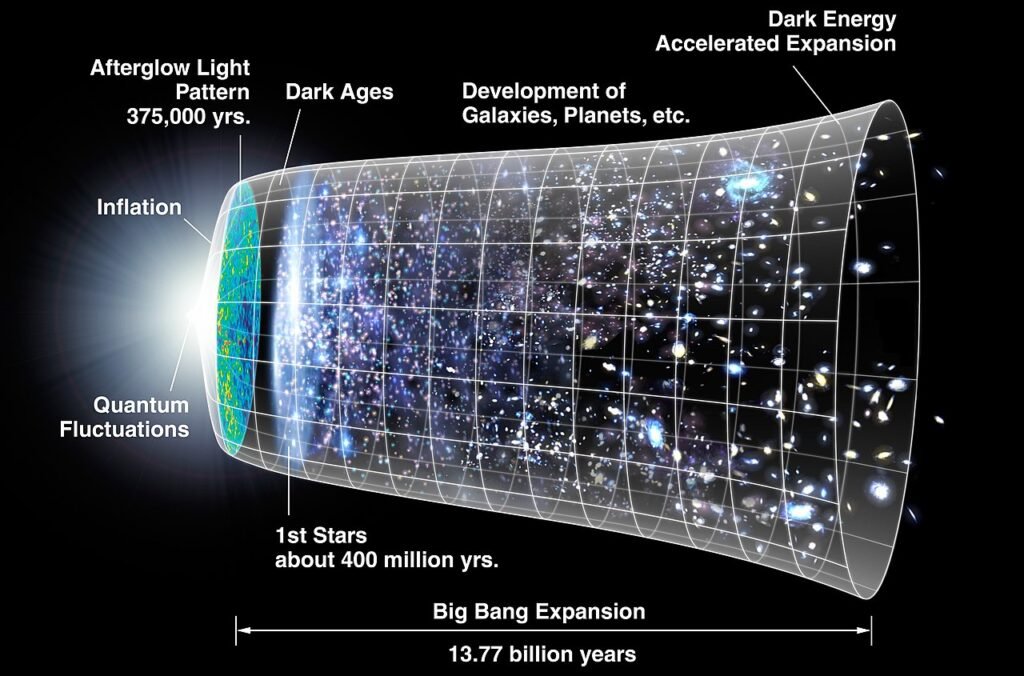
If you try to measure how fast the universe is expanding right now, you run into a surprisingly stubborn problem. One method uses nearby stars and supernovae as distance markers; another infers the expansion rate from the faint afterglow of the Big Bang, the cosmic microwave background. Both methods are careful, refined, and based on solid physics, yet they consistently give you slightly different numbers for the current rate of expansion, known as the Hubble constant.
This mismatch is called the Hubble tension, and it’s not going away as the data get better – in fact, it’s become more pronounced. For you, that’s both worrying and exciting, because it hints that your standard model of the universe might be missing a crucial ingredient. Maybe there was an unknown form of energy in the early universe, or dark matter behaves differently than you expect, or your assumptions about how certain stars evolve need revisiting. Until this tension is resolved, you’re forced to live with a nagging suspicion that the big picture you have of cosmic history is slightly, but importantly, off.
7. The True Nature of Time and the Arrow of Time
When you watch a movie of a glass shattering on the floor, you can instantly tell whether it’s playing forward or backward. In your everyday world, time has an obvious direction: eggs scramble but never un-scramble themselves, smoke disperses but never re-forms. Strangely, the fundamental equations of physics mostly do not care which way time flows. If you reversed the direction of time in those equations, the math would still work, but your lived experience clearly would not.
To explain this arrow of time, you’re told to look at entropy, a measure of disorder that tends to increase. The puzzle is why the universe started out in such an incredibly ordered, low-entropy state that allowed time’s arrow to be so pronounced. You can ask whether time itself emerged from some deeper, timeless reality or whether your sense of its flow is a kind of illusion built by your mind processing information in one direction. Until you can bridge the gap between the smooth, reversible laws of physics and the irreversible messiness of everyday life, time remains one of the most haunting cosmic mysteries you face.
8. The Origins of Cosmic Structure: How the Universe Got Its Large-Scale Pattern
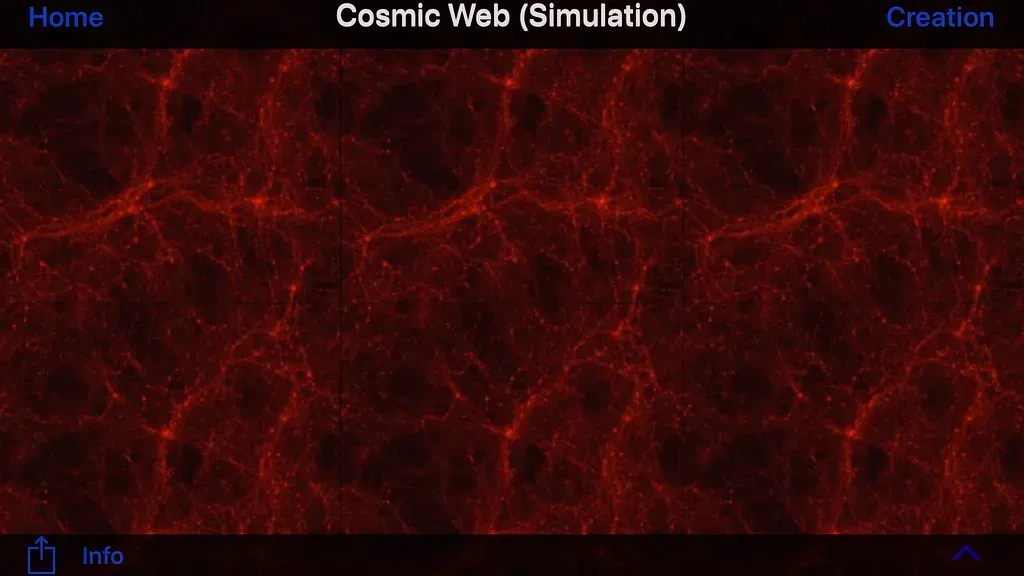
When you zoom way out and look at the universe on the largest scales, you do not see a random scatter of galaxies. Instead, you see a kind of cosmic web: long filaments of galaxies and gas, huge clusters, and vast empty voids stretching across hundreds of millions of light-years. This pattern is beautiful and eerie, like the crackle of frost on a windowpane, and it raises a deep question about how such structure emerged from the almost perfectly smooth early universe you infer from the cosmic microwave background.
Your best models say that tiny quantum fluctuations in the very young universe were stretched out during a rapid early expansion phase, then slowly grew under the pull of gravity, especially from dark matter. That story fits a lot of the data, but the details of that early expansion, often called inflation, are still foggy. You don’t know exactly what drove it, how long it lasted, or whether it left subtle fingerprints you just haven’t noticed yet. Every new galaxy survey gives you a sharper map of the cosmic web, and with it, the hope that you can reverse-engineer the instructions that built this vast structure you live inside.
9. The Possibility of Multiverses: Is Our Universe Just One of Many?
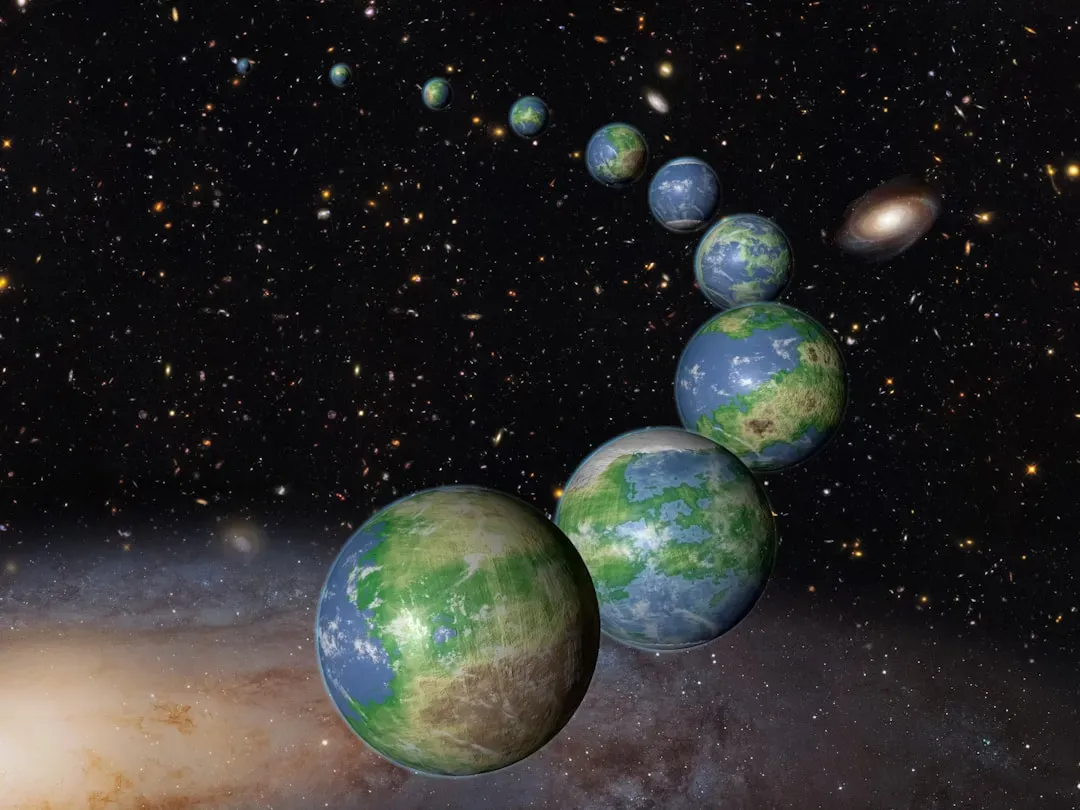
Some of your most successful theories, when pushed to their extremes, quietly suggest that your universe might not be alone. In some scenarios, different regions of space could cool and expand in different ways, creating countless “bubble” universes with their own physical properties. In others, the mathematics of quantum mechanics naturally leads to a branching reality, where every quantum event spins off new versions of the universe. Suddenly, the idea of a single, unique cosmos starts to feel almost conservative.
The catch is that testing these multiverse ideas is incredibly hard, because by definition, other universes would be beyond your direct reach. You might hope for subtle signatures, like specific patterns in the cosmic microwave background or constraints on which sets of physical constants are even possible. For you, the multiverse question sits at the edge of what you can reasonably call science right now, balanced between audacious speculation and legitimate inference from your best theories. Even if it turns out that your universe is the only one, wrestling with the possibility forces you to confront why the laws of nature here seem so oddly suited to making stars, planets, and eventually, you.
10. The Ultimate Fate of the Universe: How the Story Finally Ends
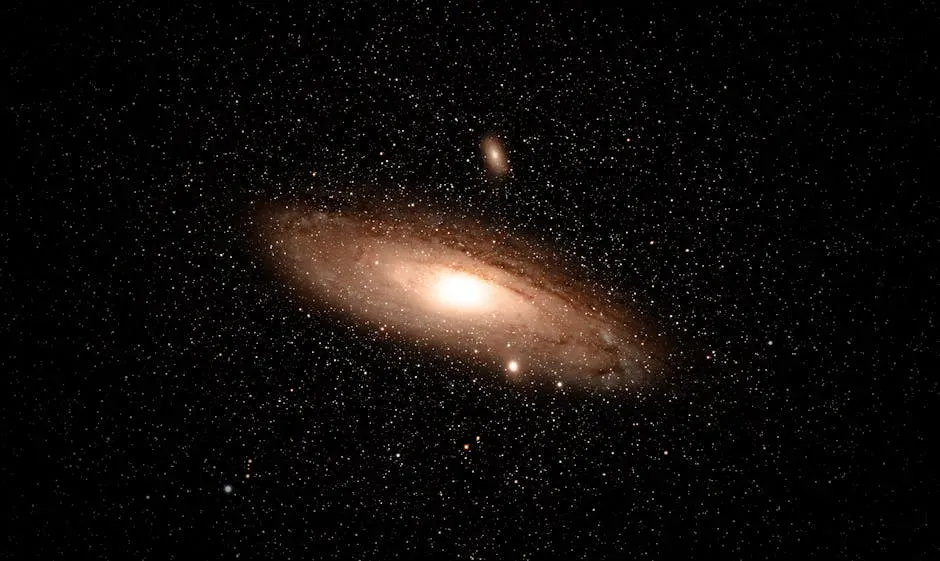
Every story has an ending, and the universe is no exception, but you still do not know which ending you’re heading for. If dark energy keeps acting the way it appears to now, space will keep expanding faster and faster, and over unimaginable timescales, galaxies will drift so far apart that each one becomes an isolated island. Stars will burn out, black holes will slowly evaporate, and the cosmos will become a cold, dark place with only a thin whisper of energy left. That scenario is often called a heat death, and it is as bleak as it sounds.
Yet you cannot completely rule out other fates. If dark energy changes with time, expansion might eventually slow or even reverse, leading to a collapse sometimes called a Big Crunch, or perhaps something more exotic, like a violent tearing apart of all structures. In some ideas, the end of one universe could even trigger the birth of another, turning cosmic history into a kind of endless cycle. For you, these possibilities are more than just science fiction: they’re logical extrapolations of what you see today, stretched into the far future. You may never witness that final act, but you can still ask what kind of cosmos you’re really living in – a brief, one-time story or an infinite, repeating saga.
Conclusion: Living With Wonder in an Unfinished Universe
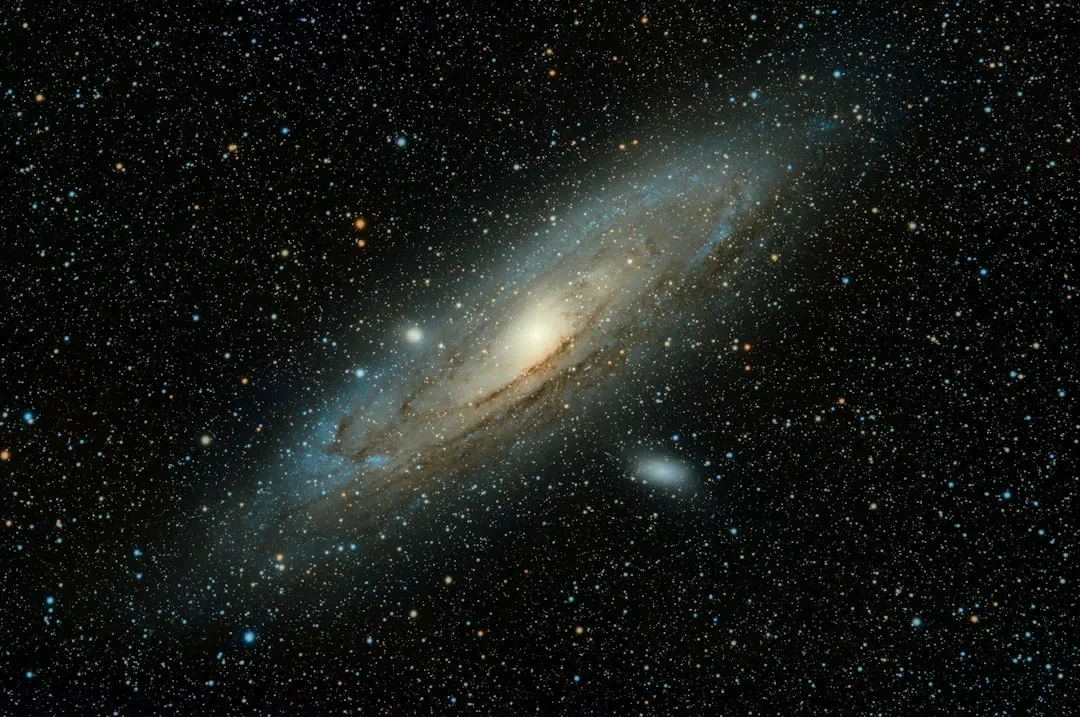
When you zoom out and take all these mysteries together, a clear pattern emerges: you are not living in a neatly solved, fully explained universe. You are living in a work in progress, a rough draft of understanding where some pages are scribbled in pencil and others are still completely blank. For every elegant equation and crisp telescope image, there is a shadow of uncertainty that keeps you honest and, in a strange way, keeps you hopeful.
If you feel a mix of awe and discomfort reading about these puzzles, that’s exactly the right reaction. It means you’re noticing the gap between what you think you know and how vast the unknown really is. The next time you look up at the night sky, you are not just seeing stars; you are staring straight into open questions that future generations may finally answer. And who knows – if you keep your curiosity sharp, you might help crack one of them yourself. Which of these cosmic riddles do you secretly hope you’ll see solved first?